
Panama City doesn't put itself on a map. It hands you a rooftop at sunset, a thousand-foot ship rising twenty-six meters in front of you, and dares you to keep underestimating it.
Panama City is the Latin American capital that hides its gay scene in plain sight — and that's not a complaint, it's the operating system. There's no Zona Rosa, no Chueca, no rainbow-painted strip you can find on a map. What there is: a dozen rooftops in Casco Viejo, a half-mile of Calle Uruguay that turns on after 11pm, and a WhatsApp economy you have to be invited into. The city whispers. If you know how to listen, it's one of the most rewarding capitals in the region right now.
Stay in Casco Viejo and the geography does the work for you. The 1673-founded UNESCO quarter has spent the last two decades turning into the most visible LGBTQ+-welcoming neighborhood in Central America almost by accident — Conservatorio restoring buildings like the American Trade Hotel, then Tántalo opening the rooftop in 2012, then Marriott dropping the Luxury Collection into a 17th-century Jesuit convent in 2022 and Sofitel Legend taking over the bayfront Club Unión in 2023. None of it markets to gay travelers. All of it works for them. There's a 7.4 on Scene in here that surprises people who only know Panama from layovers.
The contradictions are real and you should know them. As of 2026, same-sex marriage isn't recognized — the Supreme Court upheld the constitutional definition in 2023 — and Catholic and evangelical influence shapes everything outside the tourist core. Two blocks separates a rooftop where same-sex couples share a bottle of wine from a barrio where you'd want to be in an Uber. The 5.0 on Legal and the 5.0 on Pulse are the city telling you the truth about itself: the hospitality is warmer than the laws, and the laws are not changing soon. You'll feel the difference between Marbella at midnight and Albrook at noon, and you should pay attention to it.
What you get in return is a city most travelers underestimate. Maito and Donde José are both on Latin America's 50 Best for a reason. Cerro Ancón at sunrise gives you sloths and a canal view for free. The Taboga Island ferry is a thirty-minute beach reset. BLG and Lips Panama have held the community together through every administration the country's had. There's a reason my Traven-Dex landed at 6.3 — the gap between the legal floor and the lived experience is wider here than almost anywhere I've scored, and the lived experience is the part you actually travel for.
The stuff your travel guide buries on page 47
Same-sex sexual activity has been decriminalized in Panama since 2008, but as of 2026 there's no legal recognition of same-sex marriage or civil unions, and the country's Supreme Court upheld the constitutional definition of marriage as between a man and a woman in a 2023 ruling. Same-sex couples travel here all the time without trouble, but don't expect any public-sector paperwork — hospital, hotel registration, immigration — to recognize your relationship.
Anti-discrimination protections are limited and inconsistently enforced. There's no comprehensive national law shielding LGBTQ+ people in employment, housing, or services, though some municipal and workplace policies fill gaps. Adoption by same-sex couples isn't recognized, and joint parental rights aren't extended to non-biological parents. For the current legal landscape and ongoing advocacy, Fundación Iguales Panamá is the local organization tracking reforms, and Human Rights Watch's Panama page is a reliable English-language source on rights developments.
Gender identity law is the harder corner. As of 2026, legal gender change requires medical or surgical proof — there is no self-ID — and document gender is generally tied to birth-certificate sex at hotel check-ins, immigration, and any official transaction. Trans travelers should carry a passport copy and expect occasional manager-level escalations when names or gender markers don't match. ILGA World's Panama country page tracks the legal framework if you want the full picture before you fly.
The cultural reality is more permissive than the legal one in tourist-facing Panama City and considerably more conservative outside it. Catholic and evangelical influence is strong, and that texture changes block by block. Casco Viejo and Marbella read cosmopolitan and welcoming; Albrook, San Miguelito, and most working-class barrios are not places to test that. Pride — locally Mes del Orgullo — runs late June into early July, with a march from Parque Omar down the Cinta Costera that draws roughly 5,000 people and grows every year. Hand-holding in restaurants and rooftops in Casco Viejo is generally fine; kissing draws stares almost everywhere. Pro tip: keep PDA inside venues, and treat the street like a moderately conservative city — because that's what it is.
What it actually feels like on the ground
Holding hands. In Casco Viejo and the Marbella blocks around Calle Uruguay at night, hand-holding inside well-lit areas is broadly comfortable. Inside venues like BLG Discotek and Lips Panama, anything goes. Step into Santa Ana, El Chorrillo, or San Miguelito, and the temperature changes immediately — keep affection inside the venue and let the Uber do the bridging.
Hotel check-in. Boutique properties in Casco Viejo and the international flagships in Marbella handle same-sex couples without comment — one bed, two names, no second look. Smaller properties outside the tourist zones may pause briefly; it's almost always logistical, not hostile, but the awkwardness is real. Book the Casco Viejo or Marbella properties on this page and you'll skip the question entirely.
Taxis and rideshare. Uber is legal, cheap, and by far the safest way to bar-hop in Panama City — drivers don't blink at two men or two women heading to BLG at midnight. Yellow taxis are a coin flip on metering and a worse one on attitude; use the airport's official kiosk if you need one, and otherwise default to the app.
Beaches and public spaces. Amador Causeway and the Cinta Costera are family-oriented daytime zones — overt PDA is uncommon and draws looks. Taboga Island, the 30-minute ferry from Amador, is the easiest queer-comfortable beach day from the city; the crowd skews mixed and chill. Expect modesty as the default in any public swimming context.
Late night. The Calle Uruguay corridor is well-trafficked until late, but the surrounding streets thin out fast after 2am — Uber the last quarter-mile back to your hotel even if it looks walkable. Don't cross from Casco Viejo into Santa Ana or El Chorrillo on foot at night, full stop. The U.S. Embassy in Panama publishes current safety advisories and is a reasonable baseline for any nationality on the bigger neighborhood-by-neighborhood picture.
Trans travelers. Document gender is matched to birth-certificate sex at most official touchpoints, so name/gender mismatches at hotel check-ins or airport ID checks may require a manager. Carry a passport copy. Outside of Casco Viejo and the upscale enclaves, expect stares and limited recognition. Hombres Trans Panamá is the local community resource for trans-specific connections and on-the-ground guidance.
Health and harm reduction. PROBIDSIDA offers free, confidential HIV and STI testing in Spanish and English, and is the go-to for travelers who need PEP — they're used to walk-ins and don't ask invasive questions. Save their address before you land. For broader health questions, the Ministerio de Salud (MINSA) publishes public-health guidance in Spanish.
Verbal harassment. Catcalling and slurs are uncommon in Casco Viejo, Marbella, and El Cangrejo but not unheard of in working-class neighborhoods, especially toward visibly gender-nonconforming travelers. Keep moving, don't engage, and hail an Uber if it escalates.
The queer geography
Casco Viejo
Casco Viejo is the historic colonial quarter — founded in 1673 after Henry Morgan sacked the original city, designated a UNESCO World Heritage Site in 1997, and currently in its third decade of restoration. Walk it slowly. The architecture stacks Spanish colonial against French neoclassical against early-American republican on the same block, and the result is uneven in the best way: a perfectly restored plaza on one corner, a half-collapsed facade with a tree growing through it on the next. Plaza de la Independencia, Plaza Bolívar, and the bayfront walls of Iglesia de San José with its golden altar are the standard stops; the better move is to wander Avenida Central at dusk when the heat breaks and the rooftop bars start filling. The American Trade Hotel on Plaza Herrera is the anchor — the bar at Tántalo Rooftop a few blocks over is the unofficial pre-game for the gay nightlife in Marbella. There's no rainbow-painted strip here, but this is where the boutique hotels, the rooftop bars, and the most visible LGBTQ+-welcoming hospitality in the country cluster. Pride's Mes del Orgullo march ends nearby on the Cinta Costera — Orgullo Panamá publishes the route and afterparty info each year.
Bella Vista & Calle Uruguay
Bella Vista is mid-century Panama City — wider streets, taller buildings, and the corridor that's carried the city's gay nightlife for decades. Calle Uruguay is the spine, an upscale strip that comes alive after 11pm with mixed and gay-friendly clubs operating elbow to elbow. BLG Discotek is the longest-running gay club in Panama and the one place where the crowd actually shows up before 1am; Lips Panama a few blocks away does drag dinner-and-show on weekends; Hard Rock Bar has been holding it down for the local de ambiente crowd longer than most people remember. The blocks themselves are corporate by day — banks, office towers, the kind of glass that makes Panama feel like Miami's quieter cousin — and transform completely once the sun drops.
El Cangrejo & Vía Argentina
Walk fifteen minutes north and you're in El Cangrejo, the cosmopolitan dining and café district where the city actually feels like a city you could live in. Vía Argentina is the artery — coffee shops, hostels, indie restaurants, a queer-visible café crowd that lingers past noon. The neighborhood is walkable in a way Panama City rarely is, and the rents-and-rents-of-rents have brought in a creative scene that reads relaxed and de facto welcoming. It's not a nightlife destination in the Calle Uruguay sense; it's the daytime answer to it. Mid-range hotels here run cheaper than Casco Viejo, the fondas serve the best sancocho in the city, and you'll see same-sex couples sharing a bottle of wine at sidewalk tables without anyone breaking stride.
Marbella & the financial district
Marbella is the banking heart — high-rises, embassy residences, the W Panama and the Bristol sitting five minutes by Uber from any gay venue worth going to. There's no street life here in the Casco Viejo sense, but there's a discreet, upscale gay-mixed dining scene tucked into the towers, and the proximity to Calle Uruguay makes it the practical choice for travelers who want a serious hotel and a fast cab to the bars. Stay here if your priority is logistics over atmosphere. Fundación Iguales Panamá tracks community events across the city and is the best place to check whether anything's happening the week you're in town.
Pro tip: the lesbian and queer-women scene runs more underground — most of it lives in private parties announced on Instagram by collectives like Las Cómplices. Follow Orgullo Panamá during Pride week and you'll find every party in town. And don't try to plan a gay night out from a hotel concierge — they'll send you to a tourist club. Ask the bartender at Tántalo or the front desk at Selina Casco Viejo, and you'll get the actual list of what's open this weekend.
The experiences worth rearranging your itinerary for
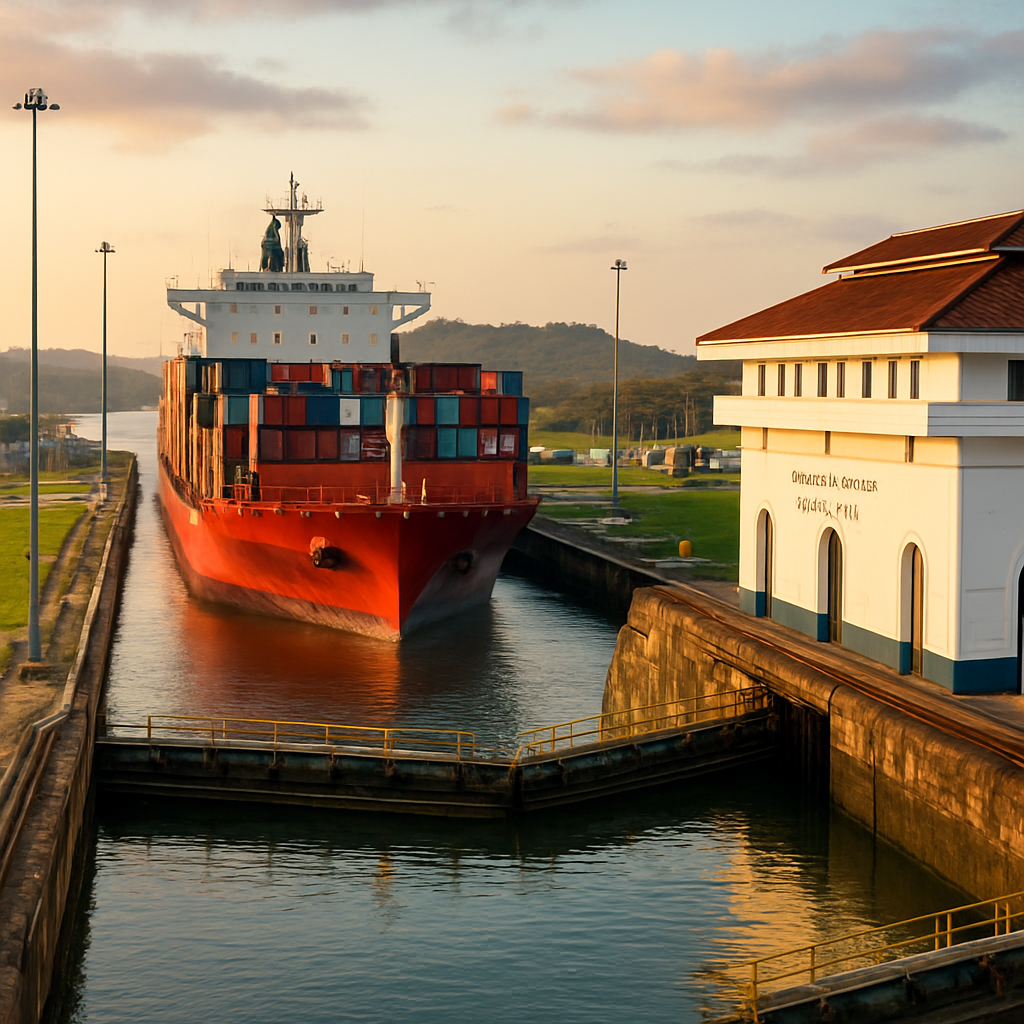
Watch a Panamax Ship Rise at Miraflores
Stand on the terrace at Miraflores as a thousand-foot container ship slides into the lock chamber — gates close behind it, water pours in, and the whole vessel rises twenty-six meters in front of you in about eight minutes. The visitor center has the museum and the theater and the gift shop, and you should ignore most of it. The terrace is the show. Time your visit between 9am and 11am or 3pm to 5pm — those are the transit windows when traffic is heaviest. Go early in your trip; everything else in Panama City makes more sense once you've seen the canal actually working.
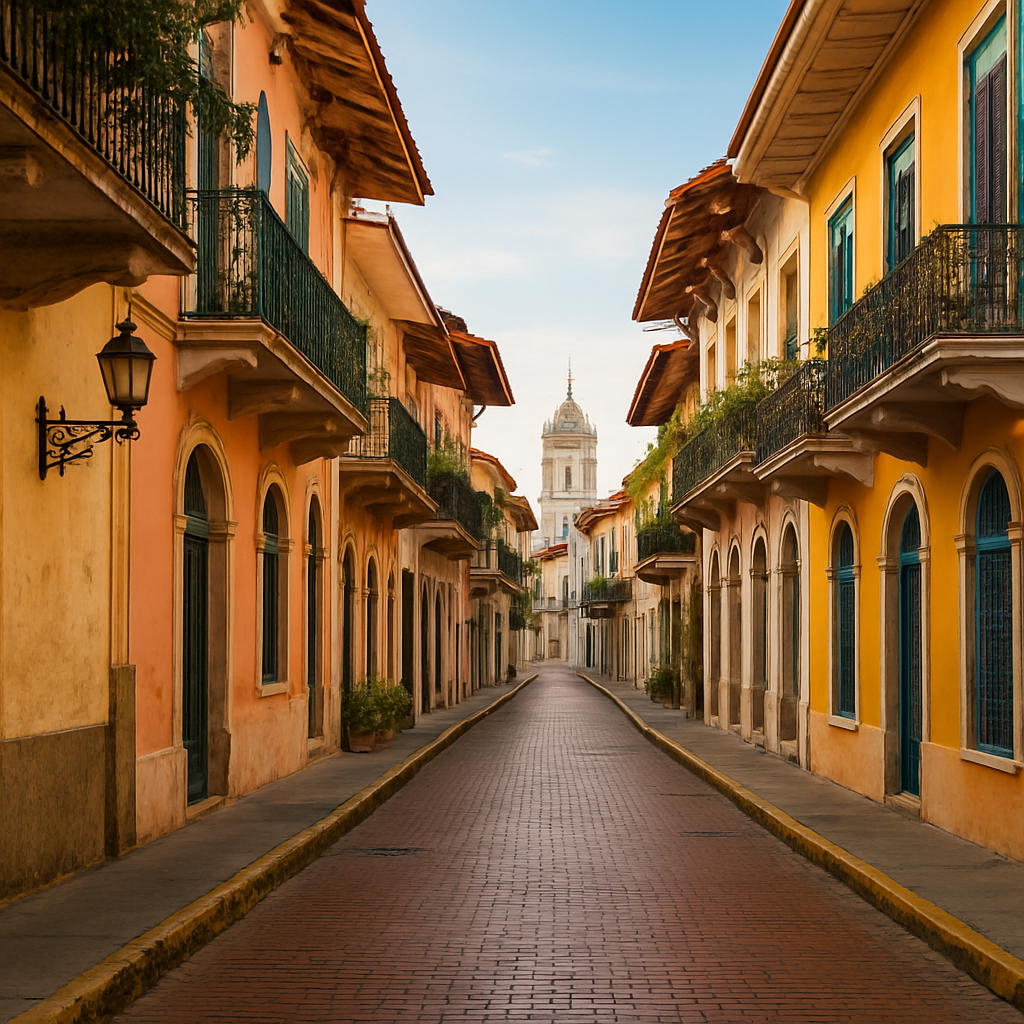
Walk Casco Viejo from Plaza to Rooftop
Start at Plaza de la Independencia at five — heat breaks around then — and let yourself drift. Spanish colonial against French neoclassical against half-collapsed facades with trees growing through them; the restoration is uneven on purpose, and it's the best thing about it. Stop at Iglesia de San José for the golden altar that survived Henry Morgan's 1671 sack. End on a rooftop — Tántalo, Casa Casco, La Concordia — with the bay turning gold behind you. This is the walk you'll remember.
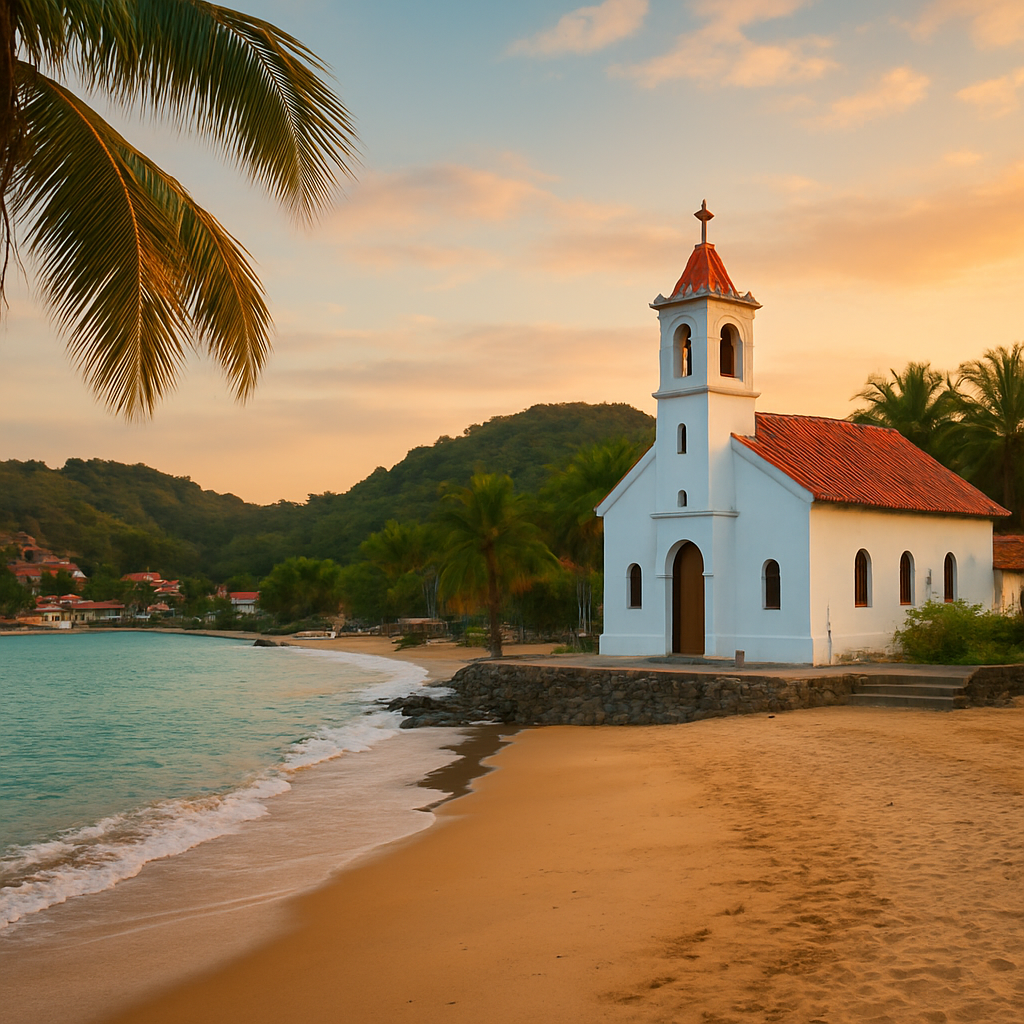
Ferry to Taboga for a Beach Day
The thirty-minute ferry from Amador Causeway drops you at a 1524-founded fishing village with the oldest functioning church in the Western Hemisphere, two beaches, a hiking trail, and a wildlife refuge for migrating brown pelicans. Gauguin lived here briefly in 1887, which everybody on the island will tell you about. The pace is slow, the seafood at the village shacks is excellent, and you're back at Amador by sunset. The easiest mental reset within reach of the city.
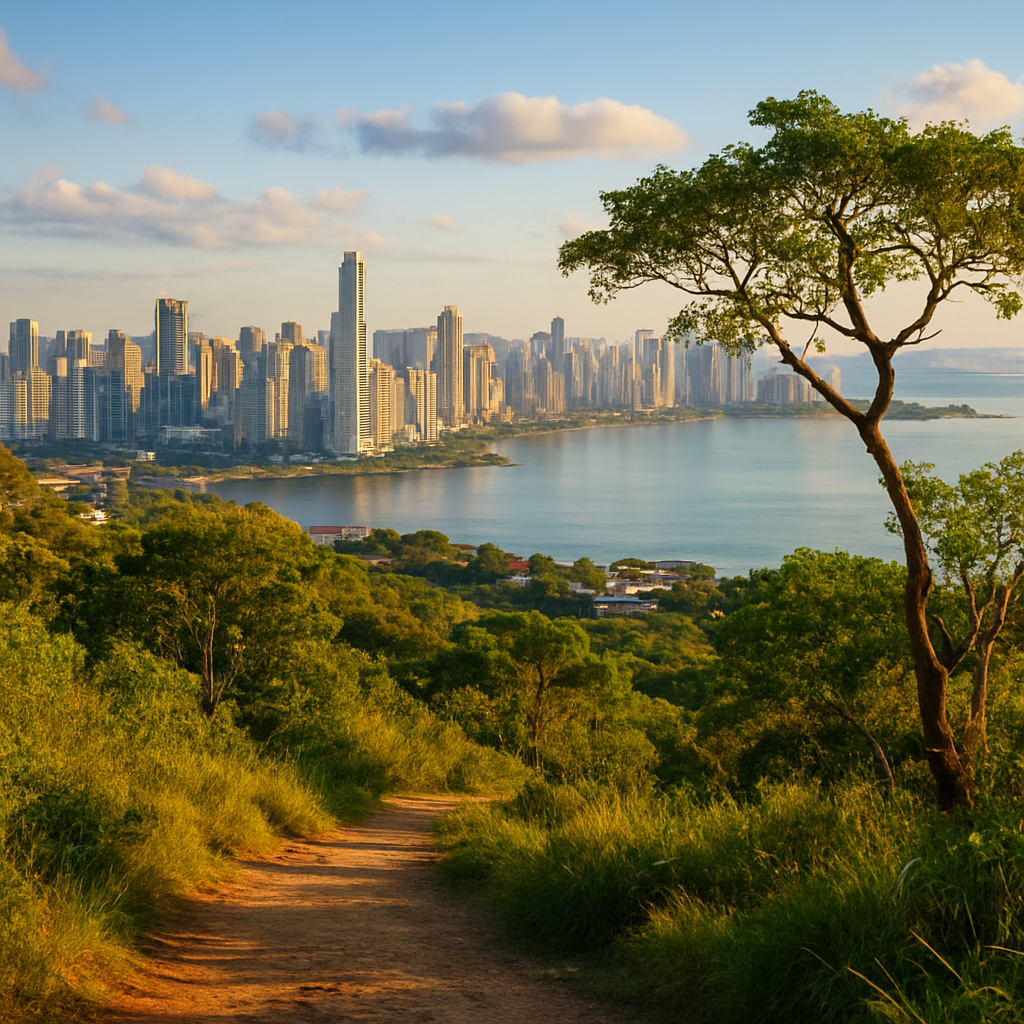
Hike Ancon Hill at Sunrise
Cerro Ancón is a 199-meter forested hill on the edge of Casco Viejo with a paved trail to a summit flagpole, and it's the best free thing in Panama City. Go at sunrise — cooler, quieter, and the wildlife is actually moving. Sloths in the cecropia trees, Geoffroy's tamarins crashing through the canopy, toucans if you're patient. The summit gives you the entire city, the canal's Pacific entrance, and the cargo line waiting for transit, all at once. Twenty minutes up, an hour on top, and you've earned breakfast.
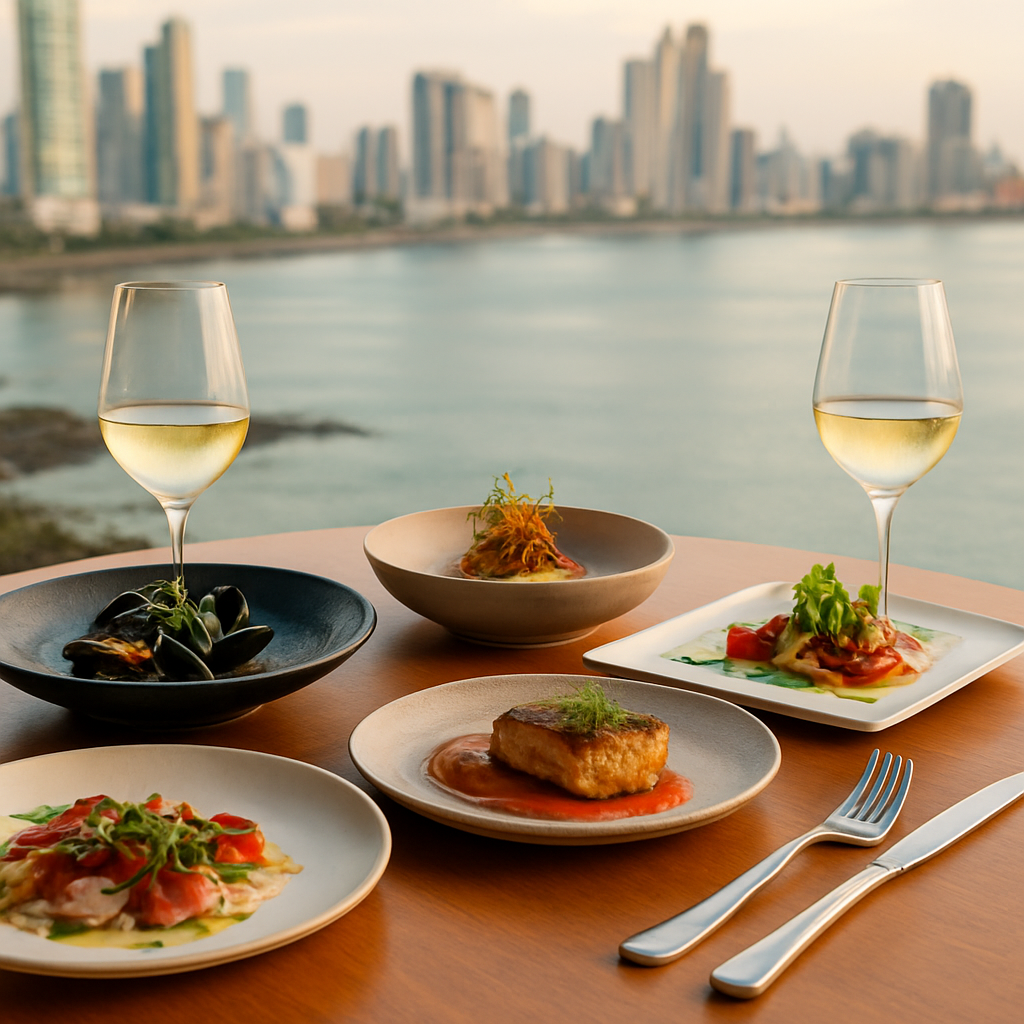
Dinner at Maito with Mario Castrellón
Mario Castrellón opened Maito in San Francisco in 2010 and has spent the years since pulling Afro-Antillean and Asian-Panamanian heritage into a single coherent kitchen — the World's 50 Best list followed, and so did the regional reputation. Order the tasting menu, let the room work, and pay attention to how a chef thinks about a country that's been a crossroads for five hundred years. This is the meal that reframes Panamanian food for you. Book at least two weeks out.
The places I actually send people to
Advice that fits how you travel
Solo travel in Panama City is easier than the city's reputation suggests, mostly because the geography does the work for you. Stay in Casco Viejo and your day organizes itself — coffee at Café Unido, a wander through the colonial blocks, sunset on Tántalo Rooftop, dinner at Fonda Lo Que Hay, and you've met half the people on the rooftop by 10pm. The historic core is small enough to feel oriented in by day two and lively enough that eating dinner at the bar never feels lonely.
The apps are how you'll find the actual scene. Grindr and Hornet are both active, with most of the action in Casco Viejo, Marbella, and El Cangrejo; expect a mix of locals, expats, and Copa-layover traffic. The bar scene is more compact than a capital city this size suggests — BLG on Calle Uruguay is the reliable Friday and Saturday move, and a five-minute Uber from any Casco Viejo hotel. Pro tip: sit at the bar at Tántalo around 9pm if you're solo, and you'll have your night planned by 10. That's been true on every visit I've made.
Budget-wise, Panama City is generous to solo travelers — Uber is cheap and metered, hostel beds in Casco Viejo run $20–35, and a real meal at a fonda costs less than a cocktail at the rooftop above it. On safety: my Chill score of 5.2 reflects a real ground reality. Casco Viejo, Marbella, and El Cangrejo are comfortable solo at night within the well-lit blocks; don't walk into Santa Ana or El Chorrillo after dark, and Uber the last quarter-mile home from Calle Uruguay after 2am even if it looks walkable.
Same-sex couples travel to Panama City all the time without trouble — the practical reality on the ground is much warmer than the legal framework suggests. Boutique hotels in Casco Viejo and the international flagships in Marbella handle one bed and two names without comment; American Trade Hotel, La Compañía, Sofitel Legend, Las Clementinas, and the W Panama are all properties where I know the front desk has been doing this for years. Book one of these and you skip the awkwardness of testing a smaller property cold.
For dates, Casco Viejo is the romance neighborhood. Sunset on Tántalo Rooftop, dinner at Donde José if you booked a month out and at Madrigal or Fonda Lo Que Hay if you didn't, then a quiet rum cocktail at Pedro Mandinga — that's the night. Maito in San Francisco is the special-occasion table, and Intimo is the alternate when Maito's full. Hand-holding inside restaurants, on rooftops, and in the gay venues on Calle Uruguay is generally fine; kissing draws stares almost everywhere, so keep that for behind closed doors. As of 2026, same-sex marriage isn't legally recognized here and the 2023 Supreme Court ruling makes near-term change unlikely — meaning hotels treat you well, but no public-sector paperwork (hospital, immigration, anything official) will recognize the relationship.
For the trip beyond the city, the Taboga Island ferry from Amador Causeway is the easiest queer-comfortable beach day — mixed crowd, no hassle, and you're back in time for dinner. If you have an extra day, the rainforest at Gamboa paired with the Miraflores Locks turns the canal into something you actually understand. Pro tip: book restaurant reservations from your home country before you fly. Donde José sits sixteen people a night, and the calendar fills up weeks out.
Panama City handles LGBTQ+ families well at a hospitality level and inconsistently at a legal one — and you should know which is which before you fly. International hotel brands (W, Sofitel, Bristol, the Marriott Luxury Collection at La Compañía) are trained on family check-ins regardless of structure, and the Casco Viejo boutiques generally read welcoming. As of 2026, however, joint adoption by same-sex couples isn't legally recognized in Panama, and non-biological parents don't have automatic parental rights here. Carry full documentation — birth certificates, custody papers, passports — for any child you're traveling with. This is generic advice for any LGBTQ+ family abroad, but it matters more here than in places with marriage equality.
The kid logistics are easy. The Biomuseo on Amador Causeway — Frank Gehry's only Latin American building — is a perfect indoor-outdoor afternoon for ages six and up; the Punta Culebra Nature Center next door covers the younger end. The Miraflores Locks viewing terrace is a winner with kids of any age once they understand what they're watching: a thousand-foot ship rises twenty-six meters in front of them in eight minutes. Cerro Ancón is a manageable family hike with sloths and tamarins as the payoff. The Taboga Island ferry is the best beach day. Strollers work in Casco Viejo on the restored blocks but struggle on the cobblestones — bring a carrier as backup.
On day-to-day social texture: the city skews family-oriented in a Catholic, conservative-by-default way — meaning kids are welcomed everywhere, and two-mom or two-dad families are typically met with curiosity rather than hostility in Casco Viejo, Marbella, and El Cangrejo. Outside those zones, expect more stares and fewer assumptions about your family structure. Pro tip: book a two-bedroom apartment rental in Casco Viejo or El Cangrejo rather than connecting hotel rooms — you'll get a kitchen, more space, and a neighborhood you can actually walk in with kids.
What Panama City actually costs
Flights, visas, and the first 30 minutes
Airport: Tocumen International Airport (PTY) sits about 25 km east of the city center and runs as the busiest hub in Central America, with approximately 90 direct routes connecting Panama City to most of the Americas and a handful of European gateways. Direct flights from Miami run roughly 3 hours, New York and Houston about 5 hours, Los Angeles around 7 hours, Madrid 10 hours, and São Paulo 7 hours. Copa Airlines runs its hub here, so connections through PTY are often cheaper than flying direct.
Visa requirements: As of 2026, U.S., Canadian, U.K., E.U., and Australian passport holders can typically enter visa-free for up to 180 days — one of the most generous tourist windows in Latin America. You'll generally need a passport valid for at least 3 months, proof of onward travel, and proof of approximately $500 in available funds, though enforcement on the latter two is inconsistent. Confirm with your nearest Panamanian consulate before flying if you're traveling on another passport.
Airport to city: Uber is the move — it's legal, metered, and runs roughly $15–25 to Casco Viejo or Marbella, with a well-signed pickup zone. Official airport taxis at the kiosk run a fixed $30–35; agree on the price before you get in. A pre-booked private transfer ($45–70) is the smoothest option with families or a lot of luggage. The Metro Bus + Metro combination is cheapest at $1.25–3.50 but requires a rechargeable Metrobus card and turns into 60–90 minutes of misery if you're hauling suitcases — skip it on arrival, save it for getting around the city later.
Pro tip: Tocumen has two terminals connected by a covered walkway, and Copa flights are split across both. Build in 15 extra minutes for connections, and don't trust the airport Wi-Fi to load your boarding pass at the gate.
Traven's seasonal breakdown
The questions everyone asks
Is Panama City safe for same-sex couples?
Is same-sex marriage recognized in Panama?
Where do I actually find the gay scene?
Do I need to speak Spanish?
What's the best neighborhood to stay in?
When is Pride in Panama City?
How much should I budget per day?
Screenshot this before you go
So should you actually go?
Go, with eyes open. Panama City isn't going to perform for you — there's no rainbow strip, no marriage equality, and the country outside the tourist zones runs conservative by default. What you'll find instead is one of the most quietly rewarding capitals in the Americas: a UNESCO old town that's become a de facto LGBTQ+ hospitality district, two restaurants on Latin America's 50 Best, a small but real gay nightlife on Calle Uruguay, and the canal — still, after a hundred and ten years, one of the most extraordinary things humans have built. Stay in Casco Viejo or Marbella, Uber the gaps, book Donde José a month out, and you'll come home wondering why nobody told you sooner. My Traven-Dex of 6.3 is the honest scorecard; the trip itself runs better than that number suggests.
Sources & Resources
Official links we reference when compiling this guide. Last verified 2026-05-04.