Cusco is the city where 3,000 years of history and one gay disco bar coexist at 3,400 meters — and somehow, improbably, it works.
Cusco is a contradiction held together by altitude and stone. It's a deeply conservative Andean Catholic city built on top of an Inca empire that recognized third-gender individuals performing sacred rituals at Qorikancha. It has exactly one explicitly gay venue — Mythology on Calle Plateros, where nobody shows up before midnight — and yet I gave it a 7.5 on Scene, because the queer experience here isn't about counting rainbow flags. It's about finding your people tucked into a corner booth at Fallen Angel on Plazoleta Nazarenas, laughing over ceviche surrounded by the most deliriously camp interior décor in South America, while the ruins of an empire glow under floodlights outside.
The scene is tiny by Lima standards but punches above its weight in atmosphere. The altitude, the colonial stones, the pisco — everything feels more intense up here. San Blas is where the queer-coded creatives live: painters, ceramicists, expats who came for a week in 2014 and never left. Walk up through the steep cobblestone calles before the tour groups arrive and the light on the carved wooden doorways will stop you. Los Perros on Calle Tecsecocha — mismatched couches, decent wine, mellow energy — is where you start when your lungs are still negotiating with the altitude. By Thursday night, you graduate to Mythology, where the DJ actually shows up and the crowd gets interesting after 1am.
But I won't oversell it. My Traven-Dex of 6.5 reflects a city with real limitations for queer travelers. Peru doesn't recognize same-sex unions. A 2024 executive decree classified transgender identities under mental health conditions, and international human rights organizations condemned it loudly. PDA outside specifically welcoming venues draws attention. The tourist bubble around Plaza de Armas is genuinely bubble-like — within it, you move through without friction. Wander ten blocks uphill into residential barrios and the energy shifts. Read your surroundings.
What Cusco offers in exchange for that calibration is something almost no other city on earth can match. You're walking streets that have been continuously inhabited for three millennia. You're eating anticuchos — grilled beef heart skewers with ají amarillo sauce — from carts that appear around Plazoleta San Francisco after 9pm. You're taking a train to one of the seven wonders of the world. The destination itself is a 9.0, and that's not generosity — it's math. Come knowing what this city is and isn't, and it'll give you something you can't get anywhere else.
The stuff your travel guide buries on page 47
The legal landscape. As of 2026, same-sex sexual activity is legal in Peru — there's no criminalization. But that's roughly where the good news ends on paper. Peru does not legally recognize same-sex marriage, civil unions, or same-sex adoption. Anti-discrimination protections are limited: there's no comprehensive national law prohibiting discrimination based on sexual orientation or gender identity in employment, housing, or public services. Gender identity change requires medical documentation and is not a streamlined process. The country's legal framework for LGBTQ+ rights is, frankly, one of the thinnest in South America.
The 2024 transgender decree. In 2024, Peru's executive branch issued a decree classifying transgender identities under mental health conditions. MHOL (Peru's oldest LGBTQ+ rights organization), ILGA Latin America & Caribbean, Human Rights Watch, and Amnesty International Peru all issued formal condemnations. This is an active legal environment — trans travelers especially should check current status with Promsex or No Tengo Miedo before travel.
The cultural reality. Cusco sits in a historically Catholic and indigenous-conservative region. Public displays of affection between same-sex couples in certain neighborhoods or on rural routes to Machu Picchu can draw looks or comments, though outright confrontation is relatively rare in tourist-heavy central Cusco. The tourist bubble around the Plaza de Armas is internationalized and relatively relaxed. Outside that bubble — in local markets like Mercado San Pedro and Wanchaq, in residential barrios, in Sacred Valley villages — social norms are more conservative and PDA is culturally inappropriate.
PDA comfort by area. Within explicitly LGBTQ+ venues like Mythology: normalized. The Plaza Nazarenas luxury hotel corridor: medium comfort — international clientele, discreet PDA generally fine. San Blas: low-to-medium — bohemian atmosphere, marginally more tolerant, but you'll still attract comment. Plaza de Armas: low — heavy foot traffic from conservative local residents and domestic tourists. Local markets: low — strongly negative reactions are possible. The pattern is consistent: the more international the space, the more room you have.
What it actually feels like on the ground
Holding hands. Keep it to explicitly welcoming venues and the immediate vicinity of luxury hotels on Plaza Nazarenas. On the Plaza de Armas, on Calle Plateros, and in San Blas, same-sex hand-holding draws stares and occasional comments. It's not consistently dangerous, but it's not comfortable either. Calibrate based on time of day and crowd — daytime tourist rush is generally indifferent; evening local crowds less so.
Hotel check-in. Tourist-facing hotels in central Cusco are generally professional. The phrase "somos una pareja" (we're a couple) said matter-of-factly at check-in typically lands without incident at establishments that depend on international bookings. Properties in the Belmond, Marriott, and Inkaterra portfolios have corporate LGBTQ+ non-discrimination policies. Budget hostels like Pariwana and Loki have a backpacker culture that's accidentally LGBTQ+-affirming — nobody cares, everyone's on Cusqueña, and the common areas are genuinely safe spaces.
Taxis and transport. Negotiate fares before you get in, or download inDriver before you arrive — it works well in Cusco and lets you set your price, avoiding the post-club fare inflation on Plateros where drivers see tipsy tourists and triple the rate. Taxis are generally fine for same-sex couples; you're unlikely to face refusal, but keeping physical affection low-key in the backseat avoids unnecessary conversations.
Late night. Calle Plateros stays relatively safe in the early hours because it's dense with tourists, bar staff, and occasional police presence. Stick to well-lit stretches. Don't walk dark side streets after 2am regardless of who you are — petty crime targets tourists of all orientations. Get a taxi or inDriver from your venue's door.
Trans travelers. This requires a direct conversation. Peru's 2024 decree classifying transgender identities under mental health conditions has created a hostile legal climate. Central Cusco hospitality workers are generally professional, but interactions with police, healthcare services, or bureaucratic situations can be more fraught. Carry copies of all documents. Have MHOL Peru's contact saved in your phone as a legal reference point. Red Peruana de Trans Masculinos is another resource worth bookmarking. Healthcare access through Cusco's regional health directorate is available but should be approached with realistic expectations about sensitivity.
Verbal harassment. Occasional catcalling and comments happen, particularly for visibly gender-nonconforming travelers. It's more common outside the tourist core — in market areas, on colectivos, in residential neighborhoods. Within the Plaza de Armas-to-San Blas corridor, the sheer density of international visitors creates a buffer. This isn't a city where you should expect aggressive confrontation in tourist areas, but it's also not a city where you can stop reading the room.
The queer geography
Cusco doesn't have a gay village. It has a few streets and one disco bar that, together, form something like a queer constellation — you have to know where to look, and the dots are close enough to connect on foot if your lungs can handle 3,400 meters of altitude.
Calle Plateros & the Nightlife Corridor
Calle Plateros is Cusco's nightlife artery, running just off the Plaza de Armas. This is where Mythology Disco Bar lives — the closest thing Cusco has to an explicitly gay venue. It's not exclusively queer, but it's consistently the spot where queer travelers find each other, especially Thursday through Saturday nights when the DJ actually shows up and the crowd gets interesting after 1am. Ukuku's Bar at Plateros 316 pulls a mixed local-international crowd with Latin pop and electronic music. The parallel Calle Suecia runs quieter, with smaller bars that attract more local regulars, including LGBTQ+ ones.
San Blas
Uphill from the plaza, San Blas is Cusco's artisan district — a pre-Columbian neighborhood with over 300 registered workshops, steep cobblestone stairs, and the highest concentration of independent galleries and cafés in the city. It's where the queer-coded creatives live. The ambient tolerance level is noticeably higher than anywhere else in Cusco, attributed to the arts community character and the high proportion of international residents. Pachapapa does traditional clay-oven cooking in a colonial courtyard. Plazoleta San Blas at sunset — with the carved wooden doorways glowing and the Andes in every direction — is one of the most beautiful moments the city offers. The San Blas church, with its famous 17th-century baroque cedar pulpit, anchors the neighborhood.
Plaza Nazarenas & the Luxury Corridor
Plazoleta Nazarenas is a quiet cobblestone square just north of the main plaza that anchors Cusco's most eclectic dining. The Museo de Arte Precolombino sits here, with its Moche ceramics depicting same-sex acts — peer-reviewed, academically documented queer historical content from 100–800 AD. MAP Café operates in a glass box in the museum courtyard. The surrounding streets house the Belmond Hotel Monasterio and Inkaterra La Casona, and the higher proportion of international guests means this area is where discreet same-sex PDA is least likely to draw attention.
Portal de Harinas
The covered arcade on the west side of Plaza de Armas houses several tourist-facing nightclubs, including Mama Africa — a 1990s institution with eclectic Afrobeat and reggae programming. On weeknights it draws a more mixed local-tourist crowd; weekends go full backpacker party. Los Perros on nearby Calle Tecsecocha — mismatched sofas, pisco cocktails, mellow energy — is beloved by the expat and queer-adjacent crowd as the perfect first-night-in-Cusco bar when your lungs are still adjusting.
The experiences worth rearranging your itinerary for
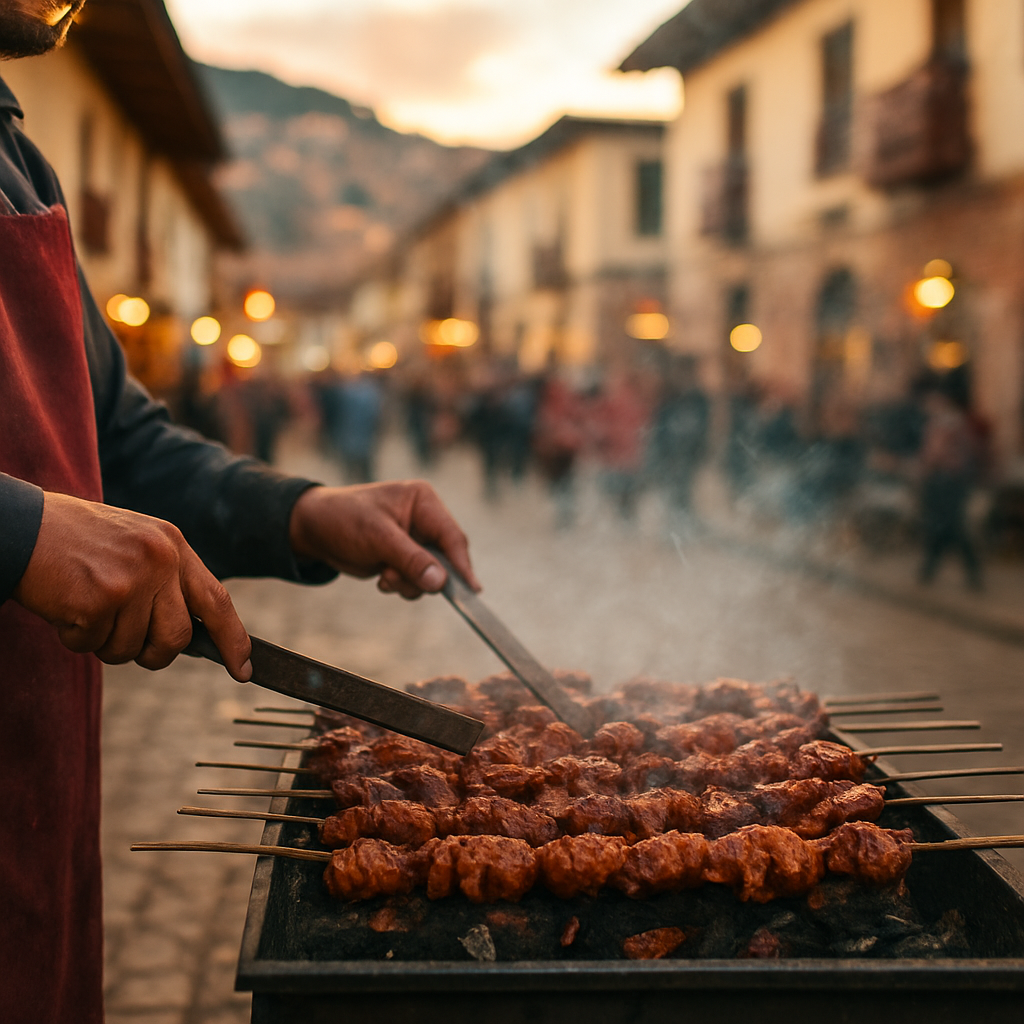
Anticuchos After Dark at Plazoleta San Francisco
After 9pm, the street carts materialize around Plazoleta San Francisco and start grilling anticuchos — beef heart skewers basted with ají amarillo sauce and served with a boiled potato on the end. You eat standing on cobblestones that have been under someone's feet for five centuries, the grill smoke mixing with the cold Andean air. This is PEN 5–8 of pure Cusco, and it's the thing you'll describe to people back home more than any ruin. Centro Qosqo de Arte Nativo on nearby Avenida El Sol puts on nightly Andean dance and music shows — it's tourist-targeted but genuinely moving, and it pairs well with an anticucho-fueled evening.
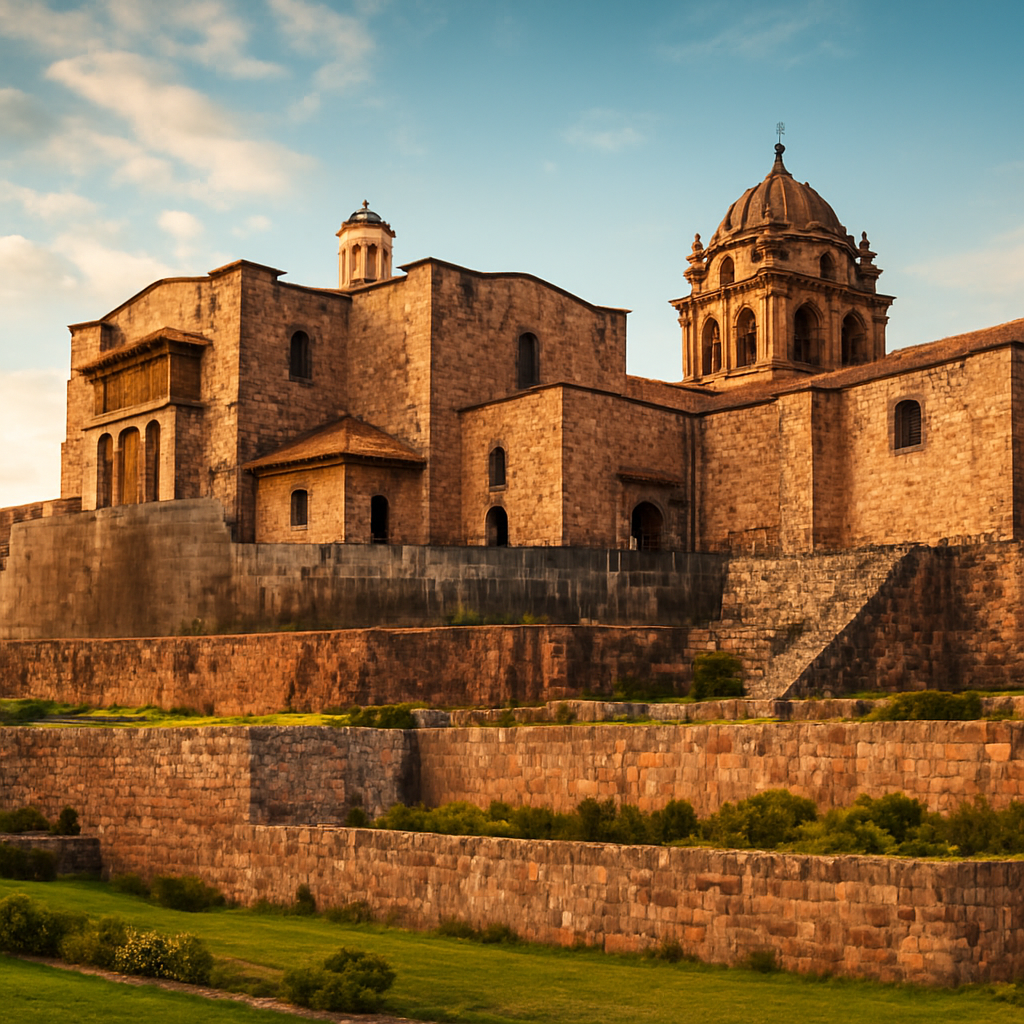
Qorikancha — Where Inca Stonework Meets Colonial Overthrow
The Qorikancha was the most important religious site of the Inca Empire — a temple to the sun deity Inti, built in the 15th century, with stonework so precisely fitted you can't slide a razor blade between the blocks. Then the Spanish built the Church of Santo Domingo directly on top of it in 1534, and now you walk through both at once: colonial arches framing original Inca chambers, two civilizations occupying the same physical space. Spanish chronicles document qariwarmi — a third-gender category in Inca society — performing ritual functions at this exact site. Entry is PEN 15. It's the most architecturally and historically layered fifteen minutes you'll spend in South America.
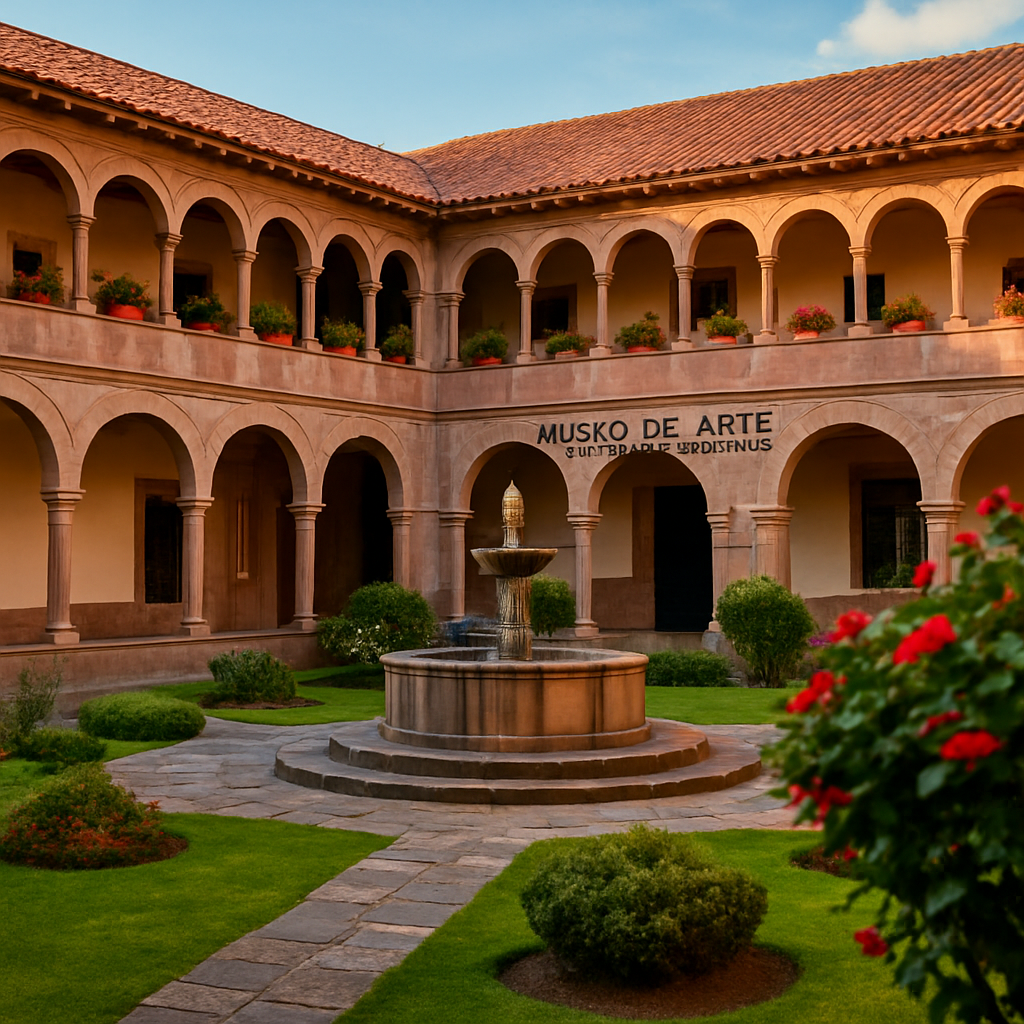
Moche Ceramics at the Museo de Arte Precolombino
The Museo de Arte Precolombino on Plaza Nazarenas houses approximately 450 pre-Columbian objects spanning 3,000 years of Andean civilization — but the collection that stops you is the Moche ceramics from 100–800 AD, a subset of which explicitly depicts same-sex erotic acts. This isn't speculation or interpretation; it's academically documented Andean art history. Seeing physical evidence that queerness existed in these cultures over a thousand years before colonization reframes everything you think you know about this region. The museum sits inside the 15th-century Casa Cabrera, and afterward you can eat at MAP Café — a glass-box restaurant in the courtyard — without leaving the building. Entry is PEN 30.
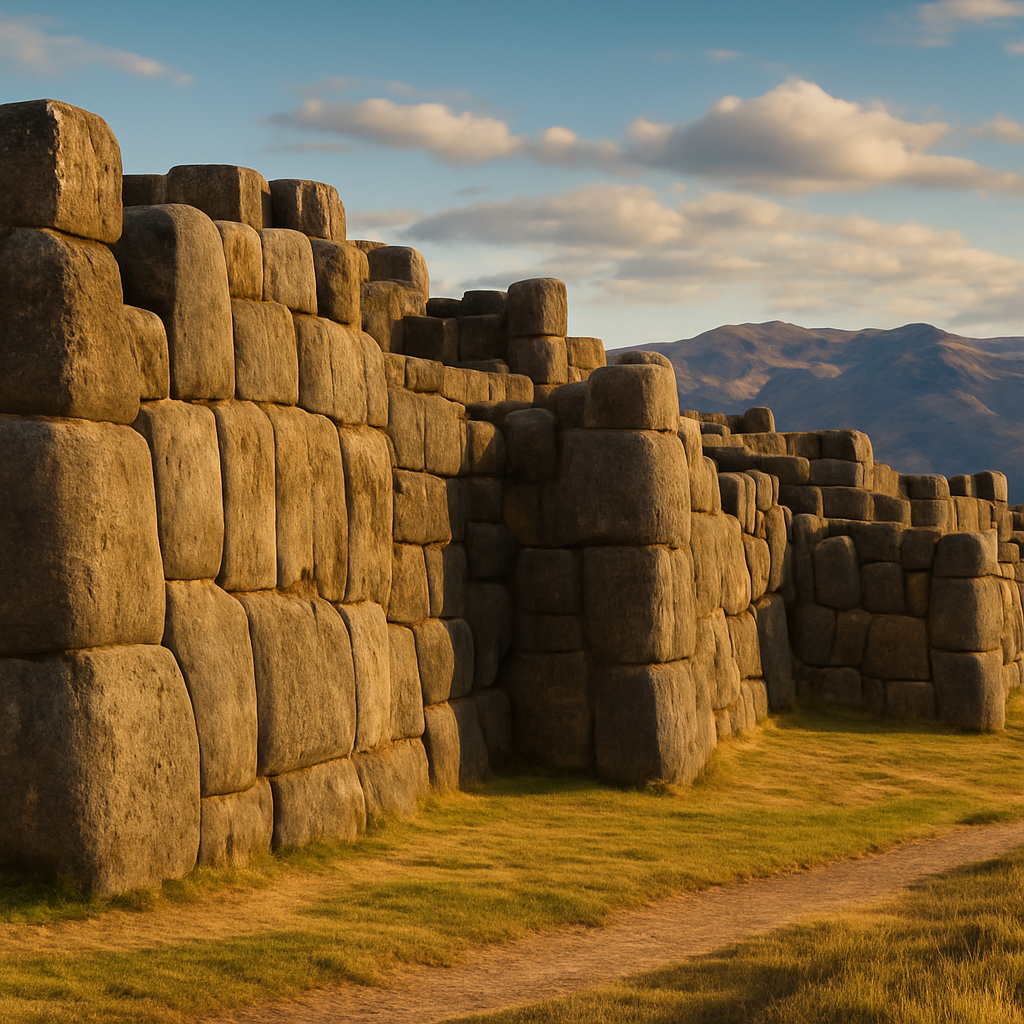
Sacsayhuaman and the Walk Back Down
The Inca citadel of Sacsayhuaman sits on a hill 2 km north of the Plaza de Armas, and the scale of it breaks your sense of what's architecturally possible — zigzag limestone walls with individual stones weighing up to 300 tonnes, fitted without mortar in the 15th century. On June 24, this is the stage for Inti Raymi, the Inca Festival of the Sun, which draws an estimated 80,000–100,000 spectators and is the largest theatrical ceremony in South America. The walk back down through eucalyptus groves into the city, with Cusco spreading out below you and the mountains behind, is one of those moments where the altitude does something useful — it makes you stop, breathe, and actually look.

San Blas at 8am Before the World Arrives
The morning after a late night on Plateros, walk up through San Blas before the tour groups arrive. The light on the carved wooden doorways at 8am is a different city entirely — quiet, golden, yours. The café on the corner of Plazoleta San Blas sells the best café pasado (drip coffee) in Cusco for about two soles. From there, the cobblestone streets wind past over 300 artisan workshops — silver, textiles, ceramics — most of which won't open for another hour. It's the most restorative thing Cusco offers, and it costs almost nothing.
The places I actually send people to
Advice that fits how you travel
Cusco is one of the better solo cities in South America — compact enough to walk everything in the Historic Centre, safe enough within the tourist core that you're not constantly looking over your shoulder, and set up with hostel infrastructure that practically forces you to meet people. Pariwana Hostel and Loki Hostel both have communal bars and organized social events where nobody cares who you are or who you're into — the altitude is the great equalizer, and everyone's bonding over soroche and Cusqueña by the second night. Solo budget travelers can get by on PEN 130–185/day including a hostel dorm, meals, and basic activities.
For meeting other queer travelers, the apps work here — Grindr and Scruff both have active grids in Cusco, though the user base skews heavily toward other travelers rather than locals, particularly during high season (May–August). Mythology on Calle Plateros is where solo queer travelers tend to converge Thursday through Saturday nights; show up around midnight and you'll find the crowd. For a mellower entry point, Los Perros on Calle Tecsecocha is a couch bar where you can sit alone with a pisco sour and a book and inevitably end up in conversation with an expat or another solo traveler within the hour. Jack's Café on Calle Choquechaka is the undisputed solo breakfast spot — two decades of international traveler goodwill in one café.
Safety-wise, the same rules apply solo as they do for everyone: stick to well-lit streets after dark, use inDriver or negotiate taxi fares before getting in, and don't walk dark side streets after 2am. The Plaza de Armas-to-San Blas corridor is your safest zone. Pro tip: eat a serious meal at Marcelo Batata on Cuesta San Blas before going out — the rooftop has Cathedral views and the food is genuinely good, and nothing about Cusco nightlife works if you're drinking at altitude on an empty stomach.
Cusco is, objectively, one of the most beautiful cities in the Americas for a couple to spend time in — 16th-century colonial courtyards, the Andes rising on every side, candlelit restaurants built inside former Inca palaces. The backdrop does most of the romantic work. Where you'll need to be more intentional is in how you navigate public space. Same-sex PDA around the Plaza de Armas draws attention — not aggressive confrontation in most cases, but enough looks and comments that experienced LGBTQ+ travelers consistently advise keeping things low-key outside specifically welcoming venues. Along the Plaza Nazarenas corridor, where the luxury hotels cluster and the clientele skews international, the atmosphere is noticeably more relaxed.
For date nights, Cicciolina on Calle Triunfo is where I'd start — two decades of international reputation, a genuinely excellent Mediterranean-Peruvian menu, and a second-floor tapas bar built for a long evening. MAP Café on Plaza Nazarenas, a glass-box restaurant set inside a colonial museum courtyard, is as dramatic a dining setting as you'll find anywhere in South America. For accommodation, the Belmond Hotel Monasterio — a 16th-century Augustinian seminary with oxygen-enriched rooms and a baroque chapel — is the move for a Cusco anniversary or splurge. Inkaterra La Casona, an 11-suite Relais & Châteaux property built inside a colonial mansion on Plazoleta Las Nazarenas, runs it very close. Both operate under hotel groups with published LGBTQ+ non-discrimination commitments and appear consistently in luxury queer travel guides.
The most quietly romantic experience in Cusco costs almost nothing: walk up through San Blas before 8am, find a café pasado at the corner café on Plazoleta San Blas, and watch the light change on the carved doorways before the tour groups arrive. Then, when you're ready to push further, take the train to Aguas Calientes and spend a full day at Machu Picchu rather than a rushed turnaround — couples who do that consistently say it's the trip they come back to for decades. Book the timed entry slots weeks ahead in high season; they sell out without mercy.
Start with the practical reality every family needs to hear before booking: Cusco sits at approximately 3,400 meters, and soroche (altitude sickness) is a serious consideration for children, particularly those under 8. Most pediatricians recommend arriving gradually — a day or two in Lima first before flying up — and staying well-hydrated for the first 24 hours before doing anything ambitious. The cobblestone streets of the Historic Centre and San Blas are gorgeous and genuinely brutal for strollers; a structured baby carrier is the smarter call for smaller children. Once you're acclimatized, though, Cusco delivers for families in ways that are hard to replicate anywhere else on earth.
The archaeological sites are the obvious headline. Sacsayhuaman, the Inca citadel 2 km north of the plaza with walls built from stones weighing up to 300 tonnes, has a way of stopping kids mid-sentence. The Centro de Textiles Tradicionales del Cusco on Avenida El Sol offers free entry, live weaving demonstrations from artisans across 11 Andean communities, and an accessible window into Andean culture that holds attention across age groups. The Sacred Valley — Pisac's terraced hillsides and market days, Ollantaytambo's living Inca street grid — makes for a full-day excursion worth every sol. Machu Picchu with children requires the same advance timed-slot booking as any other visit, plus an honest assessment of your family's altitude tolerance before you commit to a 2,430m site.
As of 2026, Peru does not legally recognize same-sex marriage, civil unions, or same-sex adoption. Your family structure has no legal recognition in the country. In practice, tourist-facing hospitality in central Cusco is professional, and most family configurations are handled without incident — but that's hospitality economics at work, not legal protection or cultural affirmation. Schools, public services, and contexts outside the tourist corridor operate under different norms. The experiences Cusco offers families are genuinely extraordinary; go for those. Just travel knowing the legal safety net doesn't exist here, and plan accordingly.
What Cusco actually costs
Flights, visas, and the first 30 minutes
Cusco is served by Alejandro Velasco Astete International Airport (CUZ), located approximately 5 km south of the Plaza de Armas. The airport is compact, generally efficient, and handles 20+ routes — though nearly all international travelers route through Lima first before the short hop up into the Andes.
Major routes:
- Lima (LIM): ~1h 20m — the primary hub for international connections; most visitors from Europe, North America, and Asia connect here
- Arequipa (AQP): ~45m — useful if you're combining a southern Peru itinerary
- Bogotá (BOG): ~3h — a direct connection serving South American regional travelers
- La Paz (LPB): ~1h — convenient for Bolivia combinations
Visa requirements (as of 2026): US, UK, Canadian, and Australian passport holders typically enter Peru visa-free for up to 183 days. EU nationals generally enter visa-free for up to 90 days, though this varies by nationality. Always check your own government's travel advisory before departure — entry requirements can and do change.
Getting from the airport to the city:
- Official airport taxi: PEN 15–25, approximately 15–20 minutes. Use the official taxi desk inside the arrivals hall — don't accept unsolicited offers from touts outside.
- Pre-booked hotel transfer: PEN 30–60, approximately 15–20 minutes. Arrange in advance through your accommodation; they'll meet you inside the terminal, which is worth the premium when you're arriving at altitude for the first time.
- Colectivo (shared minivan): PEN 3–5, approximately 20–35 minutes. Available outside the arrivals hall, makes multiple stops. Fine for budget travelers not simultaneously wrestling altitude and heavy luggage.
Traven's seasonal breakdown
The questions everyone asks
Is it safe to hold hands with my partner in Cusco?
How bad is the altitude sickness?
Do I need to speak Spanish?
How much should I budget per day?
Is there a gay scene in Cusco?
Do I need to book Machu Picchu in advance?
Is Cusco safe for trans travelers?
Screenshot this before you go
So should you actually go?
Cusco isn't going to hold your hand — figuratively or, in most neighborhoods, literally. The legal protections are thin, the cultural conservatism is real, and the queer scene is a single disco bar and a constellation of welcoming-but-not-explicitly-queer spaces. I can't pretend that's not the situation. But what Cusco gives you in return is something almost nowhere else on earth can: 3,000 years of continuous human history, Inca stonework that defies explanation, one of the seven wonders of the world a train ride away, and a small but genuine community of queer travelers and expats who've figured out how to make this extraordinary place work for them. My Traven-Dex of 6.5 says it plainly — come with your eyes open, calibrate your behavior to your surroundings, and you'll find a city that rewards the effort with experiences you'll carry for the rest of your life. Just drink the coca tea first.
Sources & Resources
Official links we reference when compiling this guide. Last verified 2026-03-08.
- MHOL – Movimiento Homosexual de Lima (Peru's oldest LGBTQ+ rights org)
- Promsex – Centro de Promoción y Defensa de los Derechos Sexuales y Reproductivos
- No Tengo Miedo – Colectivo LGBTIQ+ Perú
- ILGA Latin America & Caribbean
- Red Peruana de Trans Masculinos
- Ministerio de Salud del Perú – Sexual Health Resources
- IESSDEH – Instituto de Estudios en Salud, Sexualidad y Desarrollo Humano
- UDAPH – Unidad de Atención a Personas con VIH (Cusco regional health)
- Amnesty International Peru – LGBTQ+ Rights
- Peru Pride – Marcha del Orgullo Lima (national coordination)