Lima eats better than cities twice its reputation, and its gay scene has been showing up longer than most visitors realize.
It's a Saturday night on Av. Arequipa in Lince, and Sagitario is packed to the walls. Guys are spilling out onto the sidewalk, everyone fully committed to the look, the music pushing through the door every time it opens. This is not a city hiding its gay area — it's using it. The strip is well-lit, well-trafficked, and operating with the confident energy of a scene that has been here for decades. Down the road, Legendaris won't warm up for another hour, but that's Peruvian time for you — kill the gap with a pisco sour in Miraflores and come back at midnight when the room actually earns its name.
Lima surprised me. I expected a buttoned-up Catholic capital with a furtive little underground, and instead found a city where el ambiente — the local shorthand for the queer scene — operates in the open across multiple neighborhoods with distinct personalities. Lince is the anchor, the community's historic home. Barranco is where Lima's queer creatives decompress — looser, more art-forward, the kind of neighborhood where you grab a drink at Ayahuasca (the bar, not the ceremony) on a Friday and watch musicians, painters, and every flavor of queer Lima exhale together. Miraflores doesn't have a gay district so much as an atmosphere of total disinterest in who you're with — Parque Kennedy on a Sunday afternoon, coffee in hand, couples visible, nobody performing anything.
And then there's the food. I gave Lima an 8.0 on Destination, and the reason starts at the table. Central, the #1 restaurant on the World's 50 Best list, is in Barranco. Maido's nikkei tasting menu in Miraflores will rearrange your understanding of what fusion can be. Isolina in Barranco does comida criolla — Lima grandmother cooking — at a level that made the Latin America's 50 Best list. And after midnight in Lince, you'll eat anticuchos from a street cart standing up on the sidewalk, and that might be the meal you remember longest.
But I need to be honest about what holds the score at 6.6 on my Traven-Dex. Peru has no same-sex marriage, no civil unions, limited anti-discrimination protections, and a legal framework for trans people that requires a medical pathway and a judge. The scene is real — my 7.8 on Scene reflects genuine infrastructure — but the legal landscape and cultural attitudes outside of those three neighborhoods are real too. Lima rewards queer travelers who know where to go and move with some awareness. It's not a city where you can turn your brain off, but it's absolutely a city worth the effort.
The stuff your travel guide buries on page 47
The legal picture, as of 2026: Same-sex sexual activity is legal in Peru — no criminalization. But that's roughly where the good news ends on paper. There's no same-sex marriage, no civil unions, no adoption rights for same-sex couples. Anti-discrimination protections are limited — some municipal ordinances in Lima offer partial coverage, but there's no comprehensive national anti-discrimination law covering sexual orientation or gender identity. Legal gender marker changes require a judicial process with medical documentation; there's no self-ID pathway. Read PROMSEX's current legal summaries before you travel — they document the actual landscape clearly, and it takes fifteen minutes.
Cultural reality on the ground: Lima is significantly more progressive than Peru's legal framework suggests, particularly in the neighborhoods you'll actually spend time in. Barranco, Miraflores, and parts of Lince operate with a level of queer visibility that might surprise you coming from a country with no partnership recognition. But step outside those bubbles — into Centro Histórico, into residential suburbs like San Borja or La Molina — and you'll feel the conservative Catholic culture that still shapes Peruvian politics. The gap between Lima's progressive pockets and the national average is enormous.
PDA comfort, area by area: In Barranco, hand-holding between same-sex couples is generally met with indifference or acceptance, especially in the evening around the bars and galleries. Miraflores is moderate — foreign couples draw little attention near Parque Kennedy and Larcomar, but stay aware on quieter streets after dark. San Isidro is business-oriented and socially conservative; keep it discreet. Centro Histórico is a firm no — conservative crowds, heavy foot traffic, elevated pickpocketing risk, religious sites. PDA is fully comfortable inside LGBTQ+ venues in both Miraflores and Barranco, where security staff tend to be protective. Outside those zones, read the room.
Both MHOL and No Tengo Miedo maintain current legal and community resource summaries on their sites — bookmark them before you land.
What it actually feels like on the ground
Holding hands: Comfortable inside LGBTQ+ venues and on the streets of Barranco's arts district, particularly in the evening. Moderate in tourist-heavy Miraflores (unlikely to provoke confrontation, may draw stares). Inadvisable in Centro Histórico, San Isidro's business district, and residential suburbs. Calibrate by neighborhood, not by city.
Hotel check-in: International chain hotels in Miraflores and San Isidro (JW Marriott, Westin, Belmond) process same-sex couples without issue — corporate policies are explicit and staff training is documented. Boutique properties in Barranco like Hotel B are equally comfortable. Budget hostels and smaller guesthouses vary; if you're uncertain, book properties with documented inclusion policies or strong international traveler reviews.
Taxis and rideshares: InDriver is the app Lima's queer community trusts most for late-night transport — you negotiate the fare, the driver is tracked and rated. Uber and Cabify are also reliable. Never accept an unlicensed street cab, particularly late at night and particularly leaving Lince's bar strip. The blocks immediately around Av. Arequipa's bars are well-lit and well-trafficked, but drift several quiet blocks into residential Lince after 2 AM and you'll want a car, not your feet.
Beaches and public spaces: Lima's beaches (Miraflores, Barranco coastline) are public and generally safe during daylight. Same-sex couples are unlikely to face direct confrontation but will be more visible than in restaurants or venues. The Malecón de Barranco at dusk is used comfortably by queer couples. The Malecón in Miraflores is well-patrolled but exercise standard awareness after dark.
Late night: Lima's LGBTQ+ nightlife runs late — clubs peak around 2 AM and can run until 4–5 AM. The venues themselves are safe; security staff at places like Legendaris and Downtown Vale Todo are generally protective. The risk is transit between venues and getting home. Use app-based rideshares. Don't walk dark residential streets in Lince alone at 3 AM. Pro tip: download InDriver before your first night out.
Trans travelers: Trans women in particular face elevated risks of harassment in Lima's public spaces — local advocacy groups like No Tengo Miedo consistently document this. Legal gender marker changes as of 2026 require a judicial process with medical prerequisites; there's no self-ID. Stick to affirming venues in Barranco and Miraflores, travel in groups at night, carry documentation matching your current presentation if possible, and keep No Tengo Miedo's contact information accessible. Their network can connect you with local support quickly.
Verbal harassment risk: Rare in Miraflores and Barranco among tourist-facing spaces. Possible in Centro Histórico, Callao outside the Monumental arts zone, and residential suburbs. The word cabro may be used — context matters; among friends it's reclaimed and affectionate, from strangers on the street it may not be. Street harassment of visibly gender-nonconforming people is a documented issue in Peru. Keeping to established LGBTQ+-welcoming neighborhoods significantly reduces risk.
General crime awareness: Petty crime — phone snatching, bag theft — is the primary tourist risk in Lima, not anti-LGBTQ+ violence. It's worst in Centro Histórico and at night. Keep your phone out of easy reach, don't flash valuables, and be especially alert in crowded markets and transport hubs. The US, UK, Canada, and Australia all maintain Level 1–2 advisories for Peru citing petty crime and protest disruptions; none issue LGBTQ+-specific warnings as of 2026.
The queer geography
Lince — The Historic Gay Neighborhood
Lince is Lima's original gay district, and it's still the beating heart of the city's LGBTQ+ nightlife. The spine is Av. Arequipa, where bars, clubs, and LGBTQ+ venues have concentrated for decades. Sagitario Bar is one of Lima's longest-running gay bars — smaller, community-oriented, packed on Saturdays in a way that feels like the whole neighborhood showed up. Legendaris anchors the weekend circuit with electronic and Latin dance music. From either of those, you'll overhear where the after-party is, because it rotates and no app will tell you faster than the person next to you at the bar. The strip itself is well-lit and well-trafficked; the surrounding residential streets are mixed depending on the hour, so use app-based taxis for the last mile home.
Miraflores — The Comfortable Middle Ground
Miraflores doesn't have a gay district per se — it has an atmosphere where being gay reads as entirely unremarkable. The upscale tourist neighborhood has absorbed a growing cluster of LGBTQ+ venues: Downtown Vale Todo, Lift Bar, Moccambo Bar, El Ekeko, and Lola Lounge all operate within the district. Parque Kennedy functions as an informal LGBTQ+ gathering point on weekend evenings — cafés, art vendors, open-air performances, couples visible with no drama. Think of Miraflores as the recovery zone between Lince nights: coffee, ceviche, a walk along the Malecón, and a slower pace before doing it all again.
Barranco — The Creative Exhale
Barranco is Lima's bohemian coastal district, and it's where the city's queer creative class gravitates. Nineteenth-century Republican-era architecture, large-scale street murals, independent galleries, and a documented concentration of LGBTQ+-owned businesses give it a distinct character from the nightlife-forward energy of Lince. The Puente de los Suspiros and the Bajada de Baños are the landmarks; the Malecón de Barranco at dusk is quietly, genuinely romantic and used comfortably by queer couples. Hotel B and Isolina Taberna Peruana both live here. La Noche de Barranco hosts regular queer-friendly nights worth tracking.
Also Worth Knowing
San Isidro borders Miraflores and increasingly hosts upscale, openly inclusive restaurants and bars — Astrid y Gastón at Casa Hacienda Moreyra is the standout. It's business-district Lima: safe, professional, but socially conservative in public spaces. Callao's Monumental arts precinct is a gentrifying zone with some LGBTQ+ presence, but the surrounding area is high-crime — stay within the curated tourist perimeter and don't wander. Lesbian bars and dedicated queer women's spaces in Lima tend to be event-driven rather than venue-driven — check Instagram obsessively, particularly accounts connected to LIFS (Lesbianas Independientes Feministas Socialistas), because that's where events actually get announced.
One more thing: Grindr is genuinely active throughout Lima and functions as a social tool as much as a dating app. Even messaging "what's happening tonight?" to locals gets useful responses. It's how queer travelers actually get plugged into what's moving on a given night.
The experiences worth rearranging your itinerary for
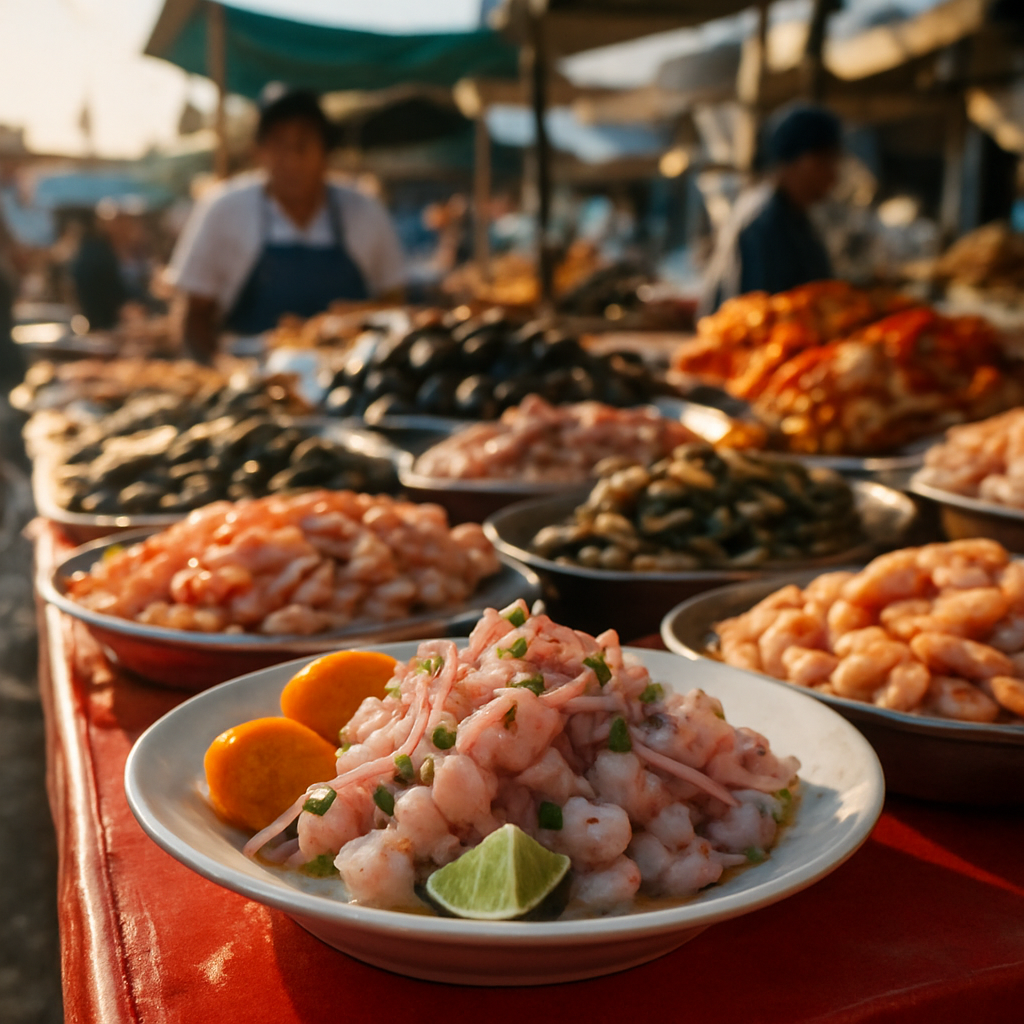
Lima's World-Class Food Scene
This is not optional — Lima is one of the most important food cities on Earth, and the meal you eat here might be the meal you remember longest from any trip you take this decade. Start with ceviche at La Mar in Miraflores at lunch (no reservations, go early), where the leche de tigre — the citrus-cured ceviche marinade served as a bracing shot — will recalibrate your palate for everything that follows. Work up to Central in Barranco for the altitude-organized tasting menu, or Maido for nikkei cuisine that makes you rethink what's possible when two food cultures genuinely merge. For the meal that feels most like Lima itself, eat comida criolla at Isolina — enormous plates of lomo saltado and ají de gallina in a noisy Barranco room. And after midnight, get anticuchos from a street cart in Lince — grilled beef heart skewers with papa a la huancaína on the side, eaten standing up. That's the city talking.
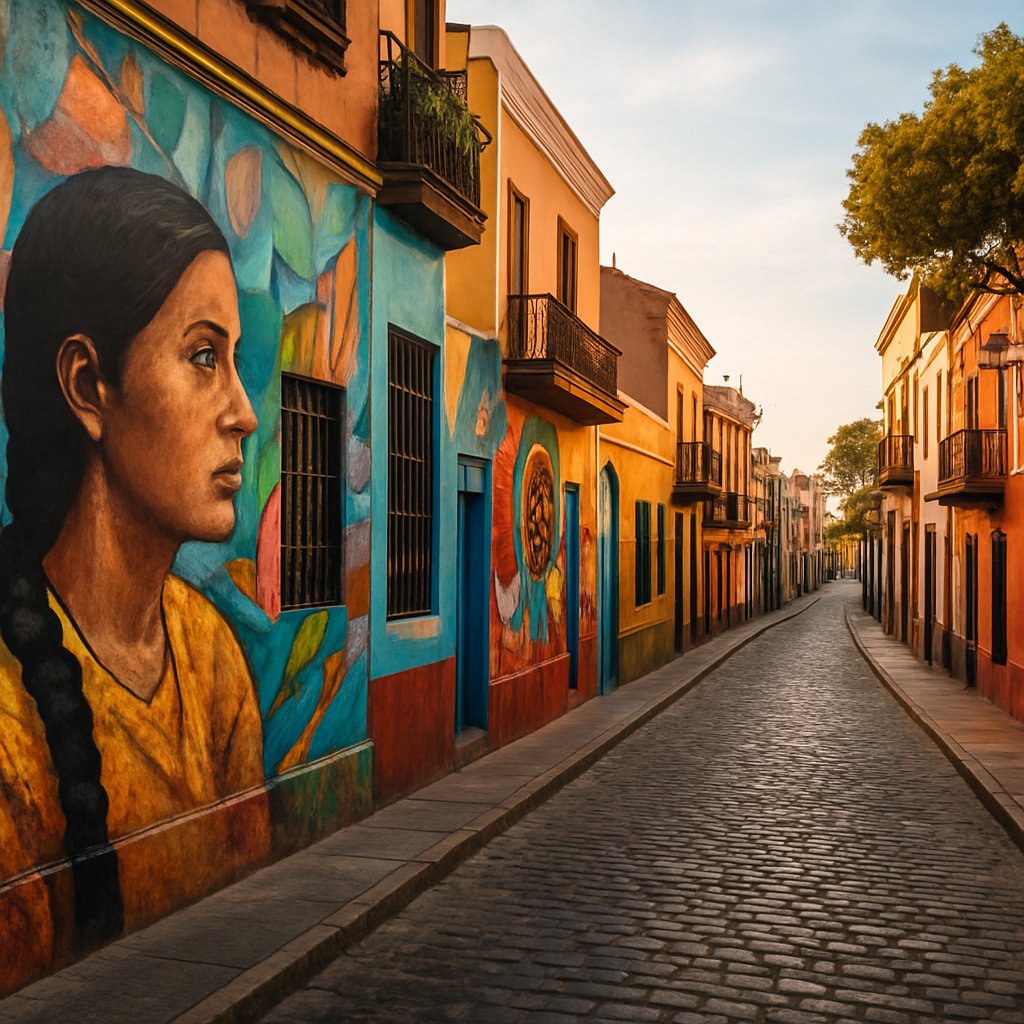
Barranco on Foot
Barranco's streets are best experienced without an itinerary. Start at the Puente de los Suspiros, the postcard-famous pedestrian bridge, then let the side streets pull you into a neighborhood of 19th-century Republican-era mansions now plastered with large-scale murals. Independent galleries appear between craft shops and cafés. The Bajada de Baños leads you down toward the coast. Then walk the Malecón de Barranco at dusk — the Pacific turning orange, the cliffs dropping away below you — and understand why queer couples have quietly claimed this as their stretch of Lima. Come back into the neighborhood for dinner. This is the evening that sells people on the city.
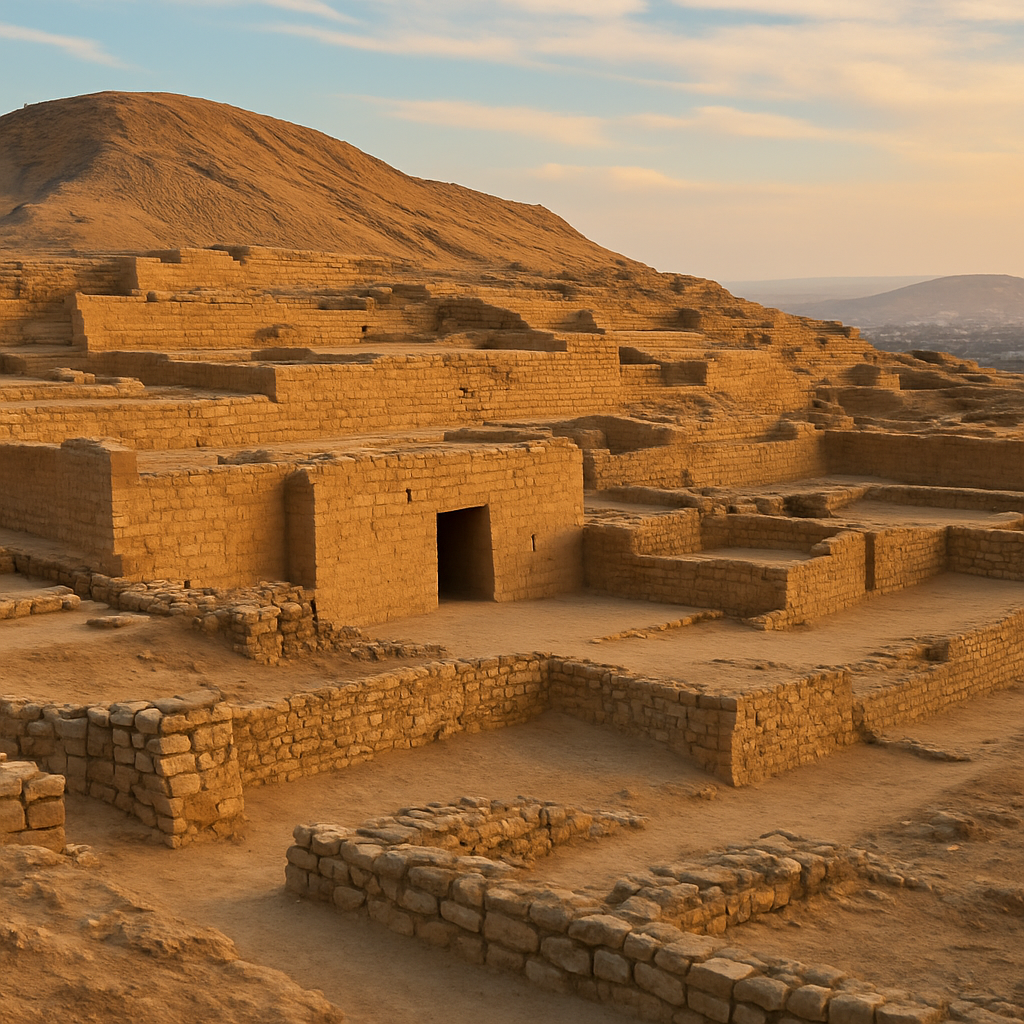
Pachacamac Archaeological Zone
Forty-five minutes south of central Lima, a 465-hectare pre-Columbian religious complex stretches across the Lurín Valley — occupied continuously from approximately 200 CE through the Spanish conquest. The Inca-built Temple of the Sun is the most striking structure, but it's the sheer scale of the pyramidal platform mounds that stays with you. The on-site museum holds recovered ceramics and textiles that connect the archaeological remains to the cultures that built them. This is not a ruin you photograph and leave — it's a place that changes how you think about Peru before the Inca arrived. Half-day trip by private vehicle.
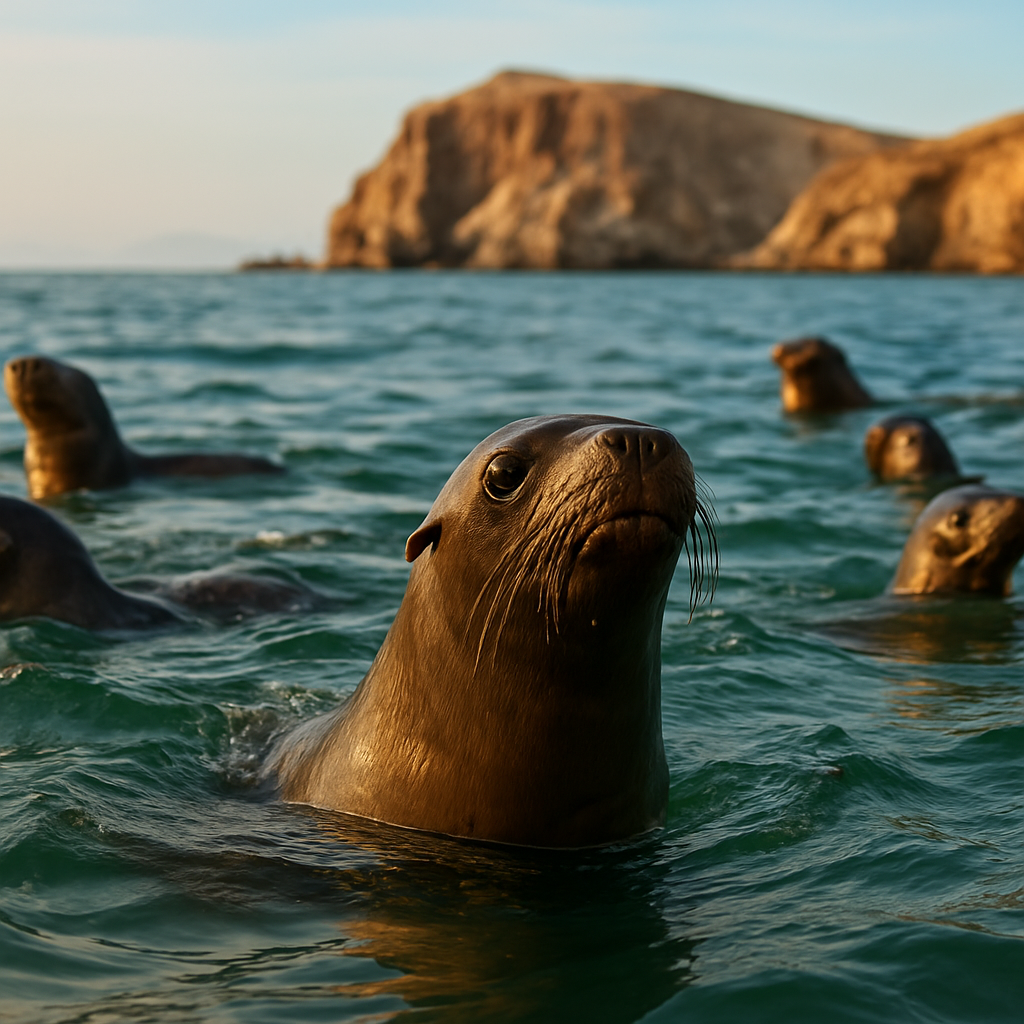
Islas Palomino Sea Lion Swim
A boat departs from La Punta pier in Callao and takes you approximately 15 km into the Pacific to an uninhabited island cluster hosting one of the largest accessible South American sea lion colonies. The optional open-water swim alongside wild sea lions is extraordinary — you're in the ocean with animals that are curious, playful, and entirely unbothered by your presence. Humboldt penguins nest on the islands too. The surreal part is that this happens within visual range of a capital city of ten million. Half-day commitment from central Lima, including ~30–45 minutes of transit to the departure pier.
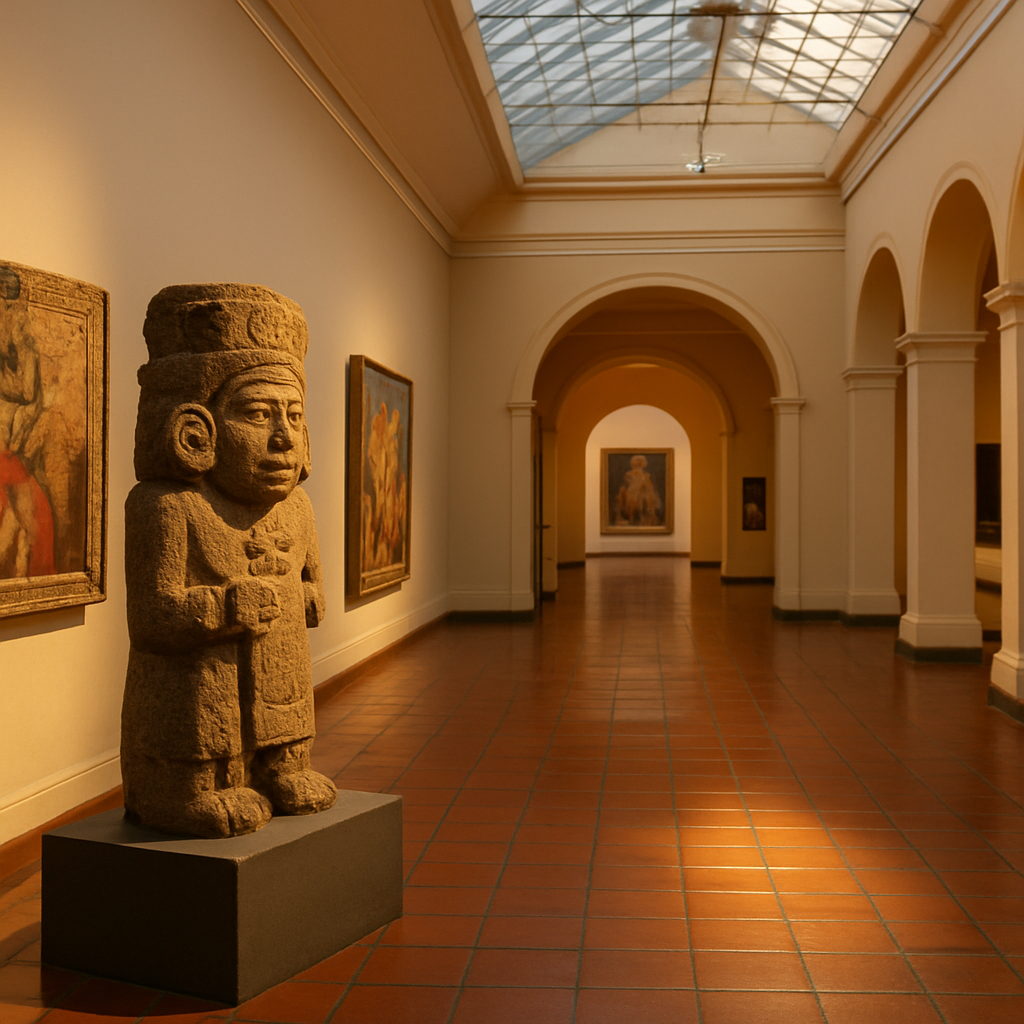
Museo de Arte de Lima (MALI)
Peru's foremost fine art museum occupies the 1872 Palacio de la Exposición in central Lima — a building worth the visit on its own — and holds a permanent collection spanning roughly 3,000 years of Peruvian art. The contemporary exhibitions are the draw for repeat visitors: MALI programs shows on gender, identity, and body politics with real curatorial ambition, and the rotating calendar is one of the most active in South America. It's also a useful grounding experience early in your trip — seeing Peru's artistic traditions from pre-Columbian ceramics through to contemporary work puts everything else you'll encounter in context.
The places I actually send people to
Advice that fits how you travel
Lima is an excellent solo city once you know the rhythm. The food scene is built for solo travelers — counter seating at La Mar, the communal energy at Isolina, the walk-in menú del día at neighborhood cevicherías — and eating alone here carries none of the stigma it does in some cultures. Budget solo travelers can live well on S/130–160 per day: hostel dorms in Miraflores from S/12 at places like Flying Dog, menú del día lunches for S/10–15, and app taxis that rarely break S/20 across the city.
For meeting people, Grindr is genuinely active throughout Lima and functions as a social tool, not just a hookup app. Messaging locals "what's happening tonight?" gets real answers — it's how queer travelers actually get plugged into the scene here. The Miraflores LGBTQ+ bars are approachable for solo visitors: Lift Bar's themed nights are a good first step, Moccambo is the relaxed option where conversation happens naturally, and Downtown Vale Todo's drag nights pull enough of a crowd that you'll end up talking to someone whether you planned to or not. In Lince, Sagitario on a Saturday is a scene — packed room, high energy, and the person next to you at the bar will tell you where the after-party is before you ask.
Safety for solo travelers means standard Lima awareness amplified slightly. Keep your phone out of easy grab-range in Centro Histórico and crowded markets. Use InDriver or Uber — never unlicensed cabs — especially late at night leaving Lince. The blocks around Av. Arequipa's bars are fine; drifting into quiet residential Lince alone after 2 AM is not. Miraflores during the day is comfortable and walkable. Parque Kennedy on a Sunday afternoon is genuinely pleasant solo territory — cafés, people-watching, the cats. The Malecón walk along the cliffs is one of those rare urban experiences that's actually better alone.
Lima's romance is best enjoyed with a clear sense of where you can be visible and where you can't. In Barranco and Miraflores, same-sex couples move through the city with relative ease — and the Malecón de Barranco at dusk is genuinely one of the most quietly romantic walks in South America. The Pacific turns orange, the cliffs drop below you, and nobody's watching who you're with. Walk it before dinner, and you'll understand immediately why queer couples have quietly claimed it as their own.
For the meal you'll still be talking about six months later, book Central in Barranco or Maido in Miraflores well in advance — both require reservations weeks out and are worth every bit of the planning. If you want more soul and less ceremony, Isolina Taberna Peruana in Barranco serves comida criolla classics in a warm, noisy room that feels nothing like a tourist restaurant. After dinner, the Miraflores circuit — Lola Lounge for cocktails, then Legendaris when you're ready to actually dance — makes for a seamless queer-friendly evening without navigating anything complicated.
For accommodation, Hotel B in Barranco puts you in Lima's most welcoming neighborhood at a boutique scale that actually feels romantic. If the budget allows, the Belmond Miraflores Park on the Malecón delivers Pacific views and the kind of frictionless service that makes a trip feel easy. One thing to know before you arrive: Peru has no legal recognition for same-sex couples as of 2026 — no civil unions, no marriage equivalency, no next-of-kin hospital rights. If medical decisions or emergency scenarios are a concern, carry relevant documentation and have contingency contacts organized. It's practical, not alarmist.
Lima is a genuinely strong family destination on the logistics and entertainment front. Huaca Pucllana — the ancient pyramid rising out of the middle of Miraflores — is one of those rare historical sites that actually holds kids' attention, particularly the after-dark guided tours where the structure is dramatically lit. Pachacamac, about 45 minutes south, is a full half-day of pre-Columbian archaeology with enough scale to feel genuinely epic. The sea lion and Humboldt penguin boat tour departing from La Punta in Callao is the kind of experience children reference for years — the open-water swim option alongside sea lions is extraordinary if your kids are up for it.
The food dimension of Lima works remarkably well across age ranges — ceviche, rice dishes, grilled meats, and chicha morada (the purple corn drink) all land with kids, and local restaurants welcome children without making a performance of it. Parque Kennedy in Miraflores functions as a relaxed family hub on weekend afternoons, with open-air performances, food vendors, and enough foot traffic to keep everyone entertained. Stroller access in Miraflores is solid on the main streets; parts of Barranco are hillier and require planning, but the flat sections around Plaza de Barranco are manageable.
LGBTQ+ families should go in with clear eyes on the legal situation. Peru as of 2026 offers no recognition for same-sex partnerships or non-biological parental relationships, which creates real gaps in medical and custodial contexts. Carry authenticated parental documentation — particularly for non-biological parents traveling with children — and know the contact information for your home country's Lima consulate. Culturally, tourist-facing Miraflores and Barranco are generally relaxed environments; same-sex parents with kids are unlikely to face direct hostility in those neighborhoods. Most people are focused on their own lives, which in practice tends to work in your favor.
What Lima actually costs
Flights, visas, and the first 30 minutes
Lima's gateway is Jorge Chávez International Airport (LIM), located in Callao, approximately 12–15 km northwest of Miraflores. Build the travel time into your itinerary properly — the drive to Miraflores takes 30–60 minutes on a good day, and Lima's traffic can stretch that to 90 minutes during peak hours. This matters on both arrival and departure days.
Major direct routes: Miami (MIA) is your fastest North American connection at approximately 6 hours. New York (JFK) runs around 8h 30m; Los Angeles (LAX) around 8h 45m. From Madrid (MAD), plan for approximately 11h 30m. Regional connections are excellent — Bogotá (BOG) is about 3 hours, Santiago (SCL) around 3h 45m, and Buenos Aires (EZE) approximately 5 hours. From London (LHR), expect around 13h 30m. LIM connects to 80+ cities overall.
Visa requirements (as of 2026): Citizens of the US, UK, EU, Canada, and Australia are generally admitted visa-free for stays of up to 183 days. Entry requirements can change — always check your government's current travel advisory before booking.
Getting to the city: App-based taxis via InDriver or Cabify run S/45–70 and take 30–60 minutes — agree on the fare before you go, and download the app before you land. Official airport taxis booked at the fixed-rate booths inside arrivals run S/65–90. Pre-booked private transfers cost S/120–180 and include meet-and-greet service, which is genuinely worth it on a first visit. The Metro Bus (TMB) is available from S/3–5 but takes 60–90 minutes and is not recommended late at night with luggage. Do not accept unsolicited rides from anyone in the arrivals hall — use only official booths or a pre-downloaded app.
Traven's seasonal breakdown
The questions everyone asks
Is Lima safe for LGBTQ+ travelers?
Do I need to speak Spanish?
How much should I budget per day?
When does Lima nightlife actually start?
Is it safe to hold hands in Lima?
What about the food — is the hype real?
What's the best neighborhood to stay in?
Screenshot this before you go
So should you actually go?
Lima is a city that rewards you for showing up informed. The food alone justifies the trip — this is one of the great culinary capitals on the planet, full stop. The queer scene is real, rooted, and operating across three distinct neighborhoods with decades of history behind it. But the legal framework is lagging, cultural attitudes outside the progressive bubbles are genuinely conservative, and the gap between what you'll experience in Barranco on a Friday night and what Peru looks like on paper is wide enough to matter. My Traven-Dex of 6.6 reflects that honest tension. Go. But go knowing where you're comfortable, where you need to calibrate, and where the city opens up when you ask the right questions. Lima is not easy the way Amsterdam is easy — it's good the way cities are good when they're still in the middle of becoming something.
Sources & Resources
Official links we reference when compiling this guide. Last verified 2026-03-08.
- MHOL – Movimiento Homosexual de Lima
- PROMSEX – Centro de Promoción y Defensa de los Derechos Sexuales y Reproductivos
- No Tengo Miedo – LGBTQ+ Rights Peru
- Demus – Estudio para la Defensa de los Derechos de la Mujer
- INPPARES – Sexual and Reproductive Health Services Lima
- MINSA – Ministerio de Salud del Perú
- Human Rights Watch – Peru LGBTQ+ Coverage
- Amnesty International – Peru
- ILGA World – Homophobia Report: Peru
- LIFS – Lesbianas Independientes Feministas Socialistas