Manila doesn't ask you to love it. It just keeps you up until 3am, feeds you something extraordinary at 4, and by morning you realize the decision was never yours to make.
Malate at 1am on a Saturday is not a neighborhood so much as a state of mind. Orosa Street smells like San Miguel, hairspray, and sheer possibility — and O Bar is the cathedral everyone eventually ends up in, sequins optional but spiritually encouraged. This is a city where queer visibility isn't something the tourism board invented last year. Bakla culture runs primetime soap operas. Beki beauty vloggers have millions of followers. Gay best friends aren't a Hollywood trope here — they're a national institution. And yet the Philippines has no marriage equality, no national anti-discrimination law, and a SOGIE Equality Bill that's been filed in multiple Congresses without passing. It's complicated, fascinating, and completely unlike anywhere else in Asia.
The queer scene is genuinely bifurcated, and I love both sides of it. Old-school Malate is chaotic, sweaty, and gloriously Filipino — BED Manila on Orosa delivers three floors, a rooftop, drag shows that don't peak until 3am, and enough fog machine to lose an entire bachelorette party in. Then there's BGC, where the drinks cost three times as much and everyone looks like they just landed from Seoul. Neither is wrong. They're different parties with different dress codes, and my Traven-Dex overall of 6.3 reflects exactly that duality — a city where the cultural warmth outpaces the legal infrastructure by a wide margin.
What earns Manila an 5.5 on Destination is everything that isn't specifically about being queer. The food alone justifies the trip — sinigang that makes your whole chest warm, crispy pata that should probably be illegal, and the inuman drinking culture that turns every meal into a four-hour communal event. Fort Santiago at golden hour. The brutalist magnificence of the Cultural Center of the Philippines. Cubao Expo in Quezon City, where indie galleries and vintage record shops and craft beer exist in the kind of artsy atmosphere where nobody looks twice at you regardless of how you're presenting.
This isn't a city that makes it easy. The traffic is genuinely punishing. The legal protections for LGBTQ+ people are incomplete at best. But the human warmth is real in a way that legislatures can't manufacture and tourism campaigns can't fake. Manila will not be sanitized for your comfort, and that's precisely the point.
The stuff your travel guide buries on page 47
Legal framework: Same-sex sexual activity is not criminalized in the Philippines — it never has been. But that's where the good news pauses. There is no marriage equality, no civil union recognition, and no legal pathway for same-sex couples to jointly adopt children. The SOGIE Equality Bill, which would establish national anti-discrimination protections based on sexual orientation, gender identity, and expression, has been filed in multiple Philippine Congresses but has not passed. Several local government units — including Quezon City and Mandaluyong — maintain their own anti-discrimination ordinances, but these are hyperlocal and don't extend nationwide. There is no gender identity law; no administrative process exists for routine gender marker changes on official documents.
What this means on the ground: Your rights in any given hotel, restaurant, or service interaction depend entirely on who's at the front desk. Properties in BGC and Makati CBD have a demonstrably better track record with LGBTQ+ guests — international chains and Ayala Land properties in particular. Outside those zones, you may encounter inconsistency. This isn't hostility in most cases — it's a country where warmth is personal and protections are not yet institutional. For health resources, LoveYourself Philippines operates the Anglo branch in Makati, offering free HIV testing, PrEP consultations, and genuinely non-judgmental care. It's one of the best LGBTQ+ health resources in Southeast Asia. Know it exists before you need it. Rainbow Rights Philippines and GALANG Philippines are additional legal and advocacy contacts worth bookmarking.
PDA comfort: This varies dramatically by neighborhood. In Malate in the evenings — particularly around the bars on Orosa and Nakpil Streets — same-sex affection draws no attention at all. BGC and Makati CBD commercial areas are moderate: same-sex couples generally pass unremarked upon, though overt PDA inside malls may draw security attention. Intramuros and Binondo are more conservative — stares are likely, discretion is wise. On public transit (MRT, LRT), gender-segregated carriages and a conservative commuter environment mean visible PDA is not advised. During the Metro Manila Pride March in BGC each June, tens of thousands participate and the area becomes one of the most affirming public spaces in Southeast Asia.
What it actually feels like on the ground
Holding hands: Malate after dark and BGC during daytime commercial hours are your comfort zones. Holding hands walking through Quiapo or Divisoria is a different calculation entirely — not because of violence risk, but because you'll draw sustained attention you probably don't want. In malls, you're generally fine, but some security guards at older malls enforce informal PDA policies inconsistently.
Hotel check-in: International chains and Ayala Land properties (Seda, Fairmont) process same-sex couples without issue. Boutique hotels like The Henry have an established track record. Budget guesthouses and properties outside the main business districts are less predictable — it's not that you'll be refused, but you might get an extra beat of confusion at the desk. Booking under one name and requesting one bed eliminates most friction.
Getting around — taxis and ride-hail: Grab is the correct answer to getting home after a night out. Never accept an unmarked taxi outside O Bar or BED regardless of how persuasive the driver is — being overcharged is genuinely the best-case outcome of that decision. During the day, metered taxis flagged from hotel stands are fine. Avoid any taxi that refuses to use the meter.
Malate after dark: Malate is safe by Manila standards, but "safe by Manila standards" still means watch your pockets. Tourist-targeted bag snatching happens on Adriatico Street late at night when bars close and unlicensed taxis start circling. Travel light, keep your phone in a front pocket, and book your Grab before you step outside.
Trans travelers: Trans women (transpinay) are culturally visible in Filipino entertainment and service industries, but the visibility is complicated. No administrative process exists for routine gender marker changes — courts have occasionally granted name changes but not sex marker amendments. Trans women face disproportionate targeting by police, particularly in Ermita and Pasay. Save the Rainbow Rights Philippines contact before you go out. Gender-segregated facilities — transit carriages, some restrooms — may produce uncomfortable encounters. Immigration desks can be inconsistent when documents don't match presentation.
Verbal harassment: Catcalling and unsolicited commentary happen across Metro Manila regardless of orientation — it's a street culture issue, not specifically an anti-LGBTQ+ one. Overt anti-gay verbal aggression is uncommon but not unheard of in conservative areas. The most common experience for visibly queer travelers is curiosity, not hostility — but curiosity can be exhausting too.
Late night: The standard Metro Manila late-night rules apply to everyone: don't flash expensive electronics, don't walk long distances alone after 2am in poorly lit areas, and don't get into any vehicle you didn't arrange yourself. BGC is the safest late-night environment in the metro area. Malate requires more situational awareness but remains a functioning nightlife district with crowds providing safety in numbers until 4–5am on weekends.
The queer geography
Malate — The Original
This is where it started. Malate has been the geographic heart of Manila's gay scene since the 1980s, centered on the stretch of Orosa Street and Nakpil Street running south from Remedios Circle. In its peak decades — the '90s and 2000s — Malate had the highest concentration of gay bars, community organizations, and queer-owned businesses in the Philippines. That density has thinned, but the bones remain. BED Manila on Orosa still delivers the full Manila gay club experience: three floors, a rooftop, drag shows starting at midnight. Remedios Circle on a Friday night is free theater. The atmosphere is unapologetically local — sweaty, loud, Filipino to its core — and that's exactly the point. Daytime Malate is more mixed and less overtly queer; the district comes alive after dark. Walking distance to the Cultural Center of the Philippines and the Manila Bay waterfront.
Bonifacio Global City (BGC) — The New Guard
BGC in Taguig is where a newer generation of LGBTQ+ nightlife has emerged — more polished, more international in feel, and more expensive. The High Street commercial strip is the spine: dining, bars, and the annual Metro Manila Pride March route. Nectar Nightclub draws a mixed crowd with queer-friendly programming. The infrastructure is Metro Manila's most walkable — wide sidewalks, planned streets, actual pedestrian crossings that people use. If Malate is the dive bar you love, BGC is the cocktail lounge you take a date to. The two are about 30 minutes apart by Grab, depending on traffic.
Makati — Poblacion and Legazpi Village
The Poblacion nightlife district in Makati has become one of Metro Manila's densest bar neighborhoods — not specifically queer, but heavily queer-adjacent. Saguijo Cafe + Bar books queer-friendly indie bands and has a dim, underground energy completely distinct from the Malate strip. The Curator in Legazpi Village is where Manila's creative crowd starts the evening. Greenbelt and Glorietta malls anchor the commercial side. San Antonio Village holds Corner Tree Cafe and a residential, walkable vibe that's increasingly popular with queer professionals.
Cubao Expo — The Art Kid's Pick
For queer daytime culture, Cubao Expo in Quezon City is the move — indie galleries, vintage record shops, a coffee-and-craft-beer crowd, and the kind of artsy atmosphere where nobody looks twice at you regardless of how you're presenting. Mogwai Bar anchors the evening scene here. It's a 20-minute Grab from Makati and feels like an entirely different city.
The experiences worth rearranging your itinerary for
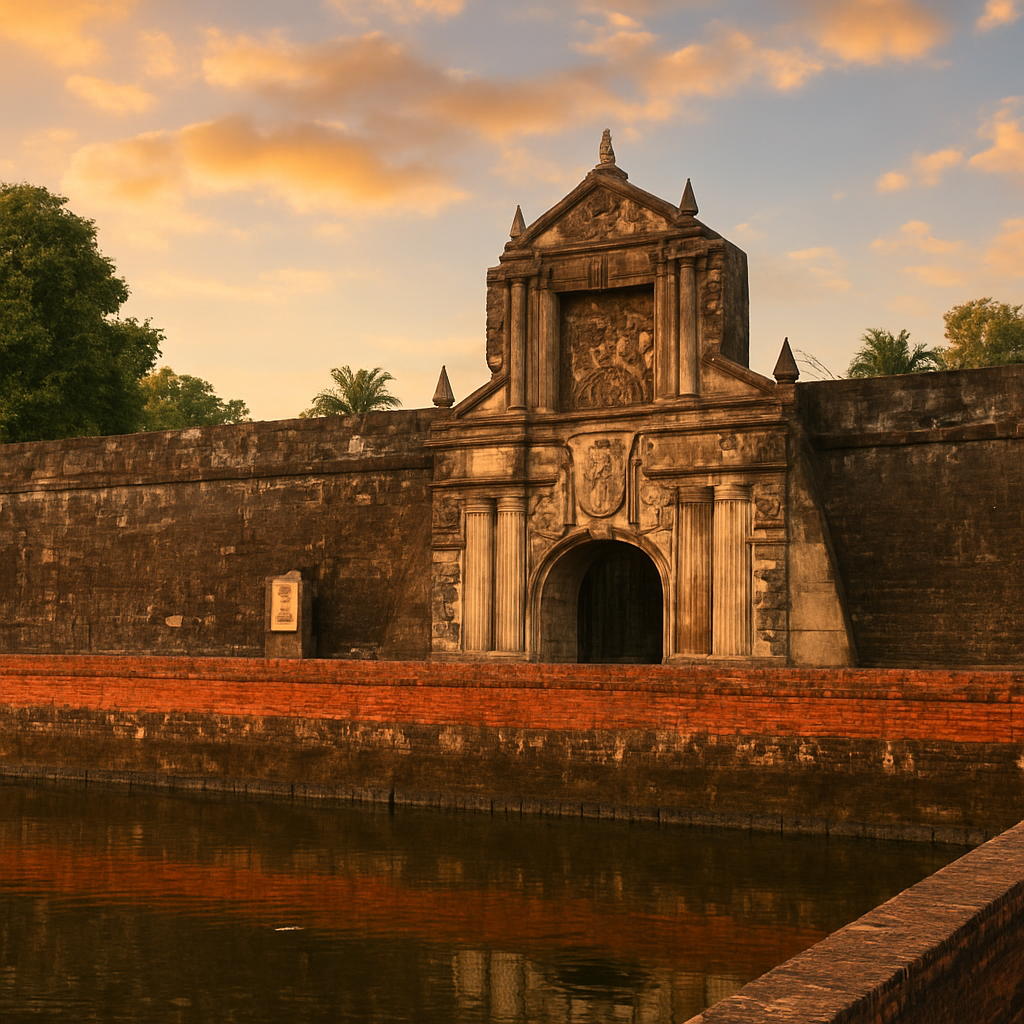
Intramuros and Fort Santiago at Golden Hour
The walled city the Spanish built in the 1570s is one of the few places in Metro Manila where you can feel actual history underfoot instead of just traffic. Fort Santiago at golden hour — when the light hits the stone walls and the tour groups have thinned — is genuinely moving. The Rizal Shrine inside tells the story of the national hero's final hours. Walk the walls, duck into San Agustin Church (UNESCO World Heritage, and the oldest stone church in the Philippines), then exit through the gates toward Rizal Park as the sun drops. Budget an hour and a half minimum.
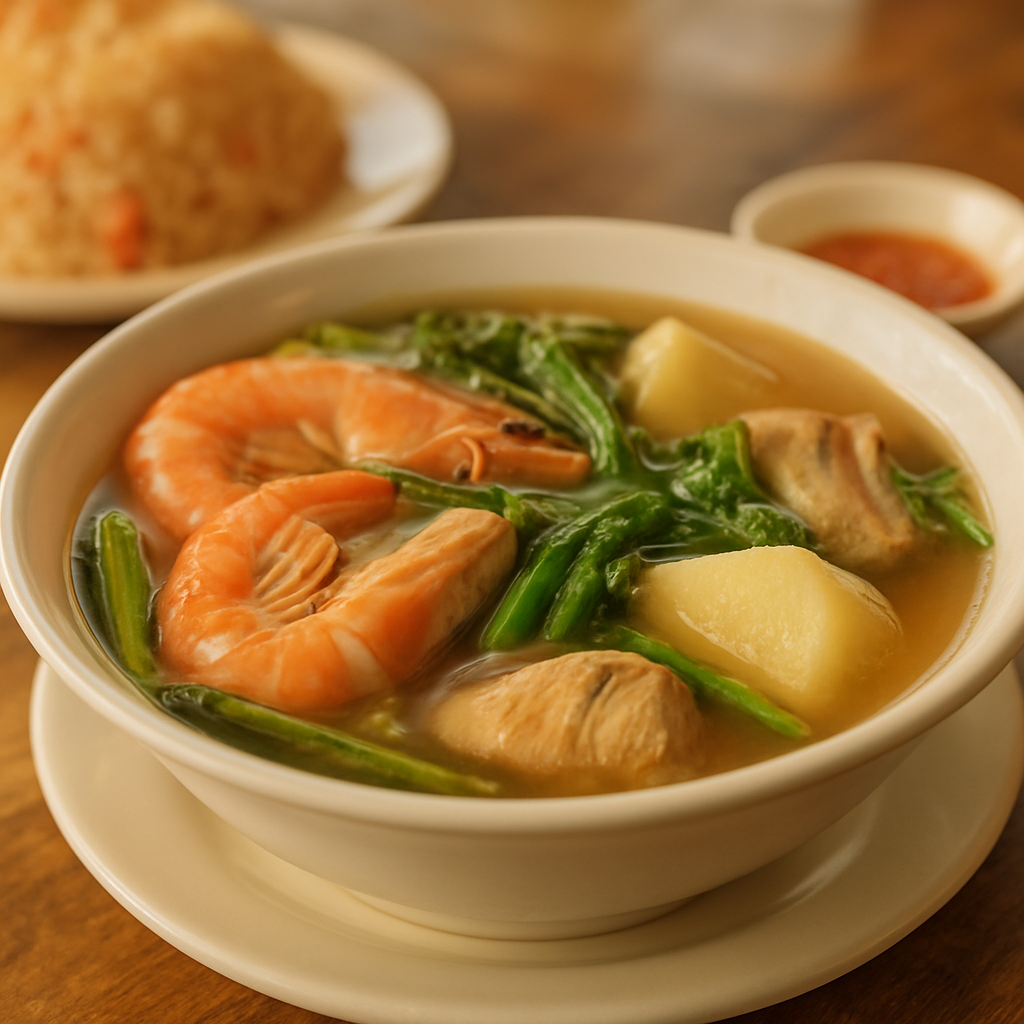
Eat Your Way Through a Filipino Comfort Food Marathon
Filipino food doesn't get the international attention it deserves, and Manila is where you fix that. Start with sinigang — the sour tamarind soup that tastes like someone's grandmother loves you — at Manam in BGC. Move to crispy pata (deep-fried pork knuckle, unreasonably good) and kare-kare (oxtail peanut stew) wherever you find a queue. For the full experience, find an inuman session — the communal Filipino drinking tradition where every round comes with food, stories multiply, and three hours disappear without anyone checking the time. Finish at a 24-hour tapsilog joint at 4am: cured beef, garlic rice, fried egg. You'll understand everything about this city.
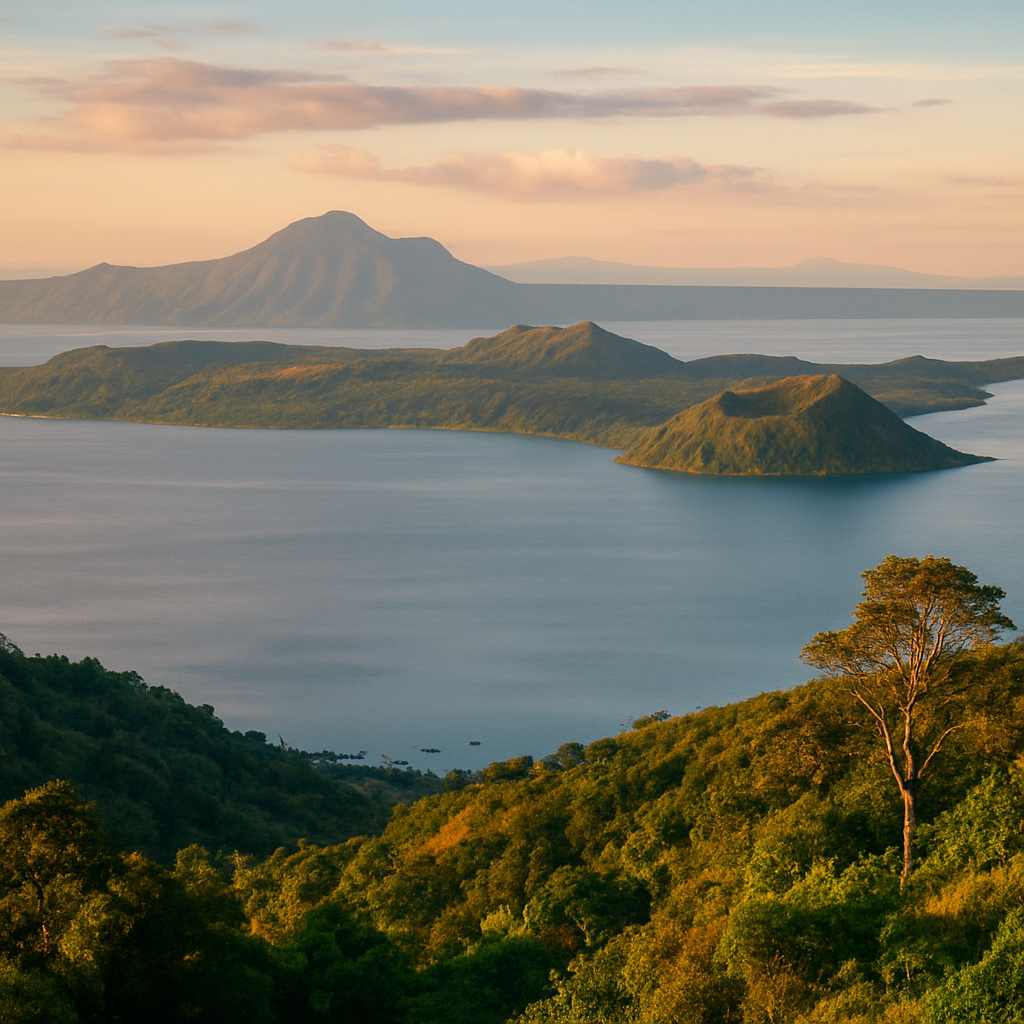
Tagaytay Ridge and Taal Volcano
Two hours south of Manila, the temperature drops 5–10°C and the view from Tagaytay Ridge opens to one of the planet's stranger geological arrangements: Taal Volcano — one of the world's smallest active volcanoes — sitting on an island in a lake on an island. It's surreal in person. The ridge is lined with cafes and restaurants that exist almost entirely to serve Manila day-trippers, and the cooler air alone justifies the drive. Go on a weekday if you can — weekend traffic on the South Luzon Expressway adds an hour each way.

Cultural Center of the Philippines
Leandro Locsin's brutalist concrete complex on reclaimed Manila Bay land is one of the most important pieces of modern architecture in Southeast Asia. The building alone is worth the visit — the 1,800-seat Main Theater has a raw grandeur that photographs miss. Check the programming calendar: the CCP stages everything from contemporary Filipino theater to visual art exhibitions, and ticket prices start at PHP 300. Walk the grounds along Roxas Boulevard afterward as the sun sets over the bay.

Cubao Expo on a Saturday Afternoon
Cubao Expo in Quezon City is a converted commercial complex turned into Manila's most concentrated stretch of indie culture — galleries, vintage clothing stores, vinyl record shops, and bars that open around sunset and stay interesting until 2am. The crowd skews creative, young, and unbothered. Conspiracy Garden Cafe books live music most nights. Mogwai Bar has the right ratio of dark corners to good beer. It's the antidote to everything corporate about Manila's mall culture, and it's 20 minutes from Makati by Grab.
The places I actually send people to
Advice that fits how you travel
Manila is an excellent solo city if you're comfortable with controlled chaos. The social infrastructure works in your favor — Filipinos are among the warmest, most conversation-ready people in Asia, and the inuman drinking culture means you're almost never alone for long if you don't want to be. App culture is active: Grindr and Blued both have large user bases in Metro Manila, and meeting people is straightforward. Exercise the same screening you'd use anywhere — meet in public first, share your location with someone, and keep your first meetup in BGC or Makati where the infrastructure is strongest.
Budget solo travel in Manila is genuinely cheap. PHP 1,500–2,200 per day covers a hostel bed, local eateries (karinderya meals for under PHP 100), jeepney and MRT transit, and entry-level activities. Even moderate spending — PHP 5,500–8,000 per day — gets you a proper hotel room, Grab rides, and real restaurant meals. The price gap between Manila and most Southeast Asian capitals is significant and works heavily in a solo traveler's favor. For nightlife, O Bar in Ortigas is the easiest solo entry point — zero attitude at the door, the drag shows give you something to watch, and the crowd is genuinely welcoming to newcomers.
BGC is the best solo base: walkable, well-lit, and the safest late-night environment in the metro area. Cubao Expo is the daytime solo pick — indie galleries and coffee shops where lingering alone is the norm, not the exception. Pro tip: the walk from Poblacion to Legazpi Village in Makati is short and safe during the day, and connecting The Curator for a late-afternoon cocktail to Saguijo for an evening gig is a solid solo evening itinerary that avoids the Malate commute entirely.
Manila isn't the most obvious romantic destination in Southeast Asia, but it has pockets that work surprisingly well for couples — you just need to know which ones. BGC is your base: modern, walkable by Metro Manila standards, and comfortable enough that same-sex couples moving through the High Street dining strip or the Greenbelt complex won't draw a second look. Dinner at Manam for the sinigang and kare-kare, cocktails at The Curator in Legazpi Village after, then a Grab back to Seda BGC — that's a perfectly good Manila date night, and it costs a fraction of what the equivalent evening runs in Bangkok or Singapore.
PDA calibration genuinely matters here. Holding hands in BGC malls and Makati commercial areas is generally unremarked upon; Malate in the evenings flips the script entirely. In and around the bars on Orosa and Nakpil Streets, you can be yourselves without calculation. Malate is not polished — the streets are loud and uneven and it smells like San Miguel and hairspray at midnight — but the welcome is real in a way that corporate hotel lobbies aren't. Outside those zones, read the room. Intramuros and Binondo are historically conservative; overt PDA there isn't a great idea for any unmarried couple, let alone a same-sex one.
For accommodation, Seda BGC puts you in the Pride March neighborhood at a reasonable entry point. If budget isn't the conversation, Raffles Makati is one of the better luxury hotels I've stayed at across Southeast Asia — all-suite rooms, butler service, and the Raffles Long Bar for a nightcap. The Tagaytay Ridge day trip makes a strong case as a couples outing: cooler air, Taal Volcano views that justify the two-hour drive, and enough distance from Metro Manila's traffic to feel like you've actually escaped.
The Philippines offers no legal recognition of same-sex families — no marriage equality, no civil unions, no joint adoption rights. Your family's legal structure simply doesn't exist in Philippine law, and that's worth naming plainly before you book. In practice, day-to-day interactions are a different story. Filipino culture is genuinely warm toward children, and a same-sex couple with kids is far more likely to be received with curiosity and kindness than anything approaching hostility — particularly in the commercial, family-oriented environments where you'll spend most of your time. That said, formal situations involving documents, school visits, or medical settings may require a clearer-headed approach to navigating which parent's name appears where.
BGC is the right base for families in Metro Manila. It has wide footpaths — genuinely unusual for this city — multiple kid-friendly dining options, and planned urban infrastructure where strollers don't have to negotiate crumbling curbs. The Cultural Center of the Philippines runs family-oriented programming and has open grounds along Roxas Boulevard that give kids room to move. Rizal Park (Luneta) is a classic Manila afternoon — big, flat, vendor-filled, and free — though watch your belongings in any crowded area. The Tagaytay Ridge day trip is excellent with children: the temperature drop alone at 600 metres elevation is worth the drive, and most restaurants along the ridge are casual and accommodating.
Manila is fundamentally a mall city, which works in your favor with kids — air conditioning, high chairs, kid menus, and clean bathrooms are all reliably available at Greenbelt Makati or any BGC shopping complex. Staff at upscale malls are accustomed to international families in varied configurations and unlikely to blink at yours. Skip the MRT and LRT for family transit — gender-segregated carriages and peak-hour crowding make them genuinely uncomfortable with children in tow. Grab is the right answer for family transport: PHP 300–700 per journey, door-to-door, with car seats available if you book Grab Family in advance.
What Manila actually costs
Flights, visas, and the first 30 minutes
Airport: Ninoy Aquino International Airport (MNL) — Metro Manila's primary international gateway, operating across four terminals. Most international carriers use Terminal 1 or Terminal 3; check which terminal your airline uses before arrival, as they are not connected airside and require separate road transport between them. Factor this in if you have a tight connection or need to change terminals.
Major Routes: Hong Kong (HKG) — 2h · Singapore (SIN) — 3h 30m · Tokyo Narita (NRT) — 4h · Sydney (SYD) — 8h · Dubai (DXB) — 9h · Los Angeles (LAX) — 14h. Manila is one of the most connected airports in Southeast Asia — direct service from over 100 cities means routings are rarely a problem.
Visa Requirements: US, UK, Canadian, and Australian passport holders enter visa-free for 30 days on arrival, extendable at the Bureau of Immigration. Most EU nationals qualify on the same terms. The visa-free program is broad but not universal — verify your specific passport before travel.
Airport to City — three honest options:
Metered Taxi: PHP 200–500 · 30–60 min (up to 90 min in peak traffic). Use the official fixed-rate airport taxi counters inside each terminal. Do not accept rides from drivers who approach you in the arrivals hall — overcharging is the best-case outcome of that interaction.
Grab (ride-hail): PHP 300–700 · 30–60 min. Book via the Grab app before you exit arrivals — designated pick-up zones are signposted at each terminal. Surge pricing applies during peak hours, but it's still the most straightforward option for most travelers.
P2P Airport Bus: PHP 150–200 · 60–90 min. Point-to-point bus services connect NAIA to BGC, Makati, and Ortigas. Fixed seats, no standing passengers, and significantly cheaper than a taxi. The right call if your hotel is near one of the established drop-off points.
Traven's seasonal breakdown
The questions everyone asks
Is it safe to hold hands in Manila?
Do I need to speak Tagalog?
How much should I budget per day?
Is Manila safe at night?
When is Manila Pride?
What's the traffic actually like?
Is there an LGBTQ+ health clinic I should know about?
Screenshot this before you go
So should you actually go?
Manila is a city that earns its place on the list — and earns the caveats too. The queer scene is real, rooted, and unlike anything else in Southeast Asia: a culture where bakla identity predates Western frameworks and where drag queens have been performing on Orosa Street for longer than some countries have had Pride marches. The food is extraordinary, the people are disarmingly warm, and your money goes further here than almost anywhere in the region. But the legal protections are incomplete, the national anti-discrimination law hasn't passed, and your comfort level will depend heavily on which neighborhoods you're in and which front desk you're standing at. My Traven-Dex of 6.3 reflects exactly that tension. If you can navigate the gap between cultural warmth and legal infrastructure — and you're willing to let Manila be Manila instead of demanding it be Barcelona — this city will reward you. Come with open eyes and an empty stomach.
Sources & Resources
Official links we reference when compiling this guide. Last verified 2026-03-06.
- LoveYourself Philippines – LGBTQ+ Health & HIV Testing
- GALANG Philippines – LBT Women's Organization
- Rainbow Rights Philippines
- LAGABLAB – LGBT Political Party Philippines
- Task Force Pride Philippines
- Metropolitan Community Church Philippines
- Philippine Commission on Human Rights
- Department of Health Philippines – HIV/AIDS Program
- Bahaghari – LGBTQ+ Progressive Organization Philippines
- TLF Share Collective – LGBTQ+ Community Health