
Kraków doesn't perform for you. It hands you a zapiekanka at 2 a.m. on Plac Nowy and lets the 700-year-old walls do the rest.
Kraków is a Catholic medieval capital with a quietly fierce queer pocket, and the calculus changed in 2023. That's the thesis. This isn't Berlin, it isn't Lisbon, and pretending otherwise sets you up for the wrong trip — but locals will tell you the daily anxiety lifted noticeably after the last national elections, and you can feel it in Kazimierz after dark. The honest geography is roughly six blocks between Plac Nowy and ul. Józefa, and inside that radius the city is genuinely warm.
The proof is in how the neighborhood actually moves. Kazimierz was a separate town founded in 1335, abandoned after the war, and rewritten in the 1990s by artists and bar owners who got there cheap. Now Hevre serves drinks inside a former Jewish prayer house with the original frescoes still on the walls. Alchemia, the candlelit warren that opened on Plac Nowy in 1999, effectively co-authored the modern district. Cocon on ul. Gazowa runs late with drag on weekends and door staff who clock who's coming in — that's a feature, not a bug, in a scene small enough that the regulars notice strangers in the protective sense. Pace yourself: drink wine at Hevre, eat pierogi at midnight, and don't expect a Soho-style strip of rainbow bars, because that's not what's on offer.
What's on offer is something the high-scoring scene cities can't sell you: a beautiful, walkable medieval capital where the queer culture has had to mean it. The annual Marsz Równości has run since 2004 through counter-protests and heavy police escorts, and the route still ends in Kazimierz every May. The honest tally lands at 6.9 on my Traven-Dex — Destination clocks a 9.2, because Wawel Castle, Schindler's Factory, and the Wieliczka Salt Mine would justify the trip on their own, and Scene comes in at 7.8 on the strength of those six blocks doing real work. Legal sits at 5.0, and that's the trade-off — no marriage, no civil unions, no joint adoption as of 2026.
So know what this is. Stare Miasto is for the cathedral selfie and the obwarzanek; Kazimierz is for the people you actually want to meet. The city you'll walk back to your hotel in is a Catholic capital that hasn't pretended otherwise, and the bar you'll close out the night in is a 250-year-old building with the original walls still doing the work. Both things are true at once. That's the trip.
The stuff your travel guide buries on page 47
Let's get the legal map clear before anything else. As of 2026, Poland does not recognize same-sex marriage, civil unions, or joint adoption by same-sex couples. There is no comprehensive anti-discrimination law covering sexual orientation in goods, services, or housing — workplace protections exist under EU directive, but the broader framework is thin. Legal gender recognition still typically requires a court process with medical and psychological documentation, and in a quirk that surprises every visitor I tell, trans people must historically sue their own parents to change their gender marker. ILGA-Europe's Poland page tracks the year-by-year movement on all of this.
The infamous LGBT-free zones were a 2019–2023 political stunt under the previous PiS government — a handful of municipalities passing symbolic resolutions against "LGBT ideology." Kraków never adopted one. The surrounding Lesser Poland voivodeship rescinded its resolution in 2021 under EU pressure, and most others followed by 2023–2024. The phrase still echoes in conversations, but on the ground in Kraków you won't encounter it.
Pro tip: Polish service can read as brusque if you're arriving from Lisbon or Dublin. It's not homophobia — it's the national resting face. A simple dzień dobry and a smile usually thaws it instantly. Same-sex couples should also know that nothing here will be processed as a couple at hotels, hospitals, or government offices, so bring your paperwork sorted.
One real shift to flag: locals consistently report that the vibe loosened noticeably after the 2023 national elections. Less daily anxiety, more openness on the street. It's not Amsterdam yet, but the calculus has changed. The annual Marsz Równości (Equality March) runs in May as part of the Queerowy Maj festival, and the route changes year to year — check the organizers' site the week of, not in advance. For complaints or legal aid, the Polish Ombudsman (Rzecznik Praw Obywatelskich) handles discrimination cases, and Kampania Przeciw Homofobii is the national organization to know.
PDA comfort by area: in Kazimierz around Plac Nowy and ul. Józefa, hand-holding is comfortable. In Stare Miasto by day, it's fine — by Friday night, when the British stag parties roll in, you'll catch more stares. In Nowa Huta and on late-night transit, dial it back. This is a city you read block by block, not as a whole.
What it actually feels like on the ground
Holding hands: In Kazimierz — especially the strip from Plac Nowy down ul. Estery and ul. Józefa — it's genuinely fine. The crowd is bohemian, the cafés are mixed, the bartenders aren't fazed. The same gesture on a Friday night near Rynek Główny, surrounded by bachelor-party tourists from the UK, is where you'll catch the most heat. Not from Poles — from drunk visitors. Adjust by block, not by city.
Hotel check-in: Same-sex couples generally have no issue at international chains (Sheraton, Hilton's Curio, Hotel Indigo, PURO) or at design-forward boutiques in Kazimierz. A double bed is a double bed; nobody asks. Smaller family-run guesthouses in outer districts may not be openly hostile but can feel less practiced — book where you're confident.
Taxis and rideshare: Use Uber, Bolt, or iTaxi through the app. Avoid unmarked street taxis, especially around the airport and the main train station — that's standard traveler advice, not LGBTQ+-specific. Drivers in Kraków are professional and largely apolitical at work.
Queer venues: Cocon on ul. Gazowa and Klub Fabryka both have door staff who clock who's coming in — that's a feature, not a bug. If something feels off inside, the bar will help. This isn't a figure-it-out-yourself scene. The community here is small enough that the regulars notice strangers, in the protective sense.
Trans travelers: Kraków is reported as more tolerant than smaller Polish cities, but expect limited legal recognition and occasional misgendering in formal settings — hotels, pharmacies, official offices. Healthcare access for trans-specific needs is limited and best arranged in advance through Fundacja Trans-Fuzja, the national trans support organization. Bathroom enforcement isn't aggressive in Kazimierz; in conservative outer districts, use single-stall options when available.
Late night: Walking from Kazimierz back toward the Old Town after midnight is fine on well-lit routes — ul. Krakowska, the Planty park edges, Stradomska. Watch for football match nights: Wisła Kraków and Cracovia ultras spilling into the center are the one consistent thing locals warn visitors about, queer or not. Check the fixture calendar before you book Friday or Saturday nights.
Verbal harassment: Occasionally reported on public transport at night and in parks after dark. The pattern is opportunistic rather than targeted — standard urban caution applies. If you need to report something, Lambda Warszawa runs the national LGBTQ+ helpline with support in English, and the Helsinki Foundation for Human Rights handles legal aid for serious incidents.
The queer geography
Kraków is a small city that walks bigger than it is. The geography you actually need is three districts inside an easy thirty-minute stroll: the medieval core, the old Jewish quarter that's become the nightlife heart, and the gentrifying riverbank across the bridge. Here's how they break down.
Kazimierz (the Jewish Quarter)
This is the one. Kazimierz was founded as a separate town in 1335 and absorbed into Kraków in 1800, and you can still feel the seam — narrow streets, low buildings, seven preserved synagogues including the 15th-century Old Synagogue, the oldest still standing in Poland. Schindler shot here. The whole district was effectively abandoned after the war and slept until the 1990s, when artists and bar owners moved in cheap and rewrote it. Now Plac Nowy with its round former kosher slaughterhouse — the Okrąglak, now slinging zapiekanki until 4 a.m. — is the gravitational center.
Walk ul. Józefa for the vintage shops and natural-wine bars, ul. Estery for the cafés, ul. Szeroka for the heritage synagogues and Hamsa's Israeli mezze. Hevre, a bar inside a former prayer house with original frescoes still on the walls, is the one heritage-meets-nightlife move that captures what this neighborhood actually is. This is also where the LGBTQ+ scene lives — Cocon on ul. Gazowa for late-night dancing and weekend drag, Alchemia and Mleczarnia and Singer Café as the bohemian institutions where the soft-launch dates happen. The Stowarzyszenie Tęczówka association runs community events here, and the Marsz Równości route ends in these blocks every May.
Stare Miasto (the Old Town)
Inside the green ring of the Planty park, this is the postcard: the largest medieval square in Europe at Rynek Główny, the brick towers of St. Mary's Basilica where the Hejnał trumpet call cuts off mid-note every hour (it's the tradition, not a mistake), and Wawel Royal Castle on the hill above the Vistula. UNESCO listed the whole thing in 1978 — Poland's first World Heritage Site.
Eat at Hawełka on the square if you want institutional Polish (founded 1876), grab an obwarzanek from a blue cart for two złoty, and walk Grodzka or Floriańska for the cathedral-selfie tourist energy. There's no real gay scene here — the queer-leaning Old Town picks are Café Szafé for poetry nights and Hush Live for occasional cabaret — but you'll spend time here regardless because everything funnels through it. The city's official tourism portal is genuinely useful for opening hours and event calendars in this district.
Podgórze
Across the Vistula via the Father Bernatek Footbridge — the one with the acrobat sculptures suspended over the river — sits Podgórze, the former Jewish ghetto and now Kraków's most interesting recent reinvention. Schindler's Factory and MOCAK, the contemporary art museum, share a former industrial complex in Zabłocie that's worth a half day. MOCAK has shown work by openly queer Polish artists including Karol Radziszewski, and the curatorial stance is consistently more progressive than you'd expect.
The riverbank below the old Forum Przestrzenie sign is the sleeper move on warm Sundays — deckchairs, DJs, food trucks, the most genuinely mixed crowd in the city. The Grupa Stonewall national rights group is active in programming here during Queer May, and panel events frequently land at Bunkier Sztuki and the MOCAK auditorium.
Nowa Huta
The Soviet-era planned district east of the center, built in the 1950s as a steelworker city and now an architectural curiosity. Take tram 4 or 22 out for the central plaza and the brutalist boulevards radiating like Versailles for Communists. Fascinating for an afternoon if you like 20th-century urban planning — not where queer nightlife happens, and PDA reads as more conspicuous out here. Treat it as a daytime architectural excursion and come back to Kazimierz for dinner.
The experiences worth rearranging your itinerary for
Climb Wawel and Walk the Old Town
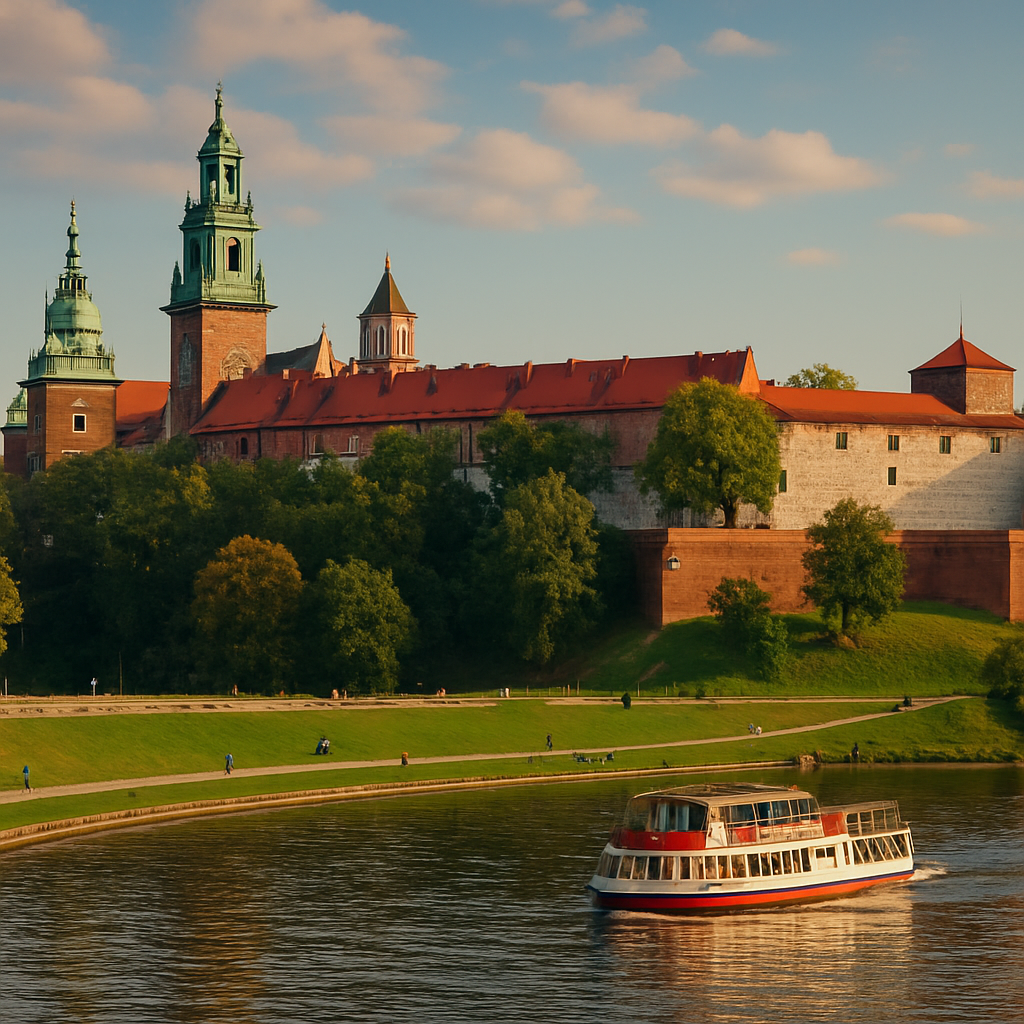
Start on Wawel Hill — the 14th-century royal castle, the cathedral where most Polish kings are buried, and the dragon statue that still breathes real fire on the hour. From there, drop down into the medieval core through Grodzka or Kanonicza, the oldest residential street in Kraków, and surface onto Rynek Główny, the largest medieval square in Europe. Time it so you hear the Hejnał trumpet call from St. Mary's Basilica at the top of the hour — when it cuts off mid-note, that's the tradition, not a mistake. Grab an obwarzanek from a blue cart on the way (about 2 PLN) and you've done the city's foundational sequence in one walk.
Wander Kazimierz, End at Plac Nowy
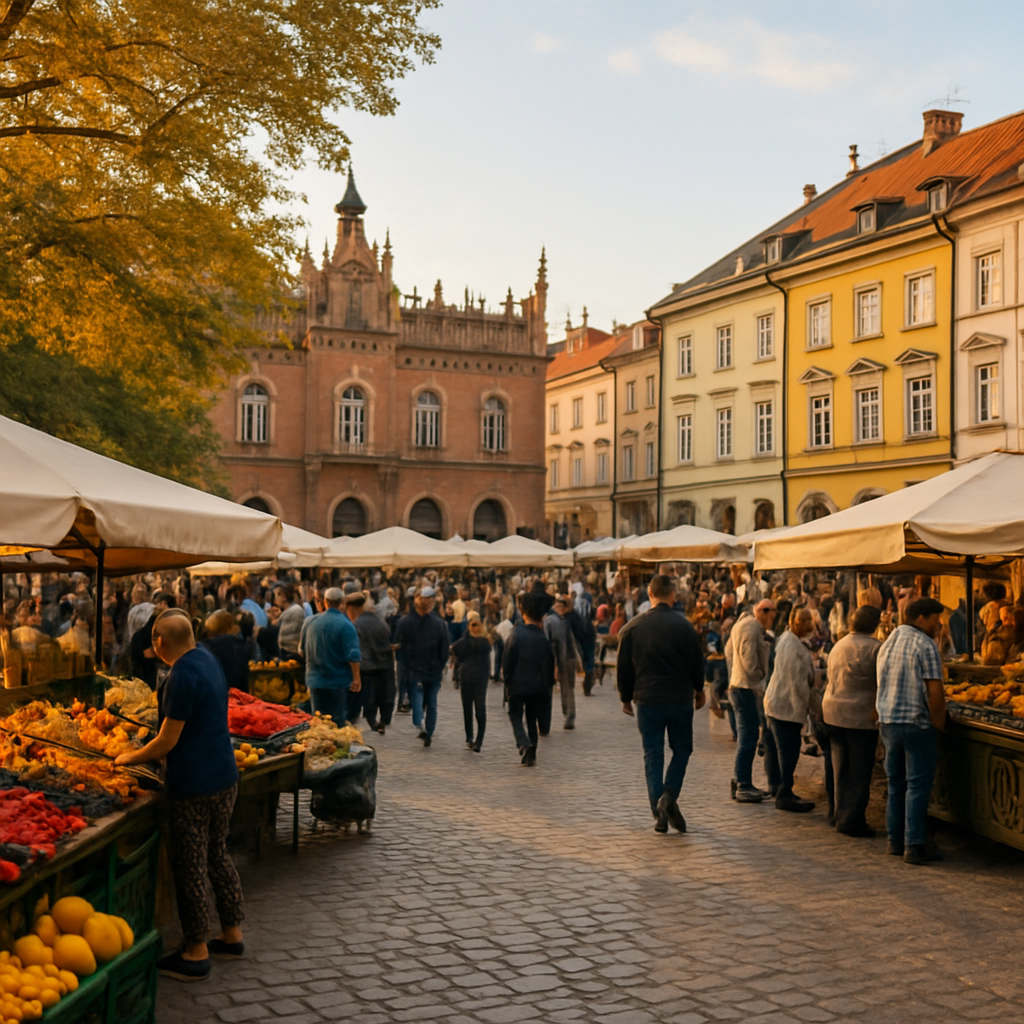
Kazimierz was a separate town founded in 1335 and you can still feel the seam in the low buildings and narrow streets. Walk ul. Szeroka past the 15th-century Old Synagogue, swing through the Galicia Jewish Museum's permanent photo exhibition (the bookshop café is one of the more thoughtful reading spaces in the city), and drift down ul. Józefa for the vintage shops and natural-wine bars. End at Plac Nowy, where the round former kosher slaughterhouse — the Okrąglak — slings zapiekanki until 4 a.m. It's a toasted half-baguette with mushrooms, cheese, and a dozen possible toppings, and at 2 a.m. it's the best 15 PLN you'll spend.
Schindler's Factory, MOCAK, and the Walk Back
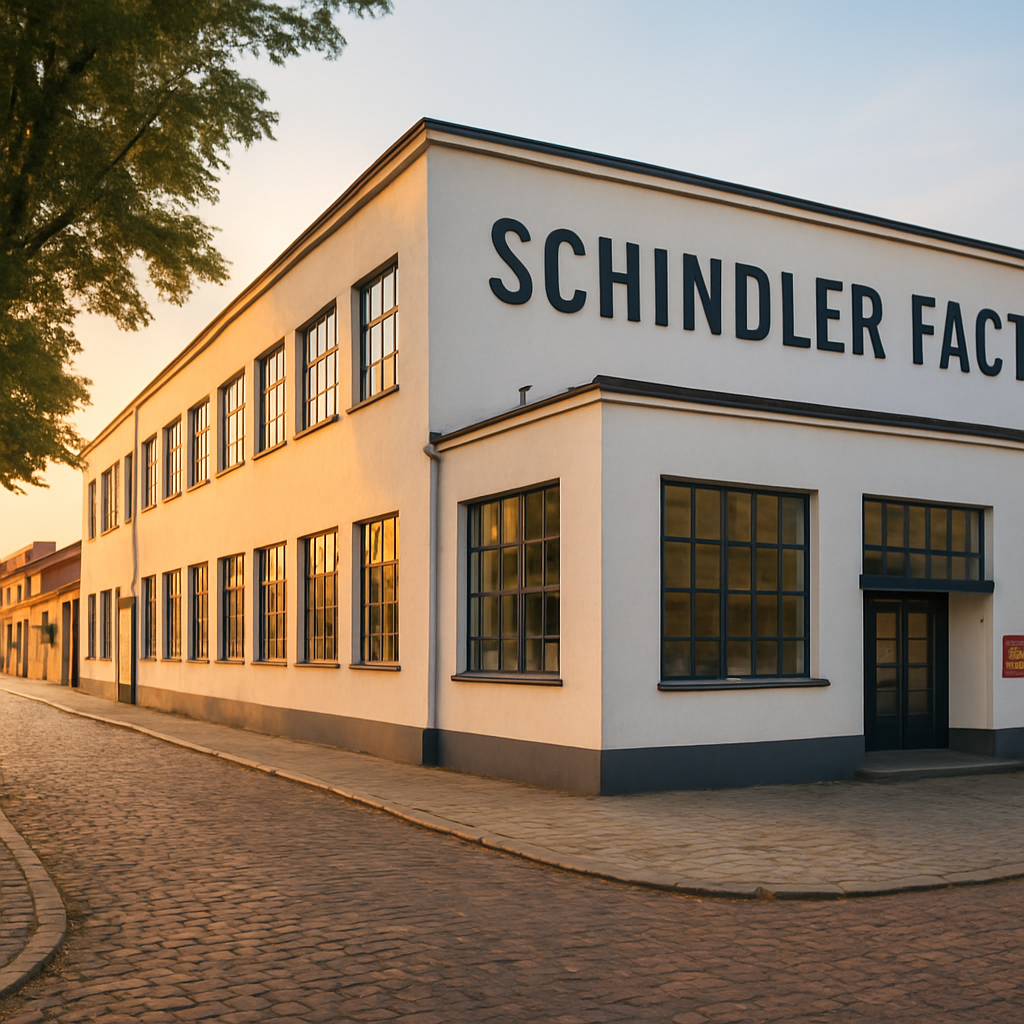
Cross the Father Bernatek Footbridge with the acrobat sculptures suspended over the Vistula and you're in Podgórze, the former Jewish ghetto. Schindler's Factory reopened in 2010 as a branch of the Museum of Kraków with the permanent exhibition 'Kraków under Nazi Occupation 1939–1945' — book a timed ticket in advance, it's dense and emotionally heavy. Next door, MOCAK is Kraków's contemporary art museum, with a curatorial stance that consistently shows openly queer Polish artists like Karol Radziszewski. Walk back at golden hour across the footbridge and end with a beer at Forum Przestrzenie on the riverbank — deckchairs, DJs, and the most genuinely mixed crowd in the city on summer Sundays.
Descend the Wieliczka Salt Mine
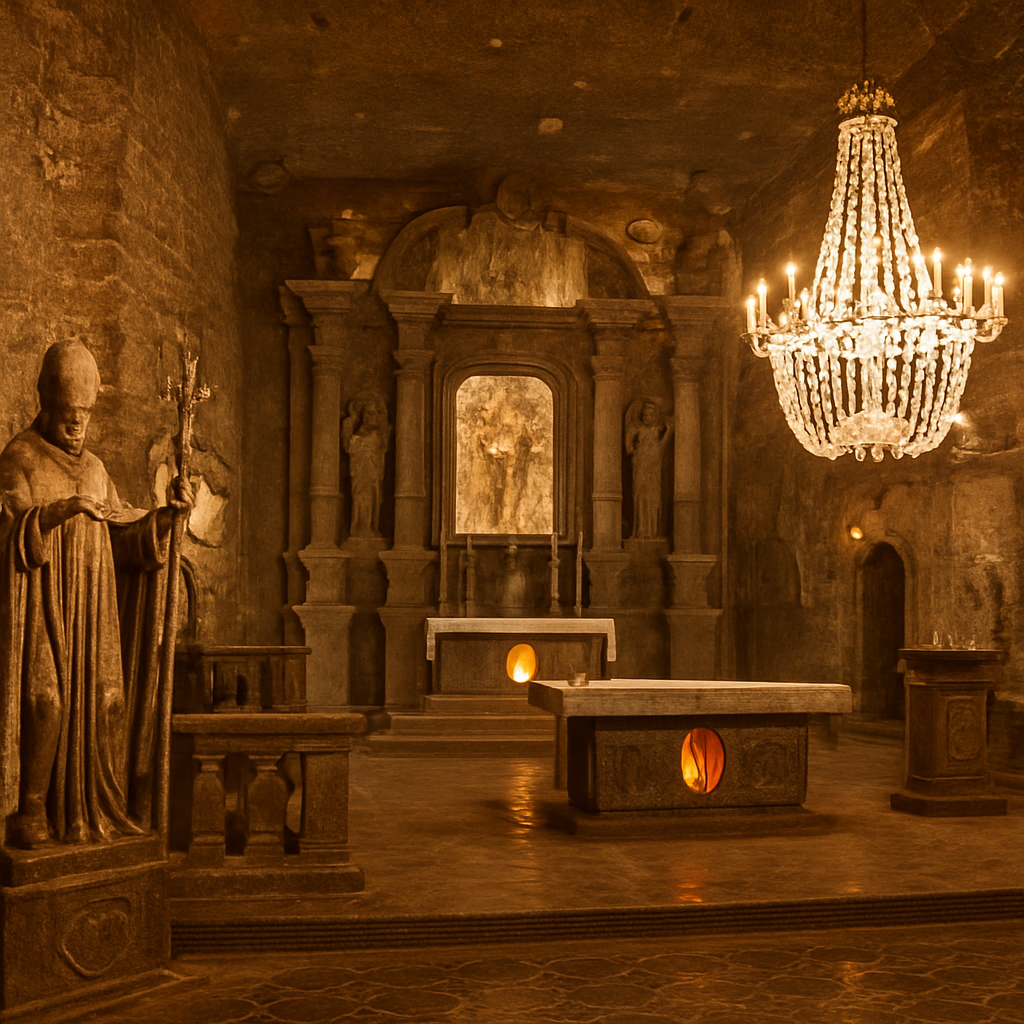
Approximately 14 km southeast of the city, the Wieliczka Salt Mine operated from the 13th century until 2007 and was named a UNESCO World Heritage Site in 1978. The tourist route descends about 135 meters underground through chambers, sculptures, and an entire chapel — the Chapel of St. Kinga — carved out of rock salt. It's stranger than any photograph prepares you for. Book the official tour rather than a private operator, wear layers (the temperature is constant and cool year-round), and budget half a day door to door from Kraków.
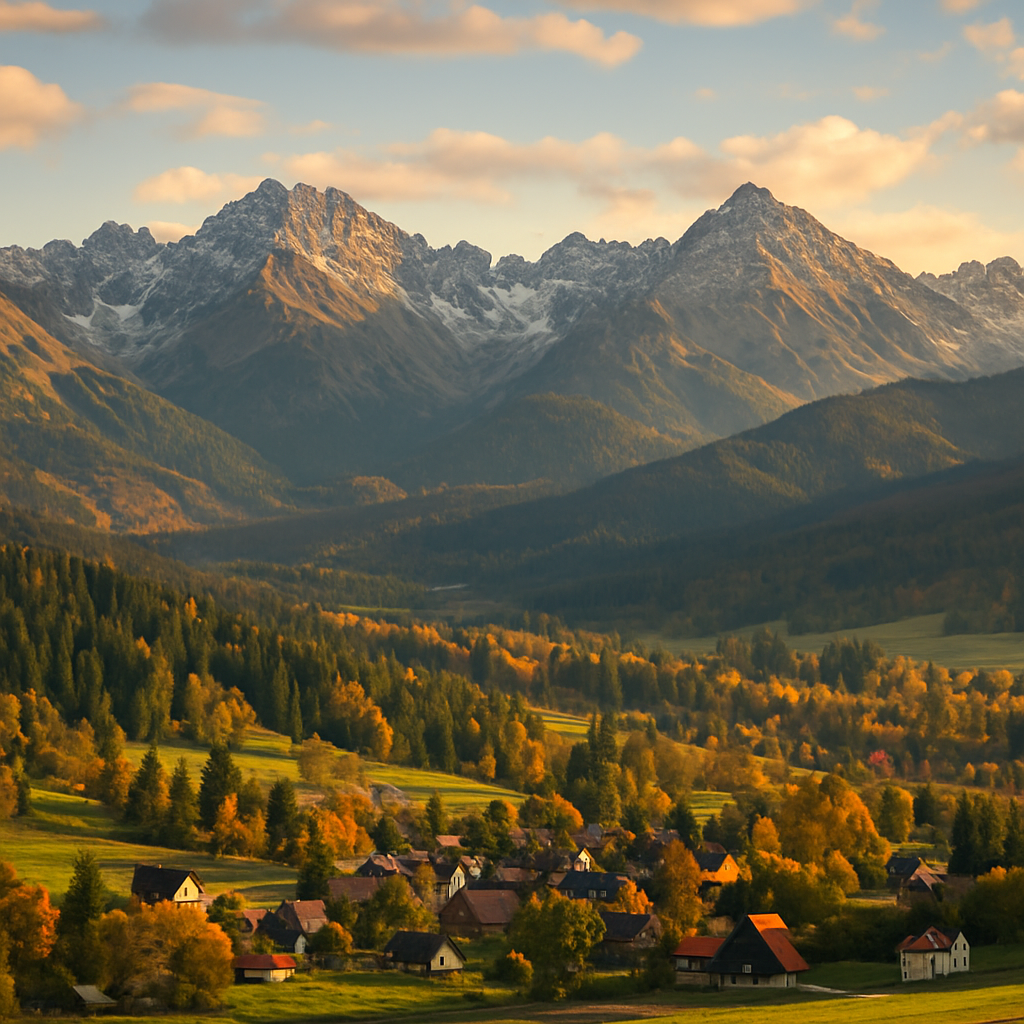
Escape to Zakopane and the Tatras
Approximately 100 km south of Kraków, Zakopane is Poland's mountain capital — wooden Zakopane Style houses developed by Stanisław Witkiewicz in the late 19th century, the Krupówki pedestrian promenade lined with grilled oscypek sheep's cheese, and direct access into Tatra National Park. Take the funicular up Gubałówka for the panoramic view, or hike to Morskie Oko if you've got a full day and the weather is cooperating. Buses run from Kraków MDA station every half hour and the trip is roughly two and a half hours each way.
The places I actually send people to
Advice that fits how you travel
Solo travel in Kraków is genuinely easy on the practical side — the city is small, walkable, and English is widely spoken in Kazimierz and the Old Town. The hostel and design-hotel scene around Plac Nowy puts you within five minutes of every bar that matters, and the budget math is forgiving: figure 250–380 PLN a day on the lean end, 500–750 PLN moderate. Pierogi for 25 PLN, a craft pint for 18, a zapiekanka at 2 a.m. for 15 — your money goes further here than almost anywhere else in the EU.
On meeting people: the scene is small, which cuts both ways. Grindr and the apps work, but the radius thins out fast outside Kazimierz, and Friday and Saturday at Cocon on ul. Gazowa is functionally how you meet the regulars. Alchemia, Singer Café, and Mleczarnia's summer courtyard are the soft-entry bars where solo arrivals don't feel conspicuous — order a beer, pick a corner, and the room sorts itself out within an hour. Café Szafé in the Old Town hosts poetry and live music nights that reliably draw a queer-leaning crowd.
Safety-wise, exercise standard urban caution and you'll be fine. The walk from Kazimierz back toward the Old Town after midnight along ul. Krakowska or the Planty edges is well-lit and busy. Check the Wisła Kraków and Cracovia football calendar before you book a Friday — match-night ultras spilling into the center are the one consistent thing locals flag, queer or not. Use Bolt or iTaxi rather than unmarked taxis, and trust the door staff at queer venues — they're paying attention on purpose.
Kraków is romantic in a way that doesn't try too hard. The medieval architecture, the Planty ring at golden hour, the walk from Wawel Hill down through Kazimierz across the Father Bernatek Footbridge with the acrobat sculptures suspended over the Vistula — it's the prettiest free thing you'll do as a couple here, and it ends with a beer at Forum Przestrzenie on the Podgórze riverbank if the weather's right. For the big-night meal, Bottiglieria 1881 is the one-Michelin-star tasting menu in Kazimierz, and Karakter is the louder, more confident bistro option a few blocks over. Cocktails at Mercy Brown's reservation-only speakeasy near the Planty is the kind of date the Old Town does well.
On PDA: same-sex couples can hold hands comfortably through Kazimierz — especially around Plac Nowy, ul. Estery, and ul. Józefa, where the cafés are mixed and the bartenders aren't fazed. In Stare Miasto by day it's fine; by Friday night, when the British stag parties roll in around Rynek Główny, you'll catch more stares — not from Poles, from drunk visitors. Read the city block by block, not as a whole.
For where to sleep, the cleanest call for same-sex couples is PURO Kraków Kazimierz — Polish design-hotel brand that's publicly backed Pride, on the right block, with practiced staff. Hotel Stary in the Old Town is the more historic-romantic move, a five-star boutique inside a 13th-century townhouse with a rooftop over Rynek Główny. The international chains — Sheraton Grand, Hilton's Curio at Hotel Saski, Hotel Indigo — all have corporate inclusion policies that mean check-in is a non-event. As of 2026, Poland does not legally recognize same-sex relationships, so bring travel insurance and documentation sorted — nothing here will be processed as a couple at hospitals or government offices.
Honest framing first: as of 2026, Poland does not recognize same-sex marriage, civil unions, or joint adoption by same-sex couples, and there's no comprehensive anti-discrimination law covering family services. What that means in practice is that LGBTQ+ families won't have legal recognition of their family structure here, and you should travel with originals of birth certificates, custody documents, and consent letters — especially if both parents aren't on every kid's passport. The good news: nothing about the day-to-day in Kraków is hostile to families with two moms or two dads. The international hotels (Sheraton Grand, Hilton's Curio, Hotel Indigo, PURO) handle bookings as a non-event, and observational reports from LGBTQ+ families generally describe the city as more practiced and tolerant than smaller Polish towns.
The activity menu is unusually kid-friendly. Wawel Castle with the fire-breathing Smok dragon at the base of the hill is an easy win — the dragon really does breathe fire on the hour, and kids lose their minds. The Wieliczka Salt Mine day trip (about 14 km out, 135 meters underground, an entire chapel carved from rock salt) is the kind of strange that travels well across ages. Zakopane and the Tatras are a two-and-a-half-hour bus ride for hiking, the funicular up Gubałówka, and grilled oscypek sheep's cheese from the Krupówki stalls. The Planty ring around the Old Town is stroller-friendly, restaurants have kid menus and high chairs at the international and tourist-facing spots, and an obwarzanek from a blue cart for 2 PLN is the cheapest snack diplomacy in Europe.
One serious note: Auschwitz-Birkenau is approximately 70 km from the city and is part of many family itineraries for older children. The official site recommends a minimum age of 14 for the guided tour, and that guidance is worth taking seriously — the exhibition is dense, graphic, and emotionally heavy. The memorial documents Nazi persecution of homosexual prisoners under Paragraph 175 alongside its broader Holocaust history, and visiting is a form of remembrance that doesn't need to be argued for. For younger kids, MOCAK's contemporary art galleries and the Galicia Jewish Museum's photography exhibition are the gentler cultural stops.
What Kraków actually costs
Flights, visas, and the first 30 minutes
Airport: Kraków John Paul II International Airport (KRK), about 12 km west of the Old Town in Balice. It's small, modern, and easy — you'll be from gate to city center inside 45 minutes most of the time.
Direct routes: Kraków is well-connected across Europe with roughly 100 direct routes — London (about 2h 30m), Frankfurt (1h 45m), Paris (2h 30m), Amsterdam (2h), Rome (2h 15m), Istanbul (2h 30m), Dubai (5h 30m), and seasonal direct service from Chicago and Newark via LOT Polish Airlines (about 9–10 hours). From most of North America you'll typically connect through Warsaw, Frankfurt, or Munich.
Visas: As of 2026, US, UK, Canadian, and Australian passport holders are typically permitted visa-free entry to the Schengen Area for up to 90 days in any 180-day period. ETIAS, the EU's electronic travel authorization, is required for these nationalities as of 2026 — apply online, costs approximately €7, valid for three years. EU citizens have free movement and need only a national ID card. Always confirm current requirements with your nearest Polish consulate before flying.
Airport to city: The SKA1 train is the move — runs every 30 minutes direct to Kraków Główny station, takes 18 minutes, costs 17 PLN. Buy from the machine or contactless tap at the platform. Uber and Bolt are widely available and reliable, 25–40 minutes depending on traffic, typically 50–80 PLN. Licensed airport taxis run 80–100 PLN — use the iTaxi app or the official rank, never an unmarked car. Budget travelers: bus lines 252 and 300 run for 6 PLN (night bus 902 after midnight), about 40 minutes.
Traven's seasonal breakdown
The questions everyone asks
Is Kraków safe for same-sex couples?
Do I need to speak Polish?
What's the legal status of same-sex relationships in Poland?
When is Kraków Pride?
How much should I budget per day?
Are the 'LGBT-free zones' still a thing?
Is the airport easy to navigate?
Screenshot this before you go
So should you actually go?
Go — with your expectations calibrated. Kraków isn't a high-scoring scene capital, and my Traven-Dex of 6.9 reflects what it actually is: a stunning medieval city with a small, fierce queer pocket in Kazimierz and a legal framework that, as of 2026, still doesn't recognize same-sex relationships. If you need a Pride-flagged Soho strip, this isn't your trip. If you want a beautiful, walkable, affordable European capital where the gay scene means it and the food, history, and architecture earn the 9.2 on Destination, this is one of the best value-to-quality ratios in the EU right now. Bring your paperwork sorted, sleep in Kazimierz, and let the city show you what it is rather than what it isn't. LGBTQ+ travelers who go in with that frame consistently come back planning the next trip.
Sources & Resources
Official links we reference when compiling this guide. Last verified 2026-05-12.
- City of Kraków official tourism portal
- Fundacja Trans-Fuzja (national trans support organization)
- Grupa Stonewall (national LGBTQ+ rights group, active in Kraków)
- Helsinki Foundation for Human Rights (legal aid in Poland)
- ILGA-Europe Poland country page
- Kampania Przeciw Homofobii (Campaign Against Homophobia)
- Lambda Warszawa (national LGBTQ+ helpline and support)
- Miłość Nie Wyklucza (Love Does Not Exclude — marriage equality advocacy)
- Rzecznik Praw Obywatelskich (Polish Ombudsman — discrimination complaints)
- Stowarzyszenie Tęczówka (Kraków LGBTQ+ association)
- Tolerado (regional partner organization)