
Warsaw didn't get permission to have a scene. It built one anyway, and that changes what it feels like to walk into a room here.
Warsaw is the city where Poland's queer community decided to stop asking permission. That's not a slogan — it's something you feel walking through Śródmieście on a Friday night, when the bars along Mazowiecka are spilling onto the sidewalk and every packed room at Luzztro feels like a small act of collective triumph. This isn't Berlin. Don't arrive expecting wall-to-wall flags and open-air circuit parties. What you get instead is genuinely more interesting: a scene with actual teeth, built by people who've had to fight for every square meter of visibility in a country that's made international news for all the wrong reasons.
I gave Warsaw a 7.5 on Scene, and that number reflects something specific — not quantity, but intensity. The Tęcza at Plac Zbawiciela has been burned down by nationalists and rebuilt by the community enough times that it means something real now, not just a photo op. Grab a craft beer from one of the terrace bars ringing the square, watch the city wash past you, and you'll understand why locals are fiercely attached to this particular patch of pavement. Down in Powiśle, the bars along Dobra Street draw a genuinely mixed crowd — you're as likely to end up in conversation with a queer filmmaker as a visiting architect who wandered in from the riverbank. Over in Praga, places like W Oparach Absurdu host drag nights in repurposed industrial spaces that feel nothing like the polished gay bars of Western Europe.
The complication is real, though, and I won't pretend otherwise. My Traven-Dex of 6.6 reflects a city where the progressive core — roughly from Mazowiecka south toward Plac Zbawiciela and the Powiśle escarpment — operates on different rules than the outer suburbs or the Metro at rush hour. Warsaw signed the LGBTQ+ Charter. The mayor has been vocal. The contrast with what's happening in the rest of Poland is stark enough to feel meaningful the moment you land. But Poland's legal framework still offers limited protections, and attitudes outside the capital's progressive bubble remain conservative. You'll need to read rooms, not just neighborhoods.
What tips the balance for me is the value equation and the depth of what's here beyond the scene. The złoty goes further than you'd expect — dinner, drinks, and club entry for roughly half what you'd spend in Amsterdam. Bar Mleczny Prasowy serves żurek and pierogi ruskie at prices that feel almost illegal in a major European capital. POLIN is one of the best museums on the continent. The new Museum of Modern Art on Plac Defilad has been programming queer artists since it opened. Warsaw earns an extra day on any Central European itinerary — just come knowing that the reward here is texture, not ease.
The stuff your travel guide buries on page 47
The legal picture, plainly: As of 2026, same-sex relationships have no legal recognition in Poland — no marriage, no civil unions, no registered partnerships. Same-sex adoption is not legally available. Homosexuality is not criminalized and hasn't been since 1932, but anti-discrimination protections are limited: there's no comprehensive national law prohibiting discrimination based on sexual orientation or gender identity in employment, housing, or services. The Tusk coalition government, in office since late 2023, has signaled openness to civil union legislation, but nothing has passed into law. Gender identity recognition requires a court-mediated process with medical requirements — a bureaucratic and often adversarial experience, particularly for trans travelers whose documents may not match their presentation.
What the law means on the ground: Warsaw operates as a genuine exception within Poland's national landscape. The city explicitly rejected the "LGBT-free zone" declarations that dozens of other municipalities adopted under the previous government, and the mayor signed Warsaw's LGBTQ+ Charter — a formal statement of institutional welcome that carries real symbolic and practical weight. KPH (Campaign Against Homophobia) and Lambda Warszawa are both headquartered in the city and provide helpline support, legal aid, and community resources. Trans-Fuzja Foundation offers specific support for transgender visitors and residents. Save Lambda's contact info before you arrive — not because you'll necessarily need it, but because knowing it's there changes how you move through the city.
PDA comfort — be neighborhood-specific: Around Plac Zbawiciela, in Powiśle, and within the Śródmieście bar district along Mazowiecka and Poznańska, same-sex affection is normalized and expected — these neighborhoods are acclimatized to it. In the Old Town and along the Royal Route, heavy tourist traffic means you're unlikely to face direct confrontation, but you may attract stares — moderate your comfort near Catholic churches and religious sites. Praga is gentrifying fast and hosts some of the city's best alternative culture, but it retains conservative working-class pockets: read the room, especially after dark. Outer suburbs like Wilanów and Ursynów trend more conservative and family-oriented — discreet behavior is strongly recommended. On public transit and outside the city's progressive core, the usual situational awareness applies: Warsaw is not monolithic, and older crowds on the Metro can be a different experience than what you'll encounter in Powiśle.
What it actually feels like on the ground
Holding hands: In Śródmieście's bar district (Mazowiecka, Poznańska), around Plac Zbawiciela, and in Powiśle, same-sex couples hold hands without incident — this is normalized territory and has been for years. In the Old Town's tourist corridors, it's unlikely to provoke confrontation but may draw looks. Outside the progressive core — Praga's less-gentrified blocks, outer suburbs, public transit late at night — let your surroundings guide you.
Hotel check-in: International chain hotels (Raffles, Novotel, Marriott properties) and the boutique spots I recommend in Śródmieście handle same-sex couples booking double rooms without friction. H15 Boutique Hotel on Poznańska is on the city's most LGBTQ+-social street and has a documented welcoming track record. Budget accommodations like Oki Doki Hostel are explicitly LGBTQ+-friendly and have been for over two decades. You won't have a check-in problem at any property in this guide.
Taxis and ride-shares: Uber and Bolt both work seamlessly in Warsaw, drivers are generally professional, and I've heard no pattern of issues with same-sex couples. Use them freely for late-night returns from Praga or after club nights on Mazowiecka. Licensed taxis from official ranks are fine; avoid freelance drivers soliciting in the street.
Late night: The queer venues in Śródmieście cluster tightly enough that you can walk between most of them, which is half the fun. Late nights in Praga are some of the best in Warsaw — venues like Hydrozagadka under the railway bridge are genuinely electric — but Praga is still rough around the edges. Don't wander alone at 3am through industrial blocks you can't place; a Bolt home is cheap and works instantly.
Trans travelers: Warsaw's queer community is broadly supportive of trans people, and venues like Kicia Kocia are noted for being specifically inclusive across the full identity spectrum. However, Polish law requires a court-mediated, medicalized process for gender marker changes, so travel documents may not match presentation. Be prepared for potential friction at border control, government-adjacent offices, and medical facilities. Carry relevant documentation. Trans-Fuzja Foundation offers legal support and community resources in Warsaw.
The Parada Równości (Pride): Warsaw's June Equality March is enormous and genuinely joyful — one of Central Europe's largest — but it draws counter-protesters and is heavily policed specifically because of that history. The march itself is safe. The fringes of the route, particularly right after it disperses, require more situational awareness. Know where you're heading next before the parade ends, and have a plan for getting there.
Verbal harassment risk: Rare in central Warsaw's progressive neighborhoods during normal hours. The greatest risk vector is groups of young men late at night in areas outside the welcoming core — this is Poland-wide, not Warsaw-specific. The overwhelming majority of visitors report no incidents. Street-level homophobia here tends to be passive (stares, muttering) rather than confrontational, but it does exist outside the bubble.
For detailed information on legal protections and the current safety climate for LGBTQ+ travelers, consult Equaldex: LGBTQ+ laws and rights in Poland.
The queer geography
Śródmieście — The Core
Śródmieście is where Warsaw's queer life concentrates, and it's not sprawling — you can walk the whole circuit in twenty minutes. The action runs along two streets: Mazowiecka, the main nightlife artery where Luzztro has been the longest-running dedicated gay club in the city — not the sleekest room you've ever danced in, but real, packed on weekends, and the crowd spans 20-something students to guys who've been coming for fifteen years. That mix is the point. Then there's Poznańska, which functions as Warsaw's LGBTQ+ social corridor — Beirut Hummus & Music Bar, H15 Boutique Hotel, and a cluster of bars that make this the street you'll keep coming back to. Galeria anchors the gay bar cluster in central Śródmieście as a straightforward, reliable social gathering place. 1500m2 is where the scene gets more adventurous — big themed queer parties, film screenings, performance art. Check Lambda Warszawa's events calendar before you visit; whatever's on there on a given Saturday is your best bet for the creative end.
The lesbian scene is smaller and more intentionally organized than the gay male scene — BarKa is a dedicated women's bar and genuine community space, while women's nights rotate between venues on schedules that live on Facebook groups and Lambda's listings rather than any permanent address. Check before you go, not when you're already out.
Plac Zbawiciela — The Living Room
Plac Zbawiciela sits at the southern end of Śródmieście and functions as Warsaw's unofficial welcoming living room. The Tęcza rainbow installation — burned and rebuilt enough times to mean something real — anchors the square. On any warm evening, the café terraces ringing the roundabout fill with a crowd that includes a visible queer contingent. It's not a gay village in the bar-district sense; it's the place where the community breathes. Start or end your evening here.
Powiśle — The Cool One
Powiśle is the riverside neighborhood below the escarpment where Warsaw's coolest welcoming crowd settled after Śródmieście got expensive. The bars along Dobra and Kruczkowskiego streets are genuinely mixed, low-pressure, and you're as likely to end up in conversation with a queer filmmaker as a visiting architect who just stumbled in from the riverbank promenade. The energy here is relaxed daytime-to-late-evening rather than club-night intense. If Śródmieście's bar cluster is the scene, Powiśle is the neighborhood.
Praga — The Edge
Praga, on the east bank of the Vistula, is Warsaw's alternative culture heartland — welcoming clubs and art spaces tucked into repurposed factories and rail yards. W Oparach Absurdu ("In Clouds of the Absurd") hosts regular drag performances and community fundraisers. Chmury runs queer-themed parties and film screenings alongside live music. It's the raw, creative end of the city's queer life. But Praga is still gentrifying unevenly — it retains conservative working-class pockets, and group travel after dark is advisable in blocks you don't know. The Metro M2 line connects Praga to Śródmieście in minutes, and Bolt rides are cheap.
Purple Roofs' LGBTQ+ accommodation and community directory features searchable listings of welcoming hotels, guesthouses, and community venues throughout Warsaw.
ILGA-Europe member organizations and community groups connects travelers with active local LGBTQ+ organizations and community centers throughout Poland that host events and social spaces.
The experiences worth rearranging your itinerary for
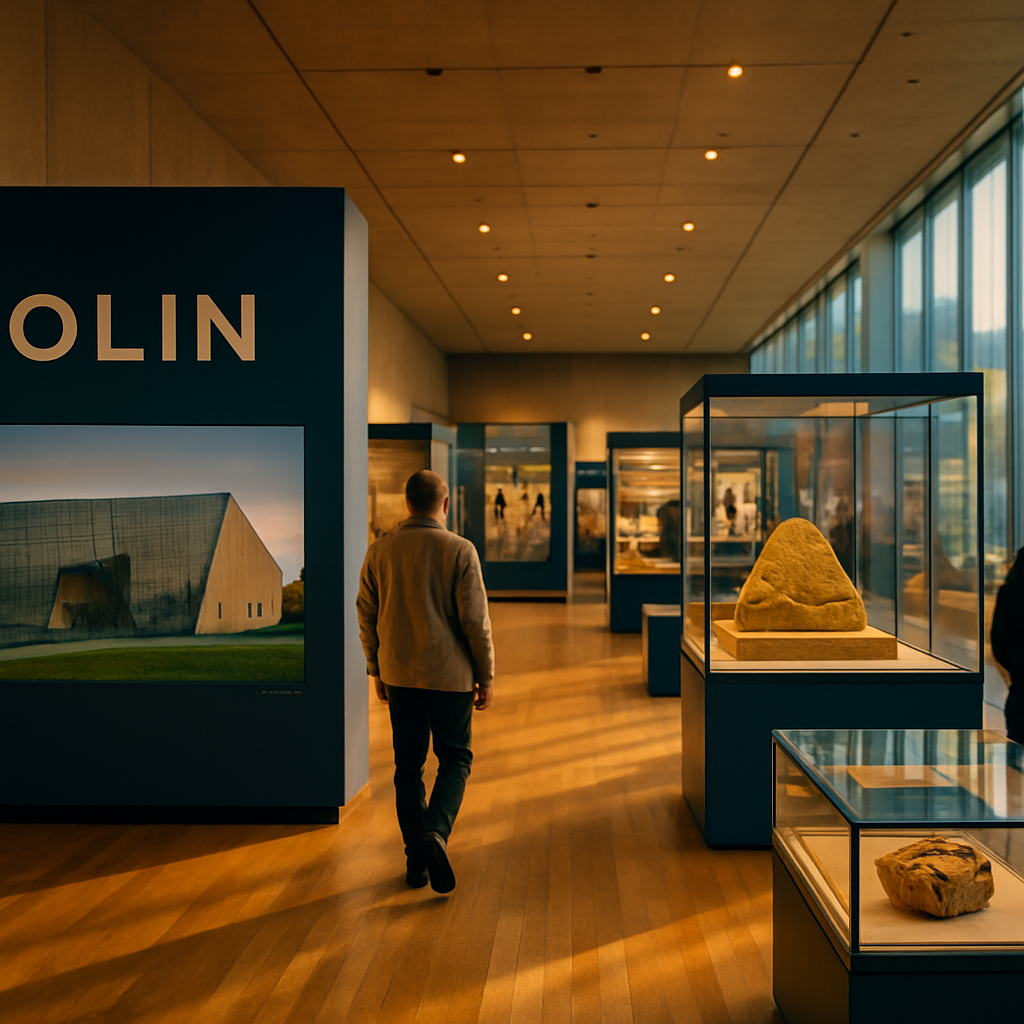
POLIN Museum — A Morning That Earns It
The Museum of the History of Polish Jews sits on the site of the former Warsaw Ghetto in Muranów, and its permanent exhibition is not a monument — it's a layered, unflinching narrative of identity, belonging, persecution, and survival in Poland across a thousand years. Block out a full morning. The exhibition includes documentation of LGBTQ+ Jewish life and persecution, and when you're traveling here as a queer visitor, the resonance lands with particular weight. Free admission on Thursdays. This is the single best museum experience in Warsaw, and it's not close.
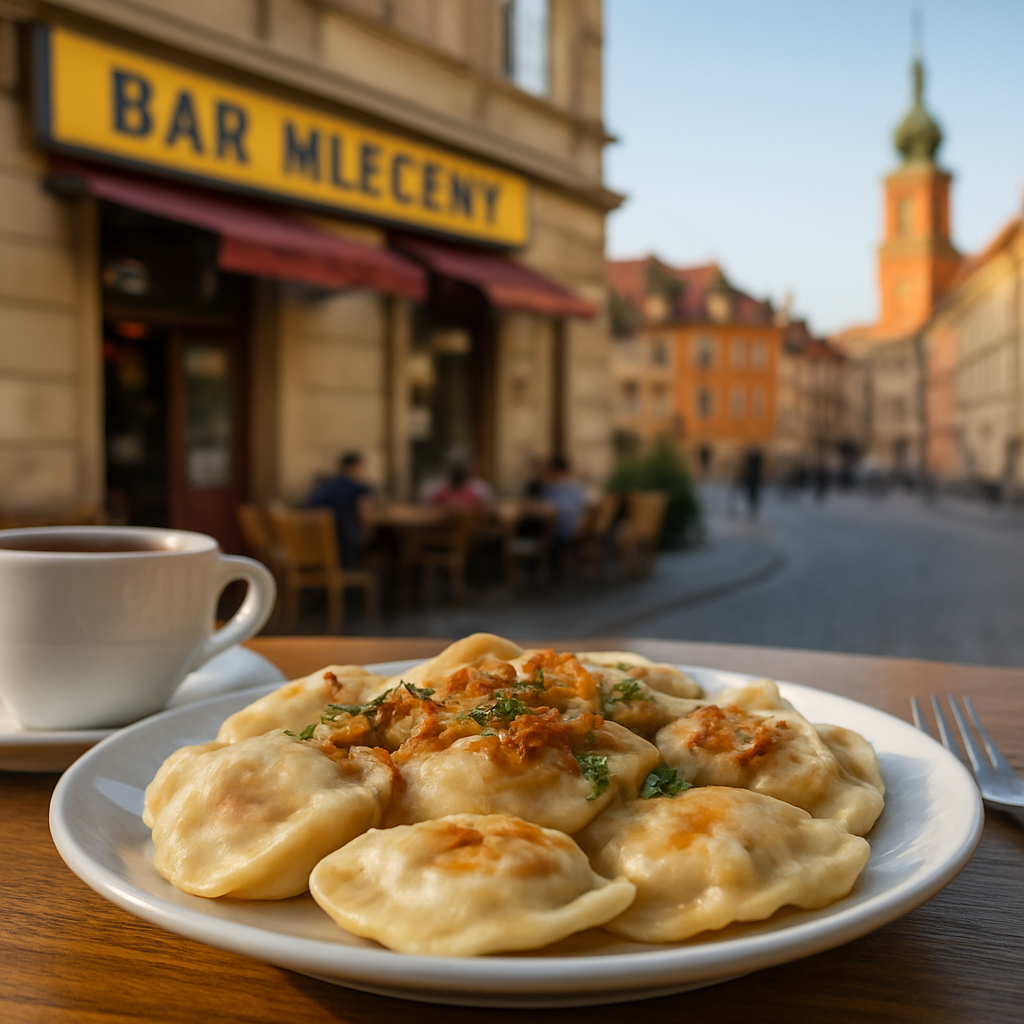
Bar Mleczny Prasowy — Communist-Era Comfort Food
A bar mleczny (milk bar) at Marszałkowska 10/16, serving subsidized traditional Polish dishes at prices that feel almost illegal in a major European capital. Order the żurek — a tangy sour rye soup that's Warsaw's canonical hangover cure — and pierogi ruskie. The room hasn't changed much since the communist era, the service is cafeteria-style, and you'll sit elbow-to-elbow with pensioners and office workers. This is the essential Warsaw food experience, and the Sunday brunch crowd at cafes nearby in Powiśle is where you'll find half the queer city recovering magnificently from Saturday night.
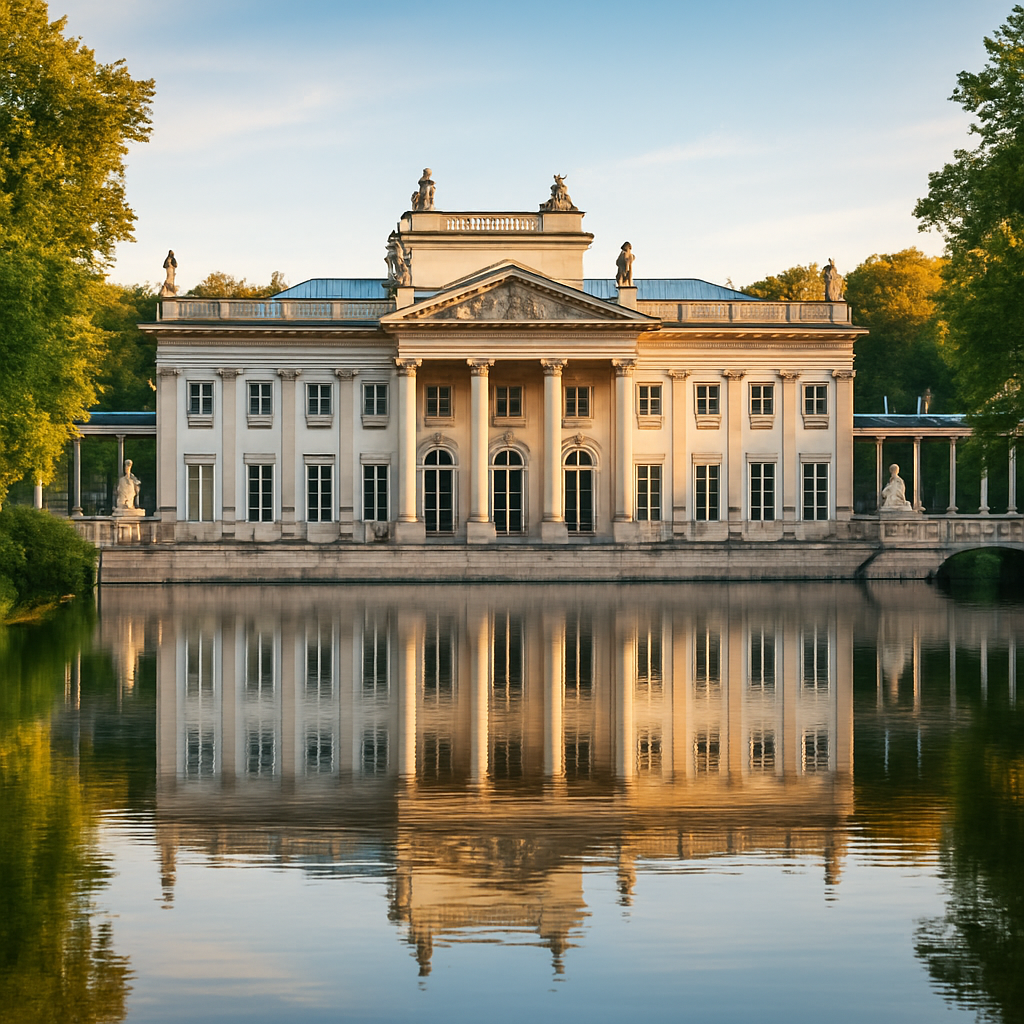
Łazienki Park & the Chopin Concerts
Warsaw's largest park stretches across 76 hectares of landscaped gardens, Baroque palaces, and a lake where peacocks wander like they own the place. On summer Sundays, free open-air Chopin piano recitals take place at the monument — arrive early to claim a spot on the grass. Rowboats are available on the lake, the Palace on the Isle is worth the detour, and the park is flat enough to cover comfortably in a couple of hours. This is where Warsaw exhales.
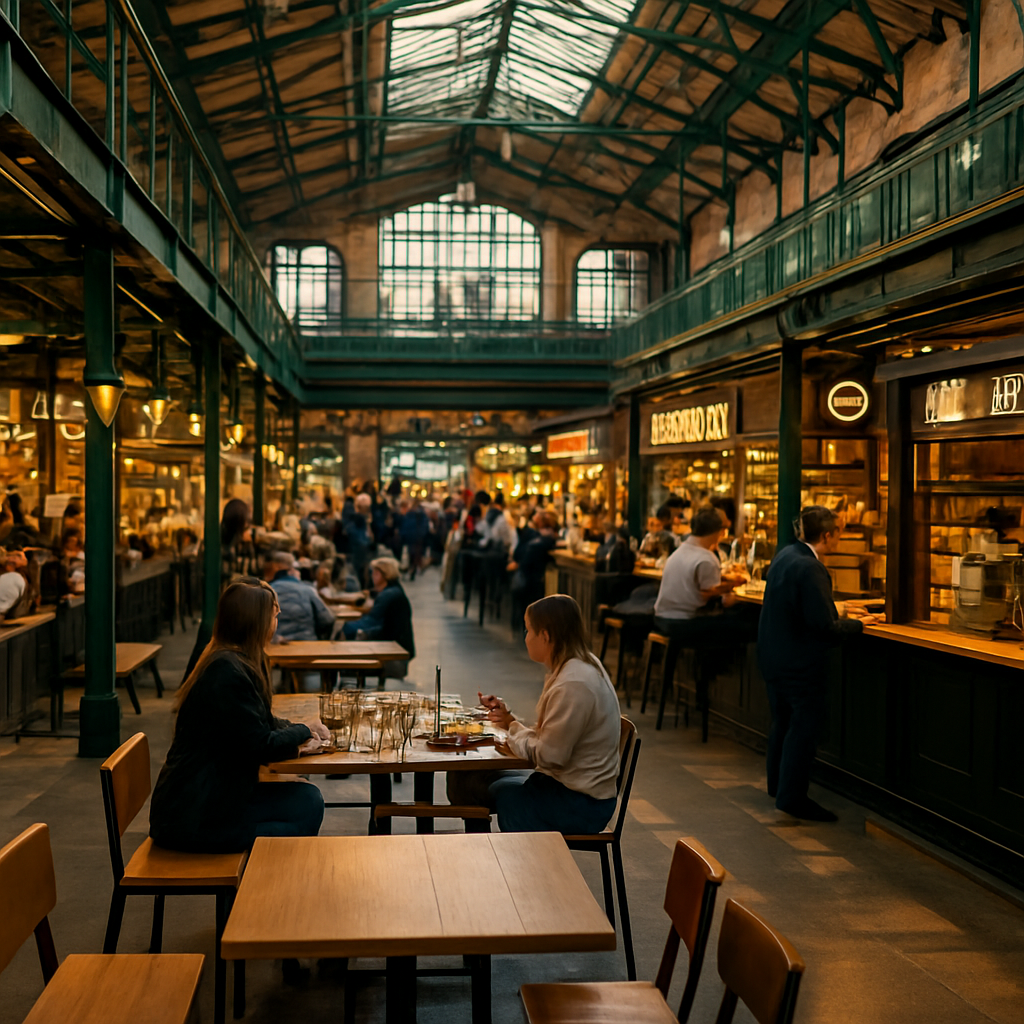
Hala Koszyki — Eat the Heritage
This indoor market hall on Koszykowa was originally built in 1908, demolished during the communist era, and reconstructed from archival plans — the national heritage-listed facades were retained in the rebuild. It reopened in 2016 as a multi-vendor food hall with approximately 20 vendors spanning Polish, Asian, Mediterranean, and street food. Go at lunchtime or early evening, graze across three or four stalls, and pair it with a nalewka (traditional fruit liqueur) from the bar. The architecture alone is worth the stop.
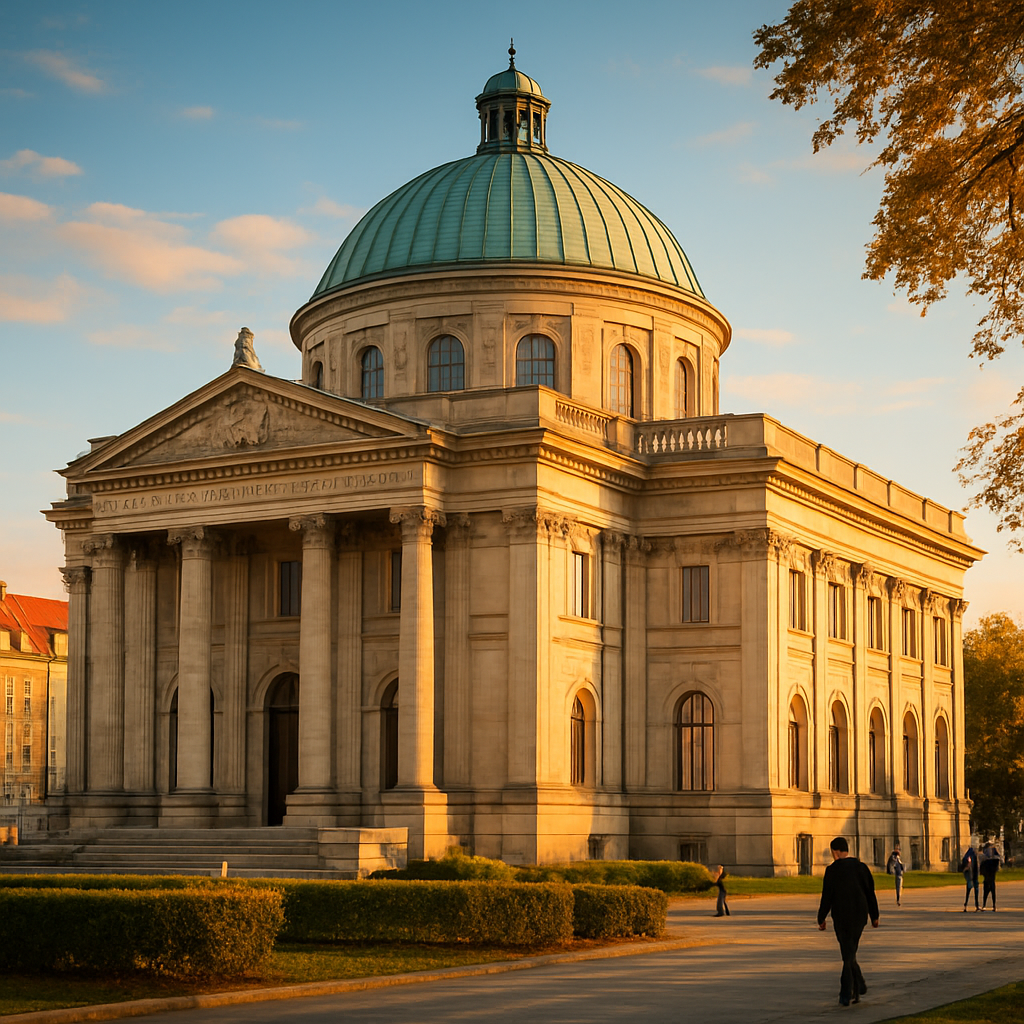
Museum of Modern Art (MSN) — The New Landmark
MSN opened its permanent building on Plac Defilad in 2024, designed by Thomas Phifer and Partners, and the building itself is an argument for Warsaw's contemporary ambition. The collection includes works by Polish and international LGBTQ+ artists, and the programming regularly addresses queer identity and gender. Free admission on Thursdays. After the museum, you're steps from Bar Studio in the Palace of Culture — one of those Warsaw institutions that mixes cheap drinks with genuine cultural weight.
The places I actually send people to
Advice that fits how you travel
Warsaw is one of the best solo travel cities in Europe at this price point, and the queer scene is built for it. The venues in Śródmieście cluster within walking distance of each other — you can start at Beirut Hummus & Music Bar on Poznańska, drift to Galeria or Kicia Kocia, and end up at Luzztro without ever needing to pull up a map. The crowd at these places skews mixed-age and genuinely social; Poles are initially reserved but warm fast once the conversation starts, especially if you've bought the second round. App culture here is active — Grindr, Romeo, and Tinder all have solid user bases in Warsaw — but the real connections tend to happen at the bar.
Powiśle is where I'd base a solo trip. The neighborhood's bars along Dobra street have a low-pressure, drop-in energy that's perfect for someone traveling alone — you're as likely to end up talking to a local curator as a visiting backpacker. A 24-hour transit pass costs about 15 PLN, the Metro M2 line connects Praga to Śródmieście in minutes, and Bolt rides are cheap enough that late-night solo transport is never a concern. Budget solo travelers can eat spectacularly at milk bars and Krowarzywa for under 60 PLN a day.
Safety-wise, solo travelers should observe the same neighborhood awareness I outline elsewhere — Śródmieście and Powiśle are comfortable at all hours; Praga is best experienced in groups after dark or with a ride-share queued up. Lambda Warszawa's events calendar is your best running guide to what's actually happening on any given night, and their community drop-in sessions are a genuine way to meet locals beyond the nightlife circuit. Warsaw rewards the solo traveler who stays an extra day — the city opens up on the second or third morning in a way it doesn't on the first.
Warsaw isn't a city where you hold hands everywhere without a second thought — but it has real pockets where you can fully relax into each other, and those pockets are genuinely lovely. Powiśle is where I'd anchor a romantic visit: the bars along Dobra and Kruczkowskiego streets draw a mixed, welcoming crowd, and watching the Vistula turn gold at dusk from the riverbank promenade is the kind of thing that books a second trip. Start there — drinks as the sun goes down, then walk up into Śródmieście for dinner.
For where to sleep, H15 Boutique Hotel on Poznańska is my top couples' pick at the mid-range: 35 rooms in a pre-war tenement, individually styled, and literally on Warsaw's most LGBTQ+-social street — you're steps from Beirut Hummus and the bar cluster that makes the city's welcoming corridor so reliable. If budget is less of a concern, Raffles Europejski is the most romantic address in the city — an 1857 building opposite the Presidential Palace, with a café that has tsarist-era bones and a lobby that makes Saturday morning feel like something worth dressing for.
PDA comfort varies meaningfully by neighborhood. Around Plac Zbawiciela, in Powiśle, and within the Śródmieście bar district, same-sex couples move through the city with genuine ease — this is not theoretical tolerance, it's the lived texture of those streets on any warm evening. On the Metro and in residential areas away from the progressive core, the usual situational awareness applies. Warsaw won't ruin your romance; it just asks that you stay geographically intentional about where you let your guard all the way down.
As of 2026, Poland offers no legal recognition for same-sex families — no marriage, no civil unions, no adoption rights for same-sex couples. That's the baseline legal reality, and it's worth knowing before you travel with children. In practical day-to-day terms, Warsaw is large and cosmopolitan enough that an LGBTQ+ family with kids at the Copernicus Science Centre or the Warsaw Zoo won't typically draw more than the occasional glance. The city is not without its tensions, but they're rarely directed at families going about tourist business in daylight hours in central neighborhoods.
Warsaw is genuinely excellent for kids, and that part has nothing to do with your family structure. The Centrum Nauki Kopernik (Copernicus Science Centre) on the Vistula riverbank is one of the best children's science museums in Central Europe — budget at least three hours and expect to be the one who has to call time. Łazienki Park has rowboats, free-roaming peacocks, and open-air Chopin piano concerts on summer Sunday afternoons. The POLIN Museum has dedicated family programming and exhibitions that work well for older children. Warsaw Zoo in Praga is large, well-maintained, and significantly cheaper than comparable Western European zoos.
Practically: Warsaw's newer Metro M2 line handles strollers well; older tram stock is more awkward. An apartment rental near Powiśle or Śródmieście gives you kitchen access and real space — and at Warsaw's price point, the upgrade from a hotel room to a two-bedroom apartment is genuinely affordable. Most mid-range restaurants have kid-friendly options, portions are generous, and the city's kawiarnie are broadly tolerant of families during daytime hours. A family transit day pass costs a fraction of what you'd pay in London or Paris, and the network covers enough ground that you rarely need to reach for a ride-share app.
What Warsaw actually costs
Flights, visas, and the first 30 minutes
Airport: Warsaw Chopin International Airport (WAW) sits approximately 10 km southwest of the city center and handles the vast majority of international traffic into Warsaw, including long-haul routes from North America and the Gulf.
Getting there: WAW connects directly to 100+ cities. Major routes include London LHR/LGW (~2h 35m), Amsterdam AMS (~2h 05m), Frankfurt FRA (~1h 55m), Paris CDG (~2h 30m), New York JFK (~9h 20m), Toronto YYZ (~9h 50m), and Dubai DXB (~5h 45m). LOT Polish Airlines operates as the national carrier with the broadest European network; Ryanair, Wizz Air, and easyJet cover shorter European routes at budget fares.
Visas (as of 2026): Poland is a Schengen Area member. US, Canadian, and Australian citizens are typically visa-free for up to 90 days within any 180-day Schengen period. UK citizens are generally visa-free for up to 90 days under post-Brexit arrangements, though entry is no longer guaranteed by EU freedom of movement rules — confirm current conditions with your government's travel advisory before departure. EU citizens travel freely under EU freedom of movement. Always check your government's official advisory for the most current entry requirements before you book.
Airport to city center:
- SKM Commuter Train — 5–7 PLN, approximately 25 minutes to Warszawa Centralna (Warsaw Central); trains run every 15–30 minutes and this is the fastest, cheapest option by a clear margin.
- City Bus (175/148) — 4–6 PLN, approximately 35–50 minutes; runs 24 hours and covers more neighborhoods, but slower in traffic.
- Uber / Bolt — approximately 35–55 PLN, 20–40 minutes depending on traffic; surge pricing possible at peak times.
- Licensed Taxi (metered) — approximately 45–70 PLN, 20–40 minutes; use cabs from the official airport rank only — avoid touts in the arrivals hall.
Traven's seasonal breakdown
The questions everyone asks
Is Warsaw safe for LGBTQ+ travelers?
Do I need to speak Polish?
How much should I budget per day?
Is it safe to hold hands with my partner?
When is Warsaw Pride?
Can I use Uber in Warsaw?
Is Warsaw good for trans travelers?
Screenshot this before you go
So should you actually go?
Warsaw is a genuinely compelling destination for LGBTQ+ travelers who want something more complicated and more rewarding than a sanitized gay district with a gift shop. The scene is real, the community is fierce, the food and culture punch well above the city's price point, and the progressive core of the city — Śródmieście, Powiśle, Plac Zbawiciela — will make you feel welcome. But this is Poland, not the Netherlands. Legal protections are limited as of 2026, the suburbs and outer districts operate by different rules, and you'll want to exercise awareness in spaces outside the established progressive zones. If you're comfortable with that nuance — and many travelers are — Warsaw will surprise you. It surprised me.
Sources & Resources
Official links we reference when compiling this guide. Last verified 2026-03-15.
- Campaign Against Homophobia (KPH)
- Helsinki Foundation for Human Rights Poland — LGBTQ+ legal resources
- ILGA-Europe — LGBTQ+ rights monitoring across Europe, including Poland
- KPH — Kampania Przeciw Homofobii (Campaign Against Homophobia)
- Lambda Warszawa — LGBTQ+ helpline, legal aid, and community events
- Miłość Nie Wyklucza — marriage equality and LGBTQ+ rights campaign
- Parada Równości — Warsaw Pride / Equality March official site
- Ponton Group — sexual health education and reproductive rights resources
- Lambda Warszawa
- Trans-Fuzja Foundation — transgender support and advocacy in Poland