Lisbon is the city that legalized same-sex marriage, then got back to making the best custard tart in Europe — because obviously both things matter.
Two guys are splitting a pastel de nata at the edge of Jardim do Príncipe Real, their knees touching under a wrought-iron table, and the woman selling organic honey three feet away could not be less interested. A drag queen from last night's show at Finalmente Club is buying tomatoes at the Saturday market beneath that massive century-old juniper tree, still wearing last night's eyeliner, and the vendor hands her a free peach. This is the thing about Lisbon — it doesn't perform acceptance. It just lives there, baked into the calçada portuguesa like the black-and-white stones underfoot. I've been to cities that want a medal for tolerating you. Lisbon forgot there was something to tolerate.
I'll say it plainly: this is the most underpriced queer capital in Western Europe, and the secret has been out long enough that I can stop whispering. Full marriage equality, adoption rights, self-ID gender recognition, comprehensive anti-discrimination protections — my Legal score of 10.0 reflects a country that did the work and kept going. But the numbers don't capture the texture. They don't tell you about the way Bairro Alto smells at midnight — cigarette smoke, grilled chouriço, someone's cologne as they brush past you on Rua da Barroca heading toward Purex or Shelter or wherever the night decides to take them. They don't tell you that dinner here doesn't start until 9 PM, the clubs don't breathe until 2 AM, and the sunrise over the Tagus from Miradouro da Graça will make you feel like you've unlocked a cheat code for being alive.
There's a reason my Traven-Dex score sits at 8.8 for this city, and it's not because Lisbon is flashy. It's because it delivers on every front without shouting about it. The scene runs deep — from the historic queer bars stacked along the narrow streets of Bairro Alto to the leather-and-bears crowd at TR3S and Construction, from the sun-drenched nudist stretch at Praia 19 to Queer Lisboa, one of Southern Europe's oldest LGBTQ+ film festivals filling Cinema São Jorge every September. The food costs less than it has any right to. The light makes everything look like a film still. And those hills — honey, your calves will hate you and your photos will thank you.
Lisbon is what happens when a city's queer life isn't a district or a weekend — it's just woven into the whole damn place. You'll find it in the tascas where nobody blinks, at the miradouros where couples of every configuration watch the river turn gold, and in June when Pride and Santos Populares collide and the entire city smells like grilled sardines and possibility. Go. I'm not hedging that recommendation even a little.
The stuff your travel guide buries on page 47
Portugal operates one of the strongest LGBTQ+ legal frameworks in the world. Same-sex marriage has been legal since 2010. Joint adoption rights followed in 2016. Anti-discrimination protections are comprehensive, covering employment, housing, and public services. On gender identity, Law 38/2018 — enacted in 2018 — allows adults to legally change their registered gender through self-identification, with no medical requirements, surgery, or sterilization. Portugal was ahead of most of Europe on this, and it shows.
There is no criminalization of any kind. The government advisory level is Normal — this is a stable democracy with no elevated travel risk for anyone. On paper, Lisbon sits alongside Amsterdam and Madrid as a European benchmark for LGBTQ+ legal equality.
The cultural reality tracks closely with the law, at least in the city's urban core. Lisbon is a cosmopolitan capital that has been absorbing international visitors for well over a decade. In Príncipe Real, Bairro Alto, and Baixa-Chiado, same-sex couples are completely unremarkable. Locals don't stare. Nobody performs tolerance — you're just part of the street. That alignment between law and lived experience is rarer than you'd think, and Lisbon genuinely has it.
As you move into more traditional neighborhoods — Alfama, outer residential areas, commuter suburbs — the atmosphere becomes more conservative. Not hostile, just older and quieter. The occasional sideways glance exists. It's worth knowing without being worth worrying about for the vast majority of travelers.
PDA comfort by area: Príncipe Real and Bairro Alto are the highest-comfort zones in the city — hand-holding, kissing, and open affection are completely normal day and night. Baixa-Chiado and Rossio are heavily international and equally relaxed. In Alfama and Mouraria, read the immediate environment, especially late at night in quieter alleyways away from tourist traffic. Belém is a daytime tourist hub where PDA is generally fine. In outer suburbs and commuter towns like Amadora, discretion is advisable — not because of specific risk, but because the community context is meaningfully different from the city center.
What it actually feels like on the ground
Holding hands: In Príncipe Real, Bairro Alto, and Baixa-Chiado — no issue, day or night. In Alfama's tourist-heavy stretches, the same. In the quieter residential backstreets of Alfama or outer neighborhoods, you may get a look. In almost every reported experience, that's the full extent of it.
Hotel check-in: A complete non-issue across all property categories. Lisbon's hotel industry is internationally oriented and professionally managed. Same-sex couples checking in together, requesting a double bed, or showing affection in lobby areas is routine. There are no documented patterns of pushback at any tier of accommodation.
Taxis and Uber: Uber is widely available and generally preferred by visitors — app-based rides eliminate communication friction and provide a record of your trip. No documented pattern of discrimination by drivers. Exercise the same low-level awareness you would anywhere: if a ride feels off, cancel and rebook.
Beaches and public spaces: The beaches nearest Lisbon — Cascais, Estoril, Costa da Caparica — are relaxed and internationally oriented. PDA is fine. The Príncipe Real gardens and Bairro Alto terraces are actively queer-friendly outdoor spaces where no awareness is necessary.
Late night: Lisbon runs late by European standards — bars fill after midnight, clubs after 2am. Bairro Alto's street party scene can get chaotic but is generally safe. Standard late-night city awareness applies: well-lit streets, Uber for longer trips home. There is no specific documented pattern of late-night targeting of LGBTQ+ people in this city.
Trans travelers: Portugal's self-ID law means legal documentation can reflect your gender without bureaucratic obstacles at the border or in hotels. Trans travelers broadly report positive experiences in Lisbon's urban core. Access to gender-affirming healthcare within the public SNS system involves waiting lists — that's an administrative reality, not a discrimination issue. Private options exist for those with the means.
Verbal harassment risk: Low in the city center. Occasional incidents have been reported in outer residential areas and late-night transit situations, but there is no pattern of targeted harassment in the areas where you'll spend most of your time. Lisbon performs well on this measure relative to other Southern European capitals.
The queer geography
Príncipe Real — The Queer Heart
Príncipe Real is the address. The neighborhood anchors around Jardim do Príncipe Real — a shaded square ringed by 19th-century townhouses now housing independent design shops, antique dealers, wine bars, and the kind of brunch spots where the wait feels earned. It didn't become Lisbon's queer neighborhood through deliberate curation; it happened organically over decades, and the fit is natural. Walk Rua Dom Pedro V and Rua da Escola Politécnica on a Saturday afternoon and you'll understand the neighborhood's pace immediately. The Sunday organic market at the jardim is worth the trip alone.
Bairro Alto — Where the Night Goes
Directly adjacent to Príncipe Real, Bairro Alto is Lisbon's nightlife engine. The tight grid around Rua do Diário de Notícias and Rua da Barroca turns into an open-air bar district after 10pm — windows thrown open, music bleeding into the street, people drinking on the cobblestones because inside filled up an hour ago. It's not exclusively queer, but there's a strong queer presence woven into the mix, and the energy is inclusive by default. Several specifically LGBTQ+ bars operate in this grid; the scene doesn't announce itself with neon signs, which is part of why it works.
Intendente and Mouraria
These adjacent neighborhoods north of Baixa are the city's most interesting transformation story right now. Multicultural, historically working-class, rapidly evolving. The queer presence here skews younger and more underground — art spaces, pop-up events, things you find by asking around rather than checking a map. Worth exploring if you want Lisbon past the postcard version.
Cais do Sodré — Pink Street
Rua Nova do Carvalho — yes, the street with the literally pink-painted cobblestones — is where the late-night energy concentrates toward 2am. Bars, clubs, mixed crowds, the volume turned up. Not specifically queer-coded but well-known in the community as a place where nobody is thinking about who you are. If Bairro Alto is the first act, this is the second.
The experiences worth rearranging your itinerary for
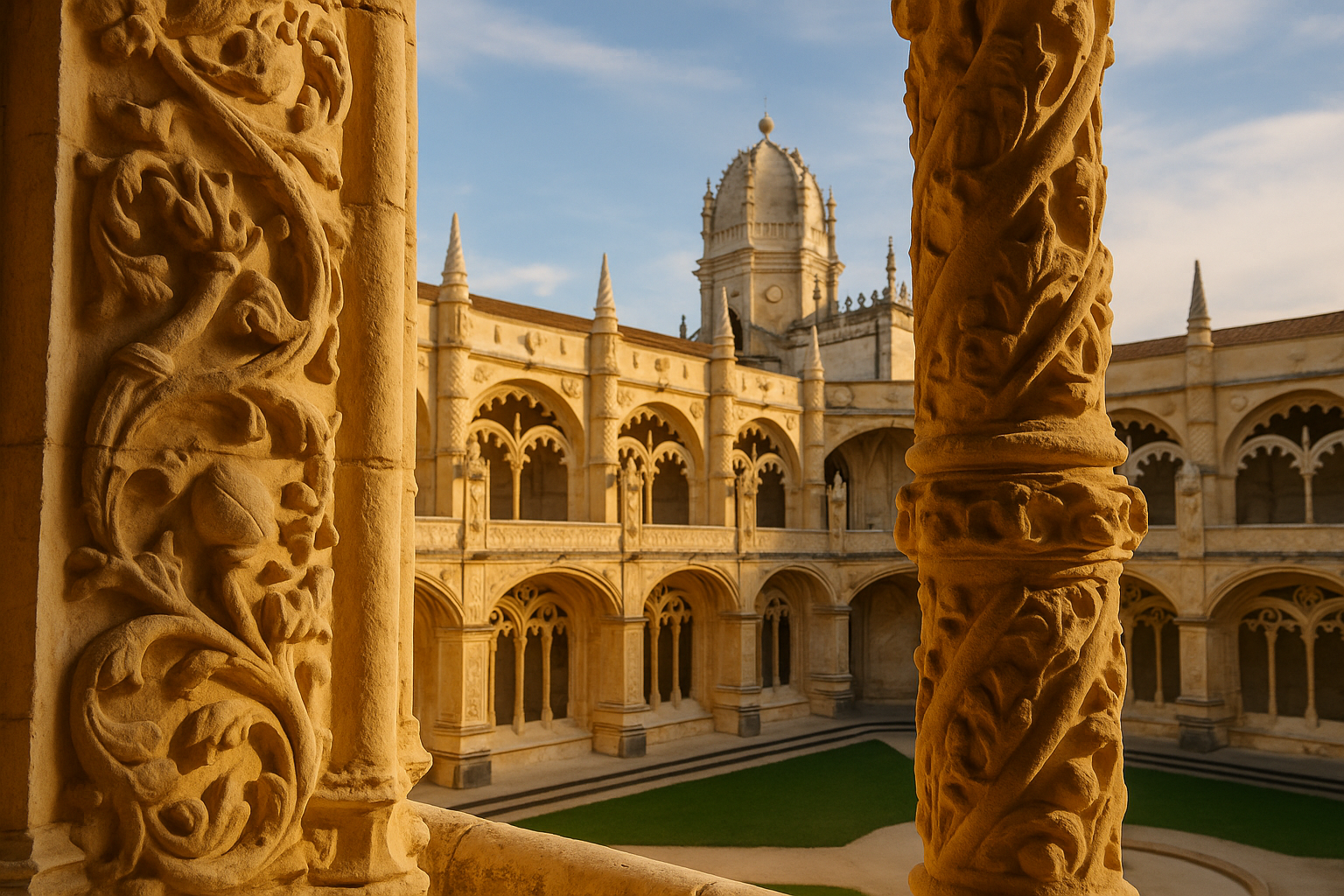
Jerónimos Monastery
Belém's centerpiece is the most elaborate building in Portugal and one of the finest examples of Manueline architecture anywhere in the world. The cloister alone — intricate stone carved to look like rope, coral, and armillary spheres — stops you walking for a full five minutes. Budget two hours minimum, go early, and skip the audio guide. Just look up.
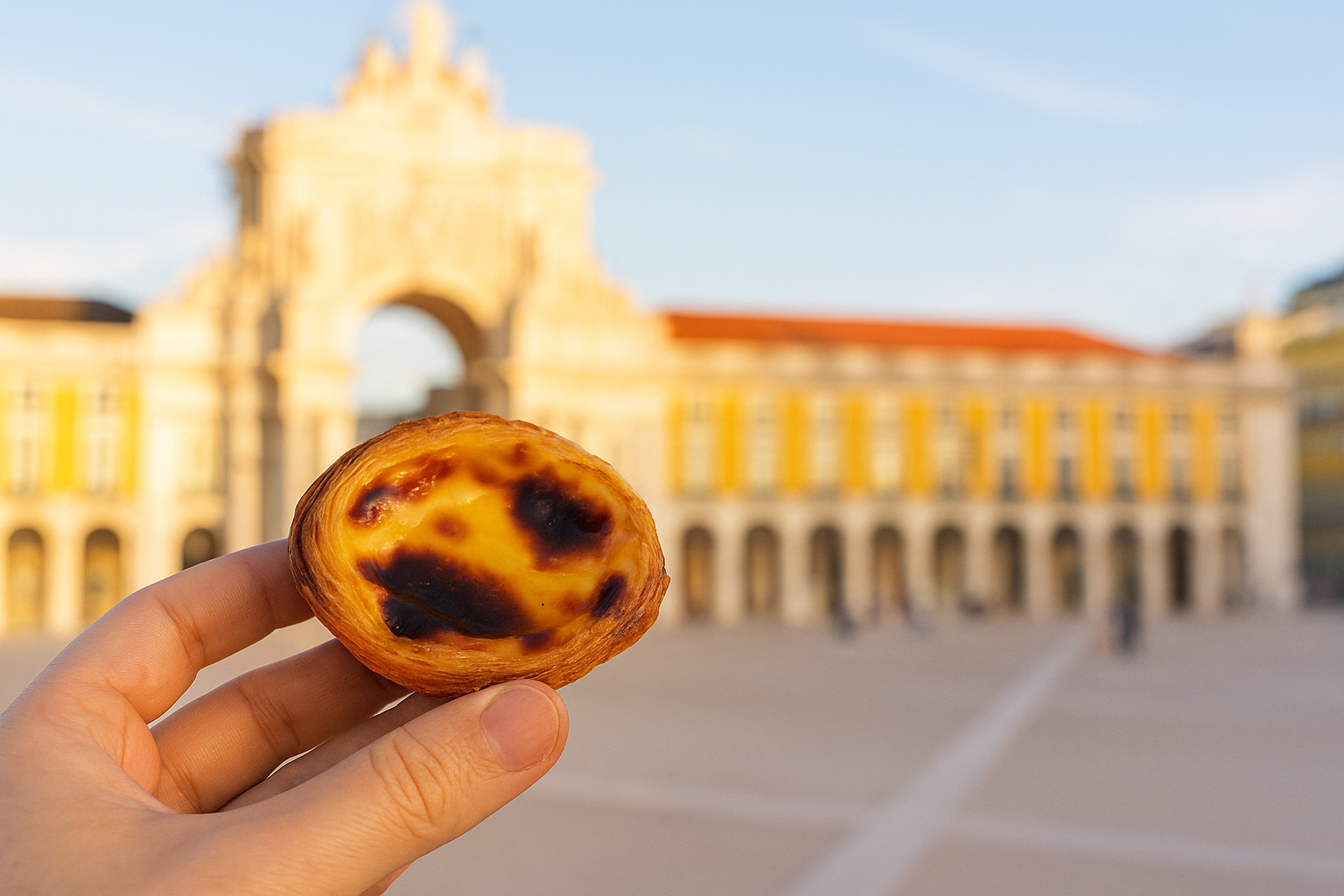
Pastéis de Belém
The original pastry shop, in continuous operation since 1837, two hundred meters from the monastery. The custard tart here is different from every imitation in the city — the custard is deeper, the pastry is shatteringly crisp, and they arrive warm from the oven. Eat them at the marble counter with a bica (espresso). Get at least two. Queue before 10am or after 3pm to skip the worst of the crowds.

Sintra Day Trip
Forty minutes by train from Rossio station, Sintra is a UNESCO-listed hill town with a collection of palaces so improbable they look like they fell out of a fever dream — the candy-colored Pena Palace chief among them. Go on a weekday if you have any flexibility. Pack a layer: the microclimate is genuinely different from Lisbon, cool and misty even in summer.

The Lisbon Oceanarium
Parque das Nações — the 1998 World Expo site on the Tagus — has aged into a functional, genuinely interesting part of the city, and the Oceanarium is its anchor. The central tank, which you view from multiple levels, houses sharks, rays, sunfish, and thousands of smaller species in what feels like a convincing slice of open ocean. One of the best aquariums in Europe, without qualification.
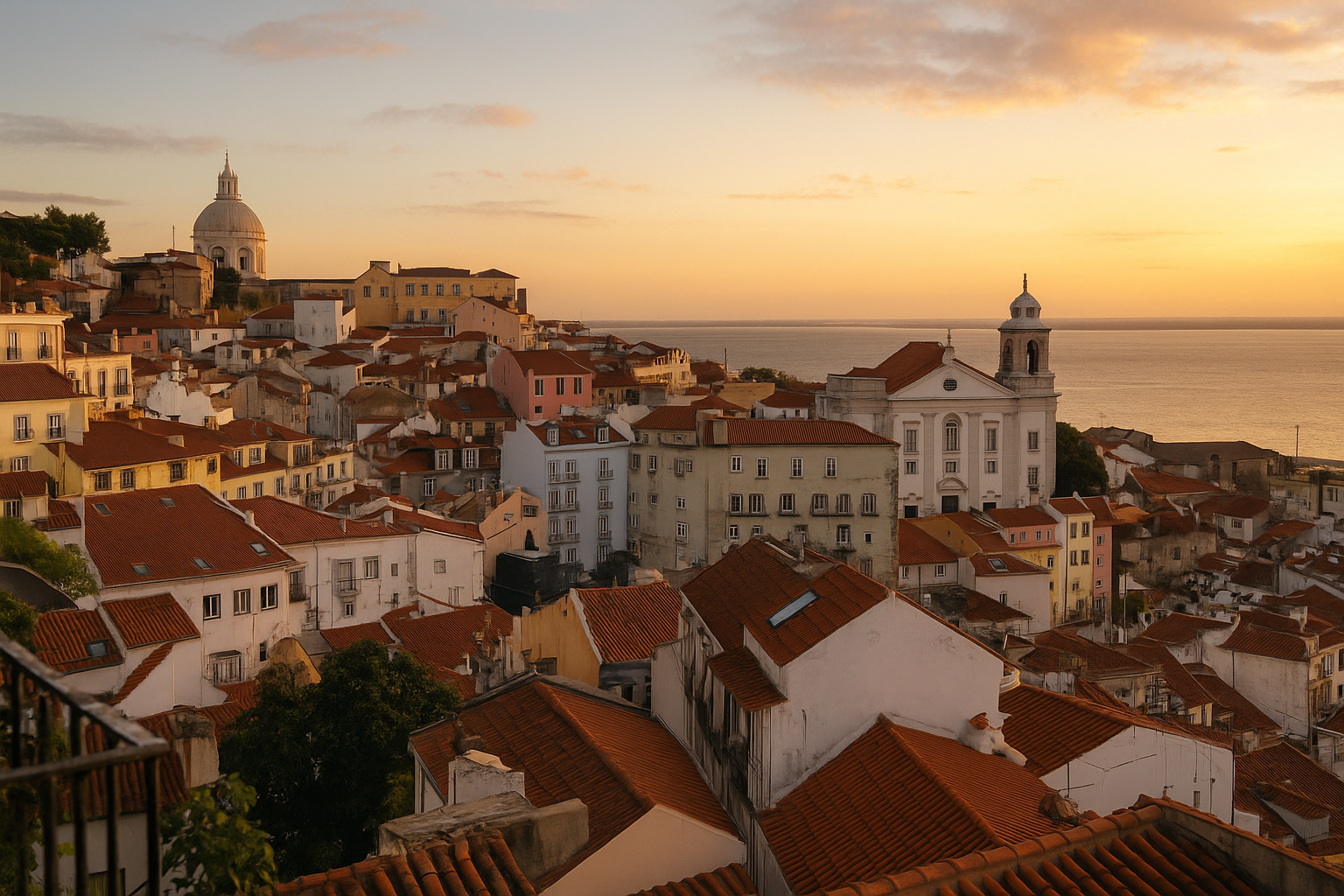
Alfama at Dusk
Lisbon's oldest neighborhood — the Moorish quarter that survived the 1755 earthquake — is best on foot in the late afternoon. Climb to Miradouro da Graça or Miradouro da Senhora do Monte for the panorama before the sunset crowds take over Santa Luzia. Then wind down through the backstreets toward a fado house for dinner. The music is mournful in a way that somehow feels like the opposite of sad. Don't rush this one.
The places I actually send people to
Advice that fits how you travel
Lisbon is an excellent solo city. It's easy to navigate, genuinely safe to wander at night, and the culture of sitting alone at a counter with an espresso and a pastel de nata is deeply ingrained here — nobody will make you feel like a table for one is a social indictment. The tasca lunch scene practically runs on solo diners.
Apps (Grindr, Scruff, Hornet) are active in Lisbon, but honestly the bar culture makes organic connection easier than most cities. Bairro Alto's open-window street scene naturally dissolves the barrier between strangers — you'll end up talking to people whether you planned to or not. Príncipe Real's brunch spots and the Jardim do Príncipe Real on a Sunday afternoon are good low-pressure entry points with no performance required.
Budget-wise, solo travel here is genuinely affordable for a Western European capital. A hostel dorm runs €25–35 a night, a prato do dia lunch is €8–12 including wine, and the metro gets you almost anywhere for under €2. You can do this city properly on €65–80 a day if you're deliberate about it, and that still leaves room for a good dinner out twice a week.
Lisbon is close to a perfect couple's city. The hills, the light, the pace of a long dinner that starts at 8pm and ends whenever — it's all working in your favor before you even sit down. In Príncipe Real and Bairro Alto, there's no PDA calculation to make. Hold hands, be affectionate, sit close. Nobody's watching except to wonder where you made that reservation.
For a genuinely memorable evening: start with drinks at a rooftop bar in Bairro Alto around sunset, walk downhill through Chiado for dinner somewhere on Rua do Alecrim or Rua do Norte (book ahead — the good spots fill early), and end up on Rua Nova do Carvalho when the energy picks up after midnight. That's a complete Lisbon night. For a day trip, Sintra is the obvious call — book a private driver if you want to do it properly, or take the train from Rossio, which is genuinely pleasant.
On accommodation: Príncipe Real and Bairro Alto put you at the center of the best evening energy. The Lumiares is my pick for couples wanting architectural character and a rooftop to come home to. If you're working with a more moderate budget, the boutique guesthouse scene in this area is strong — you don't need to spend €200 a night to be well-located and comfortable.
LGBTQ+ families are legally on solid ground in Portugal — adoption rights are fully established, and same-sex parents are recognized on birth certificates. You won't encounter institutional friction. In Lisbon's tourist areas, families with two moms or two dads don't attract attention in the places you're most likely to spend your time. The city has been absorbing international families for long enough that it doesn't blink.
The city is manageable with kids once you accept that the hills are real and a stroller will get a workout. The Belém waterfront — Jerónimos Monastery, Torre de Belém, and Pastéis de Belém all within a short walk — makes a good half-day with children because the area is largely flat and heavily pedestrianized. The Oceanarium at Parque das Nações is a legitimate full-day activity for most ages. Sintra is worth it for any child who has ever had any interest in castles, which is most of them.
Food-wise, Lisbon adapts well for kids. Pastéis de nata, grilled fish, rice dishes — the menu leans simple and good, and most sit-down restaurants are relaxed about children. Self-catering from a local market (Mercado de Campo de Ourique is especially good for families) keeps budgets manageable for breakfasts and lunches without sacrificing quality. A family can travel comfortably here on €150–200 a day at the budget end, or €320–430 at a relaxed mid-range.
What Lisbon actually costs
Flights, visas, and the first 30 minutes
Airport: Lisbon Humberto Delgado Airport (LIS), located 7km north of the city center. Direct service from 170+ cities worldwide.
Key routes: Direct flights from New York JFK/EWR (~7 hrs), London Heathrow/Gatwick/Stansted (~2.5 hrs), Paris CDG (~2.5 hrs), Frankfurt (~3 hrs), Madrid (~1.5 hrs), Toronto (~8 hrs), and São Paulo (~10 hrs). TAP Air Portugal is the national carrier with strong transatlantic service. Ryanair and easyJet operate numerous intra-European routes into LIS.
Visa requirements:
US: No visa required; 90 days within 180-day Schengen period. ETIAS authorization required from mid-2026.
UK: No visa required post-Brexit; 90 days within the 180-day Schengen period. Passport validity rules apply — check before you travel.
EU: Freedom of movement; national ID card sufficient, no passport required.
Canada: No visa required; 90 days within 180-day Schengen period. ETIAS required from mid-2026.
Australia: No visa required; 90 days within 180-day Schengen period. ETIAS required from mid-2026.
Airport to city:
Metro (Red Line) — €1.65 | 25–35 min: The most affordable option. Runs to Alameda and Oriente stations; buy a Viva Viagem card at the airport machines before you board.
Aerobus (Línea 1/2) — €4.00 | 30–45 min: Stops at Marquês de Pombal, Rossio, and Cais do Sodré — convenient if your accommodation is near those points.
Taxi / Uber — €15–€25 | 15–25 min: Fixed-rate taxis from official stands outside arrivals. Uber is widely available and often the fastest option to book.
Traven's seasonal breakdown
The questions everyone asks
Is it safe to hold hands as a same-sex couple in Lisbon?
Do I need to speak Portuguese?
How much should I budget per day in Lisbon?
When is Lisbon Pride?
Are trans travelers welcome in Lisbon?
Is Lisbon expensive compared to other Western European cities?
What's the best way to get around Lisbon?
Screenshot this before you go
So should you actually go?
Go. I mean that with no qualification whatsoever. Lisbon earned my Traven-Dex of 8.5 the honest way — a legal framework that scored a perfect 10 and actually matches what you'll find on the street, a city that's beautiful without being exhausting to be in, and a queer scene confident enough not to need to announce itself. You'll walk uphill more than you expected, pay less than you feared, and eat better than almost anywhere in Europe. The city is changing fast — gentrification pressure is real and the rents are climbing — which is exactly why now, while the authentic Lisbon is still clearly present and breathing, is the right time to be here.