
Ljubljana doesn't perform for you. It hands you a glass of Union by the Ljubljanica, points at the dragons on the bridge, and lets you figure out the rest after midnight.
Ljubljana is what happens when a small, post-Yugoslav capital decides — quietly, methodically, without ever making a fuss about it — to become one of the most legally protected places for LGBTQ+ travelers in Central Europe. This isn't a city that's trying to sell itself to you. It's a city that legalized same-sex marriage and joint adoption in 2022, became the first post-Yugoslav state to do it, and then went back to drinking Union by the river like nothing happened. That self-possession is the whole point.
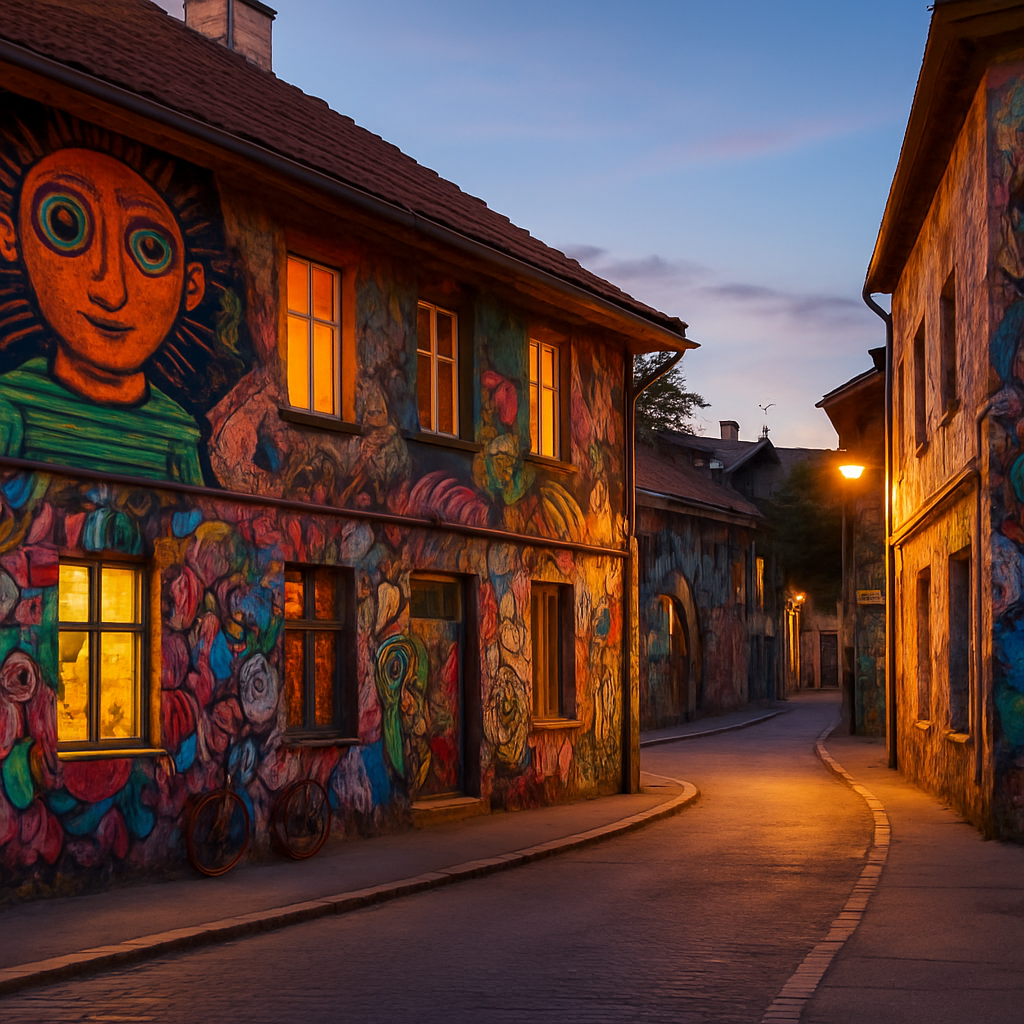
The first thing that strikes you walking in from the train station is the scale. Fifteen minutes wide on foot, end to end. Plečnik's Triple Bridge spilling into Prešernov trg, the pink Franciscan church anchoring the square, the Ljubljanica curving past terraces full of people who look like they've been sitting there since lunch. The castle on the hill. The dragons on the bridge. It's almost embarrassingly photogenic, and then you turn a corner into the Metelkova courtyard and the entire register shifts — graffiti climbing every surface, scrap-metal sculpture welded into sightlines, four different basslines bleeding into the same air. Punk, techno, queer, jazz. A former Yugoslav army barracks occupied since 1993 and still operating on its own terms.
That's the contradiction this city runs on, and it's why I gave it an 8.6 on Destination. The fairytale Old Town and the anarchic autonomous zone are a fifteen-minute walk apart, and the gay scene lives entirely in the second one — Klub Tiffany and Klub Monokel sharing a building at Masarykova 24, the oldest LGBTQ+ film festival in Europe (1984, predating Berlin's Teddy) running every December through Slovenska kinoteka, Parada ponosa ending in a proper political rally at Kongresni trg every June. The speeches are part of the deal here, and skipping them feels rude.
Don't try to club-hop. Make Metelkova your home base, treat the riverside kavarne along the Ljubljanica as your daytime annex, and accept that the entire local community will probably cycle past your table by Saturday night. Tiffany and Monokel only really fire up Friday and Saturday after midnight — show up at 10 p.m. on a Tuesday and you'll be drinking Union with the bartender and a very chill dog. Both, in their own way, are exactly the right answer.
The stuff your travel guide buries on page 47
Slovenia is, as of 2026, one of the most legally progressive countries in the former Yugoslavia and quietly one of the better-protected places for LGBTQ+ travelers in all of Central Europe. Same-sex marriage and joint adoption have been fully legal since 2022 — Slovenia was the first post-Yugoslav state to get there — and anti-discrimination protections in employment, housing, and services are comprehensive on paper and enforced by the Advocate of the Principle of Equality.
Gender identity is the one place where Slovenia still lags. Legal gender change is recognized, but as of 2026 it still requires medical and psychiatric documentation — no self-ID, and the process is slow. TransAkcija Institute is the country's leading trans advocacy and support organization, and they're the first call for anyone navigating the bureaucracy on the ground.
The cultural reality matches the legal one in Ljubljana itself, less so the further out you go. The capital is genuinely cosmopolitan — university town, EU capital energy, a queer cultural infrastructure that's been building since Magnus launched the first gay festival in socialist Yugoslavia in 1984. Parada ponosa happens in mid-June and ends with a proper political rally at Kongresni trg, not just a parade. The speeches are part of the deal here, and skipping them feels rude.
PDA in the Old Town and along the Ljubljanica riverbanks is genuinely uneventful — hand-holding, quick kisses, none of it registers in the tourist core or in Tabor around Metelkova. The bohemian student belt of Trnovo and Krakovo is just as easy. Outer residential rings like Bežigrad are more conservative — expect glances, not hostility. Pro tip: Klub Tiffany and Klub Monokel only really come alive Friday and Saturday after midnight. Show up at 10 p.m. on a Tuesday and you'll be drinking Union with the bartender and a very chill dog.
What it actually feels like on the ground
Holding hands and PDA: In the Old Town, around Prešernov trg, and along the Ljubljanica embankments, hand-holding is genuinely a non-event. A reader wrote in to say you'll get more attention from the swans than from passersby, and that tracks with my own walks through the center. Same goes for the Metelkova courtyard and the Trnovo/Krakovo belt. Outer residential districts like Bežigrad are more conservative — same-sex couples won't have problems, but you may catch a look.
Hotel check-in: Same-sex couples have no issues at any of the central properties — Grand Hotel Union, Vander Urbani, InterContinental, Cubo, Antiq Palace all operate to international inclusive standards. No need to ask in advance, no need to explain a king bed.
Taxis and late-night transport: Use Cammeo or Laguna — both are app-bookable and run all night. Avoid the unmarked cars that hover near the train station. The walk from Metelkova back to the center after 3 a.m. is short and well-lit via Masarykova, but if you've had one too many žganje, the apps are quick.
Around the train station: Pro tip — train stations everywhere have an energy, and Ljubljana's is no exception. The area immediately east of the bus and rail terminal gets sketchy late. I cut north through Tabor toward Metelkova rather than lingering. Nothing LGBTQ+-specific here, just standard urban sense.
Trans travelers: Ljubljana is the most trans-friendly city in Slovenia by a wide margin, with active TGNC community spaces around Metelkova. Healthcare access remains slow and bureaucratic — TransAkcija Institute is the go-to for navigating any of it. For sexual health and HIV services, the National Institute of Public Health (NIJZ) runs free, anonymous testing in the city center.
Verbal harassment: Rare in the central districts, more likely in outer neighborhoods late at night, and basically nonexistent during the daytime tourist hours. If something does happen, the Legebitra community center near Trubarjeva cesta handles incident reporting and victim support.
Rural day trips: The Karst region and Gorenjska villages skew older and traditional Catholic. Discretion is advised away from Ljubljana — not because anything is going to happen, but because the social temperature is just different. Lake Bled and Piran are both fine for same-sex couples; the deeper rural villages are where you'd want to dial it back.
The queer geography
Ljubljana is the rare European capital where the queer scene is essentially one address — and somehow that's a feature, not a bug. The whole city center is fifteen minutes wide on foot, so make Metelkova your home base and treat the riverside cafés along the Ljubljanica as your daytime annex. Here's the geography that matters.
Tabor & Metelkova
Metelkova Mesto is the autonomous cultural zone built into a former Yugoslav army barracks in 1993, and it is the closest thing Ljubljana has to a gay village. The whole complex is graffiti-soaked, sculpture-strewn, and feels less like a nightlife district than a slightly anarchic art commune that happens to have a dance floor. Klub Tiffany (the gay men's club, run by ŠKUC Association since the mid-90s) and Klub Monokel (Slovenia's only dedicated lesbian club) share the same building at Masarykova 24. Around them: Channel Zero, Gala Hala, and Menza pri koritu. A reader told me the gay area here isn't a neighborhood, it's a courtyard — say "Metelkova" to any cab driver and they know exactly where you're headed, no further explanation needed.
Old Town (Stari trg & Mestni trg)
The Old Town is medieval, walkable, and dramatically beautiful — Plečnik's Triple Bridge, the cobblestoned squares, Ljubljana Castle on the hill, the river curving through it all. Daytime queer life in the Old Town lives at Pritličje on Mestni trg, a café-bar-bookstore-comics-shop hybrid in the City Hall building that hosts Ljubljana LGBT Film Festival events and is the easiest soft landing in town if you arrive solo. Eat kranjska klobasa at Klobasarna, drink Slovenian natural wine at TaBar on Ribji trg, and walk along the river embankments at dusk when the locals come out for spritzes.
Center & Prešernov trg
The cosmopolitan core — Prešernov trg with its pink Franciscan church, the Triple Bridge, the central market — is where everyone passes through. Cutty Sark in the Knafljev prehod passage is the queer-friendly central pub where you can stop for a beer between sights, and Open Kitchen on Pogačarjev trg every Friday from spring through autumn is the city's outdoor food market. Half the local community swings by Open Kitchen before heading to Metelkova, and the štruklji stand is non-negotiable. Ljubljana Pride winds through this area every June and ends at Kongresni trg.
Trnovo & Krakovo
South of the center across the Gradaščica, Trnovo and Krakovo are the leafy bohemian neighborhoods — narrow lanes, small gardens, the kind of riverside cafés where you lose three hours without meaning to. Café Open on Hrenova ulica is the unofficial lesbian-friendly daytime spot in Krakovo: coffee in the morning, natural wine by evening, and a crowd that skews queer without making a thing of it. The walk down through Trnovo to the river is one of the prettiest in the city, and Plečnik's house-museum is right there if you want a dose of architecture history.
Center (Trubarjeva cesta corridor)
Trubarjeva is the long pedestrian street running east from the Triple Bridge — vintage shops, vinyl stores, vegan cafés, and the kind of low-key creative energy that defines the city. If you want the political and community side of queer Ljubljana rather than the dance floor, Legebitra's community space near Trubarjeva runs workshops, support groups, and the kind of low-key Friday gatherings where you actually meet locals. From here it's a ten-minute walk north to Metelkova when the night calls.
The experiences worth rearranging your itinerary for
Metelkova After Midnight
You'll never quite get the city until you've walked through the Metelkova courtyard after midnight on a Friday. Murals climb every surface, sculpture welded from scrap metal interrupts every sightline, and the bass from four different rooms — punk, techno, queer, jazz — bleeds into the same air. It's a former Yugoslav army barracks turned self-managed cultural zone, occupied since 1993 and still operating on its own terms. Walk the whole complex once before you commit to a venue. The night is better that way.
Funicular Up to the Castle at Sunset
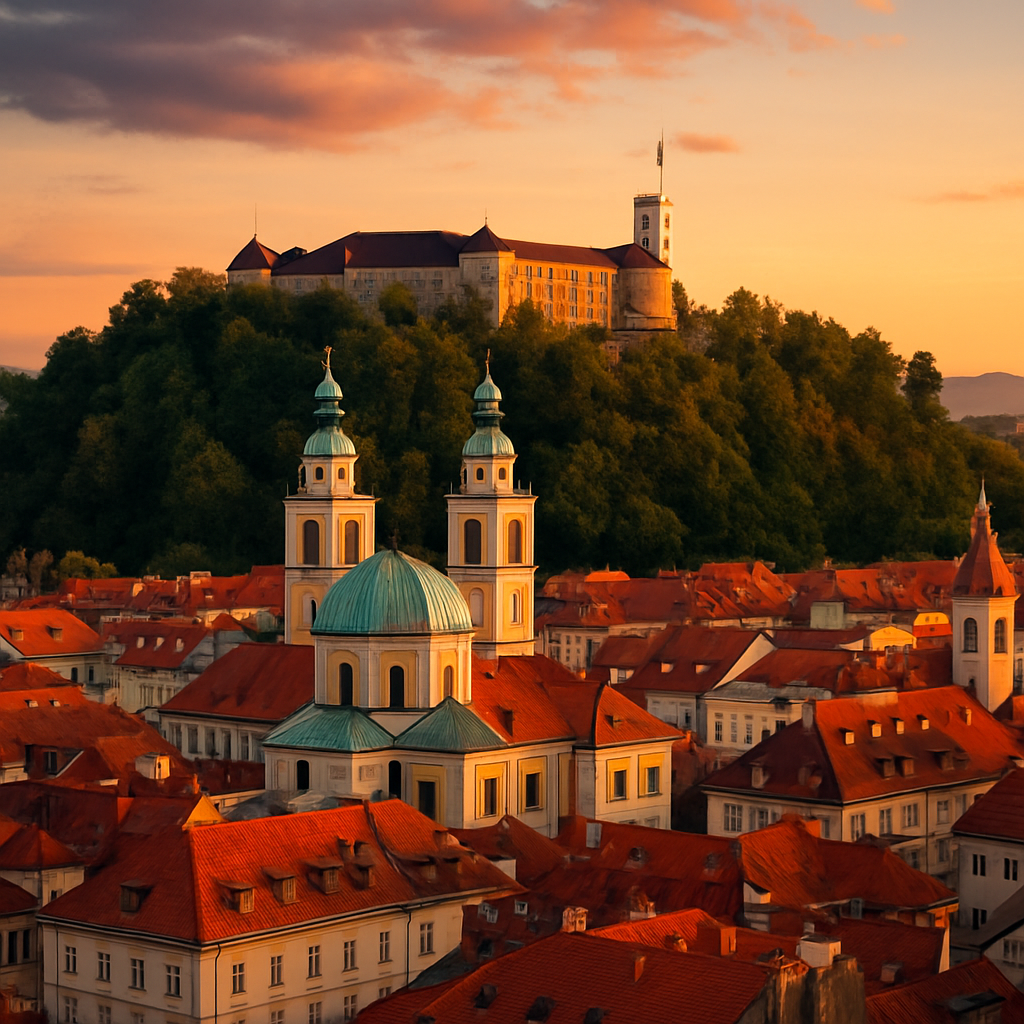
Take the funicular from the Old Town up to Ljubljana Castle about an hour before sunset. The fortress has 11th-century origins and a watchtower that puts the whole red-roofed city below you with the Julian Alps stacking up on the horizon. Inside there's the Museum of Slovenian History and a puppet museum that's better than it sounds. Walk down through the cobblestoned switchbacks as the lights come on along the Ljubljanica — that's the postcard.
Friday at Open Kitchen
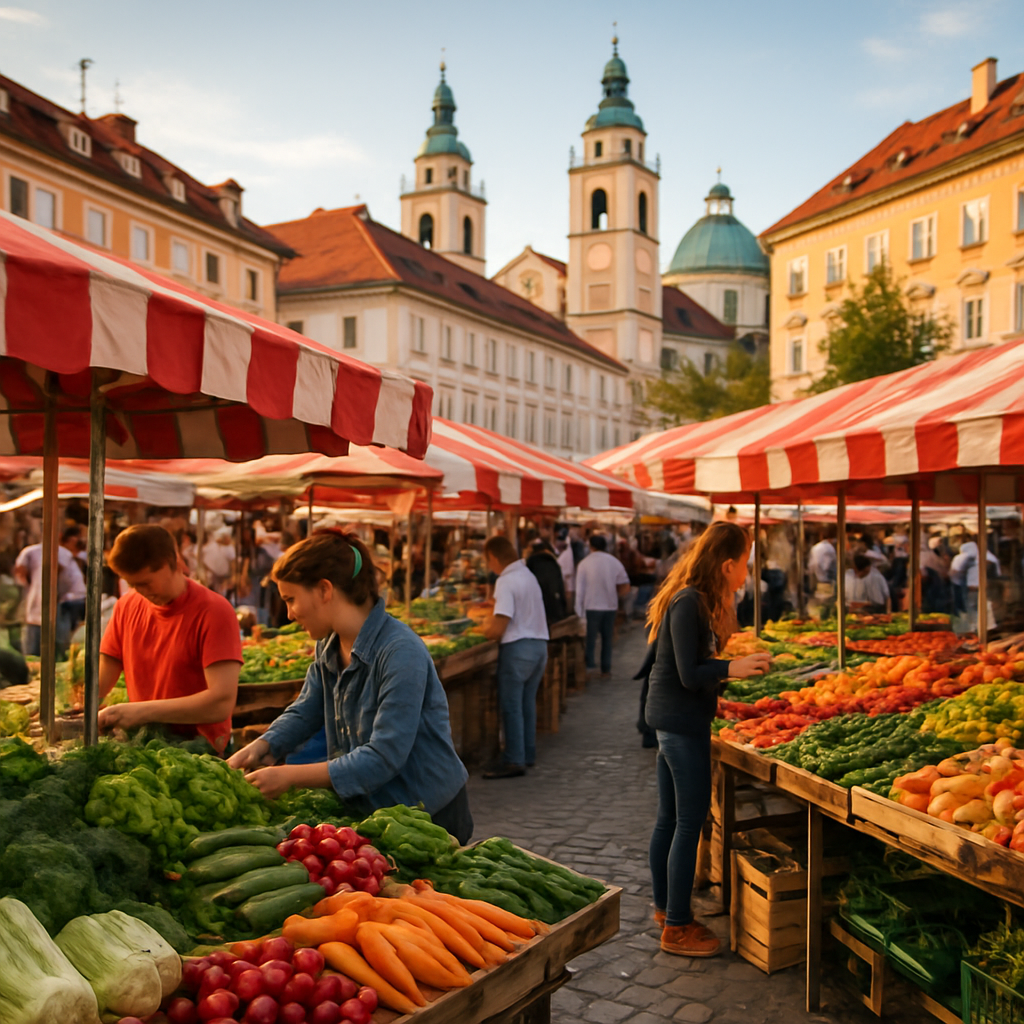
Every Friday from spring through autumn, Pogačarjev trg next to the Central Market turns into the city's outdoor food hall. Dozens of Slovenian chefs and restaurants set up stalls — small plates, regional specialties, natural wine, the works. The štruklji stand is non-negotiable. Launched in 2013 and now a fixed point in the city's social calendar; half the city seems to swing through before heading anywhere else.
A Pletna Out to Bled Island
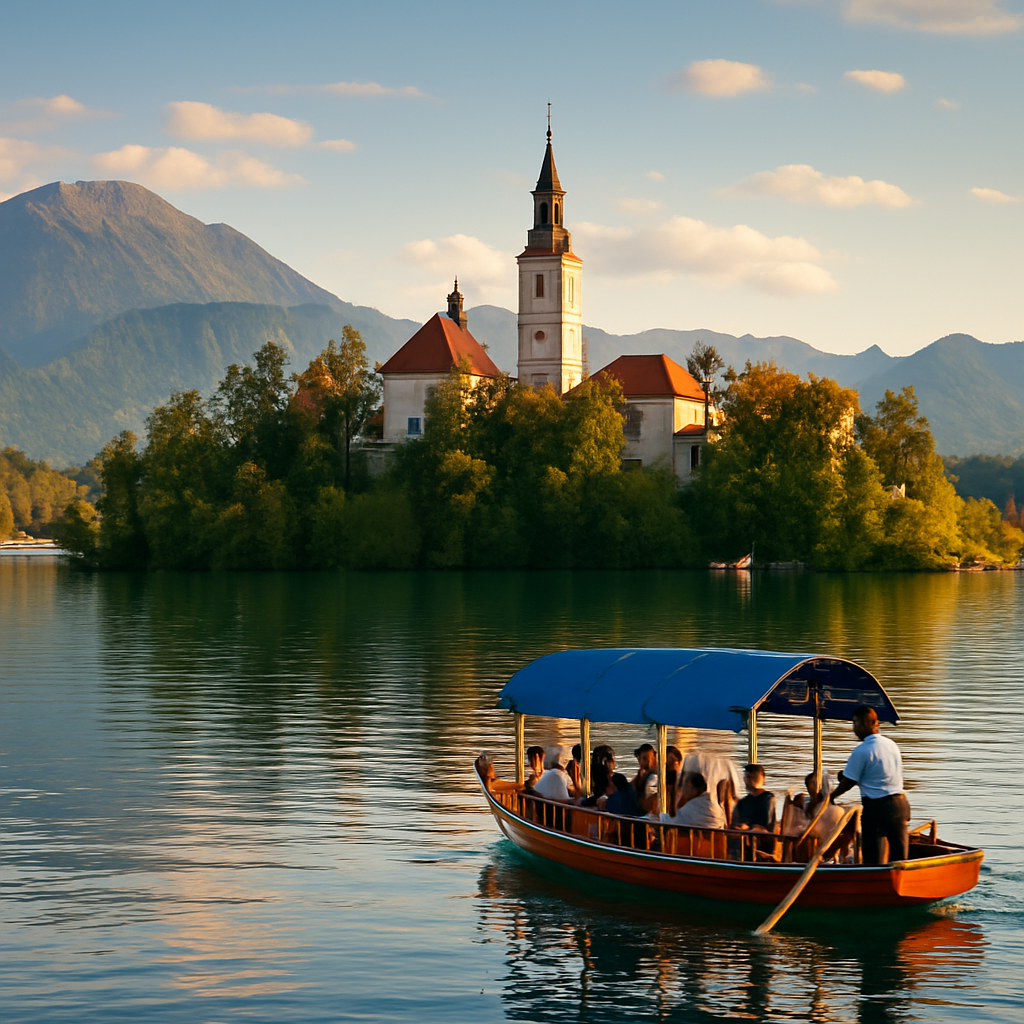
Lake Bled is 55 km northwest, an hour by direct bus or train. The glacial lake holds a small island with a 17th-century pilgrimage church, and the only way out is on a pletna — a flat-bottomed wooden rowing boat operated by a handful of licensed local families who've been doing this for generations. Bled Castle on the cliff dates to 1011. Eat the kremšnita cream cake at Park Hotel afterward — it was invented here.
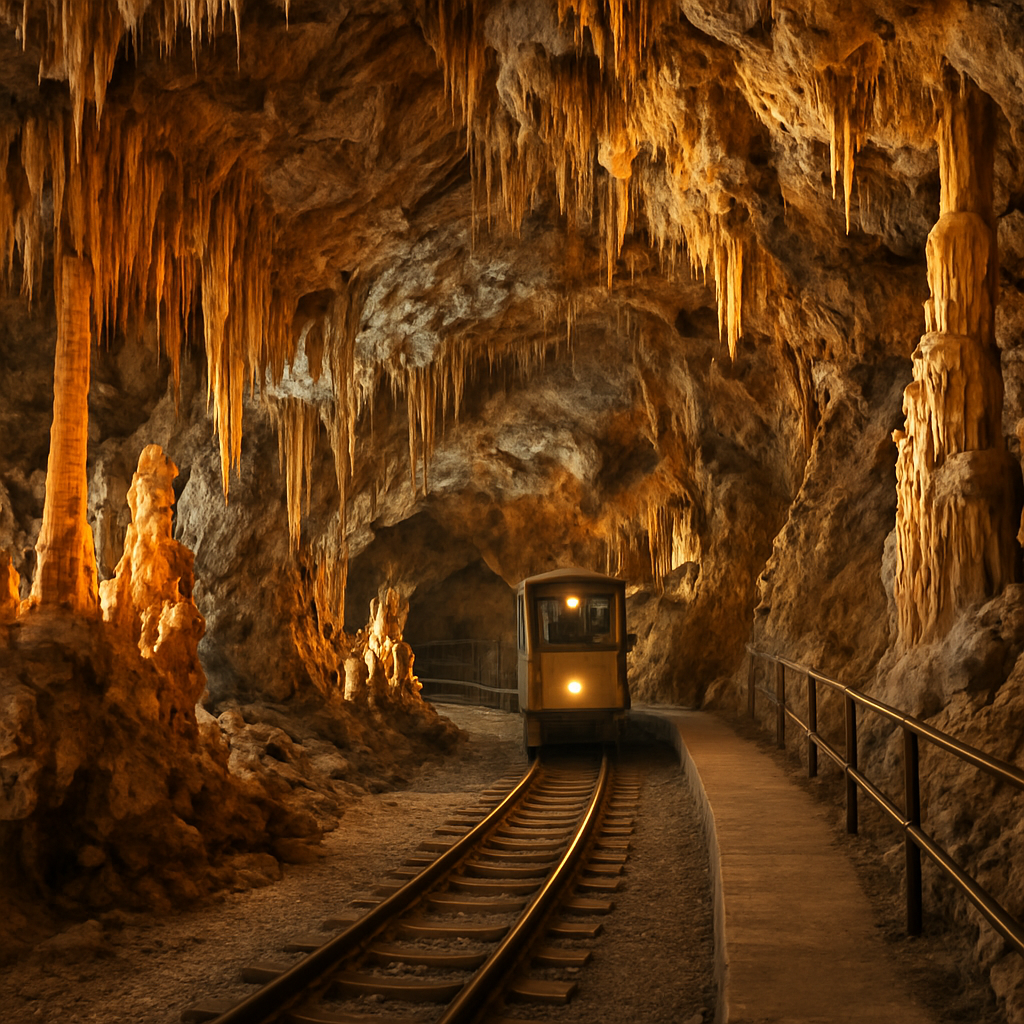
The Underground Railway at Postojna
About 50 km southwest, Postojna Cave is a 24 km karst system that's been running guided tours since 1819 and put in an underground electric railway in 1872 — which is still how you get into the deep galleries. The olm, an endemic blind cave salamander, lives down here. Pair it with nearby Predjama Castle, built into the mouth of a cliff cave, and you have one of the strangest, best day trips in Central Europe.
The places I actually send people to
Advice that fits how you travel
Solo travel here is almost embarrassingly easy. The whole center is fifteen minutes wide on foot, the locals all speak English, and the queer scene is essentially one courtyard — say Metelkova to any cab driver and you're already plugged in. Show up at Pritličje on Mestni trg on a weekday afternoon, order a coffee, browse the comics library, and by the time you've finished your second cup someone will have struck up a conversation. It's that kind of town.
The apps work the way they do everywhere — Grindr is active, the local crowd skews friendly and non-flaky, and you'll see the same faces cycle through the central bars by your second night. Klub Tiffany only really fires up Friday and Saturday after midnight, so plan your week around that. Weeknights are for the riverside kavarne along the Ljubljanica, slow drinks at Daktari, and the unofficial daytime annex at Café Open in Krakovo — coffee at 3 p.m. and you'll have plans for the night by 5.
Budget-wise, solo travelers can do this city beautifully on €70–95 a day at the budget end, €140–200 moderate. A hostel dorm at Hostel Celica (the converted prison cells in Metelkova itself, which is a whole thing) puts you steps from the clubs. Safety is genuinely high in the central districts — a reader told me you'll get more attention from the swans on the Ljubljanica than from passersby — and the walk back from Metelkova at 3 a.m. via Masarykova is short and well-lit. Cammeo runs all night if you've had one too many žganje.
Ljubljana is one of the easier romantic weekends in Central Europe for same-sex couples, full stop. Same-sex marriage and adoption have been legal since 2022 — Slovenia was the first post-Yugoslav country to get there — and the cultural reality in the capital matches the legal one. Hand-holding along the Ljubljanica embankments at dusk, a quick kiss at the top of the funicular at Ljubljana Castle, sharing a king bed at any of the central hotels — none of it registers. There's no negotiation to do at check-in, no awkward second beat from the receptionist.
For the room, I'd point you at Vander Urbani Resort in the Old Town first — sixteen rooms across four restored townhouses with a tiny rooftop pool overlooking the river, and golden hour up there is the move. Antiq Palace is the quieter, more theatrical play: a 16th-century palace with an underground spa carved into the cellars. For the meals that matter, book Strelec inside the Archers' Tower of the castle for the special-occasion dinner, Atelje for the modern-Slovenian rewire, and TaBar on Ribji trg for a slow, wine-led evening of small plates and Slovenian naturals.
The walk down from the castle at sunset, through the cobblestoned switchbacks as the lights come on along the river, is the kind of free hour you'll talk about for years. Build in a day at Lake Bled — an hour by direct bus, a row out to the island church on a traditional pletna, and kremšnita cream cake at Park Hotel afterward. Same-sex couples have no issues there, and the Julian Alps backdrop does most of the romantic lifting on its own.
LGBTQ+ families are fully recognized in Slovenia as of 2026 — same-sex marriage and joint adoption have both been legal since 2022, your family structure is recognized at every legal touchpoint, and Ljubljana itself reads as one of the more relaxed European capitals for kids. The city is compact, walkable, stroller-friendly across the central districts, and the locals are warm with children in that quiet Central European way that doesn't make a production of it.
The kid-facing infrastructure is genuinely good. Tivoli Park is the largest green space in the city — playgrounds, the Jakopič Promenade with its year-round outdoor photography exhibitions, and enough room to burn off energy before lunch. The funicular up to Ljubljana Castle is a hit on its own, and the puppet museum inside is better than it has any right to be. For day trips, Postojna Cave with its 1872 underground electric railway is the unanimous winner — kids lose their minds at the Victorian-era train disappearing into a 24 km cave system, and the olm (the blind cave salamander) seals the deal. Pair it with Predjama Castle, built into the mouth of a cliff cave, and you've got a full day.
For meals, Druga Violina on Stari trg is the easy family lunch — traditional Slovenian dishes, fair prices, run as a social enterprise that employs people with disabilities, and the kind of room that welcomes a stroller without comment. Open Kitchen on Pogačarjev trg every Friday from spring through autumn is the move for picky eaters — dozens of stalls means everyone finds something. Family budgets run €180–260 a day at the budget end, €340–490 moderate, with family apartments and 2-bedroom Airbnbs widely available in the central districts. One pro tip: the rural Karst and Gorenjska villages skew older and more traditionally Catholic, so for the family trip stick to Ljubljana, Bled, and Piran where the social temperature is genuinely easy.
What Ljubljana actually costs
Flights, visas, and the first 30 minutes
Airport: Ljubljana Jože Pučnik Airport (LJU) sits about 26 km north of the city in Brnik. It's small, walkable end-to-end in five minutes, and approximately 20 direct routes connect it to major European hubs — think Frankfurt, Paris, Amsterdam, Istanbul, London, Zurich. There's no direct service from North America; you'll typically connect through Frankfurt, Munich, Vienna, or Zurich.
Visas (as of 2026): Slovenia is in the Schengen Area, so US, UK, Canadian, and Australian passport holders are typically visa-free for up to 90 days within any 180-day Schengen period. EU citizens have full freedom of movement. ETIAS pre-authorization is required from 2026 for visa-exempt non-EU travelers — apply online before you fly, it's quick and inexpensive, but don't skip it.
Airport to city center:
Public bus (Arriva 28): Hourly to Ljubljana's central bus station, ~€4.10, 45–50 minutes. Cheapest option, slow but reliable.
Shared shuttle (GoOpti): ~€9–15, 30–40 minutes door-to-door. Book online in advance — this is my default for solo travelers.
Taxi: ~€35–50, 25–30 minutes. Use the official Cammeo or Laguna ranks at arrivals — avoid the unmarked touts hovering near the exit.
Private transfer: Pre-booked sedan or van at a flat €45–70, 25–30 minutes. Worth it for couples or families with luggage.
Rental car: €30–60/day with easy A2 motorway access into the city. A Slovenian motorway vinjeta (vignette) is mandatory and typically included with the rental — confirm at pickup. Pro tip: you don't need a car for the city itself. The center is fifteen minutes wide on foot. Rent only if you're doing Bled, Piran, or Postojna on your own schedule.
Traven's seasonal breakdown
The questions everyone asks
Is Ljubljana safe for same-sex couples to hold hands?
Do I need to speak Slovenian?
When should I go for Pride?
How much should I budget per day?
Is Slovenia recognizing same-sex marriage and adoption?
Where's the gay neighborhood?
Do I need a visa or ETIAS?
Screenshot this before you go
So should you actually go?
Go. Ljubljana is one of the easiest, warmest, most genuinely protective European capitals you can pick right now as an LGBTQ+ traveler — full marriage and adoption rights since 2022, comprehensive anti-discrimination law as of 2026, a queer cultural infrastructure that's been building since 1984, and a city center so compact you can walk from a Michelin star to an autonomous punk courtyard in fifteen minutes. The scene is small but real, the food punches at twice its price, and the country quietly works in a way that bigger capitals have stopped pretending to. Pair it with Bled or Piran, time it for May, June, or September if you can, and don't overthink it. This is one of the best-value gay weekends in Europe right now, and most of you haven't figured that out yet.
Sources & Resources
Official links we reference when compiling this guide. Last verified 2026-05-04.
- Advocate of the Principle of Equality
- DIH – Društvo informacijski center Legebitra (Equal Rights)
- Legebitra
- Ljubljana Pride (Parada ponosa)
- Mirovni inštitut (Peace Institute) – LGBT Research
- NIJZ – National Institute of Public Health (HIV/Sexual Health)
- ŠKUC Association
- Slovenian Ombudsman (Varuh človekovih pravic)
- TransAkcija Institute
- Visit Ljubljana – Official Tourism