
Cape Town doesn't sell itself. It hands you a glass of chenin blanc at golden hour and lets Table Mountain handle the rest.
The light here will ruin you for every other city. I don't mean that poetically — I mean the actual, physical quality of afternoon sun hitting the Atlantic Seaboard will recalibrate your entire visual cortex. You'll be sitting at a café on Kloof Street watching Table Mountain turn pink at golden hour, a glass of Stellenbosch chenin blanc in your hand that cost you the equivalent of eight dollars, and you'll think: why does anyone live anywhere else? That thought will recur. Frequently.
Cape Town operates on contradictions that would break lesser cities. It's the most constitutionally progressive destination on the African continent — full marriage equality since 2006, comprehensive anti-discrimination protections, a legal framework I gave a perfect 10.0 — sitting inside a country where the gap between law and lived reality can still catch you off guard. De Waterkant feels as affirming as any gay village in Amsterdam or Sydney. Drive twenty minutes southeast and the social landscape shifts entirely. This isn't a flaw you can ignore; it's the essential context for understanding the place.
But what Cape Town does well, it does at an extraordinary level. I gave it a 9.2 on Scene, and that's not just bar count — it's the depth and texture of an LGBTQ+ community that's been building openly for three decades. There's a maturity here you don't find in cities that only recently legalized. The community isn't performing visibility; it's just living. You'll feel it in the easy mixed crowd at The Waiting Room on Long Street, in the Saturday morning regulars at Kleinsky's, in the couples walking the Sea Point Promenade without a second glance from anyone.
And then there's everything that has nothing to do with being gay — the penguins at Boulders Beach, the converted grain silo that became Zeitz MOCAA, the drive down Chapman's Peak that genuinely makes you grip the steering wheel because you can't stop looking at the ocean. My Traven-Dex of 9.1 reflects a city that earns its reputation on almost every front. The "almost" matters, and I'll get into it. But the answer to "should I go" is not complicated.
The stuff your travel guide buries on page 47
Legal Framework: South Africa's constitution — ratified in 1996 — was the first in the world to explicitly prohibit discrimination based on sexual orientation. Same-sex marriage has been legal since the Civil Union Act of 2006. Same-sex couples can jointly adopt. Comprehensive anti-discrimination protections cover employment, housing, and public services. Gender identity is legally recognised through the Alteration of Sex Description and Sex Status Act, which allows self-identification without surgical requirement — among the strongest trans protections on the African continent. There is zero criminalisation of same-sex conduct. My Legal score of 10.0 reflects what is, on paper, full equality.
Cultural Reality: The legal framework and the lived experience don't always sit at the same table. In Cape Town's tourist corridors — De Waterkant, Sea Point, Camps Bay, the V&A Waterfront, the Winelands — the protections are genuinely felt. The queer community is visible, established, and woven into the fabric of daily life. Business owners, hoteliers, and restaurant staff in these areas have been welcoming same-sex couples for decades. Outside the city bowl and Atlantic Seaboard, particularly in township areas, conservative community norms persist and LGBTQ+ people — especially Black queer and trans South Africans — face meaningfully higher social risk. This isn't a contradiction Cape Town hides from; it's one it's actively working through. Organisations like Triangle Project have been doing legal and social advocacy work since 1996, and Gender DynamiX is the go-to resource for trans and intersex rights.
PDA Comfort: In De Waterkant and along the Sea Point Promenade, holding hands and casual affection are completely normalised — locals have been watching couples do it for decades and it's unremarkable. The V&A Waterfront and Camps Bay are moderate-to-high comfort. The City Bowl is mixed — visible LGBTQ+ presence exists but general street awareness is warranted. In the Winelands, wine estates and restaurants are thoroughly welcoming; rural surroundings are more conservative and casual discretion serves you well. Township areas carry meaningfully more risk for visible PDA, and visiting on organised tours with local guides is strongly advised.
Cape Town Pride typically runs in late February or early March, anchored in De Waterkant and Green Point — the parade, parties, and film screenings sprawl across the neighbourhood for a full week, and the opening street party on Waterkant Street is free and genuinely electric. Check Cape Town Pride's official site for current dates.
What it actually feels like on the ground
Holding Hands: In De Waterkant, Sea Point, Clifton, and Camps Bay — go ahead, completely normalised. At the V&A Waterfront, you're fine in the main commercial areas; just be aware of dense crowds. In the CBD, it's mixed — queer people are visible, but general street crime awareness should be your priority. In township areas, discretion is strongly advised; homophobic attitudes and the threat of violence — including documented cases of so-called "corrective rape" — remain serious concerns that organisations like Triangle Project are actively fighting.
Hotel Check-In: Zero issues at any reputable hotel, guesthouse, or Airbnb in Cape Town's tourist areas. Same-sex couples have been checking into double rooms for decades here. The LGBTQ+-welcoming properties in De Waterkant and Tamboerskloof are explicitly set up for it — you won't get a blink, a pause, or a second question.
Taxis & Ride-Hailing: Uber and Bolt are the standard safe-transport options, full stop. Do not hail unmarked taxis, especially after dark. Bolt tends to be slightly cheaper; both are reliable and tracked. Make sure your phone is charged before you leave the bars, because Somerset Road can get quiet fast after midnight.
Beaches & Public Spaces: Clifton 3rd Beach has historically drawn a queer crowd — it's unofficial but widely understood. The Sea Point Promenade is practically queer-coded on Saturday mornings. Camps Bay is tourist-heavy and relaxed. No beach in the tourist zones will present a problem.
Late Night: De Waterkant and Sea Point are generally safe by day and fine at night if you stick to well-lit main streets. Don't wander alone down unlit back alleys after 2am post-Bronx — Cape Town's opportunistic petty crime is real and indiscriminate. It doesn't care about your sexuality; it cares about your phone. Walk in groups, keep valuables out of sight, and have your Uber ready before you close your tab.
Trans Travellers: South Africa's legal protections for trans people are among the strongest on the continent — legal gender recognition without surgical requirement, constitutional non-discrimination. In practice, trans travellers will find consistent respect and recognition in Cape Town's tourist areas and LGBTQ+ venues. Outside those zones, social acceptance becomes inconsistent, and accessing gender-affirming healthcare through South Africa's public system is limited. Gender DynamiX can provide specific guidance and resources.
Verbal Harassment: Rare to non-existent in the Atlantic Seaboard neighbourhoods and tourist areas. In the CBD, occasional catcalling or comments are possible but uncommon. The risk increases meaningfully in areas outside the tourist zone, particularly for visibly queer or gender-nonconforming individuals. General rule: if you'd feel comfortable in the neighbourhood as a tourist generally, your queerness doesn't add measurable risk. If the neighbourhood already feels sketchy, it's the sketchiness that's the concern.
Government Advisories: Most Western governments issue Level 1–2 caution for South Africa, citing high rates of petty theft, mugging, carjacking, and opportunistic crime. LGBTQ+ travellers aren't specifically flagged as elevated risk. The usual urban vigilance applies: don't flash valuables, don't walk alone at night in the CBD, and use ride-hailing apps instead of street taxis.
The queer geography
De Waterkant — The Pink Village
This is the one. De Waterkant — cobblestoned streets, Victorian cottages, and the highest concentration of queer life anywhere on the African continent — is Cape Town's gay village, full stop. It's anchored by Waterkant Street and Napier Street, with Café Manhattan holding court on its corner since the early '90s as the neighbourhood's unofficial town square. The Bronx Action Bar on Napier is your reliable late-night anchor — it's been around long enough that your host's gay uncle probably came out here, and the weekend crowd mixing drag queens, leather guys, and tourist couples is a very specific, very Cape Town kind of beautiful chaos. The whole area is walkable, safe by day, and well-lit on its main streets at night. If you're staying here, you're staying where it happens.
Green Point & Somerset Road
De Waterkant bleeds into Green Point along Somerset Road, extending the queer social zone north toward the stadium and waterfront. This is where the energy disperses slightly — more residential, more café-oriented, fewer dedicated queer venues but a thoroughly comfortable environment. Green Point Urban Park hosts Pride events and community gatherings, and the whole corridor between De Waterkant and the V&A Waterfront is a natural evening walk. The Beefcakes space on Somerset Road was a landmark of this stretch.
Sea Point
Sea Point is the Atlantic beachside suburb just west of De Waterkant that's become increasingly central to queer daily life — dense apartment living, independent cafés, the legendary Sea Point Promenade, and a community that shows up for the Saturday morning walk with coffee and dogs between 8 and 10am before anyone's been to brunch. It's less nightlife-oriented than De Waterkant, more lived-in, and the stretch of Main Road between La Mouette's neighbourhood and the Promenade is one of the most comfortable places in Africa to be visibly, casually queer.
Beyond the Bubble
For something outside the De Waterkant orbit, follow local queer arts collectives on Instagram. Pop-up events, queer club nights at Assembly in the CBD, and community film screenings happen regularly and pull far more diverse, interesting crowds than the Pink Village regulars. The queer scene in Cape Town's townships — particularly in Khayelitsha — has its own vibrant history rooted in shebeen culture, and while these spaces aren't set up for casual tourist visits, organised township tours and cultural exchanges offer a way in that's respectful and real. The GALA Queer Archive is an essential resource for understanding the full picture of South African LGBTQ+ history beyond the tourist-facing version.
The experiences worth rearranging your itinerary for
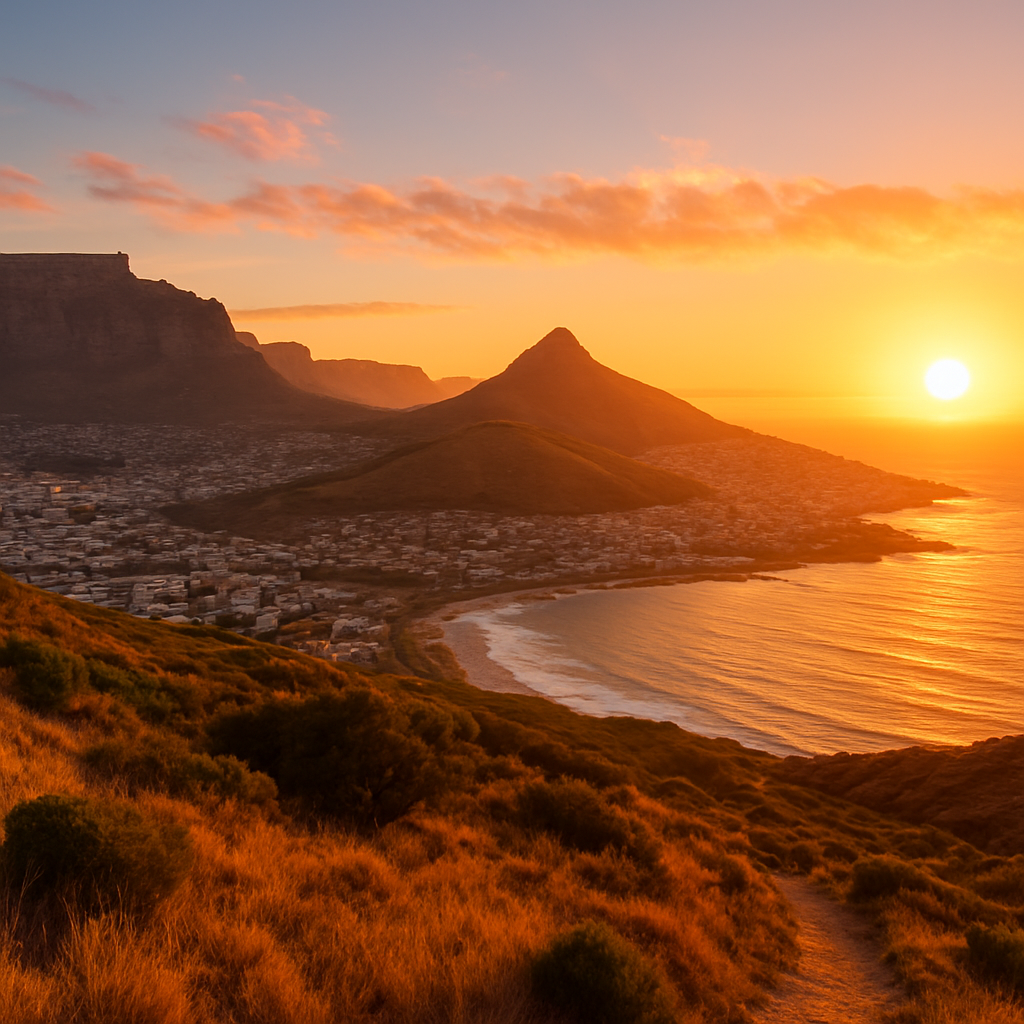
Sundowners on Signal Hill
Grab a bottle of Western Cape Sauvignon Blanc, a blanket, and drive or Uber up to Signal Hill Viewpoint before 6pm. The Atlantic disappearing into forever while the city turns gold below you is at least sixty percent of the reason Capetonians are insufferably smug about where they live. There's no entry fee, no booking, no velvet rope — just the best free show in the Southern Hemisphere. Bring a corkscrew.
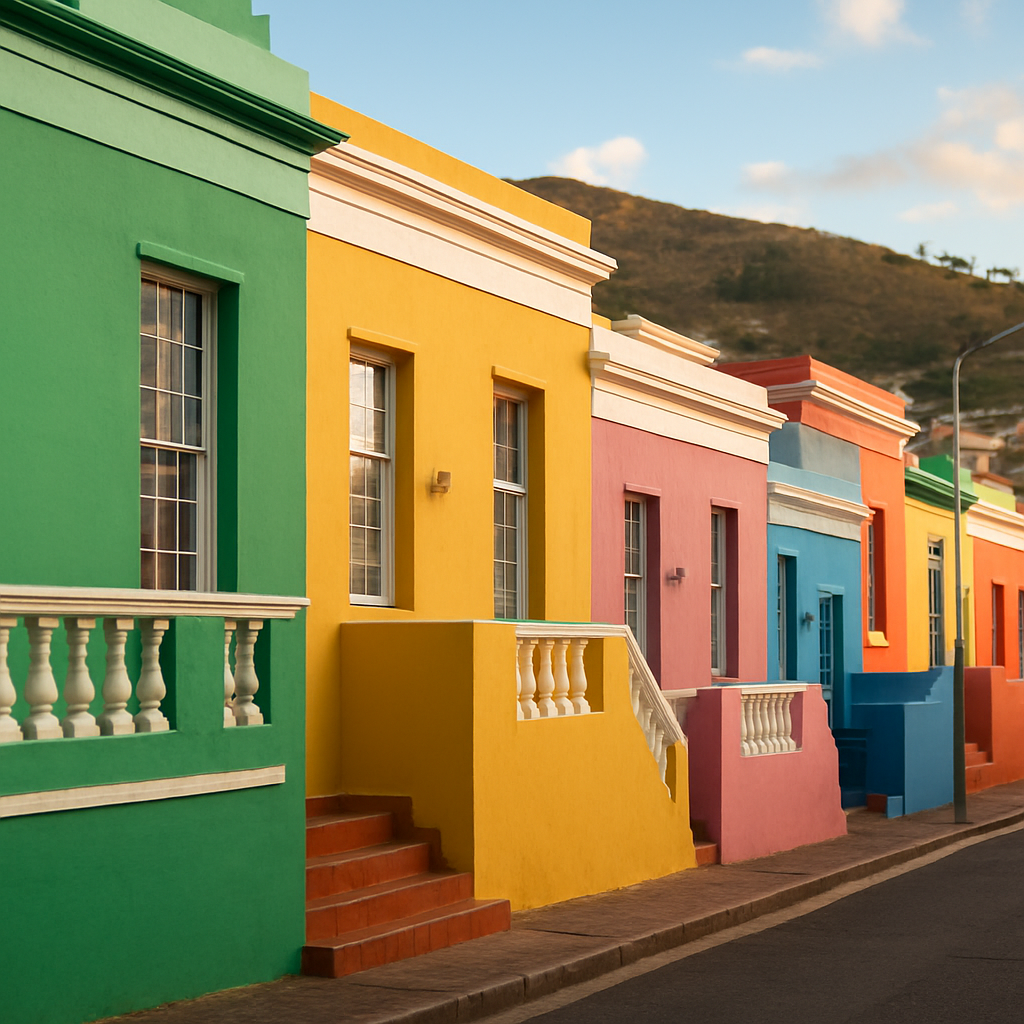
Bo-Kaap on Foot
The brightly painted houses of Bo-Kaap — historically Cape Malay, stacked up the hill just above De Waterkant — are the most photographed streetscape in Cape Town, and the smell of spices drifting from residential kitchens is the part no photograph captures. Walk Wale Street and Chiappini Street in the late afternoon light, stop at the Bo-Kaap Museum for context on the neighbourhood's history, and resist the urge to Instagram every single door. It's a living neighbourhood, not a backdrop — move through it with respect and you'll feel the difference.
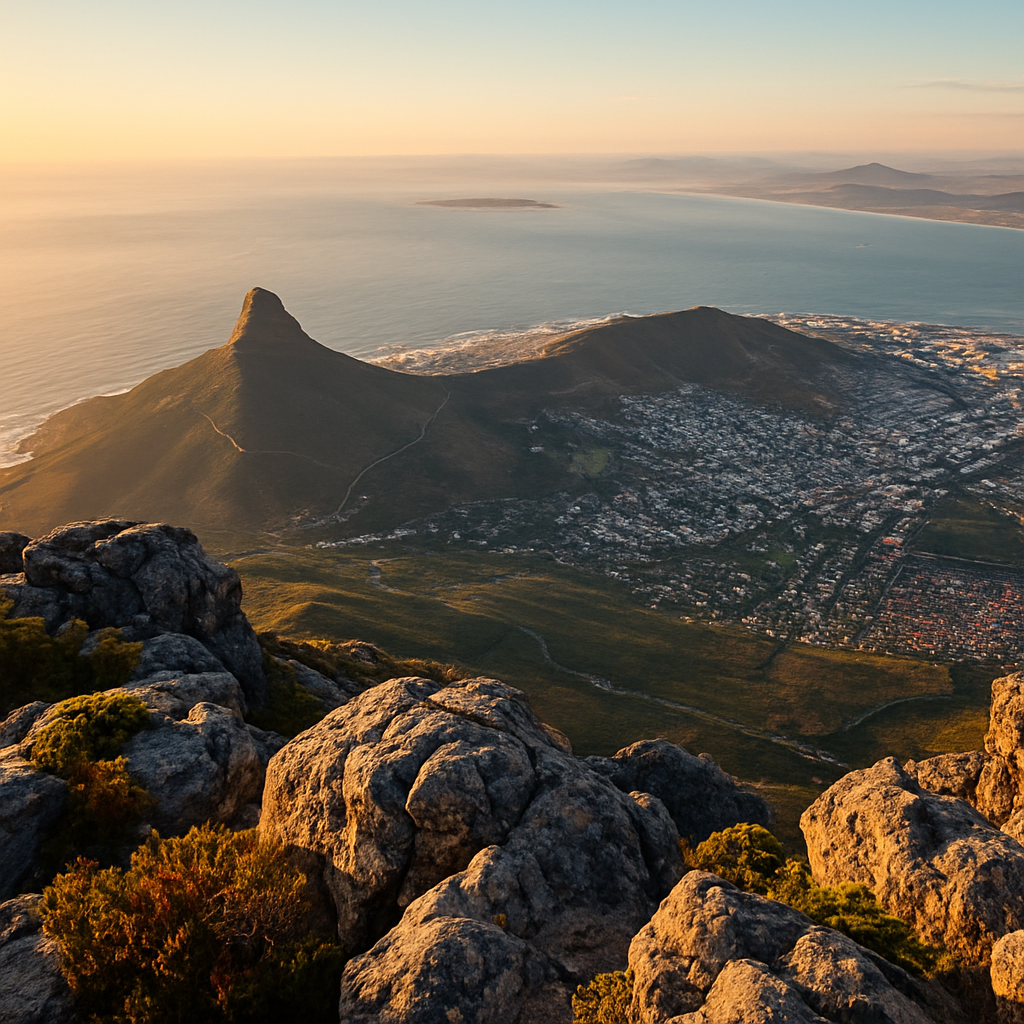
Table Mountain at First Light
Everyone takes the cableway — and you should, the rotating cabin and 360-degree summit views are non-negotiable. But if you want the version you'll talk about for years, book the first car up, before the tour buses arrive. Standing on that flat summit at 8:30am with the Cape Peninsula unfurling below you and the Atlantic stretching south toward Antarctica, with maybe twenty other people instead of two hundred — that's the one. The walk across the top takes about an hour and the fynbos is extraordinary.
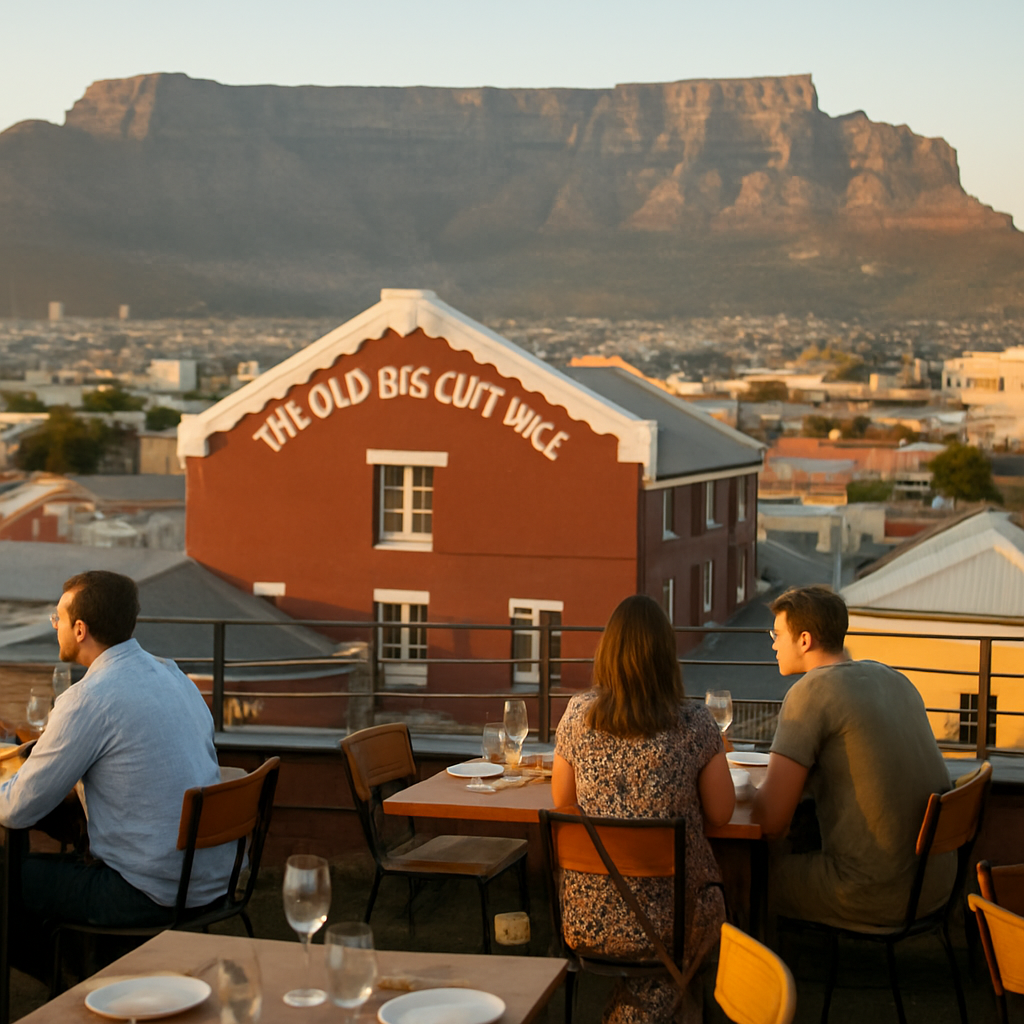
Pot Luck Club at Sunset
Luke Dale-Roberts' sharing-plate restaurant in Woodstock's Old Biscuit Mill is the dinner reservation that justifies its own section. The eclectic small plates are excellent, but the real reason to book is the rooftop — Table Mountain through floor-to-ceiling glass as the sun drops. Request a window table. Order too much. Split everything. The Woodstock neighbourhood itself is worth arriving early for — street art, design studios, and Saturday's Neighbourgoods Market if your timing's right.
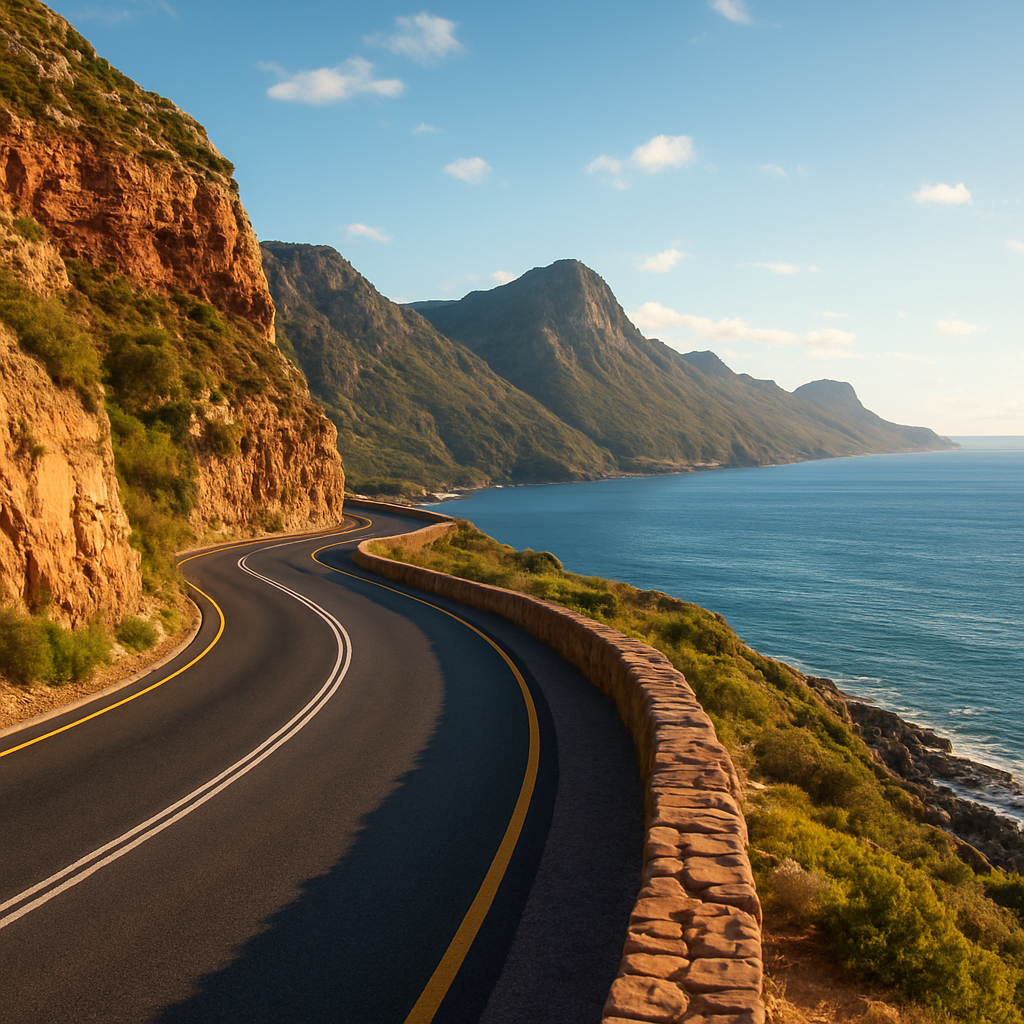
Cape Point & the Peninsula Drive
Rent a car for the day and drive the M65 along the Atlantic coast, through Hout Bay and Chapman's Peak Drive — one of the most spectacular coastal roads on Earth — down to Cape Point where the Atlantic and Indian Oceans don't quite meet but definitely argue about it. Stop at Boulders Beach near Simon's Town for the penguin colony (children will lose their minds, adults will pretend not to). The full loop takes a day and it's the kind of drive that makes you understand why people move here and never leave.
The places I actually send people to
The Cape Town dates worth planning around
Advice that fits how you travel
Cape Town is one of the easiest solo destinations I recommend, and the reason is simple: the city's queer infrastructure is built for meeting people. Café Manhattan's terrace on Waterkant Street functions as an informal welcome centre — sit down with a drink on a Thursday evening and you'll be in a conversation within twenty minutes. App culture is active — Grindr and Scruff both have solid Cape Town presence — but some of the best connections happen analogue, on the Sea Point Promenade Saturday morning walk or at a shared table during a Winelands tasting. Download the apps before you land, but also check local queer Instagram accounts and Facebook groups for pop-up events that never make it onto mainstream travel listings.
Safety-wise, solo travel in Cape Town requires the same awareness you'd apply in any major city — stay on well-lit main streets at night, don't flash your phone around, and use Uber or Bolt after dark rather than walking alone from the bars. De Waterkant and Sea Point are comfortable solo neighbourhoods; the CBD after hours is less so. The general crime risk here isn't about your sexuality — it's about opportunistic theft, and it applies to everyone equally. Keep your phone charged, your bag close, and your route home planned.
Budget-wise, the rand is genuinely your friend. A solo traveller on a moderate budget — boutique guesthouse, mid-range restaurants, Uber transport, the cableway — can do Cape Town comfortably for ZAR 1,800–2,600 a day, which is roughly $100–$145 USD at current rates. That's a level of eat-well, sleep-well, see-everything travel that would cost three times as much in most European gay villages. The De Waterkant guesthouses are genuinely beautiful without the eye-watering prices, and a tasting menu at Pot Luck Club costs what a starter costs in London.
Cape Town is, without qualification, one of the great romantic cities on Earth — and I'm not just saying that because of the light, though the light here at 6pm is genuinely unfair to every other city on the planet. Same-sex couples hold hands on Sea Point Promenade, share wine at Franschhoek estates, and check into boutique hotels in De Waterkant without a single sideways glance. The legal framework is ironclad — South Africa has had full marriage equality since 2006 — and the cultural reality in Cape Town's Atlantic Seaboard neighbourhoods matches it completely.
For a date night that will actually mean something, book the tasting menu at Pot Luck Club and get there before sunset — the Table Mountain views from that rooftop have ended more than a few arguments about where to spend next year's holiday. If you're staying in De Waterkant, the walk from Waterkant Street through Bo-Kaap in the early evening, with the cobblestones and the pastel houses and the smell of spices coming from someone's kitchen, is the kind of thing couples talk about for years. It costs nothing. Do it anyway.
For accommodation, The Dixon Hotel puts you in the heart of the action with a rooftop pool and Table Mountain looking down at you like it's showing off. If you'd rather be away from the bar noise, Derwent House on the slopes of Signal Hill is intimate, deeply personal, and the kind of place where the owners actually know your names by day two. Either way, budget a sundowner on Signal Hill at least once — bring your own bottle of Western Cape Sauvignon Blanc, find a spot on the grass, and watch the Atlantic go orange and then dark. That's the one.
Cape Town works for LGBTQ+ families — legally and practically. South Africa recognises same-sex adoption and co-parenting rights, and the city's tourist infrastructure is genuinely child-friendly in ways that don't require you to plan around it. The Two Oceans Aquarium at the V&A Waterfront is a full half-day with kids of any age, Boulders Beach near Simon's Town puts you about two feet from a penguin colony, and Table Mountain via the cableway is exactly the kind of experience children actually remember. The cableway cabin holds 65 people and the rotating floor makes it feel like a ride, which is all children need to be completely on board.
In terms of how LGBTQ+ families are received: in the tourist zones — the Waterfront, Sea Point, Camps Bay, De Waterkant, the Winelands — you'll encounter zero friction. Cape Town's hospitality industry is well-practised with diverse family configurations and the staff at any reputable hotel or restaurant will not make your family feel unusual in any way. The Saturday morning walk along Sea Point Promenade is worth doing with kids — it's flat, it's scenic, there's coffee for you and space to run for them, and half of Cape Town's queer community is already out there doing the same thing.
Practically: rent a car. Cape Town's family attractions are spread across the peninsula and a car makes the difference between a manageable, joyful trip and an exhausting logistics puzzle. A mid-size rental lets you reach the Winelands, Cape Point, and Boulders Beach without depending on Uber timings. Self-catering apartments in Sea Point or Green Point give you kitchen access, which is genuinely useful with children and dramatically reduces the daily spend — the moderate family budget works well in a two-bedroom apartment with a supermarket nearby. The Spar on Main Road, Sea Point, has you covered.
What Cape Town actually costs
Flights, visas, and the first 30 minutes
Airport: Cape Town International Airport (CPT), approximately 20–30 minutes from the city centre by ride-hailing app.
Major Routes: London Heathrow (~11h 30m), Dubai DXB (~9h), Johannesburg JNB (~2h), Amsterdam AMS (~11h), São Paulo GRU (~8h 30m), Sydney SYD (~14h via Johannesburg). Cape Town connects to 60+ cities worldwide, with Johannesburg serving as the main hub for onward connections from East Africa, Asia, and the Americas.
Visas: US, UK, Canadian, and Australian passport holders enter visa-free for up to 90 days — just bring a valid passport. Most EU nationals are also visa-free for up to 90 days; confirm your specific country's status before travel. South African immigration does require proof of onward travel and sufficient funds, so have a return ticket ready at the desk.
Airport to City:
- MyCiTi Bus (Route A01): ZAR 110–130 | 45–60 min | Most affordable option; runs to Civic Centre and Sea Point. Reliable and comfortable — fine for light packers.
- Bolt / Metered Taxi: ZAR 200–350 | 20–30 min | Use the Bolt app rather than hailing from the rank. Agree on a fare or confirm the meter is running.
- Uber: ZAR 250–400 | 20–30 min | Reliable, tracked, and the standard choice for solo travellers arriving after dark. Watch for surge pricing on Friday evenings.
- Private Transfer: ZAR 500–900 | 20–25 min | Pre-bookable through your hotel. Ideal for groups, early arrivals, or anyone with a lot of luggage and no patience for apps at 6am.
Traven's seasonal breakdown
The questions everyone asks
Is Cape Town safe for LGBTQ+ travellers?
Do I need to speak Afrikaans or any local languages?
How much should I budget per day?
When is Cape Town Pride?
Is it safe to use dating apps?
Should I rent a car?
What about tipping?
Screenshot this before you go
So should you actually go?
Cape Town is a top-tier destination — full stop, no qualifiers needed for the core experience. The legal framework is as strong as it gets anywhere on Earth, the scene is deep and decades-established, and the natural setting is genuinely one of the most dramatic on the planet. You need to be neighborhood-aware: De Waterkant, Sea Point, and the City Bowl are your comfort zones, and straying into the Cape Flats or more conservative communities requires real situational awareness. The gap between the law on paper and attitudes in every corner of the metro is the reason my Chill score sits at 7.5 rather than matching that perfect Legal score. But within the areas you'll actually spend your time? Cape Town delivers one of the best gay travel experiences I've found anywhere — stunning, affordable relative to Europe or the US, and completely unapologetic about who it is. Go.
Sources & Resources
Official links we reference when compiling this guide. Last verified 2026-03-15.
- Anova Health Institute – HIV & Sexual Health Services
- Anova Health Institute – HIV & Sexual Health Services
- Cape Town Pride
- Cape Town Pride Official
- Department of Justice South Africa – Constitutional Rights
- Department of Justice South Africa – Constitutional Rights
- GALA Queer Archive South Africa
- GALA Queer Archive South Africa
- Gender DynamiX – Trans & Intersex Rights South Africa
- Gender DynamiX – Trans & Intersex Rights South Africa
- ILGA Africa – Regional LGBTQ+ Advocacy
- ILGA World (Pan Africa ILGA)
- OUT LGBT Well-being South Africa
- OUT LGBT Well-being South Africa
- South African Human Rights Commission
- South African Human Rights Commission
- SWEAT – Sex Workers Education and Advocacy Taskforce
- SWEAT – Sex Workers Education and Advocacy Taskforce
- Triangle Project
- Triangle Project – LGBTQ+ Rights & Support Cape Town