
Johannesburg wrote the world's first constitution of its kind in 1996, then dared you to come see how that plays out block by block.
Johannesburg is the most legally progressive city for LGBTQ+ travelers on the African continent, and also one of the most complicated. That's not a contradiction — it's the whole point. South Africa enshrined sexual orientation protections in its Constitution in 1996, legalized same-sex marriage in 2006, and built the Constitutional Court on the grounds of an apartheid prison. Stand in that courtyard on Constitution Hill and the weight of it hits you physically. But walk ten kilometers south into Soweto, and the social reality shifts so hard you'll feel it in your chest. This city doesn't let you be a lazy traveler.
The scene here splits into two distinct worlds, and both deserve your time. The leafy northern suburbs — Greenside, Melville, Parkhurst — are where the established gay nightlife lives. Greenside along Gleneagles Road is the closest thing Joburg has to a concentrated gay strip, with dedicated bars within stumbling distance of each other. Melville's 7th Street runs more bohemian, the kind of place where artists, academics, and old-school Joburg characters sit alongside you at a café and nobody clocks you twice. Then there's the inner city — Braamfontein and Maboneng — raw, young, creative, and increasingly queer in all the right ways. A Saturday morning at the Neighbourgoods Market on Juta Street will put you shoulder to shoulder with every creative queer person in the city.
I gave Joburg a 7.4 on my Traven-Dex, and that number tells the honest story: extraordinary legal framework, a real and layered scene, but a Chill score of 5.8 that reflects the gap between law and lived experience. General crime — carjackings, opportunistic theft, the kind of urban safety math that applies to every visitor — shapes how you move through this city. You'll Uber between neighborhoods. You'll check the Eskom load-shedding schedule before a big night out so you don't arrive at a venue running on a dying generator. You'll read the room on PDA outside of affirming zones. None of this should scare you off. It should prepare you.
What most visitors miss entirely is the GALA Queer Archive at Wits University — not a museum, not a tourist attraction, but a living repository of Southern African queer history that will reframe everything you think you know about this continent's relationship to LGBTQ+ identity. Block out a morning. Bring your curiosity. You'll leave understanding Johannesburg in a completely different way, and understanding why this city — messy, electric, unfinished — matters more than the polished destinations that are easier to love.
The stuff your travel guide buries on page 47
The legal picture: As of 2026, South Africa's legal protections for LGBTQ+ people are the strongest on the African continent and among the most comprehensive globally. Same-sex marriage has been legal since the Civil Union Act of 2006. Same-sex couples can jointly adopt. The Constitution's Section 9 explicitly prohibits discrimination on the basis of sexual orientation — the first national constitution in the world to do so, enacted in 1996. Anti-discrimination protections are classified as comprehensive, covering employment, housing, and public services. There is no criminalization of same-sex conduct. Gender marker changes are legally possible but require medical documentation as of 2026.
The cultural reality: The gap between legal protection and social acceptance is wider here than in almost any other destination I cover. In progressive neighbourhoods — Melville, Greenside, Braamfontein, Maboneng — queer life is visible, unremarkable, and increasingly celebrated. In conservative suburbs, residential areas, and townships, social attitudes are significantly more traditional. The Black queer experience in Joburg — centered in townships like Soweto and Katlehong — is largely separate from the northern suburbs scene, with its own organisations, shebeens, and cultural identity. FEW (Forum for the Empowerment of Women) can connect you with community-led events if you want to engage beyond the tourist layer.
Practical considerations: Joburg is a car city. Unlike Cape Town's relatively walkable gay areas, getting between Greenside, Melville, and Braamfontein requires an Uber or a rental car. Load-shedding — Eskom power cuts scheduled by the national utility — can kill a venue's energy mid-evening, so always have a backup plan and check the daily schedule. The US, UK, Australian, and Canadian governments all issue Level 2 advisories for South Africa citing crime, but none specifically flag LGBTQ+-related risks.
PDA comfort by area: In Melville along 7th Street, casual same-sex PDA is broadly accepted — the bohemian crowd and welcoming venues create genuine comfort. Maboneng and Braamfontein are moderate — hand-holding will go unremarked, especially around arts venues and weekend markets. In Sandton and Rosebank, discreet affection is fine but overt displays may draw attention. In Soweto and outer residential suburbs like Randburg and Roodepoort, same-sex PDA is not recommended — community norms are socially conservative regardless of legal protections. Read the room, always.
What it actually feels like on the ground
Holding hands: Comfortable in Melville (7th Street bars and cafés), most of Greenside, and in the creative precincts of Braamfontein and Maboneng during day and evening hours. In Sandton and Rosebank, you'll likely be fine but may attract glances. In townships, outer suburbs, and the Johannesburg CBD outside of established precincts — don't. The legal right exists everywhere; the social reality doesn't.
Hotel check-in: No issues at any hotel in this guide. South African hospitality law prohibits discrimination on the basis of sexual orientation. A same-sex couple requesting a double room will be accommodated without drama at any reputable property. Boutique hotels like The Peech and Ten Bompas have documented LGBTQ+-welcoming track records.
Uber and transport: Use Uber or Bolt exclusively — do not hail taxis from the street. Drivers are generally professional and uninterested in your personal life. The Gautrain is safe and efficient between the airport, Sandton, Rosebank, and Park Station (Braamfontein). Don't walk between neighbourhoods after dark — this is a general safety rule that applies to everyone, not an LGBTQ+-specific concern.
Late night: General urban safety precautions apply hard here. Don't walk with your phone out in the CBD after dark. Know where you're parking before you arrive at a venue. The Greenside strip along Rustenburg Road has decent lit parking adjacent to the bars. Braamfontein has some street-crime risk after dark that's unrelated to LGBTQ+ status — Uber door to door is the move.
Trans travelers: South Africa's Constitution offers strong legal protections, but trans travelers face heightened social hostility in many Johannesburg contexts. Gender-non-conforming presentation draws attention outside affirming zones like Melville and Maboneng. Gender marker changes still require medical documentation. Connecting with local organisations such as OUT LGBT Well-being before travelling is advisable for current community guidance.
Township visits: LGBTQ+ people in townships face significantly higher rates of hate crimes, including documented patterns of violence targeting Black lesbians. This isn't a reason to avoid township visits — Soweto is historically essential and culturally extraordinary — but go with a reputable guide and keep public displays of affection off the table. FEW and OUT can connect you with community-led experiences.
If something goes wrong: The South African Human Rights Commission handles equality complaints, and Lawyers for Human Rights provides legal support. Save both contacts before you arrive.
The queer geography
Johannesburg doesn't have a single gay village in the European sense — what it has are four neighbourhoods where queer life concentrates, each with a distinct character, scattered across a city that requires a car to navigate between them. That geographic spread is part of the experience. You're not walking a single strip; you're choosing a vibe.
Greenside
Greenside is the closest thing Joburg has to a concentrated gay area. The strip along Gleneagles Road and Rustenburg Road anchors a cluster of LGBTQ+-friendly bars, restaurants, and a relaxed village atmosphere. Beefcakes delivers campy dinner drag and a bears-welcome crowd; The Doors Lounge is the more low-key bar option — all within stumbling distance of each other. Parking is lit and adjacent to the venues, which matters when you're leaving at 2am. This is where the established scene spends its weekends.
Melville
Melville's 7th Street has been Johannesburg's bohemian spine since the 1990s. It's reliably welcoming without being exclusively so — the mix of artists, academics, and old-school Joburg bohemians makes it the kind of place where nobody clocks you twice, which is its own kind of freedom. Liquid Blue Bar & Lounge and The Voodoo Lounge anchor the dedicated LGBTQ+ nightlife, while Lucky Bean and Sophiatown Bar Lounge draw a mixed, progressive crowd. PDA comfort here is among the highest in the city.
Braamfontein
Braamfontein is where the younger, more creative, more politically engaged queer crowd gravitates. The inner-city arts district near Wits University has undergone a dramatic regeneration since the early 2010s. On a Saturday morning, the Neighbourgoods Market at 73 Juta Street draws every creative queer person in Joburg — the coffee is actually excellent — and then you walk to Kitcheners Carvery Bar on De Korte Street for a long afternoon that becomes an evening. The Orbit jazz club, Urbanologi brewery, and Sin + Tax bar round out a precinct that feels genuinely progressive.
Maboneng
Maboneng Precinct, developed from approximately 2009 in converted industrial buildings on Main Street and Fox Street, is Joburg's most cosmopolitan creative district. Arts on Main houses galleries, studios, and weekend markets. The Bioscope independent cinema on Fox Street screens LGBTQ+ film programming. Hallmark House and Curiocity Backpackers put you in the middle of it. The crowd here is sexually progressive and artistically engaged — one of the most welcoming urban spaces in the city.
Also worth knowing
Parkhurst's 4th Avenue is a leafy restaurant strip documented as LGBTQ+-welcoming — it's a daytime and early evening destination, more wine-bistro than nightlife. Rosebank anchors the commercial upscale side: Marble restaurant, The Zone @ Rosebank shopping precinct, and several of the city's better hotels. The vibe is cosmopolitan but more reserved than Melville or Braamfontein — discreet rather than overtly progressive.
The experiences worth rearranging your itinerary for
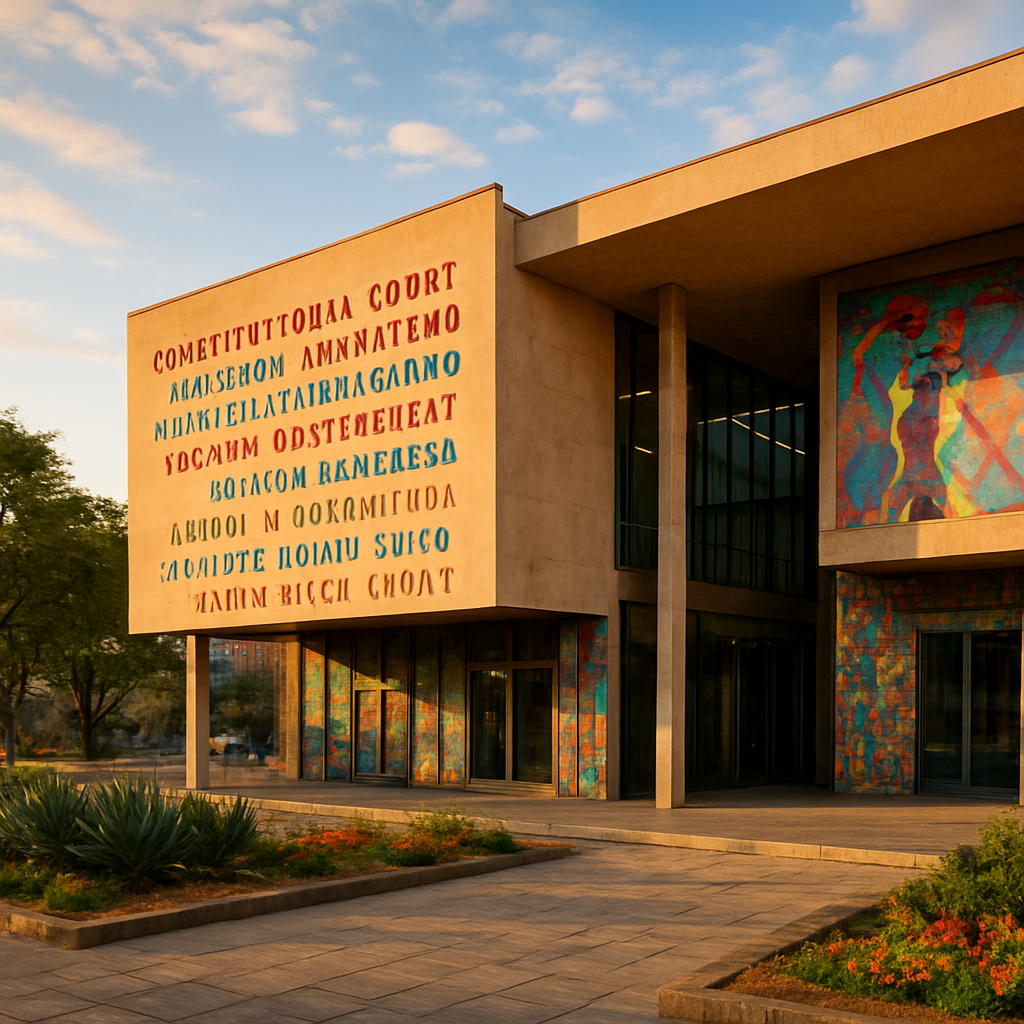
Constitution Hill & the Constitutional Court
This isn't a museum you dutifully tick off — it's a place that rearranges something in your chest. The Constitutional Court sits on the grounds of the Old Fort Prison complex where Nelson Mandela and Mahatma Gandhi were once held. The architecture is deliberate and stunning — built into the ruins of the former Women's Jail, with a public art collection threaded throughout. South Africa's 1996 Constitution, the first in the world to explicitly prohibit discrimination based on sexual orientation, was given teeth here. Standing in the courtyard where the Fourie ruling was delivered in 2005 — directly leading to same-sex marriage in 2006 — and understanding what this building means to queer people on the African continent is genuinely moving. Go in the morning when it's quiet.
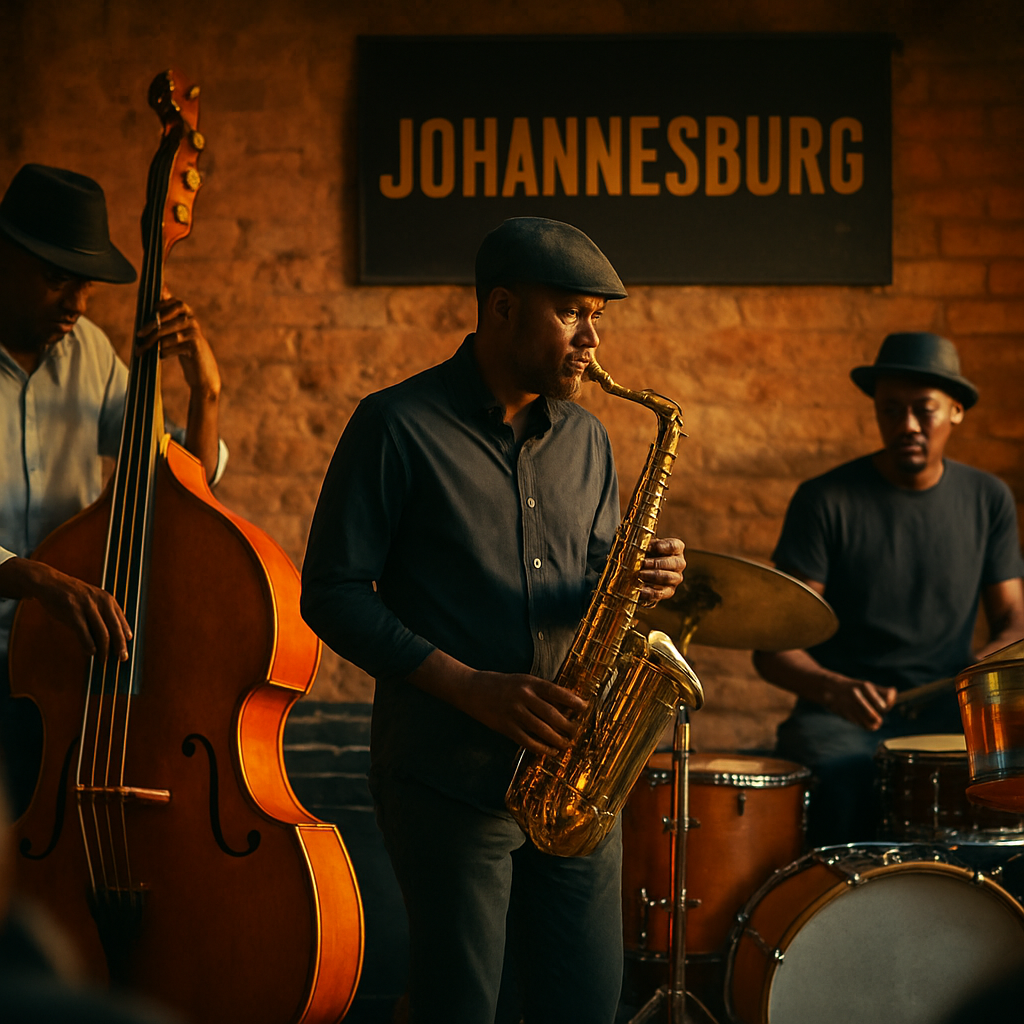
A set at The Orbit Jazz Club
Braamfontein's jazz club has near-nightly live programming with a stated focus on South African jazz musicians and emerging artists. This is not background-music-over-dinner jazz — this is serious, technically extraordinary live performance in an intimate room with a crowd that actually listens. The atmosphere on a Friday or Saturday night is warm, sophisticated, and queer-welcoming. Order something local, sit close to the stage, and let the music do its work. You'll leave understanding why South African jazz has its own grammar.
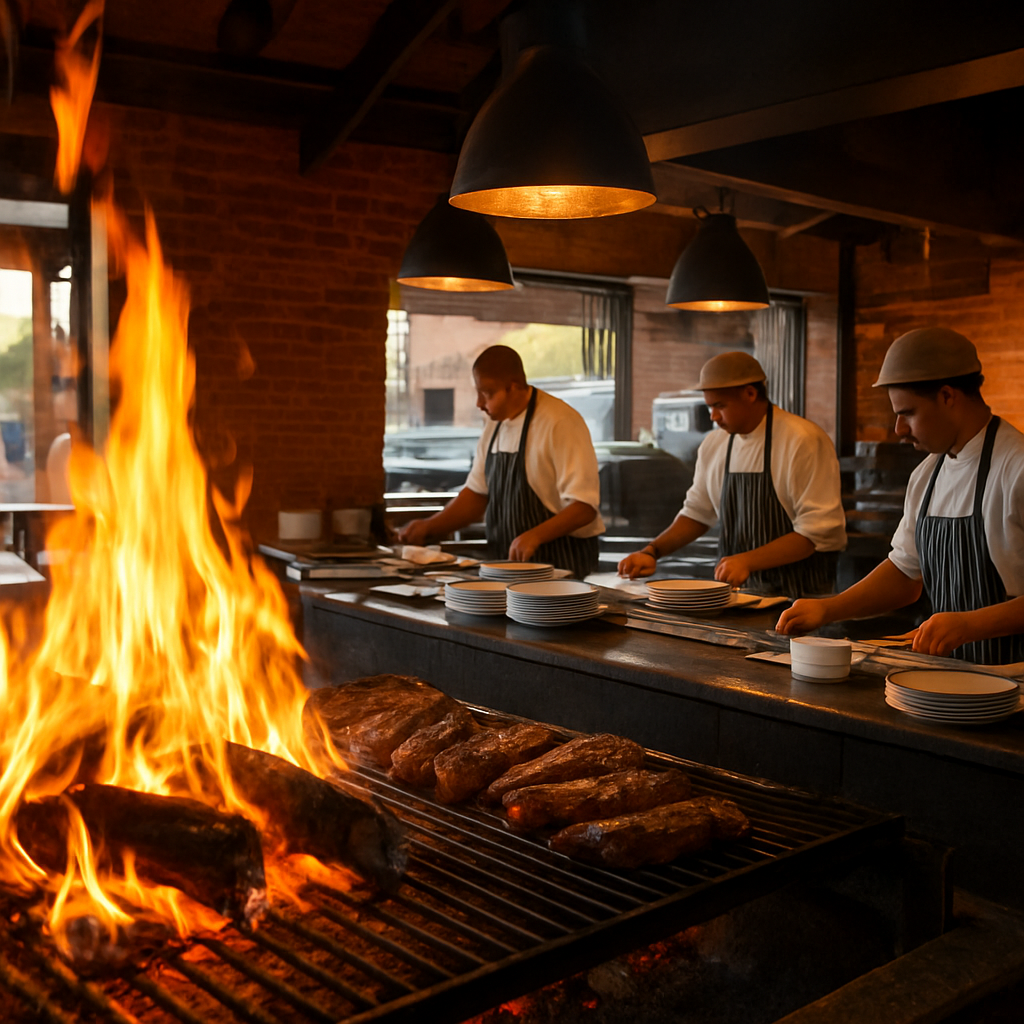
Ember cooking at Marble
Chef David Higgs's restaurant on the fifth floor of The Marc building in Rosebank is structured around open wood-fire and ember cooking — meat, fish, vegetables, all of it run through flame. The technique isn't performance; it's the architecture of the flavour. Marble has earned multiple Eat Out Top 10 Restaurant Awards since opening in 2016 and it's easy to understand why. The view from the fifth floor over Rosebank doesn't hurt. Book ahead, order the sharing plates, and let the kitchen work.
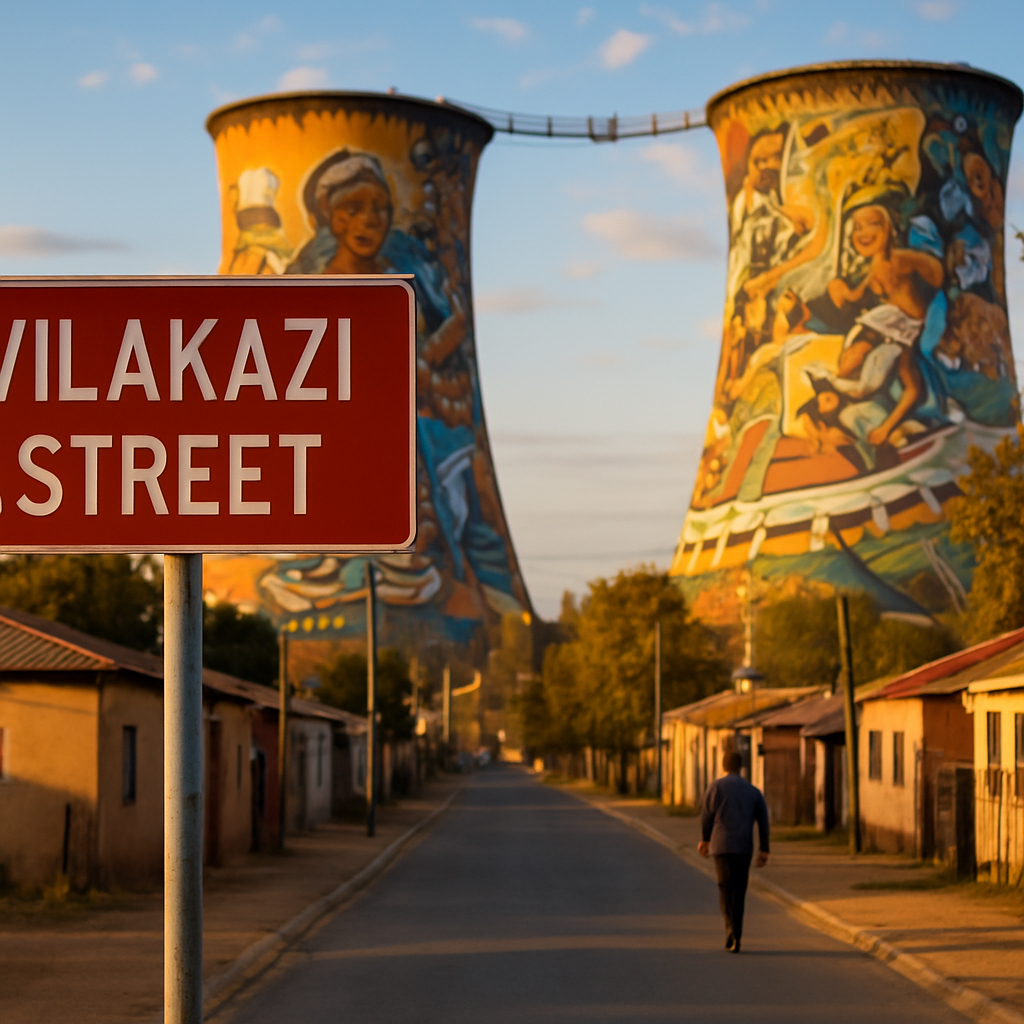
Soweto: Vilakazi Street to the Hector Pieterson Memorial
Soweto is not a day trip in the fun-excursion sense — it's one of the most historically significant places in the country. Vilakazi Street is cited as the only street in the world that housed two Nobel Peace Prize laureates: Nelson Mandela and Desmond Tutu. The 1976 Soweto Uprising memorial at the Hector Pieterson Museum is devastating and essential. Go with a reputable local guide. Social norms in Soweto are conservative — keep PDA off the table — but the experience is unmissable. The township also hosts Soweto Pride, running since approximately 2004, one of Africa's earliest township-based Pride events.
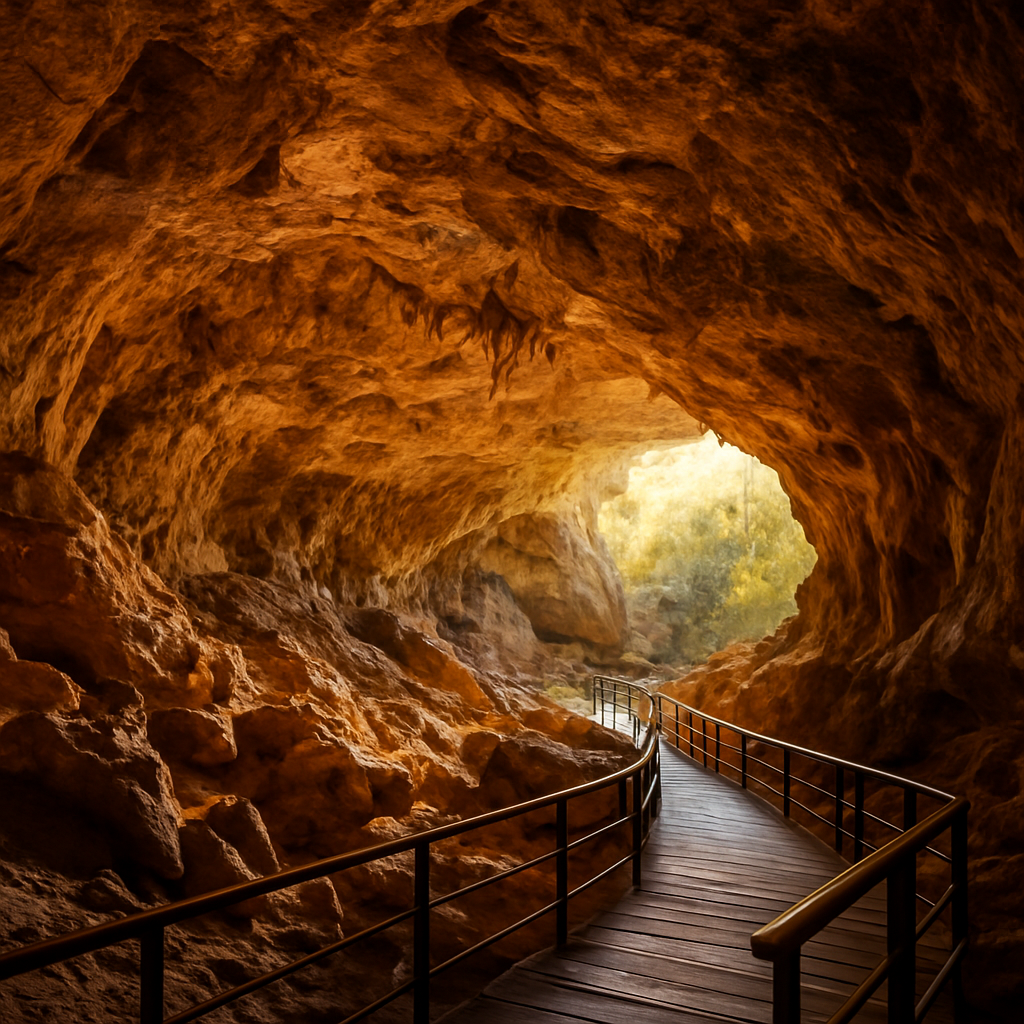
Cradle of Humankind
Approximately 50 km north-west of the city, this UNESCO World Heritage Site encompasses over 47,000 hectares of hominin fossil sites, including the Sterkfontein Caves where the Australopithecus africanus specimen known as Mrs Ples was discovered in 1947. The Maropeng Visitor Centre, opened in 2005, walks you through human evolution with a clarity that's genuinely humbling. It works as a half-day trip. Pair it with lunch at one of the country restaurants in the surrounding area. The drive out through the Gauteng countryside is beautiful in its own right.
The places I actually send people to
Advice that fits how you travel
Johannesburg is a very doable solo trip if you plan around its geography. This is a car city — the four neighbourhoods you'll spend time in (Greenside, Melville, Braamfontein, Maboneng) are spread across a wide urban area, and Uber is your connective tissue. Budget R120–R180 per day on transport if you're mixing Gautrain and ride-hailing. The good news: Uber is cheap, widely available, and standard here. The logistics aren't hard; they're just different from walking cities.
Meeting people is easier than you'd expect. Apps are active — Grindr and Tinder both have solid user bases in Joburg — and the bar scene in Melville and Greenside is social enough that a solo visitor at Liquid Blue or Kitcheners on a weekend night will find conversation quickly. Braamfontein's Saturday market at Neighbourgoods (73 Juta Street) is practically designed for solo wandering — the creative queer crowd is there, the coffee is excellent, and the stalls reward browsing. Curiocity Backpackers in Maboneng runs guided neighbourhood walks that are a smart move on your first day — they orient you to the precinct and introduce you to people.
Safety solo: don't walk between neighbourhoods after dark. Don't have your phone out on the street in the CBD. Use Uber door-to-door for any evening venue. These rules apply to everyone, not just LGBTQ+ travelers. In the established nightlife areas — Greenside's Rustenburg Road strip, Melville's 7th Street — you'll be fine, but stay aware. A solo budget traveler can manage on R900–R1,200 per day covering a hostel dorm, local food, Gautrain, and free museums. A moderate solo budget runs R2,800–R4,000 including a boutique hotel and meals out. Pro tip: Anova Health Institute has Joburg clinics with PrEP access and LGBTQ+-competent staff — find this information before you need it, not after.
The most romantically charged thing you can do together in Johannesburg costs almost nothing: spend a morning at Constitution Hill, walk through the old Fort Prison, and stand in the Constitutional Court where your equality was written into law in 1996. It sounds like a civics lesson. It isn't. The architecture is extraordinary, the history is visceral, and leaving hand-in-hand from a building that legally declared you equal — on the African continent — hits in a way most travel experiences simply don't.
For dinner, Marble in Rosebank — chef David Higgs's wood-fire restaurant on the fifth floor of The Marc building — is the kind of place that justifies a special occasion without requiring one. The food earns every accolade. For something easier, Coobs on 4th Avenue in Parkhurst is a neighbourhood bistro with a considered wine list and exactly zero pretension — the kind of place where the evening stretches naturally into a second bottle. The Orbit Jazz Club in Braamfontein makes for an ideal late stop: live South African jazz, a queer-welcoming crowd, and the warm, unhurried atmosphere of a venue that knows what it is.
PDA comfort varies by neighbourhood, and you need to know that going in. In Melville and Greenside, you'll feel genuinely comfortable. In Rosebank and Sandton, discreet affection is fine — overt displays may attract the kind of attention you didn't sign up for. For accommodation, The Peech Hotel in Melrose North and Ten Bompas Hotel in Dunkeld West both carry consistent LGBTQ+-welcoming reputations in inclusive travel guides, and both offer the personalised service that makes a couples stay feel considered rather than generic. If you want to be in the heart of the city's creative energy, Hallmark House in Maboneng puts you in Joburg's most progressive urban district.
As of 2026, South Africa legally recognises same-sex marriage and permits joint adoption by same-sex couples — your family structure has full standing under South African law. In practice, reception varies considerably by neighbourhood. In the northern suburbs — Sandton, Rosebank, Melrose Arch — two dads or two mums travelling with kids will generally be treated without comment. In more conservative residential areas and townships, keep a lower profile. The legal protection is real; the social uniformity is not.
Johannesburg has a solid family activity offering. Gold Reef City, adjacent to the Apartheid Museum in Ormonde, gives you theme park energy and serious history in a single stop — older kids who engage with the museum will find it genuinely compelling, not just a school trip obligation. The Joburg Zoo in Saxonwold covers more than 2,000 animals on a large, shaded site, and it works well for younger children. For the most memorable day trip, Pilanesberg National Park is approximately two hours from the city and delivers Big Five game drives in a malaria-free zone — a meaningful consideration when you're travelling with children. Several lodges near Pilanesberg hold IGLTA membership or explicitly market to LGBTQ+ families, which matters when you want to relax completely. The Cradle of Humankind UNESCO site, about 50 km north-west of the city, is excellent for older kids with any curiosity about human origins.
Practically: Johannesburg is a car city, full stop. With children, hire a vehicle or budget for Uber XL — the Gautrain is excellent but runs a fixed route, and the city's layout makes public transport impractical for family logistics. Most mid-range and upscale restaurants have child menus and handle families without drama. Hallmark House in Maboneng offers a self-catering aparthotel format with kitchen access, which is genuinely useful if you're travelling with young children and want control over mealtimes. Budget roughly R6,500–R10,000 per day at a moderate level for a family of four, covering a comfortable serviced apartment, meals out, and one paid activity.
What Johannesburg actually costs
Flights, visas, and the first 30 minutes
Airport: Johannesburg is served by O.R. Tambo International Airport (JNB), one of Africa's largest aviation hubs with direct service from approximately 70+ cities worldwide.
Major Direct Routes:
London (LHR) — ~11 hours
Dubai (DXB) — ~8 hours
New York (JFK) — ~16 hours
Amsterdam (AMS) — ~11 hours
Sydney (SYD) — ~14 hours
Singapore (SIN) — ~10 hours
Visa Requirements: As of 2026, US, UK, EU, Canadian, and Australian passport holders can typically enter South Africa visa-free for stays of up to 90 days. Entry requirements can change — check your government's official travel advisory before booking.
Getting to the City:
The Gautrain Rail (R220–R240) is the fastest and most reliable option — approximately 15 minutes to Sandton Station. It runs roughly 5:30am–9pm on weekdays; check weekend schedules in advance. This is the move if you're landing during operating hours.
Uber or Bolt from the official app pickup zones costs R400–R650 and takes 30–55 minutes depending on traffic. Use the app; do not hail taxis from the street at the airport. Pre-booked airport shuttles run R250–R400 to major Sandton and Rosebank hotels, taking 45–75 minutes — worth it if you're arriving with significant luggage and no local SIM yet.
Car hire from all major operators is available on-site at R800–R1,600 per day. GPS or a downloaded offline map is strongly advised — Joburg's road network is expansive and rewards familiarity. If you plan to move between neighbourhoods frequently, a car gives you freedom the Gautrain simply can't match.
Traven's seasonal breakdown
The questions everyone asks
Is Johannesburg safe for LGBTQ+ travelers?
Can I hold my partner's hand in public?
Do I need a car?
How much should I budget per day?
What's load-shedding and will it affect my trip?
When is Johannesburg Pride?
Is English widely spoken?
Screenshot this before you go
So should you actually go?
Johannesburg isn't the easy trip. It's not the beach vacation or the European city break where you hold hands down every boulevard without thinking. It's a city that demands awareness, rewards curiosity, and offers something almost no other destination on this continent can: full legal equality backed by a Constitution that named you before anyone else did. The scene is real — split between the northern suburbs' established gay life and the inner city's creative energy — and the cultural depth is staggering. Come for Constitution Hill, for the GALA Queer Archive, for a braai in a Melville backyard, for live jazz at The Orbit on a Saturday night. Come because the dissonance between the world's most progressive queer legal framework and the street-level complexity of actually living here is something you can only understand by showing up. Just show up smart — Uber everywhere after dark, keep your phone pocketed in the CBD, and read the room on affection. If you can travel with your eyes open, Joburg will give you things no other city can.
Sources & Resources
Official links we reference when compiling this guide. Last verified 2026-03-15.
- Anova Health Institute
- Anova Health Institute
- FEW — Forum for the Empowerment of Women
- GALA Queer Archive (Gay and Lesbian Memory in Action)
- GALA Queer Archive (Gay and Lesbian Memory in Action)
- Gay SA Radio
- Gay SA Radio
- Inclusive & Affirming Ministries (IAM)
- Inclusive & Affirming Ministries (IAM)
- Johannesburg Pride
- Johannesburg Pride
- Lawyers for Human Rights South Africa
- Lawyers for Human Rights South Africa
- OUT LGBT Well-being
- OUT LGBT Well-being
- OUT LGBT Well-being
- SECTION27 (Health and Human Rights)
- SECTION27 (Health and Human Rights)
- South African Human Rights Commission
- South African Human Rights Commission