Seoul doesn't ask for your approval. It's too busy being extraordinary and complicated at the same time.
The first thing you notice about Seoul at night is the light. Not neon in the obvious Tokyo way — more like every surface in this city has decided independently to glow. You're walking downhill from Haebangchon toward Itaewon, the smell of samgyeopsal smoke curling out of a second-floor grill house, and somewhere below you is Homo Hill — a tight cluster of gay bars on Usadan-ro where Why Not? has been pouring drinks for over a decade and Trance Club doesn't even bother waking up until midnight. The queer life here is real. It's also, in many ways, partitioned. The Itaewon bubble is warm and international and foreigners-welcome. Step two subway stops in any direction and the social temperature drops noticeably.
Seoul's queer scene runs on two very different frequencies. Homo Hill is the loud, English-friendly channel — bars with terraces, a mixed international crowd, drag nights that feel like they could happen in Brooklyn. Then there's Jongno 3-ga, the quiet AM station: older Korean men drinking soju in dim bars with zero English signage, tucked into alleys near Tapgol Park. Both are real. Both are worth your time. And mixing them in one night — starting with cheap makgeolli at a pojangmacha stall and ending in a norebang room at 3am — is peak Seoul. The real social glue isn't the clubs; it's the private karaoke room you book after them, ordering pitchers of beer through a slot in the wall while someone belts out a SHINee ballad with genuine commitment.
But I have to be measured about this, because my Traven-Dex score of 6.4 reflects a real tension. As a destination — the food, the transit, the culture, the sheer visual spectacle — I gave Seoul a 8.5 on Destination, and I'd defend that number against any city in Asia. The gap is in the legal and social infrastructure. There's no marriage recognition, no civil unions, limited anti-discrimination protection, and a cultural conservatism that shows up in stares more often than confrontation. Chingusai has been doing community organizing since 1994 — these people are not new to this fight — but the legal landscape hasn't caught up to the community's energy.
Don't let that gap scare you off. Seoul is a world-class city that happens to be working through a generational argument about queer visibility, and the outcome isn't settled yet. The fact that tens of thousands of people show up to the Seoul Queer Culture Festival every year — some in hanbok, marching past City Hall in a country where they have zero legal protections — tells you everything about where the momentum is going. You should go. But go with your eyes open, know which neighborhoods are yours, and understand that the city's extraordinary qualities and its limitations are part of the same complicated, fascinating package.
The stuff your travel guide buries on page 47
Legal framework: Same-sex sexual activity is legal for civilians in South Korea — there's no criminalization. However, there's also almost nothing on the protective side of the ledger. No marriage recognition, no civil unions, no legal adoption for same-sex couples, and anti-discrimination protections are limited and inconsistent. South Korea's Military Criminal Act Article 92-6 criminalises consensual same-sex conduct between male soldiers, but this does not apply to civilians or foreign nationals. The National Human Rights Commission of Korea has taken pro-LGBTQ+ positions in rulings, but these lack binding legislative force.
Gender identity: Legal gender marker change requires surgery and a court ruling, which creates potential document-presentation mismatches for trans travelers. If your passport gender doesn't match your presentation, you may encounter confusion rather than hostility at official checkpoints — but carry supporting documentation where you can.
Cultural reality: The gap between legal absence and everyday life is the defining feature of being queer in Seoul. Same-sex relationships have no legal recognition, and public displays of affection — even hand-holding — can draw stares or occasional hostility outside of Itaewon and Hongdae. The Itaewon bubble is real; step two subway stops away and the social temperature drops noticeably. In conservative business districts like Gangnam and Yeouido, same-sex PDA is uncommon and will draw attention. None of this tips into violence in any documented pattern, but the ambient awareness is something you carry with you.
PDA comfort: On Homo Hill (Usadan-ro in Itaewon), moderate PDA won't raise eyebrows — the visible LGBTQ+ venue cluster normalizes queer presence. Hongdae's younger, artsy demographic means minor same-sex PDA is unlikely to cause confrontation but remains uncommon. In tourist zones like Myeongdong and Insadong, expect stares. During the Seoul Queer Culture Festival at Seoul Plaza, the space is explicitly LGBTQ+-affirming — police barriers separate attendees from counter-protesters.
Health resources: If you need sexual health services or HIV testing without judgment, the Korean HIV/AIDS Foundation and Chingusai both offer referrals to LGBTQ+-competent clinics — go through these channels rather than showing up cold to a general hospital, where your experience will vary wildly.
What it actually feels like on the ground
Holding hands: On Homo Hill in Itaewon, you'll see same-sex couples doing it — it's the most permissive context in the city. In Hongdae, brief contact is unlikely to cause confrontation among the younger crowd. In Myeongdong, Gangnam, and most other neighborhoods, expect stares. I wouldn't call it dangerous — South Korea's violent hate crime rate against LGBTQ+ people is extremely low — but the social discomfort is real and cumulative over a full day.
Hotel check-in: International chain hotels and well-reviewed boutique properties in Itaewon and Hongdae will process same-sex couples without issue. At budget guesthouses and smaller Korean-owned properties outside the international corridor, a shared bed booking for two people of the same gender may occasionally generate a question — it's more likely to be confusion than hostility. Accor properties (like the Ibis Styles) operate under a published non-discrimination guest policy.
Taxis: Seoul's taxis are safe, metered, and drivers are generally indifferent to passengers regardless of how you're presenting. Keep the Kakao T app loaded — it's faster than flagging a cab on Homo Hill at 3am when everyone's leaving the clubs at the same time. The subway runs until around 1am; after that, taxis and Kakao T are your infrastructure.
Public spaces and beaches: Seoul isn't a beach city, but the Han River parks are popular daytime hangouts. Same-sex couples sitting together won't attract attention; visible affection might draw glances. At jjimjilbangs (Korean bathhouses), same-sex-segregated bathing is the norm — these are generally comfortable spaces for cis gay men and women, though trans travelers should be aware that nudity is standard and body-based assumptions will be made.
Late night: Itaewon's Homo Hill is genuinely safe at night — it's busy, well-lit, and policed, and the crowd outside Why Not? and Trance is international enough that nobody bats an eye. Walk two blocks uphill toward the mosque, however, and you've wandered out of the bubble; read the room. Jongno 3-ga is safe but operates with a different kind of etiquette — some bars there are for Korean men only, not enforced aggressively, but the social expectation is clear if you're paying attention. Respect the culture and you'll be welcomed.
Trans travelers: Social acceptance of trans identities lags behind LGB acceptance, and trans visibility is low outside of specific spaces. There's no legal risk for foreign visitors, but the gender marker issue is practical: if your passport doesn't match your presentation, allow extra patience at airport immigration and hotel check-ins. In daily life, Seoul's general urban anonymity works in your favor — people mind their own business in crowds, and deliberate misgendering or confrontation is uncommon.
Verbal harassment: Rare but not unheard of, particularly from older conservative men or in the vicinity of counter-protest activity around SQCF timing. Street-level harassment of visibly queer foreigners is not a documented pattern in Seoul. The more common experience is ambient discomfort — averted eyes, whispered conversation — rather than direct confrontation.
The queer geography
Homo Hill, Itaewon (Usadan-ro)
This is Seoul's most visible gay neighborhood and the one you'll land in first. The name comes from the hillside cluster of LGBTQ+ bars along Usadan-ro and its side alleys, walkable from Itaewon Station (Line 6, exit 2) — head toward the Hamilton Hotel and then uphill. Why Not? Bar is the anchor, an over-a-decade institution with a terrace that spills onto the street. Trance Club is the heartbeat of the district — Friday and Saturday nights it's packed, predominantly male, playing euphoric house until 4am, and remains the spot to start if you know absolutely nobody. Shortbus Bar is your lower-key, grab-a-beer-and-actually-talk option before the clubs open. For lesbian and queer women's spaces, Queen Club in Itaewon has historically been the go-to, though the scene also moves through private parties announced on Korean queer social media and KakaoTalk group chats — befriend someone at the festival and you'll get plugged in fast. The surrounding blocks of Itaewon hold international restaurants, late-night eats, and a handful of queer-friendly cafes like Plant Cafe & Kitchen that serve as the community's daytime living room.
Jongno 3-ga (종로3가)
Seoul's other gay district is nothing like Homo Hill — and that's the point. Jongno 3-ga is older, more discreet, and almost entirely Korean-speaking. The bars here are tucked into narrow alleys near Tapgol Park, favored by Korean men — particularly older generations — who've been gathering here for decades. Barcode Bar is one reference point, but the alley network is the real geography; you walk until you see it. Some bars are for Korean men only — not enforced aggressively, but the social expectation is legible if you pay attention. After the bars, you grab a low plastic stool at a pojangmacha stall, order tteokbokki and makgeolli, and watch the city decompress. This is not the tourist version of queer Seoul. It's the one that existed before the tourists came.
Haebangchon / HBC (해방촌)
The bohemian hillside neighborhood directly adjacent to Itaewon, popular with queer expats and artists for its independent cafes, lower rents, and a relaxed atmosphere that feels like it's exhaling after Itaewon's intensity. No dedicated LGBTQ+ venues here, but the demographics tilt young, creative, and unbothered. A good neighborhood to base yourself if you want the Itaewon corridor without the noise.
Hongdae (홍대)
The university and independent arts district around Hongik University. The demographic skews young and the cultural attitude is more progressive than most of Seoul, though dedicated queer venues are limited. Sinchon, nearby, occasionally hosts LGBTQ+ events and queer-friendly parties, particularly around Yonsei and Ewha Womans University. Worth exploring for the indie cafe culture and live music, but it's not where the community concentrates.
The experiences worth rearranging your itinerary for
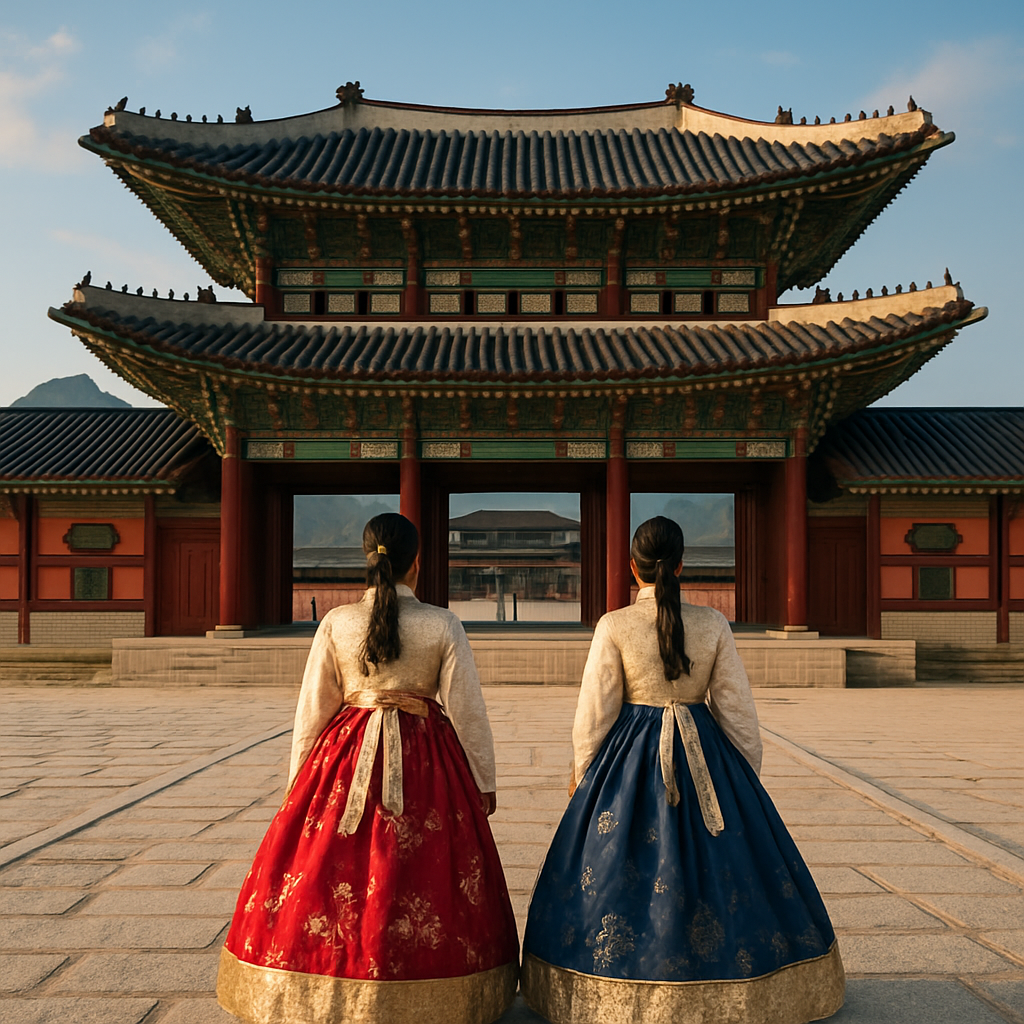
Gyeongbokgung Palace and the Bukchon Hanok Village
The 14th-century Joseon palace is the centerpiece of historical Seoul — 330 buildings at its peak, and the restored complex is still massive enough to swallow an entire morning. Go early before the tour buses arrive, then walk north into the Bukchon Hanok Village, a hillside residential neighborhood of traditional Korean houses (hanok) where the narrow lanes open onto sudden views of Namsan Tower and the city skyline. Rent hanbok at the palace gate for about ₩10,000–₩20,000 and your admission is free — it's not a gimmick, it's genuinely fun, and the photo opportunities are unreasonable.
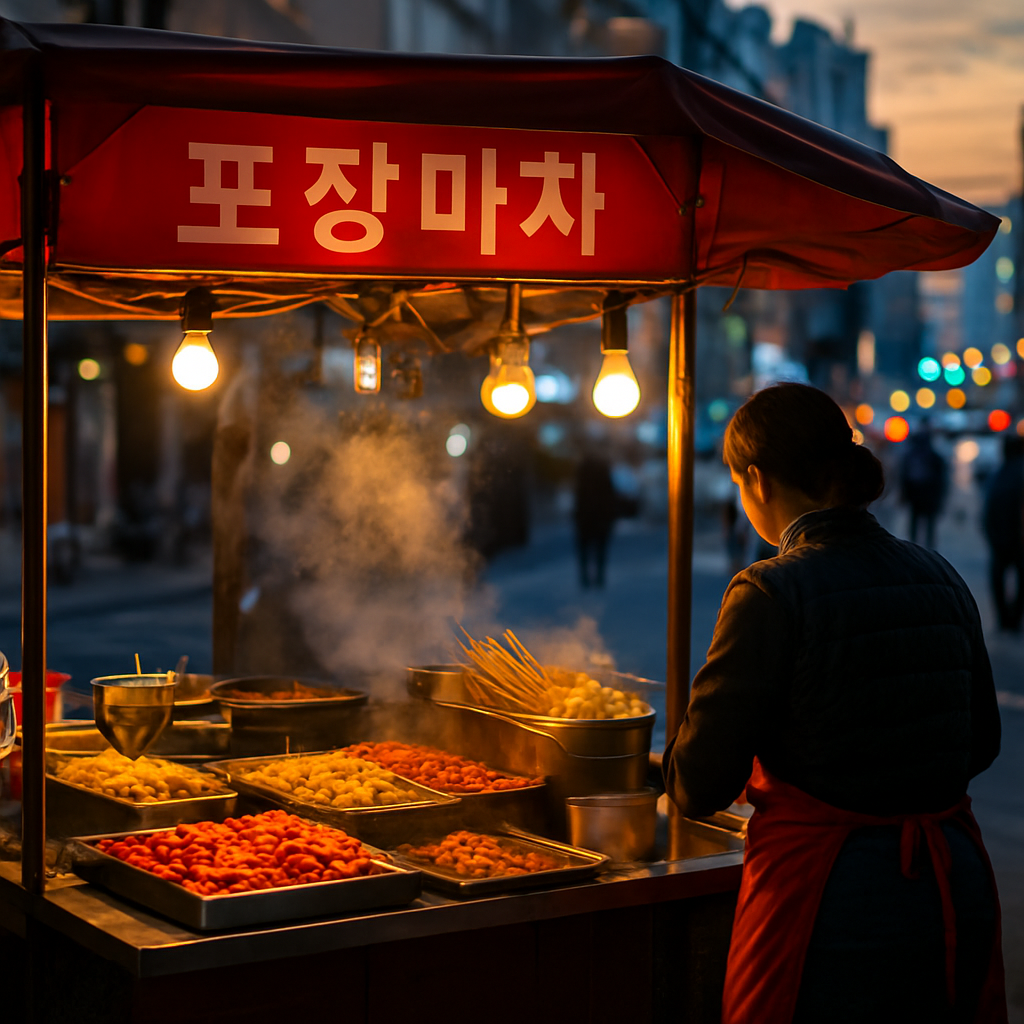
Late-Night Pojangmacha and Makgeolli at Jongno 3-ga
This is the Seoul moment that doesn't fit in an Instagram caption. Find a pojangmacha — a covered street food stall — near Jongno 3-ga after 11pm. Grab a low plastic stool, order tteokbokki (spicy rice cakes) and a bottle of makgeolli (cloudy rice wine), and sit there while the city decompresses around you at 2am. It costs almost nothing. The tteokbokki burns your mouth. The makgeolli is chalky and slightly sweet. You are exactly where you should be.
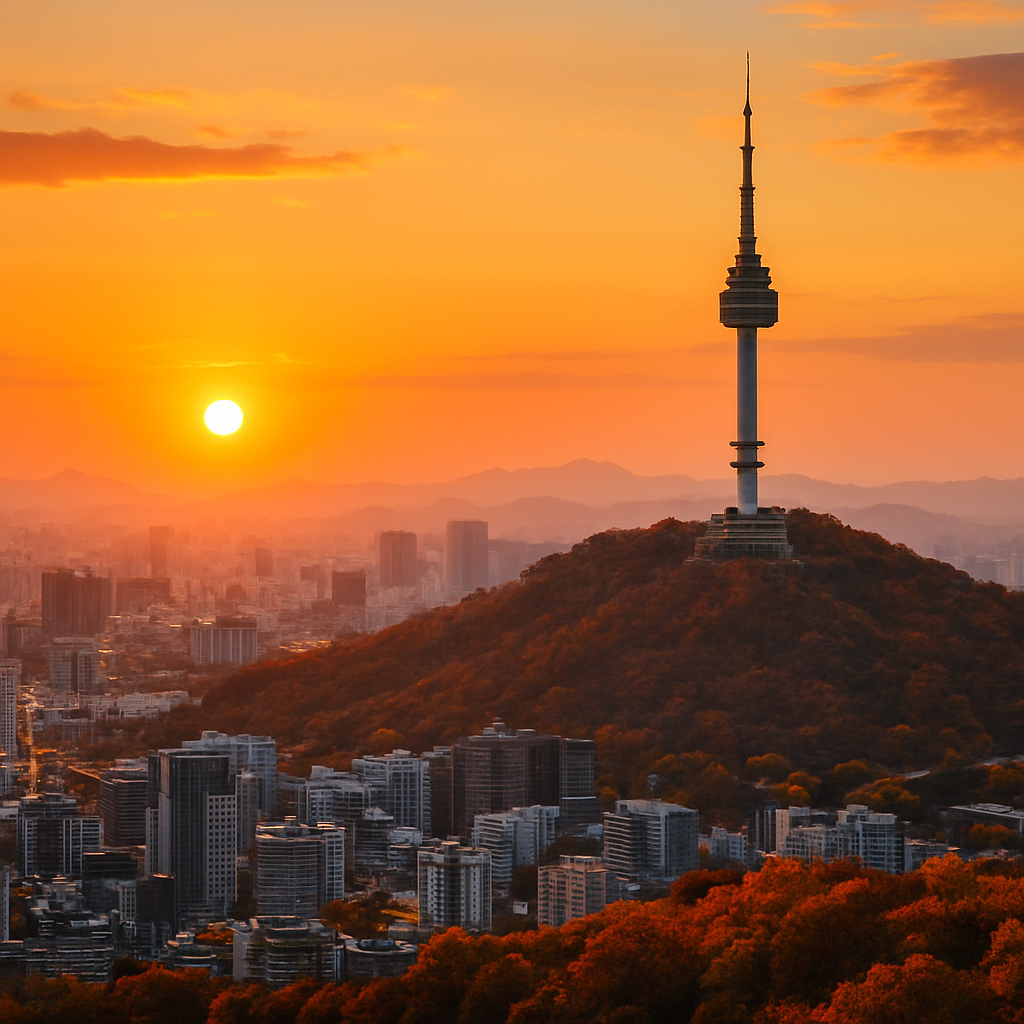
Namsan Tower at Dusk
Take the cable car or hike the forested trails up Namsan and arrive at the observation deck about 30 minutes before sunset. The city unfolds below you in every direction — the Han River splitting it north and south, the mountain ridgeline backing the palace district, the Gangnam towers going glassy in the late light. On a clear day it's the single best view in Seoul, and the walk down through the park afterward, as the city lights come on, is one of those rare moments a capital city gives you for free.

Gwangjang Market
Gwangjang Market has been operating since 1905 and the food hall inside is one of the most concentrated flavor experiences in the city. The bindaetteok (mung bean pancakes) are fried to order in front of you; the mayak gimbap — tiny, addictive sesame-oil-drenched rice rolls — earned their nickname ('drug gimbap') honestly. Sit at a communal counter, point at what looks good, and trust the ajumma running the stall. Budget about ₩15,000–₩20,000 for a genuinely excessive lunch.
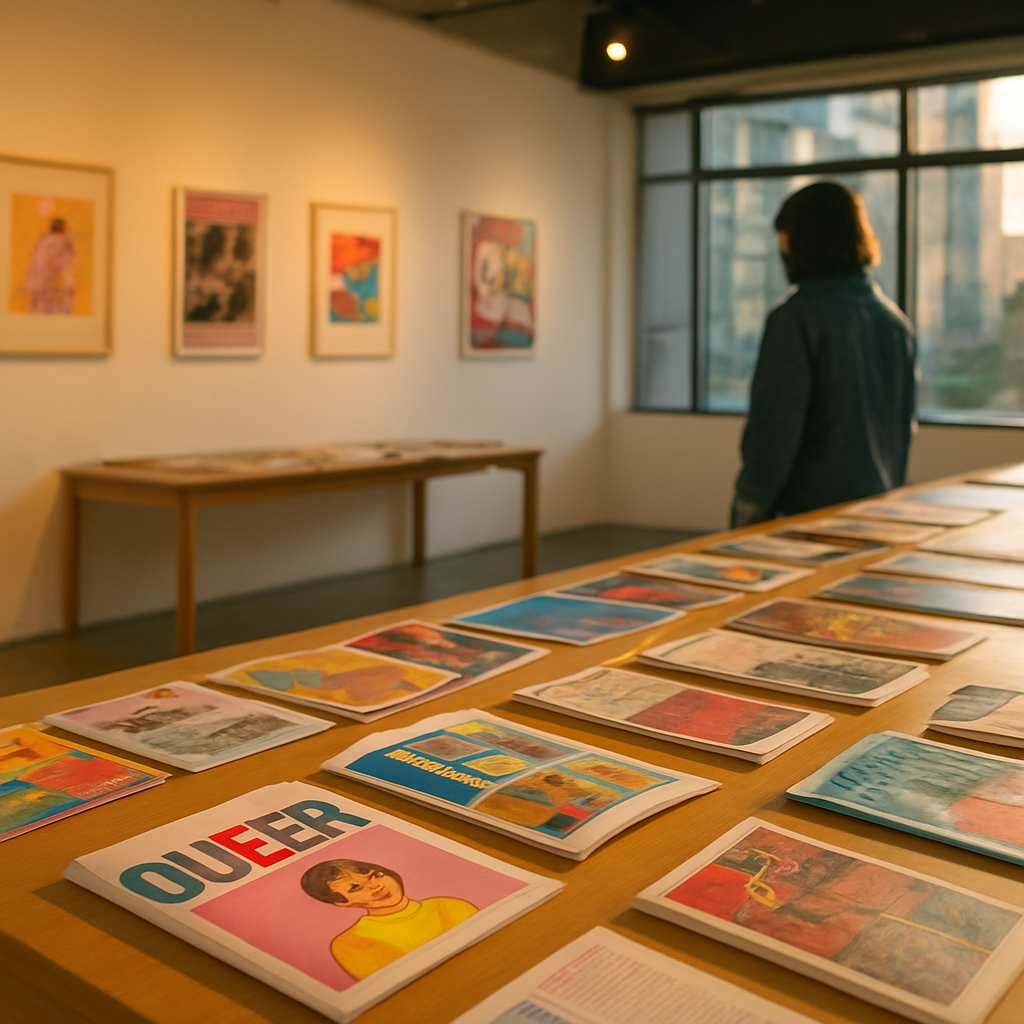
Archive Q — Korea's LGBTQ+ Archive
Archive Q isn't a bar or a club — it's a physical archive of Korean queer history. Zines, movement posters, ephemera, and documents that exist precisely because nobody else was going to preserve them. If you have even a passing interest in how a queer movement survives and builds memory without legal rights, spending an hour here is genuinely moving. It's small, it's specific, and it matters.
The places I actually send people to
Advice that fits how you travel
Seoul is an exceptional solo travel city, full stop. The metro system is immaculate and bilingual; you can cross the entire urban area for under ₩2,000 on a T-money card. Street food culture means eating alone is never awkward — pull up a stool at a pojangmacha or a market counter and you're just doing what everyone else is doing. On a budget tier, you can run Seoul on ₩65,000–85,000 a day including a guesthouse dorm, metro transit, and three meals. At the Kimchee Insadong Guesthouse, the common-area setup is specifically designed for solo travelers to collide — you'll make friends within 24 hours whether you planned to or not.
The queer scene is reachable solo, but how you reach it matters. Homo Hill in Itaewon is the accessible entry point — Why Not? Bar and Shortbus Bar both draw enough international visitors that walking in alone and striking up a conversation is normal. Download KakaoTalk before you arrive; it's not optional. WhatsApp and Instagram exist here, but KakaoTalk is the operating system of Korean social life, queer included. If you befriend even one person at a bar or during the SQCF, you'll get pulled into group chats that lead to norebang sessions, restaurant outings, and house parties that no guidebook will list. Dating apps (Grindr, Jack'd, and the Korean app TanTan) are active, though many Korean users are discreet with photos and prefer to move conversations to KakaoTalk quickly.
Safety-wise, Seoul is one of the safest major cities in Asia for solo travelers regardless of identity. Petty crime is low, the metro is safe at all hours it operates, and taxis are metered and reliable via Kakao T after the trains stop around 1am. The awareness you need to carry isn't about physical danger — it's about reading the social room outside the Itaewon bubble, where visibility has a different social cost. Pro tip: if you're out on Homo Hill alone at 3am, the Kakao T app gets you a cab faster than standing on the curb competing with every other person leaving the clubs.
Seoul can be quietly romantic in the way big Asian cities sometimes are — neon-lit streets, the Han River glittering from a hillside, late-night samgyeopsal smoke curling off a tabletop grill while the city hums around you. The honest caveat is that your experience as a couple depends heavily on geography. In Itaewon, particularly around Homo Hill on Usadan-ro and the bohemian hillside streets of Haebangchon, you'll move through the city comfortably. Take two subway stops toward Myeongdong or down into Gangnam and the social temperature shifts — stares are the most likely outcome, not confrontation, but they're real and worth factoring into your day.
For accommodation, the Grand Hyatt Seoul in Hannam-dong is my top couples' pick — walking distance from the Homo Hill bar cluster, Han River views from the upper floors, and a documented history of hosting LGBTQ+ Pride events on property. If you'd rather put that money toward dinner and experiences, the Ibis Styles Ambassador in Yongsan puts you ten minutes on foot from the same neighborhood for a fraction of the cost. Either way, anchoring yourself in the Itaewon–Hannam corridor gives you the city's most comfortable infrastructure as a base.
For a genuinely memorable Seoul date: start at Leeum, Samsung Museum of Art — it's a short walk from Itaewon and the buildings alone (designed by Mario Botta and Jean Nouvel) are worth the entrance fee before you've seen a single canvas. Follow that with a late dinner, then book a private norebang room near the bar district and stay until 2am. It costs almost nothing and doesn't translate well to photographs, but it lives in your memory. This city has real romance in it — you just have to know which parts of it to claim as your own.
South Korea has no legal recognition of same-sex relationships or same-sex parented families, and that's worth stating plainly before you book. In day-to-day tourism — restaurants, museums, hotels, public transit — your family will be treated as a family, full stop. Where legal invisibility could matter is in a medical or emergency situation, where hospitals may not automatically recognize a non-biological parent's authority. Carry copies of any parental rights documents, powers of attorney, or co-parenting agreements you have. It's a precaution worth the ten minutes it takes to prepare.
The city itself is genuinely excellent for kids. Gyeongbokgung Palace is the obvious anchor — children wearing hanbok enter free, and there are rental shops at the main gate where you can dress the whole family for around ₩10,000–₩20,000 per person. The COEX Aquarium in Gangnam, the Children's Grand Park in Gwangjin, and the Namsan Tower cable car are all well-run and well-signposted. Seoul's metro is stroller-accessible and extraordinarily clean; a T-money card handles all transit for the whole group without fumbling for cash at every gate.
Seoul is affordable for families relative to comparable world cities. Palace admissions typically run ₩3,000 or less per adult; children are often free or heavily discounted. Street food — tteokbokki from a market stall, hotteok sweet pancakes, corn dogs — is both cheap and kid-friendly in a way that needs no negotiation. The Itaewon area is comfortable for families during daylight hours; it's a nightlife district after dark, so if you have young children, factor that into where you choose to base yourselves.
What Seoul actually costs
Flights, visas, and the first 30 minutes
Airport: Incheon International Airport (ICN) handles virtually all international arrivals. It's one of the most efficiently run airports in the world — transit is clear, signage is bilingual throughout, and there's an in-terminal transit hotel if you're managing a long layover. Gimpo Airport (GMP) handles some domestic and a small number of regional routes.
Direct Routes: Seoul is exceptionally well-connected, with direct service from 180+ cities worldwide. From Tokyo (NRT/HND): 2h 30m. Bangkok (BKK): 5h 30m. London (LHR): 11h. Los Angeles (LAX): 11h 30m. Sydney (SYD): 10h 30m. New York (JFK): approximately 14h.
Visas: US passport holders are currently visa-free for up to 90 days — the K-ETA requirement has been suspended as of 2024, but confirm the current status before you travel as these things shift. UK passport holders: visa-free up to 90 days. Most EU passport holders: visa-free up to 90 days. Canadian passport holders: visa-free up to 6 months. Australian passport holders: visa-free up to 90 days.
Airport to City: The AREX Express Train is the clear first choice — 43 minutes direct to Seoul Station, 9,500 KRW, departing every 30–60 minutes on a reliable schedule. If you're staying near Hongdae or the Mapo area, the AREX All-Stop Train at 4,750 KRW stops at Hongdae station and takes 56 minutes total. Airport Limousine Buses (17,000–18,000 KRW) serve the Gangnam, Itaewon, and Myeongdong hotel corridors in 60–90 minutes depending on traffic. A metered taxi runs 65,000–95,000 KRW for the same journey — book through the Kakao T app rather than flagging one at the curb; it's faster, the price range is transparent before you get in, and drivers are indifferent to how you're presenting.
Traven's seasonal breakdown
The questions everyone asks
Is it safe to hold hands with my partner in Seoul?
Do I need to speak Korean?
How much should I budget per day?
When is Seoul Pride?
What's the deal with Jongno 3-ga?
Are dating apps active in Seoul?
Is Seoul safe for trans travelers?
Screenshot this before you go
So should you actually go?
Seoul is a world-class city that happens to be in the middle of a slow, generational argument about queer visibility — and you're visiting during the argument, not after it's resolved. The food is extraordinary, the transit is the best you'll use anywhere, the cultural depth is real, and the queer scene on Homo Hill has community, history, and life to it. What it doesn't have is legal infrastructure or broad social comfort outside specific neighborhoods, and I won't pretend otherwise — my Traven-Dex of 6.4 reflects exactly that tension. If you need the freedom to be visibly queer everywhere you walk, Seoul will frustrate you. If you can navigate the geography — claim the neighborhoods that are yours, read the room in the ones that aren't — you'll find a city that rewards you in ways most destinations can't touch. Go. Just go with your eyes open.
Sources & Resources
Official links we reference when compiling this guide. Last verified 2026-03-06.
- Chingusai (친구사이) – Korea's oldest LGBTQ+ organization
- Korea Queer Culture Festival (한국퀴어문화축제)
- Korean Sexual-Minority Culture and Rights Center (KSCRC)
- Rainbow Action Against Sexual-Minority Discrimination
- Korean HIV/AIDS Foundation (한국에이즈재단)
- National Human Rights Commission of Korea
- Ilda – Korean feminist and LGBTQ+ media
- Korea Legal Aid Corporation (법률구조공단)
- PFLAG Korea (한국PFLAG)
- Seoul Global Center – expat support including crisis resources