
Valencia stopped performing for the world somewhere around 2015 and just started living. You can taste the difference in the orange-wood smoke coming off a beachfront paella at 2pm.
Valencia is what Barcelona's queer scene would be if it had decided, somewhere around 2015, to stop performing for the world and just live. The city splits its energy between El Carmen's stone-walled late-night corridors and Ruzafa's terrace-brunch grid, and you can walk between them in twenty minutes flat — which is the whole pitch, really. There's no Chueca-style density to navigate, no scene map to memorize. The gayness is diffuse, design-forward, and frankly more chic than the Mediterranean cliché would have you believe.
I gave it a 9.1 overall, and what that number is really measuring is friction — or rather, the absence of it. The 10.0 on Legal is the easy part; Spain has been settled on this since 2005 and the 2023 Ley Trans closed the last gaps. What I noticed walking around for a week is the 9.2 on Chill — same-sex couples drinking Agua de Valencia out of glass jugs at 1am on Calle Caballeros, two-dad families on the playgrounds in the Turia Gardens, the chiringuitos at the south end of the Malvarrosa on a Sunday in September. Nobody is looking. That's the entire luxury.
The food is the thing nobody warned me about. Real Valencian paella is a lunch dish, cooked over orange-wood fire, eaten on the beach at Casa Carmela or La Pepica — and dinner paella anywhere in the old town is a tourist trap that locals will silently judge you for ordering. Beyond the rice, there's an actual Michelin economy here: Quique Dacosta's El Poblet in the center, Fierro seating you at a single counter in Ruzafa, and Ricard Camarena over by the Bombas Gens cultural center serving the single best meal in the city. An 8.5 on Scene undersells how much of this city's queer life happens at dinner.
The thing nobody tells you about Valencia is that the queer energy actually peaks in March, not June. Fallas — the festival of giant satirical sculptures and round-the-clock fireworks — is when the drag performers commandeer half the casales and the ninots get gloriously gay. Pride VLC in late June is real and worth showing up for, but if you want to see this city at full volume, come in the spring. Either way: it's the easiest gay trip in Spain, and that's a sentence I do not write often.
The stuff your travel guide buries on page 47
Spain is, as of 2026, one of the most legally settled countries in the world for LGBTQ+ travelers — and Valencia operates with all of that backing plus its own regional layer on top. Marriage equality has been law since 2005, joint adoption is fully recognized, and anti-discrimination protections are comprehensive across employment, housing, and public services. The 2023 Ley Trans allows self-ID for anyone 16 and up without medical gatekeeping, which means trans travelers don't need to navigate a paperwork minefield to be themselves here.
The Comunitat Valenciana passed its own LGBTI+ law in 2018 with explicit additional protections, though the current regional government has scaled back funding for some community programs since 2023. The law itself remains intact — it's the budgets around it that have shifted. Lambda València still runs the full slate of services from their community center on Calle Salvador Giner, and they're the people to ask if anything feels off on the ground. For the official regional framework, Generalitat Valenciana - Igualtat LGTBI publishes current policy and reporting channels.
On the ground, the cultural reality matches the law better than it does in most of Europe. Valencia leans observably progressive — younger, more design-forward, less culturally conservative than the older Mediterranean cliché. Same-sex couples checking into hotels generate exactly the energy you'd hope for, which is none. Pro tip: bring your passport for hotel check-ins, not just a national ID — Spanish hotels are stricter on documentation than most travelers expect.
PDA comfort tracks neighborhood by neighborhood. In Ruzafa, El Carmen, the Eixample, and along the Malvarrosa beachfront, holding hands is genuinely a non-event day or night. In the Ciutat Vella tourist core it's the same. In outer suburbs and the rural Huerta, the climate is more traditional — not hostile, just older — and a little discretion reads as polite rather than fearful. Religious sites expect respectful behavior from everyone regardless of orientation, which is fair.
What it actually feels like on the ground
Holding hands and PDA: Plaza del Negrito at midnight, the length of Calle Caballeros after dark, the Ruzafa terrace circuit on a Thursday — all complete non-events. I gave Valencia a 9.2 on Chill for a reason. The one zone where I'd dial it back slightly is the bus station area near Avenida Menéndez Pidal late at night, and not because of homophobia — it's just sketchy in the generic urban way that any city's bus station is at 3am.
Hotel check-in: Zero issues at any property worth booking. Same-sex couples requesting one bed, two travelers with different surnames, trans travelers whose ID may not match presentation — Valencia hotels handle all of it without commentary. The Marriott, Hospes, and SH properties have explicit corporate inclusion training; the boutique hotels just default to Spanish hospitality, which gets it right by instinct.
Taxis and ride-share: Cabify and Bolt operate cleanly across the city. Licensed taxis use a fixed airport tariff and meter inside the city. No reported issues for LGBTQ+ travelers in either category.
Beaches and public spaces: The Malvarrosa stretch is openly mixed, with the unofficial gay section running roughly between Las Arenas and the old fishermen's quarter end of Paseo Neptuno. Towels, Estrella Galicia, and the chiringuitos doing brisk business on Sunday afternoons. Patacona just north has a more relaxed, less cruisy feel.
Late night: El Carmen's medieval streets are well-trafficked until 4am on weekends, which itself is the safety mechanism. Standard urban awareness applies — petty theft and pickpocketing in tourist zones is the genuine practical concern, not anti-LGBTQ+ harassment.
Trans travelers: Valencia is notably welcoming. Public services, the regional health system, and most venues are affirming, and the Ley Trans framework is the legal floor. Chrysallis València supports families of trans minors and is a good resource if you're traveling with kids. Bathroom and ID-check culture is relaxed; gendered facilities are generally not policed.
Verbal harassment risk: Low by Spanish standards, which is to say very low. Valencia's hate-crime numbers track among the better cities in the country. Lambda runs a confidential reporting line at 96 334 21 91 that handles everything from slurs to housing discrimination, and they'll walk you through filing with the Policía Nacional's hate crimes unit if you want — see Lambda València for current contact details. For broader national-level resources and reporting frameworks, FELGTBI+ coordinates across the Spanish federation.
App safety: Pro tip — if you're using Grindr around the train station, double-check the meet location. There have been a handful of documented robbery setups in the past couple of years targeting tourists in that specific zone. Meet in a bar in El Carmen first, like any sensible adult.
The queer geography
Barrio del Carmen
The medieval heart of Ciutat Vella, all stone-walled alleys, Moorish-era foundations, and the great gates of Torres de Quart and Torres de Serranos still standing where the city walls used to be. By day it's tile-floor cafés, the Modernista Mercado Central across the square, and bookshops tucked into 14th-century arches. By night the streets along Calle Caballeros and Calle Quart turn into one of the densest going-out corridors in the city — wine bars spilling onto cobblestones, people drinking Agua de Valencia out of glass jugs at 1am. This is also where most of Valencia's gay bars cluster, and where Pride VLC's manifestación ends every June. Visit València publishes a current map of the old-town walking routes that's actually useful.
Ruzafa (Russafa)
South of the train station, Ruzafa is what happens when a working-class neighborhood gets quietly taken over by designers, wine importers, and people who care about brunch. The architecture is early-20th-century Modernista with painted tile facades; the streets are walkable and tree-shaded; and the Mercado de Ruzafa is the produce-and-flowers hub the locals actually use. Canalla Bistro and Fierro anchor the food scene; the cocktail bars run late on weekends. The neighborhood functions as Valencia's secondary queer hub — mixed bars, sapphic pop-ups from Bollos Valencia, and terrace culture so dominant it has its own verb (terraceo).
El Cabanyal
The old fishermen's quarter, a grid of low Modernista houses with painted tile facades running parallel to the sea. For decades it was neglected and threatened with demolition; now it's the most interesting neighborhood in Valencia — art studios, vermouth bars, Casa Montaña still pouring sherry the way it has since 1836, La Fábrica de Hielo hosting concerts in a former ice factory. The beach is a five-minute walk and the sunset light off the painted tile is genuinely beautiful. The creative scene that's repopulating the quarter skews progressive and mixed, and the cultural programming reflects that.
Eixample / Pla del Remei
The early-20th-century planned expansion district, all wide boulevards, Modernista mansions, and the Mercado de Colón — a former covered market turned café-and-cocktail hub that draws a stylish weekend crowd. This is upscale Valencia: design shops, Ricard Camarena with two Michelin stars over toward Bombas Gens, the IVAM contemporary art museum a short walk away. The atmosphere is calm, monied, and welcoming — a good base if you want walkable elegance without the late-night noise of the old town. Lambda València's community center on Calle Salvador Giner sits just on the edge of this district and is worth knowing about whether or not you need their services.
Ciudad de las Artes y las Ciencias / Quatre Carreres
Calatrava and Candela's white-bone architectural complex stretched along the diverted bed of the old Turia river — the Hemisfèric, the Museu de les Ciències, L'Oceanogràfic (the largest aquarium in Europe), and the Palau de les Arts opera house. It looks the way the future looked in 2003, which is its own kind of charm. Walk it in the late afternoon when the reflecting pools throw light back up at the buildings. Modern, cosmopolitan, fully comfortable for same-sex couples wandering hand in hand with a camera.
The experiences worth rearranging your itinerary for
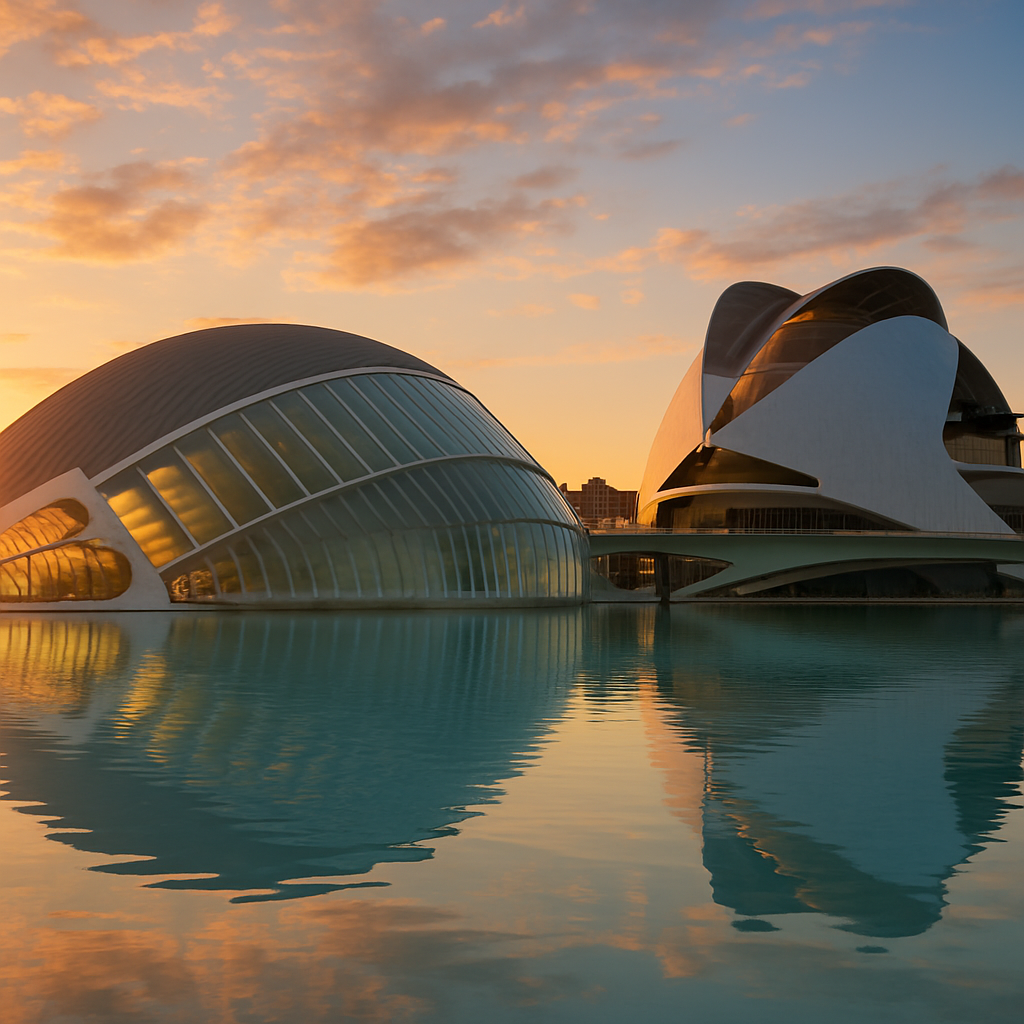
Walk Calatrava's White Bones at Golden Hour
The Ciudad de las Artes y las Ciencias stretched along the old Turia riverbed is Valencia's signature image for a reason — Calatrava and Candela's white architectural skeletons reflected in long pools of water, the Hemisfèric's eye opening into the dusk, the L'Oceanogràfic (the largest aquarium in Europe) glowing across the canal. Walk it about an hour before sunset. The light bounces off the white concrete and the reflecting pools throw it back up at the buildings, and for about twenty minutes the whole complex looks like it's floating.
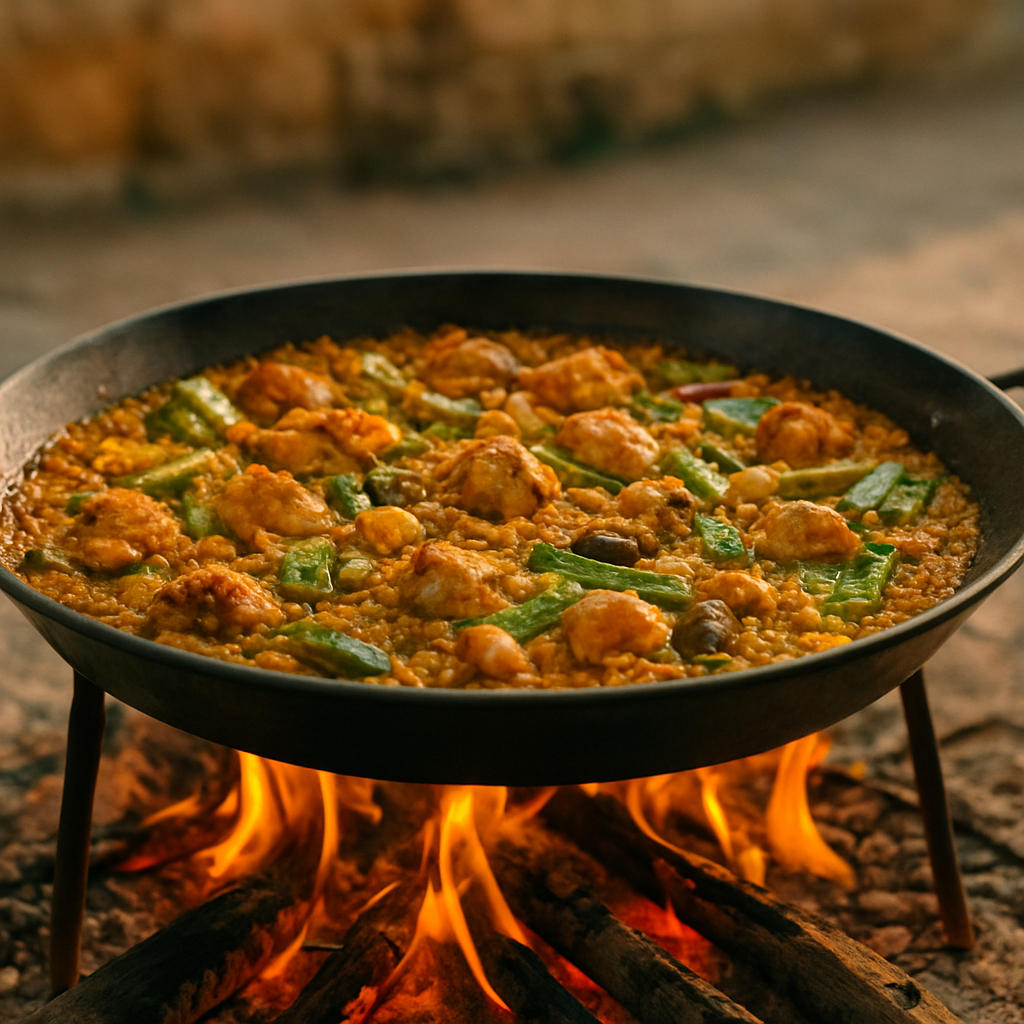
Paella Lunch on the Malvarrosa, Cooked Over Orange Wood
Real Valencian paella is a lunch dish, cooked over orange-wood fire, eaten on the beach. Casa Carmela, founded in 1922 and still run by the same family four generations in, is the platonic version — the rice with a proper socarrat crust on the bottom, the smoke from the wood ghosting through every grain. La Pepica next door has been pouring since 1898 and fed Hemingway. Either is right. Skip the dinner-paella restaurants in Plaza de la Reina entirely; locals will judge you silently and they'll be correct.
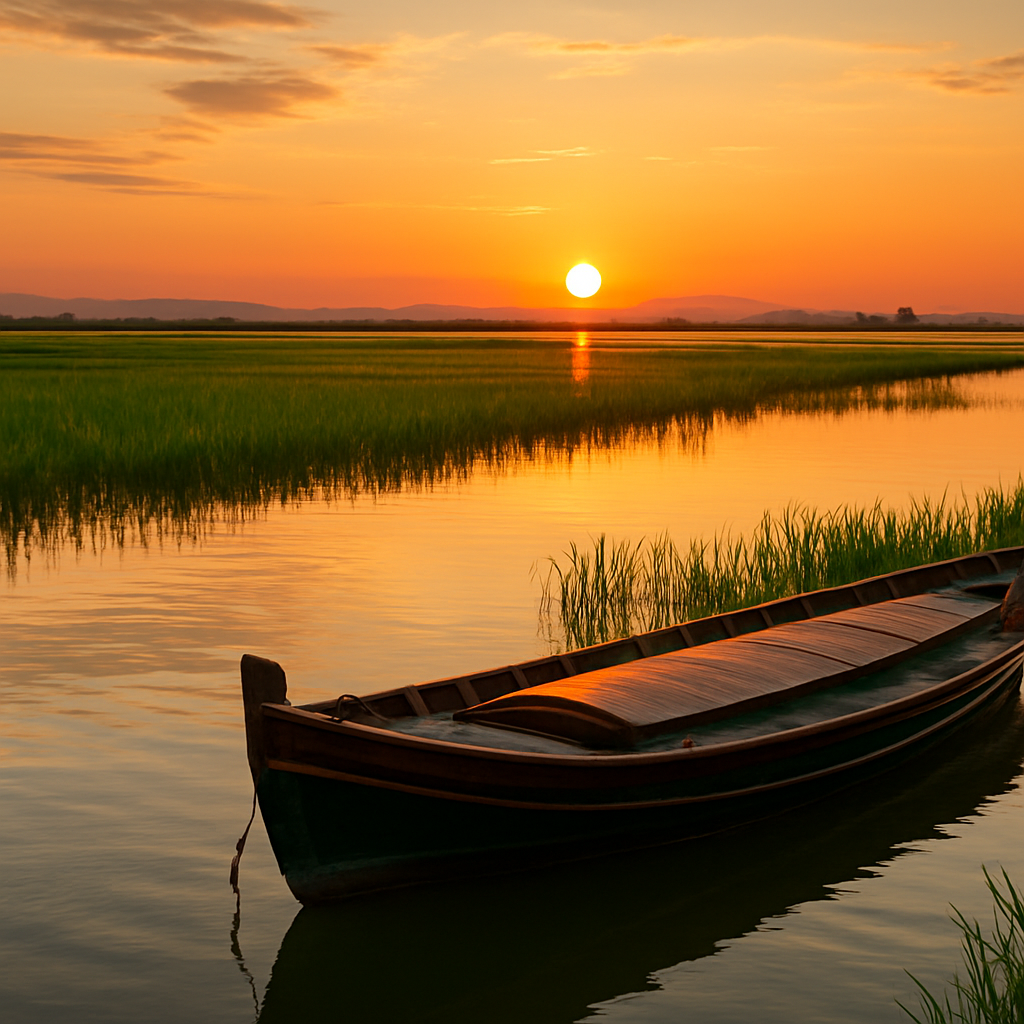
Sunset Barca Through the Albufera Rice Paddies
Ten kilometers south of the city, the Albufera natural park is a 21,000-hectare freshwater lagoon ringed by rice paddies and migratory bird habitat — and the literal birthplace of paella. Take a wooden barca tour from El Palmar village right at sunset, when the water turns copper and the egrets come back to roost. It's an hour from the old town by EMT bus and possibly the most under-rated half-day trip in Spain.
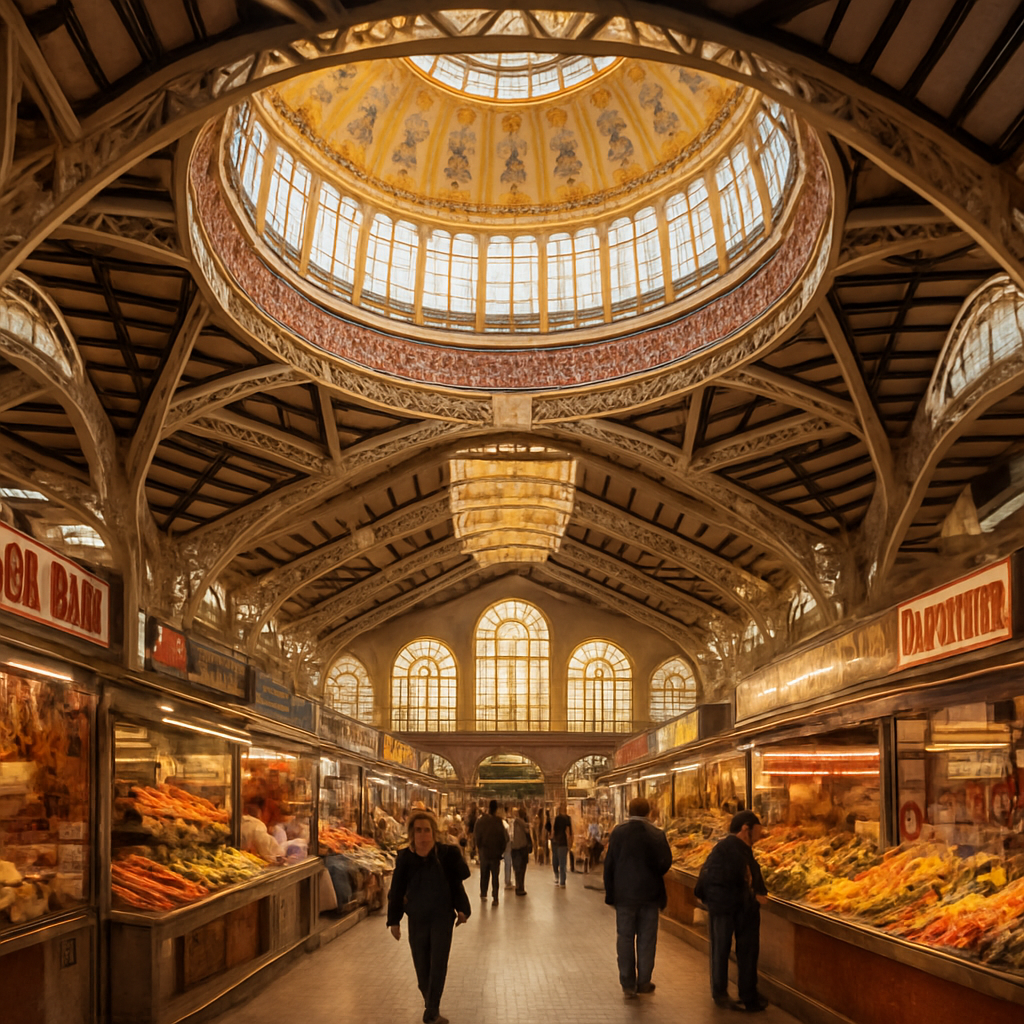
Mercado Central, Then Tapas at the Counter
The 1928 Mercado Central is one of the largest fresh markets in Europe — about 8,000 square meters of Valencian Art Nouveau architecture wrapped around 1,200 stalls of produce, hams, fish still wet from the morning. Walk it slowly. Then post up at the counter at Central Bar inside, Ricard Camarena's market-sourced bocadillo project, and order whatever the staff is eating. Across the square is the Llotja de la Seda, a UNESCO-listed Gothic silk exchange that's free and almost always empty.
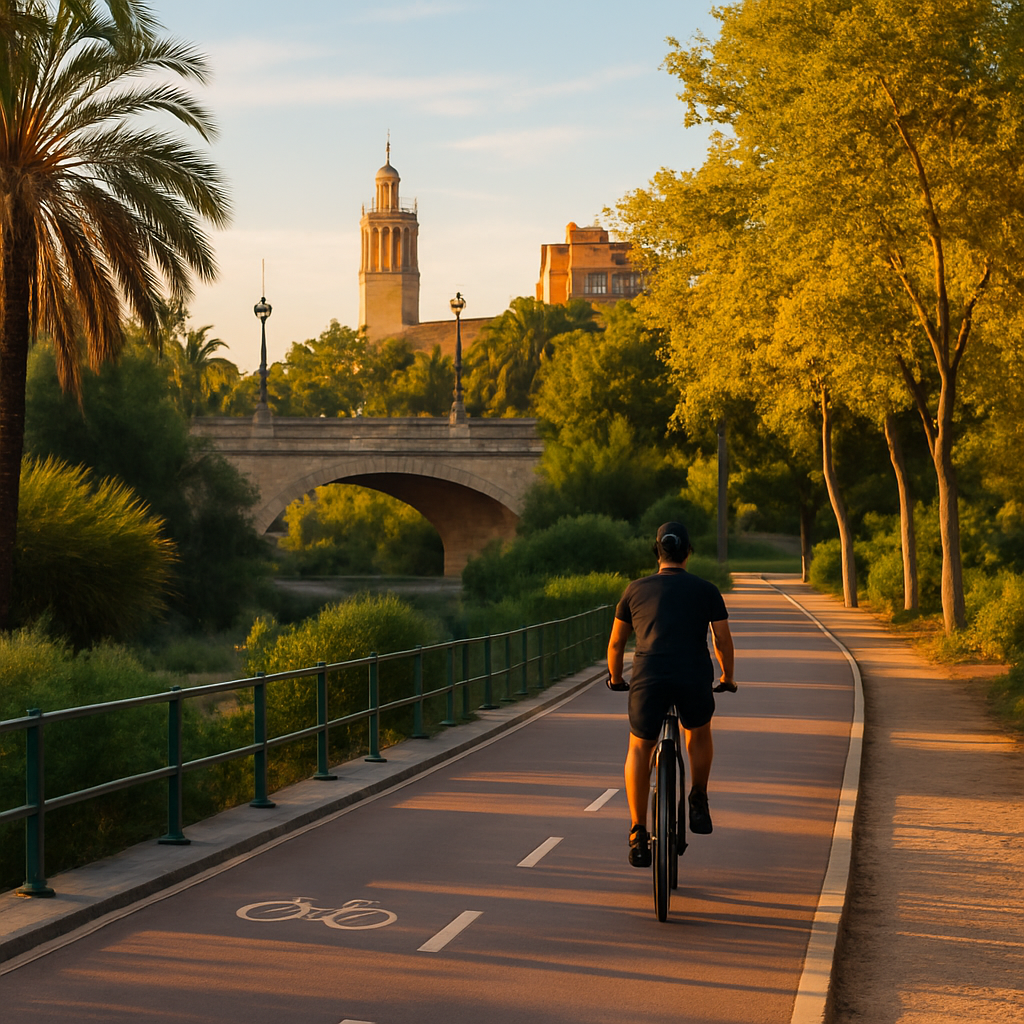
Bike the Turia Gardens, Old Town to Calatrava
After the 1957 flood, Valencia diverted the Turia river out of the city and turned the old riverbed into a nine-kilometer urban park — landscape design by Ricardo Bofill, one of the largest urban parks in Spain, completely free. Rent a Valenbisi for a couple of euros and ride it end to end: from the Cabecera park in the west, under a series of medieval and Modernista bridges, all the way to the white bones of the Ciudad de las Artes y las Ciencias. It's the single fastest way to understand the shape of this city.
The places I actually send people to
Advice that fits how you travel
Valencia might be the easiest solo trip in Spain, and I don't say that lightly. The city is walkable end to end, the Metro from Aeroport to old town runs €4.90, and a menú del día at lunch will feed you properly for €13–€18 — which means a moderate solo budget of €140–€200 a day buys you actual quality, not survival mode. The terrace culture is the killer feature: terraceo in Plaza del Negrito or anywhere along the Ruzafa grid is a national pastime, and sitting alone with a vermut at 6pm reads as confidence, not loneliness. Post up at the counter at Bar Cremaet for weekend brunch or Central Bar inside the Mercado Central for lunch and you'll fall into conversation without trying.
The scene is meetable without being overwhelming. Trapezzio in Extramurs is the warm-up; Deseo 54 on Calle Pepita is where the night actually goes — Thursday through Saturday, two floors, the smoking terrace is where everyone actually flirts. MUV in the old town runs drag and themed nights mid-week, which is the right call when the bigger clubs are quiet. Apps work fine and the local crowd is genuinely friendly to visitors, but pro tip: if you're using Grindr around the train station, double-check the meet location — there have been a handful of documented robbery setups targeting tourists in that specific zone over the past couple of years. Meet in a bar in El Carmen first, like any sensible adult.
For where to base yourself: Hotel Valencia Flats Catedral from €110/night puts you behind the Cathedral and inside the Barrio del Carmen nightlife corridor, which means you can walk home from a gay bar in under five minutes. Solo travelers who want the beach instead should look at Hotel Balandret on the Paseo Neptuno. I gave Valencia a 9.2 on Chill, and as a solo traveler that number is what you actually feel — the city simply doesn't generate friction.
Valencia is one of the most genuinely easy cities in Europe for same-sex couples, and the data backs the feeling — I scored it a perfect 10.0 on Legal and a 9.2 on Chill because, as of 2026, marriage equality is settled law, joint adoption is recognized, and PDA in Ruzafa, El Carmen, the Eixample, and along the Malvarrosa beachfront is a complete non-event day or night. Plaza del Negrito at midnight, the length of Calle Caballeros after dark — hold hands, don't think about it. Hotel check-in for same-sex couples requesting one bed is handled without commentary at every property worth booking.
For the romantic anniversary trip, Palacio Vallier from €280/night is the move — 38 rooms inside a restored 19th-century noble palace on Plaça de Manises, original frescoes and stained glass, the kind of architecture that makes a weekend feel like a film you're starring in. Caro Hotel from €240/night runs a close second with Roman wall fragments built into the walls. For dinner, El Poblet (two Michelin stars under Quique Dacosta) handles same-sex tables with exactly the same warmth as any other, and Fierro in Ruzafa seats you at a single counter facing the open kitchen with one daily tasting menu — intimate by design.
The set-piece couples experiences write themselves. Walk the Ciudad de las Artes y las Ciencias about an hour before sunset, when the reflecting pools throw the light back up at Calatrava's white concrete and the whole complex looks like it's floating. Take the sunset barca through the Albufera rice paddies — ten kilometers south, copper light on the water, egrets coming back to roost. Order an Agua de Valencia at Café de las Horas in the baroque velvet-and-candelabra parlor near Plaza de la Reina; the 20€ jug will end you, in the best possible way.
Spain recognizes LGBTQ+ families about as fully as any country in the world, and Valencia operates with all of that backing. As of 2026, joint adoption is legal, both parents are recognized on birth certificates, and the 2023 Ley Trans covers minors 16+ for self-ID without medical gatekeeping. Chrysallis València supports families of trans minors and is a good resource if you're traveling with kids who'll need to navigate any local administration. School attitudes in Valencia generally lean progressive, and two-mom or two-dad families at the playground in Turia Gardens generate exactly the energy you'd hope for, which is none.
The kid-friendly infrastructure is genuinely excellent. L'Oceanogràfic at the Ciudad de las Artes y las Ciencias is the largest aquarium in Europe and will absorb a half-day on its own; the Museu de les Ciències next door handles older kids and rainy afternoons. The nine-kilometer Turia Gardens running through the diverted old riverbed is one of Spain's largest urban parks — playgrounds, the Gulliver play sculpture, and bike paths that connect the old town directly to the Calatrava complex. Rent a Valenbisi or a family cargo bike and ride it end to end. The Bioparc immersion zoo and the easy beach access at Malvarrosa round out the rotation.
Logistics are manageable. The Metro is stroller-friendly with elevators at every major station, restaurants serve early-evening kid menus by Spanish standards (around 8pm rather than the 10pm adult dinner), and the Westin Valencia in Pla del Real from €220/night is the family-suite anchor — Marriott Bonvoy property with a 100 score on the HRC Corporate Equality Index, internal Andalusian-style garden courtyard the kids will actually use. For self-catering with more space, Hotel Valencia Flats Catedral from €110/night gives you apartment-style units behind the Cathedral. Pro tip: bring everyone's passports for hotel check-ins, not just national IDs — Spanish hotels are stricter on documentation than most travelers expect, and that goes double for two-parent families with kids on different surnames.
What Valencia actually costs
Flights, visas, and the first 30 minutes
Airport: Valencia Airport (VLC), about 8 km west of the city center in Manises. It's a mid-sized hub with roughly 90 direct routes across Europe and a growing slate of seasonal long-hauls — not a fortress airport, which means immigration moves quickly.
Major routes: Direct service from London (~2h30m), Paris (~2h), Amsterdam (~2h45m), Rome (~2h), Berlin (~2h45m), and most major Spanish cities. Vueling, Ryanair, easyJet, Iberia, and KLM are the workhorses. From North America, you'll typically connect through Madrid, Barcelona, London, or Amsterdam — there are no direct transatlantic flights as of 2026.
Visa requirements (as of 2026): US, UK, Canadian, and Australian passport holders typically enter visa-free under the Schengen 90-in-180 rule, but ETIAS pre-authorization is required from 2026 — apply online before you fly, it's quick and inexpensive. EU citizens have full freedom of movement and need nothing beyond an ID. Always confirm the latest entry rules with your nearest Spanish consulate before booking, especially for stays over 90 days.
Airport to city: Metro Line 3 or 5 runs directly from the airport to the city center for €4.90, every 10–20 minutes, around 25 minutes door-to-door — the fastest and cheapest option, and the one I use every time. The Airport Bus 150 connects to Plaça de l'Ajuntament for €1.45 in roughly 45 minutes. Licensed taxis charge a fixed airport tariff of €20–25 (with night and weekend surcharges) and take 15–20 minutes. Cabify and Bolt operate 24/7 with designated pickup zones, generally €18–28.
Pro tip: if you're staying in Ruzafa, get off the Metro at Bailén rather than Xàtiva — it drops you closer to the neighborhood and saves you a ten-minute walk with luggage.
Traven's seasonal breakdown
The questions everyone asks
Is Valencia safe for same-sex couples to hold hands in public?
Do I need to speak Spanish or Valencià to get by?
When is Valencia Pride and is it worth planning a trip around?
How much should I budget per day?
Do I need a visa to visit Valencia?
Where should I stay if I want to be near the gay nightlife?
Is the tap water safe to drink?
Screenshot this before you go
So should you actually go?
Go. Valencia is the most underrated LGBTQ+ city in Spain — and quite possibly in Mediterranean Europe — and the 9.1 I gave it is, if anything, conservative. You get Barcelona's beach, Madrid's queer infrastructure at half the volume, and a food scene that punches well above its tourist reputation, all in a city you can walk end to end. Same-sex couples will have a complete non-event of a trip in the best possible way; solo travelers will fall into conversation at the first Ruzafa terrace; LGBTQ+ families will find the legal floor and the playground reality both fully sorted. Book April through June or September through October if you can, March if you want Fallas, and don't overthink it. This one earns the hype it doesn't even bother chasing.
Sources & Resources
Official links we reference when compiling this guide. Last verified 2026-05-03.