Stockholm didn't wait for permission to be queer-friendly — it got there first, got bored, and moved on to perfecting its cocktail scene.
The first thing you notice about Stockholm isn't the water, though there's water everywhere — fourteen islands connected by bridges, the Baltic glinting at you from directions you didn't expect. It's the light. In summer, the city refuses to go dark. At 10pm you're sitting on a blanket in Tantolunden park with a bottle of wine from Systembolaget and the sky is still a pale, stubborn gold, and everyone around you is doing exactly the same thing, and nobody is performing anything for anyone. That quality — of ease without performance — is the defining texture of queer Stockholm.
Södermalm isn't Stockholm's gay neighborhood in the way the Castro is San Francisco's. It's more that Södermalm is a neighborhood where queerness is entirely ambient. Nobody's cordoned off; you're just living beside Swedes who treat homophobia as a historical curiosity. The gender-neutral pronoun hen isn't a debate here — it's in the dictionary, in government documents, in the mouth of your server at Restaurang Pelikan as casually as salt on the table. I gave this city a 10.0 on Legal because there's literally nothing left to legislate. They finished.
And then there's Patricia — a gay nightclub on a permanently moored ship at Stadsgårdshamnen — which sounds like something you'd invent after too much akvavit but has been there since the late '80s, pitching slightly when the dance floor fills up on Sunday nights, which is both a structural fact and a metaphor I'm choosing not to explain. The crowd is packed, campy, mixed in age and energy, and very specifically Stockholm. Down in Gamla Stan, Torget has been quietly pouring drinks in a medieval side street since before some of its visitors were born. There's a reason my Traven-Dex sits at 9.1 here, and it's not because Sweden ticks boxes — it's because this city built something real and then had the Scandinavian restraint not to make a fuss about it.
Pro tip: QX magazine is still the community bible — the print edition shows up in most gay bars and at RFSL's office on Sveavägen, but qx.se has the real-time event calendar you need when you're trying to figure out which night is actually worth leaving your hotel for. Bookmark it before you land.
The stuff your travel guide buries on page 47
Legal framework: Sweden is about as far along the legal equality spectrum as a country can get. Same-sex marriage has been legal since 2009. Joint adoption rights are fully codified. Comprehensive anti-discrimination protections cover employment, housing, goods, and services — and the Discrimination Ombudsman (DO) has actual enforcement teeth. Gender identity law operates on self-identification as of 2025, removing the previous surgical requirement. Hate crimes against LGBTQ+ individuals carry enhanced penalties. Criminalization of homosexuality? Repealed in 1944. Sweden was decades ahead and kept going.
Cultural reality: The laws aren't aspirational here — they reflect where Swedish society genuinely sits. Gender-neutral language is normalized in institutions, not debated in them. Schoolteachers use hen, government documents use hen, and nobody in a Stockholm bar is going to interpret your pronoun preference as a political manifesto. You'll see Hbtq+ — the Swedish equivalent of LGBTQ+ — printed on organization signs, event listings, and public health materials across the city. Seeing it everywhere is jarring in the best way.
PDA comfort: In Södermalm, Gamla Stan, Östermalm, Kungsholmen, and Vasastan, same-sex couples holding hands or kissing draw no attention whatsoever. On public transport, same deal — PDA on the Tunnelbana is common and accepted citywide. In outer suburban commuter zones, the environment is generally safe with very occasional conservative attitudes in specific pockets, but legal protections remain robust throughout Sweden. In central Stockholm, you can functionally stop thinking about it.
Stockholm Pride lands late July into early August and the city commits fully — Tantolunden becomes Pride Park, the parade floods central Stockholm, and even Tunnelbana stations hang rainbow flags. Hotel Rival and Scandic Anglais sell out months in advance during Prideveckan, so plan accordingly. Stockholm Pride is one of Scandinavia's largest and EuroPride returns here in 2028.
One critical logistics note: Systembolaget — Sweden's state alcohol monopoly — closes at 6pm on weekdays, 3pm on Saturdays, and doesn't exist on Sundays. This has genuinely derailed the pregames of many confident tourists. The Götgatan location in Södermalm is your closest option before heading toward Mariatorget. Stock up Saturday afternoon or learn this lesson the Swedish way.
What it actually feels like on the ground
Holding hands: In Södermalm, Vasastan, Gamla Stan, Östermalm, and Kungsholmen, holding hands as a same-sex couple is genuinely unremarkable — PDA draws zero attention from anyone under 80. On public transport and in restaurants, same story. The outer suburbs and certain late-night transit hubs require standard big-city awareness, but the baseline throughout Stockholm is exceptionally high.
Hotel check-in: Stockholm hotels are uniformly professional about same-sex couples. Double beds are double beds — nobody blinks, nobody asks clarifying questions. Hotel Rival on Mariatorget and At Six in Norrmalm are both explicitly welcoming; the broader hotel market here treats it as completely standard.
Taxis and rideshare: Use metered Taxi Stockholm or the Bolt app and you won't have issues. Drivers in Stockholm are professional and regulated. Avoid unmarked taxis at Arlanda arrivals — they exist, they overcharge, and they're the only real taxi-related risk in the city.
Public spaces and parks: Tantolunden, Humlegården, and the Södermalm waterfront are queer-friendly spaces where same-sex couples are part of the landscape. Summer evenings in Tantolunden have an unofficial queer picnic culture that's one of the city's quieter pleasures. No safety concerns in daytime or early evening; after dark, standard awareness in any urban park applies.
Late night: The walk between Södermalm venues — Side Track, Råkultur, the bars around Medborgarplatsen — is safe and well-lit. Late-night transit is reliable; the T-bana runs extended hours on weekends. The standard advice applies: stay aware at major transit hubs after 1am, and if you're walking back from Patricia at Stadsgårdshamnen, stick to lit streets along the waterfront.
Trans travelers: Sweden's 2025 self-ID law is genuinely progressive and the cultural climate in Stockholm reflects it. Gender-neutral facilities are widely available in newer venues and public buildings. Some older public spaces retain binary signage but the direction of travel is clear. Hen is used naturally and unremarkably across institutions. Trans travelers consistently report Stockholm as welcoming.
Verbal harassment: Rare in central Stockholm. Not impossible — no city is immune — but the social norm here runs strongly against public bigotry and the legal framework backs it up. If you do experience any kind of trouble, RFSL Stockholm's office on Sveavägen offers legal support, counseling, and community referrals — staff are multilingual and have clearly heard everything.
Sexual health: For sexual health services, Venhälsan at Södersjukhuset is the gold standard — a specialist LGBTQ+ sexual health clinic with a strong community reputation and English-speaking staff. 1177.se can guide you to appointments and walk-in hours. Noaks Ark also provides HIV and sexual health support with a drop-in center in central Stockholm.
The queer geography
Södermalm
This is it — the gravitational center of queer Stockholm, and it has been for decades. The island's bohemian character precedes its queer reputation, but the two are now inseparable. Mariatorget square is the social nucleus: Hotel Rival anchors one end, and from there you radiate outward into the network of bars, cafés, and shops that define the scene. Side Track, Stockholm's most established gay bar since 1984, is a short walk south near Medborgarplatsen. Råkultur runs a more low-key, artsy operation nearby, particularly beloved by queer women and non-binary Stockholmers.
The SoFo district — short for 'South of Folkungagatan' — packs in queer-friendly cafés, vintage shops, and the kind of bars where nobody bats an eye, all within a few walkable blocks. The leather and kink ecosystem is a two-stop situation: Zipper is the shop where you actually buy gear, and Side Track is where you drink with the bear crowd — unpretentious, un-scene-y, and very much not trying to perform cool. SLM Stockholm — Scandinavian Leather Men — runs events for the fetish community. Fotografiska sits on Södermalm's eastern waterfront and regularly features LGBTQ+ exhibitions worth your time.
Hornstull, the westernmost tip of the island, is a relaxed, artsy enclave with a beloved weekend market and a community vibe that skews queer and creative. On summer evenings, Tantolunden park fills with blankets and Systembolaget wine and a low-stakes communal energy that no bar or club can manufacture. Exit at the Mariatorget T-bana stop — everything queer on Södermalm radiates from there.
Gamla Stan
Stockholm's medieval old-town island is mostly known for cobblestones and tourist shops, but Torget is hiding in plain sight — wedged into a side street off the main drag, it's one of Scandinavia's oldest gay bars still running, and the regulars have been coming since before some of its visitors were born. It's genuinely easy to miss if you're not looking. Gamla Stan itself is tourist-heavy but very relaxed for PDA; the atmosphere is warm and the narrow streets are beautiful at dusk.
Kungsholmen
Mälarpaviljongen is the summer essential nobody puts in the guidebooks — a floating outdoor bar on the water drawing a genuinely queer-leaning crowd on warm evenings. Arrive by 6pm or you're standing on the gangway watching other people enjoy your seat. Kungsholmen generally is residential, quiet, and very accepting — a good base if you prefer calm over scene.
Vasastan & Norrmalm
RFSL Stockholm's office sits on Sveavägen in Vasastan, functioning as a community hub with a café, bulletin board, and a live snapshot of Stockholm's queer scene beyond the bars. Kulturhuset Stadsteatern in Norrmalm regularly hosts queer cultural programming. These neighborhoods are young-professional territory — very accepting, well-connected by transit, and an easy base if you want proximity to both central Stockholm and the Södermalm scene.
The experiences worth rearranging your itinerary for

The Vasa Museum and Djurgården Island
A 17th-century warship that sank on its maiden voyage in 1628, sat on the harbour floor for 333 years, and was raised almost entirely intact — the Vasamuseet is one of those rare museums where even the cynics go quiet. The ship is genuinely massive and the purpose-built hall around it is architecturally dramatic on its own terms. After the museum, Djurgården island unfolds around you: Skansen open-air museum, waterfront walking paths, and a couple of honest-to-god good restaurants that don't trade on tourist proximity. Budget two to three hours for the Vasa alone.

Gamla Stan at Dusk
Stockholm's medieval old town is best experienced when the tour groups thin out — walk it around 7pm and the cobblestone streets narrow into something approaching intimate. Stortorget, the main square, goes from crowded postcard to atmospheric in about an hour. The ochre and terracotta facades hold evening light beautifully, and the alleys leading off the main streets are where the real character hides. Stop for a coffee or a glass of wine at one of the smaller side-street spots and let the island do what it's been doing for 700 years.
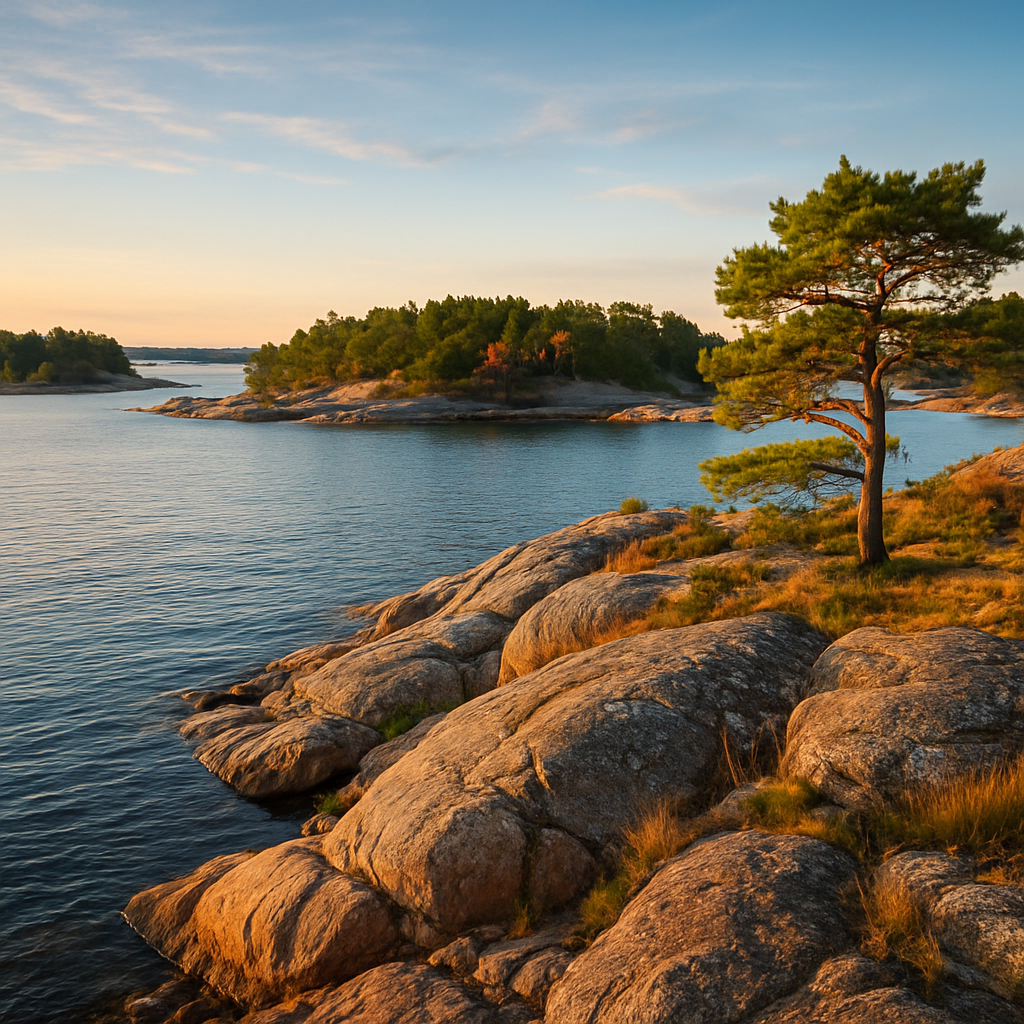
Archipelago Day Trip by Ferry
Stockholm sits at the edge of an archipelago with over 30,000 islands, and getting out to at least one of them is non-negotiable. Fjäderholmarna is the easiest — 25 minutes by ferry from central Stockholm, no car needed, and you're on a rocky island with a couple of restaurants and enough quiet to reset everything. For a longer day, boats to Vaxholm or Grinda run regularly and get you deeper into the chain. Pack lunch, bring a layer, and remember that the water is beautiful but the Baltic isn't warm.
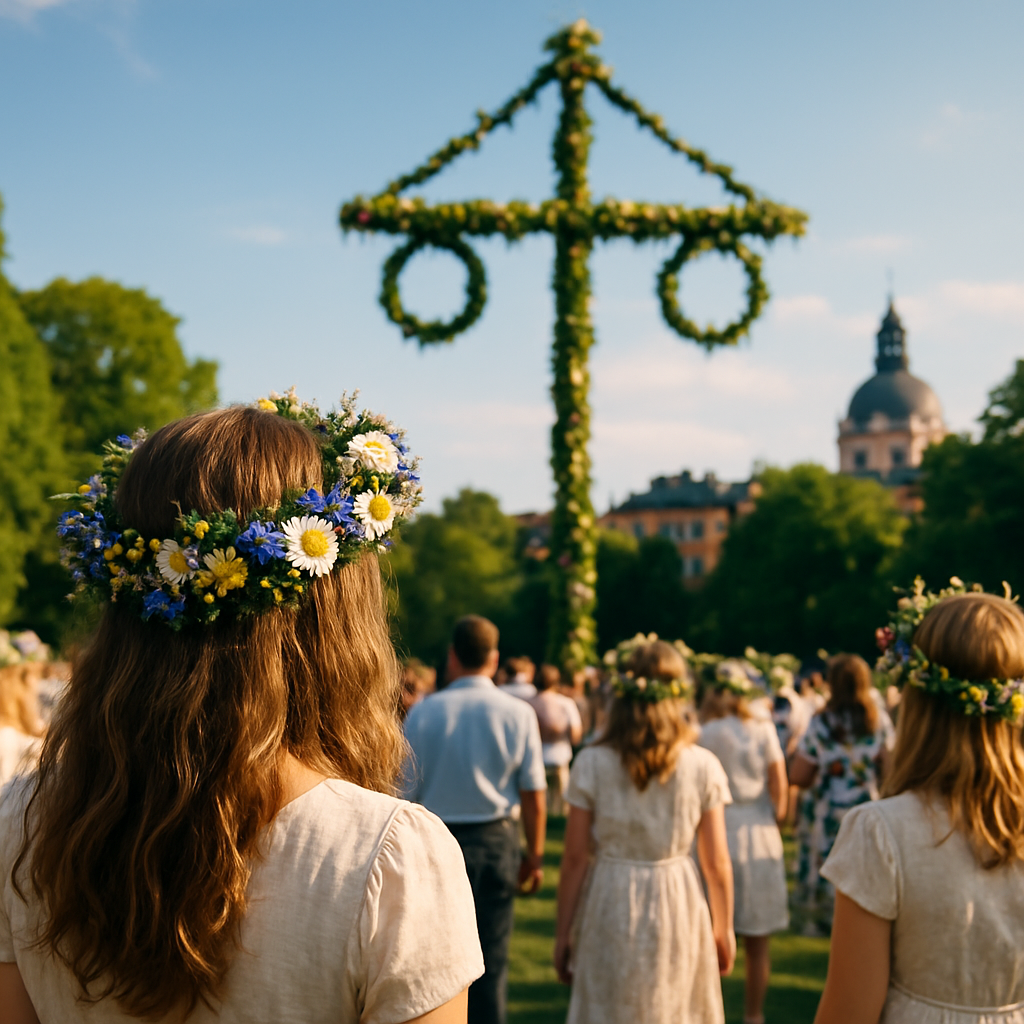
Midsommar Outside the City
If you're here in late June, Midsommar is the single most Swedish thing you can participate in — flower crowns, maypole dancing, pickled herring, strawberries, and akvavit consumed outdoors in near-endless daylight. Skansen on Djurgården runs a large public celebration, but the real experience is getting invited to a private gathering outside the city. Ask your hotel, ask at bars, be charmingly direct — Swedes warm up fast when Midsommar is involved. This is the holiday that breaks the Scandinavian reserve.

Fotografiska and the Södermalm Waterfront
The contemporary photography museum at Stadsgårdshamnen regularly punches above its weight — exhibitions rotate frequently and the quality is world-class. But the building itself, a converted customs house with a rooftop restaurant overlooking the harbour, is half the experience. After the exhibition, walk the waterfront south toward Södermalm's residential streets, where the views across the water to Djurgården open up and the tourist density drops to near zero. The rooftop restaurant is a serious kitchen, not an afterthought — eat there.
The places I actually send people to
Advice that fits how you travel
Stockholm is an exceptionally good solo city, and the reason is structural: Swedish social culture runs on fika — the sacred ritual of coffee and pastry — which means the city is built around spaces designed for sitting alone without anyone assuming something's wrong with you. Queer fika culture is real; several LGBTQ+ spaces lean into café service during the day, and RFSL Stockholm's café on Sveavägen functions as a genuine community drop-in where conversations happen organically. Stockholm social reserve is real but categorically not unfriendliness — nobody will approach you first at a bar, but make eye contact, say hej, and you're suddenly forty minutes into a conversation about Nordic housing policy with someone who turns out to know everyone in the room.
App culture here is healthy — Grindr and Scruff both have active user bases in central Stockholm, and the tone tends toward direct-but-polite, which is about as Swedish as it gets. Solo budget travelers can manage on 700–950 SEK per day using hostels, supermarket lunches, and the excellent SL transit network. Generator Stockholm in Vasastan has a social bar scene that makes it easy to meet people without engineering anything. For solo nightlife, Side Track is welcoming to anyone who walks in alone — the crowd spans ages and the bartenders have been making solo travelers feel at home since 1984.
Pro tip: Mälarpaviljongen on Kungsholmen's waterfront is the solo summer evening move — arrive by 6pm, grab a drink at the floating bar, and let the queer-leaning crowd and the late golden light handle the rest. For rainy days, Fotografiska is a museum that rewards solo attention, and the rooftop restaurant is a perfectly acceptable place to eat alone with a harbour view and no one asking who the second seat is for.
Stockholm is one of those cities where romance requires almost no effort — the city does the work. A late-afternoon walk across Gamla Stan's cobblestones into the golden hour light, a table at Punk Royale for a dinner that plays like performance art (budget ~1,200–1,800 SEK per person and commit fully), an evening drink at the Rival Hotel's bar on Mariatorget as the square fills up around you. Same-sex couples holding hands anywhere in the central city draws zero attention — less than zero, because nobody registers it as notable.
For the dinner that becomes a story you tell, Punk Royale is the reservation to chase. For something quieter and deeply Stockholm, Restaurang Pelikan delivers the kind of unhurried, candlelit husmanskost evening that doesn't photograph well but feels exactly right. The rooftop at At Six works for a pre-dinner cocktail if you're staying in Norrmalm; the Fotografiska rooftop works better if you want harbour views with your wine. Both are LGBTQ+-welcoming without making a production of it.
The archipelago is the couples move nobody tells you clearly enough: a summer boat trip out to the islands — Fjäderholmarna is 25 minutes by ferry and completely manageable — resets everything. Pack something from Systembolaget before you go (Saturday before 3pm; don't find out the hard way why this matters), find a rock with a sea view, and spend an afternoon doing nothing in particular. Stockholm will still be there when you get back.
Sweden uses the word regnbågsfamilj — 'rainbow family' — in ordinary, unselfconscious everyday speech, and that tells you most of what you need to know about how LGBTQ+ families land in Stockholm. Same-sex parents with children are legally recognized, socially unremarkable, and will find the city accommodating at every level. Both parents are recognized on children's documents under Swedish law, and the staff at every major family attraction here have not missed a beat in my experience.
The Vasamuseet is the non-negotiable stop — kids who are theoretically too cool for museums will stand in silence in front of a 17th-century warship and forget they were supposed to be bored. Junibacken, the Astrid Lindgren-themed museum on Djurgården, handles younger children brilliantly; the story train through Pippi Longstocking's world works on children and the adults who remember the books. Skansen, the open-air museum on the same island, adds historical Sweden plus live animals if you need to extend the afternoon.
Practically, Stockholm is a well-designed city to navigate with kids — the Tunnelbana has elevators at major stations, strollers are treated as a normal part of public transit, and restaurants across Södermalm and Östermalm almost universally offer children's menus. Budget a moderate family day at around 4,200–5,800 SEK total, which covers accommodation, museum entries at the Vasamuseet and one other, and a sit-down dinner without having to negotiate anything. The RFSL Stockholm office is also a resource if you need any family-specific legal or community guidance while you're here.
What Stockholm actually costs
Flights, visas, and the first 30 minutes
Airport: Stockholm Arlanda Airport (ARN) is Sweden's primary international hub, connecting to 180+ cities worldwide. It sits roughly 40 km north of the city centre.
Major routes: London Heathrow (2h 30m) · New York JFK (8h 45m) · Amsterdam (1h 55m) · Dubai (6h 30m) · Toronto (9h 10m) · Sydney via hub (22h+).
Visas: US, Canadian, and Australian passport holders enter visa-free — standard 90-day Schengen rules apply. Australian travelers should note that ETIAS authorization will be required from late 2025; factor this into your planning. UK passport holders enter visa-free post-Brexit, also subject to the 90-day Schengen cap. EU citizens travel on national ID cards with freedom of movement.
Arlanda Express train — ~320 SEK one-way, 18 minutes to Stockholm Central. The fastest option by a significant margin; trains depart every 15 minutes. Worth every krona if you're arriving same-day as check-in.
SL Pendeltåg commuter train — ~160 SEK (including zone supplement), 38–45 minutes. Budget-friendly and uses the same SL transit card as the rest of the city network — a good call if you're already buying a multi-day pass.
Flybussarna coach — ~119 SEK one-way, 45–60 minutes. Multiple city-centre stops and online booking discounts available. The slowest option, but the cheapest if you're not on a schedule.
Taxi / rideshare — 600–750 SEK fixed fare, 30–50 minutes depending on traffic. Use metered Taxi Stockholm or the Bolt app. Avoid unmarked taxis at the arrivals hall — they exist, they overcharge, and the sanctioned options are right there.
Traven's seasonal breakdown
The questions everyone asks
Is Stockholm safe for LGBTQ+ travelers?
Do I need to speak Swedish?
How expensive is Stockholm really?
Where's the main gay area?
Can I buy alcohol easily?
When is Stockholm Pride?
How do I get from Arlanda Airport to the city?
Screenshot this before you go
So should you actually go?
Stockholm is one of the most naturally welcoming cities in the world for LGBTQ+ travelers, and it achieves this without fanfare, without performance, and without asking for credit. My Traven-Dex of 9.1 reflects a destination where the legal framework is complete, the cultural acceptance is genuine and ambient rather than curated, the scene is concentrated enough to find easily and diverse enough to surprise you, and the city itself — fourteen islands, water everywhere, that impossible summer light — is a genuinely beautiful place to spend your time and money. It's expensive, the winter is dark, and Swedish social reserve takes a beat to crack. I don't care. Go.
Sources & Resources
Official links we reference when compiling this guide. Last verified 2026-03-06.
- RFSL – Swedish Federation for LGBTQ+ Rights
- RFSL Stockholm – Local Stockholm Chapter
- RFSL Ungdom – National LGBTQ+ Youth Organization
- Stockholm Pride – Official Festival Organization
- QX – Sweden's LGBTQ+ Magazine and Event Listings
- 1177 Vårdguiden – Swedish Healthcare Portal (Sexual Health)
- Diskrimineringsombudsmannen (DO) – Discrimination Ombudsman
- Folkhälsomyndigheten – Public Health Authority LGBTQ+ Resources
- Noaks Ark – HIV and Sexual Health NGO, Stockholm
- Posithiva Gruppen – Support Organization for People Living with HIV
- Stockholm Stad – City of Stockholm Official Portal