
Zurich is what happens when a city decides to be impeccable at everything, including letting you be exactly who you are.
Zurich is the city that proves you don't need chaos to have soul. Everything here works — the trains, the laws, the social contract — and somehow it never feels sterile. You'll step off the S-Bahn at Zürich HB and within twenty minutes you're sitting on the Limmat with a glass of Graubünden Pinot Noir, watching the light hit the Grossmünster towers, and wondering why you ever thought Swiss precision meant Swiss boring. There's a reason my Traven-Dex sits at 9.1 for this city: it earns that number quietly, consistently, without ever needing to shout about it.
The scene here splits across two distinct worlds, and both are worth your time. Niederdorf, the medieval old town quarter on the Limmat's right bank, has been Zurich's gay village since the 1970s — Cranberry Bar on Metzgergasse has been pouring drinks since the '80s, and Barfüsser around the corner on Spitalgasse is the kind of place where you'll end up in a two-hour conversation with a local architect who insists on buying you a Feldschlösschen. Then there's Zürich West and the Langstrasse corridor — grittier, younger, more industrial — where Bogen F sits tucked under the railway viaduct arches and Club Zukunft programs queer nights that pull a mixed, electronic-leaning crowd. It's not Berlin-sized, but it's real, and it has range.
What gets me about Zurich is the layer underneath the nightlife. Sit at Café Odeon near Bellevueplatz — Art Nouveau interior unchanged since 1911, the same room where Joyce and Lenin used to argue — and you're drinking coffee in a city that has treated its weirdos and outsiders with a certain Swiss respect for a very long time. Café Zähringer in Niederdorf has been a collectively run queer and feminist gathering space since 1981. HAZ, one of Switzerland's oldest LGBTQ+ organizations, was founded here in 1972. This isn't a city that discovered gay people last Tuesday. The infrastructure is deep, institutional, and genuinely community-built.
And then there's the rest of it — the part that has nothing to do with being gay and everything to do with being alive. You'll swim in the lake in August during Street Parade, eat a CHF 19 plate at Zeughauskeller inside a building from 1487, take a 45-minute train to Lucerne and stare at the Alps until your brain goes quiet. Switzerland is expensive — I won't pretend otherwise — but Zurich delivers a quality of life, even for a week, that justifies every franc. I gave it a 9.0 on Destination because the city itself is extraordinary, and the fact that you can experience all of it as an openly gay person without a single sideways glance is what pushes the overall number where it belongs.
The stuff your travel guide buries on page 47
The legal picture is as good as it gets. Switzerland legalized same-sex marriage by popular referendum in September 2021 — not a court ruling, not a parliamentary technicality, but 64% of Swiss voters actively choosing equality at the ballot box. That result tells you more about the ground-level reality than any legal summary I can write. Marriage, joint adoption, anti-discrimination protections covering sexual orientation and gender identity, and self-ID gender recognition (introduced 2022, no medical requirements) — it's the full package. My Legal score of 10.0 isn't symbolic; it's earned.
Anti-discrimination law explicitly covers sexual orientation in employment, services, and public life. Gender identity protections are robust under the self-ID framework administered through TGNS – Transgender Network Switzerland. The Swiss Federal Commission against Racism (EKR) provides additional anti-discrimination resources. There is zero criminalization of any kind — not now, not recently, not in living memory.
Cultural reality: Zurich is secular, wealthy, educated, and quietly progressive. Queer life is normalized to a degree that can feel almost anticlimactic if you're arriving from a city where visibility is still an act of defiance. Same-sex couples walk the lakefront, sit in restaurants, check into hotels together — none of it registers as unusual because, frankly, it isn't. The Swiss aren't performatively enthusiastic about it; they just genuinely don't care who you're with, which is arguably better.
PDA comfort: Holding hands, an arm around a shoulder, a kiss — you're fine citywide. Langstrasse and Kreis 4 are the most visibly queer-comfortable, but the Old Town, the lakefront promenade, and the Hauptbahnhof area are all completely relaxed. In outer residential neighborhoods like Schwamendingen or Altstetten, the vibe is more suburban-conservative — PDA is less common in general, not specifically unwelcome for queer couples, but mild discretion is reasonable. Incidents are extremely rare.
Pro tip: Everything in Zurich closes earlier than you expect — even on weekends. Eat a proper dinner by 8pm and save Langstrasse for after. Showing up hungry at 10pm expecting a full sit-down meal is a mistake you'll only make once in this city. And save Checkpoint Zurich's address before you arrive — it's the city's main LGBTQ+ sexual health clinic on Sihlquai, offering rapid HIV testing, PrEP consultations, and STI screening with English-speaking staff and zero judgment.
What it actually feels like on the ground
Holding hands: Completely fine anywhere you'd actually want to be. The lakefront, the Old Town, Kreis 4, the train station — I've walked hand-in-hand along the Limmat promenade at midnight without a second thought, which is a feeling worth paying slightly too much for a hotel to experience. In outer suburbs, PDA is less common in general but same-sex couples aren't singled out.
Hotel check-in: Zero issues. Whether it's the easyHotel on Langstrasse or the Park Hyatt on Paradeplatz, double beds for same-sex couples are standard. Switzerland doesn't do awkward front-desk energy about this. At the higher-end properties, the discretion is professional in the best possible sense — they couldn't care less and it shows.
Taxis and ride-shares: Uber operates in Zurich and is reliable. Traditional taxis are professional and regulated. I've never heard a credible report of a driver in Zurich being hostile to a same-sex couple. Late-night pickups on Langstrasse are routine — drivers know what neighborhood they're serving.
Beaches and public spaces: The Badis (outdoor swimming spots) along Zürisee and the Limmat are popular with everyone, and the queer community has long congregated at spots like Seebad Enge. Same-sex couples sunbathing, swimming, picnicking — it's all completely normal. The lake promenade toward Bürkliplatz is one of Europe's most relaxed public spaces for queer visibility.
Late night: The Langstrasse strip gets rowdy on late weekend nights with a boisterous mixed crowd, but incidents targeting queer people specifically are rare — Kreis 4 is one of the most consistently well-patrolled areas of the city precisely because the authorities understand what they're protecting there. Standard street-smart precautions apply: watch your phone, don't flash cash unnecessarily, stick to lit streets. The 7x7 Taxi service is faster and more reliable than night buses when you're leaving Langstrasse at 3am.
Trans travelers: Switzerland's 2022 self-ID law means legal gender marker changes require no medical documentation, placing Zurich among the most trans-progressive cities in continental Europe. Modern venues increasingly offer gender-neutral facilities. Service staff are generally respectful. TGNS (Transgender Network Switzerland) is the first-line resource for trans-specific support and community connection.
Verbal harassment: Rare. Not impossible — no city is — but the Swiss cultural default is to mind your own business, and that works heavily in your favor. Alcohol-fueled weekend crowds on Langstrasse are the most likely context for anything unpleasant, and even there, it's unusual.
If something goes wrong: Call 117 (Swiss police emergency) without hesitation. Switzerland has anti-discrimination protections explicitly covering sexual orientation and gender identity, and Zurich's city police are generally considered queer-competent by European standards. HAZ can provide community support and advocacy.
The queer geography
Kreis 4 — Langstrasse
This is the center of gravity. Langstrasse is Zurich's most unapologetically hedonistic street — bars, clubs, kebab shops, and queer life coexist at every hour. The gay scene runs through here like a vein, anchored by Cranberry Club and spilling into the surrounding blocks around Helvetiaplatz, which functions as the unofficial pre-game meeting point before a proper Langstrasse night begins. The Kasernenareal, a sprawling former military barracks complex at the neighborhood's edge, hosts Zurich Pride and large-scale queer community events. This isn't a segregated gay village — it's Zurich's coolest district that happens to be where the queer bars landed, and the mix of audiences is part of what makes it work. Eat at one of the no-frills Beizen on the surrounding streets — they're far more welcoming than their exteriors suggest.
Niederdorf — Old Town East Bank
Cobblestoned, historic, and home to several of Zurich's most established gay bars. Barfüsser and the bars along Mühlegasse have been queer landmarks for decades. The energy is more intimate and relaxed than Langstrasse — this is where you go for a proper drink and conversation rather than a 2am dance floor. Heaven Bar adds another layer nearby. The Old Town setting gives it all a different texture: you're drinking in buildings that are centuries old, on streets narrow enough to hear the conversation from the bar across the way.
Kreis 5 — Zürich West
Adjacent to Kreis 4, this post-industrial district has reinvented itself as Zurich's arts and creative hub. The queer crowd here tends toward the artsy, gender-fluid contingent that doesn't need explicit rainbow signage to feel entirely at home. Zukunft Club and Frau Gerolds Garten (an outdoor restaurant-bar built from shipping containers) are the anchor points. This is also where the 25hours Hotel sits, making it a natural base for travelers who want proximity to the scene without being directly on Langstrasse.
Also Worth Knowing
The Zürisee lakefront promenade from Bürkliplatz southward becomes a recognizable queer social space on warm evenings — especially after the bars close early (this is Switzerland, remember). In summer, skip the bar hunt on Saturday afternoon and head straight to Seebad Enge on the lake — the queer community congregates along the water with an effortless cool that will make you want to cancel your return flight and start learning Swiss German.
For community connections that go deeper than bar culture: HAZ runs regular community evenings, discussion groups, and social events — check their site if you're in town for more than a long weekend. Lambda Zürich does the equivalent for the under-35 crowd and is a genuine entry point for queer newcomers.
The experiences worth rearranging your itinerary for
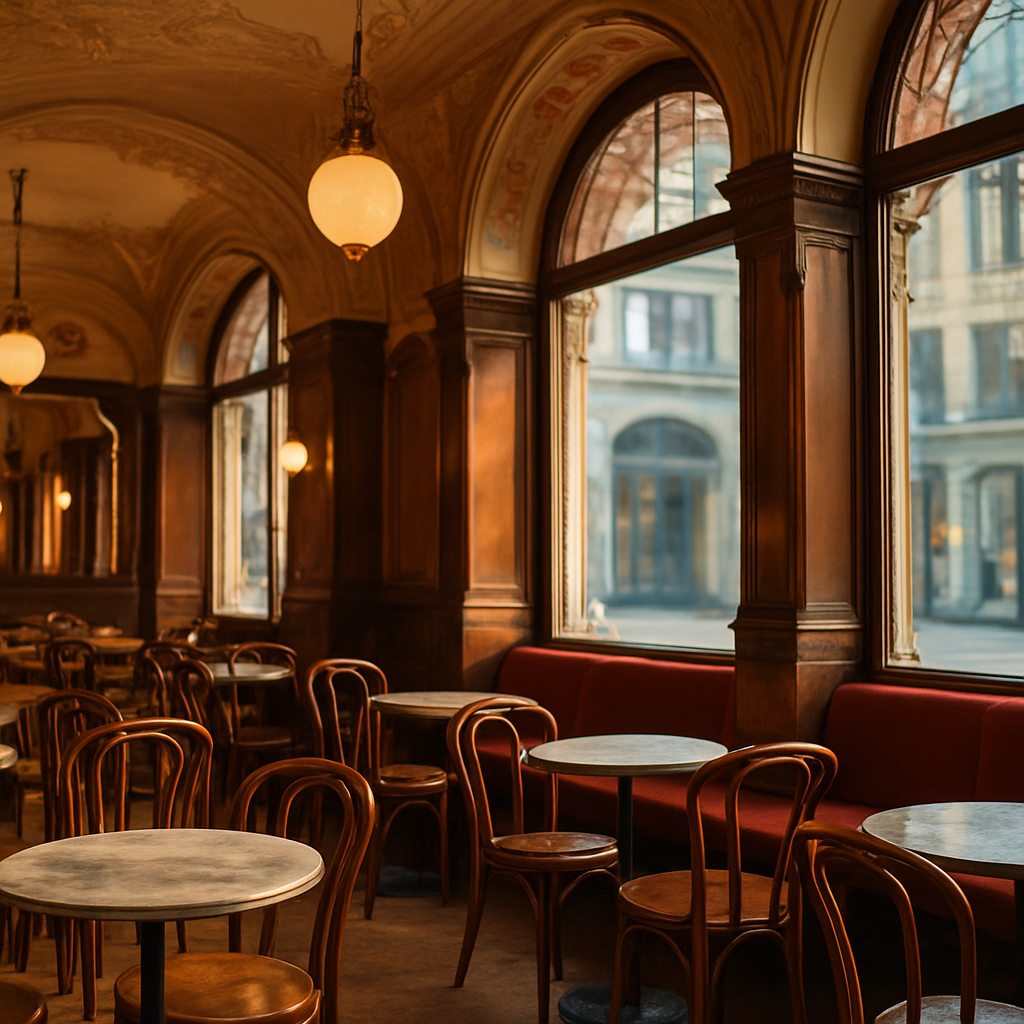
Café Odeon at Bellevueplatz
Café Odeon is not a gay bar — it's something better: a historic queer institution where artists, dissidents, and LGBTQ+ intellectuals have gathered since 1911. Lenin drank here. So did Thomas Mann. The Art Nouveau interior hasn't changed in the ways that matter, and neither has the feeling of sitting in a room with that kind of history. Order a Verlängerter (an elongated espresso, the local caffeine of choice), look up at the ceiling, and sit with the weight of it. It's the most important coffee you'll drink in Switzerland.
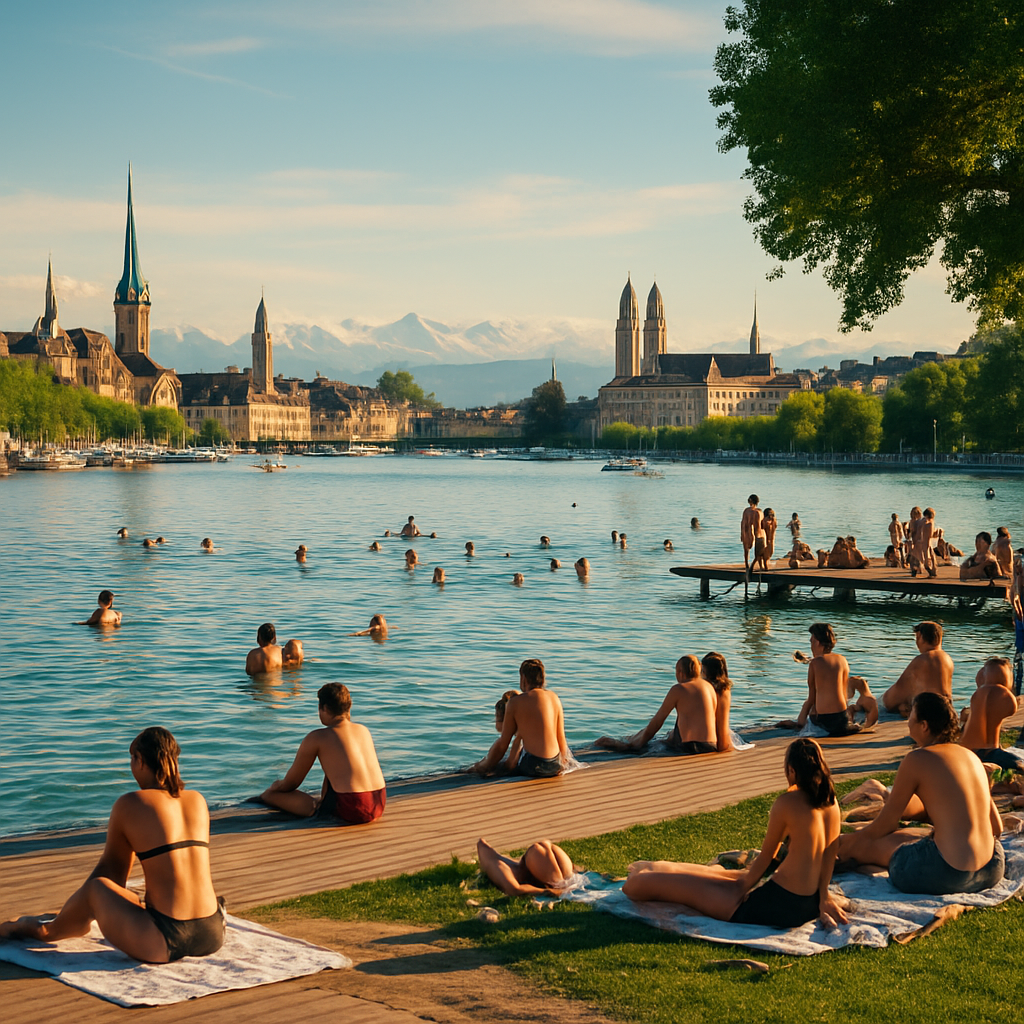
Swim the Limmat and the Lake
Zurich's Badi culture is sacred. When the temperature climbs, the city migrates to its outdoor swimming spots along the Limmat river and Zürisee with a devotion that borders on religious. Seebad Enge is a standout — a floating wooden pool on the lake where you swim in water clean enough to drink, then dry off on the deck with half the city. Frauenbadi and Männerbadi (women's and men's bathing facilities, respectively) are historic institutions. Bring a towel, a book, and absolutely no agenda. This is Zurich at its most effortlessly beautiful.
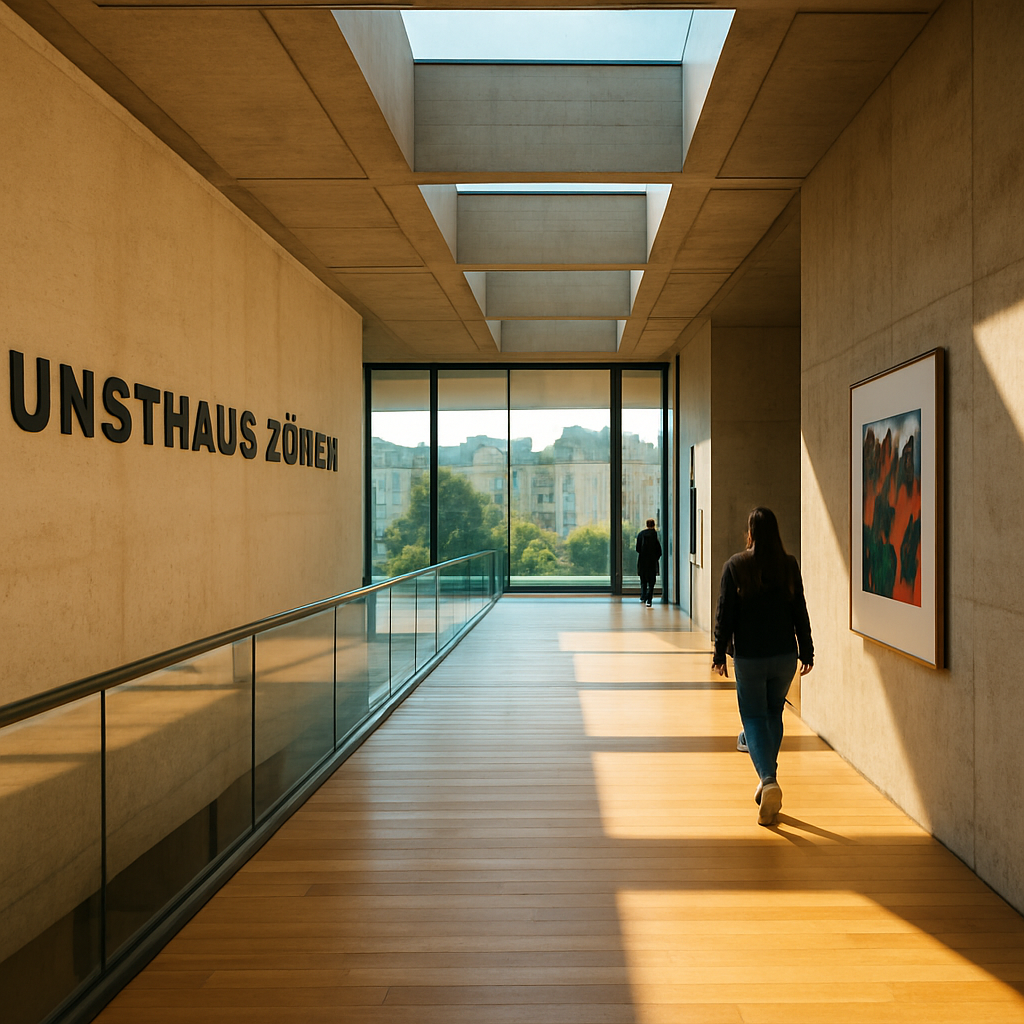
Kunsthaus Zürich
Switzerland's largest art museum earned its reputation honestly — the collection runs from medieval works through Giacometti, Munch, and Monet to seriously good contemporary programming. The expanded 2021 wing by David Chipperfield is worth the visit on architecture alone: clean, light-filled, and designed to make the art feel like it's breathing. Budget at least three hours. The permanent collection is strong enough that you don't need a blockbuster temporary show to justify the CHF 23 entry, though the temporary exhibitions consistently deliver.
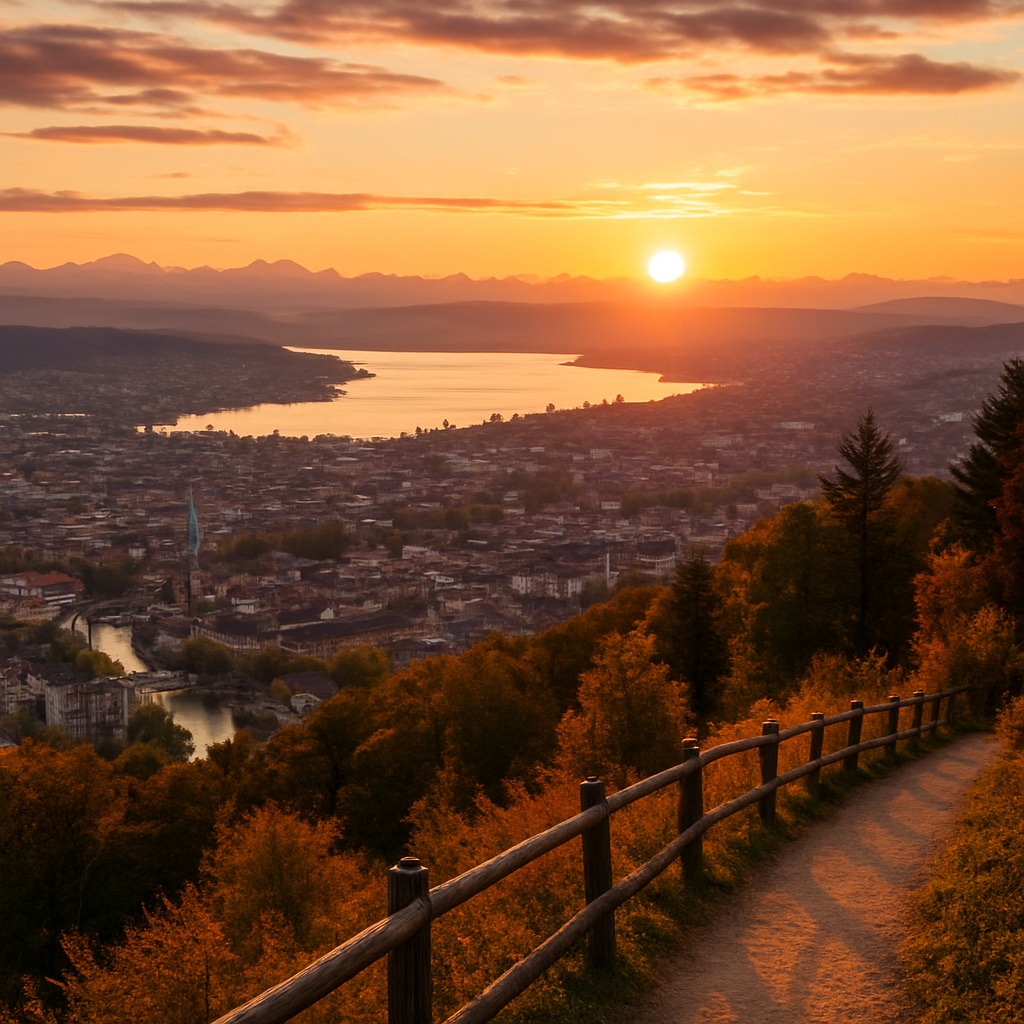
Uetliberg at Sunset
Take the S10 train twenty minutes from Hauptbahnhof and you're standing on Zurich's house mountain with the entire city, the lake, and the Alps laid out below you. The hike from the station to the summit takes about ten minutes and the payoff is absurd — on a clear evening, the view stretches from the Jura to the Bernese Oberland. Time it for sunset, bring a jacket (it's always cooler up top), and understand why the Swiss think everything they do is justified by geography. They might be right.
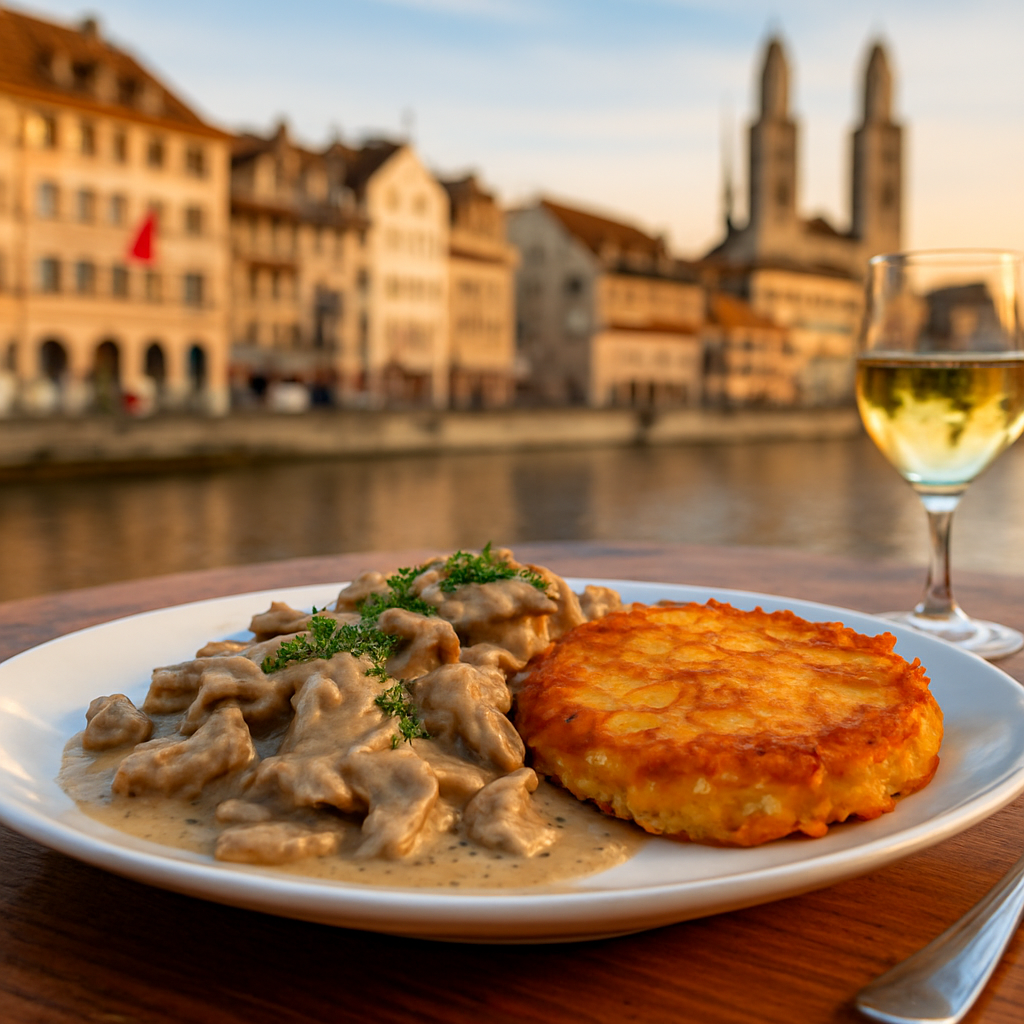
Zürcher Geschnetzeltes at a Kreis 4 Beiz
You cannot leave Zurich without eating Zürcher Geschnetzeltes — sliced veal in a white wine cream sauce, served with Rösti (the crispy shredded potato cake that Switzerland contributed to world cuisine). Skip the tourist restaurants near the lake and find a proper Beiz in the side streets of Kreis 4 or Niederdorf. The dish is deeply restorative at 1am after a long Langstrasse night, and equally good at a civilized 7pm. Pair it with a local beer — Feldschlösschen or a Zurich craft pour — and let the cream sauce do its work.
The places I actually send people to
Advice that fits how you travel
Zurich is one of the easiest cities in Europe to travel solo, and the queer scene is no exception. The Swiss might not tackle-hug you at the bar, but the reserve dissolves quickly — especially on Langstrasse after 11pm, where the mix of locals and international visitors creates a low-pressure social atmosphere. Apps are active here (Grindr and Scruff both have strong user bases), but the real advantage of solo travel in Zurich is how walkable and safe the city is. You can wander from Kreis 4 to the Old Town to the lakefront at midnight without a single moment of worry, which is a luxury not every city offers.
Budget solo travel is possible — emphasis on possible, not cheap. The easyHotel in Kreis 4 at CHF 65/night is a genuine find for this city. Pre-gaming at a Migros or Coop supermarket before heading out is standard practice — every local does it, and it'll save you CHF 40 on a night out. The ZVV day pass covers all trams, buses, and trains within city zones, so transport won't kill you. Focus your spending on one great meal and the rest can be kebabs, market picnics, and supermarket runs without shame.
Barfüsser in the Old Town is the easiest solo entry point — it's a classic pub with a mixed-age crowd that's naturally conversational. Cranberry Club is livelier and works well once you've found your footing. For daytime solo exploring, the Kunsthaus Zürich is a three-hour art museum that rewards slow wandering, and the train up to Uetliberg gives you one of the best solo viewpoints in the country. If you're here for more than a few days, Lambda Zürich runs social events for the under-35 crowd that are genuinely welcoming to newcomers and visitors.
Zurich does romance the same way it does everything — with precision and serious style. The Zürisee promenade from Bürkliplatz toward Enge is one of Europe's genuinely great evening walks: calm water, mountain silhouettes on a clear day, and a relaxed atmosphere where same-sex couples stroll without anyone blinking. Follow it with dinner at Clouds Kitchen & Bar on the 35th floor of Prime Tower, and you've constructed a near-perfect Zurich date night without really trying.
For PDA, you're operating with essentially zero restrictions anywhere you'd actually want to be. Kreis 4, the Old Town, the lakefront — holding hands, a kiss, leaning into each other at a café table — none of it registers as anything other than two people enjoying Zurich. If you're staying at the Park Hyatt, the spa is exceptional for couples and the service is flawlessly discreet in the best possible sense. For a more intimate, design-forward option, the 25hours Hotel Zürich West puts you right in the creative neighborhood energy with a rooftop bar that's ideal for a nightcap before walking back to the action.
The day trip to Lucerne deserves serious consideration for couples — book a morning train, cross the Chapel Bridge before the tour groups arrive, take a boat across the lake, and you'll have built a memory that renders every other travel day mildly disappointing by comparison. Pro tip: book dinner reservations in Zurich before you leave — good restaurants fill up earlier than you'd expect, and showing up hungry at 10pm without a reservation is not the romantic ending anyone was planning.
Switzerland's legal framework for LGBTQ+ families is as solid as it gets on the continent — same-sex marriage has been law since 2022, adoption rights are fully recognized, and the self-ID gender recognition introduced the same year means trans parents face no bureaucratic hostility. In practical terms, Zurich is one of the most family-normalized cities in Europe; two mums or two dads at a restaurant, a museum, or a hotel check-in draw no reaction whatsoever. The Regenbogenfamilien network maintains active community resources if you want to connect with local rainbow families during your stay.
The city is genuinely excellent for kids independent of any LGBTQ+ considerations. The Zurich Zoo is world-class and stroller-friendly. The Swiss National Museum next to the Hauptbahnhof keeps children engaged better than most history institutions have any right to. The Limmat riverbank and lake promenades are easy, flat, and endlessly walkable. On the transport side, children under 6 travel free on all ZVV public transit, and children under 16 travel free with a Junior Card — worth buying if you're here for more than two days and plan to move around. Trams are spacious enough for strollers and the network covers almost everywhere you'll want to go.
Budget reality for families is significant in Zurich — this is not a cheap city and there's no point pretending otherwise. The good news: supermarkets like Migros and Coop are everywhere, picnics along the lake cost almost nothing, and many of the city's best experiences (the lake promenades, the old town, the river swimming spots in summer) are completely free. The Badi culture — outdoor lakeside and riverside swimming spots — is a summer institution that kids love and costs very little. Plan meals strategically, lean into the outdoor culture, and Zurich becomes significantly more manageable on a family budget.
What Zurich actually costs
Flights, visas, and the first 30 minutes
Airport: Zurich Airport (ZRH — Flughafen Zürich) is one of Europe's best-connected hubs, with direct flights from 180+ cities worldwide. It sits about 13 km north of the city center and is absurdly easy to leave.
From New York (JFK): ~9h direct. London (LHR): ~2h. Paris (CDG): ~1h 20m. Dubai (DXB): ~6h 30m. Toronto (YYZ): ~9h 30m. Singapore (SIN): ~13h. Sydney (SYD): ~22h with stopover.
Train (S-Bahn/ICE) — Recommended: The fastest and most civilized option. Direct trains run to Zurich Hauptbahnhof (Zurich HB) every 10 minutes, costing CHF 6–14 and taking just 10–13 minutes. Buy at the station or via the SBB app.
Tram No. 10 — Budget Option: CHF 4.40 and about 35 minutes to the city center. Slower but cheap and perfectly reliable if you're not in a hurry.
Taxi / Ride-share: CHF 50–70, 20–35 minutes depending on traffic. Uber operates in Zurich. Useful if you're arriving late with luggage and a destination in Kreis 5 rather than directly at the Hauptbahnhof.
Visa requirements: US, CA, AU: No visa required; passport valid 3+ months; up to 90 days in the Schengen zone. UK: No visa required post-Brexit; up to 90 days in any 180-day period. EU: Freedom of movement; national ID card accepted.
Traven's seasonal breakdown
The questions everyone asks
Is Zurich actually safe for LGBTQ+ travelers?
How expensive is Zurich, really?
Do I need to speak German?
What's the queer scene actually like?
When's the best time to visit?
Is it safe for trans travelers?
How do I get from the airport to the city?
Screenshot this before you go
So should you actually go?
Go. Zurich is one of those rare cities where the legal framework, the cultural reality, and the actual lived experience all line up — a perfect 10.0 on Legal, as of 2026, with marriage, adoption, anti-discrimination protections, and self-ID gender recognition all on the books. The scene isn't the biggest in Europe, but it's genuine, well-established, and split across two distinct neighborhoods that give you options. Yes, it's expensive. Budget accordingly, eat at Hiltl for lunch, swim in the river for free, and spend your money on the things that matter — a proper dinner at Kronenhalle under an actual Picasso, a day trip to the Alps, a late night under the viaduct arches. This is a city that respects you, feeds you well, and sends you home better than it found you. I don't say that about many places.
Sources & Resources
Official links we reference when compiling this guide. Last verified 2026-03-15.