
Taipei is the city that made the rest of Asia's 'tolerance' look like a rough draft.
Taipei is the city that quietly made every other capital in Asia look like it was still workshopping its homework. Same-sex marriage has been law since 2019, joint adoption since 2023, and the whole thing landed not with a cautious corporate memo but with a Pride parade that regularly puts 200,000 people on Ketagalan Boulevard — and that's a national event, not a protest. You're not visiting a tolerance experiment. You're visiting somewhere that actually figured some things out, and the difference is palpable the moment you step off the MRT at Ximen Station and realize nobody is looking at you twice.
The Red House plaza is the gravitational center, and it operates less like a nightlife strip and more like an outdoor living room — a colonial-era octagonal building from 1908 surrounded by terrace seating and a ring of gay bars that fills up around 10pm on weekends. You can nurse a Taiwan Beer, make three new friends, and never actually go inside a venue, and that's considered a successful evening by everyone present. During the day, the 16 Workshops inside the Red House complex flip the energy entirely — indie designers and artists, many openly queer, selling jewelry and prints in a heritage building that costs nothing to browse. There's a reason I gave this city an 8.8 on Scene: the infrastructure isn't just bars, it's a full ecosystem that's been building since the early 2000s.
What gets me about Taipei is the structural depth beneath the fun parts. The Taiwan Tongzhi Hotline Association has been operating since 1998 — counseling, legal referrals, HIV testing resources, all of it functioning in English and Mandarin. Gin Gin's Books opened in 1999 as Taiwan's first LGBTQ+ bookstore and ran for over 25 years as a community institution. GagaOOLala, the LGBTQ+ streaming platform, was founded here and still hosts local film screenings. This isn't a city that rolled out a welcome mat for tourists and called it progress. The community was built by people who showed up decades before the laws caught up, and the texture of that history is everywhere if you know where to look.
And then there's everything else — the part where Taipei is just an extraordinarily good city to eat, walk, and exist in. Night markets running past midnight, a Michelin-starred restaurant scene anchored by places like RAW, and the original Din Tai Fung flagship where the xiaolongbao benchmark was set in 1972. My Traven-Dex of 8.4 reflects a city that earns it across the board: the legal framework is real, the scene is deep, and the destination itself — steep temple hills, neon-lit alleys, 35-minute airport express into the center — would be worth the flight even if you never set foot in a gay bar. You will set foot in a gay bar. But you'll also eat things at 2am that make you rethink your entire relationship with food, and honestly, that's the real magic trick.
The stuff your travel guide buries on page 47
Legal framework: Taiwan legalized same-sex marriage on May 24, 2019 — the first country in Asia to do so. Joint adoption rights for same-sex married couples followed in 2023. Broad anti-discrimination protections cover sexual orientation in employment, education, and services. There is zero criminalization of same-sex conduct, and Taiwan's legal status label in my Traven-Dex is Full Equality with a Legal score of 8.5.
One legal wrinkle worth knowing: Taiwan's same-sex marriage law applies to foreign nationals only if their home country also recognizes same-sex marriage. If you're from a country without marriage equality and considering any formal legal steps here, check the Taiwan Alliance to Promote Civil Partnership Rights (TAPCPR) for clear English-language guidance on your specific situation.
Gender identity: A 2022 administrative court ruling removed the mandatory surgery requirement for gender marker changes, though some medical documentation is still required — it's not full self-ID, but it's considerably more progressive than most of Asia. Trans travelers consistently report Taipei as one of the most comfortable cities on the continent.
PDA comfort: In Ximending and Xinyi District, same-sex PDA is completely unremarkable — nobody looks, nobody cares, nobody performs their acceptance at you. In central Da'an and Zhongshan, it's broadly accepted with occasional conservative glances possible on quieter residential streets. In outer residential districts and rural New Taipei City, more traditional norms apply and discretion is advisable.
Practical infrastructure: The MRT is your anchor. Ximending is a five-minute walk from Ximen Station (exit 6), the subway runs until midnight, and you can get from the Red House to virtually any neighborhood without a traumatic taxi negotiation. After midnight, taxis are cheap and abundant — but have your destination written in Chinese characters, because pointing at a map at 2am goes worse than you'd expect. The Taiwan Tongzhi Hotline offers resources in English and Mandarin covering counseling, legal referrals, and HIV testing locations — genuinely useful infrastructure for a week-long visit or an extended stay.
What it actually feels like on the ground
Holding hands: In Ximending, around the Red House, and through Xinyi District, holding hands is entirely unremarkable. You will not be stared at, you will not be confronted, and if you ask locals about harassment they'll mostly look at you blankly. In central Da'an and Zhongshan, you're fine — the occasional side glance from an older resident on a quiet side street is the outer edge of what's reported. In outer districts and rural New Taipei, exercise the same discretion you would in a conservative suburb anywhere.
Hotel check-in: Zero issues. Same-sex couples checking into a double room is routine across every price tier in Taipei. Nobody blinks, nobody asks questions, nobody assigns you twin beds unless you requested them.
Taxis and ride-hails: Completely safe. Taipei taxi drivers are overwhelmingly indifferent to who's in the back seat. Pro tip: have your destination written in Chinese characters on your phone — it's a language efficiency move, not a safety one.
Night markets and public spaces: Taipei's yèshì — Shilin, Ningxia, Raohe — are genuinely welcoming spaces where everyone mingles without a second thought. Da'an Forest Park is excellent daytime. 228 Peace Memorial Park in Zhongzheng District has historically served as a social and cruising space for gay men, particularly older generations — it's generally safe, but operates on unspoken local codes, and basic situational awareness after dark applies as it would in any urban park.
Late night: Taipei is exceptionally safe by global city standards. The primary hazard after midnight is scooters, which treat sidewalks, crosswalks, and the concept of lane discipline as advisory. Look both ways, then look again. Actual crime against tourists — LGBTQ+ or otherwise — is rare.
Trans travelers: Taipei is consistently reported as among the most comfortable cities in Asia for trans and non-binary travelers. Misgendering can happen due to language patterns rather than malice. Healthcare access is professional, and the legal framework, while not full self-ID, is substantively more progressive than most of the region.
Verbal harassment: Genuinely uncommon. Taipei's social fabric leans toward minding one's own business, and overtly anti-LGBTQ+ street harassment is rare enough that it would be noteworthy if it occurred. This isn't a city where you need to have your guard up.
Health resources: Anonymous HIV testing is available at government health centers across Taipei and listed on the Taiwan CDC site. The process is professional, judgment-free, and in many cases free of charge — the kind of public health infrastructure you quietly wish more cities had.
Taiwan is recognized as one of Asia's safest and most progressive destinations for LGBTQ+ travelers; consult Equaldex's detailed overview of Taiwan's legal protections and rights status. Taiwan LGBTQ+ rights and legal protections on Equaldex.
The queer geography
Ximending (西門町) — Wanhua District
This is the center of gravity. Ximending is Taipei's historic LGBTQ+ district and youth culture hub, and the density of queer life here is something you feel the moment you walk out of Ximen MRT Station (exit 6). The Red House — the 1908 octagonal landmark — anchors everything: its rear courtyard, Rainbow Plaza, is ringed by gay bars and al fresco seating that fills up around 10pm on weekends. You can nurse a Taiwan Beer, make three new friends, and never actually go inside a venue, and that's considered a successful evening by everyone present.
A proper night runs like this: drinks in the Red House plaza, a round inside Tantric or Aniki, then Propaganda if you want an actual dance floor and don't mind your shoes sticking to something. G-Star pulls a reliable crowd for bear nights and drag performances. During the day, the 16 Workshops (十六工房) inside the Red House complex are worth a browse — indie designers and artists, many openly queer, selling jewelry, clothing, and prints in a heritage building that feels completely different from the nighttime scene outside.
Da'an District
South of the Ximending action, Da'an is where Taipei's queer life gets quieter and more residential — café culture, bookshops, and the kind of low-key neighborhood energy where same-sex couples are simply part of the scenery. Da'an Forest Park is a genuinely lovely daytime hang. This district is also historically home to Gin Gin's Books, Taiwan's first LGBTQ+ bookstore, which operated for over 25 years as a community institution.
Gōngguǎn (公館)
The bohemian zone near National Taiwan University — indie bookshops, late-night cafés, and a younger, artsy queer crowd. It's less bar-oriented and more about the energy of a university neighborhood where nobody's performing their open-mindedness because they've never had to. Worth an afternoon of wandering if you want to see queer Taipei outside the nightlife lens.
East District / Xinyi (東區)
Taipei's upscale shopping and dining corridor around Zhongxiao Dunhua and stretching into Xinyi District. Low-key welcoming bars, stylish cafés, and a more polished crowd. This is where you go when you want cocktails with a Taipei 101 backdrop rather than a Taiwan Beer on a plastic chair — both are valid life choices.
A note on lesbian and queer women's spaces: They're real but deliberately less centralized. The 拉拉 party scene rotates through venues in Xinyi and Da'an rather than anchoring in Ximending, so check the Taiwan Tongzhi Hotline's event calendar and local Facebook groups for current nights rather than just wandering in.
Taipei's annual Taiwan Pride Parade, held each October, is one of Asia's largest LGBTQ+ celebrations; find details, events, and community information on the official Taiwan Pride website. Taiwan Pride official website.
Connect with affirming guesthouses, hostels, and hotels through Purple Roofs, an international directory of LGBTQ+ friendly places to stay throughout Taiwan. Purple Roofs LGBTQ+ accommodations directory.
The experiences worth rearranging your itinerary for
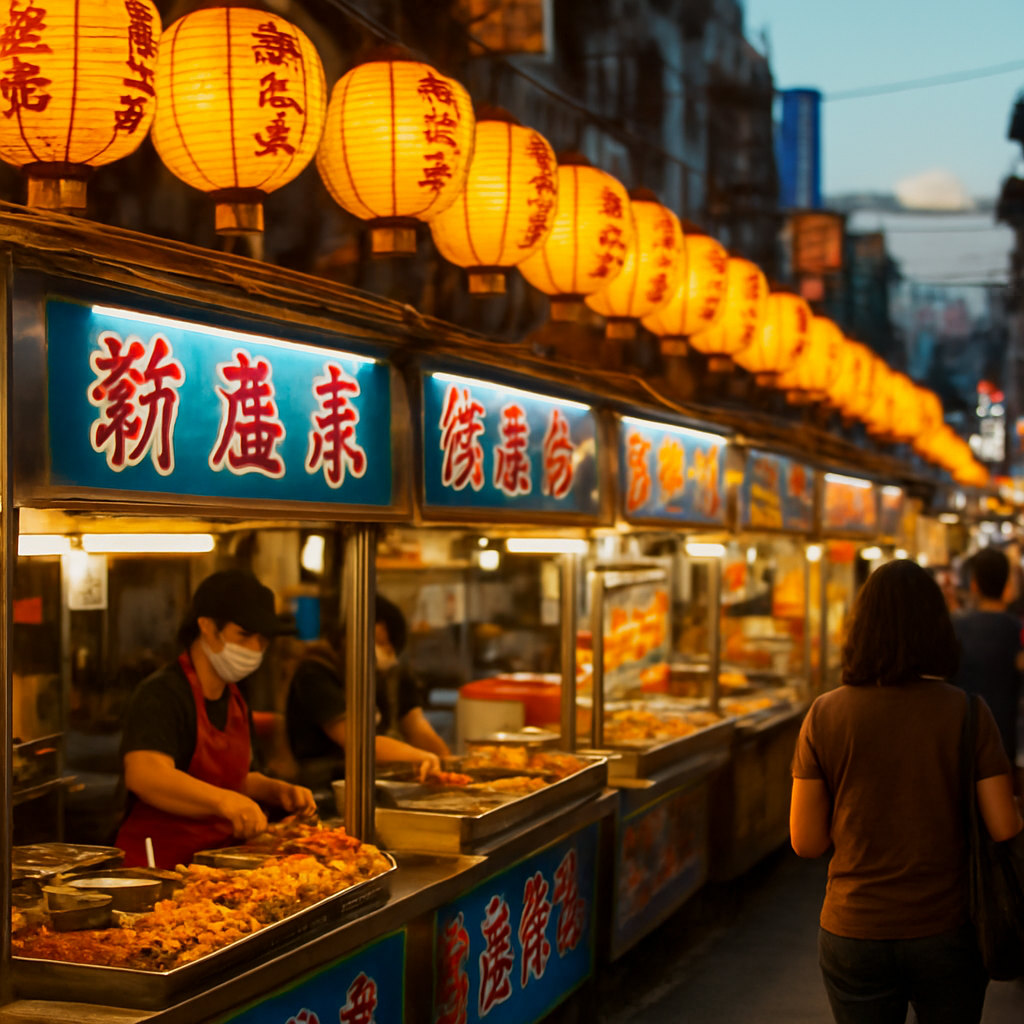
Night Market Crawl — Shilin or Ningxia
Forget the restaurant reservation for one night and do what Taipei actually does after dark. Shilin is the famous one — sprawling, chaotic, and dense with stalls selling everything from stinky tofu to flame-grilled squid on a stick. Ningxia is smaller, more food-focused, and the quality per stall is arguably higher. Budget TWD 300–500 and eat until you physically cannot. The crowds thin after 10pm, which is when the best conversations with stall owners happen.
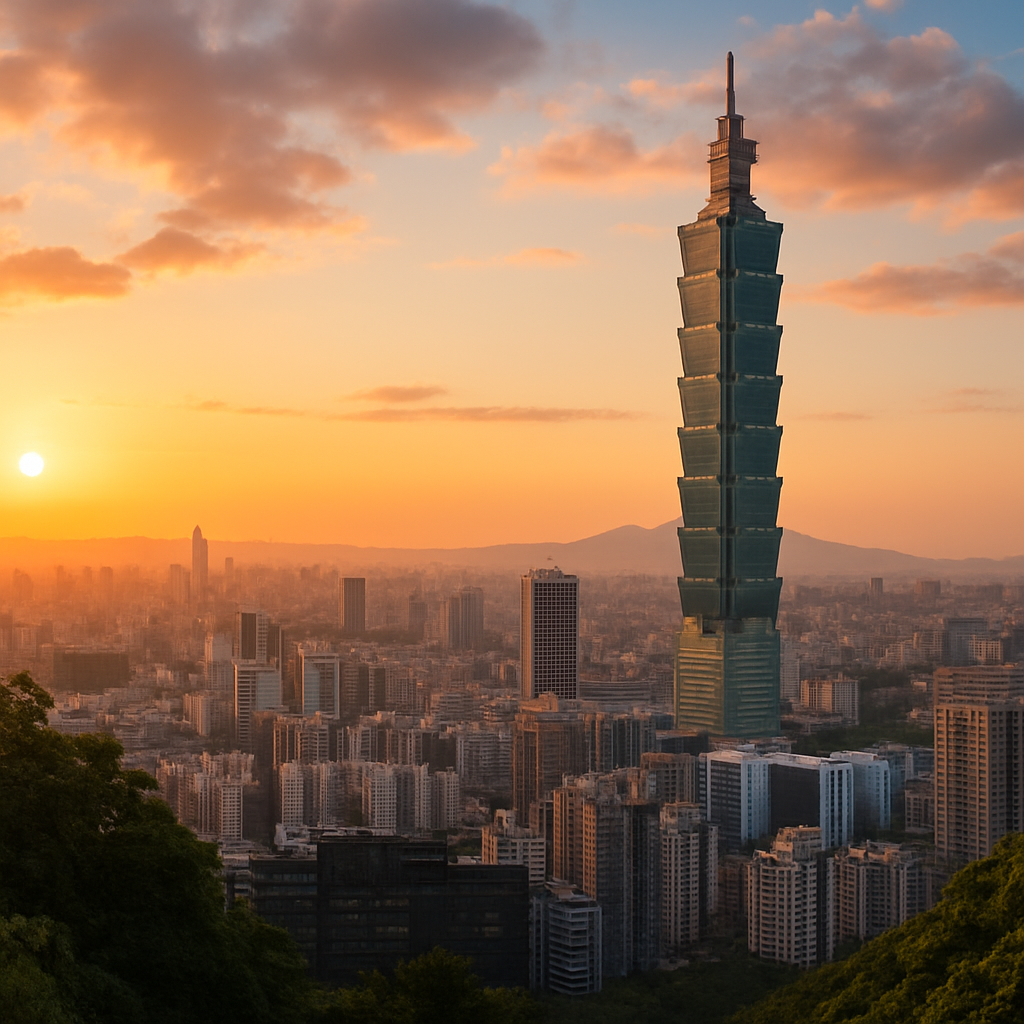
Taipei 101 and the Xinyi Skyline at Dusk
You can pay to go up Taipei 101's observation deck (TWD 600), and it's worth doing once — the 360-degree view of the basin ringed by mountains is genuinely staggering. But my preferred version is watching the tower from the outside as the sun drops: grab a spot at Elephant Mountain (Xiangshan), a 20-minute climb from Xiangshan MRT, and watch the skyline light up while the city transitions into evening. The hike is steep but short, and the view at the top earns every bead of sweat.
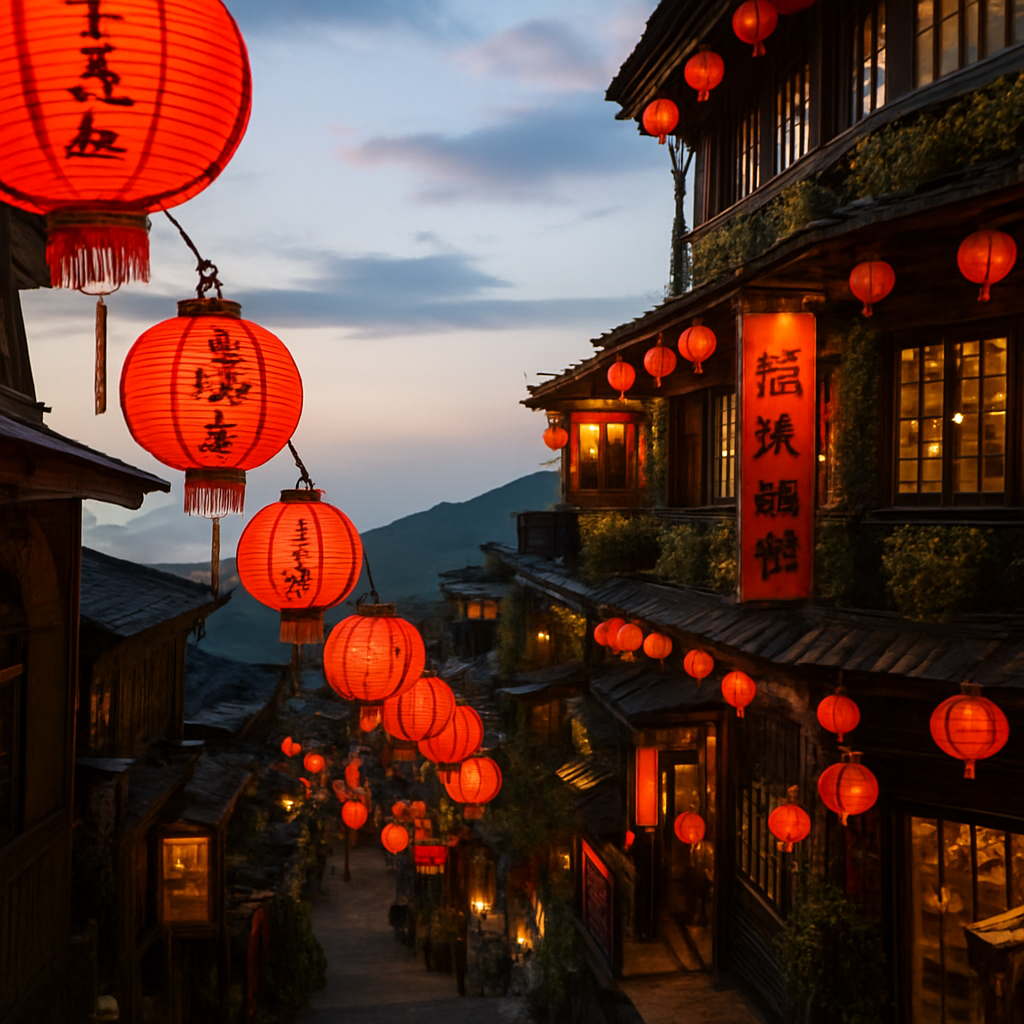
Jiufen at Dusk
An hour northeast of the city, Jiufen is a former gold-mining settlement clinging to a hillside above the Pacific. The lantern-lit stone staircases, teahouses perched on cliff terraces, and views over Keelung Harbor are at their most atmospheric between 4pm and 7pm — arrive in the late afternoon, grab a table at one of the teahouses, and watch the red lanterns come on as the light changes. Take the train to Ruifang Station (40 min), then bus or taxi (15 min).
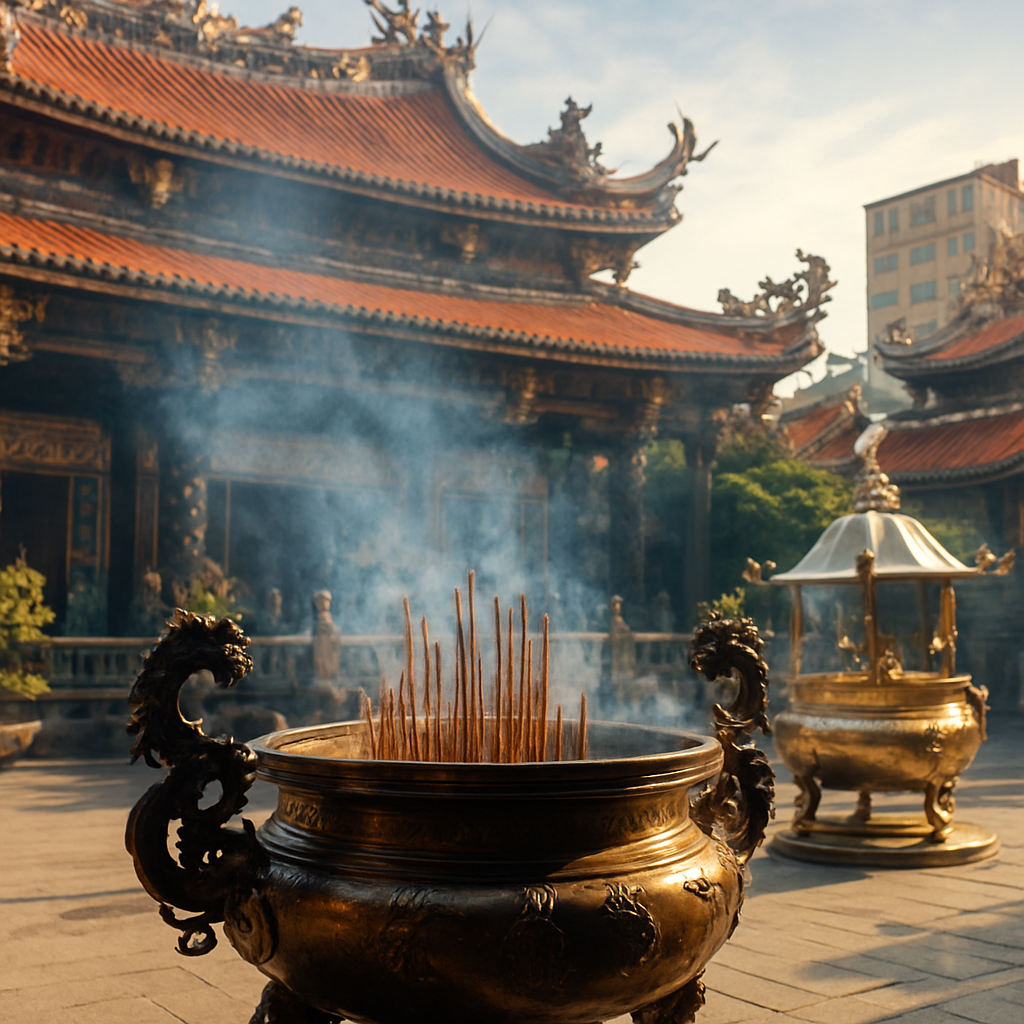
Longshan Temple at Dawn
Longshan Temple in Wanhua has been operating since 1738 and it's not a museum piece — it's a functioning temple where locals come to pray, burn incense, and consult fortune sticks before work. Show up early in the morning, before the tour groups, when the smoke curls through the carved stone courtyard and the light hits the ceramic roof dragons just right. It's five minutes from Ximending and it will reset your entire day.
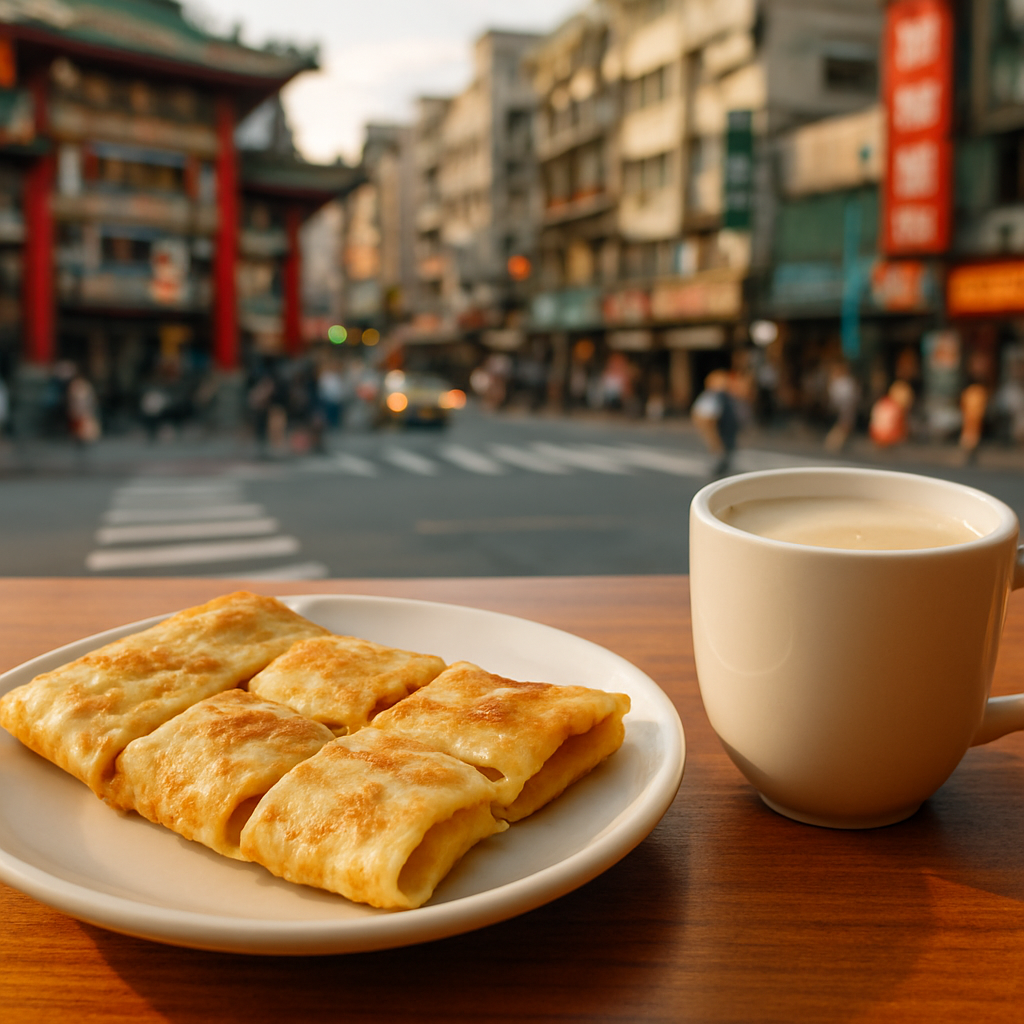
Breakfast Like a Local — Egg Crepe and Soy Milk
Find one of the old-school Taiwanese breakfast shops near Ximending — there are dozens — and order dànbǐng (蛋餅, egg crepe) and a cup of warm dòujiāng (soy milk). The whole thing costs about TWD 60 and is such a deeply local ritual that doing it once, especially at 6am after a night at the Red House, will make you feel more like a resident than three days of sightseeing. Look for the ones with a line of scooter commuters out front.
The places I actually send people to
Advice that fits how you travel
Taipei is a dream for solo travelers, and I don't say that about many cities. The MRT system is so clean, so cheap (TWD 100–150 gets you a day pass), and so comprehensively mapped that you can cross the entire city without ever needing to explain where you're going to another human. Download Google Maps offline before you arrive, set Ximen MRT as your mental home base, and you're functionally independent within your first hour on the ground.
Meeting people is almost absurdly easy. The Red House plaza runs on walk-up social energy — grab a seat, order a Taiwan Beer, and the terrace does the rest. App culture is strong: Jack'd historically has the deepest user base among Taiwanese and Southeast Asian gay men, with Grindr and Scruff both active. Open any of them and you'll have options within minutes. For a budget solo trip, dorm beds at Star Hostel start at TWD 650, night market meals run TWD 100–200, and you can do a full day of temples, parks, and street food for under TWD 2,500. This is one of the cheapest great cities in Asia.
Safety is a non-issue. Taipei is consistently ranked among the safest cities in Asia regardless of orientation, and solo LGBTQ+ travelers report feeling comfortable navigating every part of the central city at all hours. The one genuine hazard is scooters — they are everywhere, they respect no boundary, and they will come for your ankles on the sidewalk. Look both ways even when the light is green. Beyond that, you're golden.
Taipei is one of the easiest cities in Asia to be openly, unself-consciously in love in. Holding hands in Ximending, sharing a booth at a night market, checking into a hotel together — none of it registers as remarkable here. Same-sex marriage has been legal since May 2019, and the social reality on the ground has been ahead of the law for years. You're not navigating tolerance; you're in a city that's genuinely moved on.
For a proper date night, start with dinner at the original Din Tai Fung on Xinyi Road — yes, the queue is real, yes, it's worth it, and yes, sharing xiaolongbao across a small wooden table while the kitchen performs behind glass is exactly as romantic as it sounds. Afterward, the walk from Da'an through Xinyi toward the Taipei 101 skyline is quietly beautiful, especially on a clear October evening. If you want cocktails with a view, the Xinyi District luxury corridor has no shortage of rooftop bars that won't make you feel like you wandered into the wrong place.
For something more intimate, the Red House plaza in Ximending on a warm weekend night is genuinely one of my favorite spots to bring someone — al fresco seating, Taiwan Beer in hand, a colonial-era building lit up behind you, and the kind of easy, unhurried crowd energy that makes a second drink feel mandatory. Book amba Taipei Ximending if you want to walk home rather than hail a taxi at midnight. Book W Taipei if you want the suite with the Taipei 101 view and you're not apologizing for it.
Taiwan recognized joint adoption rights for same-sex married couples in 2023, so LGBTQ+ families traveling here are operating in a country that has formally acknowledged your family structure in law. In practice, Taipei is relaxed and curious rather than intrusive — locals are unlikely to make your family the subject of a scene, and the city's general orientation toward children is warm and practical. Kid menus exist, strollers are manageable on the MRT, and the night markets are genuinely family-friendly environments where a ten-year-old with a bag of scallion pancakes is the least unusual thing happening.
For activities, the National Palace Museum has enough visual drama to hold older kids, and Da'an Forest Park is a genuinely lovely afternoon — wide paths, a pond, and enough space to decompress after a morning of sightseeing. The day trip to Jiufen is excellent with children who can handle some steep stairs and a bit of crowd navigation; the lantern-lit alleyways and harbor views tend to land well regardless of age. Budget TWD 5,500–7,500 per day for a family of four traveling on a practical itinerary.
One logistical note worth knowing: if your family's legal structure depends on same-sex marriage recognition, Taiwan's marriage law applies to foreign nationals only if their home country also recognizes same-sex marriage — worth reviewing before your trip if any legal paperwork might come up. The Taiwan Alliance to Promote Civil Partnership Rights has clear English-language guidance on exactly this situation. For day-to-day life in the city, though, your family is just a family here. That's the point.
What Taipei actually costs
Flights, visas, and the first 30 minutes
Airport: Taiwan Taoyuan International Airport (TPE) — Taipei's main international gateway, located approximately 40km west of the city center in Taoyuan City.
Getting to the city:
MRT Airport Express (直達車) — TWD 160–180 | 35–40 min | The cleanest option. Non-stop direct service to Taipei Main Station, runs every 15–30 minutes. This is the move.
Taxi / Ride-hail — TWD 1,100–1,400 | 40–60 min | Fixed fare zones from the airport taxi stand make pricing transparent. Journey time varies significantly with traffic; avoid peak hours if you can.
Bus (Kuo-Kuang Motor Transport) — TWD 125–150 | 60–90 min | Multiple routes serving Taipei Main Station, Zhongxiao Fuxing, and other city nodes. Cheapest option, but the longer journey time is a real cost after an international flight.
Major routes and flight times:
Tokyo (NRT/HND) — 3h | Hong Kong (HKG) — 1h 45m | Seoul (ICN) — 2h 30m | Singapore (SIN) — 4h 30m | Los Angeles (LAX) — 12h | London (LHR) — 13h 30m (typically 1 stop)
TPE serves 100+ cities with direct routes. If you're coming from anywhere in East or Southeast Asia, you likely have a direct option.
Visa requirements: US — Visa-free up to 90 days (Taiwan Visa Exemption Program) | UK — Visa-free up to 90 days | EU — Visa-free up to 90 days (most passport holders) | Canada — Visa-free up to 90 days | Australia — Visa-free up to 90 days
Traven's seasonal breakdown
The questions everyone asks
Is it safe to hold hands in Taipei?
Do I need to speak Mandarin?
How much should I budget per day?
When is Taiwan Pride?
Is Taipei good for trans travelers?
What apps do people use?
Can I get married in Taiwan as a foreigner?
Screenshot this before you go
So should you actually go?
Go. Taipei is the complete package — legal protections that are genuinely in force, a scene with real history and real depth, and a city underneath it all that's wildly underrated as a travel destination. You'll hold hands without thinking about it, eat better than you expected, spend less than you budgeted, and leave wondering why it took you this long to get here. The only caveat is timing: skip the July–August humidity and aim for October if you can swing it, because standing on Ketagalan Boulevard during Pride with 200,000 people who showed up because they won is an experience I can't replicate with a paragraph. Taipei doesn't need your tourism dollars to validate its progress — it did the work. But you should absolutely go enjoy the results.
Sources & Resources
Official links we reference when compiling this guide. Last verified 2026-03-15.
- Awakening Foundation (婦女新知基金會) – Feminist & LGBTQ+ Rights
- GagaOOLala – LGBTQ+ Streaming & Community Platform (Taipei-founded)
- Gender/Sexuality Rights Association Taiwan (GSRAT / 性別人權協會)
- Taiwan Lourdes Association (台灣露德協會)
- Taipei City Government – Gender Equality Office
- Taiwan Alliance to Promote Civil Partnership Rights (台灣伴侶盟)
- Taiwan Centers for Disease Control – HIV Testing & Sexual Health Resources
- Taiwan LGBT Pride (台灣同志遊行)
- Taiwan Tongzhi Hotline Association (台灣同志諮詢熱線)
- TransAsia Sisters Association Taiwan (南洋台灣姊妹會)