Istanbul didn't stop being queer when they banned Pride. It just stopped being public about it.
There's a specific hour in Cihangir — around 7pm on a Friday — when the light off the Bosphorus turns copper and the tea gardens along Akarsu Caddesi fill with people who've been doing this ritual for decades. Rakı gets poured, beyaz peynir hits the table, and the kind of easy, knowing energy that can only come from a community forged under pressure settles over the whole street. Istanbul is one of the great contradictions in queer travel — a city that once hosted the Muslim world's largest Pride march, now governed by authorities who tear-gas the remnants of it every June. The scene hasn't disappeared. It's just gone underground, gotten more interesting, and stopped waiting for official permission.
I gave this city an 8.0 on Destination because, honestly, nothing else competes — the layered architecture, the food culture, the way the city physically straddles two continents and makes that feel less like geography and more like personality. But my Traven-Dex overall of 5.2 tells you the rest of the story. The energy that used to pour openly down İstiklal Caddesi during Pride weekend has migrated to private rooftop gatherings in Karaköy, word-of-mouth club nights, and the enduring defiance of places like Love Dance Point, which has survived everything this government has thrown at it. Don't let the political headlines convince you the queer community here has given up — SPoD and Lambda Istanbul are doing some of the most quietly tenacious advocacy work in Europe, and the Sunday afternoon rakı sofrası culture in Cihangir is, frankly, thriving.
This is not a city where you can turn your brain off. You'll read the geography of every street — the difference between the easy warmth of a meyhane on Nevizade Sokak and the heavy police presence around Taksim Square is about four hundred meters and an entire political climate. Some of you will find that exhausting. Some of you will find it clarifying. What I'll tell you is this: the Istanbul that queer travelers actually experience — the late-night conversations, the food that rearranges your understanding of what Turkish cuisine is, the way this city's beauty hits you like a physical thing — is real, and it's worth the calculation.
The stuff your travel guide buries on page 47
Legal framework: Same-sex conduct has not been criminalized in Turkey since 1858. That is the extent of the good news. There is no marriage recognition, no civil union, no adoption rights for same-sex couples, and no anti-discrimination protections covering sexual orientation or gender identity in employment, housing, or public services. Turkey has none. Legal gender marker change requires a court order plus evidence of completed irreversible medical procedures — a process that is lengthy, invasive, and inconsistently applied across courts.
The political reality: ILGA-Europe's Rainbow Map consistently ranks Turkey among the lowest-scoring countries in Europe for LGBTQ+ rights and social climate. Istanbul Pride (İstanbul Onur Yürüyüşü) has been banned by the Istanbul Governorship every year since 2015, with police using tear gas and rubber pellets on participants. The US Department of State, UK FCDO, and Australian DFAT all note that LGBTQ+ individuals may face societal discrimination in Turkey and that public displays of affection can attract harassment or police attention. Read Kaos GL's English-language reporting before you travel — a few recent pieces will make you substantially more informed than any guide written before 2022.
Cultural reality on the ground: Same-sex relationships carry zero legal recognition or protection, and public displays of affection between same-sex couples can attract attention ranging from stares to verbal harassment depending on where you are. Read the geography, not just the room. Cihangir operates under a long-established social tolerance that Sultanahmet, Fatih, and many residential neighborhoods simply do not share.
PDA comfort by area: Cihangir and Beyoğlu residential streets — low-moderate risk; the most tolerant area in the city, with a concentrated arts and media population. İstiklal Caddesi and Taksim Square — moderate risk; elevated police presence since 2015; same-sex PDA has led to confrontations. Kadıköy (Asian side) — low-moderate risk; younger, more progressive. Karaköy and Galata — low-moderate risk; moderate tolerance in venue settings, discretion advisable on streets. Sultanahmet and the historic peninsula — high risk; conservative demographics and heavy religious foot traffic. Fatih and other religiously conservative districts — high risk; visible same-sex PDA carries real risk of verbal or physical confrontation.
What it actually feels like on the ground
Holding hands: In Cihangir, two men spending four hours at Chianti on Akarsu Caddesi being obviously couple-y will register as unremarkable to everyone around them. Walking hand-in-hand toward Taksim Square is a genuinely different calculation, especially after dark. Outside of Cihangir, Karaköy, and parts of Kadıköy, keep physical contact discreet. In Sultanahmet, Fatih, and conservative residential areas, any visible same-sex affection is likely to draw negative attention.
Hotel check-in: International and boutique hotels in Beyoğlu and Karaköy handle same-sex couples professionally and without incident. Budget guesthouses in more conservative areas may be less predictable. The properties I recommend — Pera Palace, Soho House, Vault Karaköy — are in the tolerant part of the city and staffed accordingly.
Taxis: Use official taxi ranks and insist on metered fares. Istanbul taxi drivers are not typically a harassment risk, but solo travelers or visibly queer couples may occasionally encounter drivers who comment or refuse service. Ride-hailing apps like BiTaksi provide a documented trail and are worth using, particularly late at night.
Public spaces and beaches: Istanbul's public beaches are mixed-gender and conservative in dress culture outside of private beach clubs. The Princes' Islands (particularly Büyükada) are more relaxed. Parks and public gardens in Beyoğlu and Kadıköy are generally safe during daylight hours. Avoid lingering in isolated public spaces after dark.
Late night: The Beyoğlu corridor between Nevizade Sokak, Sıraselviler, and Cihangir is reliably busy and its natural crowd presence provides a degree of security. Moving between venues in small groups is advisable. Avoid poorly lit side streets between Taksim and Tarlabaşı.
Trans travelers: Trans women in Istanbul face disproportionately severe police harassment and violence, particularly in and around Beyoğlu at night. Pembe Hayat (Pink Life) is the primary organization documenting these incidents and providing crisis support. Legal gender marker change requires completed irreversible medical procedures and a court order — a process that is inconsistently applied. Research current conditions with SPoD before traveling.
Apps: If you're using Grindr or other hookup apps in Istanbul, use a VPN. Plain-clothes police have reportedly used these apps for entrapment. Meet new contacts in public first — Nevizade Sokak is reliably busy, and its natural crowd surveillance makes it a solid first-meeting location.
Verbal harassment: Verbal harassment is a real and non-trivial risk outside of the tolerant enclaves. It ranges from muttered comments to direct confrontation depending on the neighborhood and the hour. The risk increases substantially after dark and in less cosmopolitan parts of the city. The correct response is to disengage and leave the area.
The queer geography
Istanbul's queer geography is not a single strip or a defined gay village. It's a loose constellation spread across a few tolerant neighborhoods, connected by word of mouth, app culture, and a community that has learned to organize without visible infrastructure. Understanding the map is not optional here — it's the primary safety tool you have.
Cihangir
Cihangir is the anchor. This hilly, bohemian enclave just west of Taksim has been home to artists, writers, expats, and a deeply rooted queer community for decades. Akarsu Caddesi is the central queer-friendly strip — start at Chianti on a Friday night and let the evening route itself from there. The street-facing çay bahçesi tea gardens function as informal queer gathering spots throughout the day. The neighborhood's tolerance is long-established and genuine, but it's also unspoken — you won't see flags or signage. The Ağa Hamamı, one of Istanbul's oldest working bathhouses, sits in Cihangir and has long had a quietly queer-welcoming reputation. The Çukurcuma antiques district threads through the neighborhood's upper streets.
Beyoğlu and the İstiklal Corridor
Beyoğlu is the sprawling district that encompasses Taksim, İstiklal, and Cihangir — the historic heart of Istanbul's nightlife and the anchor of its LGBTQ+ area. Nevizade Sokak, a narrow bar street off İstiklal, has historically drawn the queer nightlife crowd to its outdoor tables and meyhane culture. Love Dance Point and Tek Yön both operate within this corridor. The covered arcades (pasaj) threading through Beyoğlu have been de facto queer gathering spots for generations. Be aware that İstiklal Caddesi itself and Taksim Square carry elevated police presence since the 2015 Pride bans — the tolerance you feel two blocks away in Cihangir does not necessarily extend to the main boulevard.
Kadıköy and Moda (Asian Side)
The Asian-side neighborhood of Kadıköy has become a genuine alternative for queer Istanbulites who find the political stress in Beyoğlu exhausting. The bars and cafes around Moda have a younger, more openly relaxed energy, and the ferry ride over is half the fun. This is not a nightlife destination in the way Beyoğlu is — it's a daytime and early-evening neighborhood with a progressive social climate that doesn't require the same level of vigilance.
Karaköy and Galata
Karaköy's gallery and hospitality district draws a mixed local and international clientele. Moderate tolerance in venue settings — Istanbul Modern, Vault Karaköy, and the surrounding arts district create a social environment that skews cosmopolitan. Street-level discretion is still advisable, but the neighborhood is comfortable for queer travelers who are not seeking visible nightlife.
The experiences worth rearranging your itinerary for
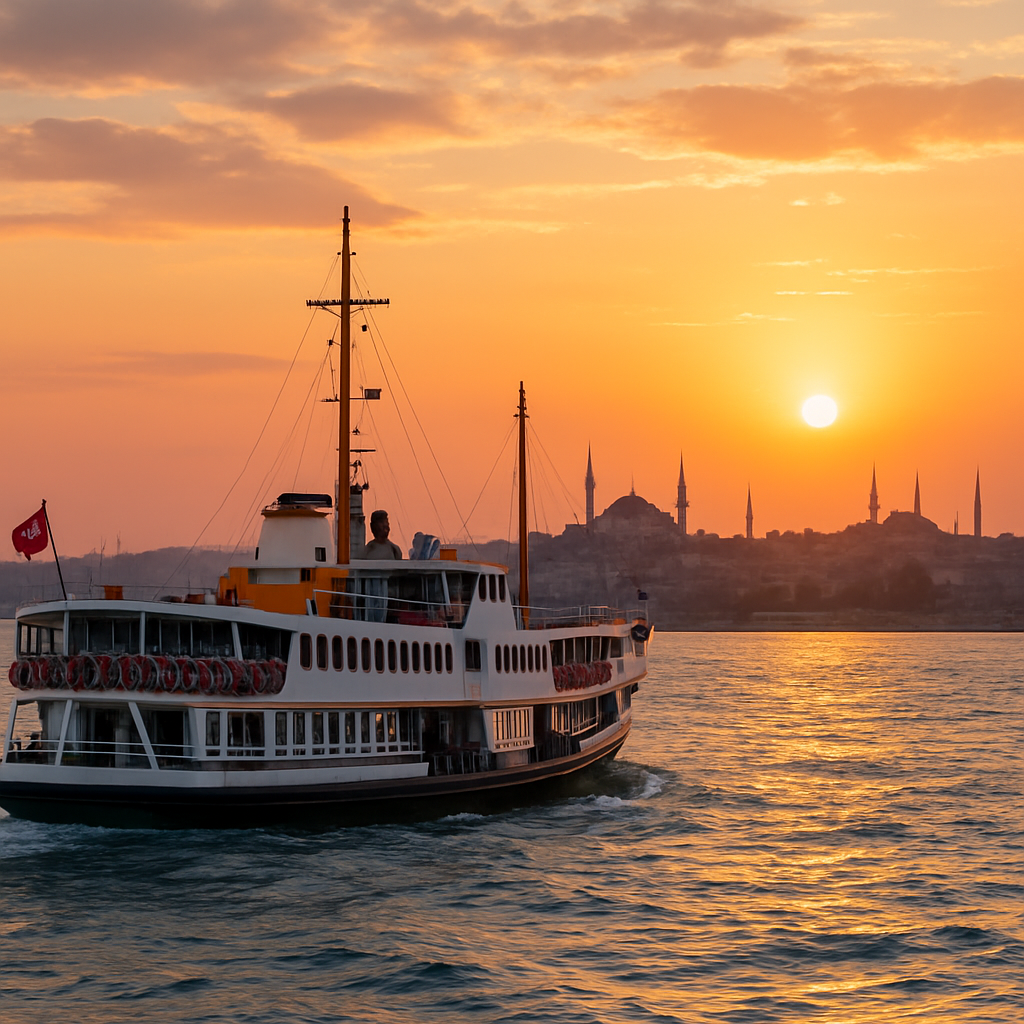
The Bosphorus by Ferry
Take the Şehir Hatları public ferry from Eminönü — not a private tour boat, the actual city ferry that costs almost nothing and runs the full Bosphorus route. You'll pass Ottoman waterfront palaces, 19th-century wooden mansions, and the two suspension bridges connecting Europe and Asia. The round trip takes about six hours if you ride all the way to Anadolu Kavağı and back, or you can hop off at Sarıyer for a fish lunch. The light on the water in late afternoon is the single best free thing in Istanbul.
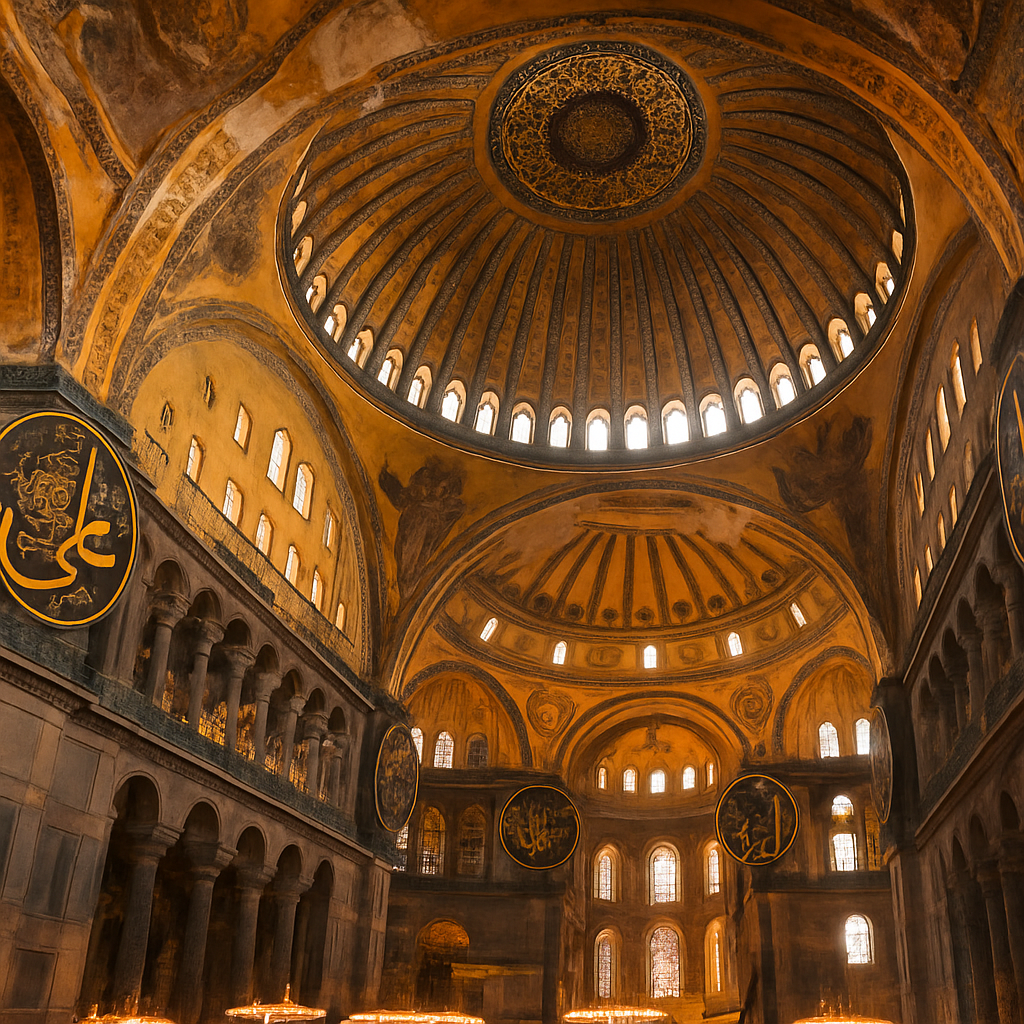
Hagia Sophia and the Sultanahmet Complex
Hagia Sophia has been a cathedral, a mosque, a museum, and a mosque again — and the building absorbs all of that history into its walls without flinching. The scale of the interior dome is difficult to process until you're standing under it. Combine it with the Blue Mosque across the square and the Basilica Cistern (the underground Byzantine water reservoir with 336 marble columns) for a morning that covers 1,500 years of architectural ambition. Note: Sultanahmet is a conservative area. Dress modestly and keep PDA entirely off the table here.
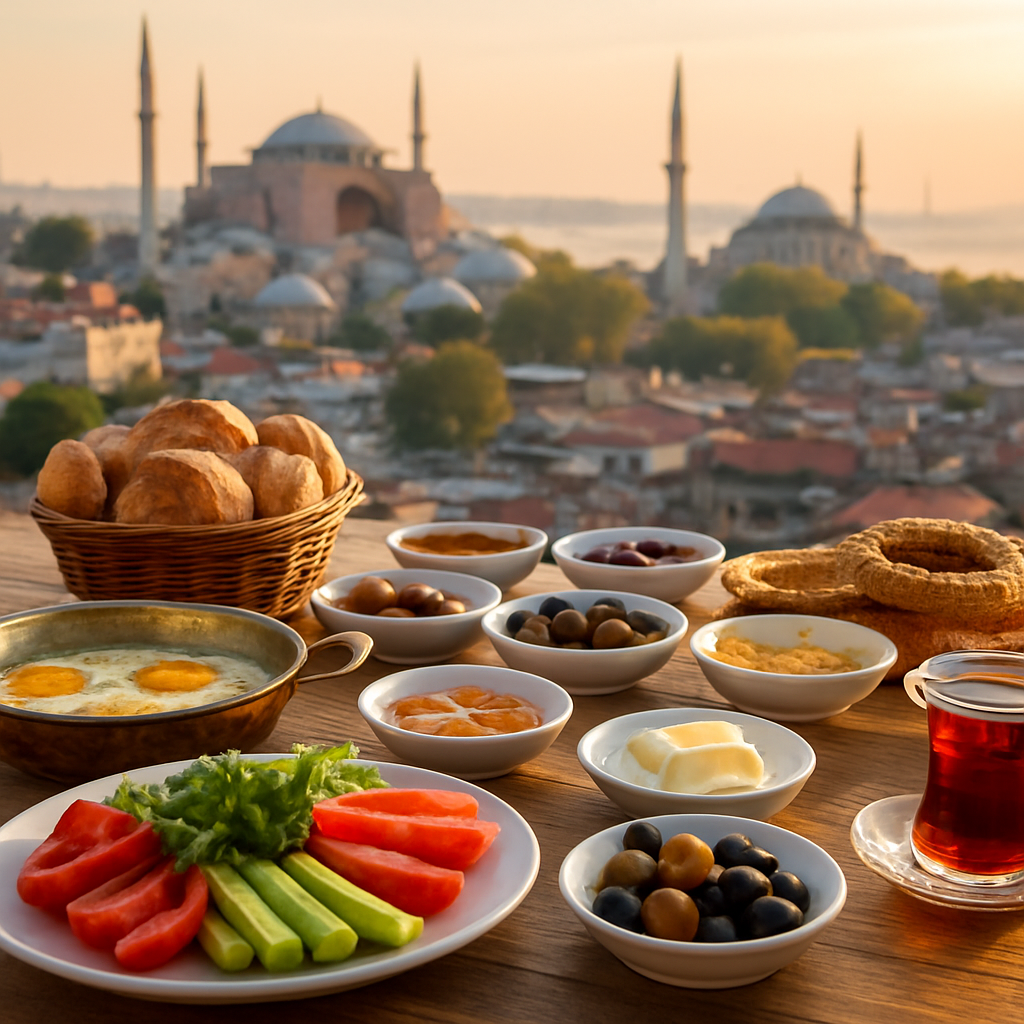
Breakfast in Karaköy
Turkish breakfast is a production — plates of beyaz peynir, olives, tomatoes, honey with kaymak, sucuk eggs, simit, and bottomless çay covering every surface of the table. Karaköy's breakfast spots serve this spread with the kind of neighborhood energy that makes the meal last two hours without anyone noticing. It's one of the best food experiences in the city and it costs a fraction of what you'd pay for a comparable meal in any Western European capital.
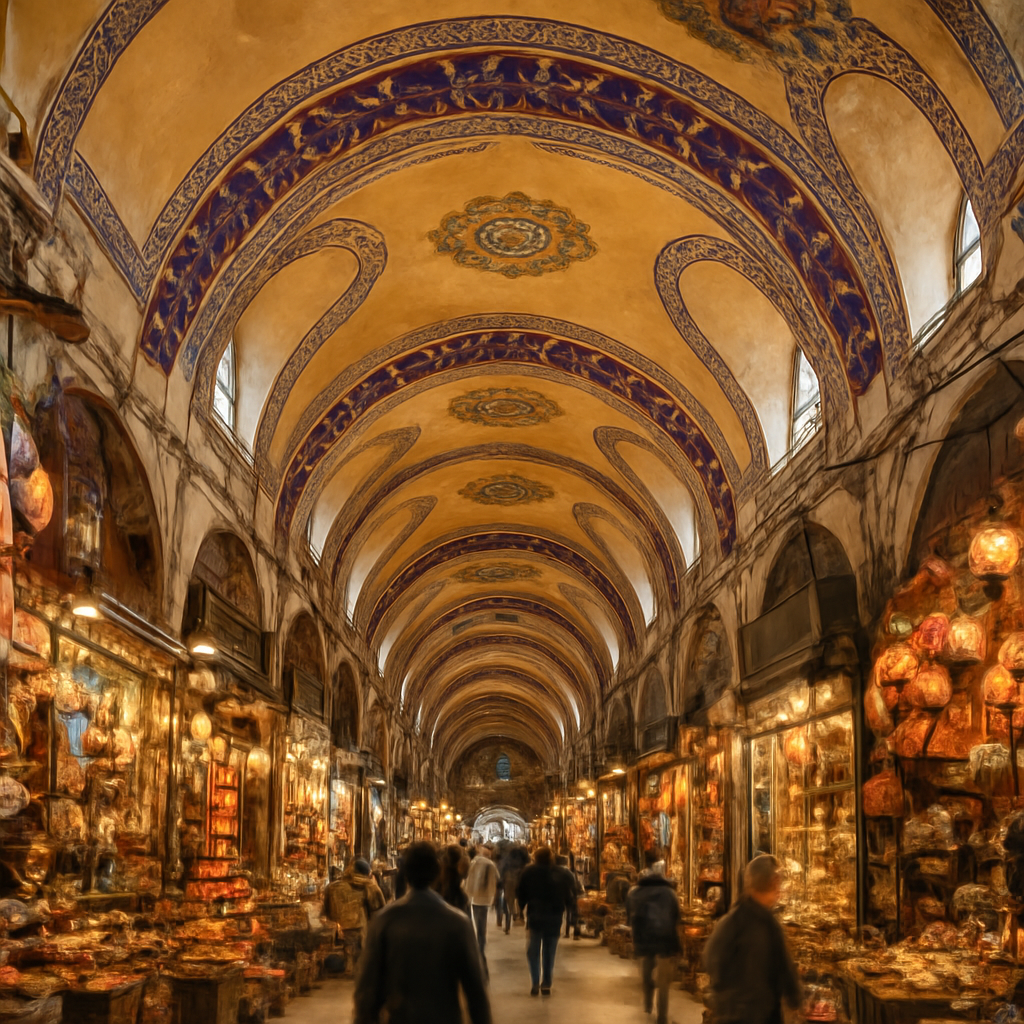
The Grand Bazaar and Spice Bazaar
The Grand Bazaar is one of the world's oldest and largest covered markets — over 4,000 shops across 61 streets. It is overwhelming, it is loud, and there is no avoiding the sales pitches. That said, the architecture is genuinely impressive and the deeper you walk from the tourist-facing entrances, the more interesting the inventory gets. The Spice Bazaar (Mısır Çarşısı) near Eminönü is smaller, more manageable, and better for actual purchases — dried fruit, Turkish delight, spices, and teas at prices that reward mild negotiation.
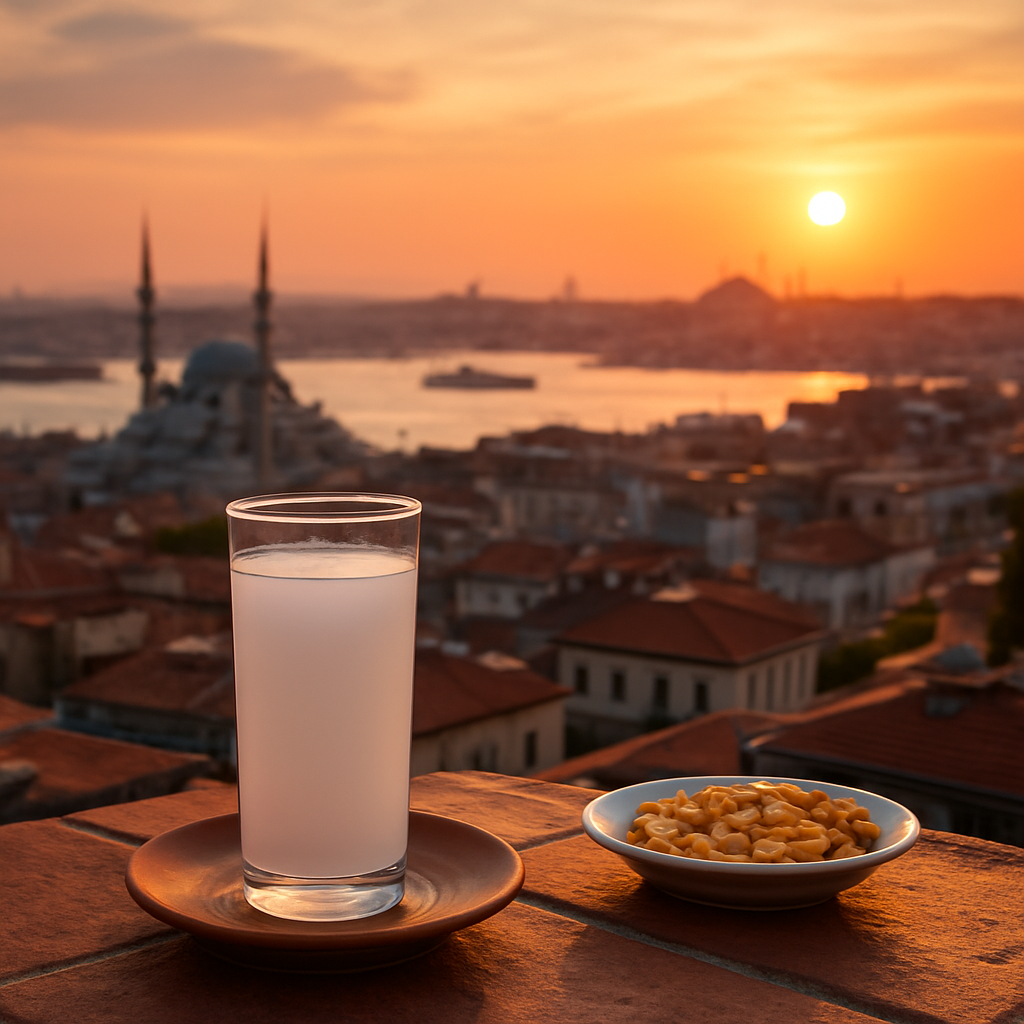
Sunset Rakı on a Cihangir Rooftop
Order a rakı sofrası — the anise spirit, a plate of beyaz peynir, midye dolma, whatever mezes are on the board — and stay until the sun drops behind the Bosphorus hills. This is what Istanbul's queer community actually does on weekends, and it is genuinely one of the best things you can do in this city. The Cihangir rooftop and street-level tables looking out toward the water deliver a version of Istanbul that no monument or museum quite matches.
The places I actually send people to
Advice that fits how you travel
Istanbul is a workable solo destination if you're prepared to stay aware of your surroundings and base yourself in the right neighborhood. Cihangir is where I'd put you — the density of cafes, bars, and street life means you're never isolated, and the neighborhood's established tolerance means you can relax more than in most parts of the city. Budget solo travelers can manage on 1,400–1,800 TRY per day including a hostel dorm or budget guesthouse, and the city's public transit (get an Istanbulkart immediately) keeps transport costs minimal.
App culture is active in Istanbul, but use a VPN on Grindr and similar platforms — there have been reports of plain-clothes police using hookup apps for entrapment. Meet anyone new in public first. Nevizade Sokak is reliably busy and its natural crowd surveillance makes it a solid first-meeting street. Tek Yön on Sıraselviler Caddesi is an accessible starting point for the queer scene — it's a bar rather than a club, approachable earlier in the evening, and a good place to get your bearings before deciding what the rest of the night looks like.
Solo safety considerations are straightforward: stay in well-lit, populated areas after dark. The Beyoğlu corridor between Nevizade, Cihangir, and Karaköy is the safest zone for solo queer travelers at night. Avoid the poorly lit streets between Taksim and Tarlabaşı. Save contacts for SPoD and Rainbow Railroad on your phone before you arrive. The city rewards solo exploration — the Bosphorus ferry, the Grand Bazaar, breakfast in Karaköy — all of it works beautifully alone. Just know your map.
Istanbul can be a genuinely beautiful place to travel as a couple — the city itself delivers on almost every level, and I gave it an 8.0 on Destination for a reason. The problem is that the space available to you as a same-sex couple is unevenly distributed, and that geography matters more here than in most cities. Cihangir is where you'll feel closest to normal. Sitting across from each other at a street-facing çay bahçesi, sharing a rakı sofrası that stretches through a Sunday afternoon, being obviously a couple at Chianti on Akarsu Caddesi — all of that works. The neighborhood has operated on a long-established unspoken tolerance that the rest of Istanbul does not consistently share.
Outside of Cihangir and parts of Karaköy, recalibrate. Hand-holding toward Taksim Square is a different risk calculation than hand-holding through Cihangir's side streets — especially after dark. The Sultanahmet historic peninsula and conservative residential districts are not the place for visible affection. None of this means you can't have a meaningful trip together. It means you'll need to be deliberate about where you let your guard down.
For accommodation, Soho House Istanbul and Vault Karaköy both position you close to the most tolerant parts of the city and operate with professional discretion. The Pera Palace is an experience unto itself — the building alone is worth a night, and the Beyoğlu location keeps you proximate to Nevizade Sokak and the low-key queer nightlife corridor. Book a dinner at Mikla, watch the Bosphorus go dark from the rooftop, and keep the rest of the evening in neighborhoods you know. That version of Istanbul is real and it's worth having.
Istanbul is a logistically manageable city for families, and the destination itself — the food, the architecture, the water, the sheer density of things to see — genuinely delivers for travelers of all ages. The harder question is what LGBTQ+ families should expect socially. Turkey provides no legal recognition for same-sex partnerships or same-sex parent families. Your family structure carries no status here under Turkish law, which has practical implications if you need medical or legal assistance during your trip. Travel with complete documentation for all children, including evidence of any legal parental relationships recognized in your home country.
Day-to-day, interactions with hotel staff, restaurant servers, and transport operators are generally professional and uneventful — Istanbul's tourism infrastructure is well-developed and service culture is strong. The visibility of your family as an LGBTQ+ family is a separate consideration. In Cihangir, Kadıköy, and Karaköy, the social climate is noticeably more relaxed. The Sultanahmet historic peninsula and conservative districts are fine for sightseeing but not the right environment for public displays of family affection that make your structure legible to strangers.
Practically, Istanbul is well-suited to families with older children and teenagers who can handle full days of walking and metro travel. The Büyükada ferry day trip is an excellent family outing — car-free, manageable in scale, and genuinely memorable. Istanbul Modern's new Renzo Piano building on the Karaköy waterfront is stroller-accessible and has programmed family-oriented events. Budget around 12,000–16,000 TRY per day at a moderate level for a family. Keep emergency contacts for Rainbow Railroad and SPoD saved on your phone — not because you'll need them, but because preparation is the right posture here.
What Istanbul actually costs
Flights, visas, and the first 30 minutes
Airport: Istanbul Airport (IST) — one of the world's largest hubs, with direct service from 300+ cities worldwide.
Major routes: London Heathrow (4h 15m) · Frankfurt (3h 30m) · Amsterdam (3h 45m) · Dubai (4h 00m) · New York JFK (11h 30m) · Bangkok (9h 30m)
Visas: Most nationalities require an e-Visa obtained in advance at evisa.gov.tr — do not wait until arrival. US: e-Visa required; approx. USD 50; max 90 days within any 180-day period. UK: e-Visa required; approx. GBP 20; max 90 days within any 180-day period. EU: e-Visa required for most EU nationals; fee and conditions vary by country; verify at evisa.gov.tr. Canada & Australia: e-Visa required; max 90 days within any 180-day period.
Metro (M11 line): ~85 TRY · 35–45 min to Gayrettepe · Connects to the M2 line at Gayrettepe for onward travel to Taksim and Levent. Opened 2023 — the most reliable and affordable option.
Havaş Airport Bus: ~150 TRY · 60–90 min to Taksim · Multiple city-centre stops; schedule-dependent; book at the airport desk on arrival.
Metered taxi (official airport rank only): 900–1,400 TRY · 45–80 min depending on traffic · Use the official taxi rank inside the terminal. Insist on a metered fare before you get in.
Traven's seasonal breakdown
The questions everyone asks
Is it illegal to be gay in Turkey?
Is it safe to hold hands with my partner?
Do I need to speak Turkish?
How much should I budget per day?
Is Istanbul safe for trans travelers?
What happened to Istanbul Pride?
Should I use Grindr in Istanbul?
Screenshot this before you go
So should you actually go?
Istanbul is magnificent and complicated, and I won't pretend otherwise. The city itself — its food, its architecture, the sheer sensory overload of the Bosphorus at sunset — earns every bit of my 8.0 Destination score. But the political climate for LGBTQ+ people is genuinely difficult, and you need to arrive informed, stay aware of your surroundings, and lean on local community resources like SPoD and Lambda Istanbul. If you're comfortable with discretion and willing to do the homework, Istanbul will reward you with one of the most extraordinary travel experiences on this planet and a queer community whose resilience will genuinely move you. If that trade doesn't work for you, that's a completely valid call. No city is worth more than your peace of mind.
Sources & Resources
Official links we reference when compiling this guide. Last verified 2026-03-07.
- SPoD – Social Policy, Gender Identity and Sexual Orientation Studies Association
- Kaos GL – LGBTI+ News Turkey
- Lambda Istanbul LGBTI+ Solidarity Association
- Pembe Hayat (Pink Life) LGBTT Solidarity Association
- ILGA-Europe – Turkey Country Overview
- Rainbow Railroad – Emergency LGBTQ+ Assistance
- Human Rights Watch – Turkey LGBTQ+ Reporting
- ILGA World – Turkey Legal Overview
- OutRight Action International – Turkey Resources
- Kaos GL Dergisi – Turkish LGBTI+ Magazine