Dubai will serve you a perfect cocktail at sunset and criminalize the hand you're holding when you leave.
I'm going to be direct with you, because this city demands it. Dubai smells like oud and air conditioning and money — a city engineered to overwhelm your senses so thoroughly that you might, for a moment, forget the contract you signed by entering it. The skyline at dusk from Zero Gravity beach club is legitimately one of the most spectacular urban views on earth. The food scene — Zuma's robata grill, the black cod miso at Nobu, a karak chai from a roadside stand in Bur Dubai — is world-class and wildly diverse. I gave it a 9.5 on Destination because, as a place to experience, Dubai delivers at a scale few cities can match.
But my Traven-Dex overall sits at 4.3, and that number tells the story the skyline won't. Same-sex intimacy is a criminal offense under UAE federal law. Not theoretically criminal — actively enforced criminal. Tourists and expats have been arrested, imprisoned, and deported. My Legal score of 1.0 is as low as it goes. There are no protections, no recognition, no space in the legal framework where you exist as anything other than a potential defendant.
I've spoken to queer expats who've lived here five, ten years and genuinely love it — the tax-free income, the sunshine, the cosmopolitan social life behind closed doors. They manage it by being professionals at compartmentalization. The creative crowd at Alserkal Avenue in Al Quoz is the closest Dubai gets to a genuinely queer-adjacent public space — galleries, pop-ups, The Archive café — where the vibe is conspicuously more progressive. Nobody's waving flags, but nobody's performing straightness either. That's as good as it gets here.
Some of you will read all of this and still want to go — for the architecture, the food, the sheer audacity of the place. Some of you will read it and cross Dubai off the list permanently. Both responses are completely valid. What I won't do is pretend the trade-off doesn't exist.
The stuff your travel guide buries on page 47
The legal reality: Same-sex intimacy is a criminal offense under UAE federal law — full stop, no asterisks. Penalties include imprisonment (up to 10 years under certain provisions), fines, deportation, and potentially corporal punishment under Sharia law provisions. This applies equally to tourists and residents. There is no marriage recognition, no civil union, no adoption rights, no anti-discrimination protection, and no gender identity recognition. The ILGA World legal overview classifies the UAE as a criminalization jurisdiction.
Government warnings are explicit: The US State Department, UK FCDO, Canadian GAC, and Australian DFAT all explicitly warn LGBTQ+ travelers that same-sex conduct is illegal and that penalties apply to visitors. Several tourists and expatriates have been arrested, deported, or imprisoned in recent years. Review your government's advisory before booking.
Trans travelers face acute risk. Federal law criminalizes "imitating the opposite sex" (Article 440) with penalties including fines and imprisonment. Border officials have authority to deny entry based on gender presentation inconsistent with passport documents. If you are trans or gender-nonconforming, I strongly recommend seeking legal advice specific to UAE entry before travel.
The cultural reality: Dubai's unwritten rule is "behind closed doors." Hotel rooms are your sanctuary. International hotel bars operate under a kind of studied willful blindness. Private villa parties are where the real queer social life happens. But the second you move into public space — streets, malls, parks, beaches — the calculus changes completely. The cosmopolitan veneer of a DIFC cocktail bar does not extend to the legal system.
PDA comfort: There is none, in any public context. Even heterosexual PDA can lead to detention in the UAE. Same-sex affection of any kind in any space visible to others — hotel pools, beaches, malls, streets — carries real legal risk under Article 354 of the UAE Penal Code. Within a private hotel room, you are generally unobserved, but UAE law does not protect same-sex couples even in private settings. Operate accordingly.
Delete Grindr before you land at DXB — and I mean it. There are documented cases of authorities using dating apps to locate and entrap users, and the UAE has tools to scan phone activity at border crossings. Reinstall when you're wheels-up on departure.
What it actually feels like on the ground
Holding hands: Do not hold hands, touch affectionately, or display any physical intimacy in any public or semi-public space. This includes hotel lobbies, pool areas, beach clubs, malls, streets, and taxis. This is not overcaution — it is the baseline operating requirement.
Hotel check-in: International 5-star properties (Marriott, Shangri-La, Atlantis) handle two guests of the same gender sharing a room without issue — it's routine for business travelers. You will not be questioned. If you're concerned, book a twin room and don't request a king bed at the desk. Boutique or smaller local hotels may be less predictable.
Taxis and rideshares: Careem and Uber are widely used, reliable, and generally anonymous. Don't discuss your relationship or orientation with drivers. Sit with normal physical distance. Licensed RTA taxis are equally safe for transport — just maintain discretion.
Beaches and public spaces: Public beaches (JBR, Kite Beach, Jumeirah) are actively policed. Two men or two women together is unremarkable; any physical affection is not. La Mer and JBR The Walk attract younger, more international crowds and feel somewhat less surveilled, but the law doesn't change by zip code.
Nightlife and bars: At venues like Soho Garden on a Friday night or during a White Dubai event, the crowd is so international and so mixed that the vibe feels almost European — but don't confuse the vibe for the law. Two men dancing together won't get you arrested. Two men kissing probably will. Barasti Beach Bar at Le Méridien has been a reliably mixed, relaxed scene for years. The energy is queer-adjacent without being coded.
Late night: The greatest risk window is the transition between venue and transport — stepping outside a hotel bar into public space. Stay aware, stay composed, keep physical distance from your partner, and have your Careem ready before you walk out.
Trans travelers: I can't soften this. Article 440 criminalizes gender nonconformity. Border officials can and have denied entry based on perceived inconsistency between gender presentation and passport. If your documents don't match your presentation, the risk at immigration is real and immediate. Seek specialized legal counsel before traveling.
Female same-sex couples: Some travelers report somewhat less scrutiny than male couples in public settings, but the law applies equally. Recent crackdowns tied to "public morality" enforcement at malls and beaches have narrowed whatever margin existed.
The expat community: The queer expat community here is enormous — tens of thousands of people — and they've built something genuinely functional, just invisible to the outside. It runs on WhatsApp groups, word-of-mouth villa invitations, and the unspoken understanding that you never ask someone to confirm what you both already know. As a short-term visitor, you're unlikely to access this network without existing connections.
If something goes wrong: Contact your country's embassy immediately. Rainbow Railroad has experience navigating situations in the Gulf specifically and can connect you with legal resources faster than trying to find representation cold.
The queer geography
There is no gay neighborhood in Dubai. There are no LGBTQ+ bars, clubs, or community centers. None are legally permitted to exist. What exists instead is a network of international hotel venues, private gatherings, and cosmopolitan districts where the queer community operates with studied invisibility. Here's where the energy concentrates.
DIFC (Dubai International Financial Centre)
DIFC is Dubai's most cosmopolitan district — a walking-friendly cluster of bars, restaurants, and galleries along Gate Avenue that draws finance professionals, creatives, and international visitors. Ladies Nights at spots like The Warehouse Wine Bar draw a notably queer-friendly crowd on weeknights. It's one of those open secrets where everyone attending understands the subtext and nobody states it aloud. This is the closest Dubai has to a low-pressure, publicly accessible queer-adjacent space.
Palm Jumeirah
The Palm hosts many of Dubai's most permissive hotel nightclubs and beach clubs. Venues like FIVE Palm Jumeirah, The Penthouse, and 1OAK at W Dubai – The Palm attract an international crowd that skews young, affluent, and socially liberal by Dubai standards. Friday brunch at FIVE Palm is genuinely the best entry point for meeting queer people in Dubai — three hours of open bar creates a social openness that nowhere else in the city replicates.
Alserkal Avenue, Al Quoz
Alserkal Avenue is Dubai's industrial arts district — converted warehouses hosting galleries, studios, and cafés with a creative, expat-heavy crowd that skews notably more progressive and queer-adjacent than anywhere else in the city. Grab a flat white at The Archive café, walk the galleries, absorb the energy. It's the most genuine, least transactional neighborhood experience in Dubai.
JBR & Dubai Marina
Jumeirah Beach Residence and Dubai Marina Walk are beachfront promenades popular with a younger, international crowd. The density of restaurants and cafés creates an anonymous, low-pressure environment. Luna Sky Bar above JBR draws a mixed crowd on DJ nights. It's not coded queer — it's coded international, which in Dubai amounts to roughly the same thing.
The experiences worth rearranging your itinerary for
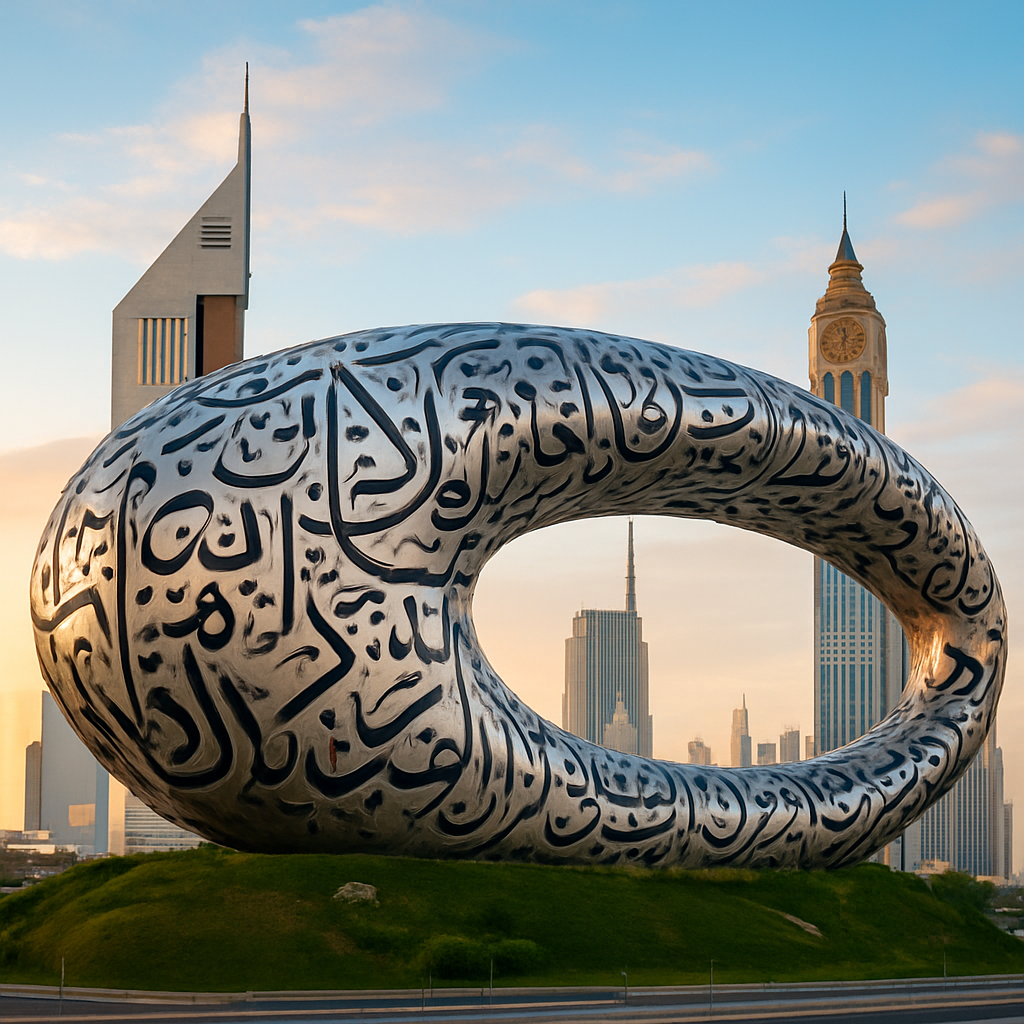
Museum of the Future
Shaped like a massive silver torus clad in Arabic calligraphy, this building is an architectural statement that photographs better than almost anything in Dubai — and that's saying something. Inside, seven immersive floors explore future cities, ecosystems, and space exploration through high-tech exhibits that feel genuinely innovative rather than gimmicky. Budget AED 149 and at least two hours. The exterior alone, lit up at night along Sheikh Zayed Road, is worth the walk.
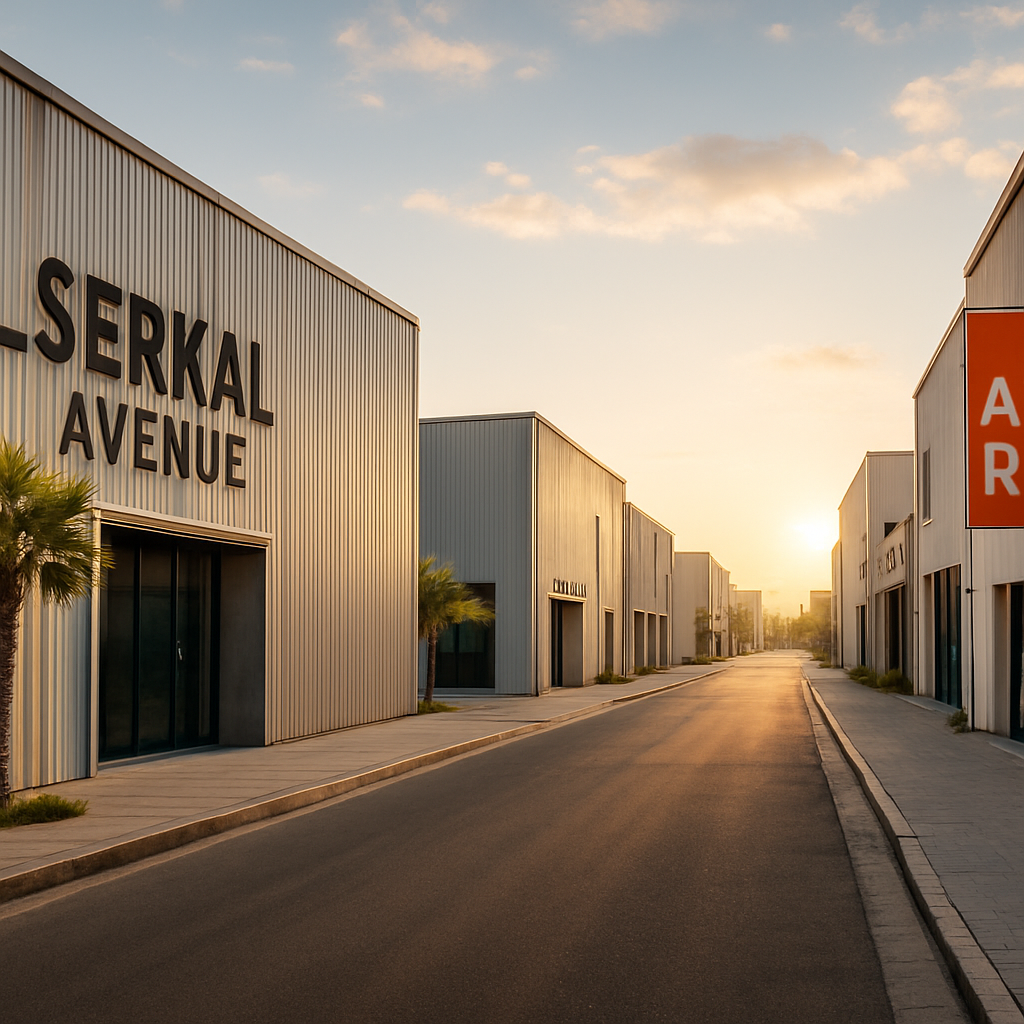
Alserkal Avenue on a Weekend Morning
Spend a morning wandering this converted industrial district in Al Quoz — flat whites at The Archive, contemporary art in a dozen galleries, and a crowd that feels genuinely different from the Marina circuit. It's the most authentic, least performative neighborhood experience in a city that can feel exhaustingly curated. Free to wander; individual gallery entries are usually free too.

Sunset at Zero Gravity Beach Club
The sunset view from Zero Gravity looking back at the Dubai Marina skyline is legitimately one of the most spectacular urban panoramas on earth. The crowd is international enough that you can relax and simply be present. Time it for a Thursday — the energy peaks just before the weekend. Entry varies; expect AED 100–200 minimum spend on drinks.
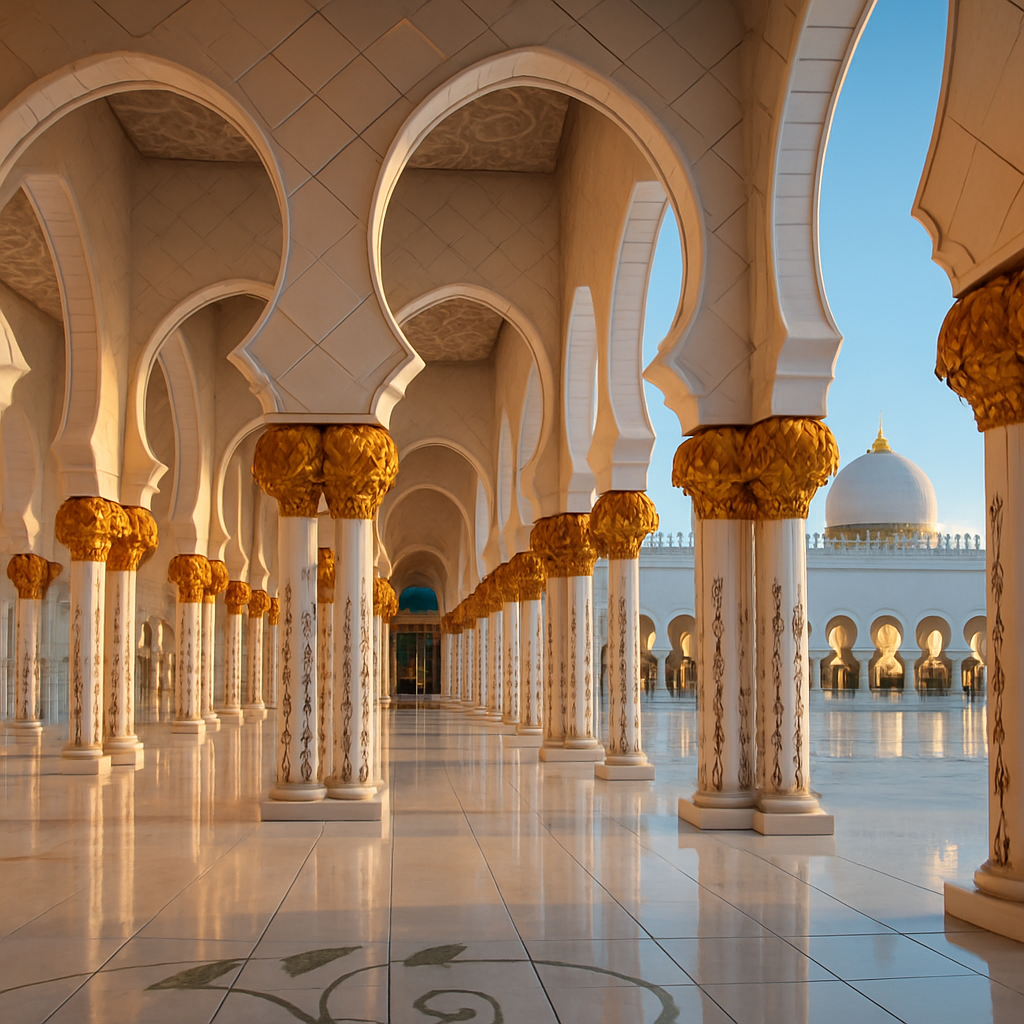
Abu Dhabi Day Trip — Louvre & Grand Mosque
A 90-minute drive south to the capital delivers two of the most extraordinary buildings in the Middle East. The Sheikh Zayed Grand Mosque is staggering in scale and free to enter (strict dress code enforced — long sleeves, ankles covered, women must cover hair). The Louvre Abu Dhabi on Saadiyat Island pairs a Jean Nouvel masterpiece of architecture with a genuinely world-class art collection. AED 63 entry. Note: the same legal framework applies in Abu Dhabi.
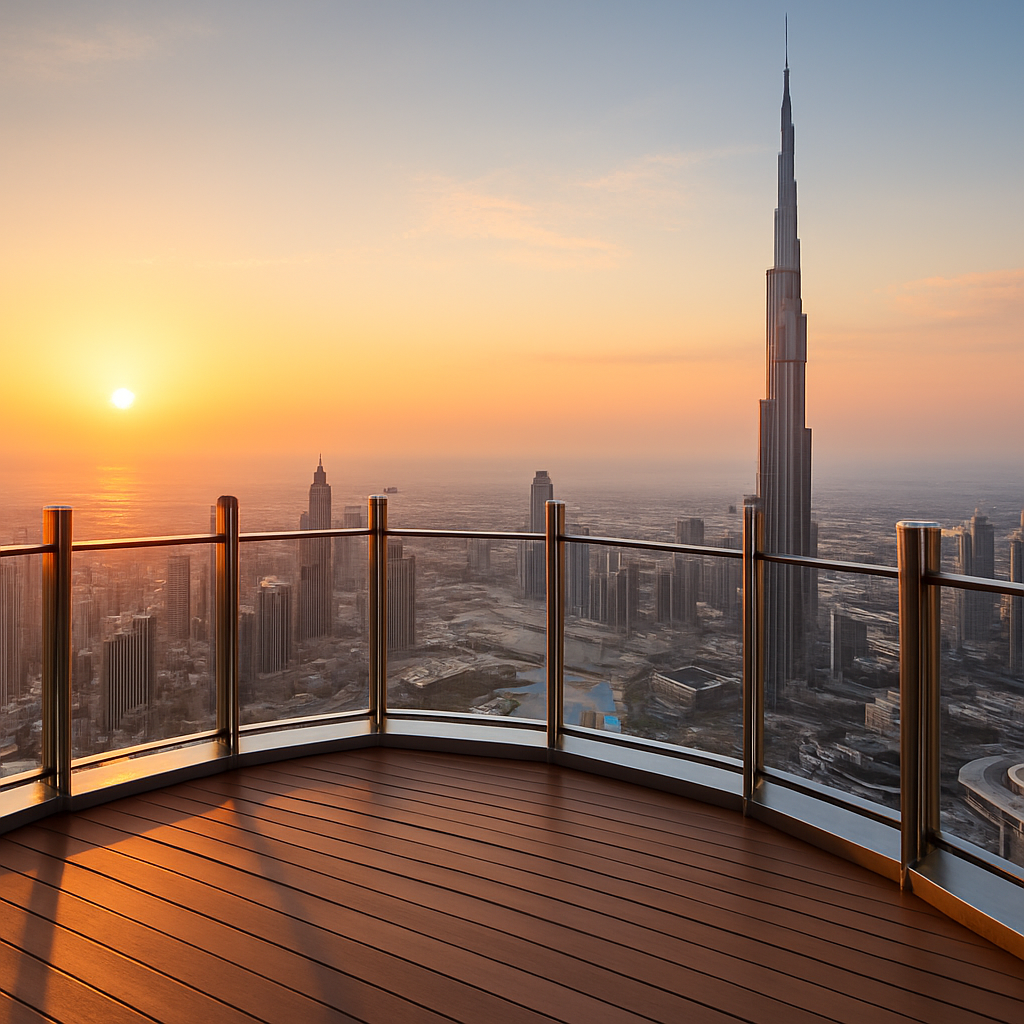
Burj Khalifa at Dusk
You already know it's the world's tallest building. What you don't expect is the emotional hit of watching the desert and the Gulf merge into a single orange haze from 555 meters up. Book the Level 148 ticket online in advance (AED 759 — yes, it's worth it for sunset timing) or save with Levels 124/125 (AED 149). Walk-up prices are higher and peak slots sell out.
The places I actually send people to
Advice that fits how you travel
Solo travel in Dubai is logistically straightforward. The metro is clean and efficient, Careem and Uber work flawlessly, and the city is engineered for visitors. English is the functional lingua franca. You'll eat well at every price point — from AED 15 shawarma in Bur Dubai to world-class omakase. Budget solo travelers can manage on AED 400–500 per day with a midscale hotel, metro transport, and one paid attraction.
Meeting other queer travelers is harder here than almost anywhere else I cover. Dating apps exist but carry documented risk — entrapment via Grindr and similar platforms has been reported. If you use apps at all, exercise extreme caution: don't share identifying photos, don't share your hotel name, and understand that you are operating in a criminalization jurisdiction. The safer social entry points are Friday brunches at international hotels and weeknight gatherings in DIFC.
As a solo LGBTQ+ traveler, your relative anonymity is actually an asset here. One person walking through a mall, dining alone, or visiting a museum draws zero attention. The risk calculates differently when you're not visibly part of a couple. Stay at an internationally managed hotel, keep your digital footprint clean, and treat the trip as a spectacle to observe rather than a community to join.
I have to be direct: Dubai is one of the most challenging destinations I cover for LGBTQ+ couples. The core issue isn't hospitality infrastructure — it's that any visible expression of your relationship in public carries criminal risk. You cannot hold hands, cannot show affection, and must present as friends or colleagues in all spaces outside your locked hotel room. For some couples, that trade-off negates the entire point of traveling together. For others, the shared experience of Dubai's extraordinary food, architecture, and desert landscapes is worth the constraint. Only you can make that call.
If you go: book international 5-star hotels where two guests sharing a room is unremarkable. The Atlantis, JW Marriott Marquis, and W Dubai – The Palm handle same-gender bookings routinely. Request a king bed online during booking rather than at the front desk if you prefer to avoid any conversation. Your room is genuinely private — that's your space. For dining, Nobu and Zuma offer excellent date-quality meals where two men or two women at a table draw no attention whatsoever.
The romantic experiences here are architectural and sensory rather than intimate: sunset from the Burj Khalifa, dinner overlooking the Gulf, a day trip to the Sheikh Zayed Grand Mosque. Build the romance around shared awe rather than physical closeness, and this city has a lot to offer. Just never lose awareness of where you are.
LGBTQ+ families traveling to Dubai face a compounded version of the challenges individual travelers encounter. The UAE does not recognize same-sex parents — legally, your family structure does not exist here. If your children's documentation lists two mothers or two fathers, you may face questions at immigration. Families with one legally documented parent and one "traveling companion" are less likely to encounter issues, but there is no guarantee. Consult your government's travel advisory and consider legal advice before bringing children.
On a practical level, Dubai is extremely family-friendly as a destination — Aquaventure Waterpark, Dubai Parks & Resorts, the Dubai Aquarium, and free public beaches offer plenty for kids. Malls are enormous and well-equipped with family amenities. Hotels routinely accommodate families with connecting rooms and kids' clubs. The challenge is entirely about how your family is perceived and documented, not about whether kids will have things to do.
If you travel as a family, present as a group rather than emphasizing parental roles in public interactions. This isn't about shame — it's about navigating a legal environment that is hostile to your family's existence. Some LGBTQ+ families travel here successfully with careful preparation. Others decide the risk isn't worth taking with children involved. I respect both decisions completely.
What Dubai actually costs
Flights, visas, and the first 30 minutes
Airport: Dubai International Airport (DXB) — one of the world's busiest, with direct flights from 240+ cities. It's a major Emirates hub with connections to virtually everywhere.
Major direct routes: London Heathrow (7h 00m), New York JFK (13h 30m), Paris CDG (6h 45m), Sydney (14h 15m), Toronto YYZ (13h 00m), Singapore (7h 10m), Mumbai (2h 30m).
Visa requirements: US, UK, Canadian, and Australian passport holders receive a free visa on arrival, valid 30 days, extendable once. Most EU passport holders also receive visa on arrival for 30–90 days depending on nationality, free of charge.
Getting to the city:
Dubai Metro (Red Line): AED 8–26 with a NOL card, 35–50 minutes. Cheapest option; runs to Union, BurJuman, and DMCC stations.
Licensed RTA Taxi: AED 75–130, 20–50 minutes depending on traffic. Metered with AED 25 airport surcharge.
Careem / Uber: AED 80–150, 20–50 minutes. Widely used, reliable, with surge pricing during peak hours.
RTA Bus (Route 401): AED 9–15, 60–90 minutes. Very affordable; runs to Al Ghubaiba bus station in Bur Dubai.
Traven's seasonal breakdown
The questions everyone asks
Is it safe for LGBTQ+ travelers to visit Dubai?
Can I use Grindr or other dating apps in Dubai?
Will hotels question two men or two women sharing a room?
How much should I budget per day?
Do I need to dress conservatively?
Is it safe for trans travelers to visit Dubai?
What's the best time of year to go?
Screenshot this before you go
So should you actually go?
I can't sugarcoat this one. My Traven-Dex score of 4.3 reflects a city that is genuinely spectacular as a destination — the architecture, the food, the sheer scale of ambition — paired with a legal framework that criminalizes your existence. Dubai is manageable for an aware, discreet LGBTQ+ traveler who understands the rules, stays within international hotel environments, and comes for the spectacle rather than authentic queer community. It is emphatically not manageable for someone who needs to live openly, even for a week. Some of you will read the fine print and decide the trade-off is worth it for the experience. Some of you won't. Both are valid, and I mean that. Just go in with your eyes open and your apps deleted.
Sources & Resources
Official links we reference when compiling this guide. Last verified 2026-03-05.
- ILGA World – UAE Legal Overview
- Rainbow Railroad – UAE Country Resources
- Stonewall – Advice for LGBTQ+ Travellers Abroad
- US State Department – UAE Travel Advisory
- UK FCDO – UAE Travel Advice (LGBTQ+ Section)
- Human Rights Watch – UAE
- IGLTA – International LGBTQ+ Travel Association
- OutRight Action International – Middle East
- Amnesty International – UAE
- Australian Government – UAE Smartraveller