
Birmingham doesn't perform for you. It just hands you a pint at half past nine on Hurst Street and asks where you're from.
It's a Thursday in May, half past nine, and the smoking terrace at The Nightingale is doing the work it's been doing since 1969 — drag queens in full face sharing a lighter with a silver fox in a Villa shirt, two girls from Eden across the road shouting about the karaoke they just escaped, somebody's nan on a hen do trying to remember which one of you is the bride. Nobody's filming it. Nobody's posing. Down on Hurst Street the chip shop queue has spilled into the rainbow crossing and the Hippodrome is letting out, and the whole village is doing what it always does on a weeknight: just being itself, at full Brummie volume.
That's the thing nobody tells you about Birmingham. If London is the queer capital and Manchester is the queer party, Brum is the queer mate who hands you a pint without being asked. The whole gay village fits in a ten-minute walk — Hurst Street, Lower Essex Street, the Arcadian, sandwiched between the Hippodrome and the Chinese Quarter — and that compactness is the entire pitch. You don't pre-game; you just walk. You don't text to find out where everyone is; everyone is here.
I gave it an 8.1 overall on my Traven-Dex, and the Chill score of 8.2 is doing most of the heavy lifting. This is a working-class city with a long tradition of leaving people alone, and that translates, in travel terms, into a kind of hospitality you don't get in places that try harder. The food has graduated — Opheem picked up a second Michelin star in 2024, the first two-star Indian in the UK outside London, and the Balti Triangle still serves the dish it invented in the 1970s for less than the cab fare to get there. The Library of Birmingham's rooftop is free. The Ikon Gallery is free. The Birmingham Museum's Pre-Raphaelite collection is one of the largest in the world and is, you guessed it, free.
Time it right and you get two very different versions of the city. Late May is Birmingham Pride weekend on Hurst Street, loud and unapologetic. November is SHOUT Festival — two weeks of queer arts spread across the MAC, the Hippodrome, and Birmingham Cathedral, where the AIDS Memorial Quilt panels go up and the whole thing turns quietly devastating in the best way. Both are worth the train fare. Lower your expectations of glamour and raise your expectations of warmth, and Brum will hand you a pint before you've finished your sentence.
The stuff your travel guide buries on page 47
The legal picture in the UK is about as solid as it gets. As of 2026, same-sex marriage has been legal since 2014, joint adoption is fully recognized, and the Equality Act 2010 prohibits discrimination on the basis of sexual orientation and gender reassignment across employment, housing, and services. Birmingham operates squarely inside that framework — you'll find detail on local enforcement and equality programming via Birmingham City Council's Equality and Cohesion office.
Gender identity is where the picture gets more textured. The UK's Gender Recognition Certificate process still requires a medical diagnosis of gender dysphoria, and the 2025 UK Supreme Court ruling on the legal definition of "woman" has reshaped the national conversation around single-sex spaces and trans rights. None of that changes the fact that trans visitors are protected under the Equality Act, but the climate is more politically charged than it was a few years ago. Stonewall and Gendered Intelligence are the organizations to bookmark for current guidance.
On the ground, Birmingham wears its inclusivity casually. The whole gay village is walkable in about ten minutes — roughly Hurst Street, Lower Essex Street, and the Arcadian, sandwiched between the Birmingham Hippodrome and the Chinese Quarter. Don't bother with cabs between venues. PDA is fully welcomed in the Village, the city centre, the Jewellery Quarter, and Digbeth. Outer suburbs like Alum Rock and Sparkhill are more conservative — not hostile, just not the place to make out at a bus stop.
Pro tip: New Street and Moor Street stations both put you a 7-minute walk from the village, and Grand Central's exit onto Hill Street is the friendliest if you're wheeling luggage to a Hurst Street hotel. The Birmingham Hippodrome is a working theatre that happens to sit at the village's front door — book a matinee of whatever's touring and you've justified the trip before the bars even open. Visit Birmingham Pride for late-May programming and SHOUT Festival for November's queer arts crawl.
What it actually feels like on the ground
My Chill score of 8.2 reflects a city where being visibly gay is, on most days, a non-event. But ground-level reality varies block by block — here's the honest version.
Holding hands: In the Gay Village, on Hurst Street, around the Arcadian, in the Jewellery Quarter, in Digbeth, and across most of the city centre, hold hands without a second thought. In Moseley and Edgbaston, fine. In outer suburbs like Alum Rock and Sparkhill, you'll generally be left alone, but the cultural temperature is more conservative — read the room.
Hotel check-in: Same-sex couples can book any hotel in this city without ceremony. Hyatt, Hotel du Vin, Malmaison, The Grand — all of them check you in like the boring couple you probably are.
Taxis and transit: Black cabs and Uber are uneventful. Buses and trams are contactless and run frequently. Standard urban awareness applies after midnight at transit hubs.
Late night: The walk from Hurst Street back to the Bullring after midnight is fine and well-lit — but the cut-through past the NCP car park behind the Arcadian gets eerily quiet. Stick to Smallbrook Queensway. West Midlands Police have a visible LGBT liaison presence during Pride and on weekend nights on Hurst Street; reporting a hate crime is straightforward via their online form or any village venue's door staff.
Trans travelers: Birmingham's queer scene remains visibly trans-inclusive — Village venues, the SHOUT Festival programming, and community spaces are reliably welcoming. The wider national debate is what it is, but the city itself feels considerably less politicized than the headlines suggest. Galop is the UK's LGBT+ anti-abuse charity if you experience harassment, and Switchboard runs a 24/7 helpline.
Sexual health: Umbrella's clinic on Boulton Road offers free walk-in sexual health and PrEP — Brummies treat it the way Londoners treat 56 Dean Street. No drama, just go.
Verbal harassment risk: Low in central neighborhoods, occasional in outer suburbs late at night, generally a non-issue during daylight anywhere. This is a working-class city with a long tradition of leaving people alone — which, in travel terms, is its own kind of hospitality.
The queer geography
The Gay Village (Southside)
The compact heart of queer Birmingham sits on Hurst Street and Lower Essex Street, sandwiched between the Birmingham Hippodrome and the Chinese Quarter. The Arcadian — a covered piazza of bars and restaurants — anchors one end, and rainbow crossings mark the territory. The Village is gloriously unpretentious. Five minutes on Hurst Street and you'll realize nobody's posing for Instagram; they're queueing for chips and gossiping at full Brummie volume. The Nightingale on Kent Street is the granddaddy — multi-floor club open since 1969, proper Saturday-night pilgrimage, and the only place where you'll see drag queens, twinks and silver foxes sharing the same smoking terrace. The Village Inn, Missing Bar, Sidewalk and Eden Bar fill out the rest. Find festival dates and community events via Birmingham Pride.
Digbeth
Just east of the centre, Digbeth is Birmingham's creative quarter — Victorian factories converted into warehouse clubs, street art that updates monthly, and a food scene anchored by Digbeth Dining Club and The Custard Factory. The Peaky Blinders aesthetic is heavy here because the show shot in these arches; locals roll their eyes at it but the bars lean in anyway. Original Patty Men serves the city's best smash burgers from under the railway arches, and Centrala programs queer arts events year-round. The neighborhood is rough around the edges in the best possible way — concrete, neon, and genuinely the most interesting six blocks in the city.
Jewellery Quarter
Northwest of the centre, the JQ is a working district of small workshops where about 40% of all UK-manufactured jewellery is still made. The Georgian and Victorian streetscape survived the wartime bombing better than most of Birmingham, which means actual character — pubs in restored coach houses, cocktail bars in former silver shops, and the kind of weeknight crowd that goes home before midnight. 40 St Paul's stocks several hundred gins and won UK Gin Bar of the Year. Otto does the wood-fired pizza you wish your neighborhood had. 1000 Trades programs guest chefs and live music. Quietly inclusive without making a thing of it. Tourism resources at Visit Birmingham.
Moseley & Kings Heath
Three miles south of the centre, Moseley is the leafy bohemian suburb where independent pubs, a weekly farmers' market, and the Carters of Moseley Michelin star coexist on a few walkable streets. Chakana, the city's best Peruvian, sits on the same strip. Kings Heath just south of Moseley has a growing queer residential community and the York Road independent strip — coffee, vintage, brunch. This is where Birmingham's gays go to live, not to party — but a Sunday wander through both neighborhoods explains why the city feels lived-in rather than performed. The Birmingham LGBT Centre is the long-running community hub linking these scenes citywide.
The experiences worth rearranging your itinerary for
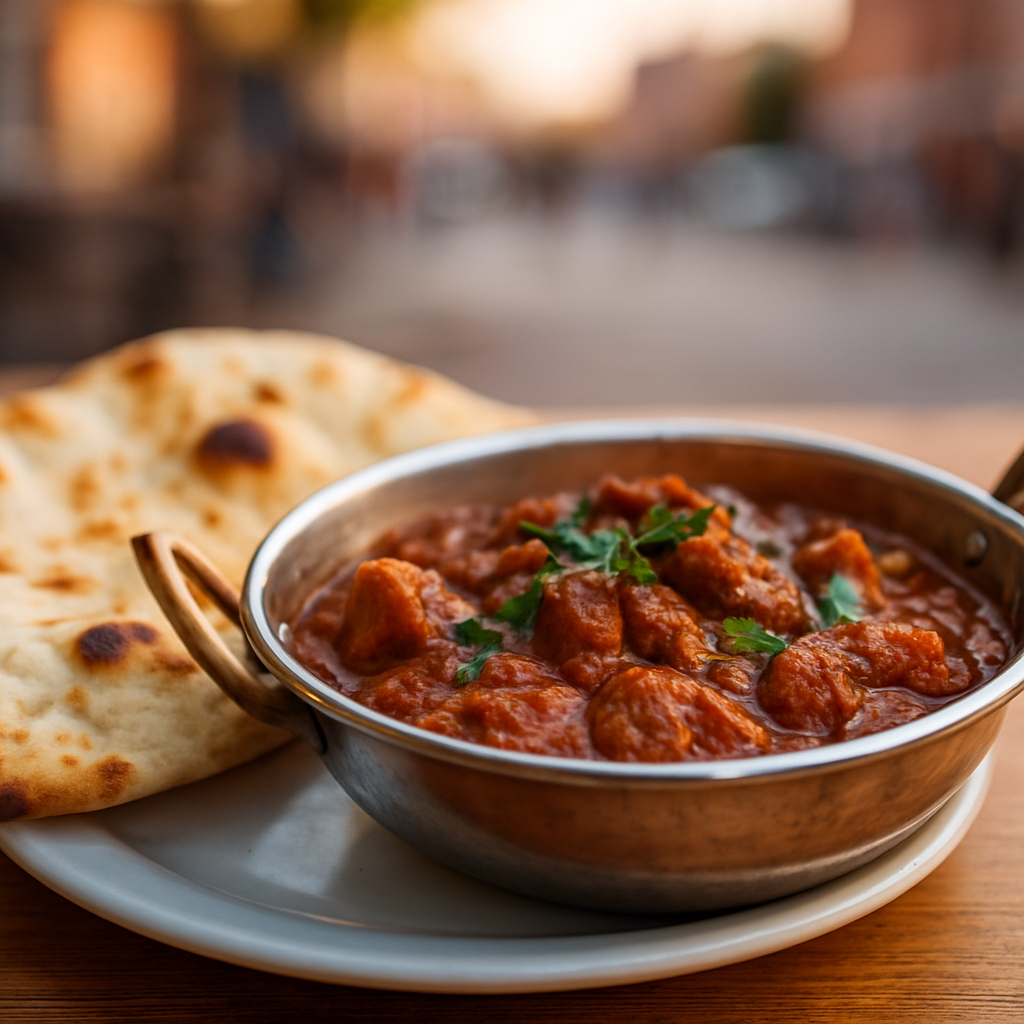
A Balti in the Balti Triangle
The dish was invented within walking distance of the city centre in the 1970s — a curry served sizzling in a thin steel bowl, born on the stretch of Ladypool Road, Stoney Lane, and Stratford Road that locals still call the Balti Triangle. Shababs on Ladypool is BYOB, properly old-school, and a fifteen-minute Uber from the Village. Order the lamb balti, tear into the family-sized naan, drink the wine you brought, and pay in cash. This is the meal you'll text your friends about.
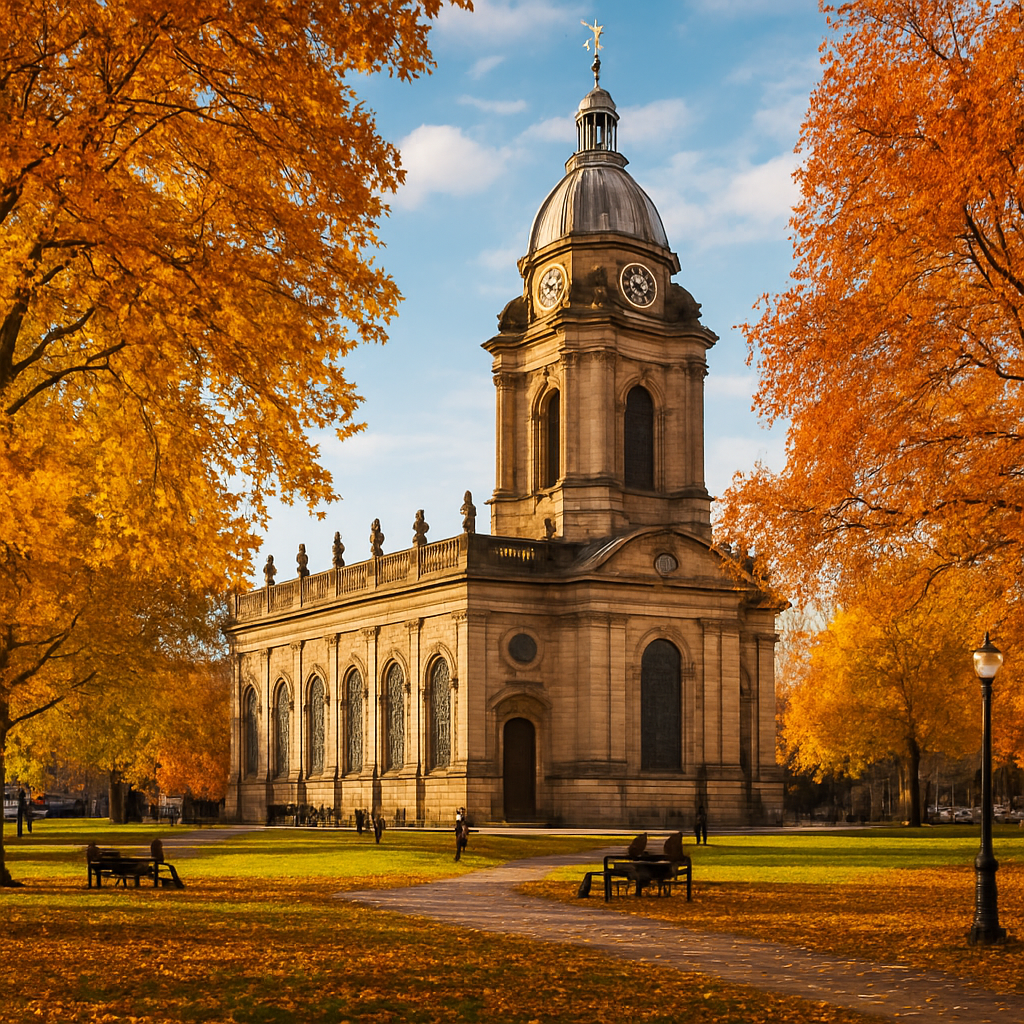
SHOUT Festival in November
For two weeks every November, SHOUT Festival turns the MAC, the Birmingham Hippodrome, and Birmingham Cathedral into one big queer arts crawl — film, performance, drag, visual art, the works. The AIDS Memorial Quilt panels displayed at the Cathedral during the festival are quietly devastating in the best way. It's the city's other Pride, and the one I'd argue you should plan a trip around.
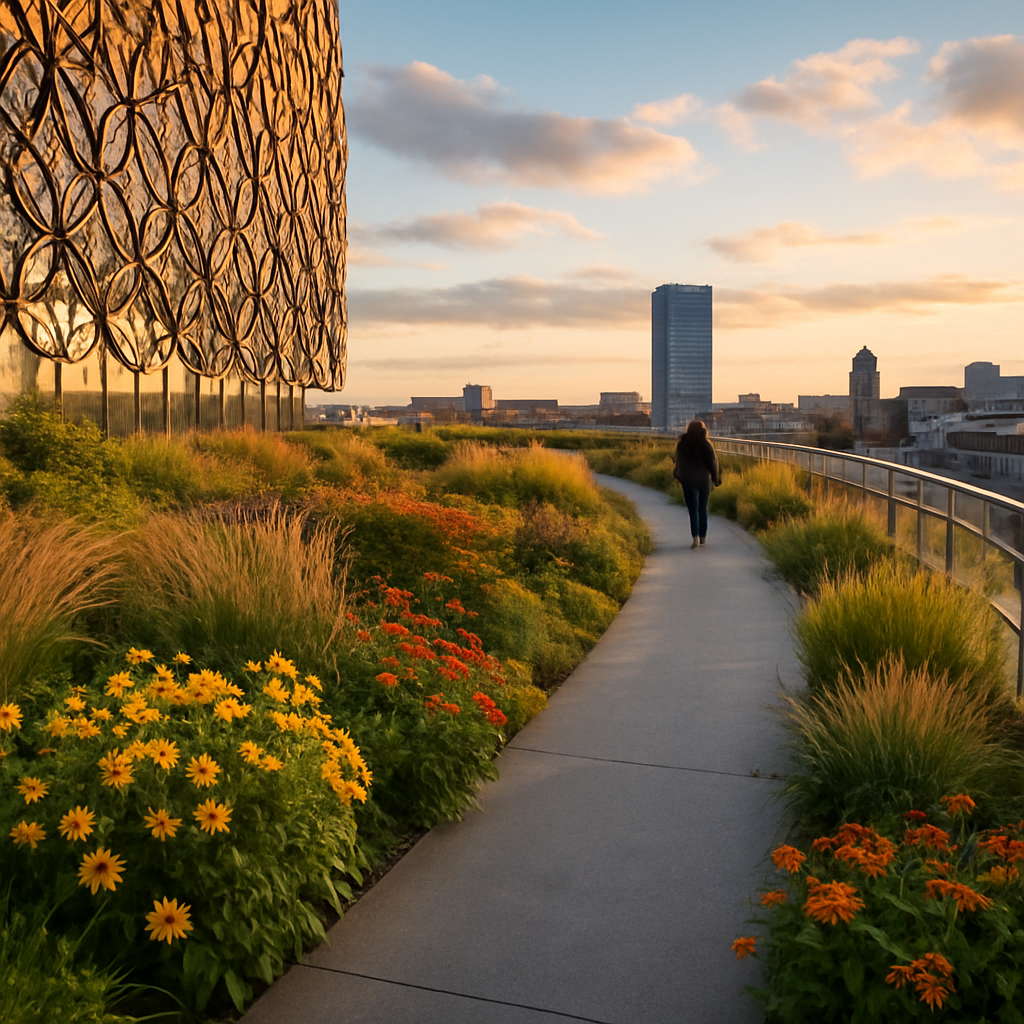
The Library of Birmingham Rooftop
Mecanoo's 2013 library on Centenary Square is the largest public library in the UK, and the rooftop Secret Garden is free, public, and almost always quiet. Take the lift up, find the Shakespeare Memorial Room near the top, then keep climbing for views across Birmingham's improbable skyline of cranes and Brutalist towers. It's the best free vantage in the city, and it tells you more about civic ambition than any guidebook.
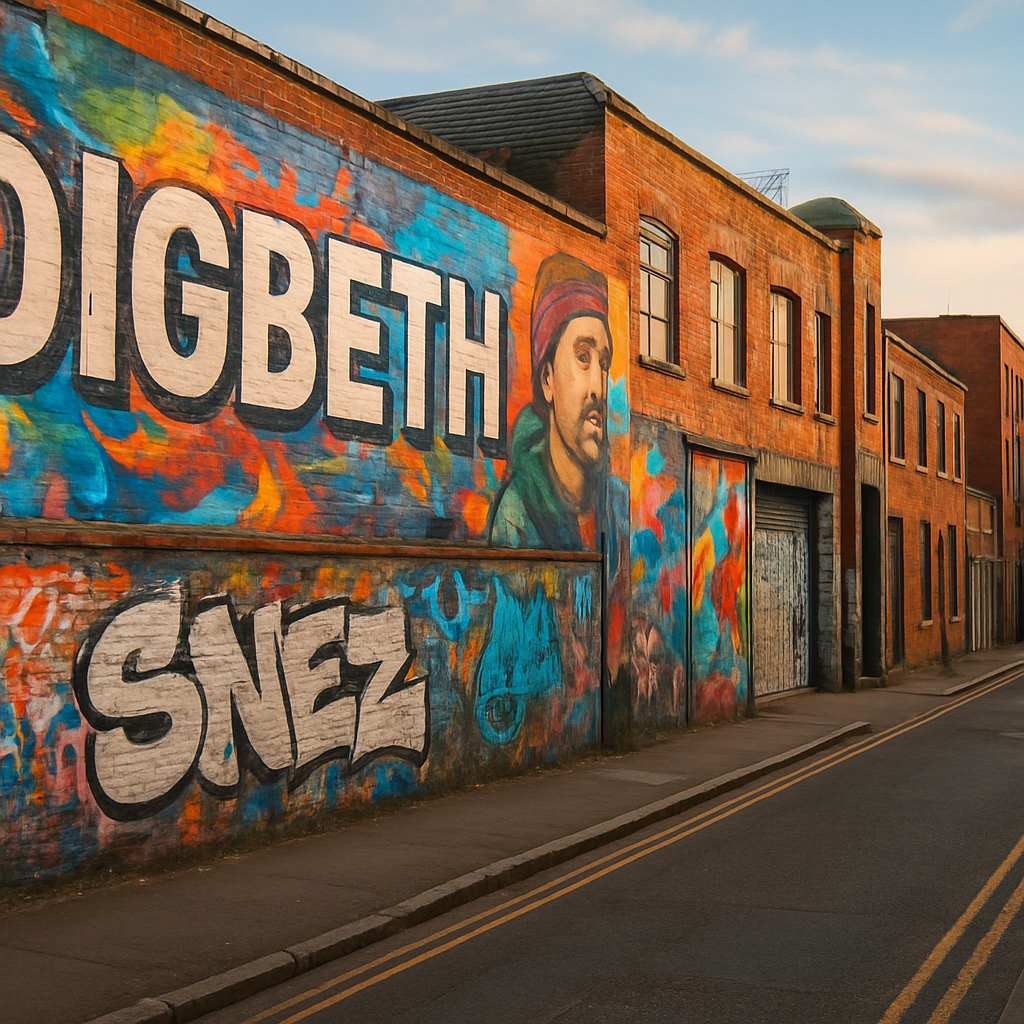
Digbeth Street Art and the Custard Factory
Just east of the centre, Digbeth is Birmingham's creative quarter — Victorian factories converted into warehouse clubs, street art that updates monthly, and The Custard Factory as the gravitational centre. Walk it on a first Saturday of the month for vintage markets, eat at Original Patty Men under the railway arches, and pretend you don't notice the Peaky Blinders tourists. It's the most photogenic six blocks in the city.
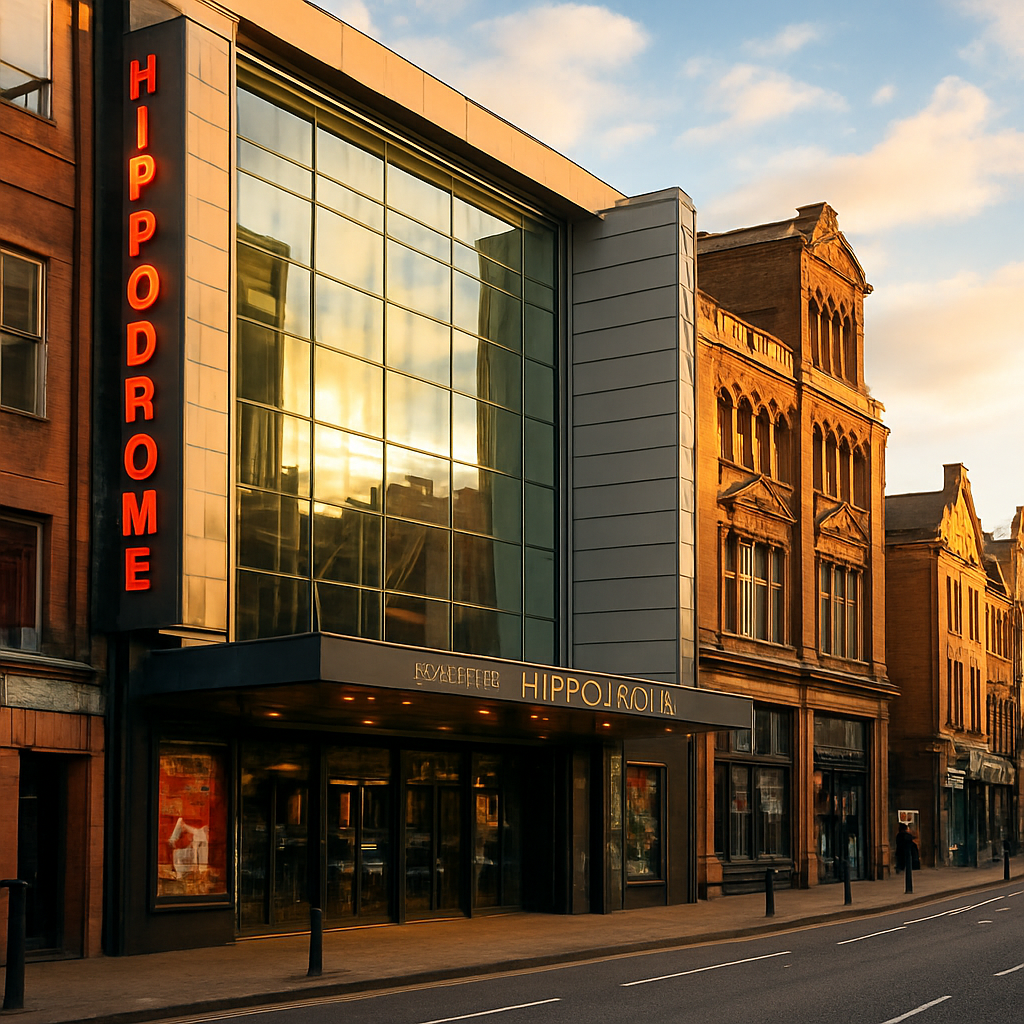
A Show at the Birmingham Hippodrome
The Birmingham Hippodrome opened in 1899 and is the UK's busiest single-auditorium theatre by attendance — home of Birmingham Royal Ballet and a principal touring stop for whatever's currently big in the West End. It also happens to sit on the front door of the Gay Village, which means a matinee ticket and a post-show drink at Missing Bar is the most efficient queer evening you can engineer in any UK city. Book whatever's on; the building does the rest.
The places I actually send people to
Advice that fits how you travel
Birmingham is one of the easier UK cities to land in solo. The whole gay village fits in a ten-minute walk along Hurst Street, which means you can show up at The Nightingale alone on a Saturday and have a conversation by the second drink — Brummies aren't standoffish, and the smoking terrace at the Gale is essentially a rolling introduction service. Sidewalk's drag bingo on Sundays is the lowest-effort way to meet people without having to shout over a club.
The apps work like they do in any UK city — Grindr is dense in the Village and Digbeth, less so in the suburbs. Solo budget travelers do well here: my Chill score of 8.2 is partly because the city is genuinely affordable. You can run a comfortable day on £70-£100 with a hostel or budget hotel, and the trains are cheap enough that a day trip to Stratford or even Manchester doesn't blow the trip.
For solo daytime, base yourself near New Street or in the Jewellery Quarter — both put you in walking range of museums, the Library rooftop, and weeknight bars like 40 St Paul's and 1000 Trades where drinking alone reads as completely normal. Pro tip: 'meet you at the bull' is unironically how locals plan a night out, and the Bullring bull is a perfectly respectable place to wait for someone you matched with twenty minutes ago.
Birmingham punches above its reputation for couples — particularly same-sex couples, who can hold hands across the city centre, the Village, the Jewellery Quarter, Digbeth, Moseley, and Edgbaston without anyone clocking it. Hotel check-in is a non-event; The Grand, Hotel du Vin, and The Edgbaston all handle same-sex couples with the boredom you actually want from a front desk.
For a romantic weekend, I'd put you at The Edgbaston for the Victorian villa and the cocktail lounge, or at Hampton Manor just outside the city if you want the trip to feel like a proper occasion — the Michelin Green Star at Grace & Savour does the heavy lifting. Dinner-wise, Opheem's two stars are the marquee booking, but Simpsons in Edgbaston is the quieter, more grown-up move. Follow it with a nightcap at 18/81 or Loft Lounge rather than diving straight into Hurst Street.
The most efficient queer date night I can engineer in any UK city: a matinee at the Birmingham Hippodrome, dinner at Lasan in the Jewellery Quarter, then a fifty-metre walk to Missing Bar for cabaret. Pro tip: the canal walk from The Mailbox to the Village is genuinely lovely after dark and turns the commute between hotel and bar into part of the evening.
LGBTQ+ families are fully recognized under UK law as of 2026 — joint adoption, second-parent rights, and the Equality Act protections all apply, so there's no legal asterisk on a family trip here. Birmingham itself is one of the more genuinely diverse UK cities, and two-mom or two-dad families generally don't draw a second look at restaurants, museums, or hotels. The outer suburbs are more culturally conservative, but you're unlikely to be there with kids anyway.
Free admission at the Birmingham Museum & Art Gallery, the Library of Birmingham (don't miss the rooftop Secret Garden), and Ikon Gallery means a full day of indoor activity costs roughly nothing. Add the Sea Life Centre at Brindleyplace and the canals for a stroller-friendly afternoon, and you've covered most weather contingencies. Cadbury World in Bournville is a 15-minute train ride and the rare tourist attraction that genuinely earns its ticket.
Eating with kids is easy — Brummies are casual about children in pubs and restaurants until early evening, and the Balti Triangle is a family meal in the original sense (big tables, BYOB, naan the size of a coffee table). Hotel-wise, the aparthotel format at Staying Cool at the Rotunda is genuinely useful with kids — kitchenette, laundry, and floor-to-ceiling views that pass for entertainment. Pro tip: contactless on every bus and tram means no faffing with tickets, which with a stroller and a bag of snacks is its own kind of luxury.
What Birmingham actually costs
Flights, visas, and the first 30 minutes
Airport: Birmingham Airport (BHX) sits about eight miles east of the city centre and handles roughly 150 direct routes across Europe, the Middle East, North America, and the Indian subcontinent. Direct long-haul includes Emirates to Dubai, Qatar Airways to Doha, Air India to Delhi, and seasonal transatlantic service via TUI and Jet2. For most US travellers, you'll connect through London Heathrow, Dublin, Amsterdam, or Paris.
Visas: As of 2026, US, Canadian, EU, and Australian passport holders are typically visa-free for stays up to 6 months, but an Electronic Travel Authorisation (ETA) is generally required before departure — apply online, pay roughly £10, and expect approval within a few days. UK domestic travel requires nothing. Always check the latest entry rules with the UK Home Office before booking.
Airport to city: The smartest move is the free AirRail shuttle — a 2-minute monorail-style link from the terminal to Birmingham International rail station, where direct trains to New Street run every few minutes for £4-£6 and take 10-15 minutes. Taxis and Uber run £25-£35 and 20-30 minutes, longer in rush hour. National Express buses to Digbeth Coach Station are £3-£5 and 30-40 minutes. The train is faster than the taxi and cheaper than the coffee you'd buy waiting for it.
Getting around: The city centre and Gay Village are entirely walkable — New Street, Moor Street, and Grand Central all put you a 7-minute walk from Hurst Street. Buses and trams are contactless, and a Swift card or your bank card taps you on directly. Skip the Uber from New Street to the Village; the walk past the Bullring bull is part of the experience.
Traven's seasonal breakdown
The questions everyone asks
Is Birmingham safe for same-sex couples to hold hands in public?
When is Birmingham Pride and is it worth planning around?
Do I need a visa to visit the UK in 2026?
How do I get from Birmingham Airport to the Gay Village?
Where should I stay if the Gay Village is the whole point of my trip?
How welcoming is Birmingham for trans travelers?
What should I budget per day in Birmingham?
Is the Gay Village walkable from the train stations?
Screenshot this before you go
So should you actually go?
Go. Birmingham doesn't try to sell you anything, which is exactly why it works — a compact, walkable gay village with one of the UK's longest-running clubs at its centre, a food scene that's quietly become one of the country's best, and a working-class warmth that does more for LGBTQ+ travelers than any rainbow lanyard ever has. As of 2026, the legal framework is rock solid, the Chill score of 8.2 is earned, and the city is genuinely affordable in a way London hasn't been in a decade. Time it for late-May Pride or November's SHOUT Festival if you can; come any other week and the village will still hand you a pint and ask where you're from. This one's a yes.
Sources & Resources
Official links we reference when compiling this guide. Last verified 2026-05-04.
- Birmingham City Council — Equality and Cohesion
- Birmingham LGBT Centre
- Birmingham Pride
- Galop (LGBT+ anti-abuse charity)
- Gendered Intelligence
- Mermaids UK (trans youth and families)
- SHOUT Festival of Queer Arts & Culture
- Stonewall (UK)
- Switchboard LGBT+ Helpline
- Umbrella Sexual Health Services Birmingham
- Visit Birmingham — LGBTQ+ Guide
- West Midlands Police LGBT+ liaison