
Cardiff doesn't perform for you. By night three the bartender at Mary's remembers your order, and that's the whole city in one sentence.
Cardiff is the rare British capital that's small enough to actually like you back. The whole queer scene fits inside one city block, the legal floor is rock solid, and the city walks at a human pace — which is exactly why it earned an 8.3 on my Traven-Dex and a 9.5 on Legal that nothing in Wales is about to disturb. This isn't Manchester's circuit, it isn't Brighton's parade, and it definitely isn't London's price tag. It's a capital that knows what it is and doesn't oversell it, which is half the appeal.
Here's the thing nobody tells you: Churchill Way and Charles Street are essentially one block, and the entire scene is camped there — Mary's, Pulse, Minsky's, the Eagle, WOW Bar, all within a one-minute walk. Don't try to bar-hop the way you would in Manchester. Order another pint. Stay put. By night three the bartender at Mary's will remember your order, and that's the entire model — Cardiff's queer scene is a village, not a circuit, and the people who try to treat it like the latter leave underwhelmed. The ones who treat it like the former leave plotting how to move here.
The geography around the bars is what makes the trip stick. Cardiff Bay at sunset, with the Senedd glowing and the Wales Millennium Centre's bronze facade catching the last light off the Bristol Channel. Pontcanna on a Saturday morning — Victorian terraces, oat-milk flat whites, the kind of west-side village where the gays who outgrew the bars buy houses and adopt whippets. Canton across the river, where Chapter Arts runs a queer film programme that punches absurdly above its weight and Matsudai Ramen draws a line down the block on a wet Tuesday. The 8.7 on Chill is doing real work — this is a city you can exhale in.
The asterisks are honest ones. The wider UK conversation around trans rights has gotten louder and uglier, and Cardiff sits inside that climate even as the city itself runs active community infrastructure through groups like Umbrella Cymru and Trans Aid Cymru. Sundays are properly sleepy. Rugby matchdays turn every pub within a mile of the Principality Stadium into a sea of red shirts. None of it disqualifies the trip — but go knowing what you're walking into, because Cardiff rewards travelers who came to be here rather than tourists who came to be entertained.
The stuff your travel guide buries on page 47
Cardiff is about as legally settled as it gets. As of 2026, same-sex marriage and adoption are both legal across the UK, the Equality Act 2010 covers sexual orientation and gender reassignment as protected characteristics, and discrimination in housing, employment, and services is straightforwardly illegal. Wales has gone a step further with its own Welsh Government LGBTQ+ Action Plan, which sets out specific commitments around healthcare, education, and hate-crime response. That's why I gave it a 9.5 on Legal — the floor here is rock solid.
The trans picture is more complicated, and I won't pretend otherwise. Gender recognition in the UK still requires a medical pathway as of 2026, and the wider British political conversation around trans rights has grown louder and uglier in the last few years. Cardiff itself is a generally welcoming city with active community infrastructure — groups like Umbrella Cymru and Trans Aid Cymru do real work on the ground — but visible trans travelers may notice friction outside the queer hubs, particularly on heavy-drinking nights in the city centre.
Pro tip: Pride Cymru's Big Weekend is in August down at Cardiff Bay, not the city centre. Book accommodation near Mermaid Quay or budget for a twenty-minute walk back through the Bay at 1am. And if your trip overlaps with a Wales rugby match at the Principality Stadium, every pub within a mile becomes a sea of red shirts — including the queer ones. It's joyful chaos, but book dinner well away from the centre.
One more practical note: Sunday is properly sleepy here. Most queer venues don't open until late afternoon, so plan a Bute Park walk or a Chapter Arts matinee in Canton for the daytime. US, Canadian, EU, and Australian travelers typically don't need a visa for stays up to six months but generally need an ETA (Electronic Travel Authorisation) sorted before flying — apply online, it's quick.
What it actually feels like on the ground
Holding hands and PDA: On Queen Street at lunchtime, on The Hayes, around Cardiff Bay and Mermaid Quay, in Pontcanna and Canton — a non-event. Same-sex couples walk hand in hand without comment. The vibe shifts a little after kicking-out time near Greyfriars Road, so cabs from a rank or via the Veezu app beat walking the long way back to a hotel.
Hotel check-in: Zero issue across the board. Booking a double bed as a same-sex couple at the Clayton, Hotel Indigo, voco St David's, or any of the Pontcanna independents is genuinely unremarkable here.
Taxis and rideshare: Use Veezu or Dragon Taxis rather than flagging on the street — both are reliable and the drivers won't blink at a pickup outside Mary's at 2am. Uber operates here too. Black-cab ranks at Cardiff Central are fine.
Late night around Churchill Way: Heart of the scene, well-trafficked, generally calm. Caroline Street (locals call it Chippy Lane) at 2am is the great equaliser — drunk straight stags, drag queens, and rugby fans all queueing for the same kebab. It's loud but rarely hostile; just don't argue with anyone holding a tray. South Wales Police have a dedicated LGBT+ liaison team, and Mary's has a well-trained door — if anything goes sideways on Churchill Way, the staff there are the fastest route to a calm resolution.
Trans travelers: Cardiff's queer venues are visibly welcoming and trans-affirming, and the city has active community infrastructure including Mermaids for trans youth and families. Outside the Churchill Way / Charles Street cluster, awareness is uneven and the wider UK climate is what it is. Carry documentation that matches your travel ID, and if you need anti-violence support, Galop runs a national LGBTQ+ helpline.
Health and sexual health: Terrence Higgins Trust Cymru runs services in Cardiff including testing, PrEP guidance, and counselling. NHS Wales provides free A&E care to all visitors.
Verbal harassment risk: Low in queer-coded areas, low across most of the centre during the day. Outer suburbs and matchday crowds rate moderate — standard situational awareness late at night, especially when stadium pubs empty out.
The queer geography
Cardiff is a small, walkable capital with a queer scene compressed into roughly one city block, a gorgeous regenerated waterfront, and a string of leafy west-side villages where the gays who've outgrown the bars end up buying houses and adopting whippets. You can cover the whole map on foot if your knees cooperate.
Churchill Way & Charles Street (the gay village)
The whole LGBTQ+ scene here is essentially one street — Churchill Way — and its parallel sibling Charles Street, anchoring a cluster of bars within a one-minute walk. Pulse for late-night, Mary's for cabaret and karaoke, Minsky's for showtune-and-brunch drag energy, the Eagle for the bear and leather crowd, and WOW Bar for the grungier, louder side of things. Don't try to bar-hop the way you would in Manchester or London — order another pint and stay put. By night three, the bartender at Mary's will remember your order, and that's the entire point.
Cardiff Bay & Mermaid Quay
The regenerated waterfront south of the centre, built on the bones of the old Tiger Bay docklands — one of Britain's earliest multicultural communities, with a queer heritage that predates the rainbow flag by a century. The Cardiff Bay Barrage walk at sunset is the move, looping back through Mermaid Quay for a pint at Eli Jenkins. The Wales Millennium Centre's bronze facade with Gwyneth Lewis's bilingual inscription anchors the skyline, and the Coal Exchange building does double duty as a heritage hotel and the main stage for Pride Cymru's Big Weekend each August.
Pontcanna & Canton
West of the river, across Bute Park. Pontcanna is leafier, bougier, full of Victorian terraces, oat-milk flat whites, and tasting-menu restaurants — Heaneys, Cora, Thomas by Tom Simmons, Milkwood. Canton is its scrappier neighbour: Chapter Arts Centre runs a queer film programme that punches absurdly above its weight, Matsudai Ramen draws lines down the block, and the residential streets have a real settled-in queer community. This is where the family of choice ends up after their thirties.
Cathays & Roath
North and east of the centre. Cathays is student territory — Cardiff University, the Pen & Wig pub, cheap eats, young energy. Roath, anchored by Wellfield Road and Roath Park Lake, is where queer students and creatives migrate when their leases run out. Wellfield is one long parade of independent cafes and brunch spots; the lake itself is a Victorian set piece worth a Sunday wander.
Grangetown
South of the centre, working-class, diverse, and the place to come for Somali, Yemeni, and Bengali food that knocks anything in the centre flat. The queer presence here is growing rather than established — Umbrella Cymru's community work and Glitter Cymru's QTIPOC socials often land at venues here or in Canton rather than on the Churchill Way strip. Worth knowing if you want a more textured Cardiff than the centre offers.
The experiences worth rearranging your itinerary for
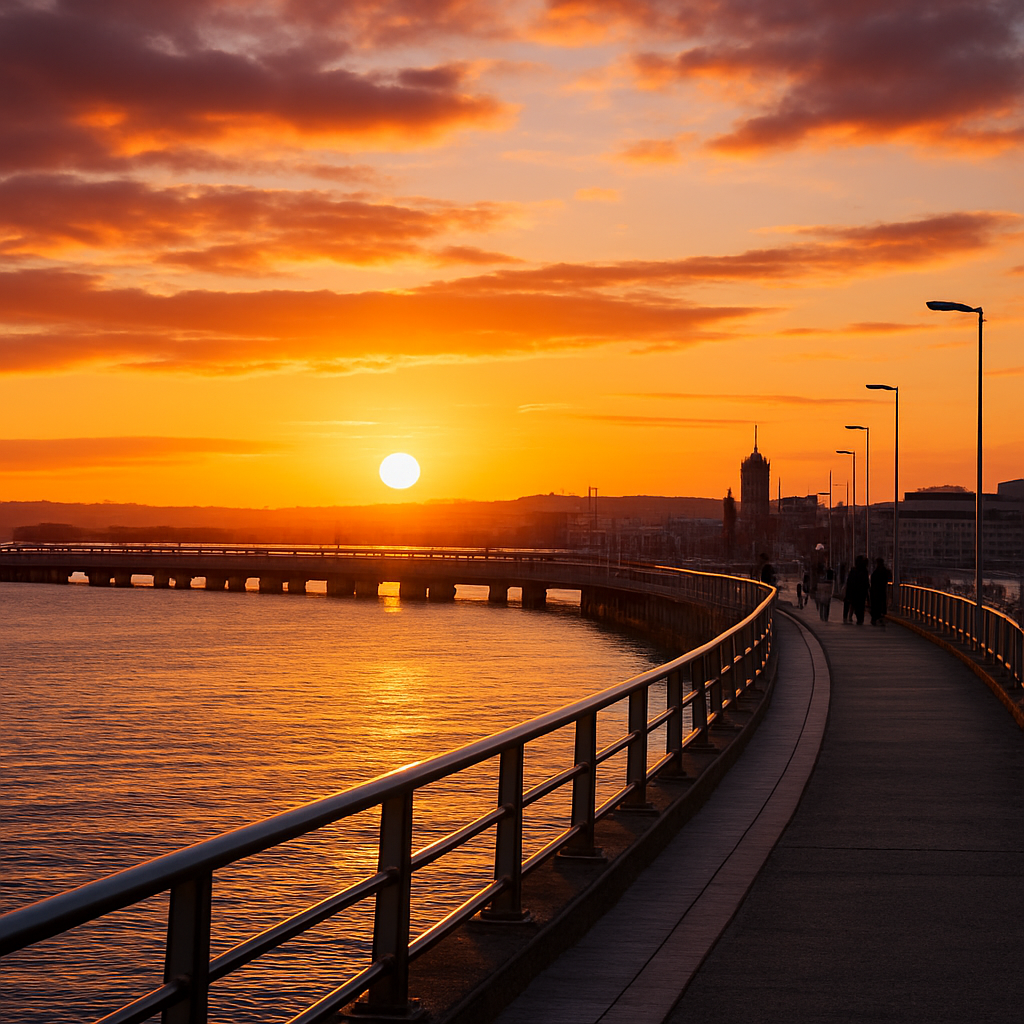
Walk the Bay Barrage at Sunset
Start at the Wales Millennium Centre, follow the boardwalk south, and walk the full length of the Cardiff Bay Barrage as the light goes pink over the Bristol Channel. It's flat, it's free, and the loop back through Mermaid Quay puts you within reach of a pint at Eli Jenkins or a Welsh-cake stop on the way to dinner.
This is the walk that explains why Londoners keep moving back to Cardiff after a few years away. Pro tip: aim for an hour before sunset and budget another hour for the loop back — the lighting on the Senedd is best on the return.
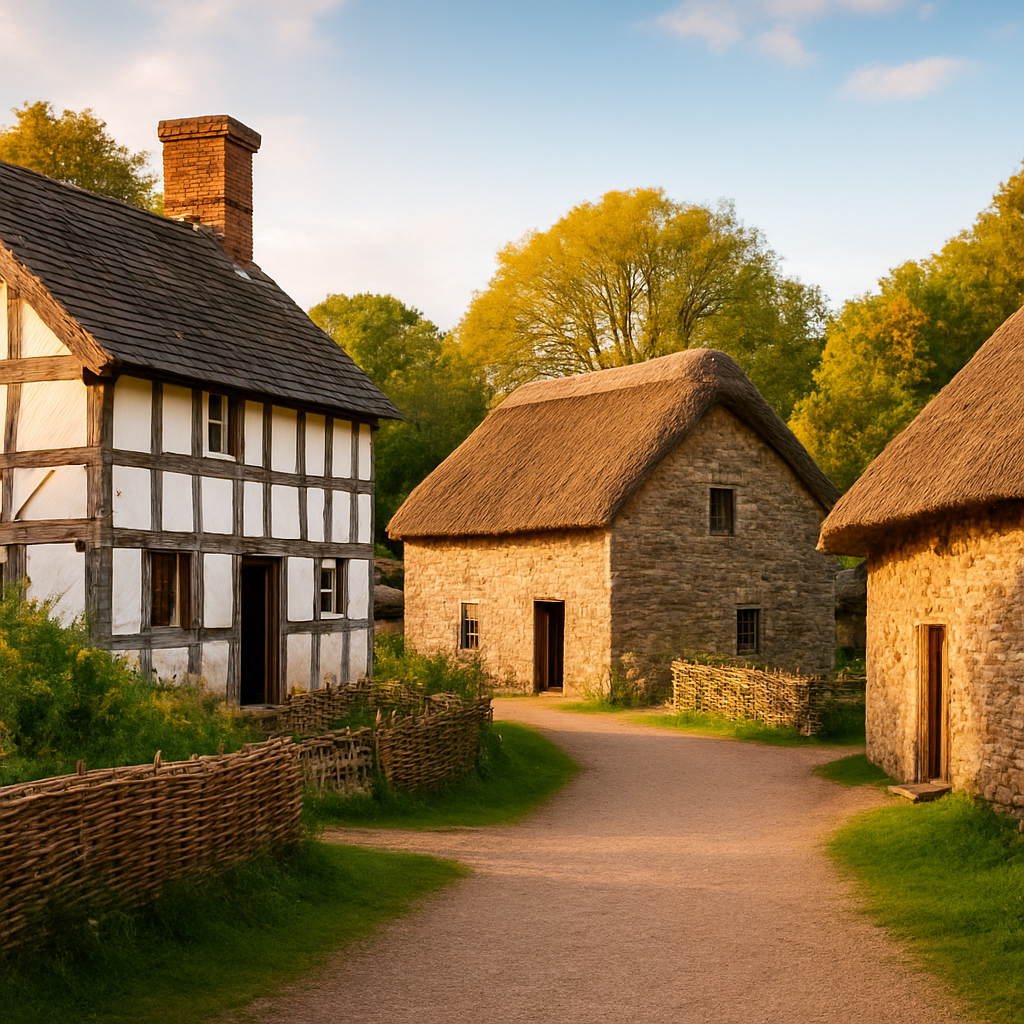
Lose an Afternoon at St Fagans
Free admission, a 20-minute bus from the centre, and forty-plus relocated Welsh buildings spread across the grounds of St Fagans Castle — chapels, miners' cottages, a Tudor manor, a working bakery. It took Art Fund Museum of the Year in 2019 and it earned it.
Walking through reconstructed Welsh chapels and miners' cottages with your partner hits different than the usual castle-and-cathedral tourist loop. Bring layers; half of it is outdoor.
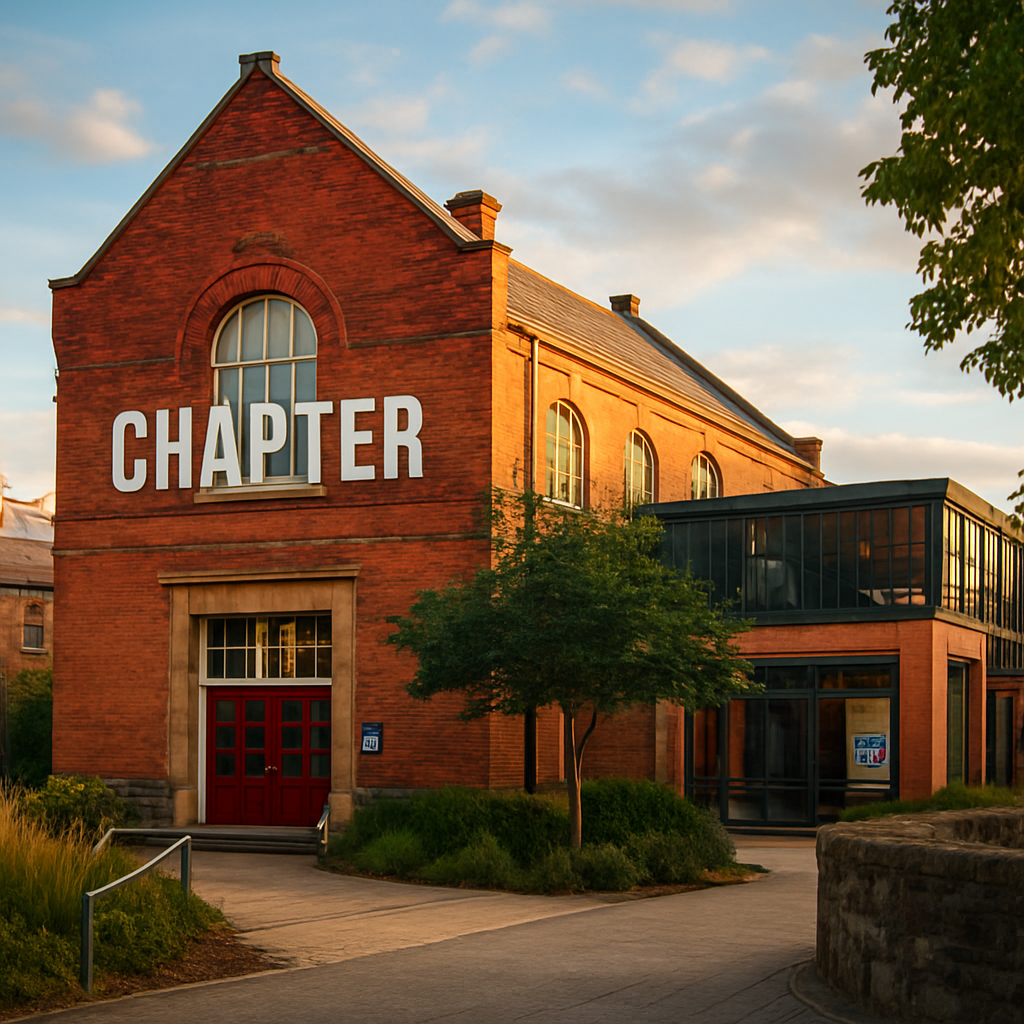
A Night at Chapter Arts in Canton
Chapter Arts Centre is a converted school in Canton running an independent cinema, two galleries, a theatre, and a bar that knows its beer list. The queer film programme punches absurdly above its weight — check what's on before you book your nights at Pulse.
The bar alone is worth the trip across the river: it's where Cardiff's creative class actually drinks, and the conversations you'll overhear are the entire point.
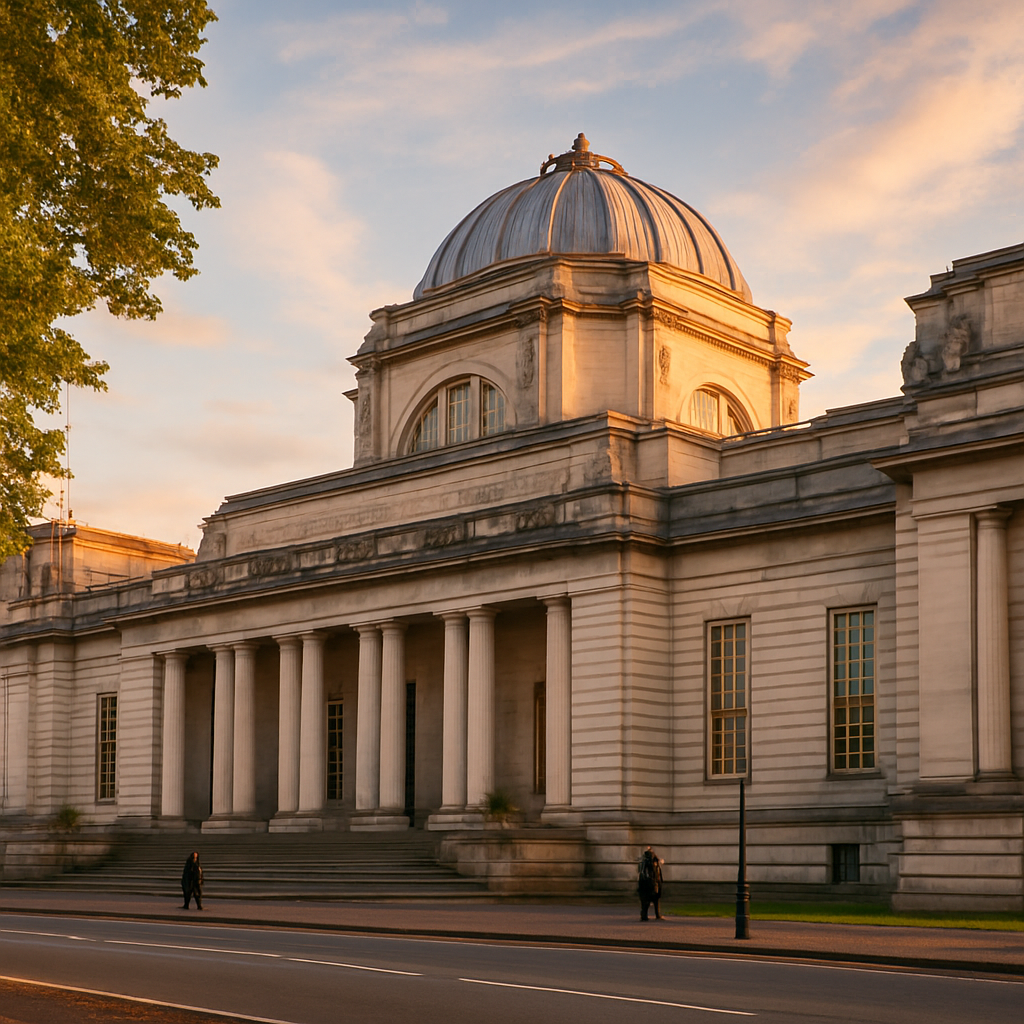
The Davies Sisters' Impressionists
Free entry, an hour will do it, and the room you're going for is the one with the Monet, the Renoir, the Cézanne, and one of the most quietly important Van Goghs in the UK — all donated by the Davies sisters, two early-twentieth-century Welsh collectors with better taste than most national institutions.
It's the kind of collection that should have a queue around the block in any other capital. It doesn't here. Use that.
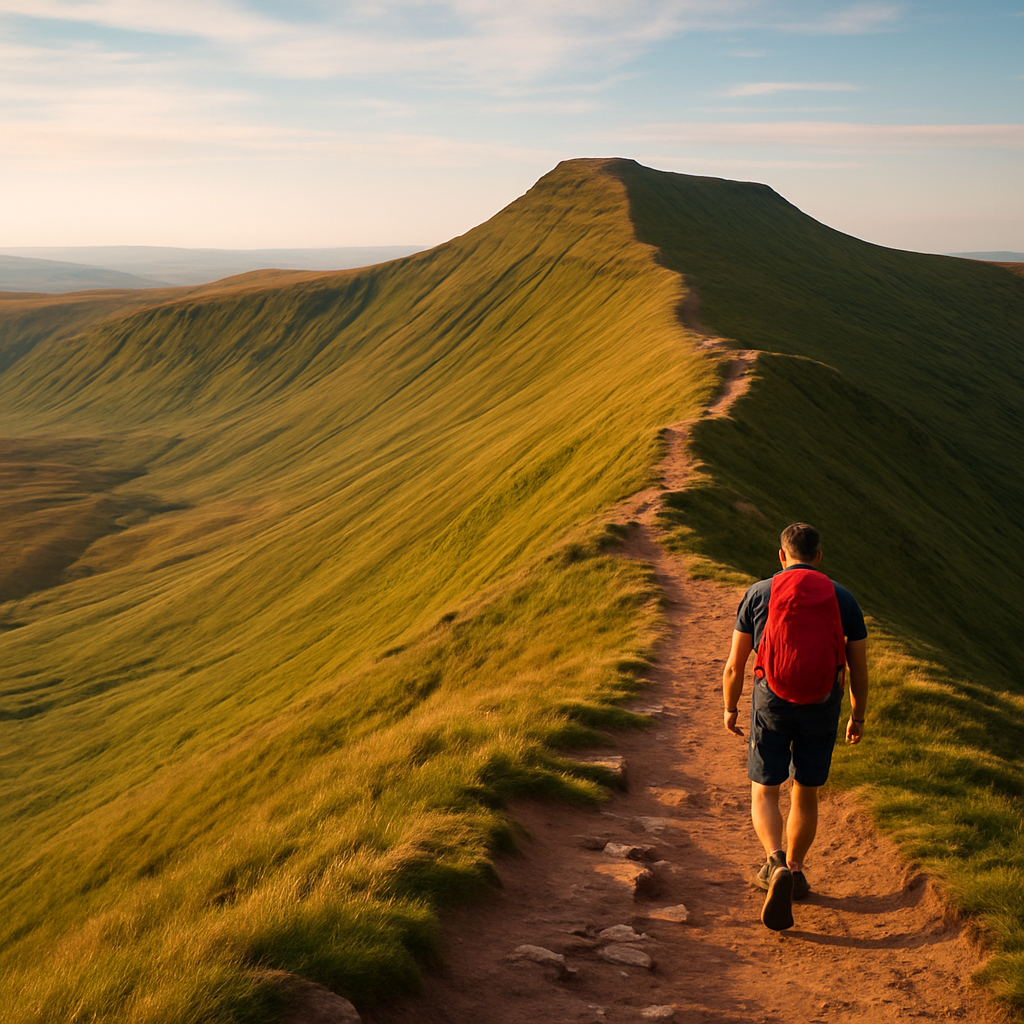
Climb Pen y Fan
Forty miles north of Cardiff, Pen y Fan rises 886 metres as the highest peak in southern Britain, sitting inside Bannau Brycheiniog (the park you'll still hear called the Brecon Beacons). The standard route up from Pont ar Daf is a two-hour return on a clear day, no scrambling, just a steady climb.
Stay overnight if you can — the park is an International Dark Sky Reserve, and the sky over the ridge after midnight is the kind of thing you don't get within a hundred miles of London.
The places I actually send people to
Advice that fits how you travel
Cardiff is one of the easiest cities in the UK to land solo and feel oriented inside an hour. The whole queer scene is essentially one block — Churchill Way and Charles Street — which means you don't bar-hop, you camp. Walk into Mary's on a Thursday, order a pint, and by the second drink someone will ask where you're from. By night three the bartender remembers your order. That's not a bug, that's the entire model.
The apps work fine here — Grindr, Sniffies, Hinge all have real density in the centre — but Cardiff is genuinely a city where you'll meet more people standing at the bar at Pulse or WOW Bar than you will swiping. Pro tip: a 'diolch' to the bartender lands warmer than you'd expect; bilingualism is alive here and a tiny effort goes a long way. For solo daytime, base yourself somewhere central like Sleeperz at Cardiff Central station — £75/night, you came here to do things, not sit in a hotel — and you can walk to Bute Park, Cardiff Castle, the Bay, and the gay strip without ever opening a transit app.
Safety as a solo traveler skews easy. The centre is well-trafficked late, Caroline Street at 2am is loud but rarely hostile, and Veezu and Dragon Taxis are the right move home from Mary's rather than walking. Budget-wise, you can do Cardiff comfortably on £75-110/day — the museums are free, Welsh cakes from Cardiff Market are £1, and Brains SA in any pub keeps the bar tab honest.
Cardiff is built for the long-weekend couples trip — small enough to walk, soft enough to feel residential, and with no part of the city where same-sex couples need to think twice about holding hands during the day. Mermaid Quay, The Hayes, Pontcanna, Bute Park, the bay walk at sunset — all of it a non-event. Hotels are equally relaxed: book a double bed at the Clayton, Hotel Indigo, voco St David's, or any of the Pontcanna independents and the check-in is genuinely unremarkable.
For the romantic geography: stay at voco St David's on its own peninsula in Cardiff Bay if you want every-room-balcony water views (£130/night), or The Coal Exchange Apartments in Pontcanna for quiet mornings, garden cafés, and a fifteen-minute walk through Bute Park to anywhere. Dinner is where Cardiff has quietly become serious — Cora on Pontcanna Street is a single nightly tasting menu and the most personal cooking in the city, Heaneys is the most ambitious, and Asador 44 does Galician aged beef over fire that's the best in Wales and not close. Book Cora a week out.
For the perfect Cardiff couples day: coffee in Pontcanna, vintage in Castle Arcade, the Bay Barrage walk an hour before sunset, dinner at Cora, and a nightcap at The Dead Canary before walking thirty seconds across to Mary's on Charles Street. The contrast between a hidden speakeasy and a full-volume drag night is half the fun, and you'll have done it all without an Uber.
LGBTQ+ families have the full legal floor here. As of 2026, same-sex marriage and joint adoption are recognised across the UK, the Equality Act 2010 protects family structure in housing, schools, and services, and Wales has gone further with its own Welsh Government LGBTQ+ Action Plan. Two-mum and two-dad families with kids in tow are an unremarkable sight in Pontcanna, Canton, around Roath Park Lake, and along the Bay — the parts of Cardiff where prams already outnumber pints.
The kid-friendly geography does most of the work for you. Bute Park is 130 acres of free playground in the middle of the city, St Fagans is a free open-air national museum where kids can wander reconstructed Welsh chapels and a working bakery (20-minute bus from town, plan a half-day), the National Museum Cardiff is free with an excellent natural history wing, and Cardiff Bay has the boardwalk, the Norwegian Church, and ice cream within easy reach of strollers. Cardiff Castle is £ but worth it for the Burges interiors and the Norman keep climb.
For practical logistics: kid menus are standard everywhere outside the highest-end tasting rooms, the city is genuinely flat and stroller-friendly, and the T9 Airport Express bus from CWL takes 40 minutes for £5. Pro tip: Sundays are sleepy here — most queer venues don't open until late afternoon, so program your family days for Saturday and Sunday and your nights out for Friday. And if Pride Cymru's Big Weekend in August overlaps with your trip, the family programming down at the Bay is genuinely welcoming — kids in ear defenders are everywhere and no one blinks.
What Cardiff actually costs
Flights, visas, and the first 30 minutes
Airport: Cardiff Airport (CWL) sits about 12 miles southwest of the city centre, with roughly 30 direct routes serving mostly UK, Irish, and short-haul European destinations. For long-haul, most travelers fly into London Heathrow or Bristol and connect by train — Cardiff Central is two hours from London Paddington on the GWR mainline, and that's the route I'd actually take if you're coming from across the Atlantic.
Visa requirements (as of 2026): US, Canadian, EU, and Australian travelers typically don't need a visa for stays up to six months but generally need an ETA (Electronic Travel Authorisation) sorted online before flying — it's quick and inexpensive, but don't leave it until the airport. UK domestic travelers obviously walk straight through.
Airport to city: The T9 Airport Express Bus runs every 30 minutes direct to the city centre (£5, ~40 minutes) and is the move for solo travelers on a budget. The train via Rhoose Cardiff Airport station is £5.80 and ~35 minutes once you factor in the shuttle from the terminal. Taxis from the rank run £35–45 fixed-fare and take 25–30 minutes; Uber operates here too at £30–40. If you're landing late and heading straight to a hotel near Churchill Way, just get a cab — it's worth the £40.
Pro tip: if you're flying into Bristol instead, the National Express coach to Cardiff runs hourly, takes about 75 minutes, and tends to be cheaper than the train. Sometimes the better airport is in the next country over.
Traven's seasonal breakdown
The questions everyone asks
Is Cardiff actually safe for same-sex couples to hold hands?
Where is the gay village?
Do I need a visa to visit Cardiff?
When is Pride Cymru?
How much should I budget per day?
What's the best way from Cardiff Airport to the city?
Are trans travelers safe in Cardiff?
Screenshot this before you go
So should you actually go?
Go. Cardiff is one of the easiest, warmest, most legally settled long-weekend trips in the UK for LGBTQ+ travelers, and the value-for-money against London or Manchester is genuinely embarrassing. Treat the scene like a village rather than a circuit, give yourself a night for Mary's and a morning for Pontcanna, walk the Bay Barrage at sunset, eat at Cora, and you'll leave plotting your return. The trans-rights climate in the wider UK is what it is and worth knowing before you book — but the city itself is welcoming, the legal floor is rock solid as of 2026, and the bartender will remember your order. That's not nothing. That's the whole point.
Sources & Resources
Official links we reference when compiling this guide. Last verified 2026-05-04.