Edinburgh built a capital into the side of a volcano and then acted like that was a perfectly normal thing to do.
Edinburgh does something to you that other cities don't — it makes you feel like you're inside a novel you haven't read yet. The volcanic crags, the Georgian symmetry, the way the light hits the sandstone at 7pm in June and turns every street into something you want to photograph but know the phone won't capture. I walked up Calton Hill on a Thursday evening last summer, the city spread out below in that impossible way it has, and a couple of guys next to me were sharing a bottle of wine on the grass like it was the most ordinary thing in the world. It was. That's Edinburgh.
The gay scene here is compact — genuinely walk-it-in-four-minutes compact — clustered around Greenside Place and Broughton Street in what locals call the Pink Triangle. But don't mistake small for thin. CC Blooms has been pulling people onto its dancefloor since the late '80s, and The Regent Bar on Montrose Terrace is the kind of proper local pub where the Tuesday night regulars have opinions about whisky that will rearrange your palate. The city also has one of the strongest LGBTQ+ nonprofit ecosystems in the UK outside London — LGBT Health and Wellbeing, the Equality Network, Waverley Care — which gives the place a civic seriousness about queer life that most cities this size simply don't have. My Traven-Dex of 9.1 reflects a city that's done the work, not just hung the flags.
And then there's August. Come during the Fringe and Edinburgh stops being a city and starts being a phenomenon. Summerhall alone will book you solid with queer cabaret, trans comedy, and drag that would headline Pride anywhere else — and that's one venue out of hundreds. The whole city becomes a de facto queer event for three weeks, which is why I gave it a 9.4 on Destination. Even outside festival season, though, this is a place where the Traverse Theatre commissions queer playwrights with real budgets, where the Scottish Parliament at Holyrood runs a formal Cross-Party Group on LGBTI+ Equality, and where a ceilidh (that's KAY-lee) at a Fringe late-night will sort out any lingering awkwardness within thirty seconds regardless of who you're dancing with.
Edinburgh is moody, literary, unexpectedly funny, and built on volcanic rock in every sense. The haar will roll in off the Firth of Forth and ruin your hair without apology. The hills will test your calves. The whisky will test your judgment. And the scene — small, loyal, opinionated — will make you feel like you've been coming here for years even on your first night. That's not a city trying to impress you. That's a city that already knows what it is.
The stuff your travel guide buries on page 47
The legal picture: As of 2026, Scotland offers full marriage equality, joint adoption rights for same-sex couples, and comprehensive anti-discrimination protections under the Equality Act 2010. Gender identity law includes self-identification provisions — though it's worth noting that Scotland's Gender Recognition Reform Bill, passed by the Scottish Parliament in December 2022, was blocked by the UK Government via a Section 35 order in January 2023, with legal proceedings ongoing. On paper and in practice, Edinburgh is one of the most legally protected places in the world to be LGBTQ+. The Scottish Government's LGBTI Equality policy page is worth a bookmark if you want the full legislative picture.
The cultural reality: Scotland decriminalized male homosexuality in 1980 — a full 13 years after England and Wales. That history is still present in the consciousness of older locals, and it's worth knowing before you assume the progressive politics are a given rather than a hard-won achievement. Edinburgh today is genuinely accepting in the centre and surrounding neighborhoods. This isn't tolerance — it's indifference in the best sense. Same-sex couples walking hand in hand on Broughton Street or the Royal Mile register about as much attention as someone ordering a coffee.
The weather is not a metaphor: Pack a layer even in July, because the haar off the Firth rolls in without warning and the wind on Calton Hill is a full personality. The Scots just don't mention it because they've made peace with it. You should too — but bring a waterproof jacket regardless of what the forecast says in the morning.
PDA comfort: Very high in the New Town, Broughton Street, and Leith. High along the Royal Mile and in the Grassmarket — both heavily touristed and casually accepting. During the Fringe in August, the entire city effectively becomes one of the most PDA-comfortable environments you'll find anywhere. The only areas where I'd suggest standard urban awareness are the outer suburban housing estates, where tourist presence is minimal and the social temperature is less predictable — but incidents are rare even there.
Before you arrive, consult Visit Scotland's official tourism portal for entry requirements, travel advisories, and information on LGBTQ+-friendly accommodations and attractions in Edinburgh.
What it actually feels like on the ground
Holding hands: Comfortable throughout the city centre — Old Town, New Town, Leith, Grassmarket. In the Pink Triangle around Broughton Street and Greenside Place, PDA is fully normalized and visible. You'll see same-sex couples walking arm-in-arm without anyone registering it. During the Fringe in August, the comfort level goes even higher citywide. In outer suburbs and peripheral housing estates, exercise the kind of situational awareness you'd use in any city — not because of documented targeting, but because the social environment is less tested.
Hotel check-in: No issues. Edinburgh's hotels — from hostels to five-star properties — handle same-sex couples and travelers without drama. Scotland's legal protections mean refusing service on the basis of sexual orientation or gender identity is straightforwardly illegal. You won't be asked to explain your booking, your relationship, or your ID.
Taxis and rideshare: Edinburgh's licensed Hackney cabs and rideshare drivers (Uber, Bolt) are professional and unremarkable. I've never heard a credible report of targeted hostility from a driver in central Edinburgh. Late at night, standard urban precautions apply — sit in the back, share your location — but that's generic big-city advice, not Edinburgh-specific.
Public spaces and parks: The Meadows functions as Edinburgh's unofficial gay picnic ground on sunny days and is the informal after-party space following Pride. Princes Street Gardens, Holyrood Park, and the Botanic Gardens are all comfortable. Calton Hill is scenic and historically a cruising area — go for the views during the day and be aware that the atmosphere shifts after dark.
Late night: The Pink Triangle bars on Greenside Place are genuinely relaxed — the staff actually notice if something feels off. The Cowgate and Grassmarket nightlife strips get rowdy on weekend nights, but this is generic Edinburgh drunkenness, not targeted hostility. Standard late-night awareness applies. Stick to well-lit routes or grab a taxi if you're heading to a quieter neighborhood after closing time.
Trans travelers: Scotland has progressive trans protections under the Equality Act 2010, and Edinburgh is notably affirming. Visible trans community presence around Broughton Street, gender-neutral facilities at many venues, and a socially accepting culture. Scottish Transgender Alliance is a useful resource. Healthcare signposting is accessible, and NHS Lothian's Chalmers Sexual Health Centre on Chalmers Street handles walk-ins without judgment.
Verbal harassment: Rare in central Edinburgh. The occasional religious street preacher near St Giles' Cathedral on the Royal Mile may be shouting about various sins, but this is ambient noise, not directed interaction. If you do experience anti-LGBTQ+ harassment or violence, Galop operates a UK-wide anti-LGBTQ+ violence hotline — worth bookmarking before you need it.
The queer geography
Broughton Street & The Pink Triangle
Walk north from the east end of Princes Street, cut up the steps at the Greenside roundabout, and within two minutes you're on Broughton Street — a sloping, handsome stretch of independent shops, cafés, and delis that feels more like a neighborhood than a district. The architecture is classic Edinburgh: Georgian stone facades with brightly painted shopfronts at street level, the kind of buildings that make you want to photograph every doorway. Valvona & Crolla, the oldest Italian deli in the UK, sits one block over on Elm Row, and the coffee-and-pastry situation here is quietly excellent.
This is Edinburgh's LGBTQ+ heartland — the Pink Triangle, a nickname that stuck in the '90s. The dedicated gay bars cluster on Greenside Place just off the roundabout: CC Blooms has been the anchor since the late '80s, Planet Bar is your pre-drinks conversation spot right next door, and Café Habana fills the café-bar gap between the two. The New Town Bar on Dublin Street and the Regent Bar on Montrose Terrace extend the scene outward without diluting it. It's small, it's walkable, and the staff at every bar will notice if you need anything — including directions.
Leith
Follow Leith Walk downhill for about twenty minutes — or grab a bus — and Edinburgh's port neighborhood opens up into something completely different. Leith spent decades as the city's working waterfront: shipyards, warehouses, the docks where goods and people came and went. That grit hasn't fully left, but it's been joined by converted warehouse restaurants, wine bars along The Shore, and Tom Kitchin's Michelin-starred restaurant on Commercial Quay. The architecture shifts from Georgian to industrial Victorian, and the air smells different — saltwater, hops from the microbreweries, something frying somewhere you can't quite see.
Leith's welcoming bar scene has expanded quietly over the last decade. It's not a second gay district, but if you're staying here or want to escape the tourist density of the Old Town, there are inclusive spots along Leith Walk worth discovering beyond the main Pink Triangle cluster. The vibe is younger, more creative, less formal — think wine at 5pm on the waterfront turning into a conversation with a local who turns out to be a playwright.
Old Town & Cowgate
Edinburgh's medieval spine runs from the Castle down the Royal Mile to Holyrood, and walking it is an exercise in vertical architecture — buildings piled six, seven, eight stories high along narrow closes that plunge down to streets below. The stone is black-grey in the rain and honey-gold when the sun hits, which happens more often than the city's reputation suggests. Duck off the main drag into Victoria Street, a curving, multicolored row of shops that drops steeply toward the Grassmarket, and you'll understand why this city doesn't need to try to be photogenic.
Below the Royal Mile, the Cowgate runs through a canyon of stone bridges and converted cellars. Cabaret Voltaire on Blair Street hosts regular gay club nights in 18th-century vaulted spaces — not a dedicated LGBTQ+ venue, but one that programs inclusively and draws a mixed, creative crowd. During the Fringe in August, the entire Old Town becomes a stage, and the LGBTQ+ programming at venues across the district is genuinely world-class.
Calton Hill & Hillside
Climb Calton Hill from the east end of Princes Street — it takes about ten minutes — and you get a view that explains why people keep coming here. Arthur's Seat directly south, the Firth of Forth to the north, the castle across the skyline to the west, and the absurd half-finished Parthenon replica right behind you. The National Monument was never completed, which somehow makes it more Edinburgh than anything else in the city. The light here at golden hour, particularly in June when sunset pushes past 10pm, is the kind of thing you stare at until your phone dies.
Calton Hill has a long history as a gay meeting place, and Pride Edinburgh uses the surrounding area for gatherings. Below the hill, the Hillside neighborhood connects to Leith Walk and the Pink Triangle, making it a natural extension of the LGBTQ+ district. Pro tip: go for the views during the day — after dark it's less about the panorama and more about knowing what you're looking for.
Connect with Stonewall UK, the country's largest LGBTQ+ rights organization, to find local community groups, support services, and resources throughout Edinburgh.
Explore Pink News for the latest information on LGBTQ+ events, venues, and destination guides across Edinburgh and Scotland.
Check Attitude Magazine for comprehensive recommendations on LGBTQ+-friendly restaurants, bars, clubs, and entertainment venues throughout the city.
The experiences worth rearranging your itinerary for
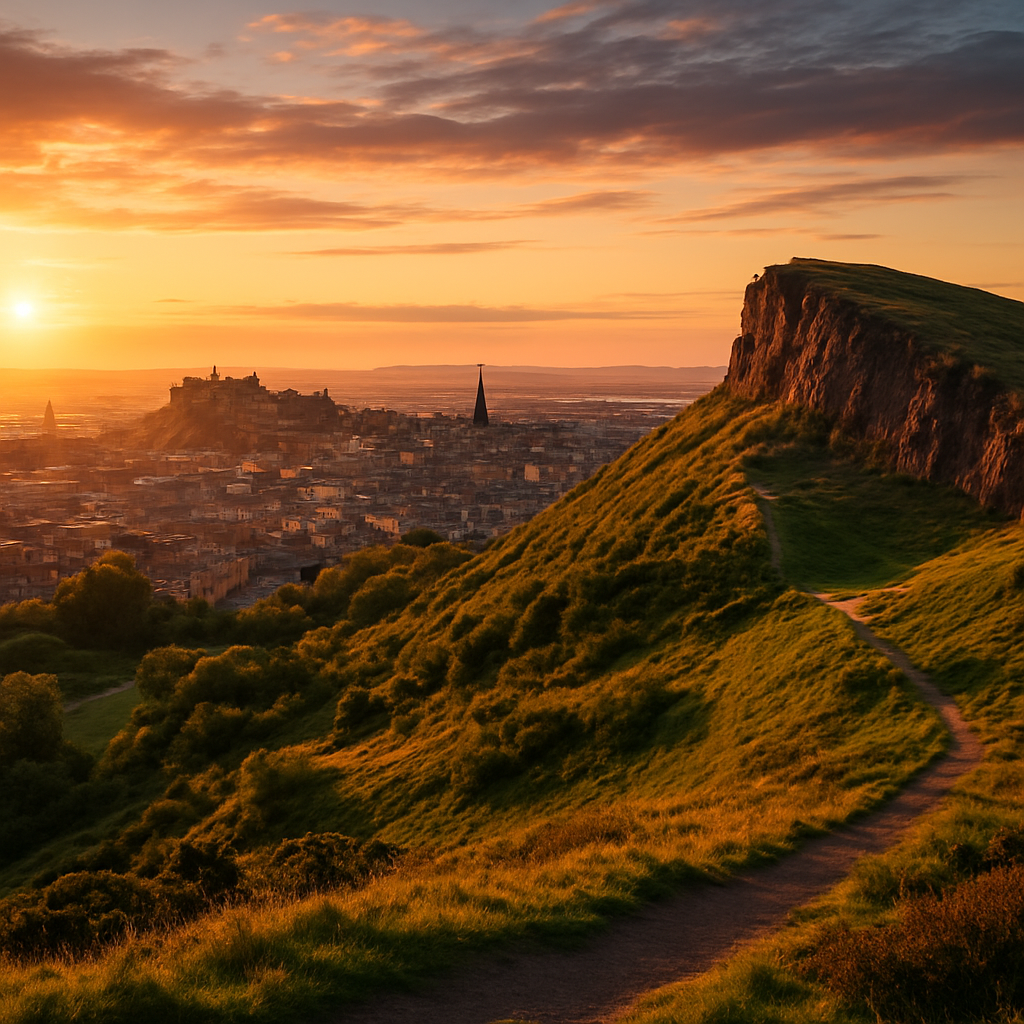
Arthur's Seat at Golden Hour
The 251-meter volcanic peak sits right in the middle of the city like Edinburgh just casually forgot to remove a mountain. The hike from Holyrood takes about 45 minutes on the main path and rewards you with a 360-degree panorama — the castle, the Firth, the Pentland Hills, the entire city laid out below you. Go in the evening between May and September when the light turns everything amber and the wind dies down just enough to let you stand still. Bring a layer. Always bring a layer.
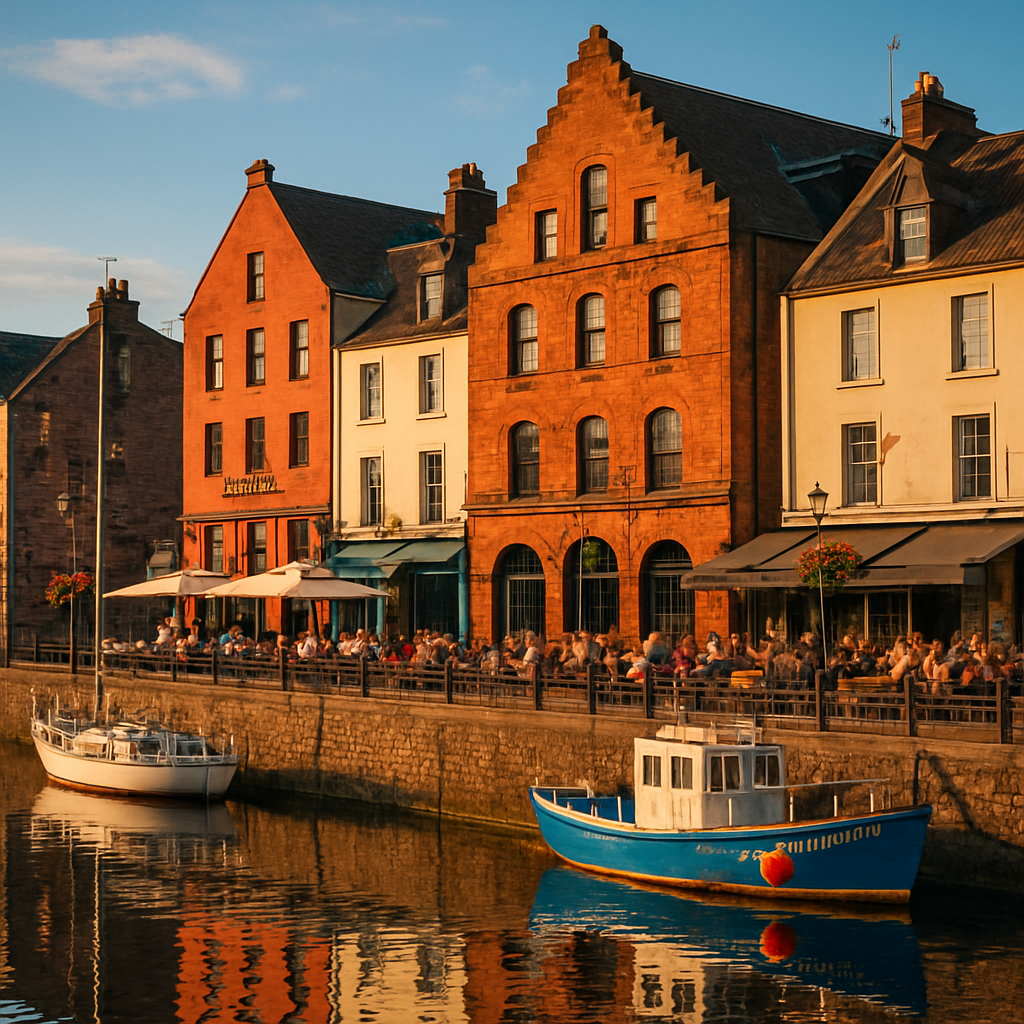
The Kitchin, Leith
Tom Kitchin's Michelin-starred restaurant on Commercial Quay in Leith does the thing that the best Scottish restaurants do — it makes you realize you've been underestimating Scottish ingredients your entire life. The 'From Nature to Plate' philosophy translates to dishes built around whatever's in season from Scottish land and sea, and the execution is precise without being fussy. Book ahead. The tasting menu is worth the spend, and the converted waterfront warehouse space has the right amount of industrial charm without trying too hard.

Edinburgh Castle & the Royal Mile
Yes, everyone does it. Do it anyway. Edinburgh Castle sitting on its volcanic plug above the city is one of those landmarks that's somehow better in person than in photographs — the stone is blacker, the drop is steeper, and the views from the Esplanade make you understand why armies spent centuries fighting over this rock. Walk the Royal Mile downhill afterward, ducking into the narrow closes that branch off like ribs — Advocate's Close, Mary King's Close — where the city reveals its vertical medieval weirdness. Budget about £19 for castle entry and two hours inside.
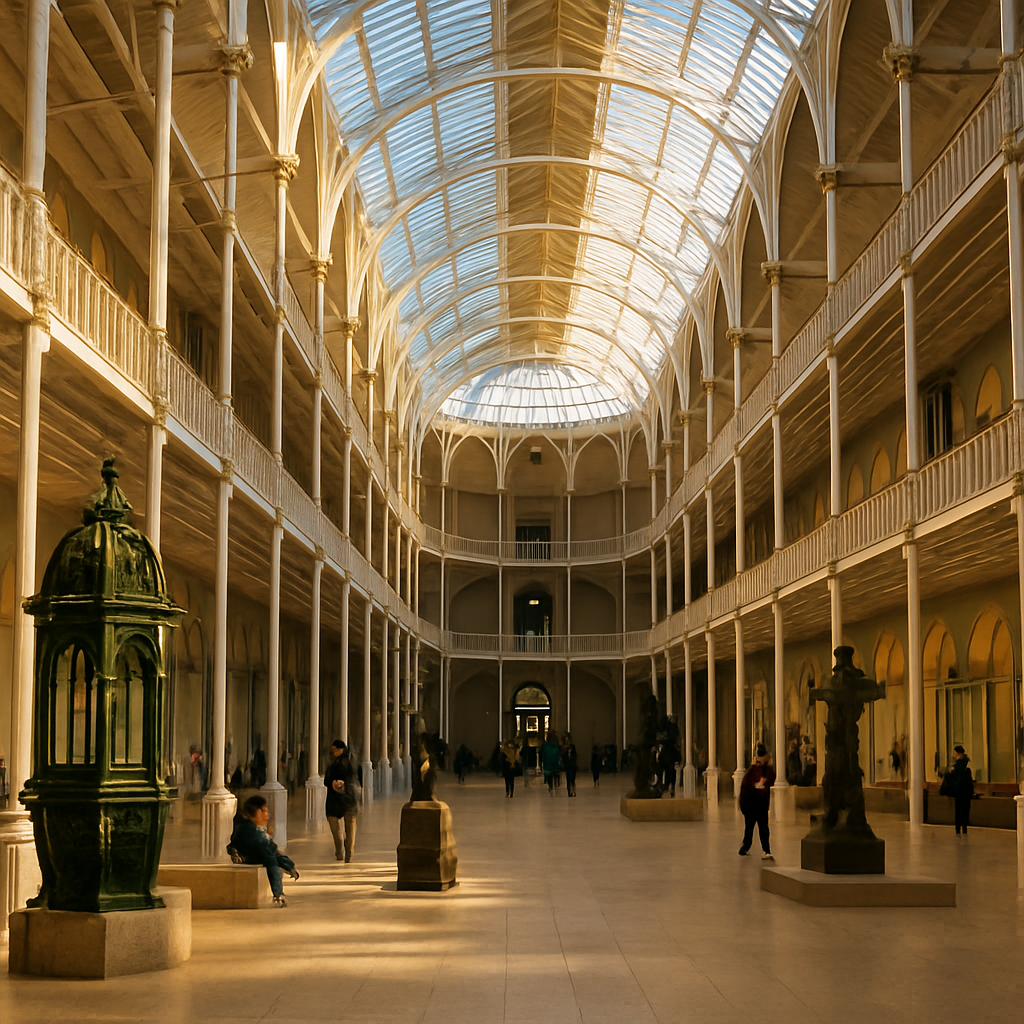
National Museum of Scotland
Free entry, world-class collection, and the kind of building where the architecture competes with the exhibits for your attention. The Victorian Grand Gallery alone — a soaring iron-and-glass atrium — is worth the walk to Chambers Street. The Scottish history galleries trace the country from geological formation to devolution, with 20th-century material that includes objects from Scotland's LGBTQ+ liberation movements. Kids will lose their minds in the science and technology floors. You'll lose an entire afternoon without meaning to.
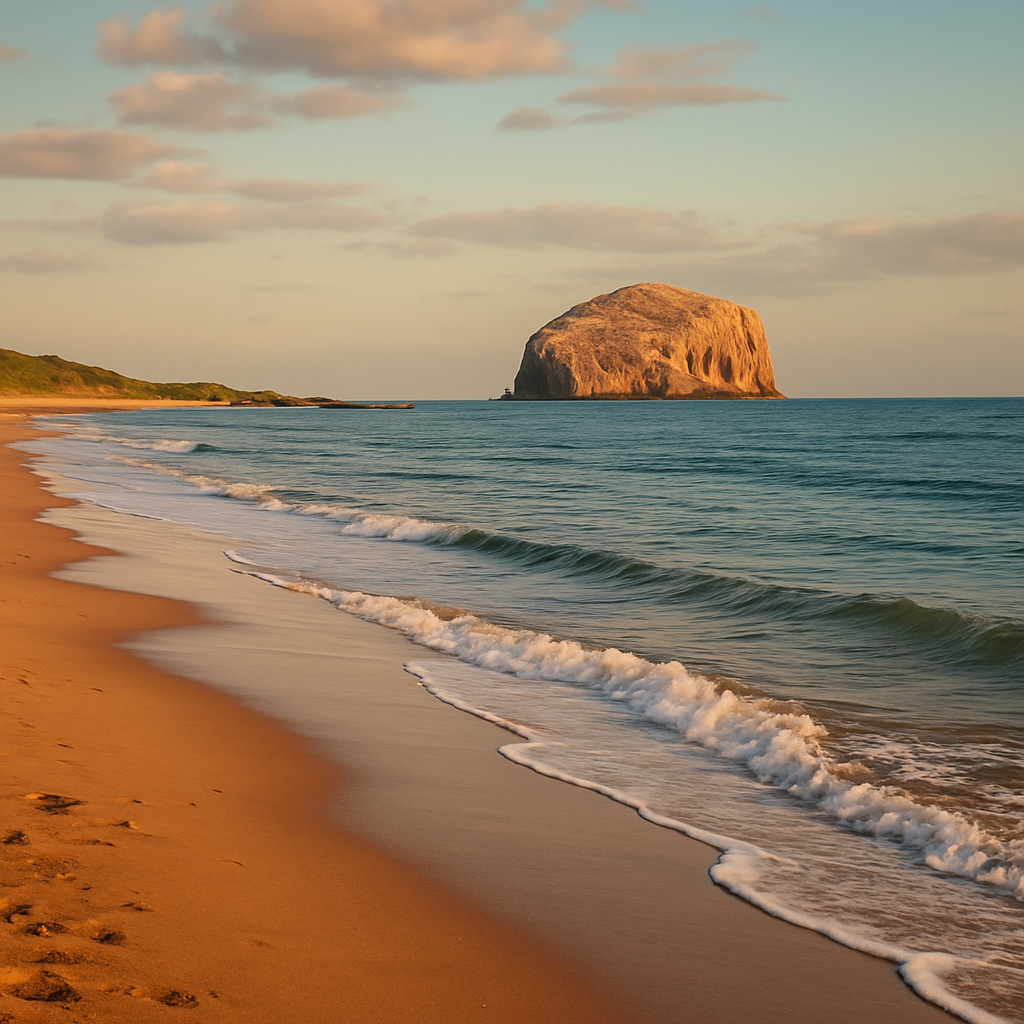
Day Trip to North Berwick
Thirty-three minutes on a ScotRail train from Waverley and you're in a coastal town that feels like it belongs in a different country — wide sandy beaches, a harbour full of boats, and Bass Rock sitting offshore like a white fortress made of 150,000 gannets. The Scottish Seabird Centre has live camera feeds and boat trips to the rock. Walk a section of the John Muir Way along the coast, eat fish and chips on the harbour wall, and catch the train back before dinner. ScotRail return is approximately £10.
The places I actually send people to
Advice that fits how you travel
Edinburgh is one of the easiest solo trips you'll take. The city is compact and walkable — you can cover the Old Town, Broughton Street, and Leith in a day without touching a bus — and the bar culture here genuinely rewards showing up alone. The Regent Bar on Montrose Terrace is the kind of place where you sit down with a pint and leave three hours later having been absorbed into a conversation about Scottish independence, whisky regions, and someone's dog. CC Blooms on a weekend night is where solo turns social without any effort on your part.
App culture in Edinburgh is active but not overwhelming — Grindr and Scruff both work, and the grid is smaller than London's but more personal, meaning you're more likely to get an actual conversation than a one-word response. The Fringe in August is solo-traveler paradise: you can fill every hour with shows, wander between venues alone without feeling conspicuous, and end up in a Summerhall bar at midnight talking to a comedian from Melbourne. Budget-wise, solo works beautifully here — free museums, hostel dorms from £20/night, and a Lothian Buses day ticket for £5–8 means you can do Edinburgh properly on £70–90/day.
Safety-wise, the city centre and Pink Triangle are genuinely relaxed for solo gay travelers. The outer suburbs require standard urban awareness, and Calton Hill after dark is better navigated with intention, but overall Edinburgh is a city where being alone doesn't mean feeling exposed. LGBT Health and Wellbeing runs social groups and drop-in events if you're staying longer than a weekend and want to plug into the community properly.
Edinburgh does romance without effort — the castle lit up at dusk, the steep cobblestones of the Old Town, the way the whole place smells of woodsmoke and cold air after a bar door swings open. PDA comfort in the New Town and along Broughton Street is as high as it gets anywhere in Europe. Nobody blinks. Nobody stares. You'll hold hands from Greenside Place to the Royal Mile without a second thought, because this is a city that has genuinely worked out that love is unremarkable and that's a compliment.
For a splurge night, The Witchery by the Castle is the only answer — nine individually Gothic suites right at the gates of Edinburgh Castle, all four-poster beds and theatrical candlelight. It's the kind of place you book for an anniversary and reference for the next decade. If that's over budget, Tigerlily on George Street has 33 sharp rooms above a bar that gets genuinely fun after 10pm, which is its own kind of romance. For dinner, get yourself to The Kitchin on Commercial Quay in Leith — Tom Kitchin's Michelin-starred spot is worth every penny for a special evening. Book well in advance and order whatever's in season; the kitchen means it.
For a date that costs nothing, climb Calton Hill before sunset. The view from the top — the Old Town skyline, the Firth of Forth, the monuments that look like they were dropped there by an eccentric classicist — is the most cinematic thing in a city that's full of cinematic things. Come back down to Broughton Street for a drink at Planet Bar, then let CC Blooms on Greenside Place take care of the rest of the night. The dancefloor there doesn't care about your plans, and by midnight you won't either.
As of 2026, Scotland has full same-sex marriage, joint adoption rights, and comprehensive anti-discrimination protections under the Equality Act — your family is legally recognized and socially welcome here without qualification. Edinburgh is one of the most practical cities in the UK for families with children: the National Museum of Scotland on Chambers Street is free, genuinely world-class, and has enough natural history, Scottish culture, and interactive galleries to absorb half a day without anyone getting restless. Edinburgh Castle is the other anchor — budget around £16 per adult, less for children — and it earns the price tag with views and history that actually land, even with younger kids.
Camera Obscura at the top of the Royal Mile is an underrated family call — it's interactive, it's wonderfully strange, and it takes a solid two hours. Dynamic Earth near Holyrood walks you through the planet's story in an immersive format that younger children respond to immediately. The Lothian Buses network is comprehensive and under-5s travel free, which matters more than you'd think when small legs give out on a cobbled street. Strollers are workable in the Georgian New Town; the Old Town's steep closes and uneven stone require more patience and a realistic attitude about carrying things uphill.
LGBTQ+ families will find Edinburgh socially easy from the moment you arrive. No awkward hotel check-ins, no double-takes at restaurants, no navigating the kind of low-level tension that exhausts you in less-welcoming cities. Organizations like LGBT Youth Scotland are active and visible here — a real signal of how embedded LGBTQ+ family life already is in the city's civic fabric. If you're visiting in August during the Fringe, the programming is diverse and imaginative enough that older kids and teenagers will find shows made specifically for them — and that's before you've even started on the street performers.
What Edinburgh actually costs
Flights, visas, and the first 30 minutes
Airport: Edinburgh Airport (EDI) is the main gateway, serving 150+ cities direct. It's a properly international hub — not a regional afterthought.
Major Routes:
- London Heathrow (LHR): ~1h 25m — makes a weekend trip from England very easy
- New York JFK: ~7h 30m direct
- Amsterdam (AMS): ~1h 50m
- Paris CDG: ~1h 55m
- Toronto (YYZ): ~8h
- Dubai (DXB): ~7h 10m
Visa Requirements (as of 2026): Entry requirements can change, so always check your government's official travel advisory before you book.
- US: Typically no visa required; your passport should be valid for the duration of your stay.
- UK: Domestic travel — a valid passport or national ID is all you need.
- EU: Generally no visa required for stays up to 6 months; a passport is required post-Brexit (national ID cards are no longer accepted).
- Canada: Typically no visa required; passport valid for duration of stay.
- Australia: Typically no visa required; passport valid for duration of stay.
Airport to City:
- Tram (Edinburgh Trams): £8.00 · ~35 min · Runs to York Place via the city centre every 7–10 minutes. The most reliable option and drops you a short walk from the New Town.
- Airlink 100 Bus: £5.00 · 25–45 min (traffic-dependent) · Frequent service to Waverley Station. Budget-friendly and usually quick off-peak.
- Taxi / Hackney Cab: £25–£35 · 20–35 min · Fixed-rank taxis outside arrivals; reliable and straightforward late at night.
- Rideshare (Uber / Bolt): £18–£28 · 20–35 min · Variable pricing; useful if you're travelling off-peak and can handle surge-watch anxiety.
Traven's seasonal breakdown
The questions everyone asks
Is Edinburgh safe for same-sex couples?
How much should I budget per day?
Do I need to speak Gaelic or Scots?
When's the best time to visit?
Is the gay scene big enough for a full trip?
How is Edinburgh for trans travelers?
Can I do a day trip to Glasgow's gay scene?
Screenshot this before you go
So should you actually go?
Go. Edinburgh is one of Europe's great cities for a reason, and for LGBTQ+ travelers it delivers on every front that matters — a perfect 10.0 on legal protections as of 2026, a genuinely relaxed street-level culture, a scene that's small but has more character per square foot than places five times its size, and a cultural calendar (Pride in June, the Fringe in August, Hogmanay in December) that gives you an excuse to come back in every season. It's not London. It's not trying to be. It's a city built on rock and rain and stubbornness, and it earned every point of my 9.1. A long weekend or a full Fringe immersion — you'll leave planning your return. I did.
Sources & Resources
Official links we reference when compiling this guide. Last verified 2026-03-15.
- Equality Network — Scotland's LGBTQ+ Rights Charity
- Equality Network — Scotland's LGBTQ+ Rights Charity
- Galop — LGBTQ+ Anti-Violence Charity (UK)
- Galop — LGBTQ+ Anti-Violence Charity (UK)
- LGBT Health and Wellbeing
- LGBT Health and Wellbeing
- LGBT Youth Scotland
- LGBT Youth Scotland
- Lothian Sexual Health
- NHS Lothian — Chalmers Sexual Health Centre
- Pride Edinburgh
- Pride Edinburgh
- Scottish Government — LGBTI Equality
- Scottish Government — LGBTQI+ Equality
- Scottish Transgender Alliance
- Scottish Transgender Alliance
- Stonewall Scotland
- Stonewall Scotland
- Terrence Higgins Trust Scotland
- Waverley Care (HIV & Hepatitis C Support, Scotland)
- Waverley Care (HIV & Hepatitis C Support, Scotland)