
Liverpool doesn't audition. It pours you a pint, asks if you've eaten, and somehow you leave with three new friends and a dinner reservation on Bold Street.
It's a Thursday evening in late spring and I'm under the Edwardian plasterwork ceiling at The Lisbon, the most beautiful gay bar ceiling in the UK, watching a guy in a Liverpool kit buy his nan a Guinness while two boys in Carhartt jackets argue about which Tate exhibition is worth queueing for. Somebody's playing Cilla Black on the speakers. Someone else is talking about Eurovision like it happened last weekend. This is Liverpool's Pride Quarter at half-eight on a weeknight — relaxed, sharp-witted, completely unbothered by who you are or what you're wearing.
That's the city in miniature. Liverpool is small enough to feel like a village and metropolitan enough to have a UNESCO waterfront, three free national museums, an officially designated Stanley Street Quarter with rainbow signage paid for by the council in 2017, and the oldest queer arts festival in the UK running every November. The centre is genuinely tiny — you can walk from the Pride Quarter to the Albert Dock to Bold Street in under ten minutes each — and that geography is the whole superpower. A weekend here feels like a long, generous afternoon.
The Scouse default setting is to talk to strangers, which means by your second pint someone will have asked where you're from, what you're doing, and whether you've eaten. Say no and they'll usually have an opinion about that too. I've watched a stag do, a hen do, and a drag brunch collide on the same Stanley Street corner and somehow everyone leaves friends — the only UK city outside London where I've seen that happen. There's a reason I gave it 8.2 on Scene: the Stanley Street Quarter is compact, official, and historic, and you can hit four bars in two hours without ever calling a cab.
What earns the 8.6 overall, though, is the layering. Same-sex couples hold hands on the Albert Dock waterfront without anyone blinking, the Museum of Liverpool puts the April Ashley archive on permanent free display in its flagship national museum, and the food on Bold Street — Maray's Disco Cauliflower, Mowgli's original location, Bundobust's craft-beer-and-Gujarati moment — punches harder than cities twice the size. Liverpool doesn't audition. It just opens the door, pours you a pint, and asks if you've eaten.
The stuff your travel guide buries on page 47
Liverpool is, as of 2026, about as legally settled as a city gets for LGBTQ+ travelers. Same-sex marriage has been legal across England since 2014, joint adoption is fully recognized, and the Equality Act 2010 covers sexual orientation and gender reassignment as protected characteristics in employment, housing, and services. Stonewall UK tracks the policy landscape if you want the deep cut, and Liverpool City Council formally designated the Stanley Street area as the Pride Quarter in 2017 — rainbow signage, civic budget, the works.
Gender recognition is where the national conversation gets noisier. As of 2026, the UK still requires a medical pathway for legal gender recognition, and the post-Cass Review climate has made the policy debate louder than the day-to-day reality on the ground. Liverpool itself remains one of England's more openly trans-friendly cities, but the headlines you'll read on the train up from London don't always match what you'll feel walking down Bold Street.
On the ground, this is a city that wears its welcome plainly. Same-sex couples hold hands in Liverpool ONE, on the Albert Dock waterfront, and through the Georgian Quarter without anyone blinking. The one local quirk worth knowing: Liverpool is the UK's hen-do capital, and Saturday nights on Stanley Street get colonized by bachelorette groups in matching sashes. It's been a decades-long low-key tension in the village. Go midweek or hit a Sunday afternoon if you want the Pride Quarter to feel like the Pride Quarter.
Pro tip: Eberle Street is a narrow alley that looks sketchy if you've never been — that's just Liverpool architecture. Bouncers are friendly, queues move, and Garlands has been doing its thing for decades. Also worth knowing: Merseyrail trains stop running around 23:30, so if you're sleeping in the Wirral or outer suburbs, plan the Uber or commit to the night bus on the Strand.
What it actually feels like on the ground
Holding hands in public: Fully comfortable across the Stanley Street Quarter, Ropewalks, the Albert Dock waterfront, and the Georgian Quarter around Hope Street. Mainstream shopping zones like Liverpool ONE are relaxed if slightly less overtly queer. Use general situational awareness around Anfield and the football stadiums on matchdays — it's not hostility, it's just a lot of crowd energy.
Hotel check-in: A non-issue across the city. Boutique groups like The Resident on Seel Street and Hope Street Hotel in the Georgian Quarter are routinely booked by same-sex couples, and the heritage hotels at the docks operate to standard UK inclusive policy.
Taxis and rideshare: Black cabs and Uber/Bolt are both reliable in central Liverpool. Surge pricing during Pride weekend and big match nights is real — order before you finish your last drink, not after. As of 2026, Merseyside has dedicated LGBT+ liaison officers; if you have a bad ride, it gets logged seriously through Merseyside Police.
Late night walking: The walk from Stanley Street back to Lime Street station after midnight is a five-minute stroll past the Liver Building — well-lit, CCTV-heavy thanks to the council's Pride Quarter investment. Avoid the alley cut-throughs toward Whitechapel if you've had a few; not dangerous, just disorientating.
Trans travelers: Day-to-day Liverpool is generally welcoming, with an active community and inclusive venues like The Lisbon and Sound. The national policy noise around gender recognition is louder than the local reality, but trans travelers heading further into outer suburbs at night should keep the same situational awareness you'd use anywhere in the UK. Mermaids UK remains a key support resource if you need it.
Sexual health and emergencies: If something kicks off, the Armistead Centre at the Royal Liverpool Hospital is the NHS go-to for LGBTQ+ sexual health and PEP — sharp, fast, and they don't make you explain yourself twice. Sahir House is the local HIV and sexual health charity and worth knowing about, and Galop handles LGBTQ+-specific anti-violence support nationally.
Verbal harassment risk: Low in central districts. Liverpool's reputation for sharp wit and warmth holds up — strangers chat to you on the bus, in the chip shop, at the bar. The texture of the city is friendly, sometimes aggressively so.
The queer geography
Liverpool's centre is genuinely tiny, which is its superpower. You can walk from the Pride Quarter to the Albert Dock to Bold Street in under ten minutes each, which is the kind of geography that makes a weekend feel like a long, generous afternoon.
Stanley Street Quarter (The Pride Quarter)
The official LGBTQ+ district, anchored by Stanley Street, Eberle Street, and Cumberland Street. Liverpool City Council formally recognized it in 2010 and added the rainbow signage in 2017, but the bars have been here much longer. The Lisbon on Victoria Street is the headline act for me — go for an early-evening pint just to look up at the ornate Edwardian plasterwork ceiling, the most beautiful in any gay bar in the UK. It's the kind of place where someone's nan might walk in and order a Guinness. G Bar and Garlands on Eberle Street do the late-night dancing; Superstar Boudoir does drag and Sunday afternoon brunches that have become an institution; The Masquerade does karaoke. The whole quarter is compact enough that you can hit four venues in two hours without ever calling a cab. Visit Liverpool keeps a current map.
Ropewalks
The bohemian district between Bold Street and Duke Street that bleeds into the Pride Quarter — Georgian warehouses converted into independent restaurants, basement clubs, and the kind of indie shops where the staff have opinions about the records. Bold Street alone is worth the trip: Mowgli (the original location, founded by Nisha Katona MBE in 2014), Maray with its signature Disco Cauliflower, Bundobust for vegetarian Gujarati and craft beer, Crosby Coffee's flagship. Heebie Jeebies on Seel Street and Sound on Duke Street both program queer club nights as part of regular calendars, and Berry & Rye on Berry Street is a speakeasy with no signage and serious whiskey credentials.
Baltic Triangle
Formerly industrial, south of the city centre, now warehouse bars and creative spaces and Sunday drag brunches. The progressive, welcoming creative quarter — venues pivot and rebrand fast, which is part of the charm. The Baltic Fleet, a flatiron-shaped early-19th-century pub with its own microbrewery, anchors the older heritage while the conversions around it run the new programming. Homotopia — the UK's oldest queer arts festival, running each November — uses venues across this district and the city centre, and consistently outpunches its budget. I saw a one-woman show in the basement of the Unity Theatre that wrecked me for a week.
Georgian Quarter & Hope Street
The cultural district running between the Anglican and Metropolitan cathedrals, lined with Georgian townhouses and the kind of streets that make you stop walking. Hope Street itself is one of the most architecturally satisfying stretches in northern England. The food here is the city's best — The Art School with its three AA Rosettes, Röski from MasterChef Professionals winner Anton Piotrowski, The Quarter on Falkner Street for all-day Mediterranean. The Royal Liverpool Philharmonic, founded 1840, anchors the cultural calendar in a Grade II*-listed Art Deco hall. The Philharmonic Dining Rooms across the way is a Grade I-listed Victorian pub so ornate that John Lennon famously said his biggest regret about fame was not being able to drink there in peace.
Albert Dock & The Waterfront
The UNESCO-listed dock complex with the Three Graces rising behind it — Tate Liverpool in a James Stirling-converted warehouse, the Museum of Liverpool at Pier Head (which houses the April Ashley archive and a permanent display on Liverpool's LGBTQ+ history), and the cast-iron colonnades that photograph well in any light. Take the Mersey Ferry across to Seacombe even if you don't get off — the Liver Birds receding behind you while a recorded Gerry Marsden plays is camp in the most sincere, lump-in-throat way possible. Switchboard is a useful contact if you need community support during your stay.
The experiences worth rearranging your itinerary for
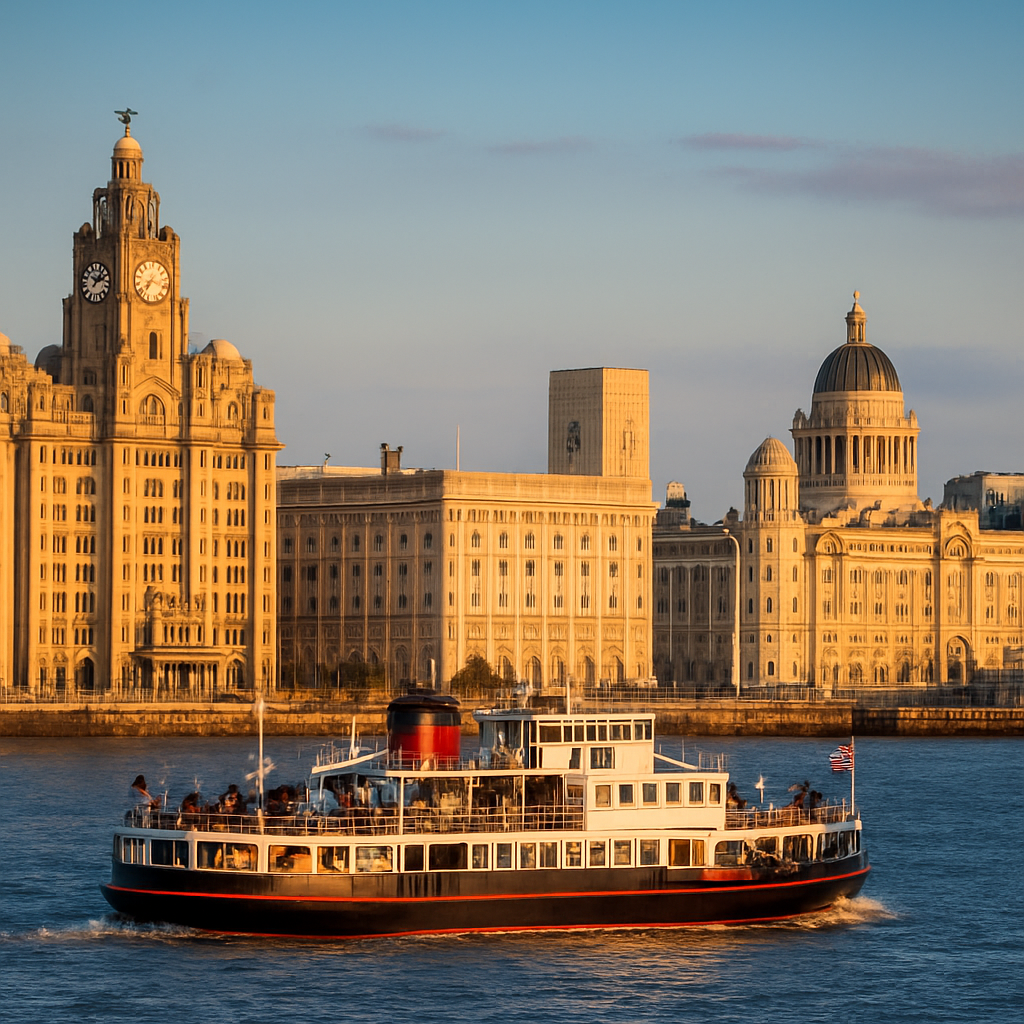
The Mersey Ferry to Seacombe
Take the ferry across to Seacombe even if you don't get off at the other side. The Liver Birds receding behind you while a recorded Gerry Marsden plays over the speakers is camp in the most sincere, lump-in-throat way possible — and the views back at the Three Graces from the middle of the Mersey are the postcard you'll actually want to keep.
Pro tip: go at golden hour. The light hits the Royal Liver Building, the Cunard, and the Port of Liverpool buildings in a way that no land-based vantage point quite matches.
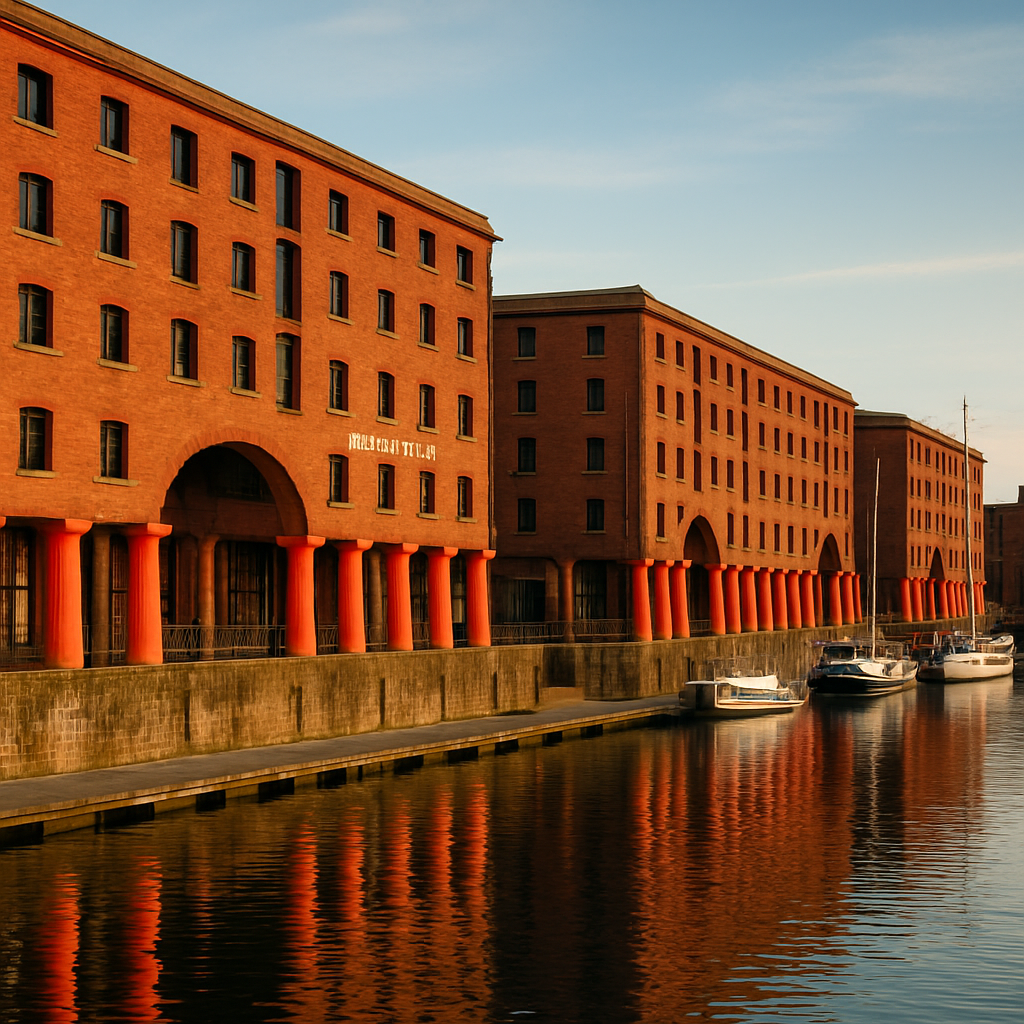
Walk the Royal Albert Dock
The UNESCO-listed dock complex is the most photographed cluster of cast-iron colonnades in northern England, and walking it slowly is the right way to spend a Liverpool morning. Tate Liverpool sits inside a James Stirling-converted warehouse, the Museum of Liverpool at Pier Head houses the April Ashley archive on permanent display, and the brickwork frames every angle.
Free admission to both the Tate's general galleries and the Museum of Liverpool — leave the wallet alone and spend on the coffee at the dockside cafes instead.
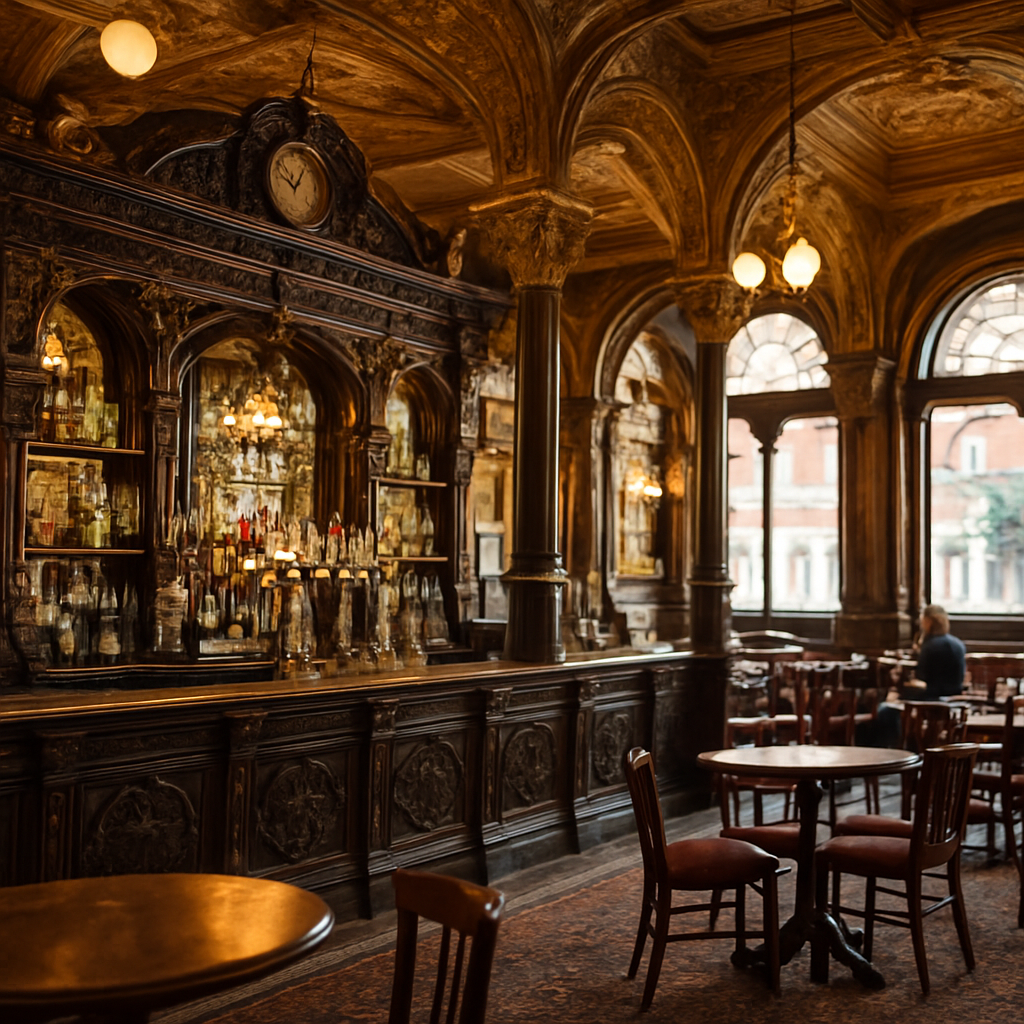
A Pint at The Philharmonic Dining Rooms
Grade I-listed Victorian pub built 1898-1900, considered one of the most ornate pubs in England — and across Hope Street from the Royal Liverpool Philharmonic. The marble urinals are famous enough to be a tour stop in their own right, and John Lennon famously said his biggest regret about fame was 'not being able to go to the Phil for a drink.'
Order a pint of something local, sit in one of the snug rooms, and look at the ceiling. Then look at the ceiling again. Use the bathroom even if you don't need to.
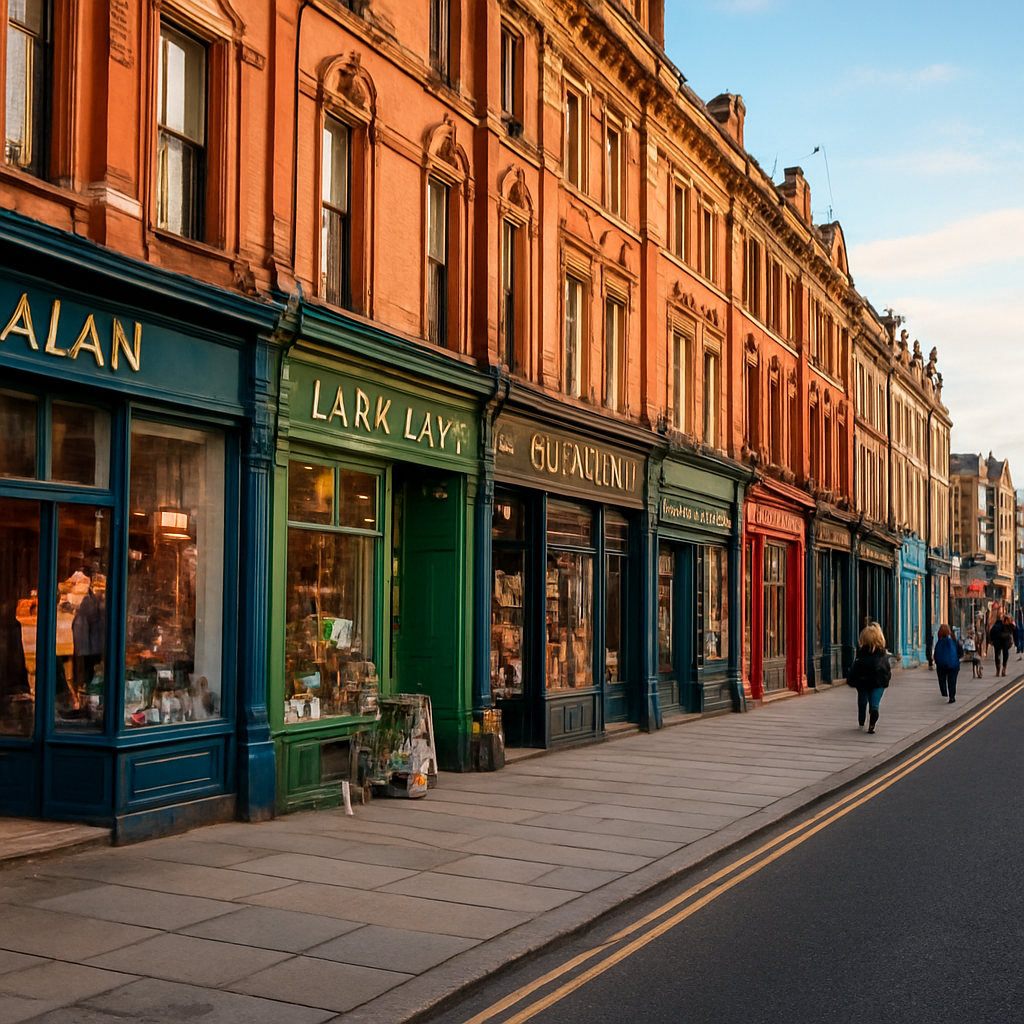
Eat Your Way Down Bold Street
Bold Street is the most diverse food strip in Liverpool — independents stacked against each other for a quarter of a mile. Mowgli (the original location, founded by Nisha Katona MBE in 2014), Maray with its signature Disco Cauliflower, Bundobust for vegetarian Gujarati and craft beer, Crosby Coffee's flagship for the flat white at the start of the morning.
Don't try to do it in one meal. Walk it twice across two days, eat at three places minimum, and finish at the top of the street where the bombed-out church of St Luke's anchors the view.
An Afternoon at FACT and the Bluecoat
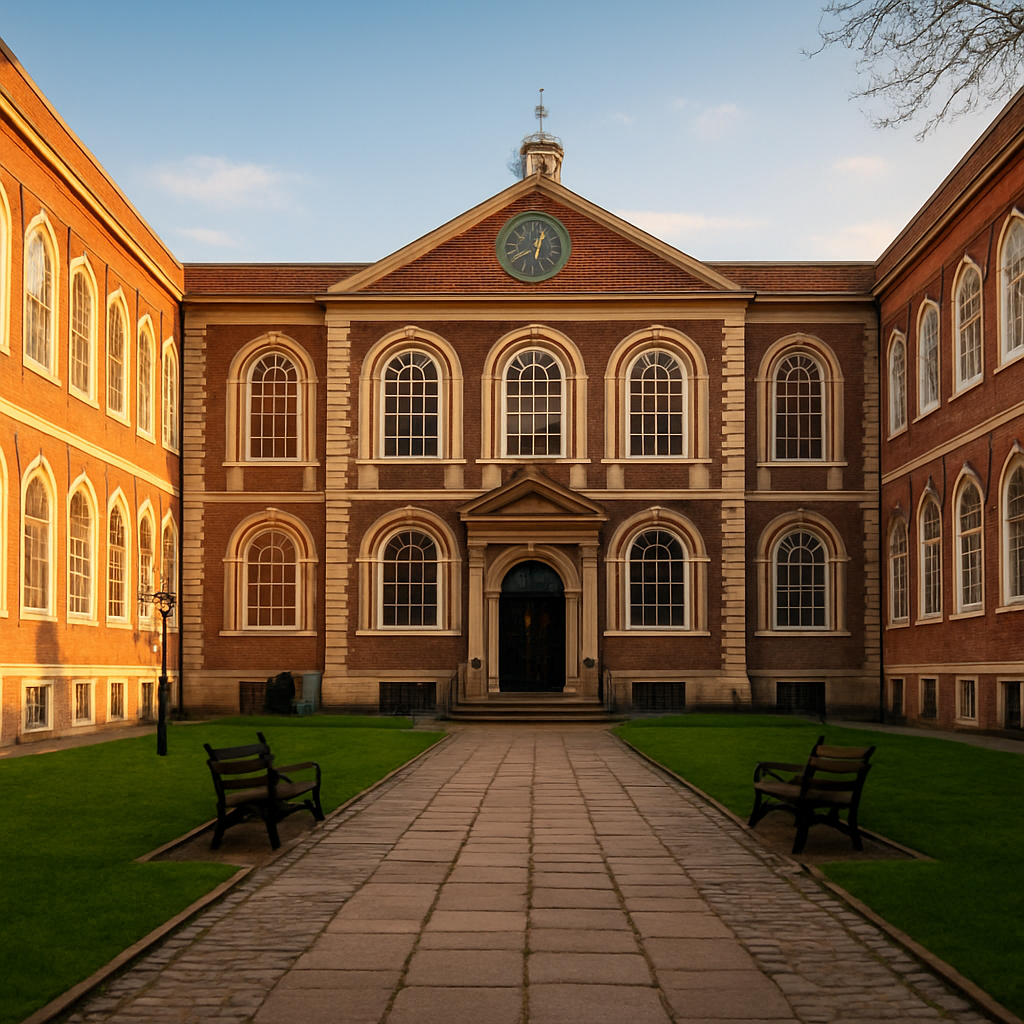
Two of the city's quieter cultural rooms, both within five minutes of Bold Street. FACT on Wood Street programmes a stunning queer film slate — especially around Homotopia in November — and the bar in the foyer is a gentler, talkier alternative to the Eberle Street circuit. The Bluecoat is the oldest building in central Liverpool, consistently programmes queer artists in the gallery, and it's free to enter.
The courtyard café at the Bluecoat does a flat white that beats anything on Bold Street, and the gallery rotation rewards a slow look. Spend the afternoon. Don't apologize for it.
The places I actually send people to
Advice that fits how you travel
Liverpool is one of the easiest cities in the UK to land in alone. The centre is genuinely tiny — you can walk from your hotel to the Pride Quarter to the Albert Dock to Bold Street in under ten minutes each — and the Scouse default setting is to talk to strangers. By your second pint, someone will have asked where you're from, what you're doing, and whether you've eaten. Say no and they'll usually have an opinion about that too.
The apps work fine here, but the city's small enough that you don't really need them. Wander into The Lisbon on a Thursday evening, sit at the bar under that Edwardian ceiling, and you'll be in conversation within fifteen minutes. The Masquerade on a karaoke night is the warmest room in the village for a solo traveler — nobody cares if you came in by yourself, and someone will hand you a microphone whether you asked for it or not. Heebie Jeebies on Seel Street and Sound on Duke Street are the move if you want a welcoming crowd that isn't pure Pride Quarter energy.
Budget-wise, this is a forgiving city. £70-110 a day covers a hostel or budget hotel, food, and a couple of drinks. £150-220 gets you a proper 3-4★ hotel, sit-down dinners on Bold Street, and cab fares when you can't be bothered to walk. The free museums — Museum of Liverpool, Walker Art Gallery, Tate Liverpool — give you whole afternoons for nothing. Pro tip: stay near James Street or Moorfields stations and you've got the Pride Quarter, the docks, and Bold Street all on foot.
Liverpool punches above its weight for couples, and the geography is half the reason. Same-sex couples can hold hands across the Stanley Street Quarter, Bold Street, the Albert Dock waterfront, and the Hope Street cultural corridor without anyone blinking — my Chill score of 8.5 is earned in this city, and the PDA comfort holds from morning coffee through to the last train home.
For accommodation, The Resident Liverpool on Seel Street is my default for couples — opened 2019, compact-luxury, and a literal block from the Pride Quarter so you can roll home from G Bar without thinking about a cab. Hope Street Hotel in the Georgian Quarter is the splurge — converted from a Venetian-palazzo carriage works, sitting between the two cathedrals, with the rooftop spa added in 2018. 30 James Street in the former White Star Line headquarters does Titanic heritage with a champagne rooftop bar overlooking the Three Graces.
For a date you'll remember: The Art School for the city's most decorated independent fine-dining room (three AA Rosettes in a Grade II-listed Victorian building), Röski for Anton Piotrowski's tasting menu in a Rodney Street townhouse, or Panoramic 34 on the 34th floor for sunset over the Mersey to North Wales. End the night with the Mersey Ferry at golden hour — the Liver Birds receding behind you while a recorded Gerry Marsden plays through the speakers is camp in the most sincere, lump-in-throat way possible. Then a quiet whiskey at Berry & Rye on Berry Street, the speakeasy with no signage, before bed.
Liverpool is, as of 2026, fully recognized for LGBTQ+ families under UK law — same-sex marriage has been legal since 2014, joint adoption is recognized, and the Equality Act 2010 covers sexual orientation and gender reassignment in employment, housing, and services. On the ground, Liverpool reads as one of England's more openly inclusive cities for families with two mums or two dads, and you'll find the welcome plain and unfussy in Liverpool ONE, the Albert Dock, and the Hope Street cultural district.
For things to actually do with kids, the free national museums are the backbone. The Museum of Liverpool at Pier Head is purpose-built, opened in 2011, and the kids' areas are genuinely good — and crucially, the permanent April Ashley archive and Liverpool LGBTQ+ history display means your family is reflected in the city's flagship national museum, not hidden behind a paywall. Tate Liverpool, the Walker Art Gallery, and the Mersey Ferry across to Seacombe round out a packed, low-cost day. Day trips to Chester (40 minutes, Roman walls and the medieval Rows) and Port Sunlight (25 minutes, model village and Pre-Raphaelite gallery) both work well for school-age kids.
Practical logistics: Liverpool is genuinely walkable, prams roll fine across most of the centre, and family rooms or apartments run £90-140 a night at the moderate tier. Most central restaurants — Lunya, The Quarter, Mowgli, Bundobust — handle kids without making it weird. Pro tip: skip the city centre during Pride weekend in late July if you're traveling with younger kids — the Baltic Triangle or Ropewalks gives you proximity without the late-night noise.
What Liverpool actually costs
Flights, visas, and the first 30 minutes
Airport: Liverpool John Lennon Airport (LPL), about 7 miles south of the city centre, handles approximately 70 direct routes — mostly European budget carriers (easyJet, Ryanair, Wizz) plus seasonal links to North Africa and the Canaries. For long-haul or US/Canada arrivals, you'll typically connect through Manchester (MAN), about 35 minutes east by train, or fly into London and ride the Avanti West Coast service up to Lime Street in roughly 2 hours 15 minutes.
Visa requirements (as of 2026): US, EU, Canadian, and Australian passport holders are typically visa-free for stays up to 6 months, but as of 2025 the UK requires an Electronic Travel Authorisation (ETA) before boarding — apply online ahead of time and budget around £10. UK domestic travelers obviously need nothing. Always double-check the latest UK government guidance before you fly, since ETA rules are still bedding in.
Airport to city: The Arriva Bus 500 runs every 20 minutes direct to the city centre for £3.60 — about 30 minutes, and it drops you near Liverpool ONE within walking distance of most central hotels. Black cabs and private hire from the rank outside the terminal run £20-30 and take 20-25 minutes. Uber and Bolt are widely available at £15-25, with surge pricing real during Pride weekend and big match nights. If you prefer rail, take the 500 bus to Liverpool South Parkway and switch to Merseyrail into Lime Street — about 30 minutes total for £4.40.
Pro tip: Merseyrail trains stop running around 23:30. If you land late and you're sleeping in the Wirral or outer suburbs, plan the Uber or commit to the night bus on the Strand.
Traven's seasonal breakdown
The questions everyone asks
Is Liverpool safe for LGBTQ+ travelers?
When is Liverpool Pride and where do I stay for it?
Do I need a visa to visit Liverpool?
How much should I budget per day in Liverpool?
Is the gay scene worth a trip on its own, or should I combine with Manchester?
Are Liverpool hotels welcoming to same-sex couples?
What's the deal with hen parties in the gay village?
Screenshot this before you go
So should you actually go?
Go. Liverpool is one of the most relaxed, walkable, and openly welcoming cities in England for LGBTQ+ travelers, and the combination of an officially designated Pride Quarter, three free national museums, a UNESCO waterfront, and the sharpest hospitality of any UK city outside London makes it punch well above its weight. Hit it midweek if you want the village to feel like the village, save Pride weekend in late July for when you're ready for the chaos, and don't try to do it in one trip — the centre is tiny, but the layers run deep. I gave it an 8.6 for a reason, and I'd back that score in person any day of the week.
Sources & Resources
Official links we reference when compiling this guide. Last verified 2026-05-04.