London doesn't have a gay scene — it has six of them, and they regard each other with the polite mutual suspicion of cousins at a wedding.
London isn't the best queer city in Europe — it's the most complete one. That distinction matters. Other cities do individual things better: Berlin's clubs are darker, Amsterdam's politics are cleaner, Barcelona's weather is obviously superior. But no city on earth gives you this many parallel queer universes operating simultaneously within the same postcode boundaries, each one fully realized and utterly indifferent to the others' existence.
The Soho crowd and the Vauxhall crowd look at each other with polite mutual bewilderment, and Dalston doesn't acknowledge either of them exists. I mean that literally. You can spend a Saturday on Old Compton Street drinking at Comptons of Soho with a crowd that ranges from 25 to 75, walk past the Admiral Duncan — whose open windows onto the street are the neighbourhood's heartbeat — and feel like you've found the only gay scene in the city. Then someone will mention Fold out in Canning Town, a 45-minute Jubilee line ride away, where the sound system and the crowd make you forget you were ever in Soho at all. There's a reason I gave this city a 9.2 on Scene — it's not one scene, it's about six, and they barely overlap. Pick your tribe and lean in.
What earns London my Traven-Dex score of 9.1 isn't any single night out or any single neighbourhood. It's the accumulation. It's the fact that 56 Dean Street — an NHS sexual health clinic — feels like a community anchor rather than a medical facility. It's the Royal Vauxhall Tavern, Grade II-listed because the building matters that much to British queer history, running Duckie on Saturday nights with a crowd that's mixed, weird, funny, and genuinely warm. It's G-A-Y Late on Goslett Yard staying open until 5am and charging almost nothing because chaos and pop music don't require a cover charge. London built its queer infrastructure over decades, through violence and activism and sheer bloody-minded community persistence, and what you get to walk into now is the result of all of that work.
One more thing: Old Compton Street on a warm Saturday evening still has a particular electricity that no other city has quite replicated. Half the pavement becomes an outdoor living room. People are eating, drinking, arguing, kissing, existing — and nobody is performing any of it. That unselfconsciousness, in a city this enormous and this watched, is the thing I keep coming back for.
The stuff your travel guide buries on page 47
Legal framework: The UK offers full legal equality for LGBTQ+ people. Same-sex marriage has been legal since 2014 (2020 in Northern Ireland). Same-sex adoption is fully legal. The Equality Act 2010 provides comprehensive anti-discrimination protections covering employment, housing, goods and services. Gender identity law operates on a self-identification basis. There is no criminalisation of any same-sex activity — hasn't been since 1967 in England and Wales. My Legal score of 10.0 reflects a country that has done the work, on paper and in practice.
Cultural reality: London is one of the most socially progressive major cities on the planet. Same-sex couples are unremarkable in daily life across most of the city. You'll see queer couples on the Tube, in restaurants, in parks — and nobody's making it a thing. The public debate around gender recognition reform has been more heated in the UK than in some peer countries, and trans travellers may encounter friction in media discourse, but ground-level London — especially within LGBTQ+ spaces — remains strongly welcoming. Gendered Intelligence and CliniQ are excellent trans-specific resources.
Healthcare note: 56 Dean Street in Soho is an NHS walk-in sexual health clinic specifically designed for the LGBTQ+ community — no GP referral, no insurance nightmare, same-day testing available. Locals treat it like a neighbourhood resource, which is exactly what it is. PrEP is available free through the NHS.
The Vauxhall corridor: The club circuit runs Friday night through Sunday afternoon. "Sunday morning" at Fire or Fold is a legitimate, peak-crowd time slot, not an afterthought. Plan to sleep Sunday night, not Sunday morning. Poppers are sold openly and legally at shops along Old Compton Street and Soho sex shops — nobody will look twice.
PDA comfort: In Soho around Old Compton Street — very high, completely normalised, rainbow crossings and all. Vauxhall Village — same, especially on weekends. Shoreditch, the South Bank, Covent Garden, Camden — high, incidents are rare. Outer suburbs and late-night transport require normal situational awareness but remain broadly safe. London is a city where PDA is a non-issue in the vast majority of situations.
What it actually feels like on the ground
Holding hands: Across Central London — Soho, South Bank, Covent Garden, Shoreditch, Camden — you'll encounter zero friction holding hands during the day or evening. In outer suburbs and commuter areas, it's generally fine but more conservative; exercise the same awareness you would in any large city. I wouldn't overthink this one.
Hotel check-in: A complete non-issue. London hotels — from budget to five-star — have been accommodating same-sex couples without blinking for decades. You won't be asked to justify your booking, and double beds are standard assumptions for couples.
Taxis and rideshares: Black cabs and Uber are reliably safe. London's licensed cab drivers are tested and regulated; I've never heard a credible report of anti-LGBTQ+ harassment from a black cab. Uber operates normally. Be yourself in the back seat.
Public transport: The Tube and bus network is generally safe across the entire system. Be observant during very late-night weekend travel — not for LGBTQ+-specific reasons, but because 3am transport anywhere attracts chaos. A reader told me the walk between Charing Cross Tube and Heaven via the Embankment at 3am can attract unwanted attention from the general late-night crowd — the short cab ride is worth it.
Late night: Soho after midnight is safe and well-patrolled. Vauxhall's club corridor has its own security ecosystem and is well-managed. Dalston on a Friday night is overwhelmingly safe and queer-welcoming, but the energy around Kingsland Road is chaotic-London rather than curated-Soho — which most people find exciting rather than alarming, but it's worth knowing the texture before you arrive.
Trans travellers: London is broadly welcoming with strong legal protections. Gender-neutral facilities are increasingly common, particularly in LGBTQ+ venues and newer hospitality spaces. Active trans community spaces exist. The public debate around gender recognition can generate occasional social friction outside LGBTQ+ spaces, but day-to-day London is overwhelmingly fine. CliniQ offers trans and non-binary sexual health services.
Verbal harassment risk: Low across Central London; not zero in any major world city. Isolated incidents do occur — they're statistically rare but real. If you experience a hate crime or harassment, Galop is the specialist LGBT+ anti-violence organisation — they're significantly better equipped for this than the general Metropolitan Police hate crime line, and they know the terrain. Switchboard LGBT+ (0800 0119 100) is free from any UK phone if you need support.
The queer geography
Soho — Old Compton Street & Surrounds
This is the historic centre, the one everyone knows, and the one that still delivers. Old Compton Street between Wardour Street and Dean Street is the densest concentration of LGBTQ+ life in the city — The Admiral Duncan, Comptons of Soho, G-A-Y Bar, Ku Bar on Lisle Street, The Yard with its courtyard on Wardour Street, and Halfway to Heaven near Trafalgar Square. The vibe is accessible, mixed-crowd, tourist-friendly but never sterile. Dean Street holds 56 Dean Street — the NHS sexual health clinic that functions as a community anchor — and Ducksoup for dinner. G-A-Y Late on Goslett Yard runs until 5am and charges almost nothing to get in. For lesbian and queer women's events, London's scene is event-based rather than venue-based — check She Soho's schedule and look at promoters like Pxssy Palace and Sista! who rotate around venues in Dalston and Hackney.
Vauxhall — The Golden Mile
South of the river, under and around the railway arches of SE11, this is where London's serious late-night scene lives. Eagle London on Kennington Lane and Hoist on South Lambeth Road anchor the bear and leather community, with regular themed nights that draw an international crowd on weekends. Neither venue is remotely intimidating to curious newcomers. The Royal Vauxhall Tavern — Grade II-listed, one of the oldest LGBTQ+ venues in the UK — holds Duckie on Saturday nights: alternative queer cabaret that's the polar opposite of the muscle-and-laser circuit. Block Bar fills in the gaps. The corridor runs Friday night through Sunday afternoon, and Sunday morning is peak time, not closing time.
Dalston & Hackney — East London
Dalston Superstore on Kingsland High Street is the epicentre of London's weirder, art-school queer scene — two floors, serious DJs, a crowd that thinks Soho is for tourists and means it affectionately. The Glory, also in Haggerston, runs drag, cabaret, and club nights with a committed following. The broader Hackney borough, particularly around Hackney Wick and Broadway Market, has a thriving queer arts and community scene that's distinct from the Soho mainstream. This is where you go when you want London's creative edge rather than its established centre.
Other Neighbourhoods Worth Knowing
Clapham (SW4) is a historically gay residential neighbourhood — less nightlife than Soho, but The Two Brewers has been anchoring a large LGBTQ+ community here for years. Brixton in south London has a long queer history, particularly for Black LGBTQ+ Londoners, with queer-welcoming venues and events. And Fold in Canning Town — technically a 45-minute journey from Soho on the Jubilee line — is the venue serious Londoners now talk about the way they used to talk about early Fabric. The production quality and crowd make every minute of the commute worth it.
The experiences worth rearranging your itinerary for
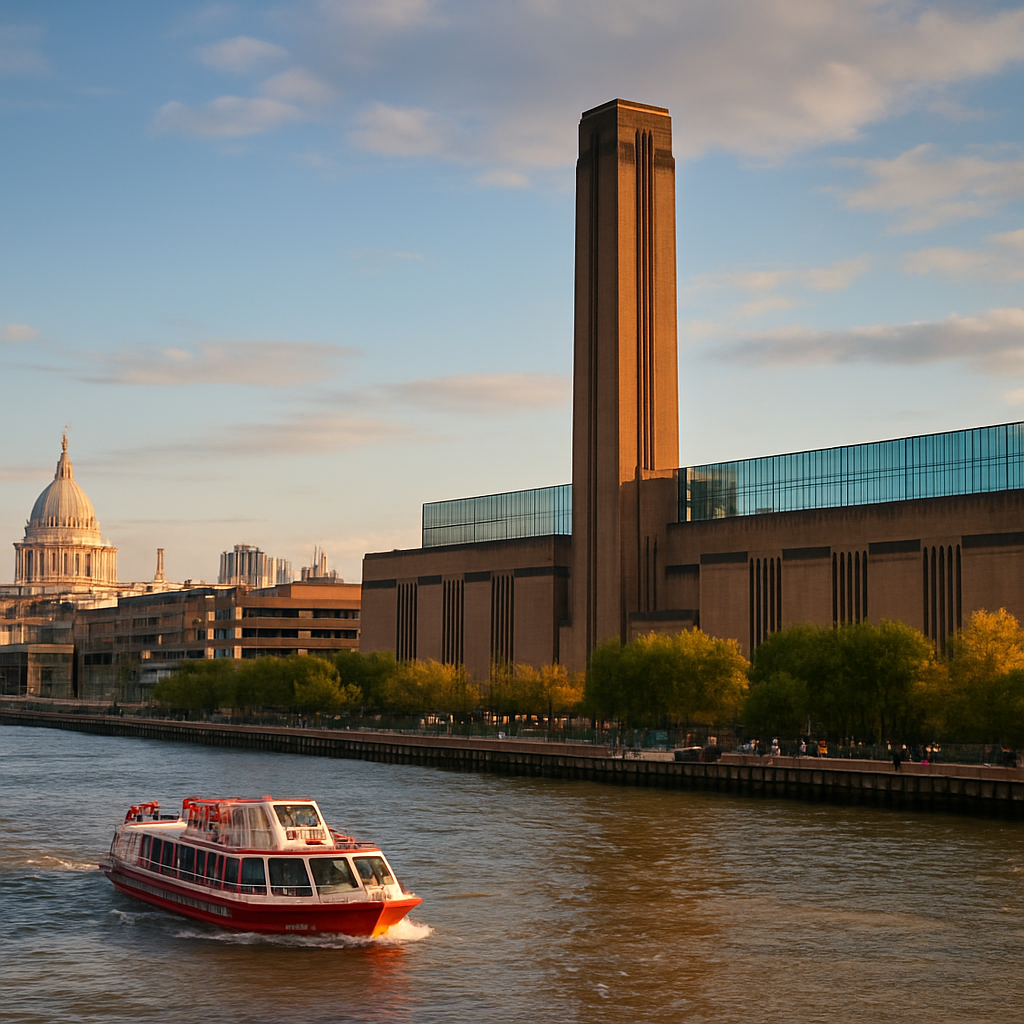
Tate Modern & the South Bank Walk
Start at the converted Bankside power station, spend an hour with the free permanent collection, then take the lift to Level 10 for a Thames panorama that costs nothing. Walk east along the South Bank — past buskers, secondhand book stalls under Waterloo Bridge, and the brutalist concrete glory of the National Theatre — until you hit Borough Market for lunch. This stretch of riverfront is one of the great free walks in European travel, and it works at any time of day. The light at dusk, when the city starts reflecting off the water, is the version you'll remember.
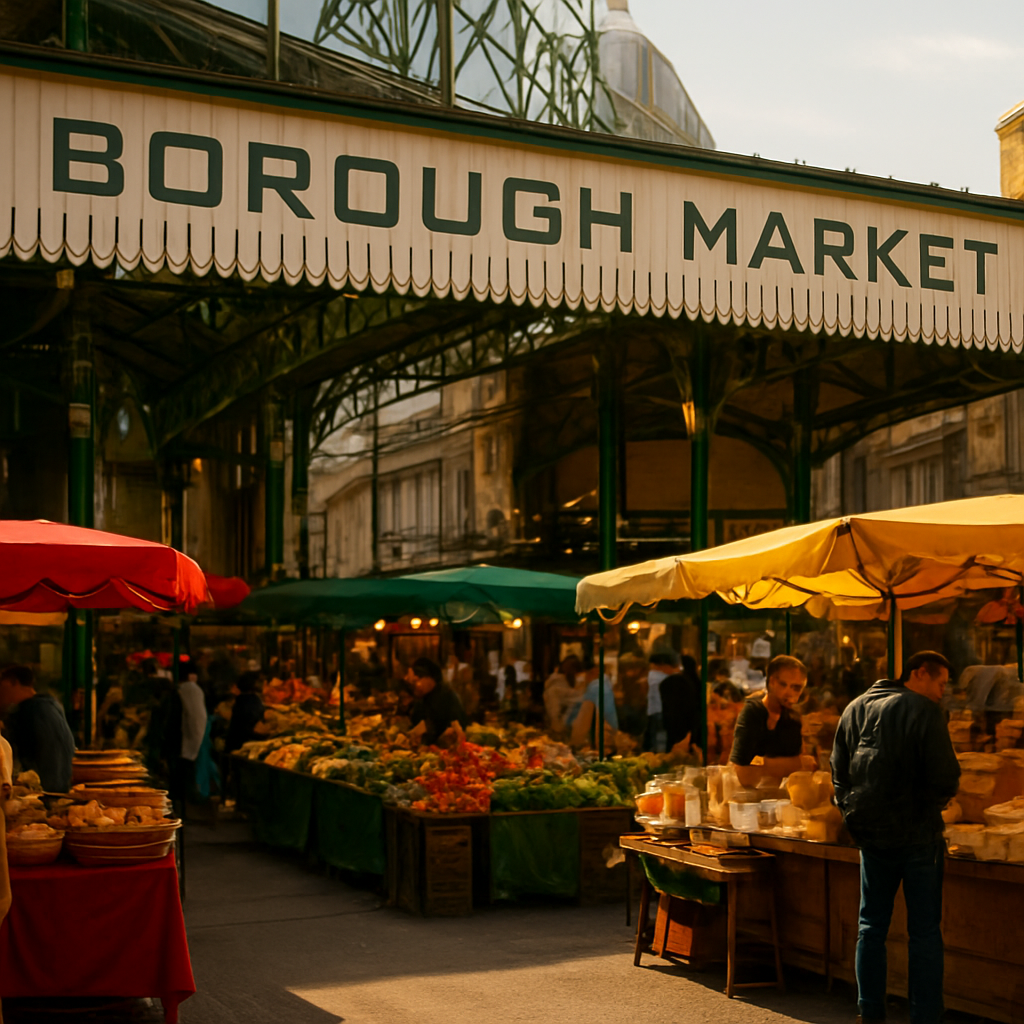
Borough Market on a Weekday Morning
Skip the Saturday crush and come on a Thursday or Friday morning when the stalls are fully stocked but the crowds haven't arrived yet. The raclette stand will melt half a wheel of cheese onto potatoes while you watch. The Brindisa stall does a chorizo roll that costs £6.50 and legitimately qualifies as a core memory. Work your way through Turkiye-style gözleme, fresh oysters from the shellfish bar, and a flat white from Monmouth Coffee — then walk it off across the Millennium Bridge toward St. Paul's.
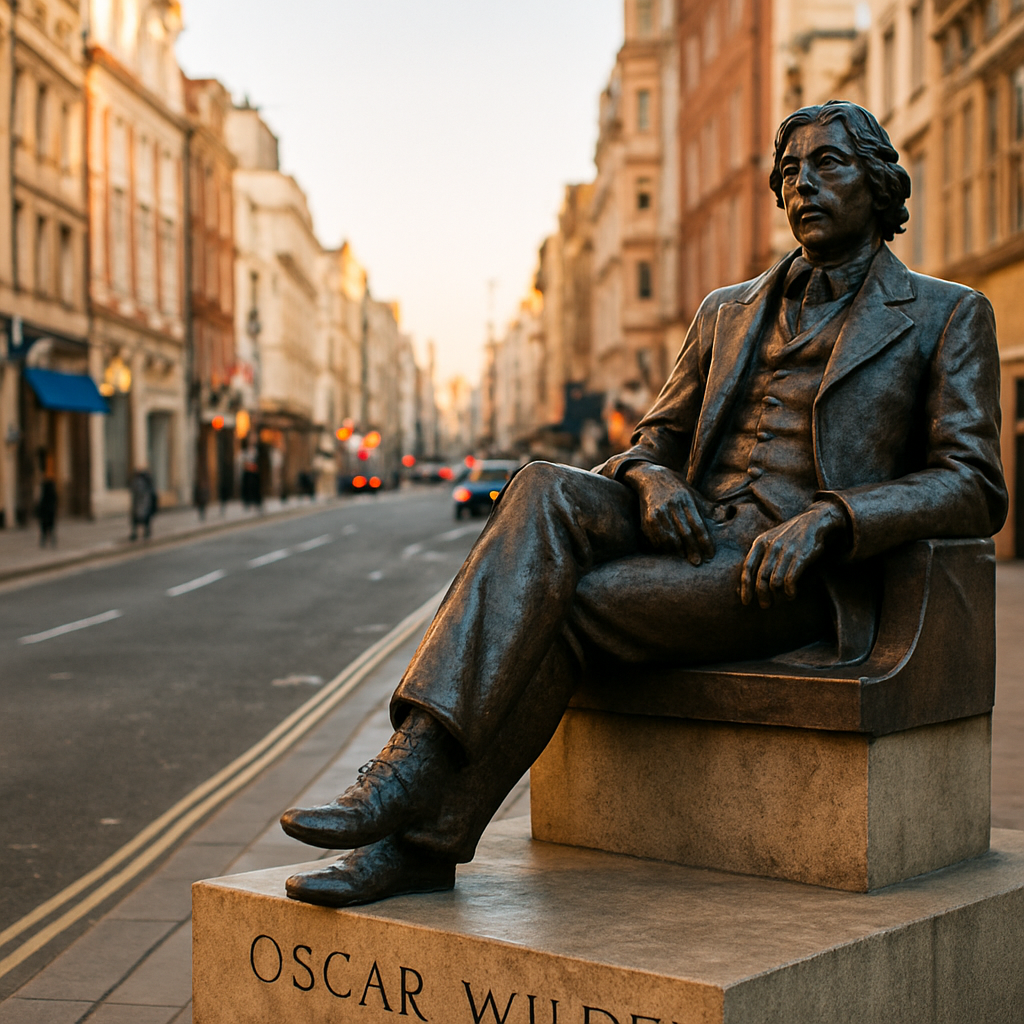
The Oscar Wilde Statue & Trafalgar Square
On Adelaide Street near Trafalgar Square, Oscar Wilde lounges on a low wall, cigarette in hand, looking conspiratorially pleased with himself. It's a genuinely moving piece of public art — formally titled 'A Conversation with Oscar Wilde' — and it costs nothing but the five-minute detour. Sit next to him, take the photo, then walk into Trafalgar Square and up the steps of the National Gallery (also free) for one of the finest art collections on Earth. The room with the Turners and the Constables is worth the entire trip to London.
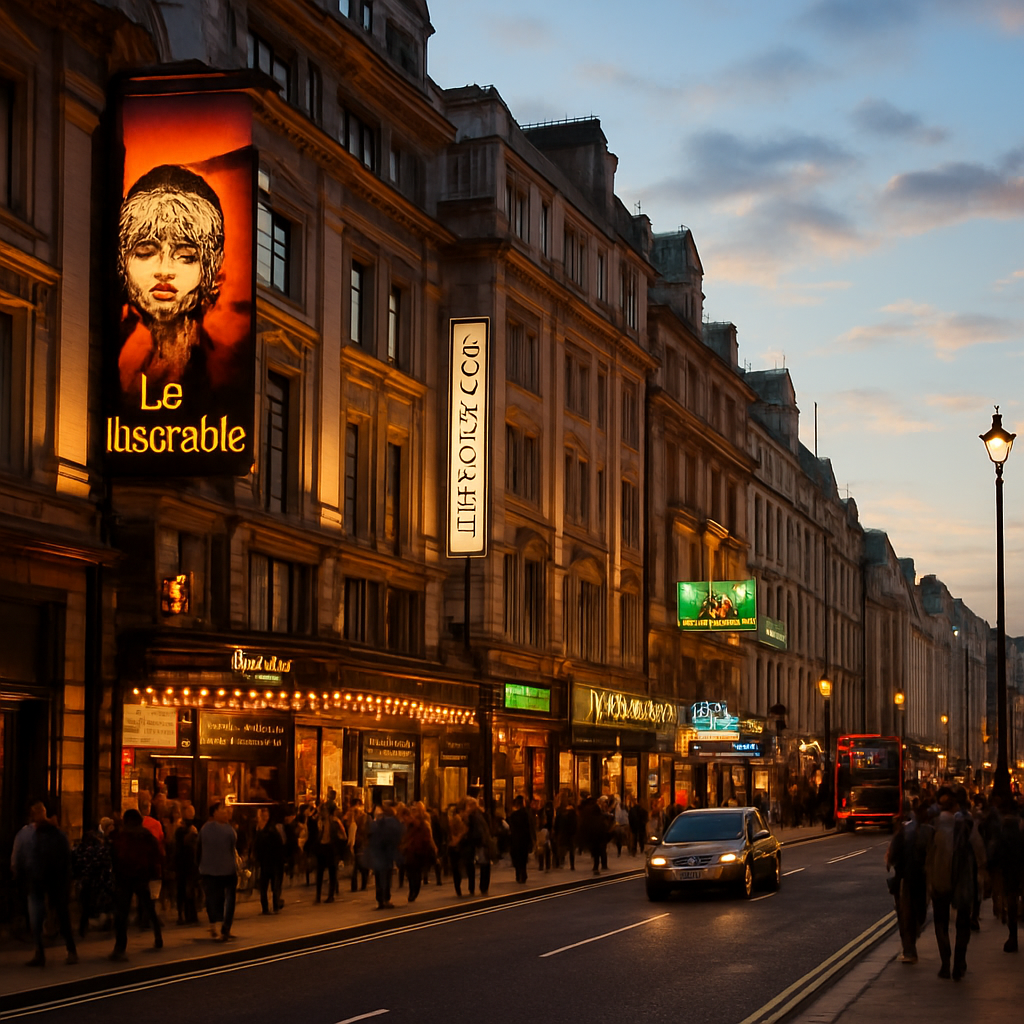
West End Theatre at Half Price
The TKTS booth on Leicester Square sells same-day and next-day tickets at up to 50% off. Line up around 10am for the best selection — you won't get Hamilton for half price, but you'll find excellent shows for £25–£40 that would cost three times as much on Broadway. London's theatre scene is deeper and stranger than New York's; the smaller houses — Donmar Warehouse, Almeida, Young Vic — regularly produce work that later transfers to Broadway at five times the ticket cost. Check what's on at those venues before you book the big names.

A Day in Brighton
Ninety minutes from Victoria Station and you're on the seafront of the UK's most famously welcoming seaside city. The Royal Pavilion is a gloriously unhinged Indo-Saracenic palace that looks like it was designed during a fever dream — don't skip the interior. Walk through the North Laine quarter's independent shops, eat fish and chips with a view of the burnt-out West Pier, and wander into Kemptown's queer village for a late-afternoon pint. Trains run frequently and late. Every time I go for the day, I wish I'd booked the extra night.
The places I actually send people to
Advice that fits how you travel
London is one of the best solo cities in the world, full stop — and for LGBTQ+ solo travellers specifically, it's close to ideal. The city runs on a culture of polite independence; eating alone, drinking alone, wandering a museum alone are completely normalised behaviours here, not signals of distress. The free museum circuit alone — Tate Modern, British Museum, National Gallery, V&A — can fill three or four days without a single awkward moment or a single pound spent on entry. The South Bank walk is designed for solo wandering. And the sheer density of the transport network means you're never more than a Tube ride from changing your entire plan.
The app culture here is active and straightforward. Grindr, Hinge, and Tinder all run well in London; Scruff has a strong community especially around Vauxhall. But you genuinely don't need apps to meet people. Comptons of Soho on Old Compton Street is the pub where you sit down alone and leave having had a conversation — the clientele ranges from 25 to 75 and the lack of a theme is itself the theme. Ku Bar on Lisle Street near Leicester Square is a solid, unfussy option when you want a proper drink without committing to a club. For something with more edge, Dalston Superstore on a Friday or Saturday has the kind of energy where conversations start on the dance floor and continue until someone suggests food at 4am.
Safety-wise, solo LGBTQ+ travel in London is low-risk across the board. Use normal big-city sense — don't leave drinks unattended, keep your phone secure on the Tube, trust your instincts in unfamiliar areas late at night. The Night Tube runs on weekends on key lines, which solves the 2am transport problem elegantly. Budget solo travellers should look at citizenM Shoreditch for style at £79/night, and know that the daily TfL fare cap means you'll never spend more than about £8 on Tube and bus travel in a single day. London is expensive, but its best experiences — the parks, the markets, the museums, the people-watching — cost nothing.
London is one of the finest cities in the world for queer couples who've grown tired of being romantic in places where holding hands requires a calculation. You walk down Old Compton Street or along the South Bank at dusk and nobody treats it as a statement — it's just two people on an evening walk. That baseline ease is rarer and more valuable than most cities' marquee attractions, and London delivers it across most of Central London, not just its designated LGBTQ+ corridors.
For an actual date night, start at Ducksoup on Dean Street for dinner — small room, candlelight, natural wine that the staff know backwards — then walk to The Yard on Wardour Street for a drink in their covered courtyard. If you want a theatrical evening, the West End is fifteen minutes from anywhere in Central London, and the half-price ticket booth at Leicester Square regularly produces excellent seats at short notice. The South Bank after dark — Tate Modern's exterior lit up, the Thames reflecting the city skyline, a glass of something from one of the riverside bars — remains one of the great free London dates and it costs nothing but the walk.
For accommodation, Hazlitt's puts you in three Georgian townhouses steps from Old Compton Street, which means the whole Soho night unfolds from your doorstep; the antique-furnished rooms are genuinely romantic rather than twee. The Hoxton Shoreditch has a more contemporary energy and a lobby bar that's genuinely fun even before you've left the building. Either way, top up your contactless card and use the Night Tube home — London's 24-hour tube lines on weekends mean the night doesn't have to end when your feet give out.
London is structurally one of the best cities in the world for LGBTQ+ families — and I mean that in the legal sense before the cultural one. Same-sex adoption is fully legal, family structures are recognised across all contexts, and the NHS means a medical situation doesn't come with an insurance-nightmare attached. LGBTQ+ families are genuinely unremarkable across most of Central London, and within any LGBTQ+ neighbourhood specifically, you'll encounter warmth rather than curiosity.
The free museum culture here is extraordinary and worth building the trip around. The Natural History Museum, the Science Museum, the British Museum, the V&A — all free to enter, all capable of occupying a full day with kids of any age. Under-11s travel free on all TfL services, which meaningfully reduces your daily spend. The South Bank is stroller-accessible, wide, and endlessly engaging: Borough Market for lunch, an hour at Tate Modern, and back across Millennium Bridge gives you a complete, nearly free half-day that works for children from toddlers to teenagers.
Older kids will find London's sheer scale stimulating in itself — the Tower of London, a West End show, a day trip to Brighton, the immersive theatre experiences scattered across the city. Most London restaurants accommodate families without the formality you'd encounter elsewhere; a children's menu and a high chair are standard assumptions rather than special requests. Practically, the Elizabeth Line and Overground run reliably into the evening and have step-free access at most central stations — check the TfL accessibility map before you set off if pushchair logistics matter to your day.
What London actually costs
Flights, visas, and the first 30 minutes
London Heathrow (LHR) is the primary international gateway, with direct connections from 220+ cities. From New York (JFK), expect around 7 hours. Los Angeles (LAX) is 10h 30m. Toronto (YYZ) runs 7h 30m. Sydney (SYD) is a commitment at 21h 30m. Dubai (DXB) is 7h 15m. And from Paris (CDG) or Amsterdam (AMS), you're barely in the air at 1h 15m and 1h 05m respectively — practically a commute.
Getting into the city from Heathrow: The Heathrow Express is the fastest option — £25–£37 and 15 minutes to Paddington, with trains every 15 minutes. The Elizabeth Line costs £10–£13, takes 35–45 minutes, and runs deep into Central London and beyond; it's the best value rail option if you're not in a rush. The Piccadilly Line is cheapest at £3.50–£6 and takes 50–60 minutes with stops across Central London — fine for lighter luggage. A black cab or Uber runs £45–£80 door-to-door depending on destination zone and traffic. The National Express coach to Victoria Coach Station is the budget option at £6–£15, but allow 60–90 minutes and treat the arrival time as approximate.
Visa requirements: US travelers need no visa for stays up to 6 months, but an Electronic Travel Authorisation (ETA) is required from 2025 — apply in advance at GOV.UK before you travel. EU, Canadian, and Australian travelers are similarly visa-free for up to 6 months, with the ETA requirement applying equally from 2025. UK nationals are, of course, already home.
Pro tip: Skip the Oyster card setup and tap your contactless bank card or use Apple/Google Pay directly on Tube gates and buses. The daily fare cap system automatically limits what you're charged — same protection as Oyster, zero setup time. It's the way locals travel and there's no good reason to do it differently.
Traven's seasonal breakdown
The questions everyone asks
Is London safe for LGBTQ+ travellers?
Do I need to speak English fluently?
How much should I budget per day?
Is it safe to hold hands in London?
What's the best neighbourhood to stay in for the LGBTQ+ scene?
Do I need an Oyster card for the Tube?
When is Pride in London?
Screenshot this before you go
So should you actually go?
Go. Don't overthink it, don't wait for the "right" trip — just go. London is one of the most legally protected, culturally rich, and scene-diverse queer cities on the planet, and it has been for decades. It's expensive, yes. It rains, sure. The Tube will test your patience. But you'll walk down Old Compton Street on your first evening and feel something click into place — a city that didn't just make room for you but built entire neighbourhoods around you, protected them by law, and then kept the drinks reasonably priced. I love this city with no qualifications, and I think you will too.
Sources & Resources
Official links we reference when compiling this guide. Last verified 2026-03-06.
- Stonewall UK
- Switchboard LGBT+ Helpline
- Galop – LGBT+ Anti-Violence Charity
- Albert Kennedy Trust (LGBTQ+ Youth Homelessness)
- London Friend – LGBTQ+ Wellbeing
- CliniQ – Trans & Non-Binary Sexual Health
- Pride in London
- Terrence Higgins Trust
- Gendered Intelligence
- 56 Dean Street Sexual Health Clinic
- Metro – LGBTQ+ Health & Wellbeing
- UK Government – Equality Act & LGBT Rights