
Albuquerque doesn't audition for your approval. It just hands you a green chile cheeseburger at midnight and a watermelon-pink mountain at sunset and lets you decide.
It's a Tuesday at the Apothecary Lounge, and the Sandias are doing the thing — that slow watermelon-pink wash that gives the mountains their name, while the city below blinks awake in grids of orange light. The bartender is talking to a couple at the end of the rooftop about which green chile is hotter this year, Hatch or Chimayó, and a guy at the next table is reading a worn paperback in the last of the daylight. Nobody is performing. Nobody is here to be seen. The drinks are good, the view is impossible, and the whole thing costs less than a single round at a comparable rooftop in Phoenix.
That's Burque. It is not Santa Fe's louder cousin — it's the one who actually knows where to get a drink after 10pm, and where to eat after 1am, and what to do with the rest of the night once you've done both. Albuquerque trades on a different currency than the postcard cities of the American Southwest. There's no curated plaza, no gallery district priced for tourists, no manicured charm. What's here instead is a real city — Spanish, Mexican, Indigenous, and Anglo overlapping along Central Avenue's mile of mid-century neon — that happens to have one of the most legally protective frameworks in the country wrapped around it. There's a reason I gave it an 8.1 on my Traven-Dex.
The gay scene is small. I won't pretend otherwise — my Scene score landed at 6.9, and that's honest. Effex downtown carries Friday and Saturday, the Albuquerque Social Club behind the Hi-Ho Café has been the dive of record since 1978, Sidewinders does country-western in the Southeast Heights, and that's most of the formal infrastructure. But the community here doesn't live exclusively in venues. It lives in living rooms, in Nob Hill coffee shops, in the kitchens of LGBTQ+-owned restaurants like Bocadillos and Pop Fizz, and on the patios of breweries that show up for benefit nights without being asked twice. Lower your expectations of nightlife volume and raise them for actual conversation.
What earns the high score is everything around the scene — the legal floor at 10.0, the 8.2 on Destination, the proximity-to-mountains-to-margaritas ratio that nowhere else in this price range can touch. Take the Sandia Peak Tramway up at 5pm. Eat green chile at midnight. Drive the Turquoise Trail to Madrid on a Sunday. Sleep at Los Poblanos on twenty-five acres of working lavender farm and tell me you've found a more romantic bed in the Southwest. Albuquerque doesn't audition for your approval. It just hands you a city built for staying a while.
The stuff your travel guide buries on page 47
New Mexico is, as of 2026, one of the most legally protective states in the country for LGBTQ+ residents and visitors. Marriage equality, joint adoption, and comprehensive anti-discrimination protections covering sexual orientation and gender identity are codified in the New Mexico Human Rights Act. Self-ID is the standard for updating gender markers on state documents, and New Mexico is a sanctuary state for gender-affirming care — meaning out-of-state patients are protected from extradition or prosecution under hostile-state laws. Equality New Mexico tracks the legislative landscape if you want the granular version.
Socially, Albuquerque runs more progressive than the rural counties around it, but the city is bigger and more variable than the postcard suggests. Nob Hill, downtown, EDo, and the Sawmill District are openly welcoming and visibly queer. The West Side, Rio Rancho suburbs, and stretches of the East Mesa lean more conservative — not hostile, generally, but the energy shifts. Burque is a city of pockets, not a single uniform vibe.
Pride happens in June, with the main stage at Civic Plaza and the parade rolling down Central Avenue. It's smaller than Phoenix or Denver, but the proximity-to-mountains-to-margaritas ratio is unbeatable. The October Balloon Fiesta is the other major moment, and it draws a heavy queer travel crowd — book six months out if your trip overlaps.
Pro tip: the altitude is 5,300 feet and the air is desert-dry. Two cocktails at Effex hit like four at sea level. Pace yourself, drink twice the water you think you need, and don't try to keep up with locals on day one. For city-level concerns and complaints, the City of Albuquerque Human Rights Office handles non-discrimination enforcement within municipal limits, and the ACLU of New Mexico tracks broader civil rights work statewide.
What it actually feels like on the ground
Holding hands and PDA: Walking down Central through Nob Hill or EDo holding hands is a non-event most evenings — I've done it, friends do it, no one looks twice. Old Town and the Sawmill District are equally fine. The calculation changes at a gas station off I-40 east of town at 11pm, or in chain-restaurant strip-mall territory on the West Side. Read the room, not the map.
Hotel check-in: Same-sex couples checking into one bed is a non-issue across every property in the data, from Hotel Andaluz downtown to Los Poblanos in the North Valley. Hilton, Hyatt, and Heritage Hotels all have published non-discrimination policies that match what you'll experience at the front desk.
Taxis and rideshares: Uber and Lyft are the default and I've never had a flicker of an issue. Coverage gets thinner east of San Mateo and in the International District after midnight — if you're at Sidewinders on a Wednesday and planning to ride home solo at 1am, request the car before you walk to the door, not after.
Late night: The bigger safety conversation in Albuquerque isn't bias — it's property crime. Don't leave anything visible in your rental car at the Sandia Peak Tramway lot, the bosque trails, or anywhere downtown overnight. The city's car-break-in rate is approximately above the US average and that's the actual risk. Walking Central in Nob Hill at midnight is fine; leaving your laptop on the back seat is not.
Trans travelers: New Mexico's protections are some of the strongest in the country, and the Transgender Resource Center of New Mexico keeps an updated directory of trans-affirming providers, lawyers, and community resources if you need anything mid-trip. APD response times in the International District (east of San Mateo) can run slow, so save the TGRC number before you arrive.
Health and HIV resources: New Mexico AIDS Services handles testing, PrEP navigation, and case management citywide — useful to know exists, even if you're just visiting.
Verbal harassment risk: Low in the core neighborhoods, occasional in the more conservative outskirts. I have never personally been hassled in Nob Hill, EDo, downtown, or Old Town across multiple visits. The story other travelers tell me matches that.
The queer geography
Nob Hill
This is the historic Route 66 stretch east of the University of New Mexico — a mile of mid-century neon signs, independent bookstores, vintage shops, taquerías, and locally-owned restaurants strung along Central Avenue. The architecture is the giveaway: low-slung 1940s and 50s commercial buildings with original signage, the kind of streetscape preservationists travel cross-country to photograph. Walk it at dusk when the neon flickers on. Eat sweet rolls and green chile at the Frontier Restaurant across from UNM. Drink at Imbibe Nob Hill. This is also where Albuquerque's gay scene clusters — Effex downtown is a quick rideshare, and the Albuquerque Social Club sits behind the Hi-Ho Café building and has been the dive of record since 1978. Pride information and event calendars live at Albuquerque Pride.
Downtown & EDo (East Downtown)
Downtown is where Central's neon meets the KiMo Theatre's 1927 Pueblo Deco facade — one of the genuinely strange and beautiful buildings in the American Southwest, and worth the detour even if there's nothing playing. The corridor strings together Marble Brewery, Tractor Brewing a few blocks over in Wells Park, and Effex, the city's main gay nightclub. EDo (East Downtown) is the smaller revitalized stretch between Downtown and Nob Hill — boutique hotels in century-old buildings, a tight cluster of cafés like The Grove, and the rooftop Apothecary Lounge at Hotel Parq Central, which has the best Sandia view in the city after sundown. Civic Plaza, two blocks from the Hyatt, hosts the Pride main stage in June.
Sawmill District
Northwest of Old Town, this is the city's newest swing — a former lumber-yard zone reimagined around Sawmill Market, a food hall where you can eat your way through New Mexico in 90 minutes (green chile cheeseburger, biscochito ice cream, mezcal flight). Hotel Chaco anchors the district with rooftop drinks at Level 5, the Indian Pueblo Cultural Center is a short walk and worth a half-day for the weekend dance performances and the contemporary Native art galleries. The vibe is calmer than Nob Hill, openly welcoming, and a good base if you want quiet at night and Old Town five minutes away. Casa Q serves LGBTQ+ youth in this part of the city and is one of the community pillars worth knowing about.
Old Town
The 1706 Spanish plaza is the city's oldest neighborhood, and yes, it's touristy by day — but walk it at dusk, after the bus tours leave, and the adobe walls glow gold and the church plaza empties out. Several queer-owned galleries are folded among the souvenir shops if you know where to look. The Albuquerque Museum sits adjacent with a sculpture garden that's free on Sundays, and the ABQ BioPark aquarium and gardens are a ten-minute walk down toward the Rio Grande.
North Valley & Los Ranchos
This is where the city softens — cottonwoods along the bosque, irrigation ditches lined with horses, and a string of restaurants and inns built around farm-to-table cooking long before that phrase was a marketing term. Los Poblanos is the centerpiece: a 25-acre lavender farm with John Gaw Meem Pueblo Revival architecture, and Campo, the on-site restaurant, has multiple James Beard semifinalist nods. Farm & Table, El Pinto, and Sadie's round out the dining picture. Quieter than Nob Hill, more pastoral than anything else in the city, and a beautiful base if you've got a car. The Two Spirit Society of Albuquerque hosts gatherings throughout the metro that connect Indigenous LGBTQ+ community across the Pueblos and the city — worth following if you're in town for an extended stay.
The experiences worth rearranging your itinerary for
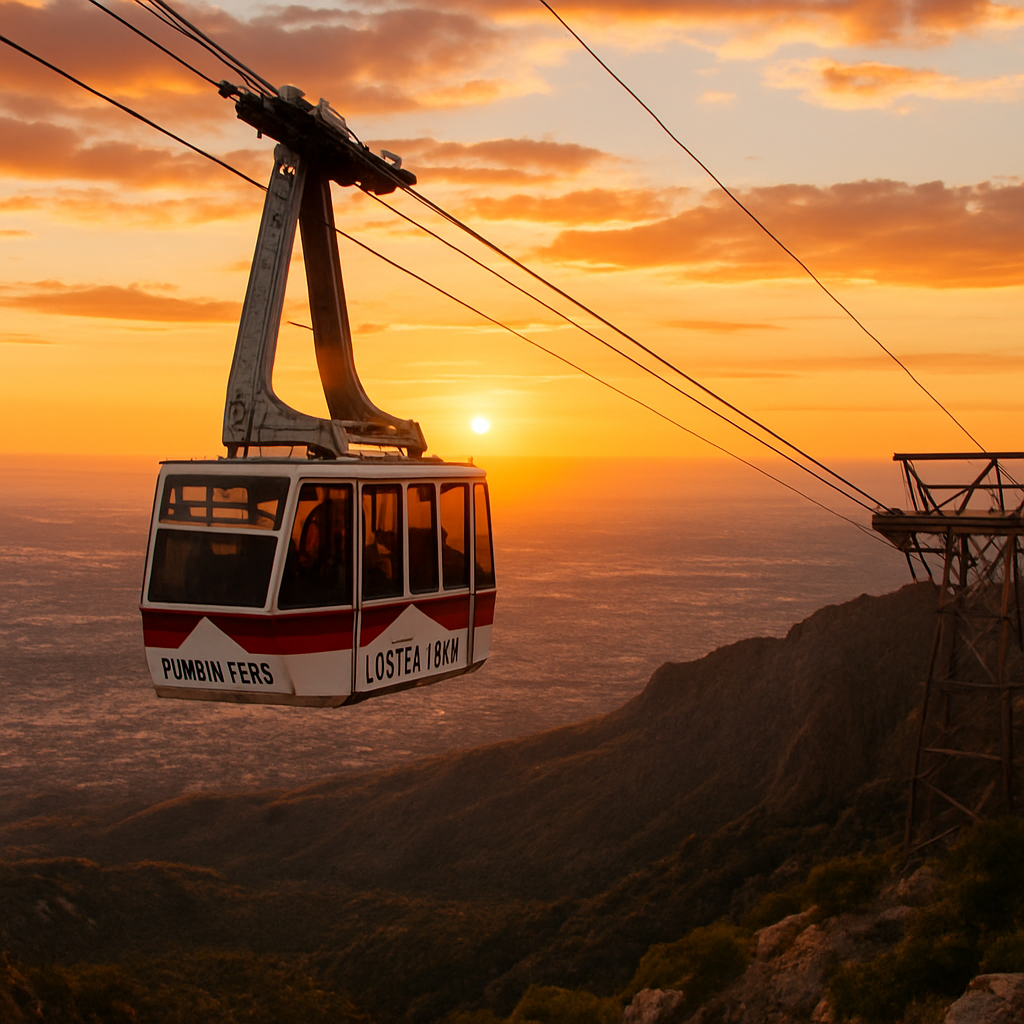
Ride the Sandia Peak Tramway at Sunset
Take the tram up at 5pm and back down at golden hour. The cabin climbs 2.7 miles in fifteen minutes — one of the longest aerial tramways in the world — and tops out at 10,378 feet. Watch the city light up below while the desert turns cobalt and the Sandias do the watermelon-pink thing they were named for. It's a tourist move and I do not care; it's genuinely religious.
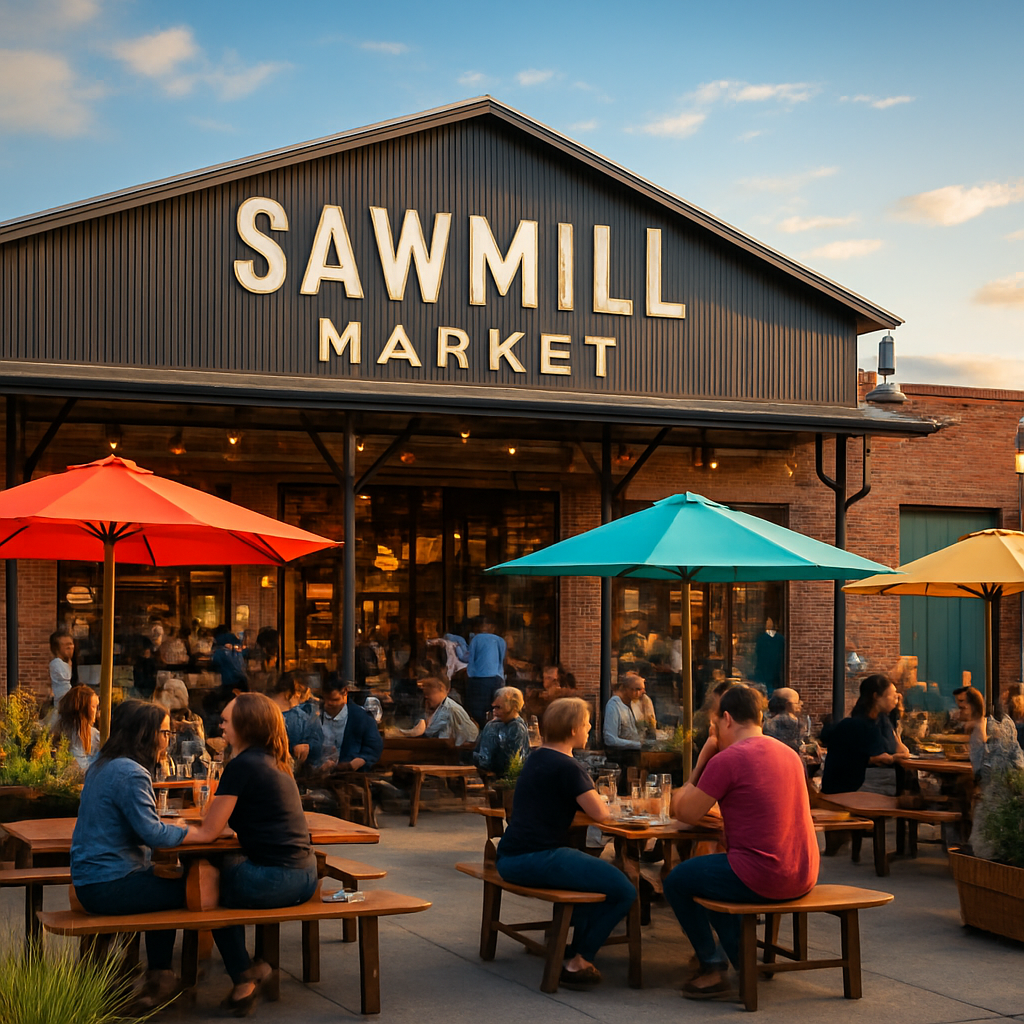
Eat Through New Mexico at Sawmill Market
The food hall in the Sawmill District lets you taste your way across the state in 90 minutes flat. Order a green chile cheeseburger from one stall, biscochito ice cream from another, a mezcal flight from the bar in the middle, and stand at the long communal tables while you finish. Hotel Chaco's rooftop is a 90-second walk if you need a digestif. Bring an appetite and a date.
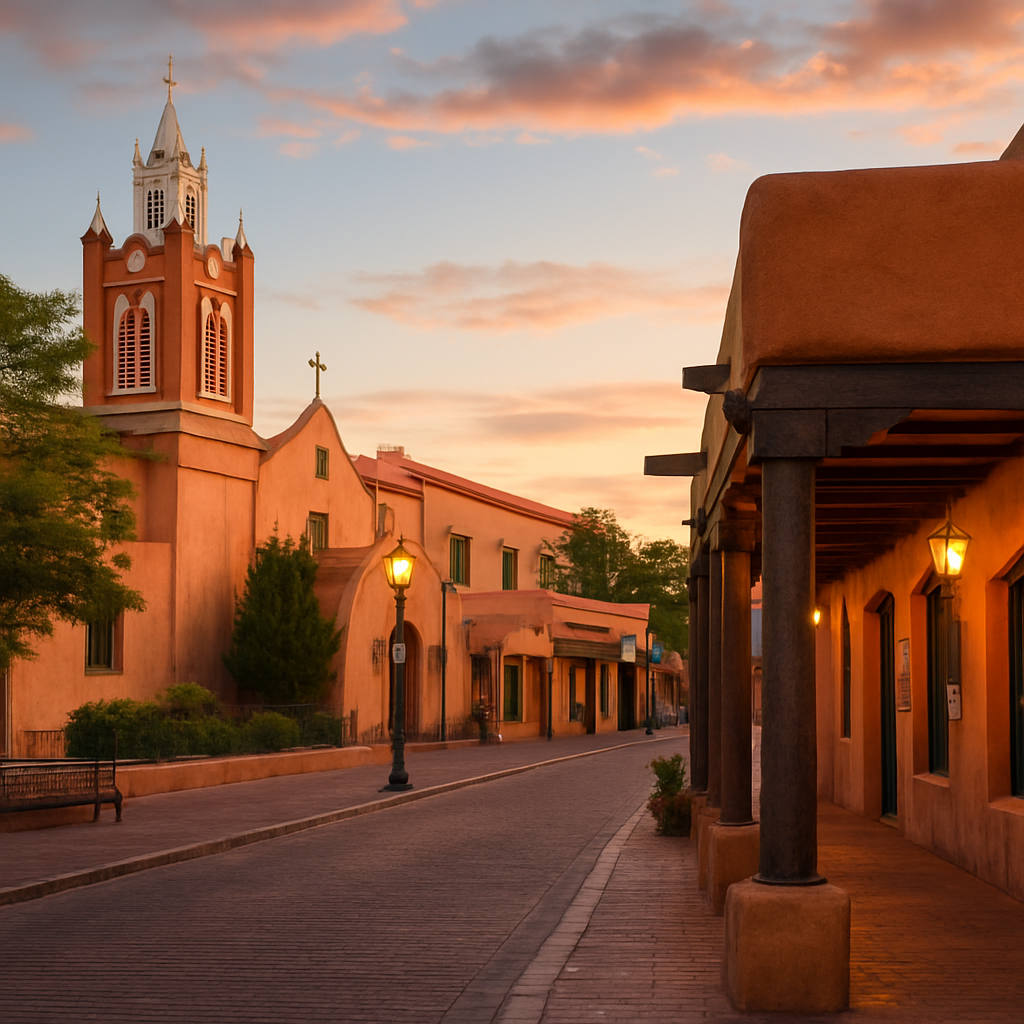
Walk Old Town After the Bus Tours Leave
The 1706 Spanish plaza is the city's oldest neighborhood and yes, it's touristy by day. Show up at dusk instead — the adobe walls glow gold, the church plaza empties out, and the Albuquerque Museum's sculpture garden a block away is free on Sundays. The KiMo Theatre's 1927 Pueblo Deco facade two blocks east is one of the genuinely strange and beautiful buildings in the American Southwest.
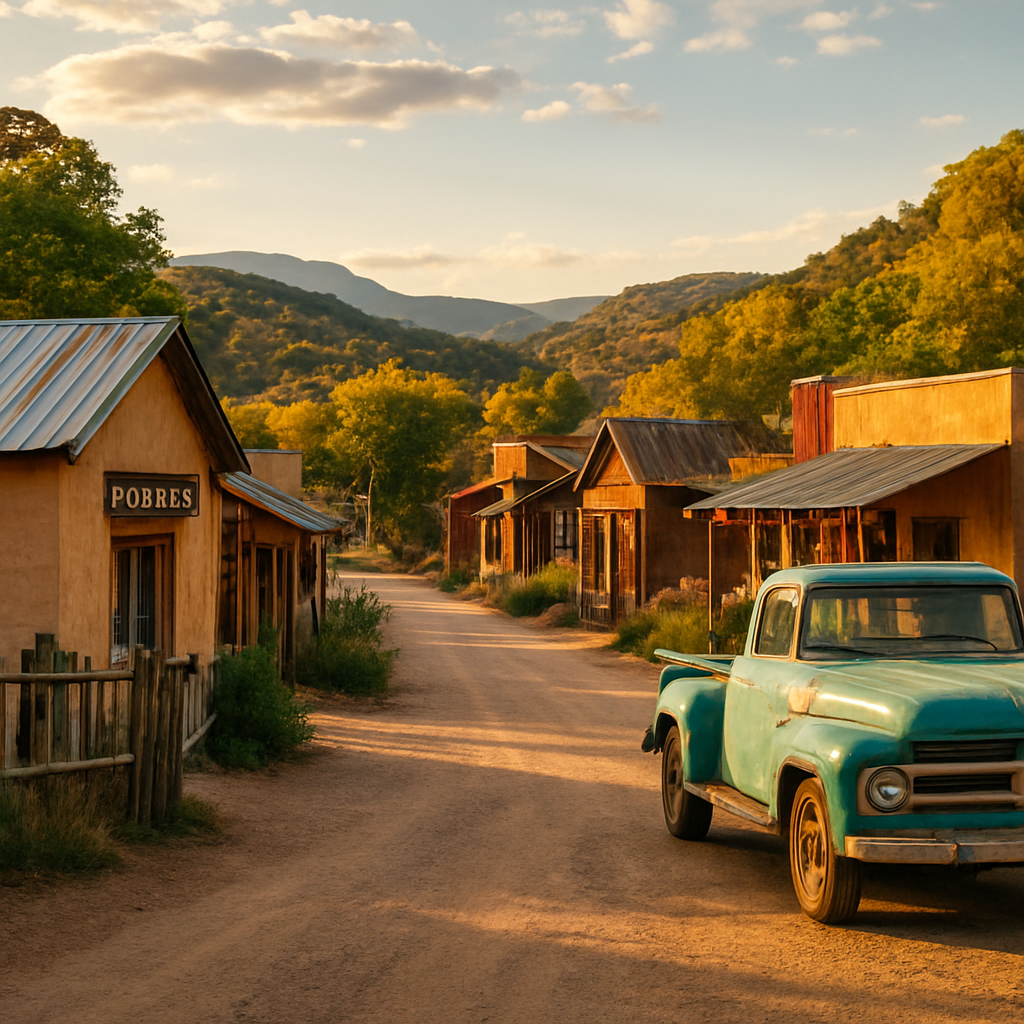
Drive the Turquoise Trail to Madrid
NM-14 winds approximately 45 miles northeast through high desert and old mining country to Madrid — a former coal town repopulated by artists in the 1970s and now a strip of independent galleries, studios, and biker-friendly bars. Stop at the Mine Shaft Tavern for a green chile burger. The drive itself is the experience: cottonwoods, abandoned mining structures, and the Sandias receding in the rearview.
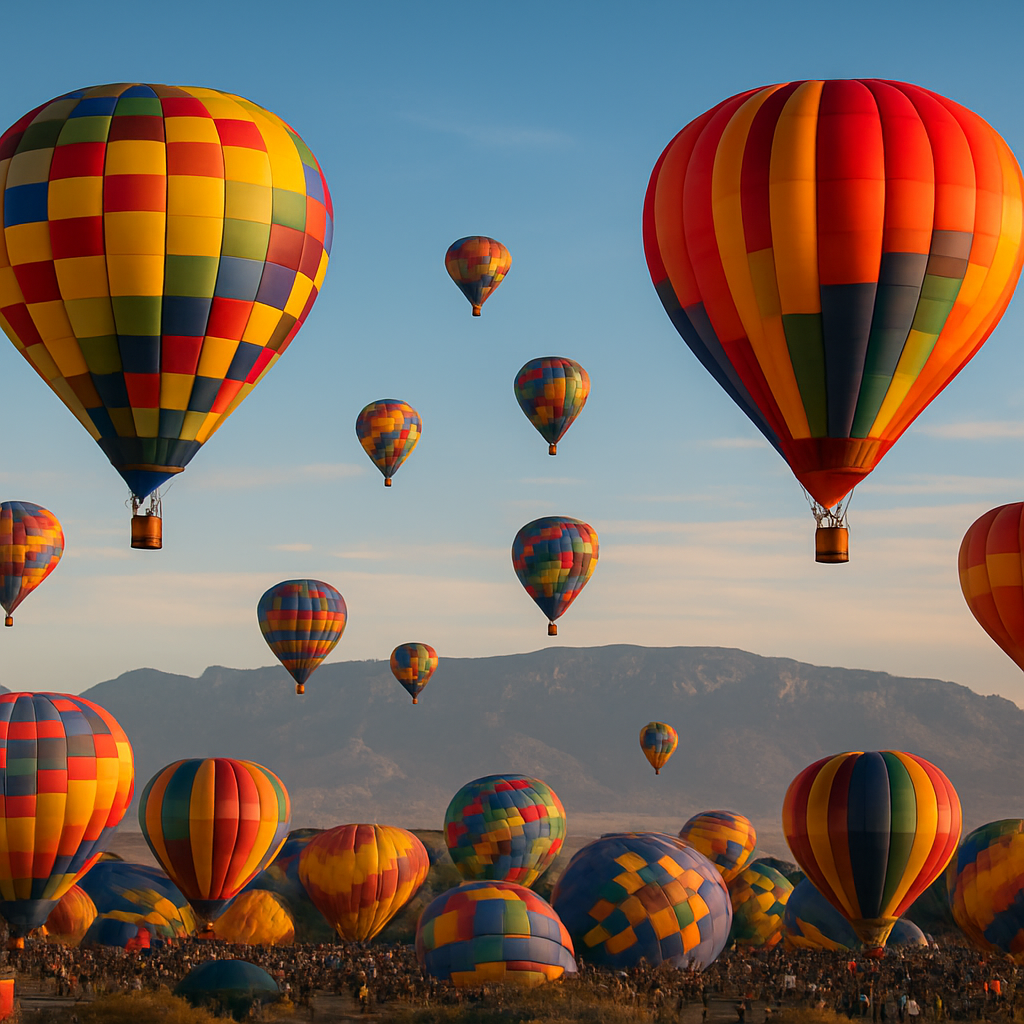
Time a Trip Around the Balloon Fiesta
Early October brings the world's largest hot-air balloon festival to a 78-acre park north of the city — approximately 500 balloons launching together at dawn, with a mass ascension that genuinely defies a phone camera. Book lodging six months out, set your alarm for 5am, and dress for desert cold. The Special Shapes Rodeo on selected mornings is the visual peak.
The places I actually send people to
Advice that fits how you travel
Solo travel in Burque is easier than the city's reputation suggests, especially if you base in Nob Hill or EDo and let the Central Avenue corridor do the work. Walking the mile of mid-century neon between UNM and the bookshops at dusk is a complete evening on its own — pull into Bocadillos for a sandwich, swing through Flying Star for the pastry case, end at Imbibe Nob Hill with a book. Solo dining doesn't get a second glance here; the bar seats at Artichoke Cafe and Zacatecas are some of the friendliest in the metro.
For meeting people, the apps work but the bars work better. Effex downtown is the big-room option — two floors, a patio, and a Sunday drag brunch that's the worst-kept secret in town. The Albuquerque Social Club behind the Hi-Ho Café has been the dive of record since 1978, and a $5 day pass at the door gets you in under New Mexico's members-only liquor rule. Sit at the bar, order a beer, shut up for ten minutes, and the regulars will tell you everything. Sidewinders in the Southeast Heights does country-western on Wednesdays with two-step lessons — bring boots and lower your ego.
Pro tip: the altitude is 5,300 feet and the air is desert-dry. Two cocktails at Effex hit like four at sea level. Pace yourself, drink twice the water you think you need, and request your rideshare from inside the venue rather than after you've walked out — coverage gets thinner east of San Mateo after midnight, and that's where the real friction lives. Budget runs $95-140/day shoestring, $200-290/day moderate, which makes Albuquerque one of the better-value Southwest stops you can string into a longer trip.
Albuquerque is built for couples who want the romance of New Mexico without Santa Fe's price tag, and same-sex couples can hold hands across Nob Hill, EDo, downtown, the Sawmill District, and Old Town without the calculation that other Southwest cities still demand. Front desks at Hotel Andaluz, Hotel Chaco, Hotel Parq Central, and the Hyatt Regency Tamaya are non-issues for one-bed bookings — Hilton and Hyatt both hold HRC Corporate Equality Index 100 scores, and Heritage Hotels has the New Mexico-rooted version of the same commitment.
For the romance: Los Poblanos is the single most romantic place to sleep in the state and I will die on that hill. Twenty-five acres of working organic lavender farm, John Gaw Meem Pueblo Revival architecture on the National Register, and Campo on-site pulling James Beard semifinalist nods. Book it for an anniversary and don't apologize. The runner-up move is the Apothecary Lounge rooftop at Hotel Parq Central at golden hour — there's no better Sandia sundown drink in the metro. Take the Sandia Peak Tramway up at 5pm and back down at sunset; watching the city light up from 10,378 feet while the desert turns cobalt is the unofficial second-date itinerary for local queers and it works on visitors too.
For dinner, alternate between Campo, Antiquity's candlelit booths in Old Town, and Farm & Table in the North Valley — three completely different rooms, three completely different evenings. Couples-moderate budget runs $310-440/day, which goes shockingly far here. Pro tip: take the Rail Runner train from downtown to Santa Fe for ten bucks and ninety minutes — you can drink with the locals at the other end without negotiating who's driving home.
New Mexico recognizes LGBTQ+ families fully under the law, as of 2026. Joint adoption is legal, the New Mexico Human Rights Act covers sexual orientation and gender identity, and self-ID applies to gender markers on state documents. Two-mom and two-dad families check into hotels, enroll in summer camps, and walk into pediatricians without the legal asterisks that make other parts of the country exhausting — the legal floor is genuinely a 10.0 on my Traven-Dex, and Albuquerque schools and city services match the policy.
For the kids: the ABQ BioPark is the family-trip move adults still actually enjoy — aquarium, botanic garden, zoo, and the BUGarium invertebrate exhibit that's genuinely strange in the best way. The Sandia Peak Tramway is a fifteen-minute ride that registers as cinematic to a seven-year-old. The Indian Pueblo Cultural Center in the Sawmill District does weekend traditional dance performances in the central courtyard and is the half-day that contextualizes everything else you'll see in New Mexico. Sawmill Market next door handles picky eaters across about a dozen stalls, and the green chile cheeseburger is the rite of passage.
Logistics: rent a car, full stop — Burque is car-dependent and rates ($40-80/day) are among the cheapest of any Southwest hub. Stay in Old Town or the Sawmill District for proximity to the family stuff, or split the trip between Hotel Chaco and the Hyatt Regency Tamaya on Santa Ana Pueblo land 25 miles north for resort mode with a pool. Family-moderate budget lands $470-680/day, less if you cook a couple of breakfasts. Skip lodging during the Balloon Fiesta in early October unless you booked six months ago — the queer Airbnbs in Nob Hill go first and prices triple.
What Albuquerque actually costs
Flights, visas, and the first 30 minutes
Albuquerque International Sunport (ABQ) sits about five miles southeast of downtown — one of the easier major-airport-to-city runs in the American West. Approximately 25 direct routes serve the airport, with reliable nonstops to Denver, Dallas-Fort Worth, Phoenix, Los Angeles, Las Vegas, Houston, Atlanta, Chicago, and Salt Lake City. Most domestic hops run between 90 minutes and three hours.
Visas: As of 2026, US travelers move freely on domestic itineraries with no visa requirement. Canadian visitors typically don't need a visa for stays up to six months. UK, EU, and Australian travelers generally need ESTA authorization under the Visa Waiver Program — apply at least 72 hours before travel, though same-day approvals are common. Always check current entry requirements before booking.
Airport to city: Rideshare (Uber/Lyft) is the default — $15-25 to downtown or Nob Hill, 10-15 minutes. Taxis run $25-30 curbside at the terminal. The ABQ RIDE Route 250 bus connects the Sunport to downtown for $1, but service is limited and slow (20-30 minutes). Many downtown and Old Town hotels offer free or low-cost shuttles — worth asking when you book.
Pro tip: Rent a car. Burque is car-dependent, day trips to Santa Fe, Madrid, and Taos are part of the appeal, and rental rates ($40-80/day) are cheaper here than almost any other Southwest hub. The one exception: if you're staying in Nob Hill or EDo and not leaving the city, rideshare covers it.
Traven's seasonal breakdown
The questions everyone asks
Is Albuquerque safe for LGBTQ+ travelers?
Where should I stay if I want to walk to gay bars?
Do I need a rental car?
When's the best time to visit?
What's the deal with the Albuquerque Social Club being members-only?
How much should I budget per day?
Red or green chile?
Screenshot this before you go
So should you actually go?
Go. Albuquerque is one of the better-value Southwest trips LGBTQ+ travelers can make right now — comprehensive legal protections under the New Mexico Human Rights Act as of 2026, a small but stitched-in queer community that lives in Nob Hill and on the rooftops of EDo, and a landscape that earns the 8.2 on Destination every time the Sandias turn pink. The scene is modest and the city is car-dependent and property crime is the real safety conversation, not bias — but if you want green chile at midnight, a rooftop drink at golden hour, and a working lavender farm to sleep on, this is the trip. Bring a rental car, drink twice the water, and don't leave anything in the back seat.
Sources & Resources
Official links we reference when compiling this guide. Last verified 2026-05-04.