
Ann Arbor doesn't perform progressive — it just quietly passed the ordinance in 1970 and went back to arguing about peonies.
It's a Thursday in June, just after seven, and the patio at \aut\ BAR in Braun Court is already three-deep at the rail. Someone's small dog is making the rounds. A grad student in a Spectrum Center tee is explaining peony bloom dates to a couple visiting from Columbus. The string lights flick on a beat after the sun drops behind the Kerrytown rooftops, and somebody — there's always somebody — has propped open the door so the bar's playlist bleeds out into the courtyard. This is, more or less, the entire scene. One bar. One courtyard. The Jim Toy Community Center next door, dark for the evening but unlocked the rest of the week. A bookstore. A patio. And it works.
Ann Arbor isn't the Midwest's biggest gay scene and never tried to be. What it is, instead, is a small, quietly organized college town that decided in the 1970s to be one of the first cities in the country to pass a nondiscrimination ordinance and then never stopped showing up. The Spectrum Center at U-M, founded in 1971, is one of the oldest university LGBTQ+ centers in the United States. Necto has been running Friday Pride Night since the early '90s. \aut\ BAR has held the line since 1995. There's a reason my Traven-Dex landed at 8.6 — and a 10.0 on Legal — for a city you can walk across in twenty minutes.
The energy is professor-coded, not party-coded, and that's exactly the charm. You eat well — Miss Kim, Spencer, The Earle, Zingerman's, the chorizo frita at Frita Batidos that should be in the Smithsonian — and you walk it off through Kerrytown on the way to a 1928 movie palace where a Barton pipe organ literally rises out of the floor before the film. You go to bed at midnight. You wake up and walk to the farmers market. The lesbian-coded energy at a Saturday morning at the Ann Arbor Farmers Market is genuinely something to behold; it's a 9.2 on Chill not by accident.
If you came expecting Boystown or Hell's Kitchen, recalibrate. This is a town where the queerest thing happening on a Tuesday is a packed reading at Literati and a sticky-floored sing-along at \aut\ after. Locals will tell you the real scene migrated to Ypsi years ago, and they're half right — but the civic infrastructure, the legal floor, the Saturday farmers market, the patio at Braun Court when the lights come on — that's all still here. And on a long June evening, that's more than enough.
The stuff your travel guide buries on page 47
Let's start with the easy part: Ann Arbor is about as legally protected a place as you'll find in the United States for LGBTQ+ travelers. Marriage, adoption, employment, housing, public accommodations — all covered, all settled. Michigan added gender identity to the Elliott-Larsen Civil Rights Act in 2023, and as of 2026 a state Supreme Court ruling has made those protections explicit and enforceable. The Michigan Department of Civil Rights handles complaints, and the ACLU of Michigan has been the muscle behind most of the wins.
Locally, Ann Arbor has had a nondiscrimination ordinance on the books since the 1970s — one of the earliest in the country — and the city's progressive identity is not performance. The Spectrum Center at U-M, founded in 1971, is one of the oldest university LGBTQ+ centers in the nation. The Jim Toy Community Center in Kerrytown has been the civic anchor for decades, named for the Michigan activist who in 1970 became one of the first people in the state to publicly come out.
On the ground, what the law says and what the streets feel like generally line up. Same-sex couples check into hotels without a flicker. Trans travelers should know that federal-level TSA and ID-matching policies under the current administration have gotten messier — Michigan state ID and local protections remain robust, but the airport is federal turf, so plan accordingly.
Pro tip: Necto's Friday Pride Night has been running since the early '90s — older than most of its dancers. Get there before midnight or you'll be in the line that snakes past Liberty Plaza. And if you're here on a fall home-football Saturday, 110,000 people pour into the Big House. Hotels triple their rates, and you will not get a table at Sava's. Plan accordingly.
What it actually feels like on the ground
Holding hands and PDA: On Main Street at 10pm on a Saturday? Completely unremarkable. Same on a quiet stretch of Stadium Boulevard at 2am? Use the same instincts you'd use anywhere — this is still a small Midwestern city. Downtown, Kerrytown, the Diag, and Burns Park are about as comfortable as it gets in the Midwest. Briarwood Mall and the big-box corridors south of town are fine but less visibly queer.
Hotel check-in: Non-issue across the board. The Hilton, Marriott, and Graduate properties in town all carry corporate non-discrimination policies, and the independent operators — Bell Tower, Weber's, Burnt Toast — have decades of mainstream Ann Arbor business to lose by acting otherwise.
Taxis and rideshare: Uber and Lyft dominate. Drivers tend to skew university-affiliated and unbothered. AirRide buses to and from DTW are reliable and welcoming.
Late night: Downtown and Kerrytown are walkable and well-lit until last call. Most queer locals will tell you the bigger risk is a drunk undergrad on South U on a football weekend, not a hate incident. Use normal city judgment.
Trans travelers: Among the most affirming small cities in the country. The U-M Comprehensive Gender Services Program is one of the best in the Midwest, and Stand with Trans operates statewide. The Jim Toy Community Center on Braun Court keeps a current list of affirming healthcare providers and therapists. If you're traveling and need a refill or a check-in, start there. For sexual health and HIV care, Unified — HIV Health and Beyond serves the region, and the Washtenaw County Health Department runs free testing.
Verbal harassment: Rare in town. Outside the city limits, Washtenaw County gets more politically mixed quickly. Stay alert at gas stations and rural diners on the way to anywhere — that's a Michigan-wide rule, not an Ann Arbor one.
Pro tip: Campus blue-light phones still work, and AAPD has a long-standing relationship with the Spectrum Center. If something does go sideways near campus, those resources are real and responsive.
The queer geography
Kerrytown
Kerrytown is the most walkable few blocks in Ann Arbor — a historic mixed-use district just north of downtown, anchored by the Ann Arbor Farmers Market, which has been open since 1919. On a Saturday morning the market is a slow-moving crowd of cyclists, families, and U-M faculty doing their weekly shop, with cider donuts at one stall and Michigan asparagus piled three feet high at the next. The Kerrytown Market & Shops complex next door is full of indie food vendors, and Zingerman's Delicatessen on Detroit Street — the James Beard America's Classics winner — is the gravitational center of the city's food identity.
Tucked inside Kerrytown is Braun Court, the small brick courtyard that has functioned as Ann Arbor's queer center of gravity since the '90s. \aut\ BAR is the only dedicated gay bar in town, the Jim Toy Community Center sits next door, and Common Language Bookstore — the queer literary anchor — relocated here years ago. The patio at \aut\ becomes the de facto queer living room from May through October.
Downtown / Main Street
Main Street is Ann Arbor's spine — a four-block stretch of restored brick storefronts running south from Huron, packed with restaurants, the historic Michigan Theater (1928, on the National Register), and the State Theatre across the street. The energy at dinner time is dense and unpretentious: Mani Osteria's wood-fired oven, the rooftop at Jolly Pumpkin, the long narrow craft cocktail room at Ravens Club. The rainbow crosswalks at Main and Liberty went in years ago and have stayed in.
Necto on Liberty has been hosting weekly Friday Pride Night since the early '90s — Michigan's longest-running queer club night, drawing a mix of U-M students and townies. It's the closest thing Ann Arbor has to a proper club scene.
Central Campus & The Diag
U-M's central campus folds directly into downtown — there's no real seam between the two. The Diag is the green crossroads at the center, where Pride rallies, drag shows, and Spectrum Center events happen throughout the school year. UMMA (the University of Michigan Museum of Art) sits on the south edge, free and one of the largest university museums in the country. State Street is the retail strip — bookstores, cafes, Sava's across from campus.
The Spectrum Center, founded in 1971, is one of the oldest university LGBTQ+ centers in the country and a national pioneer. Its programming sets the tone for queer life on campus and bleeds into the city year-round.
Old West Side & Burns Park
West of downtown, the streets get leafy fast. Old West Side is a historic district of preserved Victorians and craftsman bungalows, and Burns Park, on the south side near campus, is the family neighborhood — wide sidewalks, a public pool, kids on bikes. Both have a long-standing reputation as places the gays settle in once they decide Ann Arbor is home, and the Pride flags on porches in June are not subtle.
You won't find nightlife here. You'll find brunch, dog walks, and a quiet sense that this is what queer adulthood looks like when it works.
Ypsilanti (Ypsi)
Fifteen minutes east, Ypsi is the grittier, cheaper, more interesting cousin. The downtown is a mix of old industrial buildings, indie record stores, taquerias, and a genuine art scene that Ann Arbor priced out years ago. Locals will tell you the real scene migrated here, and they're half right — Ypsi is where the artists, the trans creatives, and the people priced out of Burns Park actually live. Corner Health Center in Ypsilanti is a key affirming healthcare resource for the whole region.
The experiences worth rearranging your itinerary for
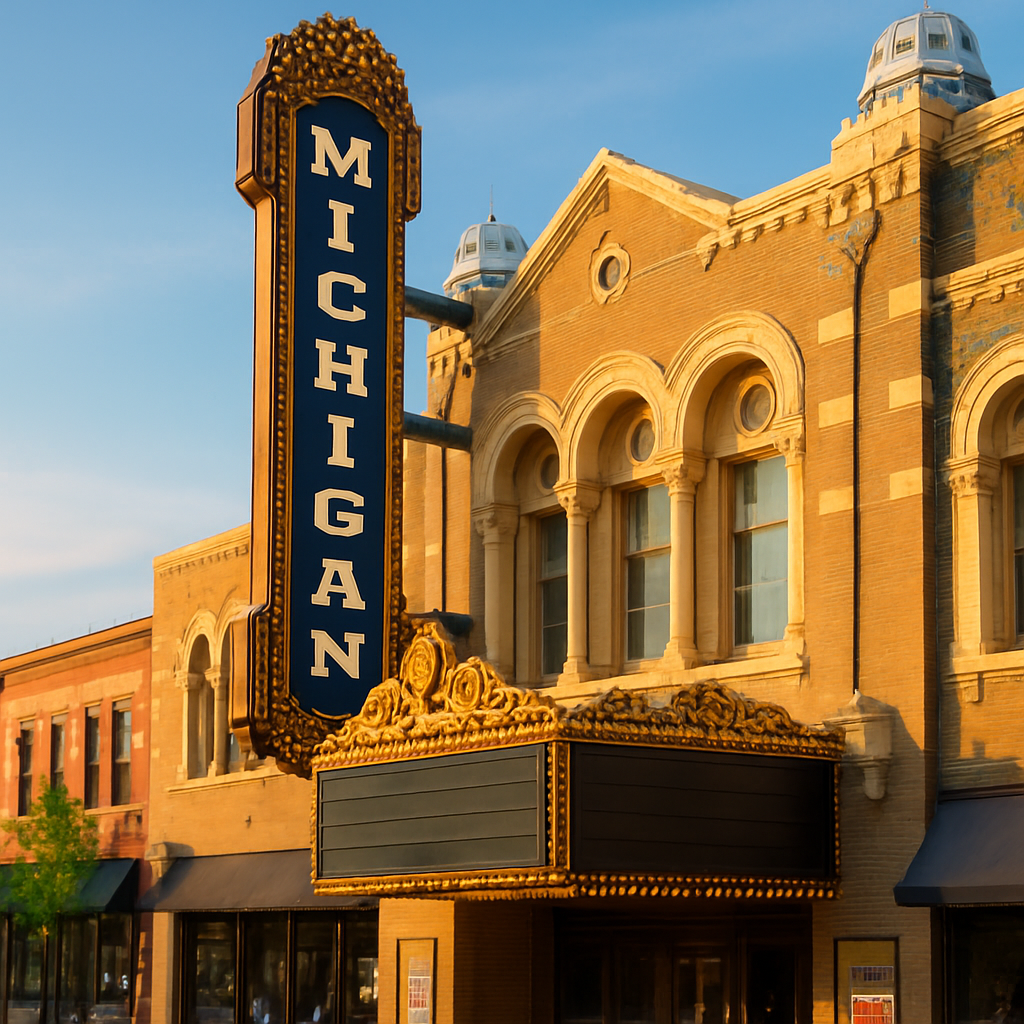
Catch a Film at the Michigan Theater (and Hear the 1928 Organ Rise)
The Michigan Theater opened in 1928 as a movie palace and now runs as a nonprofit independent cinema, with a restored Barton pipe organ that still rises out of the orchestra pit before screenings. The programming leans art-house and repertory year-round — the Ann Arbor Film Festival (founded 1963) is hosted here every spring — and the State Theatre across Liberty handles the indie overflow. Buy a ticket to whatever's playing; the room itself is the show.
Pro tip: arrive ten minutes early so you actually catch the organist. Most first-time visitors miss it and regret it.
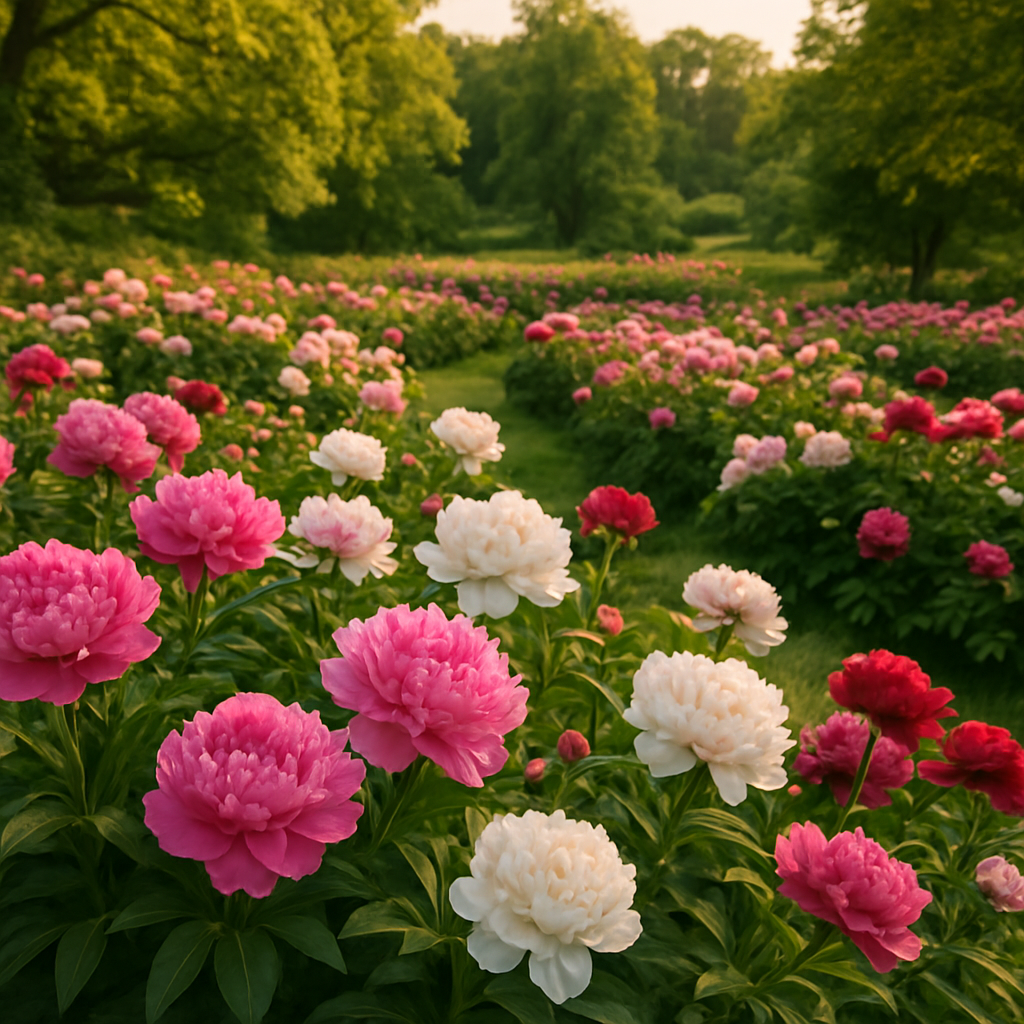
Walk the Peony Garden at Nichols Arboretum in Late May
123 acres of U-M arboretum along the Huron River, free to wander, with one of the largest historic herbaceous peony collections in North America blooming late May into early June. The garden was planted in the 1920s and has 270-plus varieties at peak, and the rest of the Arb is a network of trails through ravines, prairie, and river bluff. It's the single best free thing to do in Ann Arbor when the weather cooperates.
Pro tip: weekday mornings at 9am are nearly empty. By Saturday at noon, every wedding photographer in southeast Michigan has set up shop.
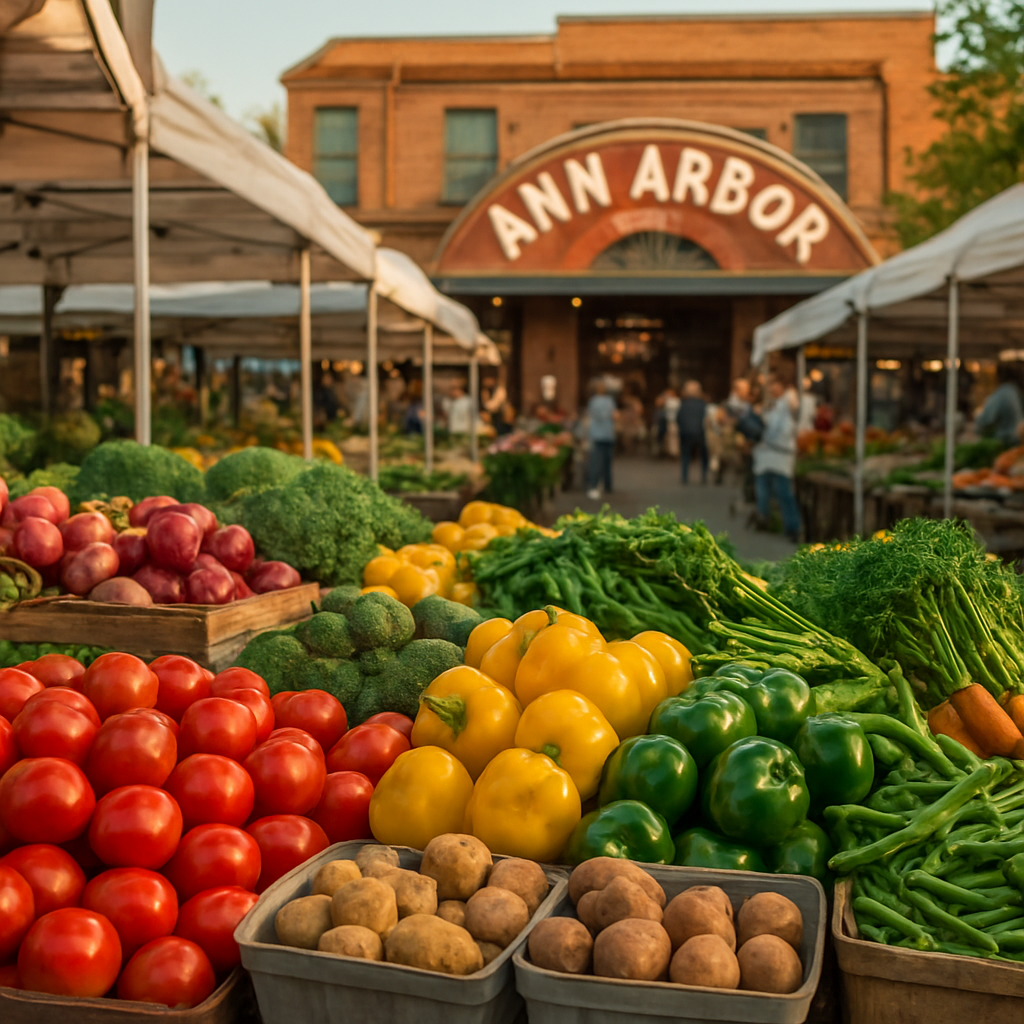
Spend a Saturday Morning at the Kerrytown Farmers Market
The Ann Arbor Farmers Market has been running since 1919 in the open-air Kerrytown sheds, and the Saturday version in summer is the closest thing the city has to a weekly civic ritual. Cider donuts at one stall, Michigan asparagus stacked three feet high at the next, sourdough from a baker who started during the pandemic and never stopped. Wander the Kerrytown Market & Shops complex next door for indie food vendors, then walk a block to Zingerman's Delicatessen on Detroit Street for the sandwich that built the city's food reputation.
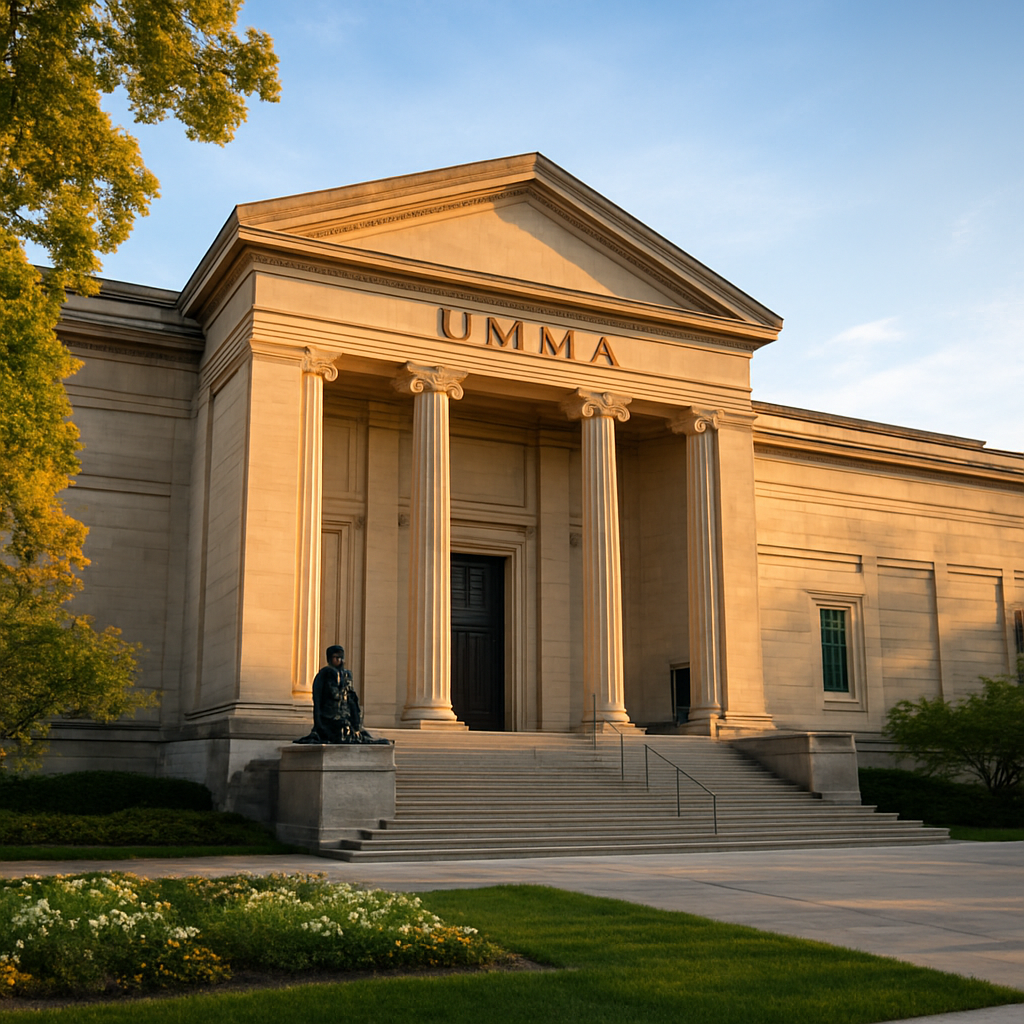
An Afternoon at UMMA — One of the Country's Best Free University Museums
The University of Michigan Museum of Art is free, always, and houses 21,000-plus works across global cultures from Alumni Memorial Hall (1946) into the contemporary Frankel Family Wing addition (2009). It's one of the largest university art museums in the U.S., the programming is genuinely ambitious, and the building itself is a pleasure to move through. Plan two hours; you'll spend three.
Pro tip: check the calendar before you go — UMMA's lecture and film programming partners with the Spectrum Center and frequently brings in queer artists and curators worth showing up for.
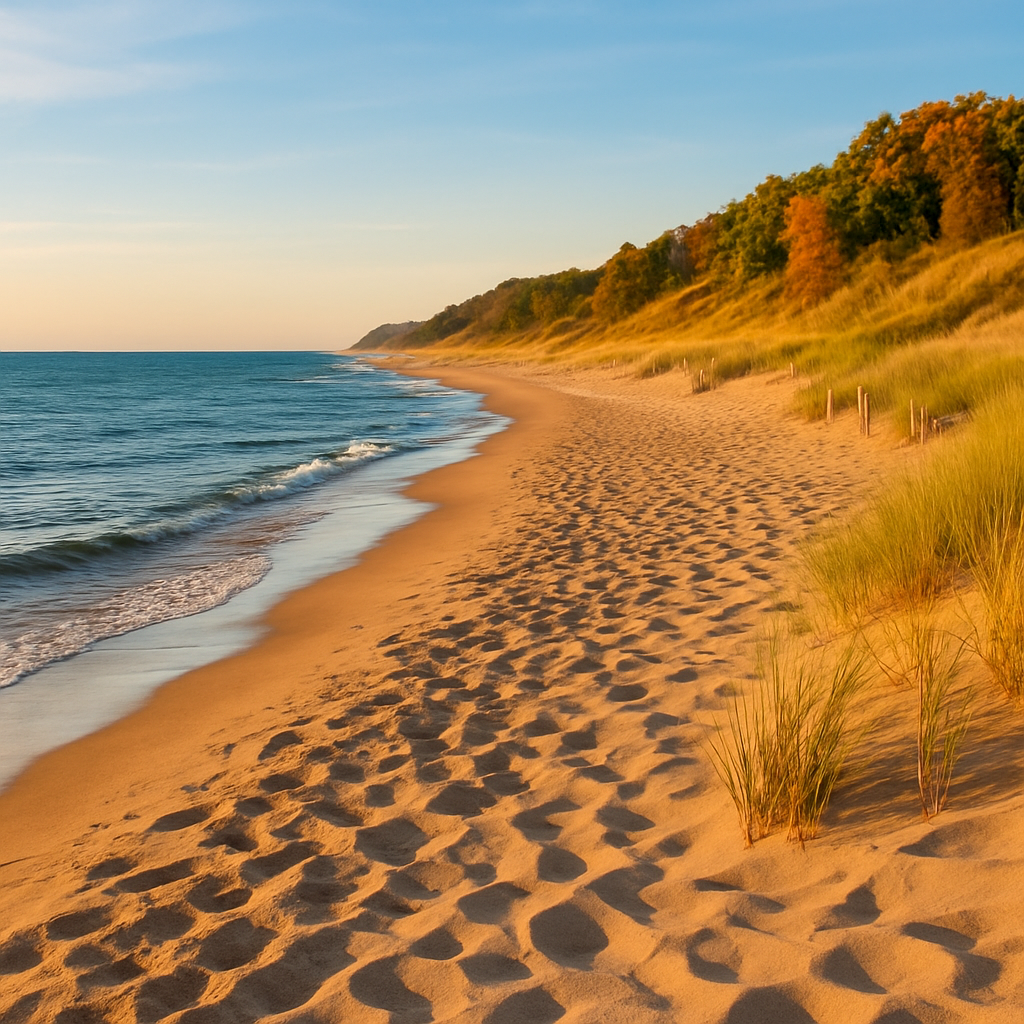
Drive West to Saugatuck for a Lake Michigan Beach Day
Saugatuck is about two and a half hours west on Lake Michigan and worth every mile in summer — Oval Beach is one of the best Great Lakes beaches in the state, the Saugatuck-Douglas downtown is full of galleries and good food, and the area has been a recognized LGBTQ+ summer destination since the mid-20th century. The Dunes Resort has been operating as a major gay resort since 1980 if you want to extend it into a weekend.
Pro tip: this is a long day trip, not a there-and-back lunch. If you can stretch it to two nights, do — Saugatuck rewards the slow version.
The places I actually send people to
Advice that fits how you travel
Ann Arbor is a soft landing for solo travelers, and a college town's bones do most of the work for you. The whole walkable core — downtown, Kerrytown, Main Street, the Diag — is small enough that you can leave your hotel without a plan and end up somewhere good within ten minutes. The crowd skews university-adjacent and unbothered, which means a man eating dinner alone at the bar at Mani Osteria or Frita Batidos reads as Tuesday, not as theater.
The apps work fine here, but the in-person scene is more rewarding than the swipe. \aut\ BAR's patio in Braun Court is the easiest soft entry into the local community — show up before 9pm, tip in cash, and you'll end up in conversation. Necto's Friday Pride Night is the longer, louder version, but get there before midnight or you'll be in the line that snakes past Liberty Plaza. Daytime, the lesbian-coded energy at the Ann Arbor Farmers Market on a Saturday morning is genuinely something to behold.
Budget-wise, solo travel here is one of the better values in the Midwest — $110–160/day on the budget end, $220–320 moderate. The TheRide bus system is genuinely useful and free with a Blue Pass if you're university-affiliated, but the city is small enough that almost everything you came for is walkable from a downtown hotel. Skip the rental car unless you're day-tripping to Saugatuck or Detroit.
Ann Arbor is a quietly excellent date-weekend city, and same-sex couples can move through it without thinking twice. PDA on Main Street, in Kerrytown, on the Diag, in Burns Park — completely unremarkable. The rainbow crosswalks at Main and Liberty went in years ago and stayed in. Hotel check-in at the Graduate, the Bell Tower, Residence Inn Downtown, or any of the independent operators is a non-event; the corporate brands carry 100/100 HRC scores and the indies have decades of mainstream Ann Arbor business to lose by acting otherwise.
For a serious dinner, The Earle in its 1976 basement room is anniversary-grade — Wine Spectator nod, live jazz on weekends, nothing about it has ever needed updating. Spencer is the move if you care about wine; the natural-wine list is the most considered in town and the kitchen keeps up. Cocktails first at Ravens Club on Main Street, then dinner at Mani Osteria two blocks away, is a clean evening. Daytime: a slow morning at the farmers market, a walk through Nichols Arboretum when the Peony Garden is blooming in late May or early June, an afternoon free at UMMA.
The strong play for a long weekend is to base in Central Campus or downtown, walk everywhere, and then borrow a car for one day to drive west to Saugatuck — Lake Michigan's Provincetown of the Midwest, with the Dunes Resort running since 1980 and Oval Beach earning the trip. Couple budgets run $170–250/day on the low end and $340–490 moderate; the Graduate or the Bell Tower at $200–220/night handle the romantic-room end without inflating to a luxury number.
Ann Arbor is one of the more genuinely easy U.S. cities for LGBTQ+ families, and the legal architecture is settled: marriage, adoption, second-parent recognition, and explicit anti-discrimination protections in housing, employment, and public accommodations all hold under Michigan's Elliott-Larsen Civil Rights Act as of 2026. The Michigan Department of Civil Rights handles complaints; the ACLU of Michigan has been the muscle behind most of the wins. Two-mom and two-dad families register at hotels, schools, and pediatricians' offices here without any of the friction you'd get a few states south.
The day-to-day logistics are easy. Burns Park and Old West Side are the family-coded neighborhoods — wide sidewalks, a public pool, kids on bikes, Pride flags on porches in June that are not subtle. Nichols Arboretum is 123 free acres along the Huron River; UMMA is a free, ambitious art museum that kids actually engage with; the Saturday Ann Arbor Farmers Market in Kerrytown is built for slow-moving strollers. Stroller-friendly streets, kid menus everywhere, and Zingerman's Roadhouse on the West Side is the rare grown-up restaurant where children genuinely belong.
For practical family resources, the Jim Toy Community Center in Braun Court keeps a current list of affirming pediatricians and family therapists, and Ozone House serves LGBTQ+ youth across Washtenaw County. Family budgets run $260–380/day on the low end and $480–700 moderate; an Airbnb or extended-stay suite at the Residence Inn Downtown ($210/night, kitchenettes, walking distance to everything) tends to beat two adjoining hotel rooms by a clean margin. Skip a fall home-football weekend unless you're here for the game — 110,000 people pour into the Big House, and the city is not built for both at once.
What Ann Arbor actually costs
Flights, visas, and the first 30 minutes
Airport: Ann Arbor doesn't have its own commercial airport — you fly into Detroit Metropolitan Wayne County Airport (DTW), about 25 miles east. DTW is a Delta hub with approximately 160 direct routes, including nonstops from most major U.S. cities, plus direct international service from London, Amsterdam, Paris, Frankfurt, Tokyo, Seoul, and Mexico City. It's one of the most efficient hubs in the country — you'll be through it faster than you expect.
Visa requirements (as of 2026): U.S. citizens travel domestically without documentation beyond standard ID. Canadian citizens typically don't need a visa for stays up to 6 months. UK, EU, and Australian travelers generally enter under the Visa Waiver Program with an approved ESTA for stays up to 90 days — apply at least 72 hours before travel. Confirm current requirements with your nearest U.S. embassy before booking; federal entry policy has shifted more than once in recent years.
Trans travelers: TSA screening and ID-matching at DTW is federal turf, and policies under the current administration have been inconsistent. Michigan state ID and local protections remain robust, but the airport itself isn't local jurisdiction — give yourself extra time and know your rights before you reach the checkpoint.
Airport to Ann Arbor:
Michigan Flyer / AirRide Bus — $15, ~50 minutes. Hourly service between DTW and Ann Arbor's Blake Transit Center downtown. Reliable, welcoming, and the easiest way in if you're not renting a car. This is the move.
Rideshare (Uber/Lyft) — $45–70, 30–40 minutes. Most flexible option. Watch for surge pricing on home football Saturdays — it can double.
Taxi — $70–90, 30–40 minutes. Available curbside at DTW with flat-rate options to Ann Arbor.
Rental Car — $45–80/day, 30 minutes. I-94 west is straightforward, and downtown garage parking is plentiful and reasonable. Worth it if you're day-tripping to Detroit, Ferndale, or Saugatuck.
Private Shuttle — $80–120, ~35 minutes. Pre-book through Metro Cars or similar. Overkill for solo travelers; reasonable for groups of three or four splitting the fare.
Pro tip: If you're flying in on a home football Saturday, build in an extra hour for traffic on I-94 and don't even think about driving into downtown — park at a north-side garage and walk in.
Traven's seasonal breakdown
The questions everyone asks
Is Ann Arbor actually a gay-friendly city, or just a college town with good politics?
Where's the gay bar?
Is it safe to hold hands downtown?
How much should I budget per day?
Should I avoid football Saturdays?
Are there resources for trans travelers?
What's the deal with Ypsilanti?
Screenshot this before you go
So should you actually go?
Go. Ann Arbor isn't trying to be a destination scene and that's exactly why it works — one great bar, one long-running club night, one community center, one of the most legally protected places in the United States to be LGBTQ+, and a food and culture stack that punches three weight classes above its size. Come for a long weekend in May, June, September, or October, base downtown or in Central Campus, walk everywhere, and borrow a car for one day to drive west to Saugatuck. Just don't come on a home football Saturday unless you're here for the game — that's the only weekend the city stops being itself.
Sources & Resources
Official links we reference when compiling this guide. Last verified 2026-05-04.