
Austin doesn't argue with Texas. It just keeps the patio open, the brisket smoking, and the bats flying out from under the Congress Avenue Bridge at dusk like it has somewhere better to be.
It's a Wednesday in April on 4th Street, somewhere around 11pm, and the patio at Oilcan Harry's is doing the thing it has done for forty years — drag queen on the speakers, somebody's group of UT seniors trying to figure out the next bar, two guys in their fifties at the corner table who clearly remember when this strip had more parking lots than neon. Across the street, Rain on 4th is already two floors deep into the night. A taco truck has parked itself on the corner because of course it has. This is Austin's gay strip in 2026, and the thing that strikes you immediately is that nobody is trying to convince you it's anything other than what it is.
I gave Austin an 8.1 overall on my Traven-Dex, and my Scene score of 8.5 is doing most of the heavy lifting — the 4th Street corridor, the Red River Cultural District with Cheer Up Charlies as its anchor, and the queer-creative residential saturation of East Cesar Chavez add up to one of the most credible LGBTQ+ infrastructures in the American South. What keeps the number from going higher is the paradox you can't talk around: this is a progressive city sitting inside one of the most aggressively conservative state legislatures in the country. You'll see queer flags flying on South Congress while the Capitol a mile away works overtime to make trans existence a legal liability. Austin knows exactly what it is, and it digs in.
The food alone justifies the trip — and it's not a coincidence that the breakfast taco corridor and the queer-creative residential corridor are the same corridor. Veracruz All Natural won a James Beard America's Classics Award in 2022 for migas tacos that became a benchmark. La Barbecue is owned by openly lesbian pitmaster LeAnn Mueller, fourth-generation Central Texas BBQ royalty, and her brisket holds its own against any Franklin comparison. Juan in a Million has been doing the El Don taco on East Cesar Chavez since 1980. None of these places are gay bars. All of them are part of how the city actually functions for the gays who live here.
What you should know going in: Austin runs late, the heat is not a metaphor, and the best conversations happen at 2am at a taco truck on Cesar Chavez. The political weather at the state level is hostile and trans travelers especially should keep documentation for gender-affirming medications close. But within Travis County, the bubble is real — same-sex couples can hold hands on South Congress, Rainey, East Austin, and South Lamar without anyone looking twice. The bubble has edges, but it earns the 7.5 I gave it on Chill, and it's worth being inside for a long weekend.
The stuff your travel guide buries on page 47
Here's the Austin paradox in plain language: you're visiting one of the most progressive cities in the American South, sitting inside one of the most aggressively conservative state legislatures in the country. As of 2026, same-sex marriage is legal nationwide and adoption rights are recognized federally, but Texas state law allows faith-based adoption agencies to decline same-sex couples under religious exemption statutes. Austin's municipal ordinances generally provide broader local anti-discrimination protections in employment, housing, and public accommodations — but state law typically supersedes city policy on the issues that matter most.
For trans travelers, the divergence is sharper. Texas SB 14 (2023) bans gender-affirming care for minors statewide, and as of 2026 the political climate at the state level remains openly hostile. Within Austin proper, healthcare providers tend to be affirming and city services are explicitly trans-inclusive. The moment you cross into the surrounding counties, that protection thins fast. Equality Texas tracks state legislation in real time and is the resource I'd bookmark before you fly in. For legal questions specifically, Lambda Legal and the ACLU of Texas are both active on Texas LGBTQ+ cases.
PDA in Austin is generally a non-issue across the parts of town you'll actually spend time in. 4th Street, South Congress, East Austin, Rainey Street, South Lamar — same-sex couples can typically hold hands without anyone looking twice. The Domain in north Austin skews more suburban-corporate, and discretion is generally smarter there. Once you're past the city limits into Round Rock, Cedar Park, or Pflugerville, the cultural temperature shifts and most travelers tone things down accordingly.
One scheduling note: Austin Pride moved from June to late August years ago to dodge the worst of the Texas heat. If Pride is your anchor, plan around late August and the parade on Congress Avenue — Austin Pride publishes the full schedule annually. Pro tip: summers here aren't a metaphor. It regularly hits approximately 105°F by July, which means Barton Springs Pool and the Greenbelt aren't luxuries, they're survival infrastructure.
What it actually feels like on the ground
Holding hands on the street: On 4th Street, South Congress, East Cesar Chavez, Rainey Street, and South Lamar, generally fine. Nobody's looking. The 4th Street corridor in particular is well-lit, heavily trafficked on weekends, and has a visible queer presence most nights — community reports describe it as one of the safer concentrated LGBTQ+ entertainment strips in the South. In The Domain and the northern suburbs, low-key is the smarter play.
Hotel check-in: Same-sex couples are typically unremarkable at every property in this guide. Austin Motel on South Congress has been openly courting LGBTQ+ travelers for decades — the pool slogan tells you everything you need to know. Kimpton's Hotel Van Zandt and the Hilton-affiliated Driskill operate under corporate non-discrimination policies that tend to hold up in practice.
Taxis and rideshares: Uber and Lyft are how this city moves, and drivers are generally professionals about it. One thing worth flagging: I-35 is a real fault line in terms of neighborhood character. East Austin east of the highway is fine and increasingly queer-residential, but if you're zoning out on your phone at 2am, confirm your drop-off pin before you get in.
Outdoor spaces: Barton Springs Pool in Zilker Park has been a documented LGBTQ+ gathering space for decades. Same-sex couples on towels, generally no issue. The Barton Creek Greenbelt reads the same way — it's the city's collective outdoor living room.
Late night: 4th Street and Rainey Street get busy on weekends and the bachelorette-party energy on 6th Street can spill in any direction, but standard big-city vigilance covers it — watch your drink, watch your phone, stay with your group walking back to the hotel. Verbal harassment specifically targeting LGBTQ+ folks is reportedly uncommon in central Austin.
Trans travelers: Within Austin proper, you're in genuinely welcoming territory — venues, healthcare providers, and city services are typically affirming. Kind Clinic is the LGBTQ+ health hub here — PrEP, trans care, HIV services, STI testing, all without the institutional awkwardness, with walk-in availability on many days. Carry documentation for any gender-affirming medications, especially if you're driving in from out of state. Texas Health Action runs the broader statewide infrastructure, and Waterloo Counseling Center is the mental health resource if you need affirming therapy on short notice.
Verbal harassment risk: Generally low across central Austin neighborhoods. Reader reports from the suburbs and rural Hill Country corridors run differently — exercise more discretion outside Travis County.
The queer geography
Fourth Street / Warehouse District
This is the anchor — Austin's dedicated gay strip, a tight cluster of bars and clubs in the Warehouse District at the western edge of downtown. The architecture is unfussy: low brick warehouses converted into nightlife, patios spilling onto the sidewalk, neon doing most of the design work. Rain on 4th is the flagship — two floors, a patio, drag almost every night, and a crowd spanning 22-year-old UT freshmen and weathered regulars who remember when 4th Street had more parking lots than bars. Oilcan Harry's next door is one of the city's oldest gay bars, and The Iron Bear is exactly what it sounds like: dark, comfortable, no apologies, with a patio out back. Walk-up taco trucks materialize after midnight. The strip isn't huge — you can do all of it in one night — and that's part of the charm.
South Congress (SoCo)
SoCo is Austin's daytime spine. South Congress Avenue stretches from the river south past mid-century motels, vintage shops, food trucks, and the kind of independent retail that's been chased out of every other American city. Walk it from north to south and you'll hit Austin Motel with its 1938 neon sign, the South Congress Hotel's restaurant cluster, vintage cowboy boot stores, the legendary cupcake trucks, and ten dozen reasons to stop. The crowd skews creative, the cafés take their espresso seriously, and the corridor has been LGBTQ+-inclusive for decades. Pro tip: the bat emergence at the Congress Avenue Bridge at the north end is one of those moments where everyone goes quiet at once. Be there at dusk between March and November.
East Austin / East Cesar Chavez
East of I-35, the city changes character. East Cesar Chavez and East 6th run through a neighborhood that's been Austin's queer-creative residential scene for the better part of a decade — coffee shops with mural-covered walls, taquerias that have been there since the '80s, vintage stores, and the kind of restaurants that get nominated for things. Juan in a Million has been doing the El Don taco since 1980. La Barbecue — owned by openly lesbian pitmaster LeAnn Mueller, fourth-generation Texas BBQ family — is the brisket destination. Veracruz All Natural won a James Beard America's Classics Award for a reason. Dogs tied up outside everywhere. OUT Youth on North Lamar is the anchor LGBTQ+ youth resource if you're traveling with kids who need a safe drop-in space.
Red River Cultural District
A few blocks east of the Capitol, Red River Street is the live music corridor — small venues stacked next to each other, cover charges that don't bankrupt you, and a sound spectrum from goth to indie to whatever's happening that month. Cheer Up Charlies is the queer-adjacent venue the rest of Austin wishes it had: LGBTQ+-owned by Tamara Hoover and Maggie Lea, outdoor stage, rotating food trucks, cocktails that won't wreck your budget. Elysium handles the goth-industrial end of the spectrum and has been doing drag and queer-coded nights since 2001. Barbarella rounds out the trio with indie dance. Austin LGBT Chamber of Commerce keeps a running list of LGBTQ+-owned venues across the city, and Red River is well-represented. PFLAG Austin is the families-and-allies organization that's been here since the early days of organized advocacy in the city.
Rainey Street
South of downtown, a one-block row of converted bungalows turned bars and restaurants, with a young, progressive crowd and an outdoor energy you can't get anywhere else in the city. Hotel Van Zandt anchors the north end. The bungalow-bar format means every spot has a porch, a yard, or both — Austinites take their drinks outside on principle. It's not gay-coded the way 4th Street is, but PDA tends to be unremarkable and the crowd reads young, mixed, and generally fine with whoever you came with. Walk it on a Thursday and you'll understand why this city's nightlife runs late.
The experiences worth rearranging your itinerary for
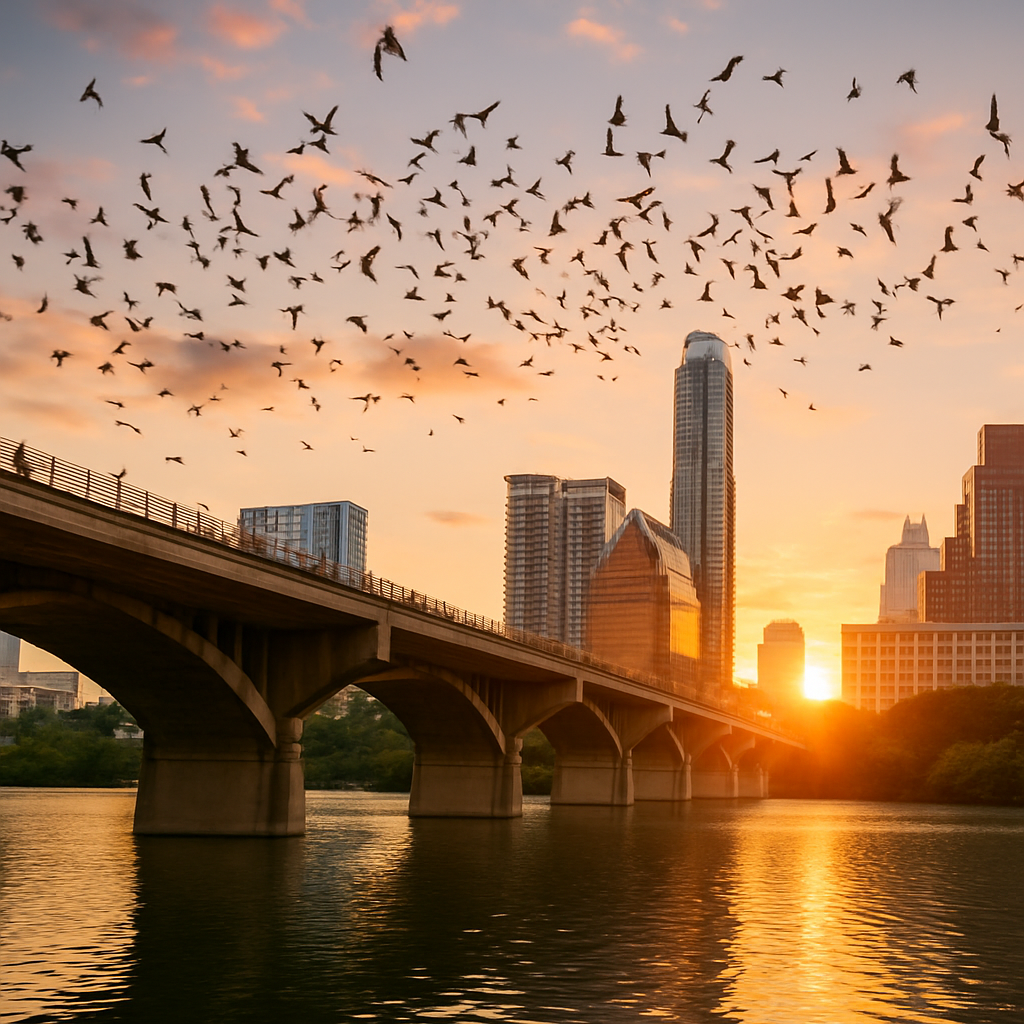
The Bat Emergence at the Congress Avenue Bridge
Approximately 1.5 million Mexican free-tailed bats live under the Congress Avenue Bridge, and from March through November they spiral out at dusk in a ribbon that takes 20 minutes to fully exit. It's one of the few times Austinites stop talking — everyone on the bridge goes involuntarily quiet at once, which, if you've spent any time in this city, you'll recognize as a minor miracle. Stand on the bridge itself or watch from the lawn at the Statesman side. Show up 30 minutes before sunset.
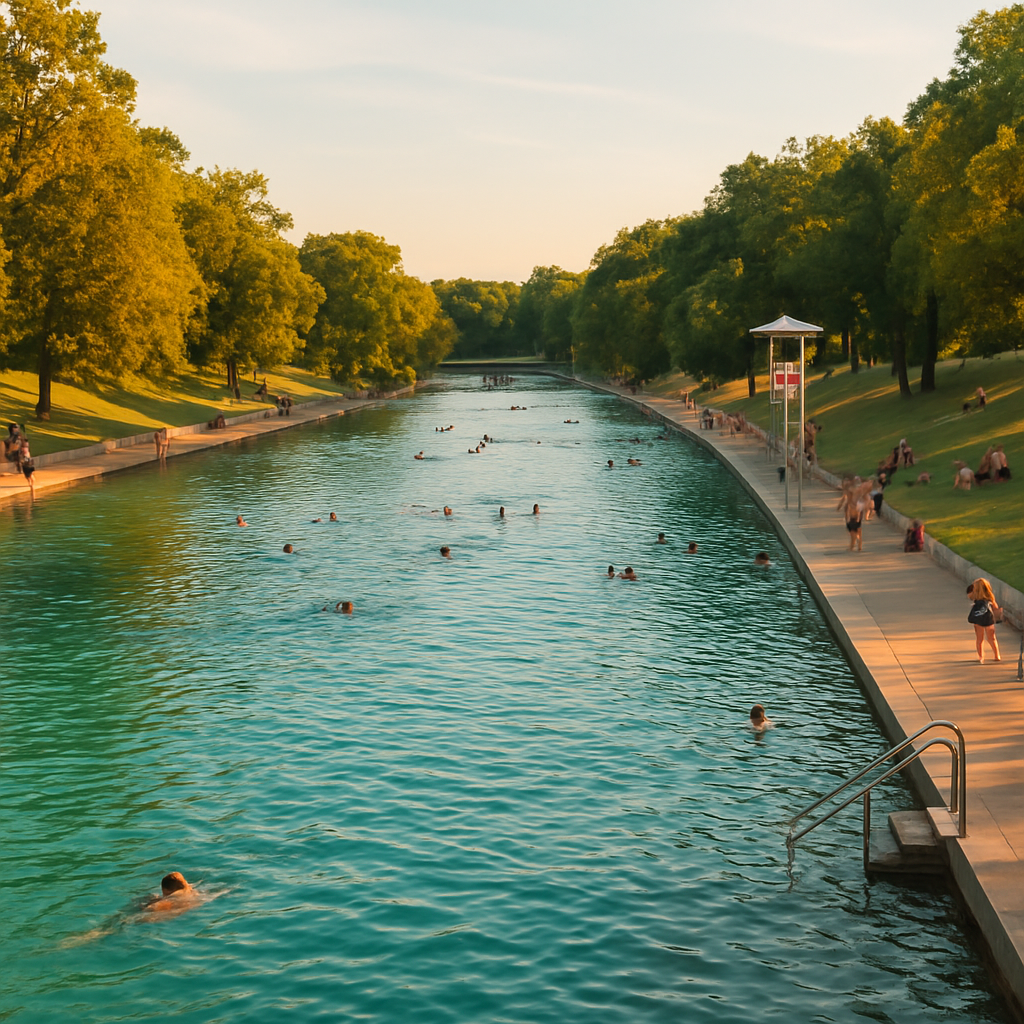
A Long Afternoon at Barton Springs Pool
A natural spring-fed pool in Zilker Park, 1,000 feet long, holding at roughly 68°F year-round, operating as a public swim site since 1917. In a Texas July it stops being recreation and becomes infrastructure. Bring a towel, a book, and the willingness to do absolutely nothing for three hours — that's the assignment. Pair it with a walk on the Barton Creek Greenbelt trailhead nearby if you want to earn the swim.
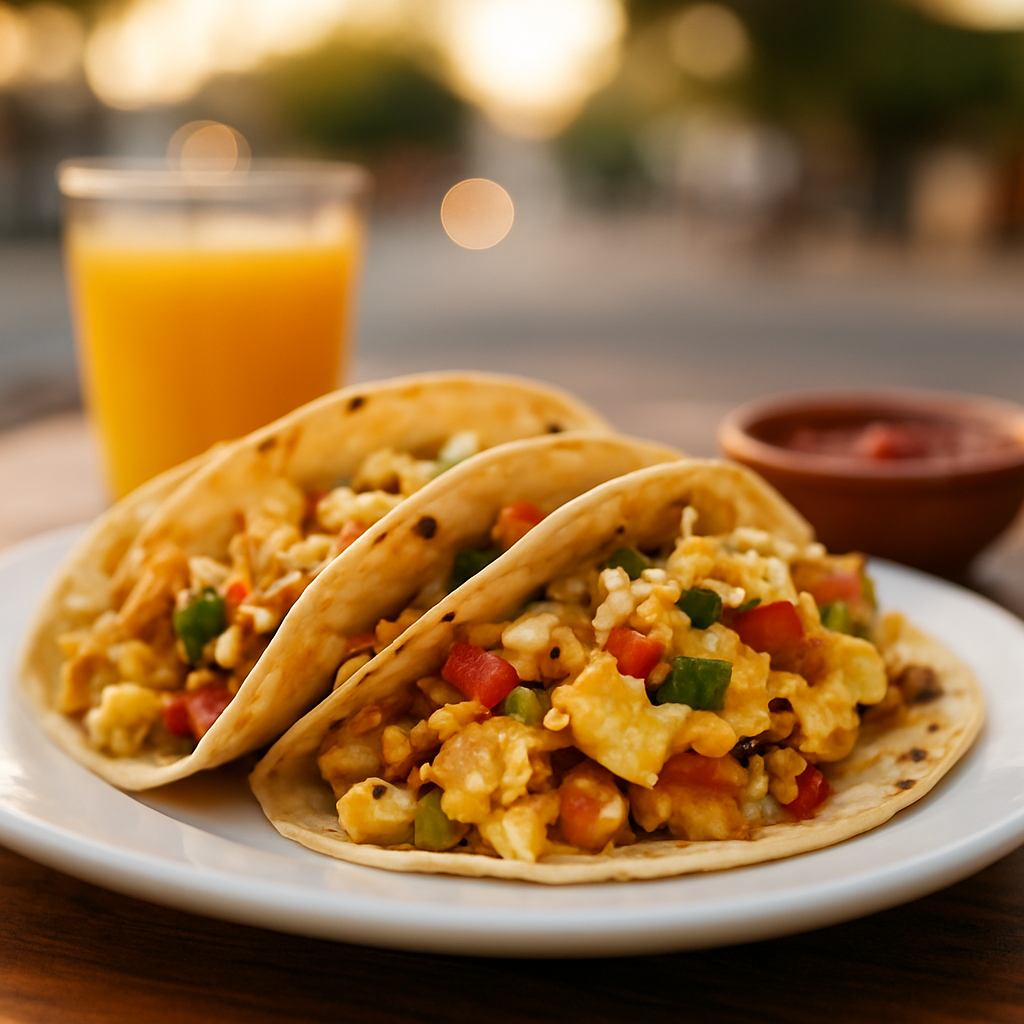
Breakfast Tacos on East Cesar Chavez
Austin's foundational morning religion, and the place to practice it is the corridor running through East Austin. Veracruz All Natural — winners of a James Beard America's Classics Award in 2022 — built their reputation on migas tacos that became a benchmark, and a fresh-squeezed juice that earns its price. Juan in a Million, family-run since 1980, will hand you the El Don: a tortilla the size of a steering wheel, filled within an inch of its life. Pick a side, accept the line, eat outside.
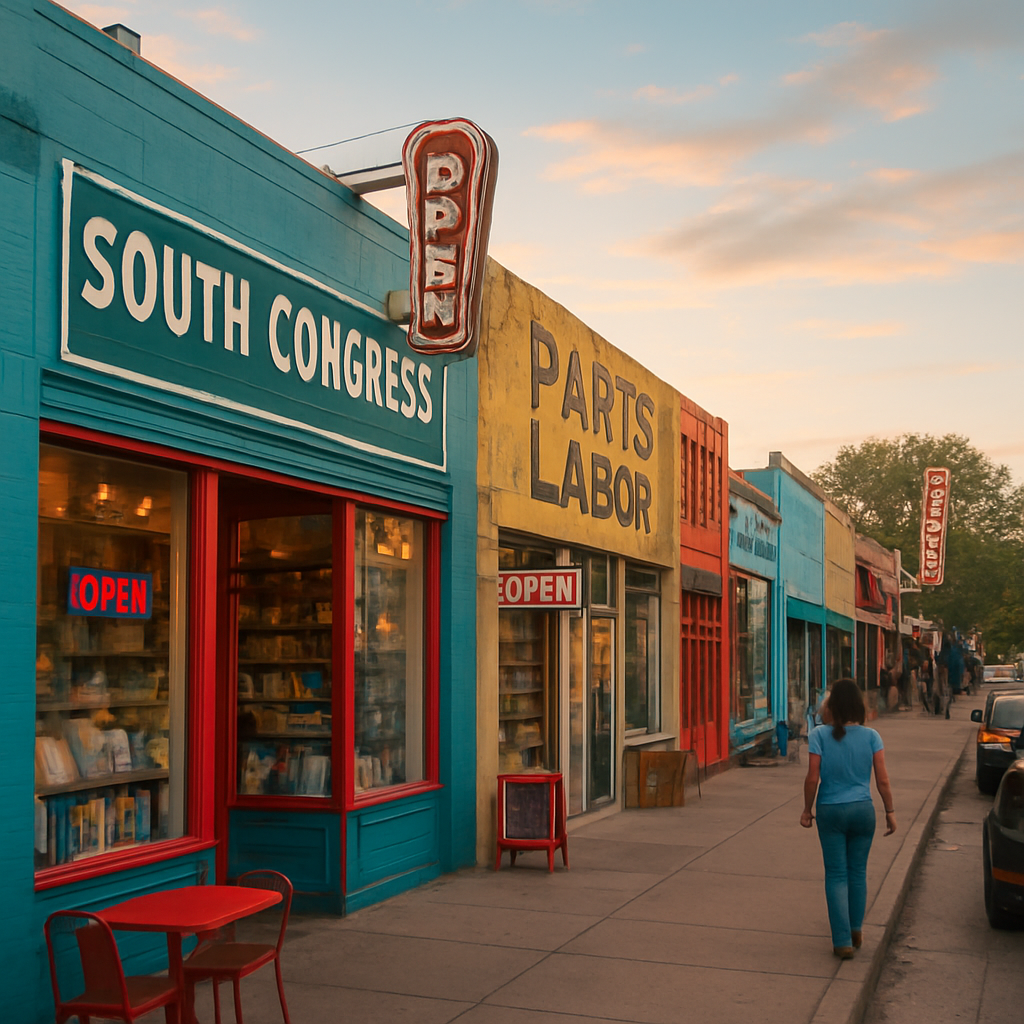
Walk South Congress from the Bridge South
Start at the Congress Avenue Bridge and walk south. The street unfurls through a stretch of mid-century motels with original neon, vintage cowboy boot stores that have been there longer than most of the people walking past, food trucks parked in lots, and independent retail of the kind that's been chased out of every other American city. Austin Motel's 1938 sign, the South Congress Hotel cluster, and a half-dozen cafés that take their espresso seriously. Allot two hours minimum. You'll use them all.
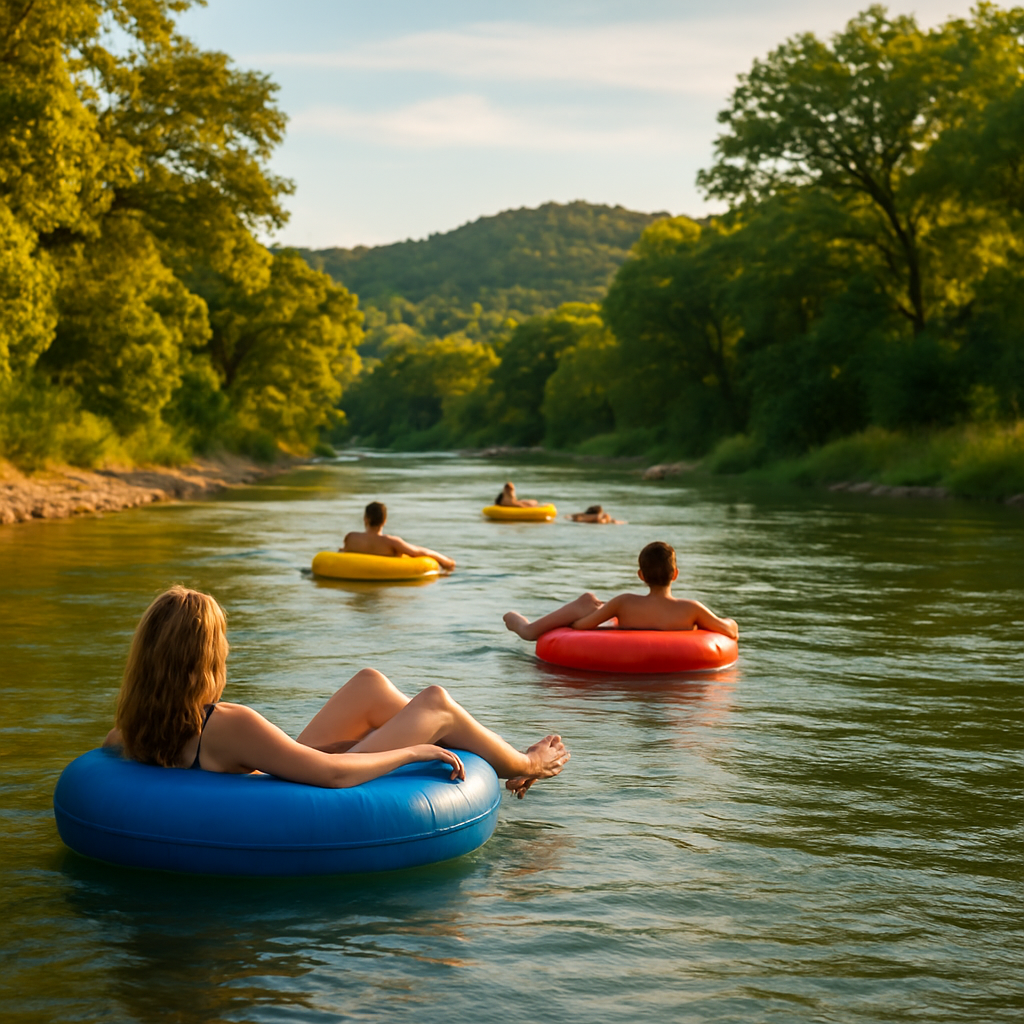
Tubing the Guadalupe River from Gruene
About 45 minutes south of Austin, the Guadalupe River through Gruene is the Texas summer ritual non-Texans don't quite understand until they've done it. Multiple outfitters rent tubes, coolers, and shuttle rides; you float for a couple of hours with no agenda and no signal. Anchor the day at Gruene Hall, Texas's oldest continuously operating dance hall, established 1878 — two-step lessons optional, cold beer mandatory.
The places I actually send people to
Advice that fits how you travel
Austin is one of the better cities in the country for solo travel because the city is already doing the social work for you. Show up at Cheer Up Charlies on a Tuesday, plant yourself near the outdoor stage with a drink that won't empty your wallet, and you'll have a conversation before the opener finishes their second song. Native Hostel in East Austin operates on the same principle — it's a community creative hub that books live events and happens to have beds, which means your fellow guests are the kind of people who came to Austin to actually be in Austin. Budget travelers should know the economics are genuinely friendly: the CapMetro Airport Flyer costs $1.25, Barton Springs Pool admission is a few dollars, and you can eat enormously well at Veracruz All Natural or Juan in a Million for under ten.
The apps run hot here — Grindr and Scruff both have active Austin populations, and the 4th Street corridor is compact enough that whoever you're talking to is often already in the same building. For solo travelers who prefer to meet people the old-fashioned way, Oilcan Harry's at 211 W 4th is the kind of bar where regulars nod hello and the bartender learns your name before your second round. The Iron Bear runs the same warm-welcome energy for the bear and leather crowd, with zero expectation that you know anyone when you walk in. The Red River Cultural District is the other axis: Cheer Up Charlies and Barbarella both draw a mixed queer crowd without the cover-charge pressure of the bigger clubs, and a solo night there tends to end with phone numbers exchanged at the outdoor stage.
Safety in the urban core is solid. The 4th Street strip is well-lit, heavily trafficked on weekends, and has a visible queer presence most nights — it reads as one of the safer concentrated LGBTQ+ entertainment strips in the South. Standard city sense applies: watch your drink at high-volume clubs, confirm your rideshare drop-off before you zone out on your phone (I-35 is a real neighborhood fault line at 2am, and east of the highway is fine but the surrounding suburbs are not the same cultural environment). The outer suburbs run a different temperature; most solo travelers stick to the urban core, where everything worth doing happens anyway.
Austin earns the couples trip, and it runs from tasting menu with reservations to taco truck at 1am in flip-flops — both are correct, and both are romantic in their own specific way. Same-sex couples will find PDA a complete non-issue across the neighborhoods you'll spend your time in. On 4th Street, the queer-majority weekend crowd makes any affection entirely unremarkable. South Congress, Rainey Street, East Austin, and South Lamar read the same: comfortable, progressive, nobody looking twice. For something quieter and genuinely memorable, Barton Springs Pool at golden hour — 68°F water, live oaks overhead, the city at low volume — is the kind of experience that doesn't photograph well and doesn't need to. Allot the whole late afternoon.
For dinner with actual intention behind it: Uchi on South Lamar is the splurge answer — James Beard Award-winning Japanese small plates, the kind of pacing that turns dinner into a full evening. Odd Duck on the same street is one notch down and still earns the table, with a kitchen sourcing from Texas farms and a cocktail program that knows what it's doing. Launderette in East Austin is the room I'd book for a first-night reservation — a converted laundromat with bones that feel intimate rather than cold, and a pastry program that should close the meal. Hotel-wise, Hotel Van Zandt on Rainey Street operates under Kimpton's 100% HRC Corporate Equality Index score and a front door that deposits you directly onto the best bungalow bar strip in the city — same-sex couples check in and are noted exactly as much as everyone else, which is not at all.
The day trip picture for couples is genuinely strong. Fredericksburg is 90 minutes west with 50+ wineries on the Texas Wine Trail — plan two or three, not all of them. The town skews conservative-rural outside the winery circuit, so low-key PDA is the smarter call once you leave the tasting rooms. San Antonio is 90 minutes south with its own established gay scene in Tobin Hill, the UNESCO World Heritage Spanish colonial missions, the River Walk, and the San Antonio Museum of Art — a full day with real depth. Closer in, the Guadalupe River at Gruene offers tubes, a cooler, and a slow afternoon with zero agenda, anchored by Gruene Hall at the end of it. The Hill Country at its best is a couple's afternoon that earns its own memories without requiring a plan.
LGBTQ+ families are well-received across Austin's city core, and the practical logistics are genuinely friendly. The city is stroller-navigable in the neighborhoods that matter, kid menus exist across every price point (the food truck economy runs at every budget, and taco portions are inherently child-scalable), and the outdoor infrastructure is enormous. Zilker Park and Barton Springs Pool are the family anchors: 350 acres of park, a 1,000-foot spring-fed pool that kids immediately want to race across, and the Barton Creek Greenbelt trailhead nearby for families who want to hike before they swim. The bat emergence at the Congress Avenue Bridge at dusk — approximately 1.5 million Mexican free-tailed bats spiraling into the evening sky from March through November — is one of those rare experiences where the kids are more captivated than the adults. Show up 30 minutes before sunset and stand on the bridge itself; the first bats appear before you've found your spot, which is part of the deal.
As of 2026, same-sex marriage is legal nationwide and adoption rights are recognized, so LGBTQ+ families arrive with the same legal standing as any other family unit under federal law. The practical caveat worth knowing: Texas state law allows faith-based adoption agencies to decline same-sex couples under religious exemption statutes, and the state legislature's posture toward LGBTQ+ families remains hostile at the policy level. Within Austin and Travis County, the day-to-day reality is welcoming — hotels, restaurants, family-oriented attractions, and public schools treat LGBTQ+ families without issue. OUT Youth on North Lamar is the drop-in resource for LGBTQ+ youth and their families — a genuinely safe, welcoming space if you're traveling with a teenager who needs it. PFLAG Austin is the families-and-allies organization with decades of presence and a real support network behind the website.
The Bullock Texas State History Museum is free for kids under 17 and well worth the stop — the IMAX is the standard family afternoon move, and the building itself is impressive enough to hold a child's attention before you get to the exhibits. Esther's Follies on 6th Street is appropriate for older teens (political satire with some adult content — your read on your kid applies). For day trips, Natural Bridge Caverns near San Antonio is solidly within family range at roughly 90 minutes and consistently welcoming; the Gruene Historic District and Guadalupe River tubing near New Braunfels is about 45 minutes and runs mixed-family crowds all summer without incident. Rent a car for any of these — family logistics outside the urban core work considerably better with your own wheels, and the Hill Country geography rewards the flexibility.
What Austin actually costs
Flights, visas, and the first 30 minutes
Austin-Bergstrom International Airport (AUS) sits about five miles southeast of downtown — a short rideshare from anywhere you'd actually want to be. More than 100 direct routes serve AUS, connecting Austin to virtually every major US hub and a growing list of international gateways. If you're flying in from New York, Los Angeles, Chicago, Miami, or Denver, expect a nonstop somewhere in the 2.5-to-4-hour range. International connections typically route through a US hub city first.
Entry requirements as of 2026: US citizens — domestic travel, no requirements. Visitors from the UK, Canada, and Australia typically need an ESTA but generally no visa for stays under 90 days. EU travelers from Visa Waiver Program member states typically need an ESTA as well; stays under 90 days generally don't require a full visa. Entry requirements can change — check the CBP ESTA portal for your specific nationality before you fly.
Airport to city: Three honest options. The CapMetro Airport Flyer (Route 100) runs curbside at baggage claim, connects to the downtown Transit Center every 30 minutes, and costs $1.25 — the move if budget matters and you're not hauling an unreasonable amount of luggage. Figure 40-60 minutes. A rideshare (Uber/Lyft) runs $25-40 and gets you there in 20-30 minutes under normal conditions — pro tip: during SXSW and ACL Festival weekends, surge pricing is real and will add $15-25 to whatever the app quotes before you tap confirm. A metered taxi is available curbside at baggage claim for $35-50, same 20-30 minute window. The drive in is mostly freeway — nothing punishing, nothing scenic.
Traven's seasonal breakdown
The questions everyone asks
Is Austin actually safe for LGBTQ+ travelers given everything happening at the Texas state level?
When is Austin Pride and why isn't it in June?
Where should I stay if I want to be in the middle of the gay scene?
Do I need a car in Austin?
Are trans-affirming healthcare and PrEP easy to access for travelers?
How bad is the heat, really?
What should I budget for a typical trip?
Screenshot this before you go
So should you actually go?
Go. Austin earns the 8.1 — the gay scene on 4th Street is real and durable, the food is genuinely world-class, the queer-creative saturation of East Austin is the kind of organic neighborhood character most cities have already paved over, and the welcome at the city level is the real thing. The asterisk is the state of Texas, and it's a meaningful one — as of 2026, trans travelers should plan with that in mind, and most LGBTQ+ travelers will want to stay inside the Travis County bubble where the cultural temperature is genuinely warm. Aim for March–May or October to dodge the heat, base yourself on Rainey Street or South Congress, and let the city do what it does. Few places in the South are this committed to being themselves out loud, and that commitment is exactly why you come.
Sources & Resources
Official links we reference when compiling this guide. Last verified 2026-04-29.