
Baltimore doesn't audition for D.C. forty miles south. It pours you a Natty Boh, points you down Charles Street at dusk, and trusts you to keep up.
Baltimore is the East Coast's most underrated gay weekend — a small, scrappy, John Waters-shaped city that punches well above its weight and refuses to perform for anyone. While D.C. forty miles south spends its energy being important, Baltimore spends its energy being itself, and that's the whole pitch. Charm City earns the nickname the second you walk Charles Street through Mount Vernon at dusk and realize the rainbow crosswalks aren't a marketing gesture — they're a footnote on a corner where a gay club ran for 43 years.
The geography is the gift here. Mount Vernon stacks the city's gay nightlife corridor — Grand Central, Leon's (operating as a gay bar since 1957), the Drinkery, the rebuilt Baltimore Eagle — into walkable blocks anchored by the original Washington Monument, which predates the D.C. one by half a century. Hampden three miles north is John Waters's Baltimore in three blocks of vintage shops, pink flamingos, and the bookstore where he still gets his fan mail. Station North is the queerer, artsier alternative when the Mount Vernon strip feels too obvious. Locals call all this Smalltimore, and they're not exaggerating — by Sunday brunch you'll be running into the same faces from Friday at Grand Central, and that compression is exactly what makes the city feel friendly fast.
The food has finally caught up to the bars. Faidley's jumbo lump crab cake at Lexington Market is still the benchmark since 1886, but Ekiben's steamed buns, Clavel's mezcal program, and Spike Gjerde's Chesapeake-watershed cooking at Woodberry Kitchen are why I'd argue Baltimore is a more interesting eating city than D.C. right now. The Maryland legal architecture matches the cultural temperature — comprehensive nondiscrimination, marriage, adoption, self-ID for gender markers, and a trans panic defense ban as of 2026 — which is why my Traven-Dex landed at 8.3 with a 10.0 on Legal and an 8.4 on Chill.
Don't come expecting a Castro or a Boystown. Baltimore's queer scene is woven through Mount Vernon, Hampden, and Station North rather than concentrated on a single strip — you have to walk it to feel it, and the walk is the point. Half the city's sense of humor is downstream of Divine, the welcome runs deep, and the bill at the end of the night is a fraction of what you'd pay anywhere else on the corridor.
The stuff your travel guide buries on page 47
Maryland is one of the most legally welcoming states in the country for LGBTQ+ travelers, and Baltimore reflects that. As of 2026, same-sex marriage is recognized, joint and second-parent adoption are fully legal, and the state's nondiscrimination law covers sexual orientation and gender identity in employment, housing, and public accommodations. Maryland operates on self-ID for gender marker changes and has banned the so-called trans panic defense — protections that put it in the top tier of U.S. states for trans residents and visitors alike. For the legal architecture, FreeState Justice is the state's primary LGBTQ+ legal advocacy org and a good resource if you run into anything.
Culturally, Baltimore has been ahead of the curve for decades. The historic Hippo at Charles and Eager closed in 2015 — it's a CVS now, and locals will point that out with a sigh — but rainbow crosswalks still mark the corner, and Grand Central next door has carried much of the torch. Mount Vernon, Hampden, and Station North all skew openly queer, and you'll see same-sex couples holding hands without anyone blinking. The city's John Waters lineage runs deep — half of Baltimore's sense of humor is downstream of Divine — and that translates to a baseline cultural openness you don't always get on the East Coast.
Pro tip: Baltimore Pride happens mid-June, with the parade running through Mount Vernon down Charles Street and the festival block party spilling into Druid Hill Park. If you want to be inside the action, book a Mount Vernon or Federal Hill hotel early — the good rooms go fast. The Pride Center of Maryland handles programming and is the central hub for community events year-round, not just in June.
For broader civil rights questions or to file a complaint, the Baltimore City Office of Equity and Civil Rights is the local enforcement arm, and the Maryland Attorney General's Civil Rights division handles state-level matters. PDA is comfortable across most of the central city — Mount Vernon, Hampden, Station North, and Federal Hill all feel openly affirming. You're legally well-protected here, and the cultural reality on the ground generally matches the law.
What it actually feels like on the ground
Holding hands and PDA: Comfortable in Mount Vernon, Hampden, Station North, and most of Federal Hill — you'll see other same-sex couples doing the same. Fells Point is generally fine, though the late-night bar crowd can get rowdy regardless of who you are. In outer East and Southeast neighborhoods, use standard urban awareness; visibility is lower and PDA may draw attention in pockets.
Hotel check-in: Same-sex couples can expect zero friction at any of the central hotels — Hotel Revival, the Kimpton Monaco, the Sagamore Pendry, and the Four Seasons all operate from corporate inclusion policies and the front-desk culture matches. The Ivy Hotel and Hotel Indigo Mt. Vernon have similar reputations.
Taxis and rideshare: Uber and Lyft are reliable across the city and the standard tool I'd recommend after dark. Baltimore is a city of microneighborhoods — a single block can shift the vibe — so use a rideshare after midnight rather than wandering between districts on foot. The Charm City Circulator's free Purple Route runs Charles Street through Mount Vernon and is the easiest way to bar-hop in the gay village without dealing with the city's notoriously aggressive parking enforcement.
Late night: Mount Vernon, Hampden, and Federal Hill are walkable late, but I'd still rideshare between neighborhoods rather than cutting across on foot at 2am. The walk from Grand Central to Leon's is fine — it's a block. The walk from Mount Vernon to Fells Point at midnight is not what you want to do on foot.
Trans travelers: Baltimore is one of the more trans-supportive cities on the East Coast. Baltimore Safe Haven runs trans-led drop-in services and emergency support, and Chase Brexton Health Care's Mount Vernon clinic offers gender-affirming care without the runaround you might get elsewhere. Maryland's self-ID and trans-panic-defense ban (as of 2026) give you a legal floor that most states still don't match.
Verbal harassment: Rare in the central tourist and gay neighborhoods. Like any U.S. city, it's not zero, but the baseline cultural temperature in Mount Vernon, Hampden, and Station North runs visibly affirming. For mental health support, Hearts & Ears is the local LGBTQ+ peer-support and counseling org. AIDS Action Baltimore handles HIV-related advocacy and resource referrals if you need them while you're in town.
Watch out for: Property crime is the city's actual issue, not anti-LGBTQ+ violence. Don't leave anything visible in a parked car anywhere — Mount Vernon, Federal Hill, and the harbor lots all see car break-ins. Keep your phone in your pocket, not your back pocket, and you'll be fine.
The queer geography
Baltimore's queer life is woven through a handful of neighborhoods rather than concentrated in one strip. You have to walk it to feel it, and you absolutely should. Visit Baltimore's official tourism site has a useful LGBTQ+ travel guide if you want a starting map, but the neighborhoods below are where I'd actually spend my time.
Mount Vernon
The architectural and cultural heart of Baltimore, and the city's historic gay village. The streets radiate from Mount Vernon Place, where the original Washington Monument — completed in 1829, predating the D.C. one — anchors a square ringed by 19th-century brownstones, the Peabody Library, and the Walters Art Museum (free admission, encyclopedic collection, the kind of place you wander into for an hour and leave three hours later). Charles Street is the spine: bookshops, restaurants, and a corridor of gay bars stacked within a few blocks. Grand Central is the anchor — multiple bars under one roof, drag, dance floor, back patio — and around the corner on Park Avenue is Leon's, operating as a gay bar since 1957 and the oldest in the city. The Drinkery and the rebuilt Baltimore Eagle fill out the corridor. The Pride Center of Maryland programs out of this neighborhood, and Baltimore Pride's parade runs straight down Charles.
Hampden
Quirky North Baltimore at its highest expression. The Avenue (36th Street) is a stretch of vintage shops, kitsch emporiums, indie bookstores, and pink flamingo lawn ornaments that feel like John Waters designed the zoning code. Atomic Books is where Waters has his fan mail forwarded — yes, really — and Café Hon and Holy Frijoles are both worth a meal. Bluebird Cocktail Room is the grown-up date spot at night. The neighborhood has a strong queer creative streak, particularly around HonFest in June and the Miracle on 34th Street light display in December.
Station North
An arts and entertainment district north of Penn Station that's become Baltimore's queerest creative neighborhood. The Charles Theatre shows arthouse and revival programming, Red Emma's Bookstore Coffeehouse is the radical-bookshop-meets-vegan-cafe that anchors the daytime scene, and Ottobar hosts indie shows and drag programming that pulls a crowd crossing every demographic line. If you want a queerer, artsier night than the Mount Vernon strip, this is where to head.
Fells Point
Cobblestone streets, 18th-century waterfront, and a sailor-bar lineage that translated into a longstanding tolerant streak. Thames Street still has the historic taverns, drag brunches show up at a few of them, and the harborfront is genuinely beautiful at dusk. Dutch Courage is the gin-focused cocktail bar worth a detour, and Thames Street Oyster House is the special-occasion seafood room. The Inn at Henderson's Wharf and the Sagamore Pendry put you in the middle of it.
Federal Hill
A walkable rowhouse neighborhood south of the Inner Harbor with panoramic views from the hilltop park itself. The American Visionary Art Museum sits at the base of the hill and is the queerest mainstream institution in the city — outsider art, a giant whirligig out front, a gift shop that will absorb an hour of your life. Cross Street Market is the daytime food hall worth a graze.
The experiences worth rearranging your itinerary for
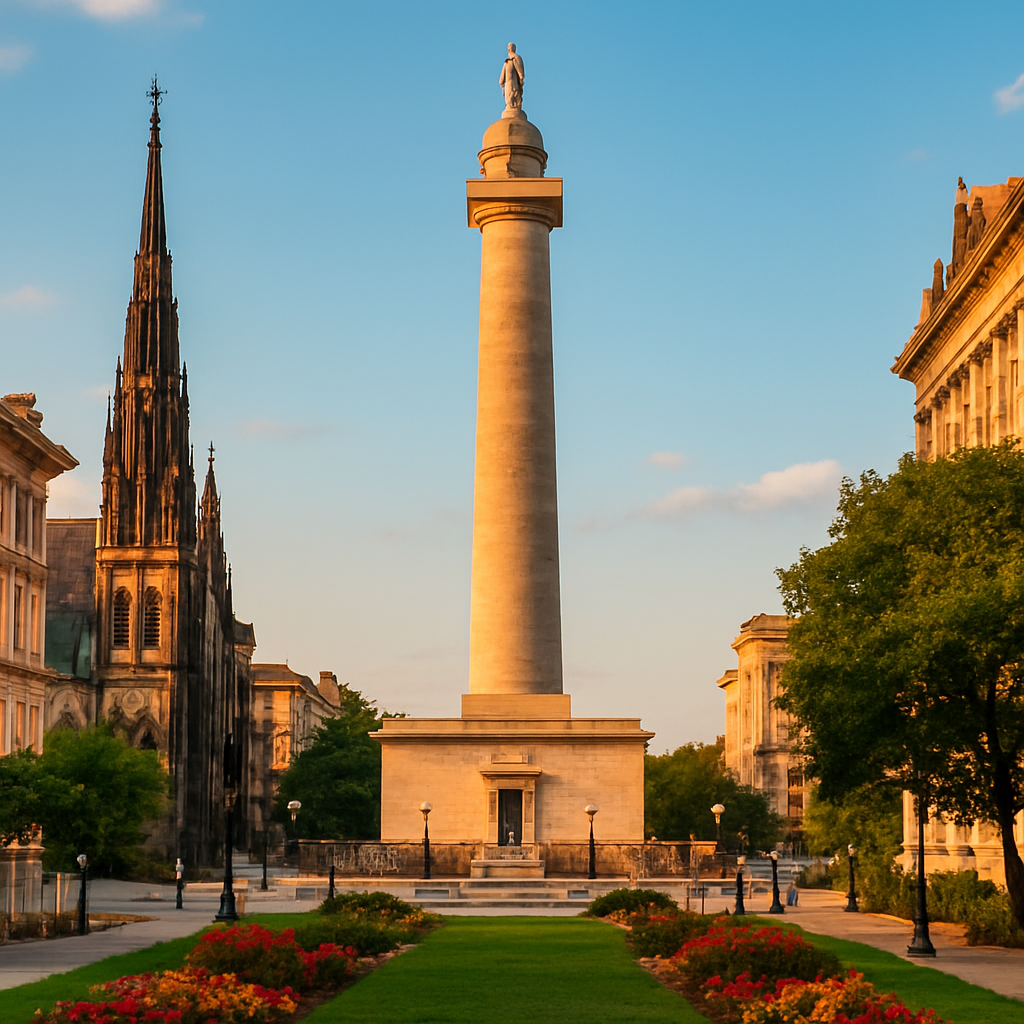
Climb the Original Washington Monument
Mount Vernon Place's Washington Monument was completed in 1829 — predating the D.C. one by half a century — and you can climb it for $6. The staircase is narrow, theatrical, and a little dramatic in the best way. The reward is a 360-degree view of the rowhouses spilling toward the harbor that will reset your idea of what Baltimore actually looks like. Pair it with a wander through the surrounding square and a stop at the Peabody Library.
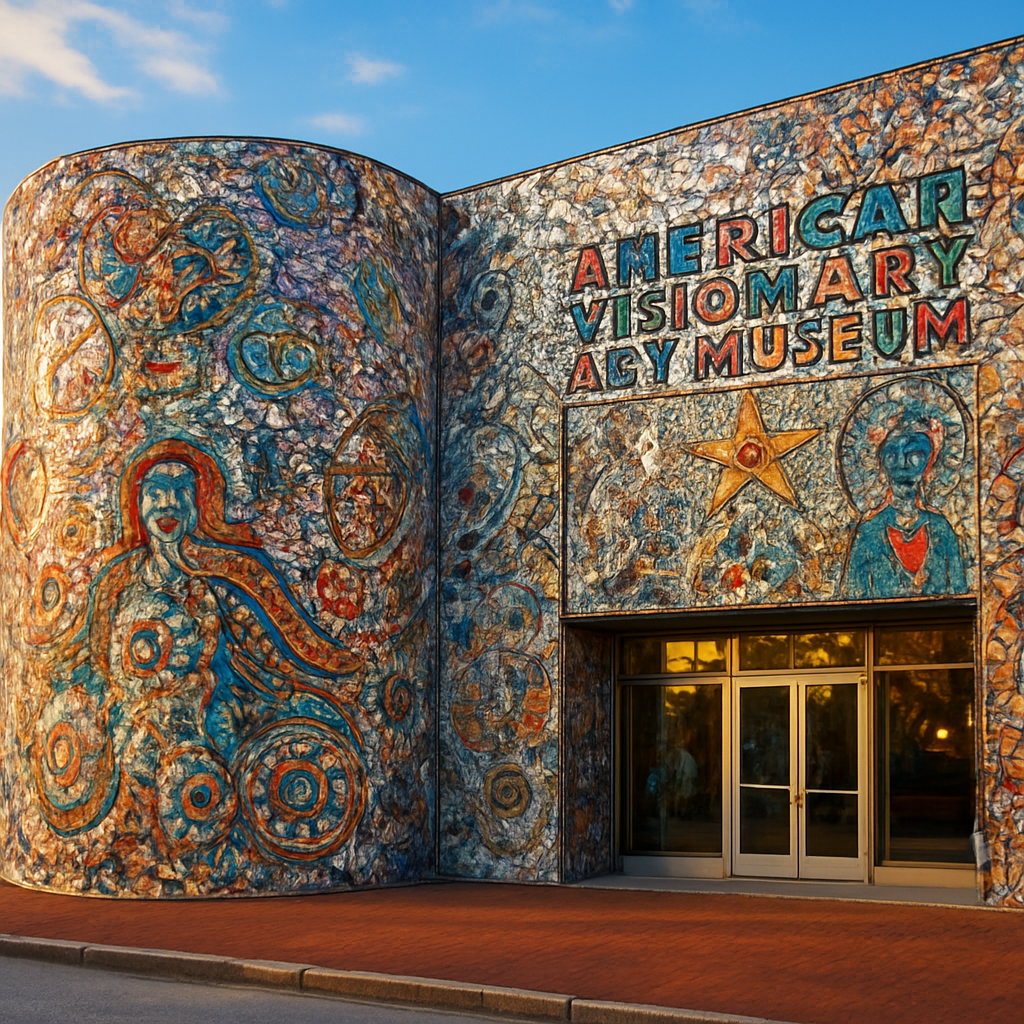
Lose an Afternoon at the American Visionary Art Museum
At the foot of Federal Hill on the Inner Harbor, the AVAM is the queerest mainstream institution in the city — outsider art, a giant whirligig out front, a mosaic-covered facade, and a gift shop that will absorb an hour of your life before you've seen a single gallery. Designated by Congress as the national museum for self-taught art, it's also home to the annual Kinetic Sculpture Race. Nothing else in the country does what this museum does.
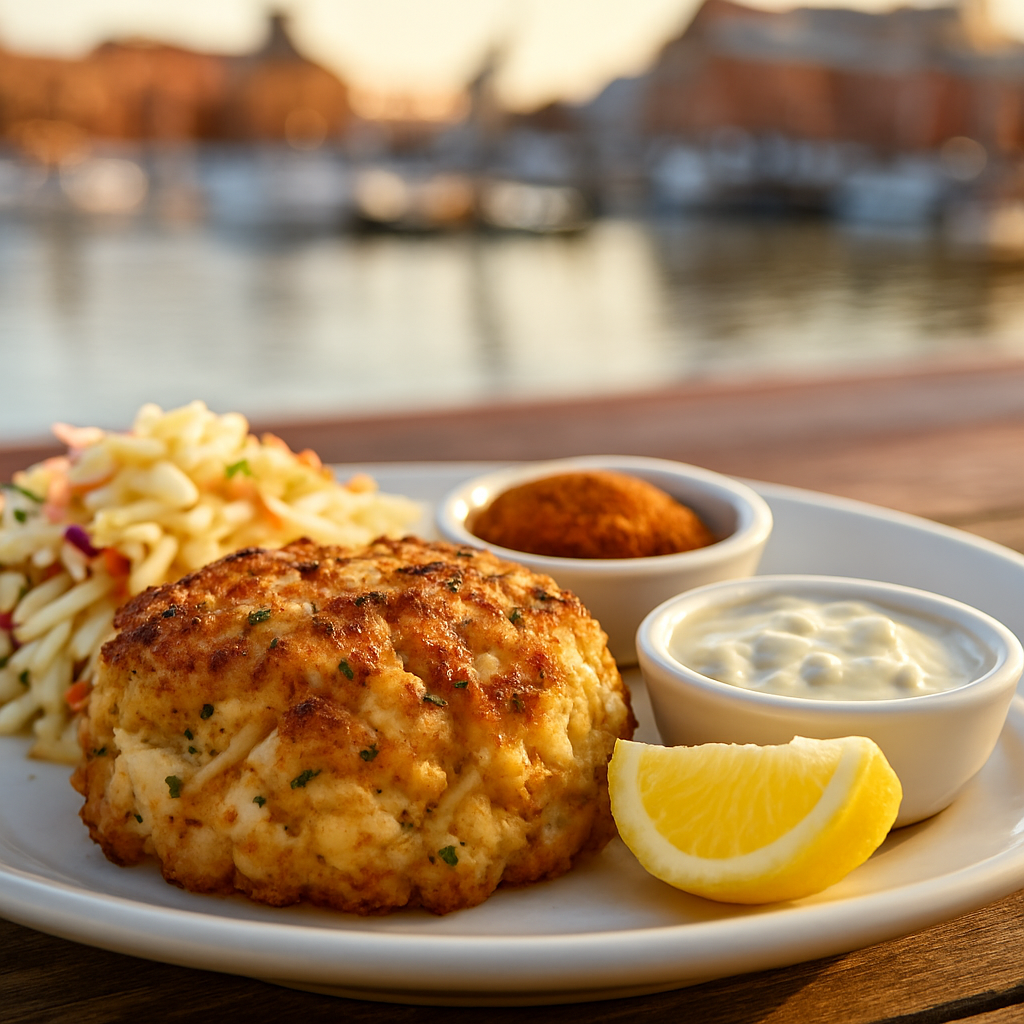
Eat a Crab Cake at Faidley's
Faidley's has been inside Lexington Market since 1886 and it's still run by the same family five generations later. Order the jumbo lump crab cake broiled, not fried, with as little filler as possible — this is the Baltimore benchmark every other crab cake in the city gets graded against. Eat it standing at the counter the way locals do, with a side of vinegar slaw and absolutely no ketchup. Wash it down with a Natty Boh.
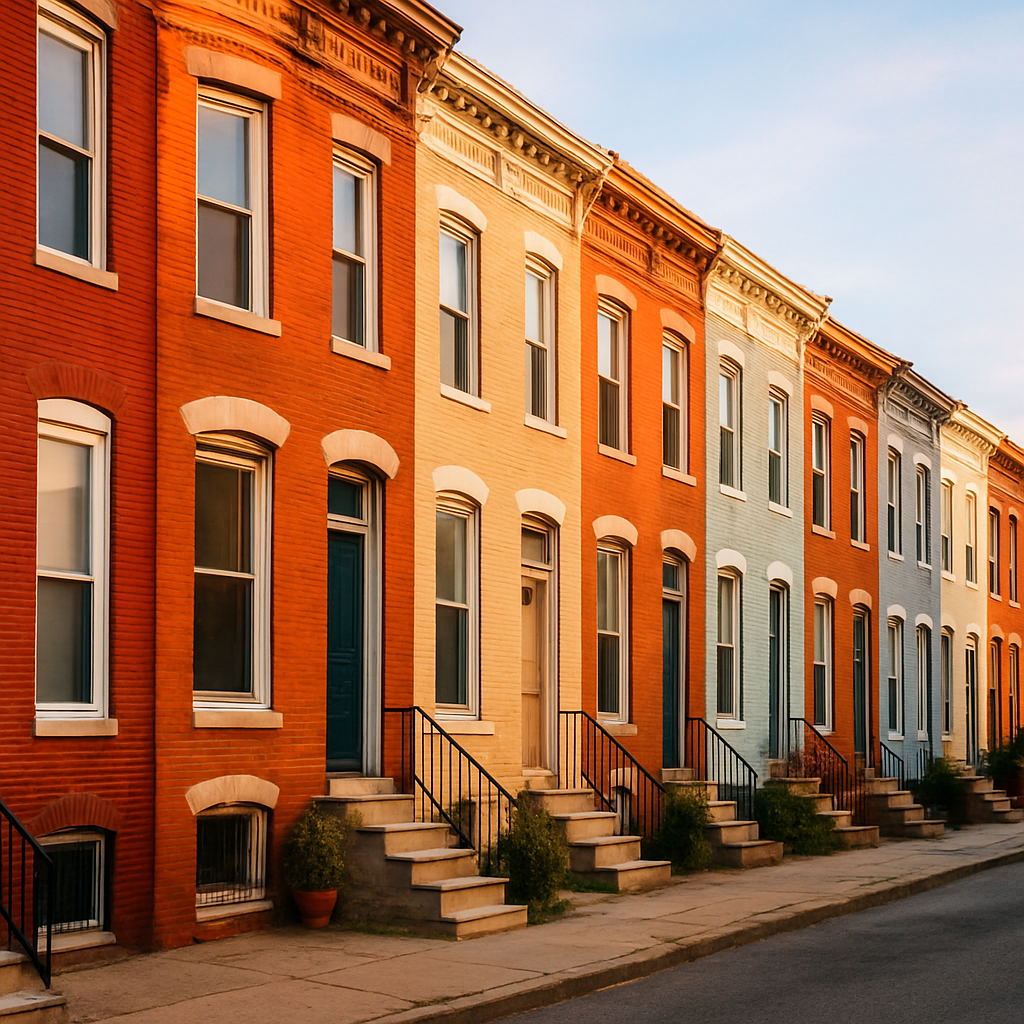
Walk The Avenue in Hampden
The Avenue — Hampden's stretch of 36th Street — is John Waters's Baltimore in three walkable blocks: vintage shops, kitsch emporiums, indie bookstores, and pink flamingo lawn ornaments. Atomic Books is where Waters has his fan mail forwarded — yes, really — so buy a book, leave him a note, and grab a beer next door at Holy Frijoles. In December the Miracle on 34th Street light display turns one block into something the whole city walks through.
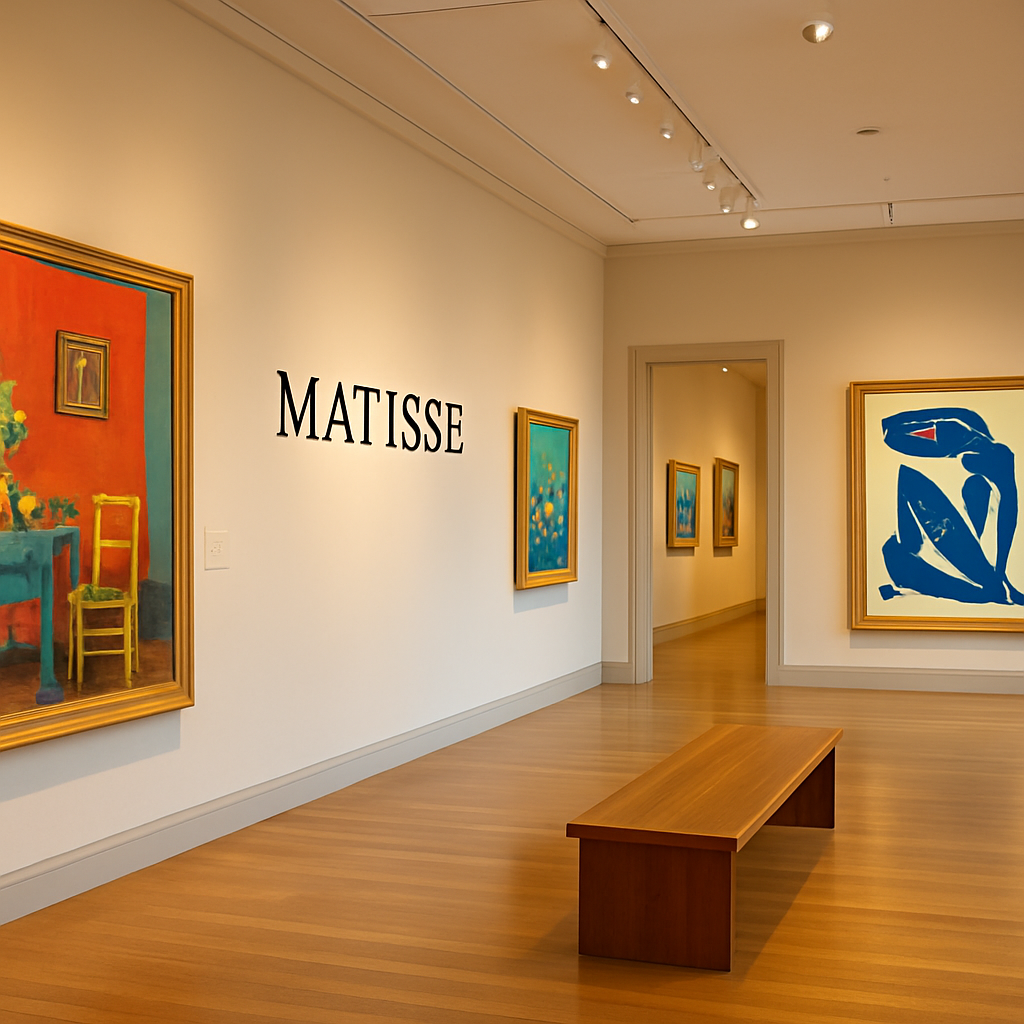
See the Matisse Wing at the BMA
The Baltimore Museum of Art holds the largest public collection of Henri Matisse works in the world — anchored by the Cone Collection, donated by sisters Claribel and Etta Cone, lifelong queer-coded patrons who knew Matisse personally. General admission is free, the building is gorgeous, and there's an entire encyclopedic collection beyond the Cone wing if you have the afternoon. Tack on a coffee at the on-site cafe and call it a day.
The places I actually send people to
Advice that fits how you travel
Baltimore is one of the easier U.S. cities to land in solo, and Mount Vernon is the reason. The gay village is walkable from end to end in fifteen minutes, the bars cluster within a few blocks of each other, and the regulars at Leon's and the Drinkery will absolutely talk to you if you sit at the bar instead of a table. Locals call this Smalltimore for a reason — by Sunday brunch you'll be running into the same faces from Friday at Grand Central, and that compression is what makes the city feel friendly fast.
The apps are active here but the in-person scene actually still functions, which isn't true everywhere on the East Coast in 2026. Grand Central is the easiest first-night move — multiple rooms under one roof means you can drift between the main bar, the dance floor, and the rooftop without committing to a single vibe. Dooby's in Mount Vernon is the daytime anchor for solo travelers — coffee, a laptop, and a queer regulars crowd that makes it function as the neighborhood living room. Sophomore Coffee in Old Goucher plays the same role on the north end.
Budget-wise, Baltimore is a relative steal: a moderate solo day runs $220–340 with a boutique hotel, transit, and real meals factored in, and a budget day can land closer to $110–160 if you're hostel-flexible. Skip the rental — the Charm City Circulator's free Purple Route runs Charles Street through the gay village, and rideshare handles late-night between districts. As of 2026 Maryland's nondiscrimination protections are comprehensive, which means solo trans travelers have a legal floor most U.S. states still don't match — and Baltimore Safe Haven is here if you need community support on the ground.
Baltimore is one of those cities where same-sex couples can stop performing public neutrality for a long weekend and just exist. Mount Vernon, Hampden, Station North, and Federal Hill all read openly affirming, and you'll see other couples holding hands without anyone clocking you for it. As of 2026, Maryland recognizes same-sex marriage, joint and second-parent adoption, and operates on self-ID for gender markers — the legal architecture matches the cultural reality, which is not always the case.
For accommodations, my Mount Vernon default is Hotel Revival — the rooftop Topside bar is the move at sunset, and the staff treats LGBTQ+ guests as the home crowd, not the special occasion. For a milestone splurge, The Ivy Hotel is the 18-room Relais & Châteaux mansion at the top of the village; for a Fells Point waterfront pick, Sagamore Pendry's harborside infinity pool is the closest thing the city has to a Miami moment. Charleston in Harbor East is the white-tablecloth anniversary room — Cindy Wolf's tasting menu is the reason to book, the wine list is the reason to come back. Thames Street Oyster House in Fells Point is the runner-up — book the upstairs window for harbor light at dusk.
For the night after dinner, W.C. Harlan's candle-only speakeasy in Seton Hill is one of the most genuinely intimate rooms in the city — no music loud enough to interrupt the conversation, which is the point. Bluebird Cocktail Room in Hampden is the grown-up date spot on the north end. Pro tip: walk up to the top of the Washington Monument in Mount Vernon Place on a clear day — it's $6, the staircase is narrow and theatrical, and the view of the rowhouses spilling toward the harbor is the kind of small moment couples actually remember.
Baltimore is genuinely easy for LGBTQ+ families. As of 2026, Maryland recognizes both joint and second-parent adoption, and the state's nondiscrimination law covers sexual orientation and gender identity in employment, housing, and public accommodations — which means schools, pediatricians, and public services treat two-mom and two-dad families as legally and practically routine. The cultural temperature in Mount Vernon, Hampden, and Federal Hill matches the law: nobody's going to give your family a second look.
For kids, the American Visionary Art Museum at the foot of Federal Hill is the city's secret weapon — outsider art, a giant whirligig out front, the annual Kinetic Sculpture Race in spring, and a gift shop kids will refuse to leave. The Baltimore Museum of Art in Charles Village is free, encyclopedic, and has a sculpture garden built for stroller laps. The Maryland Science Center and the National Aquarium on the Inner Harbor are the obvious anchors and they hold up. In December, the Miracle on 34th Street light display in Hampden turns one block into something the whole city walks through — bring the kids, bring a thermos.
Practically: stick to Mount Vernon, Hampden, Federal Hill, or Harbor East for accommodations — all stroller-friendly, all walkable to food and parks. The Kimpton Monaco downtown is the most family-and-LGBTQ+-aware brand in the city and accommodates connecting rooms easily. Kid menus are universal at the casual spots — Ekiben's steamed buns are a kid hit, Dooby's in Mount Vernon does brunch that works for every age. The Charm City Circulator is free and stroller-accessible, which makes the city's microneighborhood layout actually navigable with small kids in tow.
What Baltimore actually costs
Flights, visas, and the first 30 minutes
Airport: Baltimore/Washington International Thurgood Marshall (BWI) is the city's primary gateway, roughly 10 miles south of downtown and one of the busiest airports in the Mid-Atlantic. As of 2026, BWI handles approximately 90 nonstop domestic routes plus a growing international schedule, including direct flights to London, Reykjavik, Frankfurt, and major Caribbean and Latin American destinations. Southwest dominates the domestic board — fares to BWI are typically cheaper than flying into Reagan National or Dulles, which is half the reason I send people through here.
Visa requirements: As of 2026, U.S. citizens require no documentation for domestic travel. Canadian passport holders generally don't need a visa for stays of up to 6 months. UK, EU, and Australian travelers typically enter under the Visa Waiver Program with an approved ESTA, valid for stays up to 90 days — apply online at least 72 hours before departure, though same-day approvals are common. Always confirm current requirements with your nearest U.S. embassy before booking, since entry rules can shift.
Airport to city: The cheapest move is the MTA Light Rail ($2.00, 30–40 minutes) running directly from BWI to Camden Yards and downtown every 15–30 minutes. The fastest is the MARC Train Penn Line ($5.00, 15 minutes) — a free shuttle from the terminal drops you at the BWI Rail Station, and weekday service runs straight to Penn Station, a 10-minute walk from Mount Vernon. Amtrak covers the same route in 10 minutes for $15–25 if you want the upgrade. Taxis run a flat $30–40 to most downtown areas (20–30 minutes), Uber and Lyft typically run $25–45 with surge pricing during peak hours, and SuperShuttle door-to-door service is $18–25 for 30–50 minutes.
Pro tip: Skip the rental car entirely. BWI is closer and cheaper than flying into D.C., the MARC Penn Line drops you a 10-minute walk from Mount Vernon for under $10, and once you're in town the Charm City Circulator's free Purple Route runs Charles Street through the gay village. Baltimore's parking enforcement is notoriously aggressive — a car is a liability here, not an asset.
Traven's seasonal breakdown
The questions everyone asks
Do I need a car in Baltimore?
Is it safe to hold hands in Mount Vernon and Hampden?
When is Baltimore Pride?
How much should I budget per day?
What's the best way to get from BWI into the city?
Is Baltimore a good destination for trans travelers?
Should I worry about crime in Baltimore?
Screenshot this before you go
So should you actually go?
Go. Baltimore is one of the easiest yeses I give on the Eastern Seaboard — a legally protected, culturally affirming, genuinely fun city where same-sex couples can stop performing public neutrality and just exist for a long weekend. Mount Vernon punches above its weight, the food has finally caught up to the bars, and the price of admission is half what you'd pay in D.C. or New York for a weekend that's frankly more interesting. LGBTQ+ travelers landing here will find a small scene that knows itself, a 68-year-old gay bar still pouring, and a city whose sense of humor was shaped by Divine. Time it for Pride weekend in mid-June if you can. If you can't, come anyway.
Sources & Resources
Official links we reference when compiling this guide. Last verified 2026-05-04.