
Charleston stopped performing Southern charm long enough to actually become it — and somebody forgot to tell the church steeples.
Charleston has quietly become the South's most functional gay weekend — a city that stopped performing Southern charm long enough to actually become it. That's the argument. The evidence is on Upper King at 8pm on a Thursday, when the hospitality workforce pouring your wine, plating your oysters, and running the door at the cocktail bar is so heavily gay that the line between scene and service quietly disappears. This isn't a city with a gay district tucked politely out of sight. This is a city where the gays built the dining room you're eating in.
There's a reason I landed on a 7.7 overall — and more specifically an 8.5 on Destination and an 8.0 on Scene. Charleston punches way above its size on both, because every cobblestone block is doing three jobs at once. You walk Rainbow Row in the late afternoon and it smells like pluff mud and jasmine. You cross Calhoun onto Upper King and the same evening pivots into a Leon's Oyster Shop patio, a nightcap at The Cocktail Club in its candlelit restored townhouse, and a cab over to Dudley's on Ann where the bartender has been there long enough to remember when this neighborhood was still half-empty.
The contradictions are the whole point. The Holy City nickname is real — church steeples outnumber traffic lights in parts of downtown — and yet the hospitality workers on Upper King wave you in like you're a regular on day one. South Carolina's state legislature has been actively hostile on trans rights, and yet Marion Square fills up every October for Charleston Pride in weather the rest of the South Pride circuit would kill for. The Alliance for Full Acceptance has been quietly building the connective tissue of this community since 1990. The scene didn't appear. It was built, slowly, by people who weren't going anywhere.
What lands this short of a 9 is honest — that 6.5 Chill score reflects a state legal floor that doesn't match the peninsula's day-to-day warmth, and a 5.5 Pulse tells you the scene is real but it's not Berlin. You won't find a ten-block gay district or a dozen dance floors to choose from. What you will find is the most delicious three-day trip in the American South, a gay bar corridor on Ann Street that still feels like home, and a city that will seduce you with magnolias and then surprise you with how warmly it holds its contradictions. Come in April or October. Bring an appetite.
The stuff your travel guide buries on page 47
Let's start with what the law actually says, because South Carolina has been busy in the wrong direction. As of 2026, same-sex marriage and adoption are legal here under federal precedent, and federal employment protections apply through Bostock v. Clayton County. What you don't get is a state-level safety net — South Carolina has no statewide non-discrimination protections for LGBTQ+ people in employment, housing, or public accommodations. SC Equality Coalition maintains the most current legal landscape, and it's genuinely worth a read before you arrive.
Trans travelers need the full picture. Between 2023 and 2025, South Carolina passed multiple anti-trans laws — restrictions on gender-affirming care for minors, sports participation bans, and related measures. Gender marker changes on state ID typically require medical documentation. Charleston's urban core reads markedly more tolerant than the rest of the state, but the legal floor is the legal floor. ACLU of South Carolina tracks active litigation and rights resources if you need them.
Culturally, The Holy City nickname is accurate — there are more churches per capita here than nearly anywhere in America, and the conservative religious presence is real once you leave the tourist corridor. That said, the hospitality workforce on Upper King is heavily gay, and the welcome is genuine, not performed. Expect PDA to be comfortable on King Street, the French Quarter, and the NoMo District, moderate at beaches like Sullivan's Island and Isle of Palms, and discretionary once you drift into suburban or rural pockets.
Pro tip: stay in Cannonborough-Elliotborough or on Upper King if walkability to gay-friendly spaces matters. Once you drift south of Calhoun into the historic South of Broad, the vibe shifts toward tourist-formal — beautiful, but not the scene for a night out.
What it actually feels like on the ground
Holding hands: Comfortable along Upper King, through the French Quarter, around Marion Square, and inside Cannonborough-Elliotborough. Generally unremarked upon in tourist-heavy areas. In suburban West Ashley or North Charleston, standard situational awareness applies — not hostile, but not downtown either.
Hotel check-in: Same-sex couples check into the boutique and brand hotels downtown without issue. Rooftop bars, restaurants, and front desks read as professional and neutral. If a property's Relais & Châteaux or Small Luxury Hotels branded, you're paying for trained hospitality — use it.
Taxis and rideshare: Uber and Lyft are the default downtown and operate without incident. Taxis are fine but more expensive. Parking near Upper King on weekends is a lost cause — rideshare from Cannonborough and your night gets easier.
Beaches and public spaces: Folly Beach operates on its own frequency entirely — scruffy, tattooed, and genuinely unbothered by who you're kissing on the sand. The contrast with the manicured Battery mansions twenty minutes away is one of the more startling things about this city. Sullivan's Island and Isle of Palms are affluent and family-oriented; low-key affection is fine, overt PDA may draw looks.
Late night: The Ann Street corridor — Dudley's on Ann and Club Pantheon — is the cornerstone of the gay nightlife scene and feels like home. Walking back to Cannonborough or Upper King lodgings late is generally fine; after 2am, rideshare is cheap enough not to think about.
Trans travelers: This is where the honesty matters. State-level protections are minimal and the political climate is actively hostile. Charleston's urban core is more tolerant, but trans-affirming healthcare is limited. For trans-competent care, MUSC Health runs an LGBTQ+ health program and is the most accessible clinical option in the region. The Trans Lifeline and The Trevor Project are both solid crisis and connection resources if you need them on the ground.
Verbal harassment: Rare in the downtown commercial corridors. More likely in suburban strips or late-night gas station territory than anywhere you'd actually be spending your trip. If you need community support or connection to local advocacy, Alliance for Full Acceptance (AFFA) has been doing this work since 1990 and knows the current landscape cold. For HIV and sexual health resources, Palmetto AIDS Life Support Services (PALSS) is the regional anchor.
The queer geography
Upper King
Upper King is the spine. Walk the stretch of King Street north of Calhoun on a Thursday evening and you'll pass the 1927 bank building that now houses The Ordinary, the converted automotive garage that became Leon's Oyster Shop, and a dozen restored storefronts serving some of the best food in the American South. The corridor was industrial and half-empty twenty years ago; now it's where the city actually lives. The Cocktail Club draws a mixed, gay-heavy crowd into a candlelit restored townhouse — it's what happens when gay taste takes over a gorgeous old building and politely refuses to leave. Charleston Pride anchors its October programming around this stretch for good reason.
Cannonborough-Elliotborough
Just west of Upper King, Cannonborough-Elliotborough is the most walkable residential pocket downtown — narrow streets, pastel single-house architecture, wisteria climbing porches, coffee shops where you'll actually want to sit for an hour. The Harbinger Café on Spring Street is a community institution: excellent coffee, a community board that actually reflects community life, and the kind of place where you sit down for thirty minutes and leave two hours later. The neighborhood is widely recognized as the city's most gay-friendly residential enclave, which tracks — it's walkable, it's young, and it's where Club Pantheon and Dudley's on Ann sit on the same block to form Charleston's informal gay bar corridor.
French Quarter & Rainbow Row
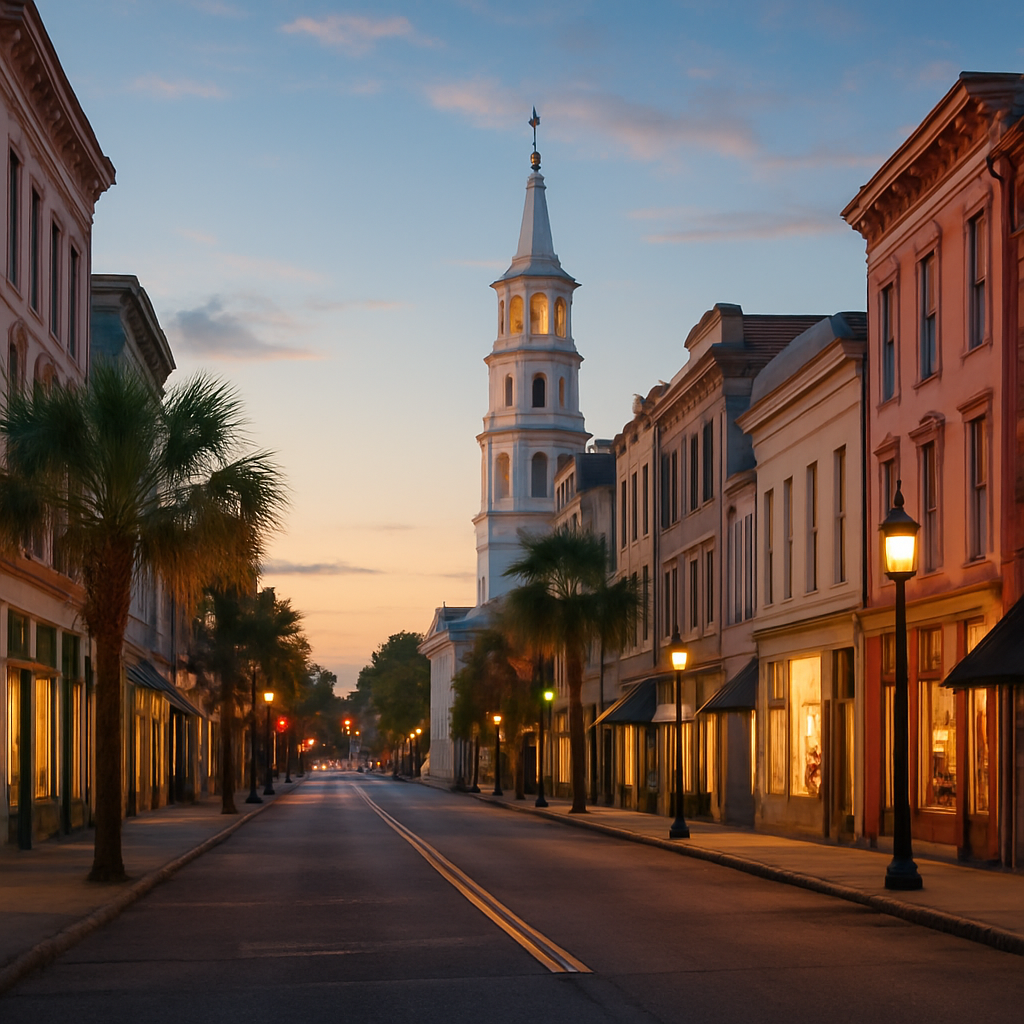
The French Quarter is the postcard — Rainbow Row, the cobblestone stretches of Chalmers Street, the Charleston City Market humming into the evening, the steeple of St. Philip's framing every second photograph. East Bay Street holds 167 Raw (oysters at the counter, no reservations, worth the wait) and Husk, where Sean Brock's all-American-South sourcing mandate turned into a decade-plus institution inside an 1893 Victorian. Dusk here smells like pluff mud and jasmine. The area's tourism-driven crowd means same-sex couples go largely unremarked upon in bars and restaurants. AFFA has been organizing community programming that pulls from this district for over three decades.
NoMo & Morrison Drive
North Morrison is Charleston's arts and culture corridor — converted warehouses, breweries, galleries, and the kind of industrial-to-interesting glow-up that every American city seems to do now but Charleston does with actual restraint. Edmund's Oast is essential regardless of identity: the beer list is absurdly good, the staff skews heavily gay, and the food is the kind of thing that makes you furious you don't live within walking distance. High Wire Distilling does tasting flights in a gorgeous industrial space.
Avondale (West Ashley)
Avondale is worth the rideshare across the Ashley River. It's the walkable commercial strip in West Ashley where indie bars and restaurants skew gay-friendly in both ownership and clientele. Tattooed Moose and Harold's Cabin both have the kind of neighborhood bar energy that can't be faked — regulars, zero attitude, cold beer, good jukebox. This is where a lot of the community actually lives day-to-day, and it shows. SC Equality tracks the civic and legislative side of that community; on the ground, Avondale is where you feel it.
The experiences worth rearranging your itinerary for
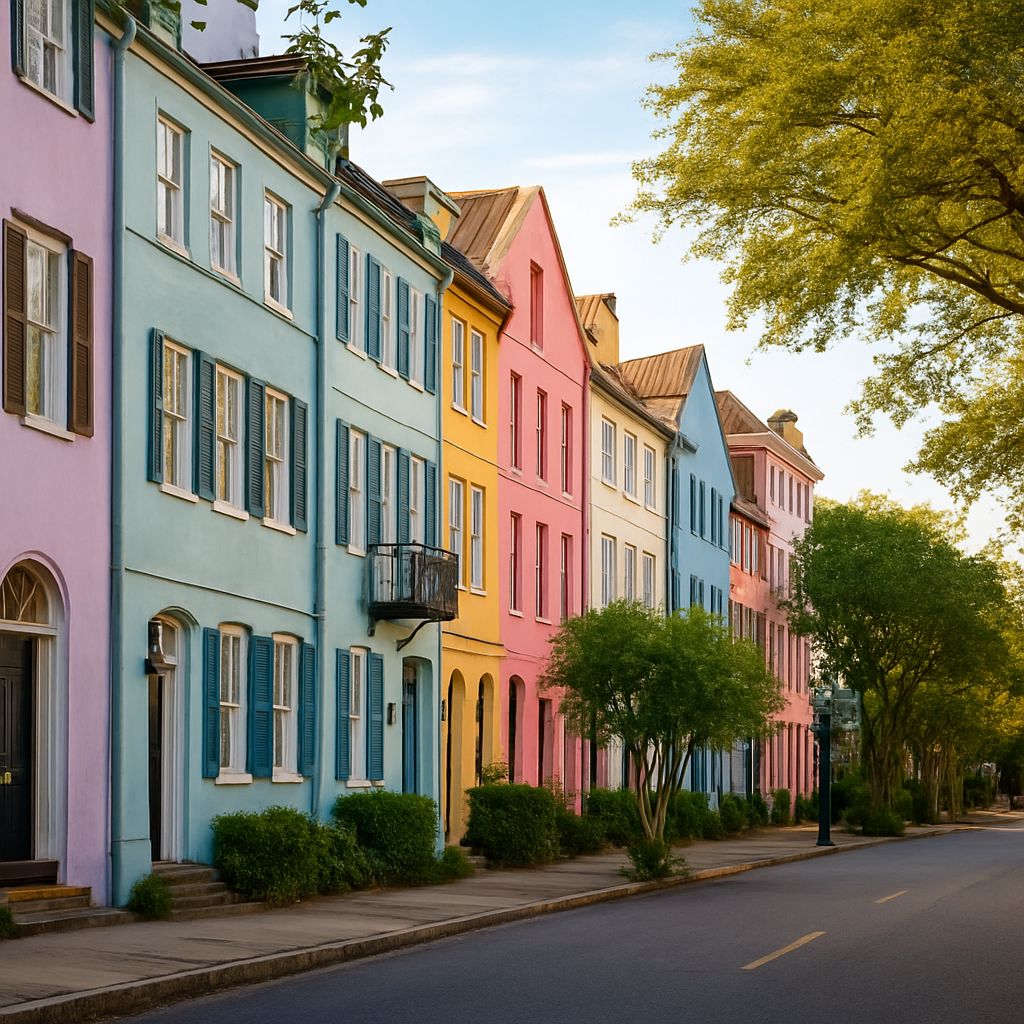
Walk Rainbow Row to The Battery at Golden Hour
Start at the pastel row of 18th-century merchant houses on East Bay Street and walk south along the waterfront to White Point Garden. The light at dusk turns the harbor pink, the air smells like pluff mud and jasmine, and the oaks at the Battery drip Spanish moss over couples who clearly do this every evening. It's the most photographed stretch of Charleston for a reason — but do it on foot, not from a carriage tour.
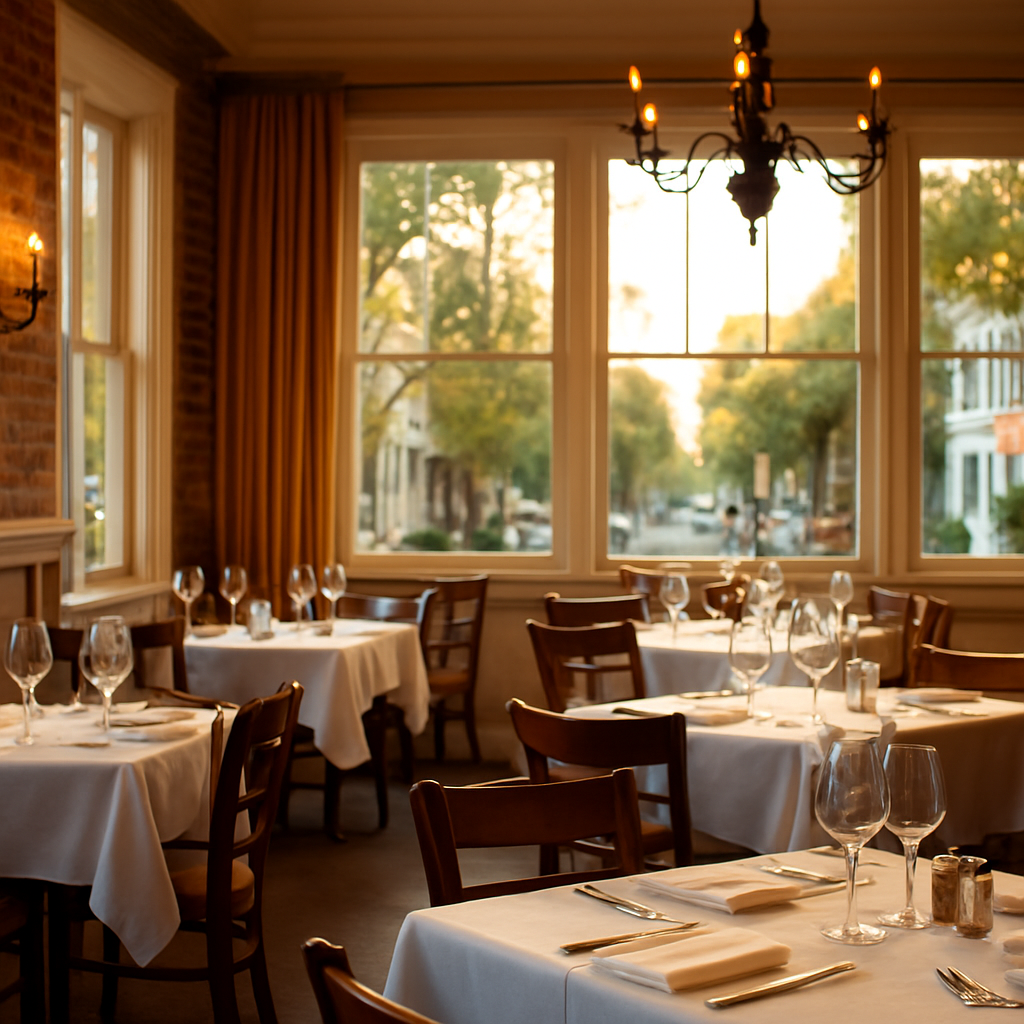
Eat the American South at Husk
Sean Brock's 2010 opening inside an 1893 Victorian enforces one of the strictest sourcing rules in American fine dining: if it didn't grow or graze in the American South, it doesn't touch the kitchen. No olive oil, no citrus, no imported anything. What comes out is the closest thing to a thesis statement on Southern food you'll eat in this country. Book well ahead.
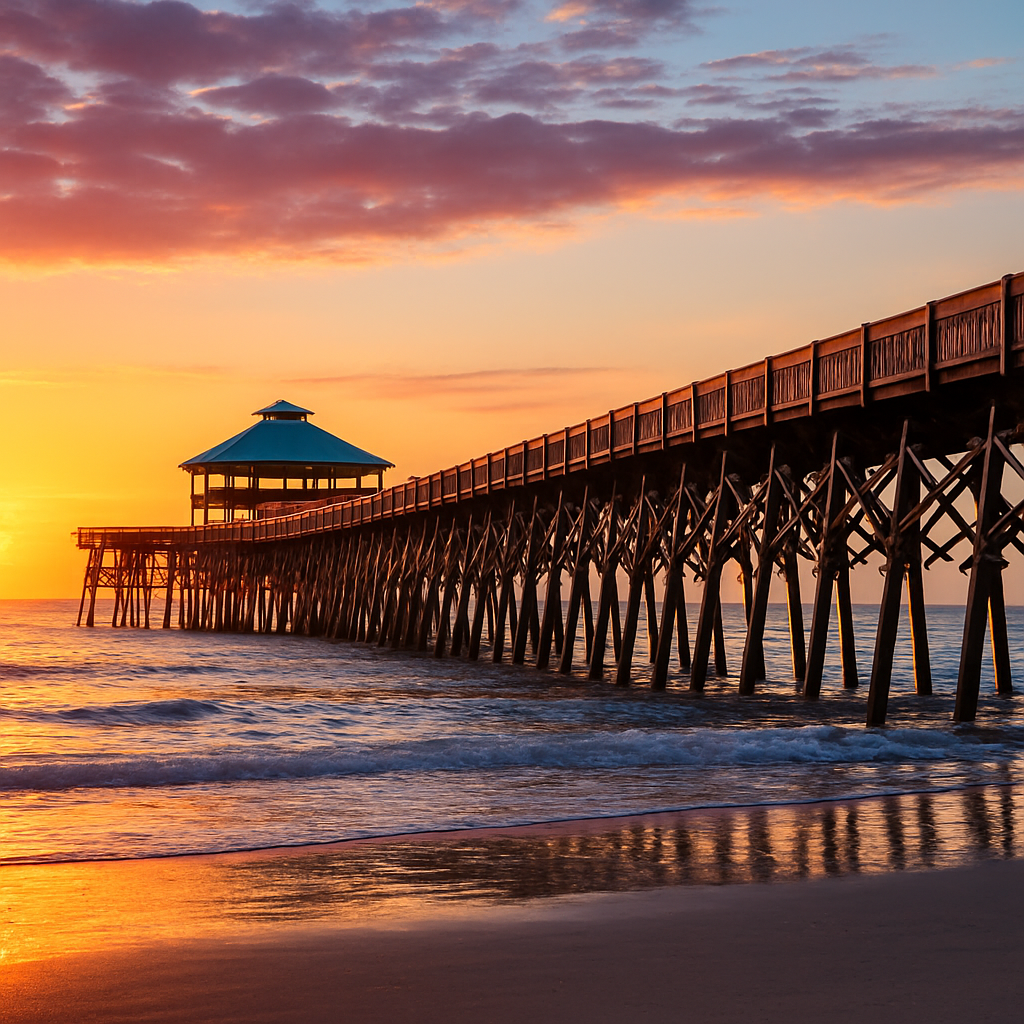
Spend a Day on Folly Beach
Twelve miles southwest of downtown and a full cultural universe away. Folly is scruffy, tattooed, bohemian — surfers, dog walkers, and locals who've been coming for forty years. Park near the pier, walk the sand, eat at Lost Dog Cafe, and watch the sun set over the Atlantic. It's the antidote to the formality of the historic district.
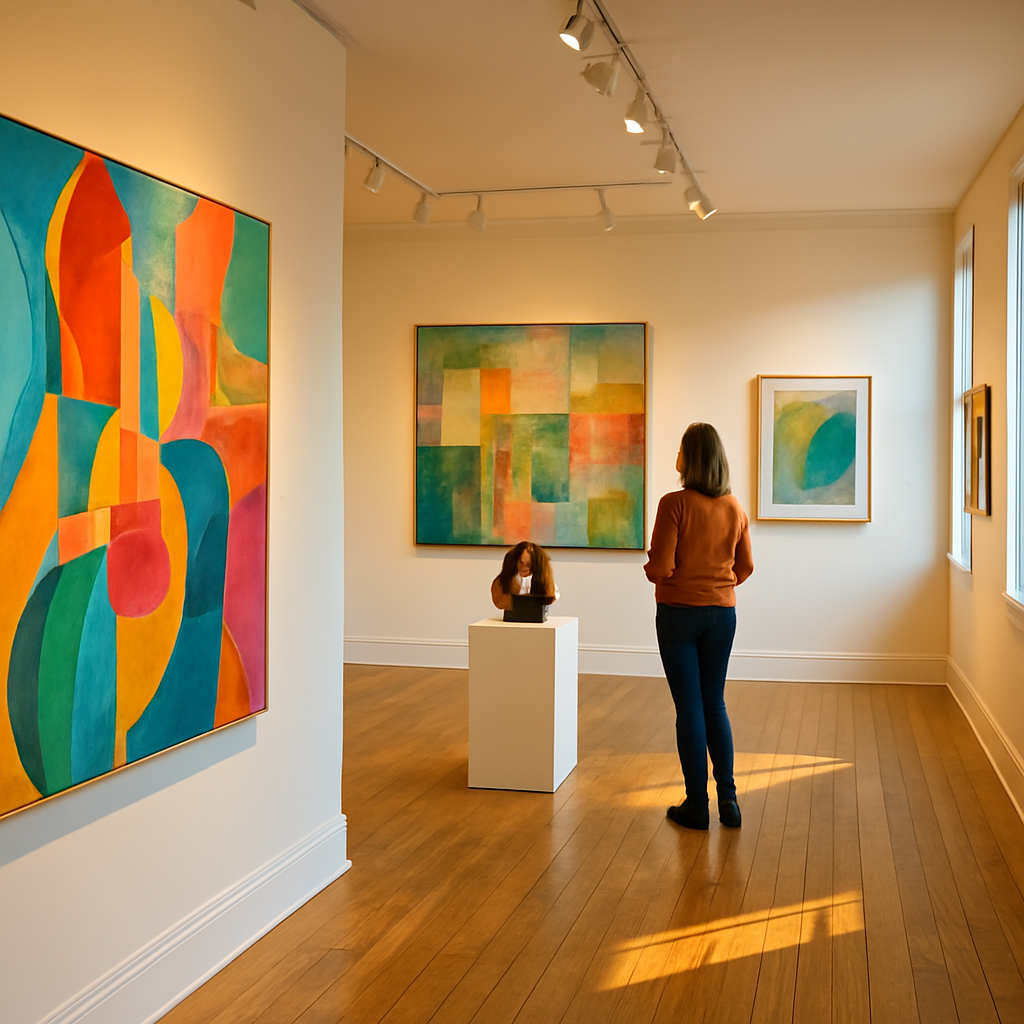
Spend an Afternoon at Halsey and Redux
The Halsey Institute of Contemporary Art at the College of Charleston and Redux Contemporary Art Center on Upper King together make up the serious contemporary art axis of the city. Both are free or near-free, both program nationally significant artists, and both take the Southern context seriously without being hostage to it. It's the best free two hours in town.
Walk Upper King for Dinner and Drinks
Start at Leon's Oyster Shop for fried chicken and half a dozen oysters at the patio. Walk north to The Ordinary inside the restored 1927 bank building for the seafood hall experience. End at The Cocktail Club in its candlelit townhouse for a nightcap. It's a three-stop evening that covers why Upper King is the spine of the city.
The places I actually send people to
Advice that fits how you travel
Charleston is a solo traveler's city — manageable in scale, walkable enough that you can cover three neighborhoods in a single afternoon without a plan, and social enough that you won't eat alone unless you're choosing to. The gay bar corridor on Ann Street — Dudley's on Ann and Club Pantheon back to back — is small enough that you meet people quickly and without effort. Go on a Wednesday night, not a Saturday, and you'll have actual conversations instead of shouting over a DJ. The apps are active here; Scruff and Grindr both have solid local populations, and staying in Cannonborough-Elliotborough puts you within walking distance of wherever the night takes you.
Budget-wise, Charleston is one of the few genuinely historic American cities where you can do it properly without spending $400 a night. Not So Hostel in Cannonborough puts you in the right neighborhood with a bed from $35; even a moderate stay around $200 lands you on Upper King Street with everything in walking distance. The food scene scales beautifully for solo dining — counter seating at Leon's Oyster Shop is one of the better $20 lunches in the South, and Bertha's Kitchen in North Charleston is a cash-only James Beard America's Classics legend where nothing on the steam table is going to hurt your wallet. Bring cash.
One practical thing to know: once you're outside the peninsula's walkable core, you need rideshare on hand. North Charleston, West Ashley, and the beach communities all require wheels or a ride — and parking near Upper King on weekends is a lost cause. Keep Uber open, stay in Cannonborough or on Upper King, and the city takes care of the rest. For community connections beyond the bar circuit, AFFA maintains the most current calendar of events — film screenings, legal clinics, community gatherings — and it's the fastest way to plug into the actual city rather than just its tourist surface.
Charleston is one of the better American cities for a same-sex couple who wants to be treated like exactly what they are — two people on a trip together, no asterisk. In the tourist corridors: the French Quarter, Upper King, around Marion Square, through Cannonborough — same-sex couples are unremarked upon in bars, restaurants, and hotels. The boutique properties downtown check in two men or two women without a flicker. For the romantic splurge, Zero George Street is the call: 18 suites across five restored early 19th-century buildings in Ansonborough, a culinary school on-site, and a quiet address that feels like your own private corner of the city. If you want midcentury glamour, The Dewberry Charleston — a 1964 federal building reborn with Studio Mashburn interiors — is the most design-forward stay downtown. For the French Quarter and rooftop pool, Hotel Emeline earns it.
For the date itinerary: start the afternoon at the Halsey Institute of Contemporary Art — free, serious, and the best hour you'll spend in the city. Walk to Leon's Oyster Shop for counter-service oysters on the patio as the light softens. Then dinner at FIG or Husk — both are the kind of rooms where a meal turns into an event, both have been on the right lists for twenty-plus years, and both will absolutely accommodate two people who want to take their time. End the night at The Gin Joint on East Bay Street and let the bartender decide what you're drinking. It's the correct move.
PDA comfort on the peninsula is solid for same-sex couples — the more tourist traffic, the more comfortable. If you're planning beach days, Folly Beach is the right call over Sullivan's Island or Isle of Palms: Folly is scruffy, tattooed, and won't give you a second glance. One genuinely irreplaceable experience: walk Rainbow Row south to The Battery at golden hour, when the harbor light turns the whole city pink and the oaks drip Spanish moss over the waterfront. It sounds like a postcard. It still stops you cold. Do it on foot, not from a carriage tour — you need to be able to stop when you want to.
As of 2026, same-sex marriage and joint adoption are fully legal under federal law, and LGBTQ+ families have the same legal standing in South Carolina as in every other US state. What you won't find is state-level non-discrimination protection to match — South Carolina has no statewide protections in public accommodations, which means the day-to-day experience depends on context. The practical reality: Charleston's tourist infrastructure on the peninsula is professionally run, and the boutique and brand hotels downtown don't do awkward at the front desk. SC Equality tracks the current legal landscape if you want the full picture before you arrive.
For LGBTQ+ families traveling with kids, the peninsula delivers where it counts. Marion Square has room for everyone — Saturday farmers market, open green space, and a location ringed by restaurants where you can eat without a reservation. The Charleston City Market is manageable with a stroller and genuinely engaging for children without being cynical about it. The Halsey Institute of Contemporary Art is free, visually striking, and the kind of contemporary work that doesn't require an art history degree to appreciate. For a beach day, Folly Beach is the move — the most relaxed community in the Charleston metro, and LGBTQ+ families are unremarkable there in the best possible way. Sullivan's Island and Isle of Palms are well-maintained and family-oriented but read more conservative; fine, just a different frequency.
A few practical notes: the historic cobblestones on certain blocks — Chalmers Street especially — are beautiful and rough on strollers. Stick to paved sidewalks where you can, and keep a carrier as backup. Kid menus exist at most casual spots on Upper King, and Leon's Oyster Shop has a large covered patio where children are a completely unremarkable presence. Budget roughly ~$690/day at a moderate level for a family once accommodation, food, and activities add up — and consider a rental car if beach days are on the agenda, since the barrier islands require wheels that rideshare doesn't reliably solve for a group with gear.
What Charleston actually costs
Flights, visas, and the first 30 minutes
Charleston is served by Charleston International Airport (CHS), located approximately 12 miles northwest of downtown. With around 30 direct routes, you won't be forced through a miserable Atlanta or Charlotte layover to get here — though both hubs connect frequently if you need them.
For US travelers, this is domestic — show up, board. International travelers from the UK, EU, Canada, and Australia typically enter under the Visa Waiver Program and need an ESTA (Electronic System for Travel Authorization) approved before departure. As of 2026, the ESTA fee is $21 and approval generally comes through within minutes, but applying at least 72 hours before you fly is the sensible move. Travelers from other countries should check current US visa requirements for their nationality before booking.
Getting from CHS to downtown is straightforward. Rideshare (Uber/Lyft) is the default — $25–$40 and 20–30 minutes, with pickup at the arrivals level curbside. Taxis run $35–$50 and 20–25 minutes, available metered at the terminal exit. If you're planning beach days at Folly Beach or Sullivan's Island, a rental car ($45–$90/day, on-site at the terminal) is worth the overhead — parking downtown is a different calculation entirely, but the barrier islands require wheels. Hotel shuttles are available at select properties for free to $15; confirm your reservation in advance because not every downtown hotel runs one.
Pro tip: once you're downtown, you don't need a car. The peninsula is walkable, rideshare is cheap, and the neighborhoods worth being in — Upper King, Cannonborough-Elliotborough, the French Quarter — are all within a few minutes of each other on foot. Rent a car for day trips; leave it at the hotel the rest of the time.
Traven's seasonal breakdown
The questions everyone asks
Is Charleston actually safe for same-sex couples?
When is Charleston Pride?
Do I need a car?
Is Folly Beach really more welcoming than the other beaches?
What about trans travelers — what should I know?
Where should I actually stay?
How much should I budget per day?
Screenshot this before you go
So should you actually go?
Go. Charleston isn't going to dazzle you with scale — this isn't a megacity with a dozen gay bars and a ten-block district. It's going to dazzle you with everything else: food that has quietly been among the best in America for two decades, a peninsula walkable enough to cover on foot, a hospitality workforce that's heavily gay and genuinely warm, and a Ann Street bar corridor that has held the community together through every chapter of this city's history. The state legislature is not your friend, and LGBTQ+ travelers should go in clear-eyed about that — but on the ground, in Cannonborough and on Upper King and out at Folly Beach, you'll be treated like exactly what you are: someone on a very good trip. Book Husk, fly into CHS, and let the city do the rest.
Sources & Resources
Official links we reference when compiling this guide. Last verified 2026-04-14.