Charlotte is a banking city that learned to hold a drag show — and now it can't stop.
Charlotte is the Southern city that decided to outgrow its reputation faster than the state legislature could keep up. The result is a metro area where the queer community is organized, vocal, and genuinely proud of itself — not in spite of North Carolina's politics, but sharpened by them. The 2016 HB2 bathroom bill backlash didn't break this city's LGBTQ+ infrastructure; it hardened it. Someone wrote in to tell me not to let North Carolina's political reputation fool me, and after spending real time here, I agree. There's a reason my Traven-Dex score sits at 6.9 — it's not a 9, but the number reflects a city that's working with and against its context simultaneously.
The scene here doesn't have one tidy district. It's split between NoDa to the north — galleries, live music, a younger crowd drinking at NoDa Brewing Company on Davidson Street — and Plaza Midwood to the east, where Central Avenue holds a genuine LGBTQ+ bar corridor: Cathode Azure, The Woodshed, Bar 316, all within walking distance of each other. Then there's Uptown (never say downtown — locals will correct you), where Scorpio has been holding the dance floor down for decades. That geographic split makes bar-hopping a rideshare commitment, but each neighborhood earns the trip with its own distinct personality.
The food has caught up to the ambition. Leah & Louise at Camp North End — Greg Collier's James Beard Award-winning Southern and Afro-Caribbean cooking — put Charlotte on the national food map in a way that felt overdue. Soul Gastrolounge in Plaza Midwood has been serving the queer neighborhood for nearly two decades and keeps its kitchen open late, which matters when you're building a night around multiple stops. I gave this city a 7.2 on Scene, and the Central Avenue corridor is the primary reason — it's not West Hollywood, but it's real, it's concentrated, and it's theirs.
What Charlotte isn't, yet, is a destination city for queer travelers the way Atlanta or New Orleans are. The Queen City nickname gets gleefully claimed on Pride merch and bar signage, and Charlotte Pride in August pulls serious crowds to Uptown. But the Pulse score of 5.8 reflects the honest reality: the cultural calendar between major events can run thin, and you'll need to check CAMP Charlotte's social pages and the LGBT Chamber of Commerce events page to find what's actually happening during your visit. This is a city where the community makes the energy — it doesn't just hand it to you.
The stuff your travel guide buries on page 47
The legal framework: As of 2026, same-sex marriage, civil unions, and joint adoption are all legal in North Carolina — these are federal protections. Charlotte's municipal non-discrimination ordinance covers sexual orientation and provides some local-level protection. However, North Carolina lacks statewide non-discrimination protections covering sexual orientation or gender identity in public accommodations, employment, or housing. The state has no gender identity recognition law. Same-sex activity has never been criminalized. The Human Rights Campaign rates North Carolina poorly on its State Scorecard, and both the ACLU and IGLTA flag the state as one with ongoing legislative risks for LGBTQ+ individuals.
The cultural reality: Charlotte is genuinely North Carolina's most progressive city, and the gap between Charlotte and the rest of the state is significant. The 2016 HB2 "bathroom bill" — which targeted trans people's access to public restrooms — was partially repealed, but the fallout galvanized Charlotte's LGBTQ+ community in ways that are still visible in how organized and outspoken local advocacy groups like Equality NC and Campaign for Southern Equality remain today. You'll find the city itself welcoming in practice, but the state-level legal landscape means protections are patchwork — not comprehensive.
Trans travelers: This deserves its own paragraph. North Carolina's history with trans rights is complicated and ongoing. The HB2 era left scars, and statewide non-discrimination protections for gender identity remain absent as of 2026. Charlotte's local ordinance offers some municipal-level coverage, but state-level hostility — particularly around gender-affirming care access — persists. Transcend Charlotte is a trusted local resource for current, on-the-ground information specific to trans travelers and families.
PDA comfort: In Plaza Midwood and NoDa, same-sex PDA is genuinely unremarkable — holding hands along Central Avenue or Davidson Street draws no attention. Uptown is comfortable, especially near hotels and entertainment venues, though it's a more corporate-feeling district. South End skews young and inclusive. Dilworth and Myers Park are affluent and generally tolerant but more reserved — moderate discretion is reasonable there. Suburban and outer Charlotte beyond the I-485 loop is a different world; adjust expectations accordingly.
Pro tip: Scorpio on South College Street has been anchoring Charlotte queer nightlife for decades — arrive after midnight on Fridays if you want the real party. Charlotte Pride happens in August and pulls massive crowds to Uptown, but the real LGBTQ+ cultural calendar runs year-round through CAMP Charlotte and Time Out Youth events — check their social pages before your visit. The LYNX Blue Line connects South End to Uptown but stops there; NoDa and Plaza Midwood both require a rideshare or car.
What it actually feels like on the ground
Holding hands: In Plaza Midwood along Central Avenue and in NoDa on Davidson Street, holding hands draws zero attention — these are visibly queer-friendly neighborhoods where same-sex couples are part of the fabric. Uptown is comfortable during daytime and evening hours, especially near entertainment venues and hotels. In Dilworth, Myers Park, and South End, light PDA is unlikely to cause issues but you're in more mixed territory. Outside the I-485 loop, in Gaston or Cabarrus counties, the progressive bubble ends — adjust accordingly.
Hotel check-in: Major chain hotels in Uptown — Kimpton, Marriott properties, Hilton, Omni — handle same-sex couples without incident. These are corporate-policy-backed properties in a banking city that hosts major conventions. You won't get a second glance. Independent or suburban properties outside the core may vary; stick to the brands with documented HRC scores if it matters to you.
Rideshares and taxis: Uber and Lyft drivers in the Charlotte metro are generally professional and uneventful. You'll be using them frequently — the queer-friendly neighborhoods aren't walkable between each other. No specific reports of issues, but standard rideshare common sense applies: check the driver rating, share your trip with a friend, sit in the back seat late at night.
Late night: The dedicated LGBTQ+ bars — Scorpio, Cathode Azure, The Woodshed, Bar 316, Chasers — are obviously safe spaces. The areas immediately around them in Plaza Midwood and Uptown are fine on foot at closing time, though standard urban awareness applies. NoDa's bar area on Davidson Street has a safe, walkable feel. Avoid wandering into unfamiliar residential areas in East Charlotte after 2am.
Trans travelers: Within Charlotte's progressive core, the atmosphere is generally respectful — Plaza Midwood and NoDa venues are the most reliably affirming. However, the state-level legal climate for gender identity remains hostile as of 2026, and the HB2 legacy means bathroom access in some public facilities outside dedicated queer spaces can feel fraught. Transcend Charlotte is the trusted local resource. For healthcare needs, RAIN Carolinas offers PrEP navigation, HIV testing, and sexual health services with genuine cultural competency — they've been doing this work since the early AIDS crisis.
Verbal harassment risk: Low within the core neighborhoods. Occasional incidents have been reported in outer suburban areas and around sporting events in Uptown when large, alcohol-fueled crowds mix with the bar district. The LGBTQ+ community here is accustomed to navigating these situations. Use the same judgment you'd use in any mid-sized Southern city: the core is yours, the periphery asks for awareness.
Beaches and public spaces: Freedom Park in Dilworth is queer-community friendly — it hosts Charlotte Pride events. Romare Bearden Park in Uptown is a comfortable public space. Charlotte doesn't have beaches, but Lake Norman (~30 minutes north) is popular for day trips; the lakefront communities trend more suburban and conservative.
The queer geography
Charlotte doesn't hand you a single, walkable gay village. The queer scene is split across three neighborhoods, each with its own character, connected by rideshare rather than sidewalks. That geographic spread is both the limitation and the charm — you get three distinct flavors instead of one oversaturated strip.
Plaza Midwood
Plaza Midwood is the closest thing Charlotte has to a traditional gay neighborhood, anchored by Central Avenue and Commonwealth Avenue where bars, restaurants, and coffee shops cluster along a few walkable blocks. Cathode Azure, The Woodshed, and Bar 316 sit on this corridor — three explicitly queer bars within walking distance of each other. Common Market draws reliably mixed queer crowds during the day without marketing itself as anything in particular. If you're looking for the lesbian and queer women's scene specifically, this is where it lives. The vibe is laid-back, artsy, and significantly more mixed than a dedicated gay district — which is exactly how the regulars like it. Soul Gastrolounge and Midwood Smokehouse anchor the food scene.
NoDa (North Davidson Arts District)
NoDa is Charlotte's arts and creative district, centered on Davidson Street where galleries, music venues, and bars share space with queer-owned businesses. The First and Third Friday gallery walks have a genuinely queer character — local LGBTQ+ artists show regularly, and the street scene between venues has that electric, anything-goes energy. NoDa Brewing Company is a Charlotte Pride sponsor with LGBTQ+ event hosting. Dharma Fine Vittles functions as the reliable daytime anchor — excellent food, visibly queer staff, and a patio scene on warm evenings that's hard to beat. Haberdish handles dinner. The crowd here skews younger and more arts-oriented than Plaza Midwood.
Uptown
Charlotte's Uptown — never say downtown — is the business district that transforms into nightlife territory after dark. Scorpio on South College Street is the flagship gay dance club, operating for decades as the city's anchor venue. Hartigan's Irish Pub is the quietly LGBTQ+-welcoming bar where the after-work crowd loosens up. The cultural campus — Harvey B. Gantt Center, Bechtler Museum — is here. The energy is more corporate than the other neighborhoods, but the convenience of hotel proximity and the late-night pull of Scorpio make it the natural starting and ending point.
South End
South End runs along the LYNX light rail on South Boulevard, lined with breweries, restaurants, and newer development. It's Charlotte's trendiest corridor — younger demographic, craft-everything aesthetic, and a generally inclusive atmosphere. Futo Buta and Yafo Kitchen are here. It's the best neighborhood for a relaxed early evening before heading to NoDa or Uptown for the main event. For drag, check CAMP Charlotte's calendar — they run curated shows with strong local performers, and lineups sell out faster than you'd expect for a mid-sized city.
The experiences worth rearranging your itinerary for
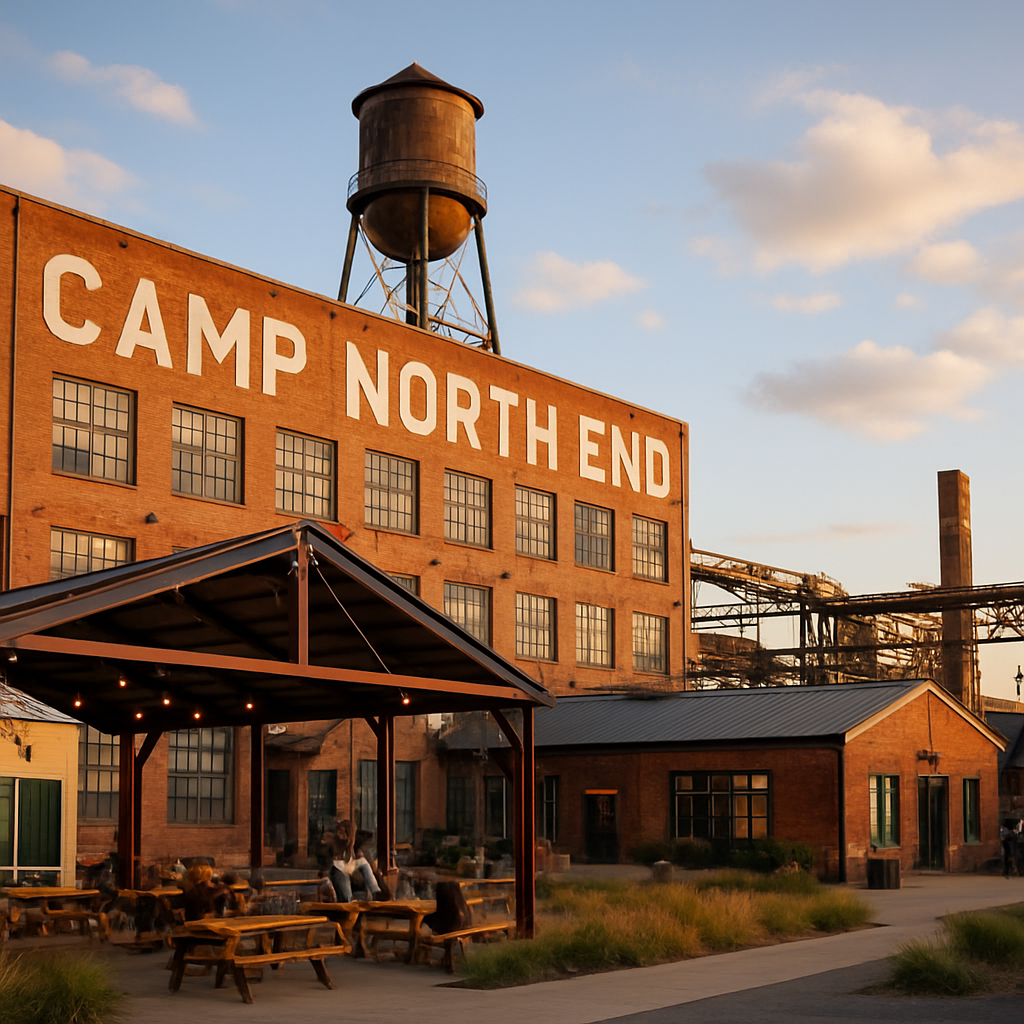
Leah & Louise at Camp North End
Greg Collier's James Beard Award-winning restaurant serves Southern and Afro-Caribbean cuisine inside Camp North End, a sprawling adaptive reuse development that was once a Ford Motor assembly plant. The food is the draw — complex, deeply rooted, and unlike anything else in Charlotte — but the setting matters too. Camp North End's industrial bones, murals, and rotating pop-ups make the walk from parking lot to table feel like arriving somewhere. Get the Sunday brunch if the timing works; the regular dinner menu if it doesn't. Either way, this is the meal you'll talk about.
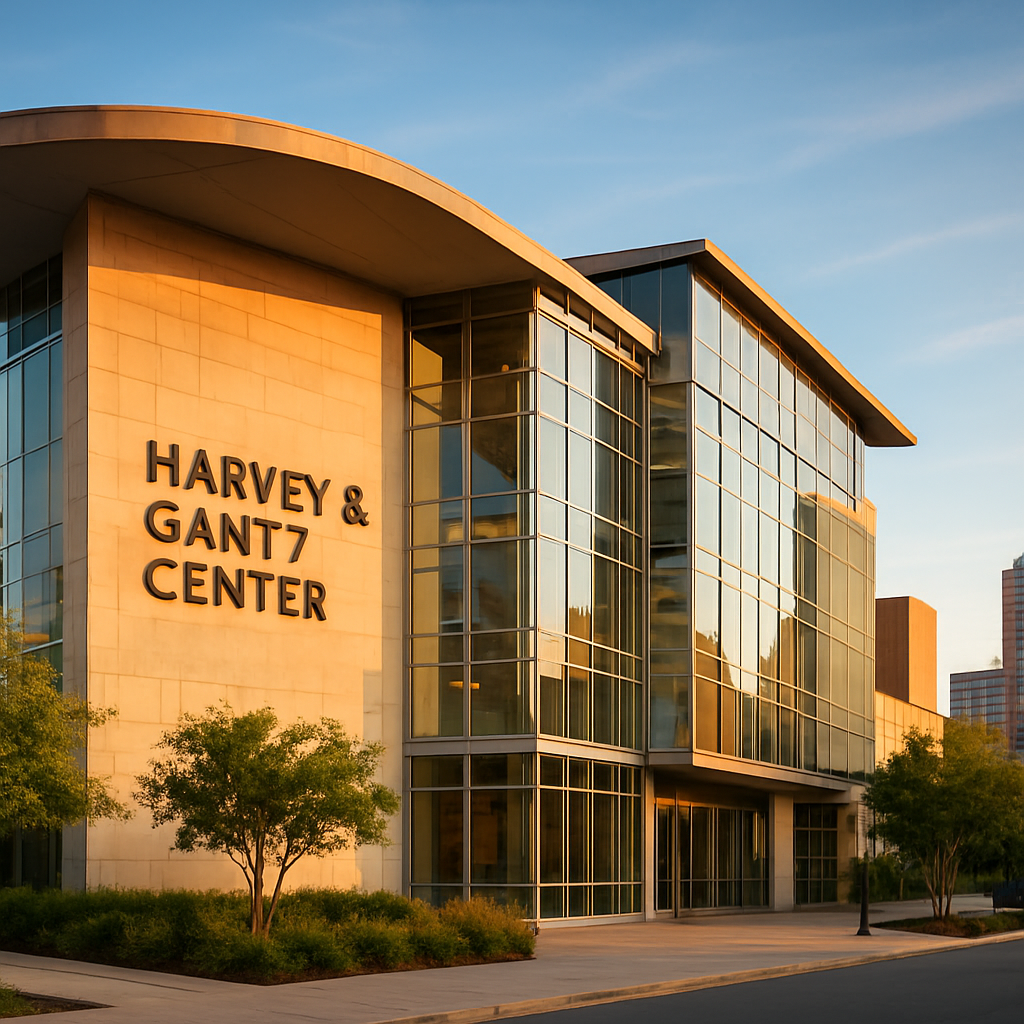
Harvey B. Gantt Center for African-American Arts + Culture
Named after Charlotte's first Black mayor — who then ran twice against the virulently anti-LGBTQ+ Jesse Helms for the U.S. Senate — the Gantt Center sits on Uptown's cultural campus and does intersectional work that most institutions only put in their mission statements. The exhibitions rotate and frequently feature LGBTQ+ African American artists alongside civil rights history and contemporary identity themes. The permanent collection is strong, the building itself is worth the walk, and you'll spend 60–90 minutes without the fatigue that larger museums inflict. It's one of the most specific and rewarding cultural experiences in any mid-sized Southern city.

NoDa First and Third Friday Gallery Walks
Davidson Street in NoDa opens its galleries on the first and third Fridays of each month, and the result is a street scene that feels genuinely alive — local artists (many of them queer) showing work, music spilling out of venues, and a crowd that's mixing between galleries, breweries, and bars with no hard boundaries between them. This isn't a polished art fair; it's a neighborhood that turns itself inside out for the evening. Bring comfortable shoes, start at one end of Davidson Street, and let the night find you. On a warm evening, this is Charlotte at its most unscripted.
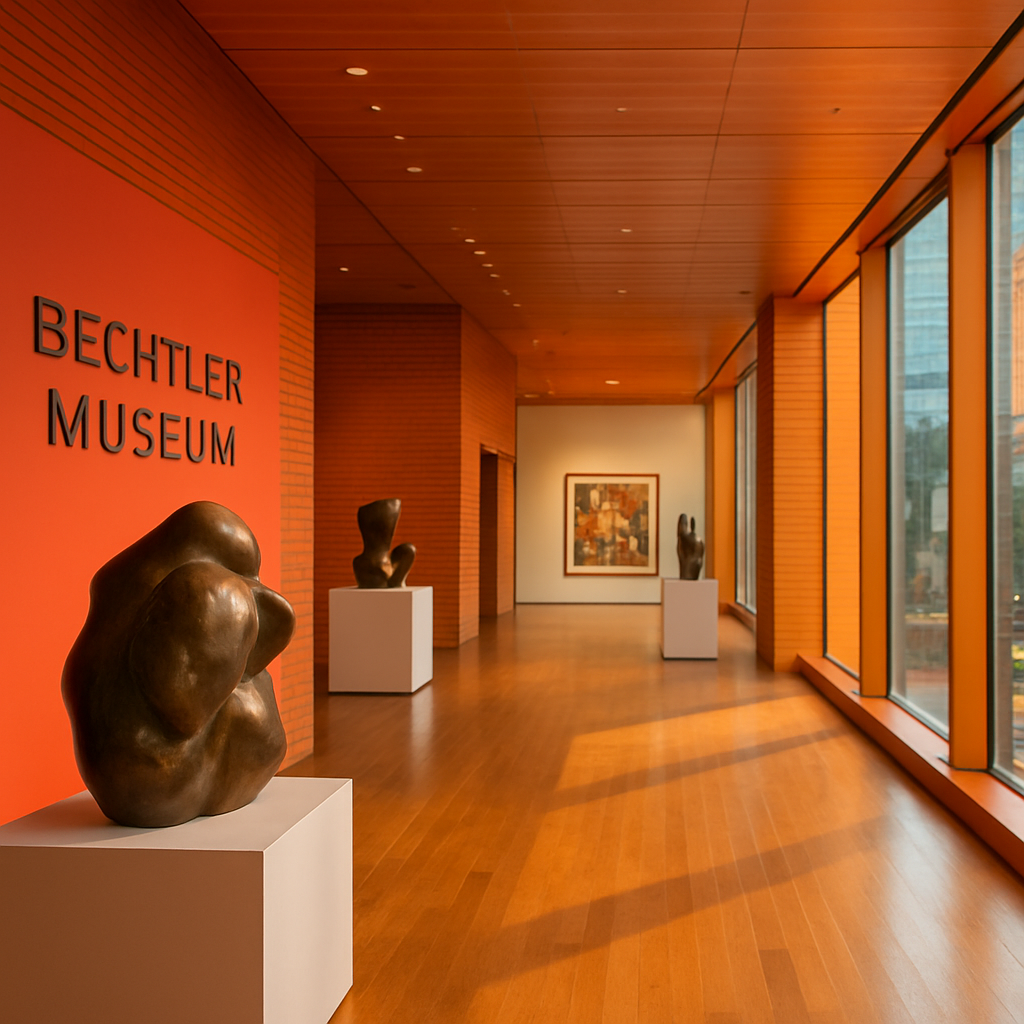
Bechtler Museum of Modern Art
Giacometti, Miró, Warhol — the Bechtler family's collection of mid-20th century European and American modern art punches well above what you'd expect from a Charlotte museum. The building is compact, which works in its favor: you can see everything properly in 90 minutes without the glazed-eye shuffle of a major metropolitan museum. The Warhol pieces alone justify the visit, and the identity-themed programming in the exhibition calendar frequently surprises. It shares the Uptown cultural campus with the Gantt Center, so combine the two for a full afternoon.
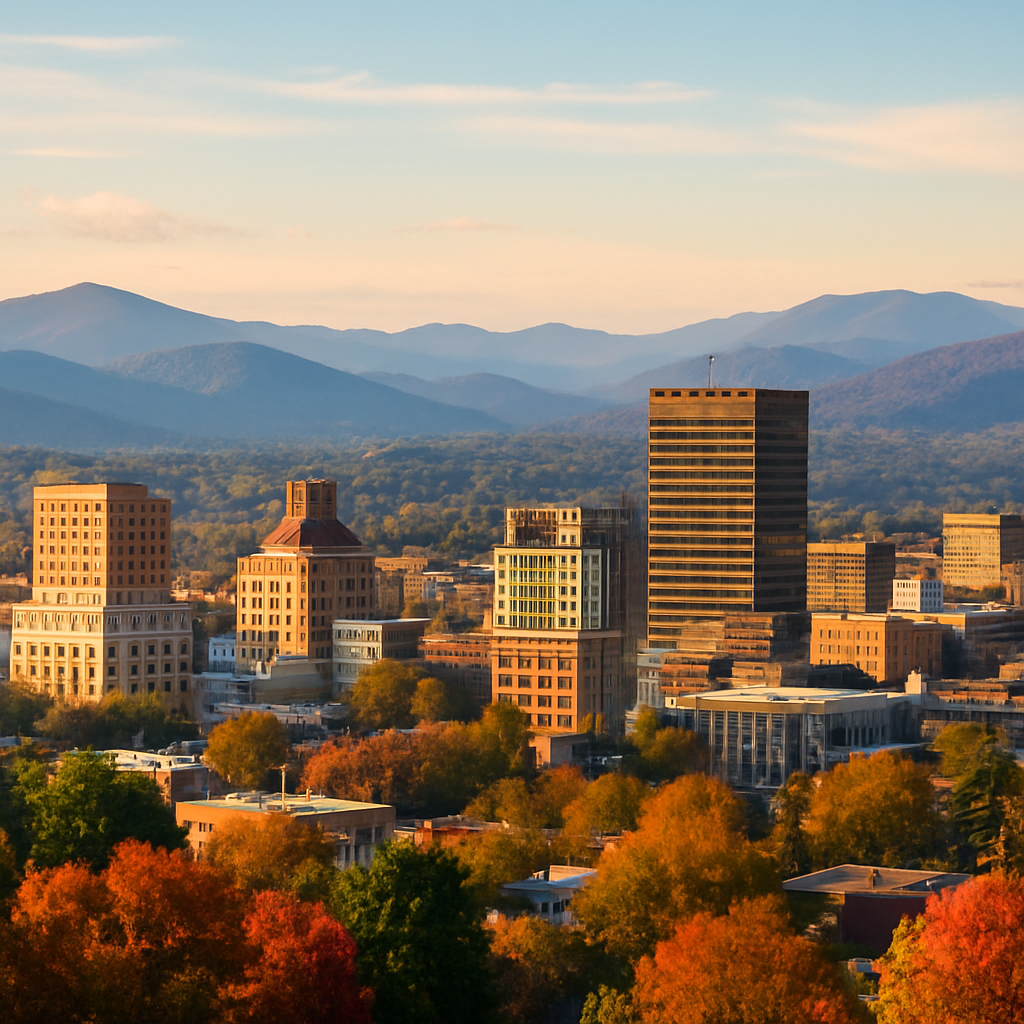
Day Trip to Asheville
Two hours west through increasingly beautiful mountain roads, Asheville is consistently ranked among the most LGBTQ+-friendly cities in the American South — and it earns the title with dedicated gay bars, queer-owned restaurants and shops, an annual Pride festival, and a visible year-round community. The food scene rivals cities three times its size (the craft brewery density alone is absurd), and the Blue Ridge Mountain setting makes the drive half the experience. Leave Charlotte by mid-morning, eat your way through Asheville's downtown, catch a sunset view, and drive back — or stay overnight and let it breathe.
The places I actually send people to
Advice that fits how you travel
Charlotte is an easy solo city if you know the structure. The app scene (Grindr, Scruff, Hinge) is active and the user base is friendlier than larger metros — people will actually respond and suggest meeting at specific bars rather than ghosting. Plaza Midwood's Central Avenue corridor is the best solo base: the bars are walking distance from each other, the crowd is mixed and approachable, and Soul Gastrolounge's late-night kitchen means you're never eating alone at 11pm. NoDa is the better neighborhood for daytime solo exploration — galleries, coffee shops, NoDa Brewing Company's taproom — before the evening scene kicks in.
Budget-wise, solo travelers do well here. A moderate solo day runs $175–$230, and you can push that lower with fast-casual spots like Yafo Kitchen and the free gallery access at McColl Center. The CATS bus and LYNX light rail handle Uptown-to-South End cheaply, though you'll need rideshare for NoDa and Plaza Midwood. Pro tip: Dharma Fine Vittles in NoDa has a patio that's perfect for a solo lunch — the food is excellent and the staff is visibly queer, so it functions as a natural conversation-starter with the neighborhood.
Safety for solo travelers is straightforward within the core neighborhoods. Standard urban awareness applies after 2am — stick to the bar districts rather than wandering residential side streets in East Charlotte. Scorpio on a Friday night is where the solo energy peaks; arrive after midnight, post up at the bar, and let the room do the work. If you're a solo traveler who specifically wants to meet locals rather than other tourists, this city's tight-knit queer community actually makes that easier than bigger, more transient scenes.
Charlotte's best date night starts in Plaza Midwood and earns the right not to rush. Book dinner at The Stanley or let the globally-inspired tapas at Soul Gastrolounge stretch well past a second round of cocktails — the neighborhood has a settled, unhurried quality that's genuinely good for romance. PDA along Central Avenue is entirely unremarkable here; you won't draw a second glance.
For the hotel, I'd point couples toward the Kimpton Tryon Park Hotel in Uptown — the brand's LGBTQ+ inclusion track record is real and documented, the rooftop bar is a legitimate destination, and Romare Bearden Park right outside the door makes for a good morning walk before the rest of the city catches up with you. The Ivey's Hotel, also Uptown, is the right call if you want something smaller and more historically layered — 43 rooms in a converted 1924 department store building, independent, and genuinely charming without being preciously so.
The Bechtler Museum of Modern Art makes an underrated afternoon for couples who want something cultural before dinner — compact enough to do properly in 90 minutes without museum fatigue, with Warhol and Miró in the permanent collection. End the evening at Scorpio if you want to dance, or stay in Plaza Midwood and let the night unfold at its own pace. Charlotte won't pressure you to choose.
Same-sex marriage and joint adoption are both legal in North Carolina as of 2026, which matters for how your family is recognized if anything comes up involving hospitals, schools, or legal paperwork during your trip. Charlotte's local non-discrimination ordinance extends some municipal-level protections, though the state has no blanket non-discrimination law covering sexual orientation or gender identity in public accommodations. In practice, LGBTQ+ families will find the city's mainstream tourist infrastructure — hotels, family restaurants, major attractions — welcoming without incident in most situations.
Discovery Place Science in Uptown is the practical answer to "what do we do with the kids" — hands-on exhibits and an IMAX theater that can burn real energy on a hot afternoon. Freedom Park in Dilworth is 98 acres with a lake and wide-open lawn, and it's free; it's also historically served as the primary outdoor venue for Charlotte Pride festival events, which gives it a certain resonance. The NASCAR Hall of Fame is engaging even if racing isn't your family's religion — the racing simulators alone will hold anyone between ages 7 and 70.
Stroller logistics are straightforward in South End along the LYNX light rail corridor, and renting a car makes day-tripping practical — Asheville, about two hours west, is consistently ranked among the South's most LGBTQ+-affirming cities and is a natural family road trip. Trans parents and trans kids should be aware that North Carolina's state-level legal climate for gender identity remains contested as of 2026; Transcend Charlotte is a trusted local resource for current on-the-ground information specific to trans families.
What Charlotte actually costs
Flights, visas, and the first 30 minutes
Airport: Charlotte Douglas International Airport (CLT) is one of American Airlines' largest hubs, with direct service from approximately 175+ cities. Fares from most U.S. cities are competitive, and connections from international points of origin are straightforward through major domestic hubs.
Key routes and approximate flight times:
New York (JFK/LGA) — ~2h 10m
Los Angeles (LAX) — ~4h 45m
Chicago (ORD) — ~2h 15m
Miami (MIA) — ~1h 45m
Atlanta (ATL) — ~1h 10m
London (LHR) — ~9h 00m
Entry requirements (as of 2026): US citizens — no visa required; this is domestic travel. Travelers from the UK, EU, Canada, and Australia typically need an ESTA (Electronic System for Travel Authorization) for stays up to 90 days. Entry requirements can change — always check your government's current travel advisory before booking.
Airport to city:
- Rideshare (Uber/Lyft): $20–$30 · 15–25 min — most convenient; pick up at designated rideshare zones outside arrivals
- Taxi: $25–$40 · 15–25 min — available curbside at the arrivals level
- CATS Bus (Route 5): $2.20 · 40–55 min — the budget option, connecting to the Uptown transit center
- Rental Car: $40–$80/day · ~15 min — worth serious consideration if you plan to spend time in Plaza Midwood or NoDa, since the LYNX Blue Line light rail doesn't reach either neighborhood
Pro tip: Charlotte's queer-friendly neighborhoods — Uptown, NoDa, and Plaza Midwood — are not walkable between each other. If you're planning a multi-neighborhood evening, either rent a car or budget generously for rideshare. The LYNX connects South End to Uptown but stops there.
Traven's seasonal breakdown
The questions everyone asks
Is Charlotte actually LGBTQ+-friendly, given North Carolina's reputation?
Where are the gay bars?
Is it safe to hold hands?
How much should I budget per day?
Do I need a car?
When is Charlotte Pride?
Is Charlotte safe for trans travelers?
Screenshot this before you go
So should you actually go?
Charlotte isn't the first Southern city most queer travelers think of, and it knows that. What it has — a concentrated LGBTQ+ bar corridor on Central Avenue, a fiercely organized community that came out of the HB2 era stronger, James Beard-caliber food, and a cost of living that makes your travel dollar stretch — is real and worth the trip. What it doesn't have yet is the cultural gravitational pull of an Atlanta or New Orleans, and the state-level legal landscape for trans travelers remains genuinely concerning. I wouldn't oversell it, but I wouldn't skip it either. If you're already in the Southeast, or you're connecting through CLT anyway, give Charlotte a night — preferably a Friday, preferably ending at Scorpio — and let The Queen City make its own case. It's more convincing than you'd expect.
Sources & Resources
Official links we reference when compiling this guide. Last verified 2026-03-10.
- Charlotte Pride
- Time Out Youth Center
- RAIN Carolinas (HIV/AIDS & PrEP Services)
- Equality NC
- LGBT Chamber of Commerce of the Carolinas
- Campaign for Southern Equality
- PFLAG Charlotte
- Transcend Charlotte (Trans Community Support)
- Mecklenburg County Public Health Department
- Human Rights Campaign — Charlotte