
Dallas teaches two-step at 8pm, serves brisket at midnight, and never once breaks character — this city doesn't do irony, and thank god for that.
Dallas is the city that proves a conservative state doesn't get the final word on how its gayest neighborhood lives. Cedar Springs Road on a Saturday night is part block party, part runway, part revival — and everyone is dressed for all three simultaneously. Oak Lawn is one of those rare gay areas that still feels like a neighborhood rather than a theme park. People live here, walk their dogs here, argue about parking here. The bars are part of the fabric, not the whole costume. There's a reason I gave this city a 7.4 on my Traven-Dex — it earns its marks on scene and spirit, and loses a few to the state it lives in.
The strip itself runs hot. JR's Bar & Grill has had its patio doors open since the early '80s, and The Round-Up Saloon has been teaching two-step to gay cowboys since 1980 — not ironically, not as a novelty, but because this is Texas and people here actually dance. Sue Ellen's has been the anchor lesbian bar since 1989, and The Rose Room inside S4 runs drag shows with production values that would make a Broadway stage manager nervous. I gave it a 7.9 on Scene, and when you're standing on Throckmorton Street at midnight watching three different bar patios compete for the best playlist, that number feels conservative.
But here's where Dallas gets complicated. Texas state politics cast a long shadow — gender-affirming care restrictions, drag performance laws, bathroom bills — and you'll feel that tension if you drive 30 minutes in any direction. Dallas itself has some of the strongest city-level LGBTQ+ protections in the South, and Resource Center Dallas on Cedar Springs is one of the best-funded community organizations I've seen anywhere. The infrastructure is real. The political backdrop is also real. Both things exist at the same time, and Dallas doesn't pretend otherwise.
Cathedral of Hope on Cedar Springs is worth a Sunday visit even if you haven't darkened a church door in decades — the architecture alone is stunning, and the energy in that room is something you don't easily forget. This is a city where the community built its own institutions from scratch in the 1970s and has been defending them ever since. It's not the easiest place to love, but when it earns your affection, it does it with brisket, boots, and zero apology.
The stuff your travel guide buries on page 47
Legal Framework (as of 2026): Same-sex marriage is legal nationwide under Obergefell v. Hodges, and joint adoption by same-sex couples is legal in Texas. That's the federal baseline. At the state level, Texas does not have comprehensive statewide anti-discrimination protections covering sexual orientation or gender identity in employment, housing, or public accommodations. The City of Dallas, however, maintains its own non-discrimination ordinance that does include sexual orientation and gender identity protections within city limits — one of the strongest municipal-level frameworks in the South.
Gender Identity: Texas has no state law recognizing gender identity as a protected class. As of 2026, the state has passed legislation restricting gender-affirming care for minors and limiting trans participation in school sports. There are also provisions affecting trans access to certain public facilities. Trans travelers are generally safe in Dallas's progressive neighborhoods, but should be aware that the broader state legislative environment is actively hostile. Review current state legislation through Equality Texas before traveling, particularly if traveling with trans youth.
Cultural Reality: Dallas itself leans more progressive than the state — the city elected an openly gay sheriff, has LGBTQ+ liaison officers in its police department, and Oak Lawn has been a recognized queer neighborhood for over fifty years. That said, the DFW metroplex is enormous, and political attitudes shift noticeably as you move into suburban and exurban areas like Plano, Frisco, and Allen. The city center and its surrounding neighborhoods are a different world from the outer ring.
PDA Comfort: On Cedar Springs and throughout Oak Lawn, same-sex PDA is completely normal and widely accepted. Deep Ellum and Bishop Arts are generally comfortable — younger, artsy crowds, progressive local culture. Uptown and downtown are mixed — tolerated but you may catch occasional stares in more traditional settings. Suburban and outer DFW areas require more discretion; Texas's broader political climate is visible there.
Pro tip: Texas summers are genuinely brutal, and the Cedar Springs strip offers zero shade — plan your daytime wandering for morning or evening in summer, and save the outdoor patio hours at JR's for October through April when Dallas actually earns its weather reputation.
Start with Visit Dallas for comprehensive information about neighborhoods, attractions, dining, and accommodations throughout the city.
What it actually feels like on the ground
Holding hands: Completely normal on Cedar Springs and throughout Oak Lawn — this neighborhood has decades of institutional memory about protecting its own. In Deep Ellum and Bishop Arts, you'll generally be fine, especially among younger crowds. In Uptown restaurants and downtown business areas, it's tolerated but read the room at individual establishments. In suburban DFW, exercise discretion.
Hotel check-in: No issues at any of the hotels in this guide. Major chains like Marriott and Kimpton have corporate-wide non-discrimination policies, and Dallas's city ordinance provides additional municipal protection. Boutique and independent hotels in Uptown and the Design District are consistently professional. You won't encounter problems.
Taxis and rideshares: Uber and Lyft are the default in Dallas, and rideshare drivers in the DFW area are accustomed to picking up from Cedar Springs without incident. If you're heading from a gay bar to a suburban destination late at night, the ride will be uneventful — drivers here are working, not editorializing.
Late night: The parking lots around the Cedar Springs strip on weekend nights can get chaotic, and there's been occasional harassment near the edges of the neighborhood. Walk in groups after midnight. The block between S4 and The Round-Up is well-lit and well-traveled for a reason — stick to it. Resource Center Dallas runs regular community safety updates and has a long relationship with Dallas PD's LGBTQ+ liaison program — the relationship is imperfect but the infrastructure exists in a way it doesn't in most Texas cities.
Trans travelers: Within Oak Lawn, Deep Ellum, and the Arts District, trans visitors are generally safe and the community presence is visible. Outside those neighborhoods, particularly in conservative suburban areas, situational awareness matters more. Texas's state-level anti-trans legislation creates a charged environment — while enforcement against adult travelers is not the primary target of these laws, the political climate is real and worth factoring into your plans. Use gender-neutral bathrooms where available in unfamiliar spaces.
Verbal harassment risk: Low within Oak Lawn and the Cedar Springs corridor. Occasional incidents have been reported at the neighborhood's periphery, particularly late at night. Deep Ellum's bar district can get rowdy regardless of orientation — standard big-city late-night awareness applies. In suburban areas, the risk is higher for visibly queer individuals.
Beaches/public spaces: Dallas doesn't have beaches, but public parks like Oak Lawn Park and the Turtle Creek corridor are comfortable for LGBTQ+ visitors. White Rock Lake is a popular daytime destination with a mixed crowd. Use general awareness in less familiar public spaces outside the city core.
The Human Rights Campaign provides current information about LGBTQ+ legal protections and local support organizations throughout Texas.
The queer geography
Oak Lawn / Cedar Springs
This is it — Dallas's historic LGBTQ+ neighborhood and the heart of everything on this page. Cedar Springs Road has been the city's primary queer commercial corridor since the 1970s, and locals just call it "the strip." Between Throckmorton and Welborn Streets, you'll find the densest concentration of LGBTQ+ bars, restaurants, and shops in the state of Texas. The Caven bar complex — JR's, S4, and connected venues — forms the backbone of the strip's nightlife, while The Round-Up Saloon, Sue Ellen's, and The Hidden Door hold down their own corners of the scene. Crossroads Market on Cedar Springs is a bookstore, gift shop, and queer institution all in one — the kind of place that has Dallas LGBTQ+ history on the shelves alongside the novelty items, and the staff actually knows things.
The neighborhood extends beyond the bars. Cathedral of Hope sits on Cedar Springs, Resource Center Dallas operates here, and Dallas Voice — the local LGBTQ+ newspaper — covers the community from this ZIP code. The Alan Ross Texas Freedom Parade runs down Cedar Springs every October and is one of the largest Pride events in Texas. This is a living, working gay neighborhood, not a sanitized historic district.
For drag that goes beyond lip-sync basics, The Rose Room inside S4 is the gold standard — but check the calendar carefully because shows sell out and there's a real difference between a Thursday showcase and a Friday headliner night. Sue Ellen's is the anchor lesbian bar and has been holding it down since 1989 — if you want actual dedicated space for queer women, this is it. Queer Latin nightlife runs at Kaliente on Cedar Springs, drawing a completely different crowd from the Caven complex.
Deep Ellum
East of downtown, Deep Ellum is Dallas's arts and live-music district — grittier than Oak Lawn, younger in energy, and increasingly LGBTQ+-friendly. The murals, the venue posters, the late-night taco stands — it's a neighborhood that rewards wandering. Queer events, art shows, and inclusive bars have been expanding here, and the Kimpton Pittman Hotel plants you right in the middle of it. It's not a gay neighborhood per se, but it's a progressive one where queer people are visible and comfortable.
Bishop Arts District
Across the Trinity River in Oak Cliff, Bishop Arts is a walkable, progressive pocket beloved by queer Dallasites for indie boutiques, plant-based restaurants, and a relaxed, artsy vibe. It's where you go when you want the slower version of Dallas — coffee shops with actual character, dinner at Lucia, and the feeling of a neighborhood that doesn't need to prove anything. PDA is generally comfortable here among the local crowd.
Uptown / Turtle Creek
Uptown is the broader walkable neighborhood where Oak Lawn blends into trendy restaurants, rooftop bars, and mixed straight-gay socializing. Turtle Creek, the tree-lined residential corridor to the west, is popular with LGBTQ+ residents who want proximity to the strip with quieter streets. The Legacy of Love Monument in Lee Park along Turtle Creek Boulevard is a powerful stop.
Equaldex tracks LGBTQ+ equality and rights across the United States, with detailed information about community resources and organizations in Dallas.
The experiences worth rearranging your itinerary for
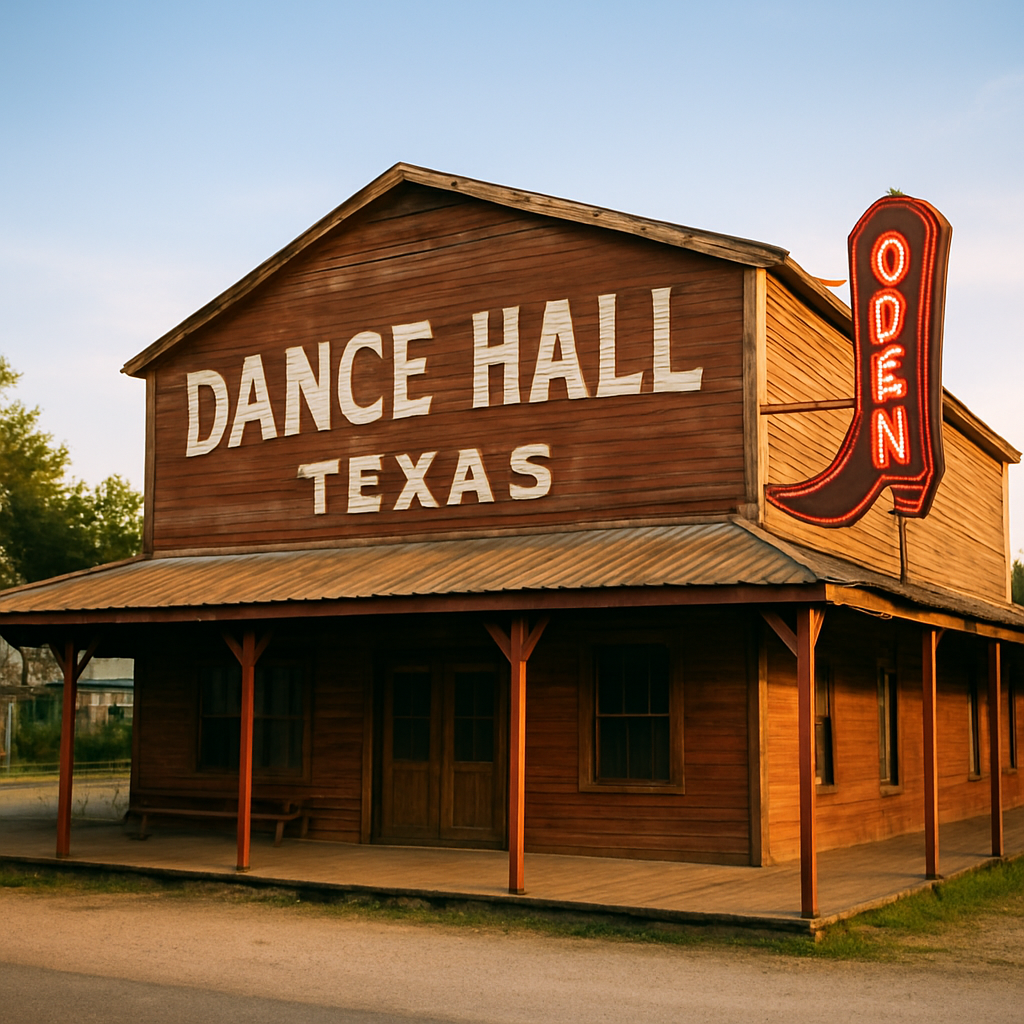
Two-Step at The Round-Up Saloon
The Round-Up Saloon is not ironic. The two-step lessons they offer early in the evening are completely earnest and attended by people who are very good at this. You'll learn the basics in twenty minutes, and then you'll watch the floor fill with couples — all genders, all skill levels — moving to live country music in a bar that's been doing this since 1980. It's one of those experiences that exists nowhere else in the country and reminds you that Texas contains multitudes. Go on a weekend night when the floor is packed.
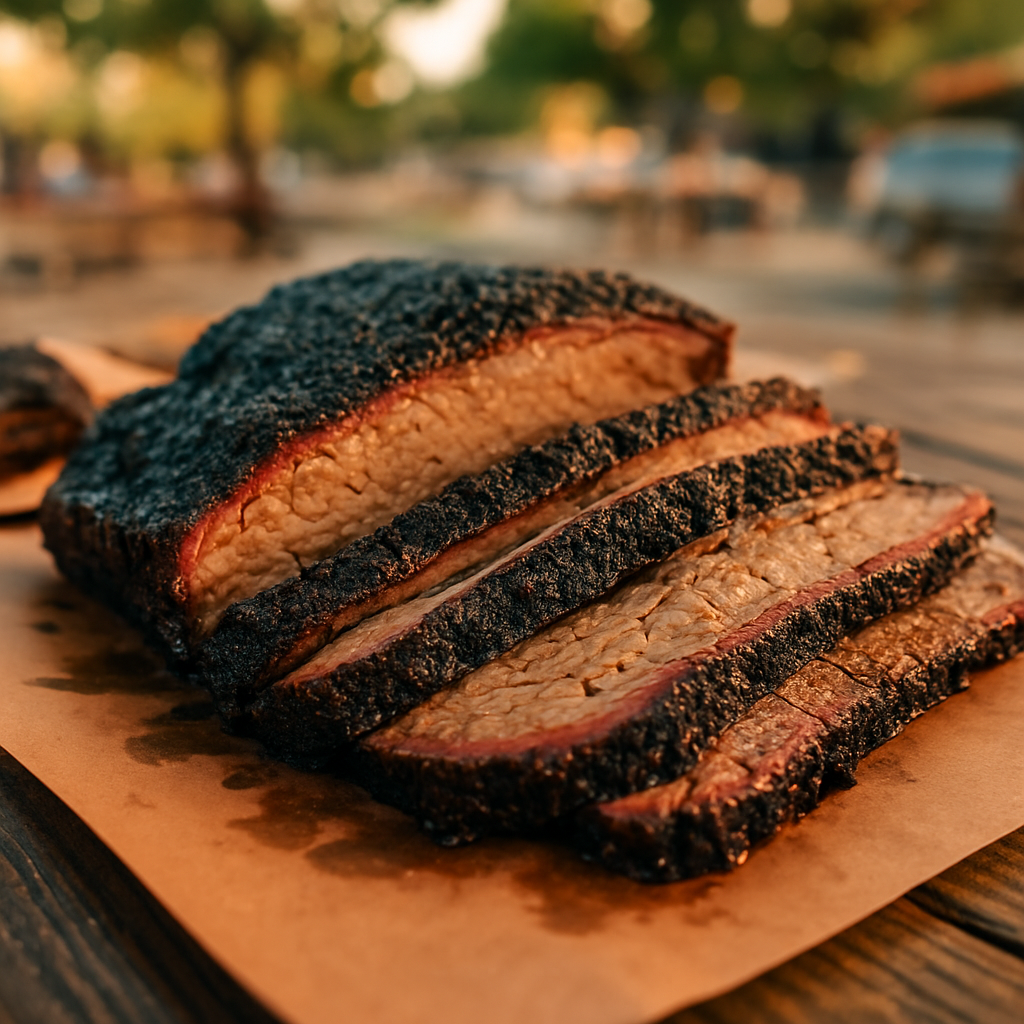
Brisket Pilgrimage at Pecan Lodge
Join the line at Pecan Lodge in Deep Ellum — and yes, there will be a line — for central Texas-style smoked brisket that has earned James Beard semifinalist recognition. The bark on the brisket, the beef ribs, the sides that know their place — this is the Texas barbecue experience delivered without shortcuts. Arrive early for lunch service; the popular cuts sell out, and the wait is part of the ritual. Pair it with a walk through Deep Ellum's murals and music venues afterward.
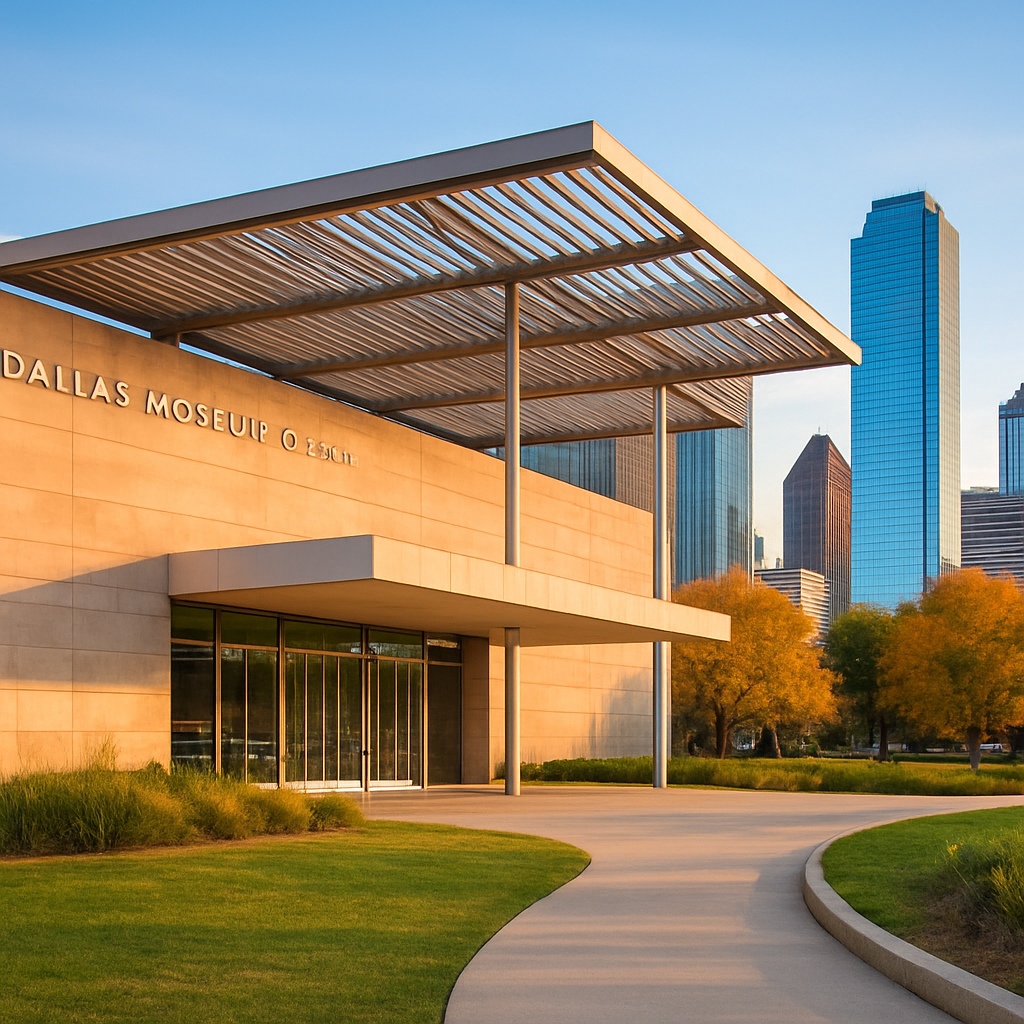
Dallas Arts District on Foot
The Dallas Arts District is the largest contiguous urban arts district in the United States, and walking it takes you past the Nasher Sculpture Center, the Dallas Museum of Art (free general admission), the Winspear Opera House, and the AT&T Performing Arts Center — all within a few blocks. The architecture alone justifies the walk: Renzo Piano, Norman Foster, and Rem Koolhaas all have buildings here. It's one of those rare cultural concentrations where you can fill an entire afternoon without retracing your steps.
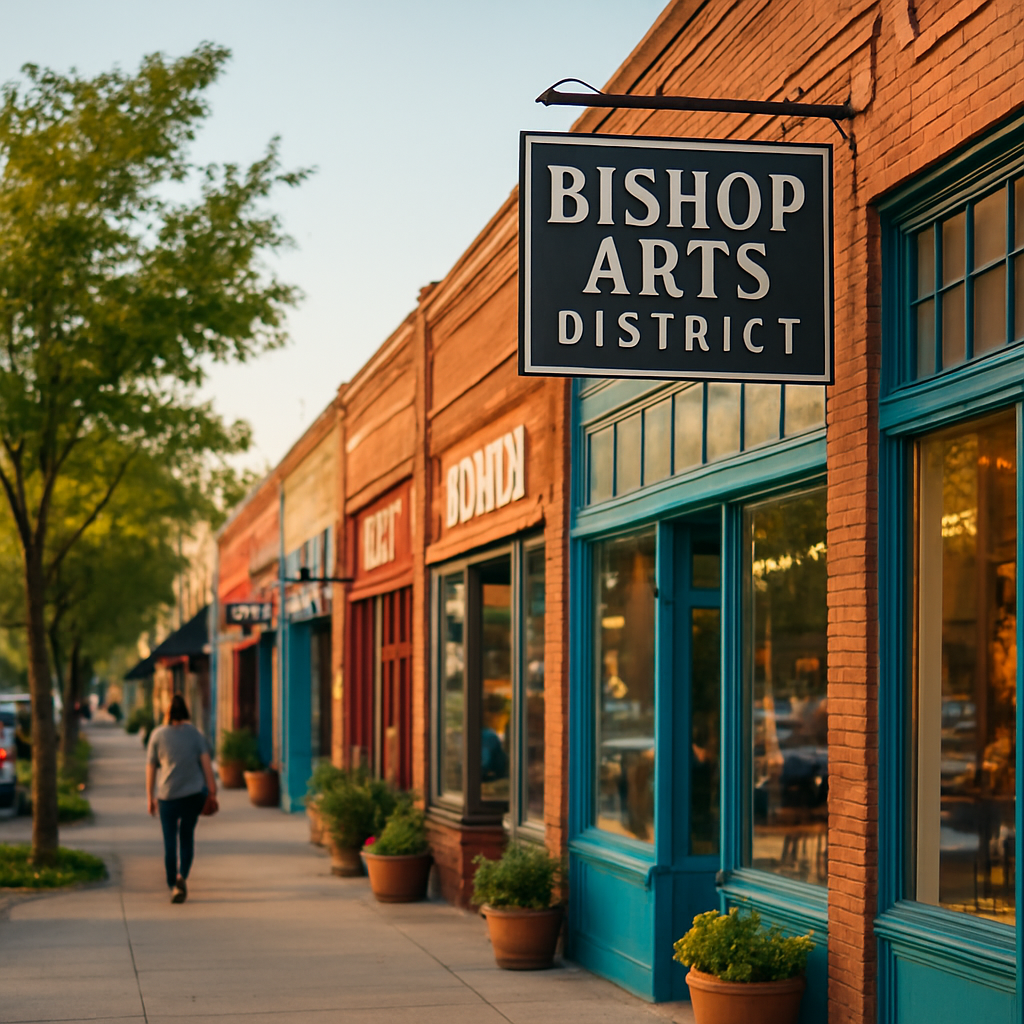
Bishop Arts District — Wander and Eat
Cross the Trinity River into Oak Cliff and spend an afternoon in Bishop Arts, where indie boutiques, coffee shops, and some of the best restaurants in Dallas cluster along walkable blocks. Lucia — the 40-seat Italian spot with daily-changing menus and multiple James Beard nods — is the crown jewel, but the neighborhood rewards unplanned wandering. Street art, vintage shops, and the kind of plant-based restaurants that attract a crowd that skews creative and progressive. It's the slowest, most satisfying version of Dallas.
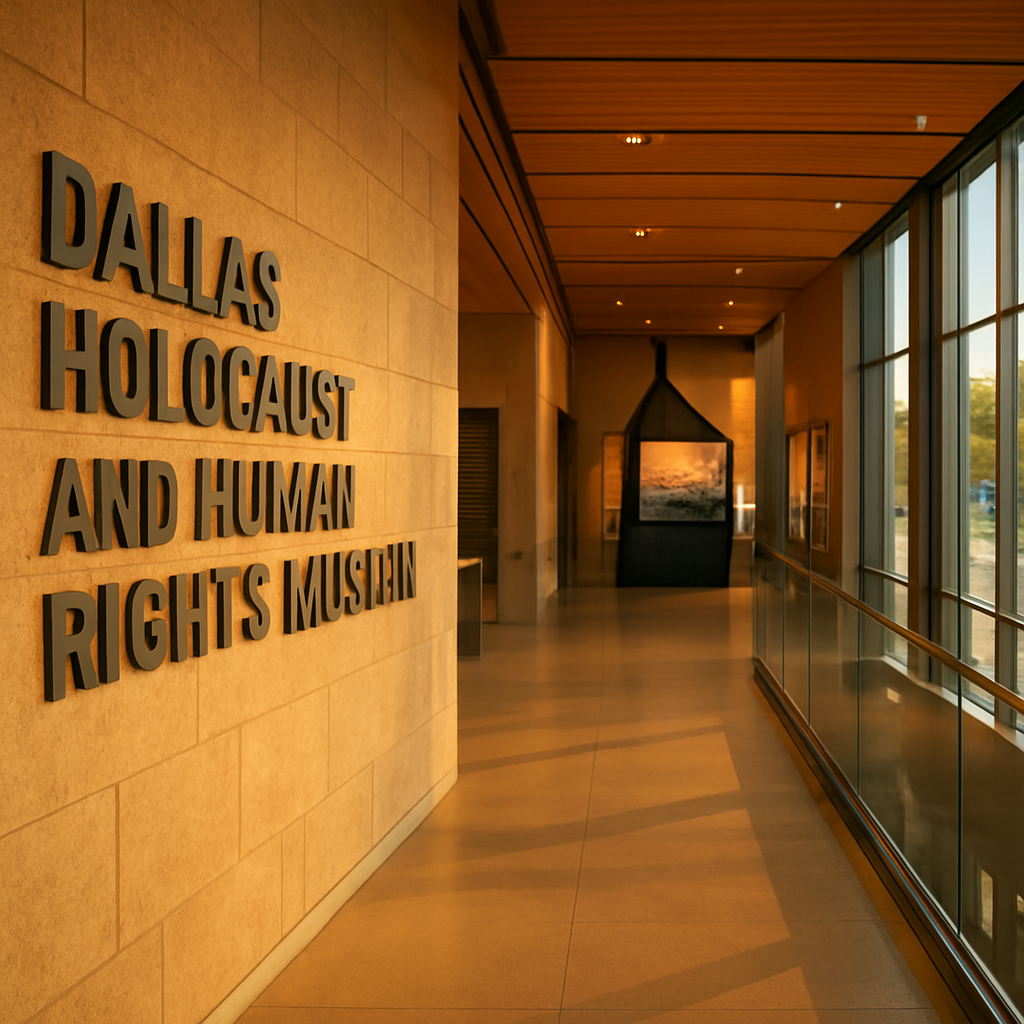
Dallas Holocaust and Human Rights Museum
The 55,000-square-foot facility in the West End Historic District reopened in 2019 with exhibits that go well beyond its title — including permanent content on the Nazi persecution of LGBTQ+ individuals under Paragraph 175 and the pink triangle's origins. The human rights framework extends through American civil rights history and contemporary issues. It's sobering, expertly curated, and the kind of museum that changes how you see the rest of your trip. Allow at least two hours.
The places I actually send people to
Advice that fits how you travel
Dallas is a strong solo city if you plan your geography. The Cedar Springs strip is built for meeting people — JR's front patio is the default starting point where you can read the evening's energy from a single drink, and the bars are close enough together that you can hop between them without pulling out your phone for a ride. The Round-Up Saloon's two-step lessons are a genuinely social activity for solo travelers — people will teach you, dance with you, and probably buy you a drink if you're willing to laugh at yourself. App culture in Dallas is active; Grindr, Scruff, and Hinge all have solid user bases in the DFW area, and the apps tend to reflect the neighborhood you're in — Oak Lawn profiles skew different from suburban ones.
The budget math works in your favor: Hunky's and Café Brazil keep food cheap, DART light rail handles the airport transfer for $2.50, and most of the bars on the strip have minimal or no cover charges. Deep Ellum is another strong solo neighborhood — the live music scene means there's always something to walk into on a weeknight, and the crowds trend young and open. Dallas Voice's online calendar is the single best source for what's actually happening any given week.
Safety-wise, stick to Cedar Springs and its immediate surroundings at night, walk in the well-lit corridor between S4 and The Round-Up after midnight, and budget for rideshares between neighborhoods — Dallas is sprawling in ways that will humble you if you think you can walk from Oak Lawn to Deep Ellum to Bishop Arts. One neighborhood per evening is the move.
Dallas rewards couples who arrive hungry — for food, for nightlife, for something they didn't expect from Texas. Start with dinner at Uchi Dallas on Maple Avenue, where chef Tyson Cole's contemporary Japanese menu is one of the better special-occasion meals in the Southwest, and it sits close enough to Cedar Springs that moving from dinner to a night on the strip feels natural. Start at JR's front patio for a first drink — you'll watch the entire neighborhood walk past, which is entertainment enough on its own.
For a romantic stay, Hôtel ZaZa on Leonard Street sits right at the edge of Oak Lawn with themed suites and a spa that's unabashedly indulgent. Hotel Crescent Court in Uptown offers impeccable Rosewood service about a half-mile walk from the strip — quieter, more polished, still walkable to everything. On a clear evening, stroll along Turtle Creek Boulevard past the Legacy of Love Monument; it's one of those moments where Dallas reveals it has more layers than the skyline suggests.
PDA on Cedar Springs is a complete non-issue — this neighborhood has been queer territory for fifty years and it shows. Uptown restaurants and Bishop Arts are generally comfortable for same-sex couples; you'll occasionally catch a glance in more traditional establishments, but nothing that should change your plans. For trans couples, the broader state political climate requires more situational awareness in unfamiliar or suburban spaces — the city itself skews supportive, but Texas's legislative environment as of 2026 is worth keeping in mind outside the core neighborhoods.
Dallas has solid infrastructure for LGBTQ+ families traveling with kids. Same-sex marriage and joint adoption are both legally recognized as of 2026, so your family structure has full standing here. The Perot Museum of Nature and Science in the Arts District is one of the better science museums in the South — genuinely engaging across a wide age range — and the Dallas World Aquarium in the West End makes for a reliable full morning. Fair Park, home to the annual State Fair of Texas, has the kind of sprawling, big-sky scale that kids tend to remember for years.
Cathedral of Hope on Cedar Springs is explicitly welcoming to LGBTQ+ families and runs community programming centered on queer inclusion — if you're traveling with kids and want a Sunday morning that feels grounding, it's worth knowing about. Resource Center Dallas is also a practical anchor if your family needs any support services or community connections during your stay.
One thing to say clearly: Texas has passed legislation as of 2026 restricting gender-affirming care for minors, and those laws are real regardless of how welcoming Dallas's city government and community organizations have tried to be in response. Families traveling with trans youth should review current Texas state law before the trip and consider connecting with Equality Texas for updated guidance. Dallas is more supportive than the state — but knowing the legal landscape is part of traveling smart with your family.
What Dallas actually costs
Flights, visas, and the first 30 minutes
Airport: Dallas/Fort Worth International Airport (DFW) is one of the busiest airports in the world, with direct service from approximately 230+ cities. A second option, Dallas Love Field (DAL), sits closer to Oak Lawn and serves primarily Southwest Airlines domestic routes — worth knowing if you're flying in from within the US.
Major Routes:
- New York (JFK/LGA): ~3h 30m
- Los Angeles (LAX): ~3h 15m
- Chicago (ORD): ~2h 30m
- London (LHR): ~10h 15m
- Miami (MIA): ~2h 40m
- Atlanta (ATL): ~2h 10m
- Mexico City (MEX): ~2h 30m
Visa & Entry (as of 2026): US citizens need no visa — this is domestic travel. UK, EU, and Australian travelers typically need a valid ESTA (Electronic System for Travel Authorization), covering stays of up to 90 days; apply before departure. Canadian travelers generally need a valid passport but no visa for tourism purposes. Entry requirements can change — always check your government's official travel advisory before you fly.
Getting from DFW to the City:
- DART Orange Line (light rail): $2.50 — runs to downtown Dallas in 45–55 min. The budget-friendly option and perfectly reliable.
- Rideshare (Uber/Lyft): $35–$55 — 25–40 min depending on traffic. Most convenient option, especially with luggage.
- Taxi: $50–$65 — flat-rate zones available; similar travel time to rideshare.
- Shuttle/SuperShuttle: $20–$30 — shared ride running 45–75 min; pre-booking recommended.
Pro tip: Once you're on the ground, plan your transportation honestly. Dallas is a large, spread-out city — the distance from Oak Lawn to Deep Ellum, or from Uptown to Bishop Arts, adds up fast if you're hoping to walk between neighborhoods. Budget for rideshares or rent a car if you plan to range widely.
Traven's seasonal breakdown
The questions everyone asks
Is Dallas safe for LGBTQ+ travelers?
When is Dallas Pride?
Do I need a car in Dallas?
How much should I budget per day?
Is it safe for trans travelers?
What's the best neighborhood to stay in?
When should I avoid visiting?
Screenshot this before you go
So should you actually go?
Dallas is a genuinely rewarding destination for LGBTQ+ travelers who can hold two truths at once: the Cedar Springs strip is one of the most alive, established gay neighborhoods in the American South, and the state legislature would prefer you didn't exist. The city itself pushes back hard — its community infrastructure, nightlife, and neighborhood culture are the real deal. If you want a scene with history, food that will ruin you, and gay country dancing that is absolutely not a joke, go. Just know that the warmth of Oak Lawn doesn't extend to every suburb, and plan your geography accordingly. For most travelers, the trade-off is more than worth it.
Sources & Resources
Official links we reference when compiling this guide. Last verified 2026-03-15.
- Abounding Prosperity (Black LGBTQ+ Health & Wellness)
- Cathedral of Hope
- Dallas Southern Pride
- Dallas Voice (LGBTQ+ News)
- Equality Texas (Statewide LGBTQ+ Advocacy)
- Legacy Counseling Center (LGBTQ+ Mental Health & HIV Services)
- Prism Health North Texas (PHNTX)
- Resource Center Dallas
- The Dallas Way (LGBTQ+ History Organization)
- Turtle Creek Chorale