
Detroit doesn't perform for you. It hands you a Coney at 2 a.m. on Lafayette and lets the rest of the city argue about itself.
It's a Friday in late June, the kind of Detroit evening where the air finally goes soft, and I'm three drinks deep on a patio on West 9 Mile in Ferndale, watching two guys argue about whether Menjo's still counts as a destination or a pilgrimage. (It counts as both. It's been counting as both since 1973.) Across the street, the Ringwald is letting out, the patios are full of every age bracket the gay community produces, and someone's dog is being passed around like a baby at a christening. This is the metro Detroit scene as of 2026, and if your only frame of reference for this city is RoboCop or an Eminem chorus, you're going to be charmingly disoriented by how soft, green, and architecturally gorgeous big chunks of it actually are.
Detroit doesn't sit in one zip code, which is the first thing to make peace with. The scene is a triangle — Ferndale's 9 Mile, Palmer Park's Black queer history, and whatever warehouse Hamtramck is hosting that weekend — and you'll get more out of the trip if you accept that and rent a car. There's no six-block strip the way Boystown gives you in Chicago. What Detroit gives you instead is range: a Friday at Menjo's, a Saturday morning at Eastern Market with the flower vendors and the casually queer hum of the whole 43-acre place, a Saturday night cocktail at Castalia in Midtown where they pair drinks to perfumes and somehow make it work, and a Sunday afternoon biking Belle Isle with the Detroit skyline on one side and Canada on the other.
The food scene is the thing nobody told you about, and it's not a nostalgia exercise. Baobab Fare in New Center, run by Burundian refugees, was a James Beard Best New Restaurant semifinalist within a year of opening. Takoi in Corktown rebuilt after a 2017 fire and came back louder, neon-lit, openly LGBTQ+-friendly, and serving a curry I think about on flights. Kate Williams at Lady of the House. Kiki Louya at Folk. James Rigato out in Hazel Park. This is a serious food city, full stop, and the kitchens are some of the most inclusive in the Midwest.
There's a reason I gave Detroit an 8.2 overall — and the 9.5 on Legal isn't a guess. Michigan amended Elliott-Larsen in 2023 to add sexual orientation and gender identity to its civil rights act, and as of 2026 the legal floor here is among the most solid in the Midwest. The 8.2 on Chill is what it actually feels like on the ground in the queer-affirming zip codes, which is most of the places you'll go. Drive through Boston-Edison at golden hour and report back. Detroit is in the middle of one of the most interesting reinventions in the country, and the gays — as ever — are showing up early.
The stuff your travel guide buries on page 47
Michigan is one of the better legal stories in the Midwest right now. As of 2026, marriage equality is settled, joint adoption is legal, and in 2023 the state amended the Elliott-Larsen Civil Rights Act to add sexual orientation and gender identity — meaning explicit statewide protections in housing, employment, and public accommodations. That's a real shift from the previous decade, and it matters. Equality Michigan tracks the implementation; the Michigan Department of Civil Rights is where you file if something goes sideways.
Gender identity is recognized on a self-ID basis at the state level, and Michigan is one of the few Midwest states where trans travelers can update documents without surgical requirements. Some 2025 European advisories flag broader US federal documentation concerns — that's a passport/TSA-level issue, not a Michigan one, but worth knowing if your passport gender marker doesn't match your ID. Transgender Michigan and Fair Michigan are the legal-aid points of contact if you run into trouble.
Now the cultural reality. Most of the bars locals call "the gay bars" are actually in Ferndale, not Detroit proper — so don't waste an Uber going downtown looking for a strip. There isn't one inside city limits. The scene is a triangle: Ferndale's 9 Mile corridor, Palmer Park's Black queer history, and whatever warehouse party Hamtramck is hosting that weekend. Hamtramck deserves a footnote — its city council has been Muslim-conservative-majority since 2023 and banned Pride flags on city property, but the venues and artists inside Hamtramck remain the mixed, scrappy, welcoming thing they've always been. Read venues, not flags.
PDA-wise: holding hands on 9 Mile, Woodward downtown, in Corktown, or in Midtown is a complete non-event. Outer suburbs vary — read the room. My Traven-Dex score of 9.5 on Legal reflects the law on paper. The 8.2 on Chill reflects what it actually feels like on the ground, which is most of the time, in most of the places you'll go: easy.
What it actually feels like on the ground
Holding hands and PDA: On 9 Mile in Ferndale, in Midtown around Wayne State, in Corktown, and along the downtown riverfront — non-event. Walking hand-in-hand on 9 Mile is the most ordinary thing in the world. Outer Macomb and outer Wayne County suburbs are a different read; you'll get a longer stare. Pro tip from a reader: gauge by the parking lot. Subaru wagons with rainbow stickers means you're fine.
Hotel check-in: Every property in my picks below — Shinola, Foundation, Siren, Book Cadillac, Element, Inn on Ferry Street — is corporate-policy welcoming and trained for same-sex couples checking into one bed. I've never heard of an issue at any of them. Independent motels in outer suburbs are more variable; stick to downtown, Midtown, or Corktown if it matters to you.
Taxis and rideshare: Uber and Lyft are the default — Detroit's transit is limited, and the QLine streetcar only runs Woodward from downtown to New Center. It does not get you to Ferndale or Hamtramck. Budget for rideshare or rent a car. Drivers in metro Detroit are generally professional; I've had zero issues.
Late night and parking: Greektown gets rowdy on weekends — fine, but don't park in unlit lots after midnight. Standard big-city common sense that Detroit boosters sometimes pretend doesn't apply. The walk between bars in Ferndale is well-lit and busy; in downtown Detroit, stick to populated blocks after 1 a.m.
Trans travelers: Detroit and Ferndale are among the more welcoming Midwest destinations for trans travelers, with affirming clinics including Corktown Health and the Ruth Ellis Center. Michigan's self-ID law means ID checks at bars and venues are generally smooth. Federal facilities (airports, courthouses) are a separate situation — that's the federal documentation issue, not state law. Stand With Trans is a good Michigan-based resource.
Verbal harassment risk: Low in the queer-affirming zip codes I've named. A reader wrote in to say Detroit cops have a complicated history with the Black queer community in particular, so most locals call Ruth Ellis or Affirmations for non-emergency help instead of 911. Save those numbers before you go out — that's not paranoia, that's just how the community here operates.
The queer geography
Ferndale
Cross 8 Mile heading north out of Detroit and you're suddenly in Ferndale — a tight, walkable inner-ring suburb where the main drag, West 9 Mile, runs into Woodward at a single intersection that functions as the city's living room. Independent bookshops, a vintage furniture store with too much chrome, the Ringwald Theatre putting on consistently sharp queer-leaning productions for the price of a movie ticket, and a row of patios that fill up the second the temperature breaks 60. This is metro Detroit's de facto LGBTQ+ hub, anchored by Affirmations, the community center that's been on West 9 Mile since 1989 and shares its building with the Ringwald. Pride flags on the lampposts are not for show here; they're a baseline.
Palmer Park
Drive north on Woodward through Detroit and you'll hit Palmer Park — 296 acres of woodland with stone-and-Tudor apartment buildings from the 1920s ringing the south edge. The architecture alone is worth the detour; the Palmer Park Apartment Building Historic District is one of the most concentrated collections of pre-Depression apartment design in the country. The neighborhood has deep Black queer roots, and Menjo's on West McNichols has been pumping since 1973 — yes, the Madonna pre-fame bar, still going on weekends with a crowd that spans every decade since. LGBT Detroit runs Hotter Than July, the Black LGBTQ+ Pride week every July since 1996, and Palmer Park is a frequent center of gravity.
Corktown
Detroit's oldest neighborhood, on the southwest edge of downtown, and currently one of its best meals-per-block ratios. Corktown rebuilt itself around Michigan Avenue, a low-slung industrial-brick stretch where you'll find Slows Bar BQ (the 2005 opening that effectively launched the neighborhood's revival), Two James Distillery, Folk for daytime vegetable-forward food from chef Kiki Louya, and Takoi for Thai dishes you'll think about on the flight home. The shadow of Michigan Central Station — Ford's billion-dollar restoration of the old Beaux-Arts depot — anchors the western end. Walkable, welcoming across the board, and one of the few Detroit neighborhoods where you can plausibly do a full day on foot.
Midtown / Cass Corridor
The arts-and-university corridor wrapped around Wayne State University and the Detroit Institute of Arts. Lifers still call it Cass Corridor, a name that carries the memory of its grittier, more underground past. Today it's where you'll find the DIA's Diego Rivera murals, the Charles H. Wright Museum of African American History, and a daytime crowd that skews creative and student-aged. Selden Standard and Castalia (the scent-paired cocktail bar attached to a perfumery — yes, really) are both within a few blocks of the DIA. Motor City Pride is held downtown at Hart Plaza the first weekend of June, and the after-parties spread up Woodward into Midtown. Pro tip: park once near the DIA and walk — the QLine runs the corridor if you'd rather ride.
The experiences worth rearranging your itinerary for
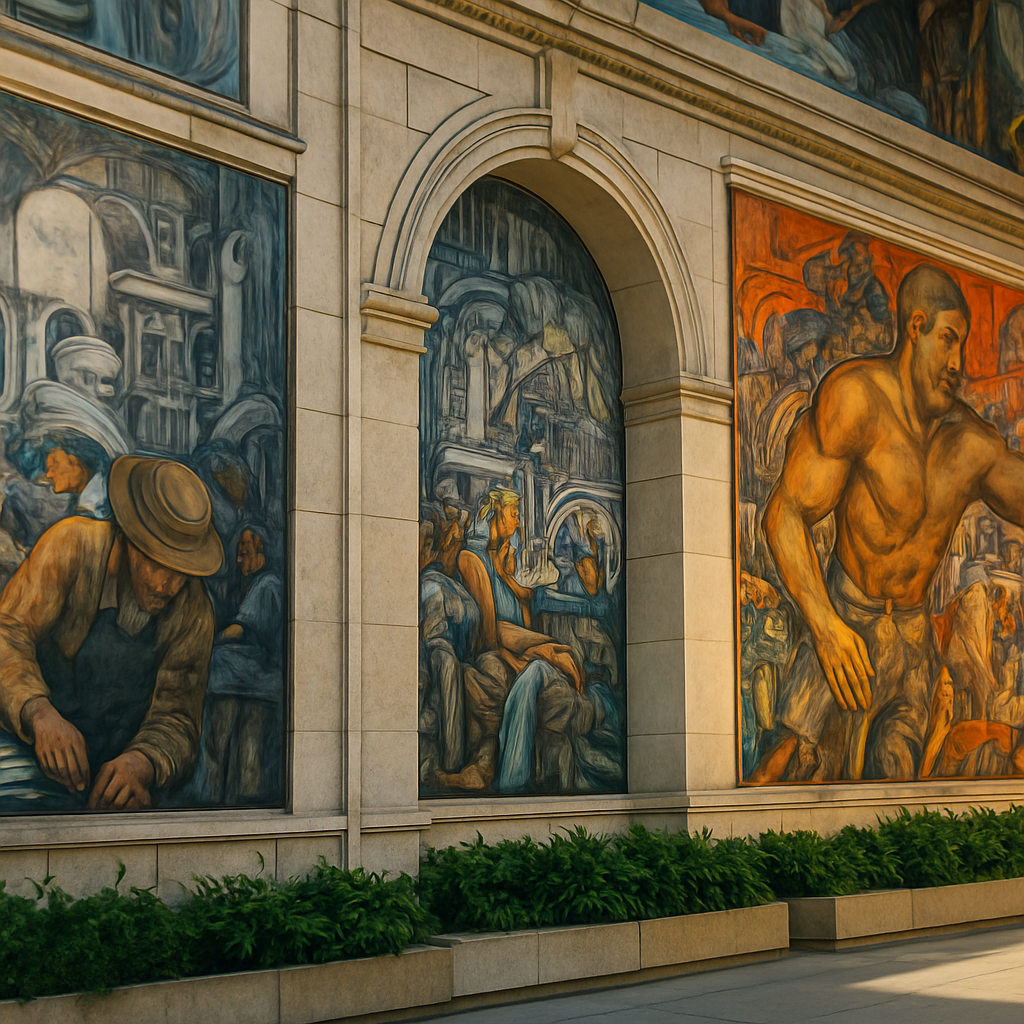
Diego Rivera's Detroit Industry Murals at the DIA
Twenty-seven panels, four walls, one of the great achievements of 20th-century American painting — Rivera spent 1932 and 1933 inside this courtyard at the Detroit Institute of Arts and produced the work he himself considered his finest. The figures are factory workers, the iconography is Aztec, the politics are unmistakable, and the room is free with admission. Sit on the bench in the middle and give it the full hour. The DIA is a top-six US museum by collection size and the rest of the building rewards another two hours easily.
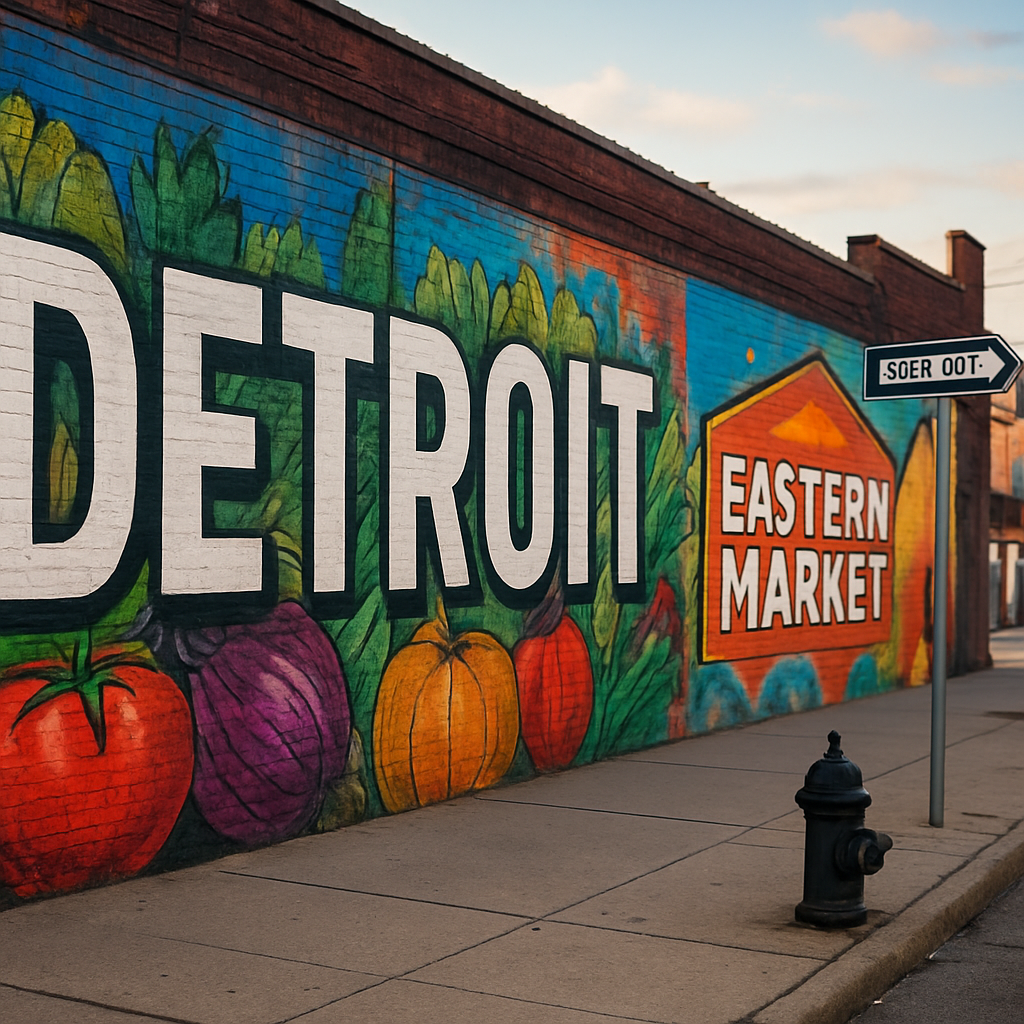
Saturday Morning at Eastern Market
Forty-three acres, established 1891, roughly 45,000 visitors on a Saturday — and yet it still feels like a neighborhood. Flowers fill Shed 5 in spring, produce takes over the rest of the year, and the Murals in the Market public art project has turned the surrounding warehouses into one of the most photographable districts in the city. End the morning at Polish Village Cafe up in Hamtramck for pierogi, or at Supino around the corner for thin-crust pizza. Wear sneakers you don't love.
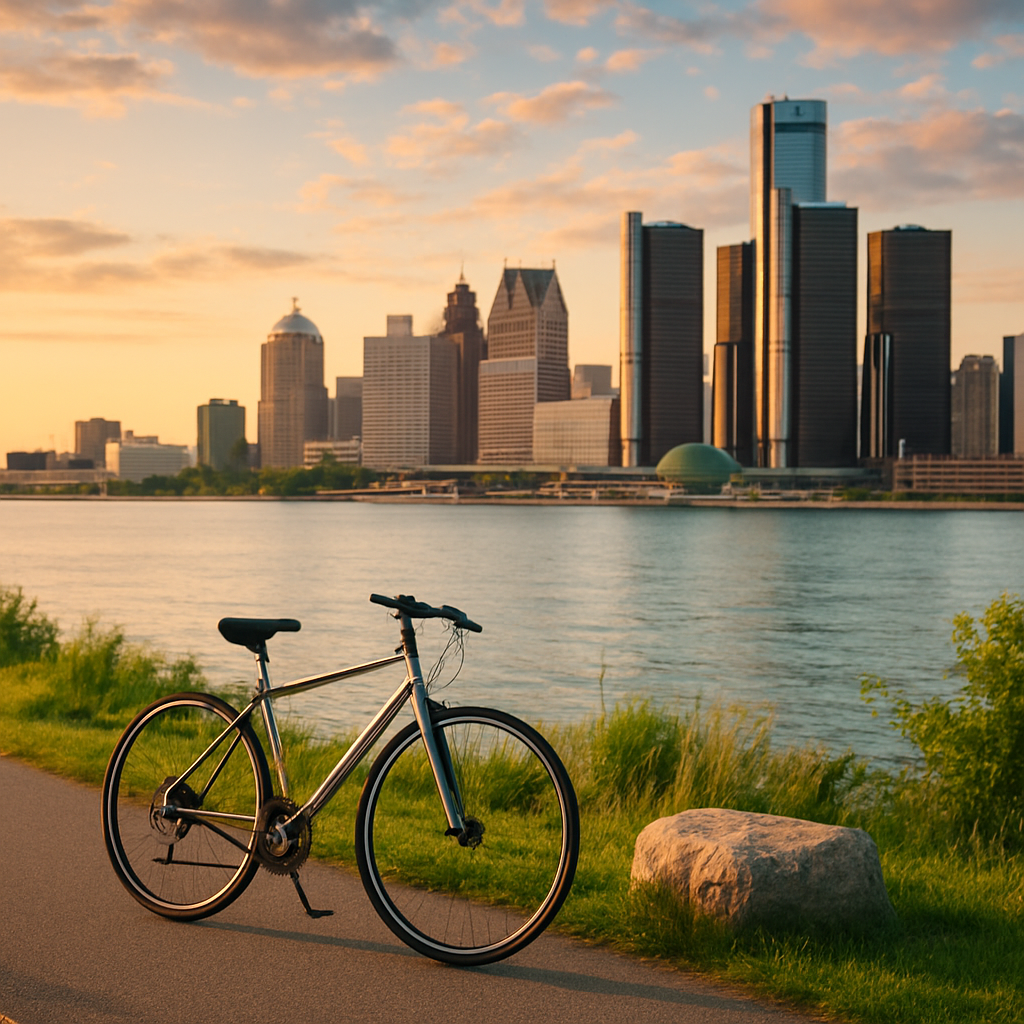
A Bike Loop Around Belle Isle
Frederick Law Olmsted helped design this 982-acre island park in the Detroit River, and the perimeter loop gives you the Detroit skyline on one side and the Canadian skyline on the other in the space of a single ride. Stop at the 1904 Belle Isle Aquarium — the oldest public aquarium in North America — and the Anna Scripps Whitcomb Conservatory, an Albert Kahn glasshouse full of orchids that was clearly built to be loitered in. Pack a cooler. Locals do.
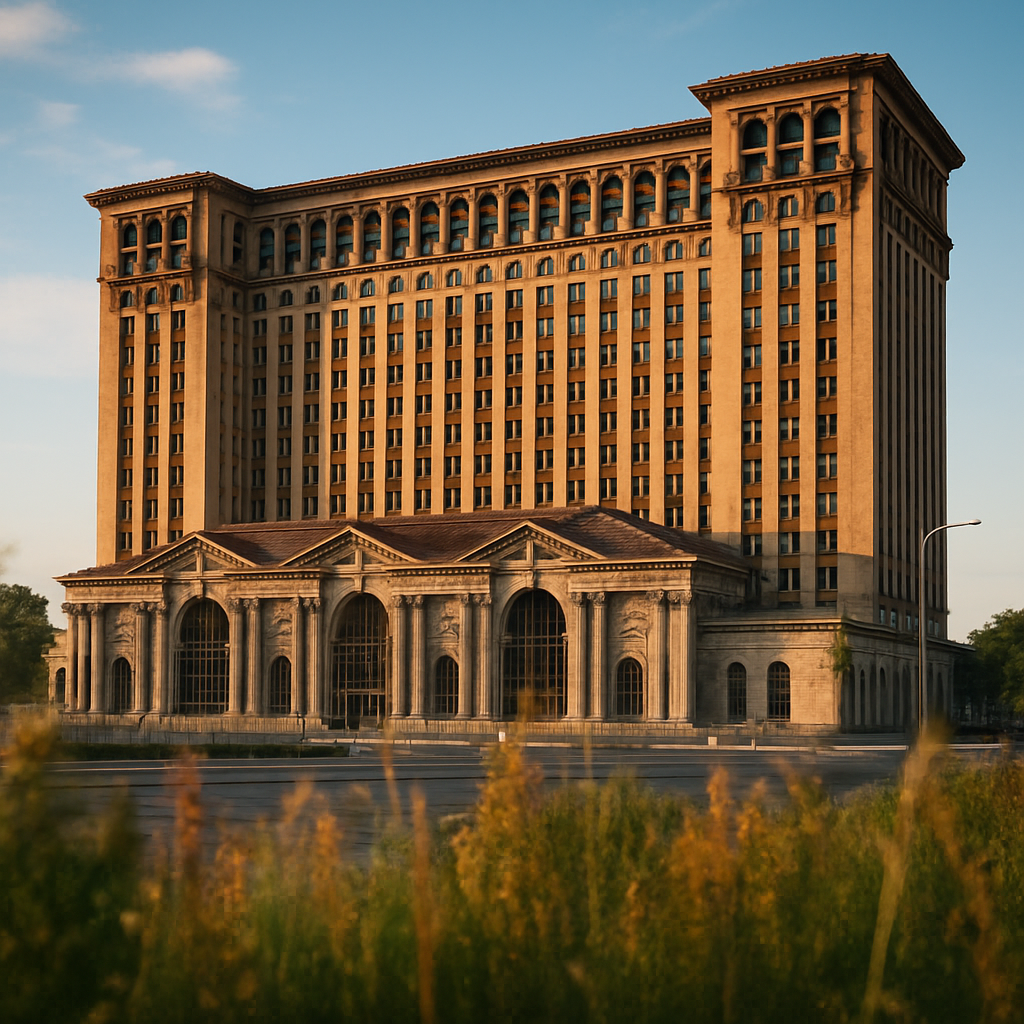
Michigan Central Station and a Walk Through Corktown
Ford spent something like a billion dollars resurrecting the Beaux-Arts depot that had been the city's most photographed ruin for decades, and the result anchors a Corktown afternoon better than any guidebook itinerary could. From the station, walk Michigan Avenue east — Two James Distillery, Folk for lunch, Slows Bar BQ for the place that started the whole revival in 2005, Takoi for a neon-lit dinner. Three blocks of one of the best meal radii in the country.
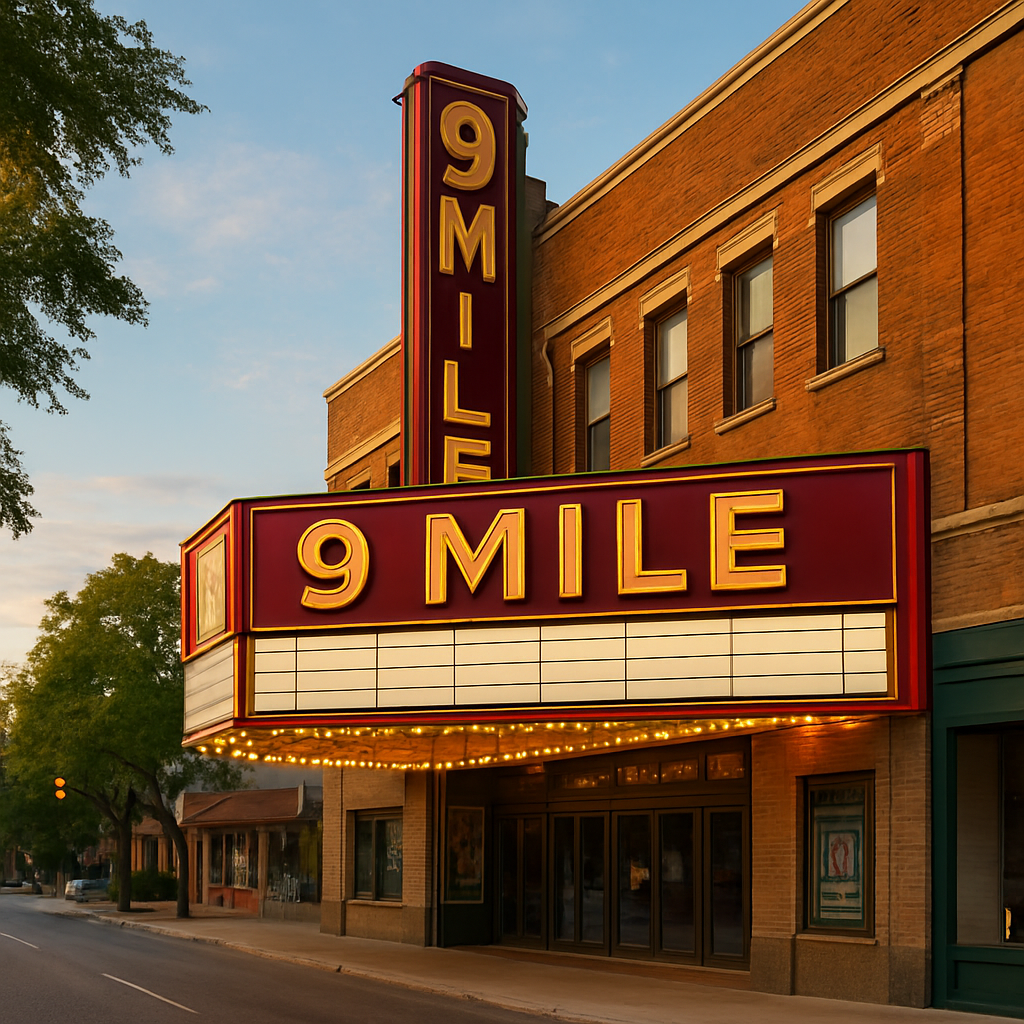
A Night at the Ringwald Theatre
The Ringwald shares its building with Affirmations on West 9 Mile in Ferndale, and the productions are consistently sharp, queer-leaning, and priced like a movie ticket — which is to say, an actual deal. Check the schedule before you book your flights; the calendar runs everything from new work to camp revivals to readings. Pair it with dinner on the strip and a stop at one of the patios afterward. This is the metro Detroit night out you won't read about in a tourism brochure.
The places I actually send people to
Advice that fits how you travel
Detroit is one of the easier American cities I'd send a solo traveler to, with a caveat: the geography is loose. The scene isn't packed into a six-block strip the way it is in Chicago's Boystown or D.C.'s Logan Circle. It's a triangle — Ferndale's 9 Mile, Palmer Park, and whatever warehouse Hamtramck is throwing that weekend — and you'll get more out of the trip if you accept that and rent a car. Rideshare receipts add up fast when every good night ends in a different zip code.
For meeting people, 9 Mile is the move. Walk the strip on a Friday or Saturday, hit a patio, and you'll be in conversation inside an hour — Ferndale runs on a friendliness setting most cities lost in 2015. The apps work fine here; expect a creative-class crowd in Midtown and Corktown, an older and more rooted crowd around Palmer Park, and the techno scene routing through Spot Lite for queer dance nights. Detroit techno is queer history, and showing up to one of those nights solo is the closest thing the Midwest has to a P-Town dance floor in February.
Budget-wise, this is the cheapest major destination in my Traven-Dex top tier — moderate solo runs $200-310/day, and a budget trip closer to $95-145. Stay in Corktown or Midtown if you want to walk to dinner, downtown if you want hotels with bones (the Book Cadillac, the Siren, the Foundation). Pro tip: drop into Affirmations in your first 24 hours, grab a calendar of the week's events, and you'll plug into the city faster than any guidebook will get you there.
Detroit punches above its weight as a couples trip. The 8.2 on Chill is real — same-sex couples can hold hands on 9 Mile, walk into Lady of the House in Corktown, check into the Shinola or the Siren, and have it all be a complete non-event. Marriage equality and joint adoption are both settled in Michigan as of 2026, the Elliott-Larsen Civil Rights Act covers you in housing and accommodations, and every hotel I've recommended is corporate-policy welcoming with staff who've checked in same-sex couples for years.
For dates, the city overdelivers. Dinner at Takoi — neon-lit, welcoming to the bone, Brad Greenhill's curry — followed by a cocktail at Castalia in Midtown, where they pair drinks to perfumes and somehow make it work. Or split a pizza at Supino after wandering Eastern Market on a Saturday morning. For something quieter, book the Inn on Ferry Street — four restored Victorian mansions in Midtown, five minutes' walk from the Detroit Industry Murals at the DIA. Sit on the bench in Rivera Court for an hour. That's the date.
Best PDA-comfort zones are 9 Mile in Ferndale, the downtown riverfront, Corktown, and Midtown — all easy. Outer Macomb and outer Wayne County are a different read; you'll get a longer stare, and there's no reason to test it when the good blocks are this good. For the splashy anniversary trip, Saugatuck on Lake Michigan is 160 miles west and has been the Midwest's gay summer town since the mid-20th century — Douglas Dunes, Oval Beach, multiple gay-owned inns. Pair Detroit with a long weekend up there in August and you've got one of the best summer trips in the country.
Detroit is genuinely good for LGBTQ+ families, which I don't say lightly about Midwestern cities. As of 2026, Michigan recognizes joint adoption, marriage is settled, and the 2023 Elliott-Larsen amendment added sexual orientation and gender identity to the state's civil rights act — meaning explicit statewide protections that cover schools, housing, and public accommodations. Two-mom and two-dad families are visible in Ferndale, in West Village, in Corktown, and in the inner-ring suburbs. Equality Michigan tracks the implementation if you want to know how it's going on the ground.
For things to actually do with kids: the Belle Isle Aquarium opened in 1904 and is the oldest public aquarium in North America, the conservatory next door is full of orchids, and the whole 982-acre island is bikeable and free. The Detroit Institute of Arts runs strong family programming and the Rivera murals will hold a curious 10-year-old longer than you'd think. Eastern Market on a Saturday is stroller-friendly and casually queer-affirming — the flower vendors, the pierogi line at Polish Village Cafe afterward, all of it. The Motown Museum in New Center is small enough for short attention spans and reverent enough for adults.
Practical logistics: rent a car. Detroit transit is genuinely limited, the QLine only runs Woodward, and family logistics with strollers and car seats argue strongly against rideshare-by-default. Stay in Midtown at the Inn on Ferry Street if you want walkability to museums, or in Corktown at Trumbull and Porter if the trip is going to revolve around food. Corktown Health is the LGBTQ+-affirming primary care option if anyone in the family needs a same-week appointment, and the Ruth Ellis Center runs youth services for queer and trans kids that families with teenagers should know about. One pro tip: skip Hamtramck as a base — venues there are still mixed and welcoming, but the city council banned Pride flags on city property in 2023 and it's not the read you want for a family trip.
What Detroit actually costs
Flights, visas, and the first 30 minutes
Airport: Detroit Metropolitan Wayne County Airport (DTW) sits about 20 miles southwest of downtown and is a Delta hub with approximately 140 nonstop destinations. Direct service typically includes most major US cities, plus international links to Amsterdam, Paris, Frankfurt, London, Tokyo, Seoul, Mexico City, and a rotating list of Caribbean and Canadian routes. Flight times: roughly 1.5 hours from NYC, 2 hours from Atlanta, 4 hours from LA, 8 hours from Amsterdam.
Visa requirements (as of 2026): US travelers obviously need nothing. Canadians can typically enter for stays up to 6 months without a visa. UK, EU, and Australian travelers generally need an approved ESTA under the Visa Waiver Program for stays up to 90 days — apply online at least 72 hours before departure, and budget around $21. If you're flying in from Windsor or driving across the bridge, bring a passport — NEXUS speeds it up considerably.
Airport to city: DTW is one of the easier US airports to escape. Rideshare (Uber/Lyft) runs $35-55 to downtown in 25-35 minutes from the designated pickup zones at McNamara and North terminals — surge pricing kicks in hard during auto show, NAIAS, and Pride weekends. Taxis are flat-rate $55-70 to downtown. The SMART FAST Michigan Avenue bus (Route 261) runs hourly to the Rosa Parks Transit Center for $2.00 if you've got an hour to kill. A rental car is the move if you're staying more than two nights — Detroit's transit is genuinely limited and most of the gay scene is in Ferndale, which rideshare receipts will start to feel in your wallet by night three. Hotel shuttles run $20-30 if your downtown property offers one; reserve ahead.
Pro tip: The QLine streetcar runs Woodward Avenue from downtown to New Center, which is useful for Midtown and the DIA — but it does NOT get you to Ferndale, Hamtramck, or Palmer Park. Don't trust any Detroit transit timeline a hotel concierge gives you. Plan accordingly.
Traven's seasonal breakdown
The questions everyone asks
Where's the gay neighborhood in Detroit?
Do I need a rental car?
Is it safe for same-sex couples to hold hands?
When's Pride?
What's the deal with Hamtramck?
How much should I budget per day?
Is Detroit safe for trans travelers?
Screenshot this before you go
So should you actually go?
Go. Detroit overdelivers in a way most travelers don't expect, and as of 2026 it's one of the easiest LGBTQ+ trips I can recommend in the Midwest — explicit statewide protections, a real food scene, decades of queer history layered between Ferndale, Palmer Park, and Corktown, and a price tag that makes everywhere else look unserious. Rent a car, plan around June or August, drop into Affirmations on day one, and let the city show you what it is. My Traven-Dex of 8.2 isn't generous — it's earned, and the fact that you can have this trip for what a long weekend in New York costs you is the part that should close the deal.
Sources & Resources
Official links we reference when compiling this guide. Last verified 2026-05-04.