
Fairbanks doesn't perform for you. It hands you green ribbons over Cleary Summit at midnight and trusts you to figure out the rest.
Fairbanks doesn't audition for you. It's a city of approximately 32,000 people sprawled across boreal forest and river bends at the edge of the subarctic, and it has approximately zero interest in performing for visitors. The light is the first thing you'll register — in March it slants low and gold across the snow at 4pm and turns the whole town into a dark-sky planetarium by 10; in June it never quits, and you'll find yourself eating dinner at midnight in full daylight, slightly unhinged in the best way.
There is no gay bar. There never has been, and anyone telling you otherwise is selling you something. What there is instead is a fiercely tight chosen-family network that meets at Hoodoo Brewing on Friday nights, at The Crepery on Sunday mornings, and around bonfires in Goldstream Valley where dry-cabin homesteaders have quietly been building lives for decades. Carhartts and chosen family, not rainbow crosswalks. The community here is small, real, and largely operates through living rooms — and frankly, that's more interesting than another circuit-bar town.
My Traven-Dex of 6.8 reads exactly right for this place. The 8.7 on Destination is doing the heavy lifting — Denali, the aurora at Cleary Summit, sixty miles of geothermal soaking at Chena Hot Springs, the Museum of the North on the UAF ridge with its John Luther Adams sound installation that translates the planet's electromagnetic data into a room you sit inside. The 5.8 on Scene is honest about the rest. You don't come here for nightlife. You come here for the landscape and the strangeness of being this far north.
The vibe shifts dramatically by season. June Pride at Golden Heart Plaza is sun-drunk and joyful at 1am; by January the same crowd is huddled in someone's overheated cabin watching the green ribbons through the kitchen window. Adjust your expectations to the Interior, not Anchorage, and Fairbanks delivers a trip you can't replicate anywhere else in the country.
The stuff your travel guide buries on page 47
Alaska legalized same-sex marriage in 2014 and adoption rights for same-sex couples are recognized statewide as of 2026. On paper, that puts Fairbanks in line with the rest of the country on the big-ticket items. The reality on the ground is patchier than the headline suggests.
Here's the thing the brochures won't tell you: Alaska's statewide nondiscrimination law doesn't currently cover sexual orientation or gender identity, and the City of Fairbanks itself doesn't have a local ordinance filling that gap. So while you can get married, you can also — at least in theory — be denied housing or fired for being gay. The ACLU of Alaska tracks ongoing legal advocacy and is the resource I'd bookmark before you arrive. For statewide community connection and resource referrals, Identity Alaska is Anchorage-based but their support network reaches into the Interior.
For trans travelers, Alaska as of 2026 still requires medical documentation to update gender markers on state IDs. Visible trans community in Fairbanks centers around UAF, where the university's nondiscrimination policy is more robust than the state's. Outside that bubble — particularly in the rural communities radiating out from town — discretion tends to be practical.
Culturally, Fairbanks queerness is more Carhartts and chosen family than rainbow crosswalks. Don't expect a visible scene the way you'd find one in Anchorage, let alone Seattle. The community is real, tight, and largely operates through living rooms, potlucks, and the occasional Friday at Hoodoo Brewing. Adjust your expectations and you'll have a better time.
PDA comfort: Subtle hand-holding is generally fine downtown, in coffee shops, and on the UAF campus, where comfort runs highest. Chena Hot Springs caters to international tourists and staff are welcoming. Out in North Pole and the rural stretches along the Richardson Highway, read the room — it's not hostile so much as conservative, and the locals are more mind-your-business than confrontational.
What it actually feels like on the ground
Holding hands: Fine in downtown Fairbanks, around UAF, and at the Crepery on a Sunday morning. I'd read the room at the truck stops on the Richardson Highway and at dive bars outside the university orbit. Fairbanksans are generally mind-your-business, not aggressive, but military and oilfield culture runs deep here.
Hotel check-in: Same-sex couples report no issues at the major chains downtown — Springhill Suites and Wedgewood Resort in particular have non-discrimination policies that hold. The bed-and-breakfasts and lodges that show up in LGBTQ+ travel directories (A Taste of Alaska Lodge being the long-running example) are explicitly welcoming.
Taxis and rideshare: Uber and Lyft both operate in Fairbanks but driver pools are thin, especially after midnight and in deep winter. Pro tip: if you're arriving November through March, book a hotel with airport shuttle service and don't try to wing it — at -40°F, your phone dies in your pocket and a 15-minute wait outside is genuinely dangerous. The Tanana Chiefs Conference Health Services system is widely reported as affirming, especially for Native and rural patients traveling in for care.
Late night downtown: Bar crowds spilling onto 2nd Avenue at 2am isn't dangerous so much as deeply weird — the dynamic can shift fast. Stick with your group. Ester and the UAF area are softer landings if you want to drink without drama.
Trans travelers: Community reports consistently flag Fairbanks Memorial Hospital as professional in care. For sexual health and reproductive services, Planned Parenthood Fairbanks Health Center is the in-town option. Healthcare in Interior Alaska is generally limited compared to the lower 48 — serious cases often medevac to Anchorage or Seattle, so travel insurance isn't optional up here.
Verbal harassment: Approximately rare in the downtown core and on campus. Higher likelihood in the bars further from 2nd Avenue and out in the boroughs. Choosing Our Roots is Alaska's LGBTQ+ youth housing organization and a useful resource if you encounter trouble or need to point someone toward support.
The queer geography
Fairbanks doesn't have a gay neighborhood. It's a city of approximately 32,000 people sprawled across boreal forest and river bends, and the LGBTQ+ life here is geographically diffuse — clustered loosely around the university, downtown, and a few rural pockets where chosen family has dug in deep. Here's where to actually go.
Downtown Fairbanks
The Chena River bends through the heart of town past Golden Heart Plaza, where the Morris Thompson Cultural and Visitors Center sits — a 35,000-square-foot building with genuinely excellent free exhibits on Athabascan culture and Interior Alaska history. 2nd Avenue is the spine: a strip of independent restaurants, the Venue Cafe art-and-coffee space, and the Crepery, which is the unofficial queer brunch spot on Sunday mornings. Walk the riverwalk in summer; in winter, walk fast. Interior Alaska Pride stages its annual parade and festival here in June — you can find current dates and partner programming through Visit Fairbanks.
University West / UAF Campus
The University of Alaska Fairbanks sits on a ridge west of town with views of the Alaska Range on clear days. The Museum of the North — Joan Soranno's 2005 building, all sculptural white forms evoking glaciers and ridgelines — holds 2.5 million artifacts and the John Luther Adams sound installation The Place Where You Go to Listen. Worth an afternoon. The UAF Wood Center is the campus social hub, and during the academic year it's the most consistently visible LGBTQ+ space in the city — the Gender & Sexuality Alliance and Women's Center anchor much of the visible queer student life. Grab coffee afterward at Alaska Coffee Roasting, which has been roasting on-site since 1993.
Ester
A small artsy community 15 minutes west of downtown, Ester punches well above its weight — gold-rush-era buildings, an active arts community, and The Blue Loon, which runs drag nights, trivia, and the kind of mixed-crowd music programming that feels rare this far north. Locals from across the Interior drive in for shows. Worth the cab ride if you're staying downtown.
Goldstream Valley
North of town, the Goldstream Valley is dry-cabin country — homesteads, off-grid plots, woodsmoke. A surprising number of sourdoughs in the queer community live out here, drawn by cheap land and live-and-let-live neighbors. You won't see a scene from the road, but if you're invited to a salmon bake or a bonfire, that's where the real community connection happens. Hoodoo Brewing on Fox Spring Road, just east, is the unofficial Friday-night anchor — German-style beer, food trucks, more rainbow pins per capita than anywhere else in the Interior. Look for community events through Fairbanks Native Association, particularly if you're interested in Two-Spirit programming and Athabascan cultural events.
The experiences worth rearranging your itinerary for
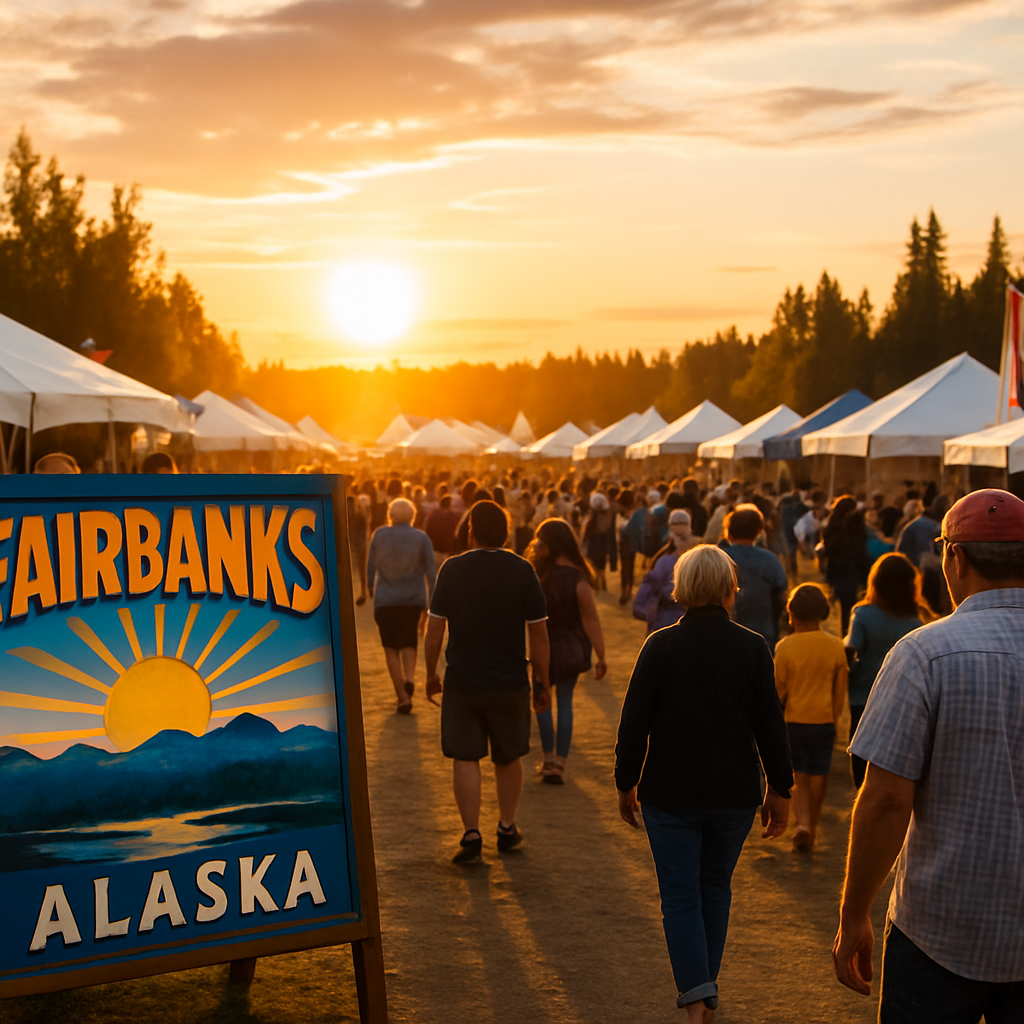
Midnight Sun Festival on Cushman Street
For one weekend in late June, Fairbanks abandons its frontier-town composure and behaves like an actual city. The Midnight Sun Festival shuts down Cushman Street, the sun never quite sets, and somewhere around 1am you're dancing in full daylight with no need for a coat. There's live music on multiple stages, food vendors stretching for blocks, and the entire Interior showing up because this is the one weekend a year nobody wants to miss.
Pace yourself. The light tricks your body — you'll feel awake at 2am and pay for it Monday.
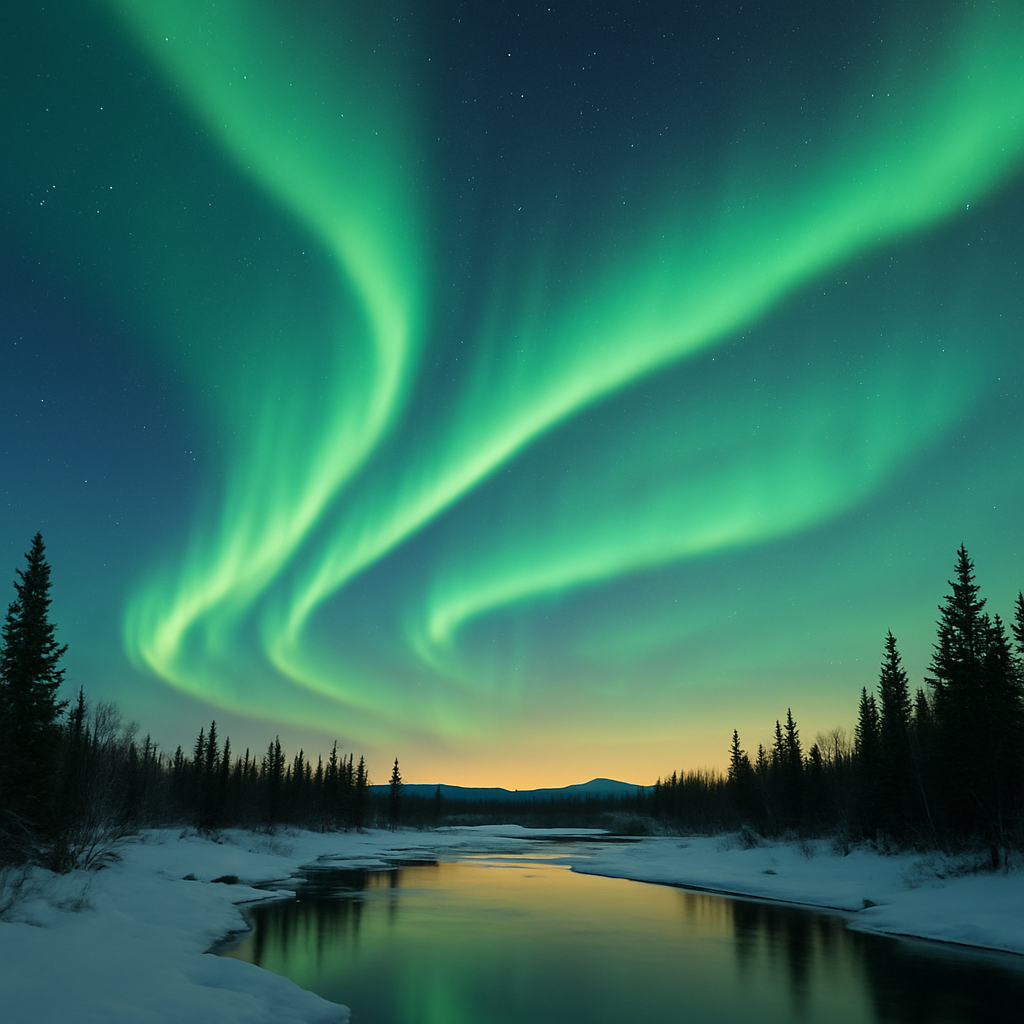
Aurora Watching from Cleary Summit
Drive twenty minutes north out of town up the Steese Highway and you're at Cleary Summit — elevation, dark skies, and a parking lot full of people quietly losing their minds at the green ribbons overhead. Aurora season runs late August through April, and on a clear, cold night the show is bigger and stranger than any photograph prepares you for.
Pack thermoses, a real winter coat, and chemical hand warmers. Leave the phones in the car for the first thirty minutes — the lights deserve your full attention before you start trying to capture them.
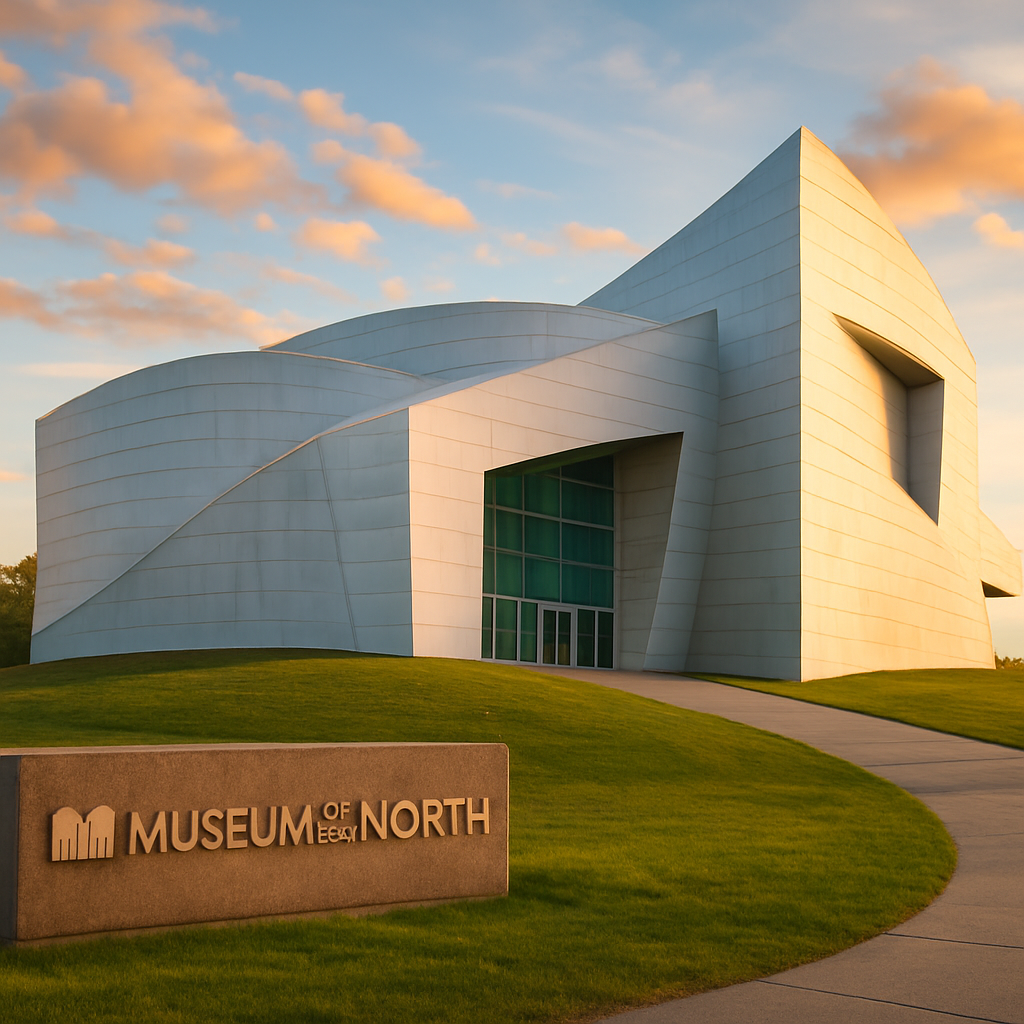
The Museum of the North at UAF
Joan Soranno's 2005 building is the kind of architecture you don't expect this far north — a sculptural white form that reads as glacier and alpine ridge depending on the light. Inside, 2.5 million artifacts and specimens covering Alaska Native cultures, natural history, and fine art, including the largest collection of Alaska Native cultural objects in the state.
Find The Place Where You Go to Listen — John Luther Adams's sound installation that translates real-time seismic and electromagnetic data into a continuous, evolving composition. You sit in a small white room and the planet plays itself to you. Give it twenty minutes.
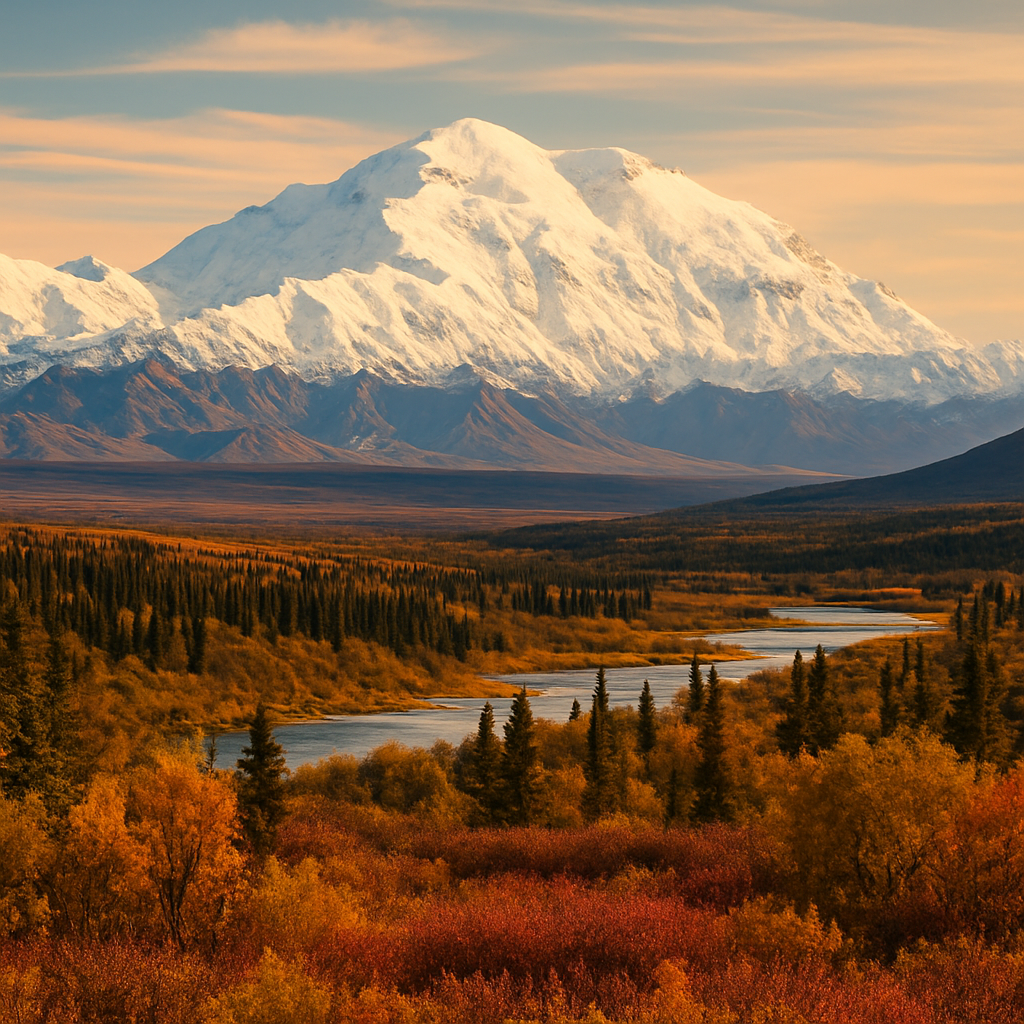
A Day Trip into Denali National Park
Approximately 125 miles south of Fairbanks via the Parks Highway, Denali National Park covers six million acres of subarctic wilderness around the highest peak in North America. The mountain itself is shy — fewer than a third of summer visitors actually see the summit clearly — but the park doesn't need it. Caribou, grizzlies, the river bars, the silence.
Private vehicles can only drive the first 15 miles of the 92-mile park road; book a bus tour deeper into the park well in advance. The drive down is half the experience — leave Fairbanks early and don't try to do it as a casual half-day.
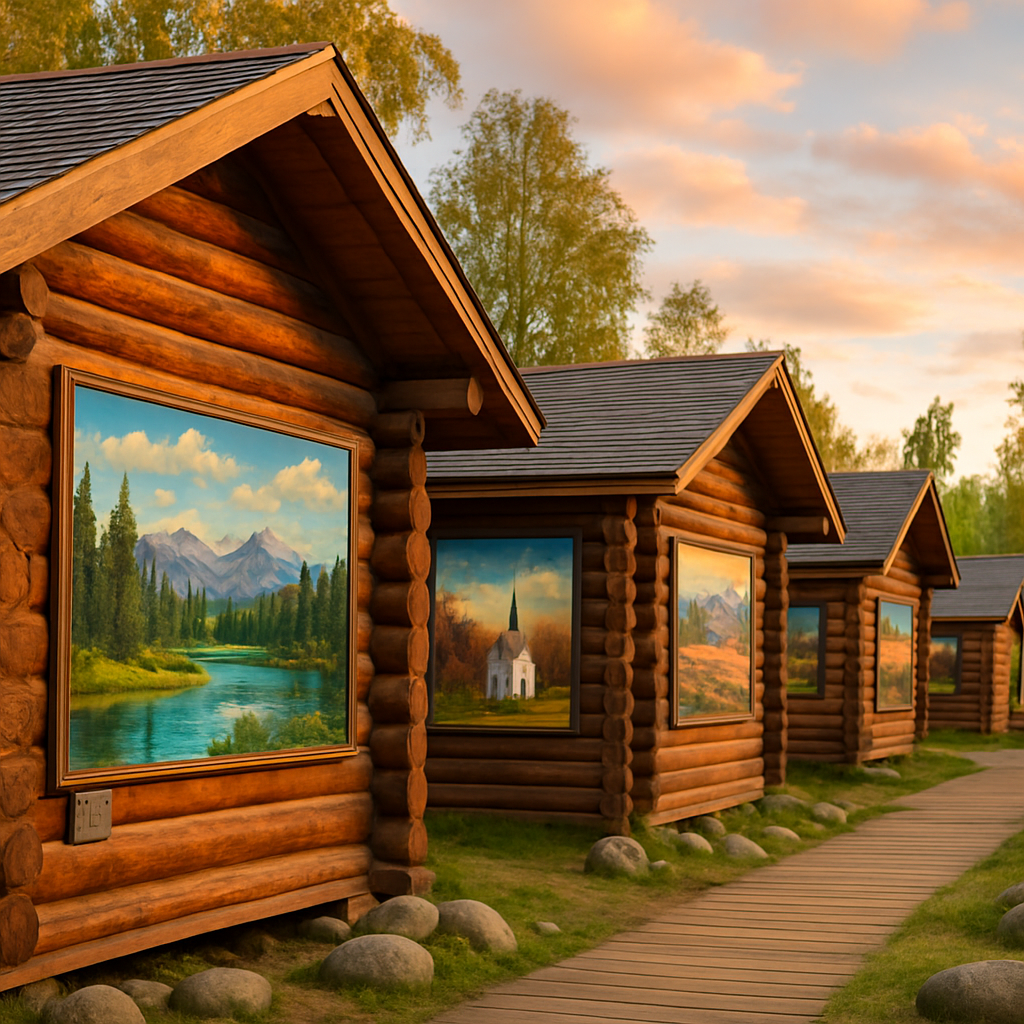
First Friday at the Bear Gallery
The first Friday of every month, downtown Fairbanks does an art walk and the Bear Gallery at Pioneer Park is the anchor. The local arts community is small and disproportionately talented — you'll see painting, fiber, photography, and the occasional installation that wouldn't look out of place in a much bigger city. Wine in plastic cups, artists on hand, the kind of crowd that genuinely talks to strangers.
It's also the most reliable way to meet locals who actually know things. Professors, working artists, the people who have been here long enough to be useful.
The places I actually send people to
Advice that fits how you travel
Solo travel in Fairbanks is a different animal than solo travel in a city with a scene. There's no gay bar to anchor your night, no Chueca equivalent to wander into and find your people. What there is, instead, is an unusually approachable small city where strangers actually talk to each other — partly because the population is approximately 32,000, partly because surviving an Interior winter together creates a baseline social warmth you don't find in larger places.
Lean into the few rooms that hold the community. Alaska Coffee Roasting near the UAF campus is the most reliable third place — thirty-plus years of being university-adjacent has done its work. Hoodoo Brewing on Friday nights is where you'll spot more rainbow pins per capita than anywhere else in the Interior, and the food trucks rotating through the patio mean you can graze and stay a while. The Crepery downtown holds Sunday brunch the way other cities' gay bars hold Saturday nights. Apps work but driver pools are thin — Grindr will show you who's around, but expect a quieter grid than you're used to.
Pro tip: if you're traveling solo November through March, book a hotel with airport shuttle service and don't try to wing the rideshare situation — at -40°F, a 15-minute wait outside isn't an inconvenience, it's a medical issue. Budget-wise, Fairbanks is genuinely manageable as a solo trip — moderate days run roughly $250-350 — and the activities that make the city worth the flight (aurora, Chena Hot Springs, Museum of the North) all work beautifully alone.
Fairbanks is a quietly excellent city for same-sex couples, and the reason is the geography, not the scene. The aurora doesn't care who's holding whose hand under the green ribbons at Cleary Summit. The hot springs at Chena at -10°F are some of the most romantic real estate in North America — soaking outdoors in geothermal water with the steam freezing in your eyelashes is the kind of memory you genuinely cannot manufacture anywhere else.
For PDA, downtown and UAF are comfortable, Chena Hot Springs caters to international tourists and reads as welcoming, and the bed-and-breakfasts in the LGBTQ+ travel directories — A Taste of Alaska Lodge being the long-running example — are explicitly so. For lodging, I default same-sex couples to Springhill Suites downtown for the simple reason that Marriott's brand-wide nondiscrimination policy is the most reliable promise in a market without a local ordinance, or to Wedgewood Resort if you want more space and the wildlife sanctuary on the doorstep. If the aurora is the whole point of the trip, Borealis Basecamp's clear-roofed igloos and Aurora Villa's all-glass viewing room are built for exactly this — watching the lights from bed, no coats required.
For a memorable dinner, The Pump House on the Chena River is the city's most distinctive room — opened in 1978 inside a historic gold mining pump station, on the National Register, with dock seating in summer. Lavelle's Bistro downtown holds the only Wine Spectator Award of Excellence cellar in the Interior. The honest read: Fairbanks is one of the more romantic places I'd send a couple in the U.S. specifically because the city gets out of the way and lets the landscape do the heavy lifting.
Alaska legalized same-sex marriage in 2014 and adoption rights for same-sex couples are recognized statewide as of 2026, which puts LGBTQ+ families on solid legal ground for the headline items. The texture is more complicated — Alaska's statewide nondiscrimination law doesn't currently cover sexual orientation or gender identity, and the City of Fairbanks doesn't have a local ordinance filling that gap. In practice, families I've talked to report few day-to-day issues at the major hotels, restaurants, and family attractions; the friction, when it appears, tends to live in the rural communities outside the city, not the city itself.
Logistically, Fairbanks is a genuine winner for kids who like the outdoors and weird stuff. Running Reindeer Ranch in Goldstream Valley — Jane Atkinson's small reservation-only operation, Adventure Green Alaska certified — does guided walks through the boreal forest with a domesticated reindeer herd, and it's exactly as strange and lovely as it sounds. The Museum of the North on the UAF campus is genuinely kid-engaging, and Joan Soranno's 2005 building reads as glaciers and ridgelines from the outside, which lands with kids in a way most museum architecture doesn't. North Pole, fourteen miles southeast, is the year-round Christmas-themed town with candy-cane streetlights and the Santa Claus House, which is either delightful or unhinged depending on the kid — discretion is practical out there.
Pro tip: healthcare in Interior Alaska is limited compared to the lower 48, and serious cases often medevac to Anchorage or Seattle — so travel insurance isn't optional with kids in tow, especially in winter. Family budgets at moderate level run roughly $580-800 per day, and the major hotels (Springhill Suites, Wedgewood, Pike's Waterfront Lodge) all handle families competently with shuttle service that matters when it's -30°F outside.
What Fairbanks actually costs
Flights, visas, and the first 30 minutes
Airport: Fairbanks International (FAI) is small, manageable, and approximately 4 miles from downtown — you can be at your hotel within 15 minutes of stepping off the jet bridge. Approximately 10 direct routes serve the airport, with the heaviest schedules from Anchorage, Seattle, and Minneapolis. Summer brings seasonal direct service from additional U.S. hubs; winter is leaner.
Visa requirements (as of 2026): U.S. travelers are flying domestically — no visa needed, just a valid government-issued ID (and from May 2025 onward, REAL ID-compliant for domestic flights). Canadian travelers typically need a passport but no visa. Travelers from the UK, EU, and Australia generally need an approved ESTA for visa-free entry under the Visa Waiver Program (typically 90 days). Apply at least 72 hours before departure; approvals usually come within minutes but don't cut it close.
Airport to city: Taxis run $20-30 to downtown with flat rates, curbside, 10-15 minutes. Uber and Lyft both operate but driver pools are thin, especially after midnight and in deep winter — pricing runs $15-25 when you can find one. Most major hotels offer free or low-cost shuttle service ($0-10), which is what I'd book if you're arriving November through March. Pro tip: at -40°F, a 15-minute wait outside is genuinely dangerous, your phone dies in your pocket, and rideshare ETAs become aspirational. Don't wing it in winter.
Rental car: $60-120/day and recommended if you actually want to explore — Chena Hot Springs, Denali, the Goldstream Valley homesteads, and Cleary Summit for aurora are all spread out, and there's no comprehensive transit alternative. Insist on AWD with winter tires November through March; this is non-negotiable. The MACS Transit Yellow Line connects the airport to downtown weekdays for $1.50, 30-45 minutes — useful for budget travelers, useless if you've got luggage and it's 20 below.
Traven's seasonal breakdown
The questions everyone asks
Is there a gay bar in Fairbanks?
Is it safe to hold hands in Fairbanks?
When should I visit — winter for aurora or summer for the midnight sun?
Do I need a rental car?
How serious is the cold, really?
Are LGBTQ+ families recognized in Alaska?
What healthcare options exist for trans travelers?
Screenshot this before you go
So should you actually go?
Go for the landscape, not the scene — and go knowing exactly what you're getting. Fairbanks is one of the most distinctive places in the United States to spend a week, and for LGBTQ+ travelers willing to trade nightlife density for aurora at Cleary Summit, geothermal soaking at Chena Hot Springs, and the quiet warmth of an unusually approachable small city, the trade is genuinely worth it. The legal landscape is patchier than the headline rights suggest, and the cold in January is a serious adversary, not a charming detail. Plan accordingly, book the hotel with the airport shuttle, and let the Interior do what it does best.
Sources & Resources
Official links we reference when compiling this guide. Last verified 2026-05-04.