
Honolulu doesn't need to prove anything to you. It's been pouring mai tais on the same lanai since 1976 and it'll still be here when you're ready.
It's a Thursday evening and the trade winds are doing that thing where they carry plumeria and charcoal smoke in equal measure across Kuhio Avenue. Upstairs at Hula's Bar and Lei Stand, the lanai is filling up — a mix of sunburned couples from the mainland, a few local regulars the bartender greets by name, and a drag queen in a muumuu adjusting her wig with the calm professionalism of a surgeon. Diamond Head is going amber in the last light behind Kapiolani Park, and someone has ordered a round of mai tais that nobody asked for but everyone accepts. This bar has been here since 1976. The view hasn't changed. The welcome hasn't either.
Honolulu isn't a gay destination the way some cities are — there's no sprawling district, no circuit-week calendar, no scene that requires a strategy. What it has is something rarer: a compact, deeply loyal community anchored to maybe five blocks of Waikiki, where the same bartenders have been pouring for the same people for decades, and where the concept of māhū — a traditional Hawaiian third gender, historically respected rather than stigmatized — gives queer identity here a cultural depth you genuinely won't find in most American cities. My Traven-Dex of 9.1 reflects that combination of real legal protection, genuine cultural warmth, and a destination so beautiful it almost feels unfair.
The scene is small in the best possible way. Bacchus Waikiki on Lewers Street for a proper cocktail where the staff know everyone by name. Wang Chung's for karaoke chaos that blurs every line between tourist and local by the third song. Queen's Surf Beach on a Saturday afternoon, where you'll meet more of the community in two hours with a cooler and a towel than a week of app conversations. And if you want to see where younger locals actually spend their time, get yourself to Kakaako — the mural-covered warehouses, craft spots, and weekend food markets operate entirely outside the resort economy and feel like a completely different island.
I gave it a 9.4 on Destination because, honestly, it's Hawaii — the water is absurd, the food scene has more James Beard recognition than cities five times its size, and the drive to the North Shore alone justifies the flight. But what keeps me coming back isn't the scenery. It's that this is one of the few places in America where queer identity has indigenous roots that predate Western contact by centuries, and the local community knows it, honors it, and builds on it. That matters. You'll feel it.
The stuff your travel guide buries on page 47
Legal framework: As of 2026, Hawaii offers full legal equality for LGBTQ+ individuals. Same-sex marriage has been legal since 2013. Adoption is fully legal for same-sex couples with no restrictions. Comprehensive anti-discrimination protections cover employment, housing, and public accommodations statewide. Gender identity law operates on a self-ID basis — you can update your gender marker on Hawaii state IDs without requiring surgery or court order. There is no criminalization of same-sex conduct, and Hawaii has never had such laws on the books. My Legal score of 10.0 is earned: this is as good as it gets in the United States.
Cultural reality: The legal framework aligns closely with lived experience in Honolulu. Hawaii's broader cultural context — shaped by Polynesian traditions including the māhū third-gender identity and a longstanding ethos of Aloha Spirit that's literally codified in state law — creates a social environment that's genuinely more accepting than the legal protections alone might suggest. Visible same-sex couples in Waikiki are a complete non-event. The local LGBTQ+ community has deep institutional roots through organizations like the Hawaii LGBT Legacy Foundation and Equality Hawaii.
Pride timing: Honolulu Pride runs in October, not June — a deliberate scheduling choice that lets the local community turn out without competing against peak tourist season. The parade runs along Kalakaua Avenue and draws a genuinely mixed crowd of locals, military families, and visitors. It's smaller than mainland Pride events but notably more community-driven and less corporate.
PDA comfort: In Waikiki Beach, the resort strip, and the Kuhio Avenue gay bar area, same-sex couples holding hands or kissing draw virtually no attention. Kapiolani Park and the Chinatown arts district are comfortable. The windward side (Kailua, Kaneohe) is generally fine but more residential — you'll get slightly more awareness from passersby. North Shore surf communities are safe but less gay-visible, so low-key PDA is the move. The main caveat: the Waianae Coast and rural parts of O'ahu have a different energy, and overt PDA can draw unwanted attention there.
What it actually feels like on the ground
Holding hands: In Waikiki, along Kalakaua Avenue, at Queen's Surf Beach, and throughout the Kuhio Avenue corridor — completely unremarkable. Same-sex couples are a constant presence and no one blinks. In Chinatown and downtown Honolulu, you'll find the same comfort level. Further afield — Kailua, the North Shore, rural residential areas — PDA is low-risk but draws more attention simply because LGBTQ+ visibility is lower outside the urban core.
Hotel check-in: Zero issues. Waikiki's hotel industry is global-standard tourism — same-sex couples checking in together is entirely routine. The explicitly LGBTQ+-welcoming properties like the Waikiki Grand Hotel and Marriott-family hotels enforce corporate non-discrimination policies. I've heard no reports of friction at any Honolulu hotel regardless of brand or price tier.
Taxis and rideshares: Uber and Lyft operate normally throughout Honolulu. No reports of discrimination or discomfort. Taxi drivers skew local and are generally unfazed by same-sex couples. The ride from HNL to Waikiki is well-trafficked and fully safe at any hour.
Beaches and public spaces: Queen's Surf Beach has been Honolulu's gay beach since at least the 1970s — you'll see rainbow towels, gay groups, and a generally welcoming mix of locals and visitors. Kapiolani Park is similarly comfortable. At beaches further from Waikiki (Kailua, North Shore), LGBTQ+ travelers are safe but less visible. The Waianae Coast is the one area where I'd recommend general discretion — not because of documented incidents targeting LGBTQ+ visitors, but because the area has broader safety considerations and lower LGBTQ+ visibility.
Late night: Waikiki at 2am is well-lit, heavily trafficked, and functionally safe — the gay bars on Kuhio Avenue empty into a strip that's still populated by tourists and hospitality workers. Standard urban awareness applies: stick to lit streets, use rideshare if you're heading beyond walking distance. Chinatown's bar strip is similarly safe during First Friday events but quieter on other late nights.
Trans travelers: Hawaii has strong statewide protections including self-ID for state documents and comprehensive anti-discrimination coverage. The Waikiki scene and Chinatown arts district are welcoming spaces where trans visibility is normalized. Rural O'ahu is less gay-visible generally, but documented incidents targeting trans travelers are not a pattern here. For health resources and community connection, Life Foundation Hawaii and The Center Oahu both offer trans-specific support and programming.
Verbal harassment risk: In Waikiki and the urban core, functionally negligible. The tourist economy and local aloha culture create a mutually reinforcing atmosphere of tolerance. Outside the resort zone, isolated incidents are theoretically possible but not documented as a pattern. Honolulu is one of the safer U.S. cities for LGBTQ+ travelers by virtually any measure.
The Trevor Project provides free, confidential 24/7 crisis support and suicide prevention services for LGBTQ+ individuals across the United States.
The queer geography
Waikiki — Kuhio Avenue Corridor
Forget whatever mental image you have of Waikiki as a wall of resort towers and ABC Stores. That's Kalakaua Avenue. One block inland, Kuhio Avenue runs parallel and operates on a completely different frequency — more local, more lived-in, more interesting. This is where the plate lunch spots stay open past midnight, where the udon line at Marukame Udon snakes onto the sidewalk, and where the neon signs for dive bars compete with the glow of hotel lobbies two blocks away. The stretch from Lewers Street to Kapahulu Avenue is Honolulu's de facto gay district: Hula's Bar and Lei Stand has been pouring drinks from its open-air lanai since 1976, Bacchus Waikiki draws a cocktail-focused crowd that skews local and knows everyone by name, and Wang Chung's karaoke is exactly as gloriously chaotic as it sounds on a Friday night. The whole strip is walkable in ten minutes, which means your biggest logistical challenge is deciding which bar to start at.
Queen's Surf Beach & Kapiolani Park
At the Diamond Head end of Waikiki, the energy downshifts. The high-rises fall away, banyan trees take over, and Kapiolani Park — 300 acres established in 1877 — opens up into the kind of green space that makes you forget you're on an island with a million residents. The park hosts the annual Honolulu Pride Festival every October and serves year-round as a gathering spot for runners, families, and weekend picnickers. Walk through it toward the water and you'll hit Queen's Surf Beach, tucked between the Waikiki Aquarium and the pavilion at the park's edge. This has been Honolulu's gay beach since at least the '70s — claim a spot near the lifeguard tower on a Saturday, bring a cooler, and you'll meet more people in two hours than a week of swiping. The swimming is calm, the sunsets are absurd, and Leonard's Bakery on Kapahulu is a ten-minute walk for hot malasadas when hunger hits.
Chinatown Arts District
Downtown Honolulu's Chinatown is a ten-minute drive from Waikiki and feels like a different city entirely. Hotel Street is the spine — a corridor of galleries, cocktail bars, vintage shops, and restaurants that underwent a genuine creative revival starting in the early 2000s. By day, the open-air markets sell leis, tropical fruit, and dried fish alongside herbalists and dim sum spots that have been there for decades. By night, it transforms. Scarlet Honolulu anchors the LGBTQ+ nightlife here with drag performances and DJ nights, Bar 35 stocks over a hundred international beers alongside pizza, and Manifest runs coffee by day and live music by night. The First Friday Art Walk — running monthly since approximately 2003 — is the best way to experience the neighborhood, when galleries throw open their doors and the street fills with art, food vendors, and a genuinely mixed crowd. Fête, where chef Robynne Maii won the James Beard Award in 2022, is on this same street. So is Livestock Tavern, one of the early anchors of the Chinatown dining scene. This is where Honolulu's creative class eats, drinks, and stays up too late.
Kaimuki
Waialae Avenue in Kaimuki is the kind of street that food writers fly across the Pacific for and tourists somehow still miss. It's a fifteen-minute drive from Waikiki, climbing the gentle slope toward the residential ridgeline, lined with the restaurants that Honolulu locals actually argue about. Mud Hen Water — the name is a literal translation of Kaimuki — serves contemporary Hawaiian food with foraged ingredients that will recalibrate your understanding of what island cooking can be. The sidewalks are quieter here, the pace is slower, and the neighborhood's character is resolutely local. There's no dedicated gay scene in Kaimuki, but it's one of Honolulu's most progressive residential pockets, and for a dinner that feels like a genuine discovery rather than a resort recommendation, this is where you go.
Kakaako
Between downtown and Waikiki, Kakaako is Honolulu's most rapidly evolving neighborhood — a former industrial zone where warehouses now wear massive murals and weekend food markets draw lines for everything from poke bowls to Filipino-Hawaiian fusion. The SALT at Our Kakaako complex clusters small restaurants, coffee shops, and boutiques into an open-air retail space that feels nothing like a mall. Craft breweries have moved in. So have yoga studios and record shops. This is increasingly where younger LGBTQ+ locals spend their time when they want nothing to do with the resort strip — the vibe is creative, casual, and entirely unconcerned with tourist infrastructure. Walk the streets, eat something from a truck, and appreciate that Honolulu is a real city with neighborhoods that have nothing to prove.
The official Hawai'i tourism website features comprehensive travel information, accommodation guides, and event calendars for Honolulu. Visit Honolulu Official Tourism.
The Advocate covers LGBTQ+ community news, cultural features, and destination guides with coverage of U.S. cities and regions.
Purple Roofs maintains a global directory of LGBTQ-friendly accommodations, community organizations, and local resources for travelers. Purple Roofs - LGBTQ Accommodations and Resources.
The experiences worth rearranging your itinerary for
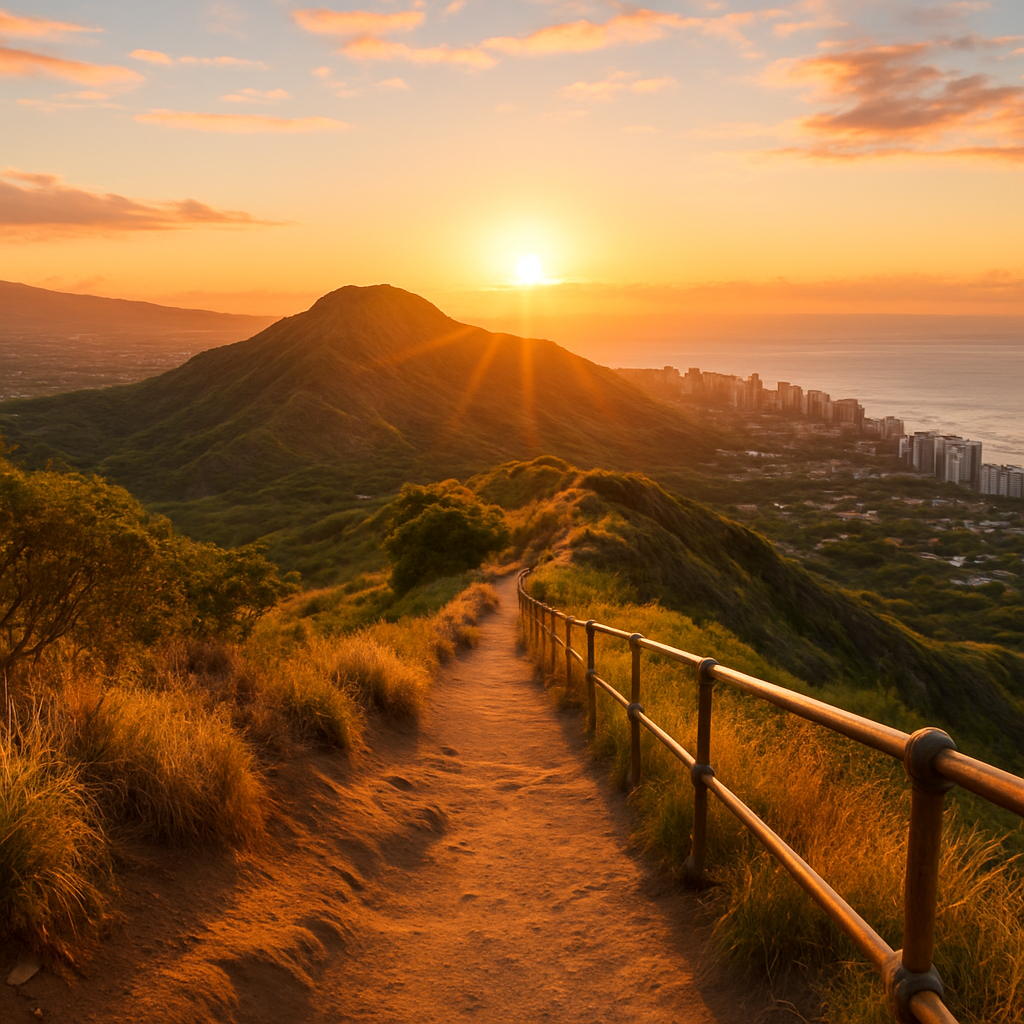
Diamond Head at Dawn
Set your alarm for something unreasonable and hike Diamond Head State Monument before the tour buses arrive. The trail is roughly 1.6 miles round trip with a 560-foot elevation gain — steep enough to earn the view, short enough that you won't regret it. At the summit, the entire south shore of O'ahu unfolds beneath you: Waikiki's tower line, the reef breaks, Koko Head in the distance. Get there by 6:30am and you'll have the crater rim nearly to yourself. By 9am it's a conga line. Pro tip: the parking lot fills early — rideshare to the trailhead and save yourself the headache.
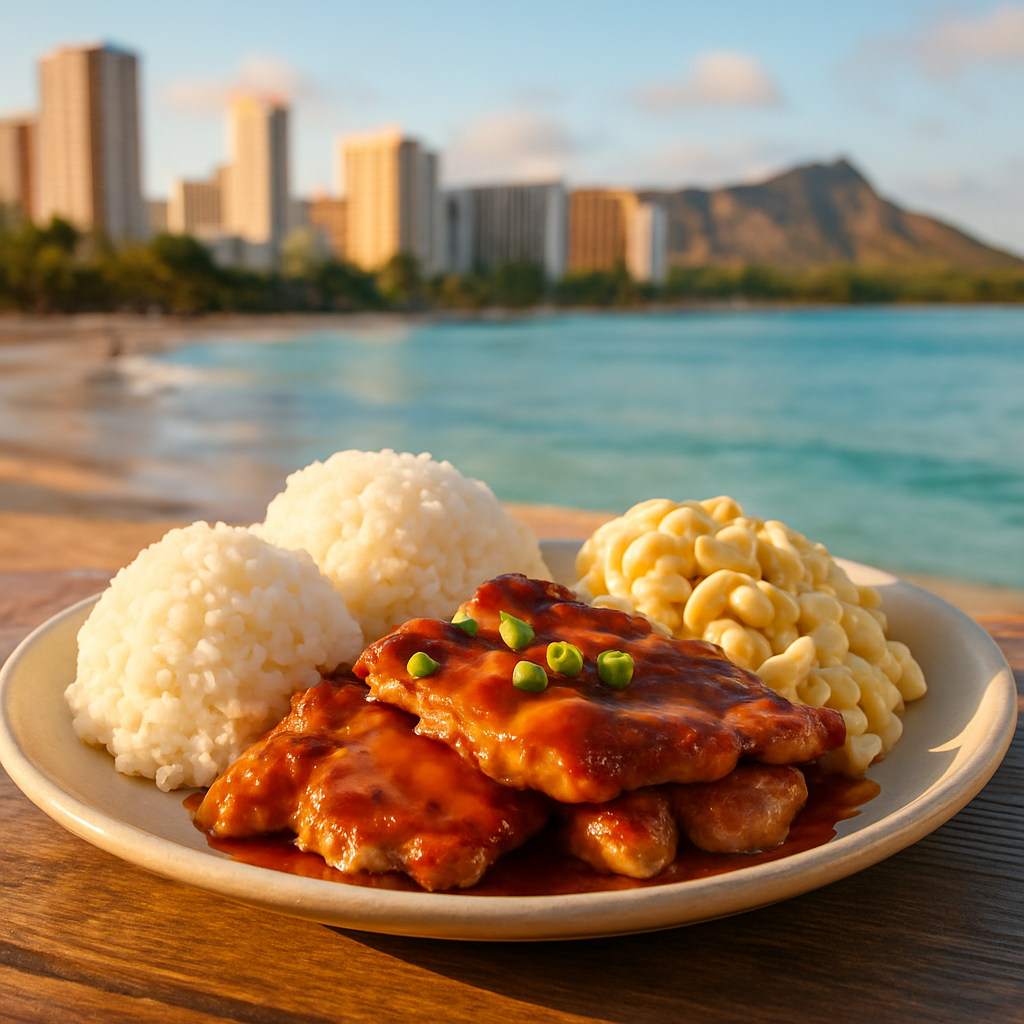
The Plate Lunch Pilgrimage
If you eat one meal in Honolulu that isn't at a white-tablecloth restaurant, make it a plate lunch. Two scoops rice, macaroni salad, and a protein — kalua pork, chicken katsu, loco moco — served on a styrofoam tray that costs $12 and delivers more satisfaction than most $60 entrées. Helena's Hawaiian Food in Kalihi has been doing this since 1946 and won a James Beard America's Classics Award for it. Their pipikaula — dried beef short rib — is the kind of thing you'll think about on the plane home. This is Hawaiian food at its most honest, served by the family that's been making it for over 75 years.
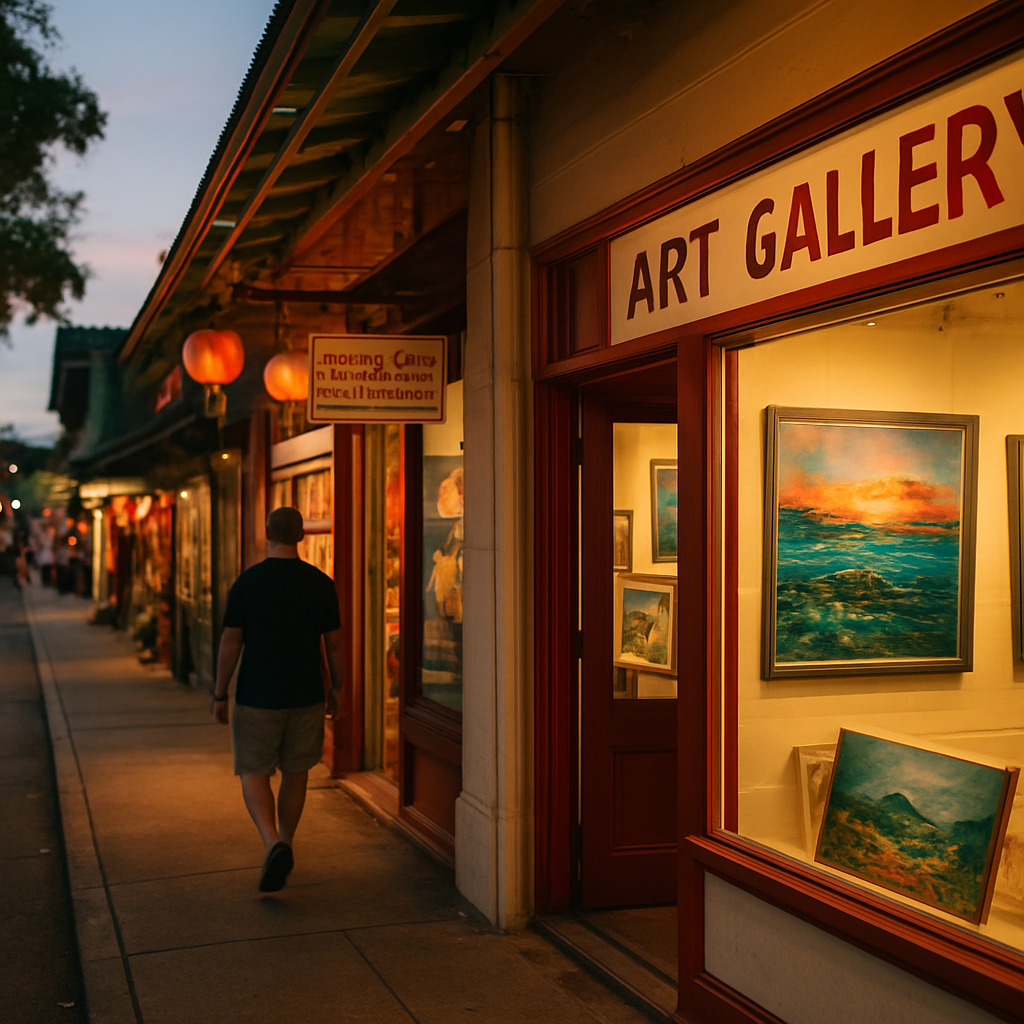
Chinatown First Friday Art Walk
On the first Friday of every month, Hotel Street in Chinatown comes alive — galleries open their doors, bars spill onto the sidewalk, food vendors set up on corners, and the whole neighborhood transforms into a street festival that feels spontaneous even though it's been running since approximately 2003. This is Honolulu's creative engine. You'll wander past contemporary Hawaiian art, stumble into a sake bar you didn't know existed, and eat something extraordinary from a popup. End the night at Livestock Tavern for a proper cocktail or grab a seat at Fête if you planned ahead with a reservation. The energy is infectious and the crowd is genuinely mixed — artists, chefs, tourists, locals, all of them out because Chinatown on First Friday is simply where you want to be.
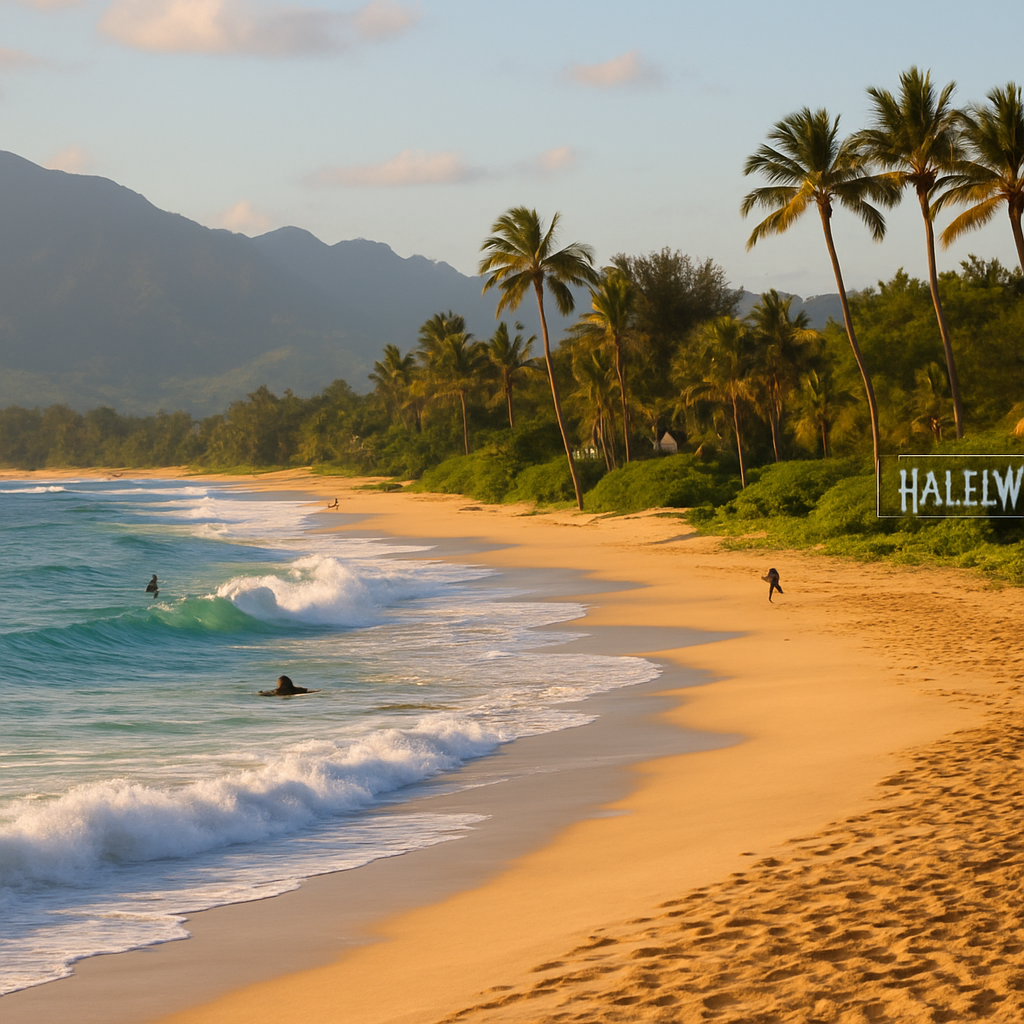
North Shore Day Trip
Rent a car and drive approximately 45 miles north to Hale'iwa, where the surf culture is real, the shave ice is legendary, and the pace of life makes Waikiki feel like Manhattan. Between November and February, the waves at Sunset Beach and Waimea Bay are world-class spectator sport — 30-foot faces that professional surfers charge while you stand on the sand with your jaw open. Even in summer, the North Shore delivers: Waimea Valley has a 45-foot waterfall you can swim under, the food trucks along Kamehameha Highway serve garlic shrimp that will change your week, and Hale'iwa town itself is a strip of surf shops, galleries, and cafés worth a slow afternoon. Budget two hours for the drive each way and plan to stay for lunch.
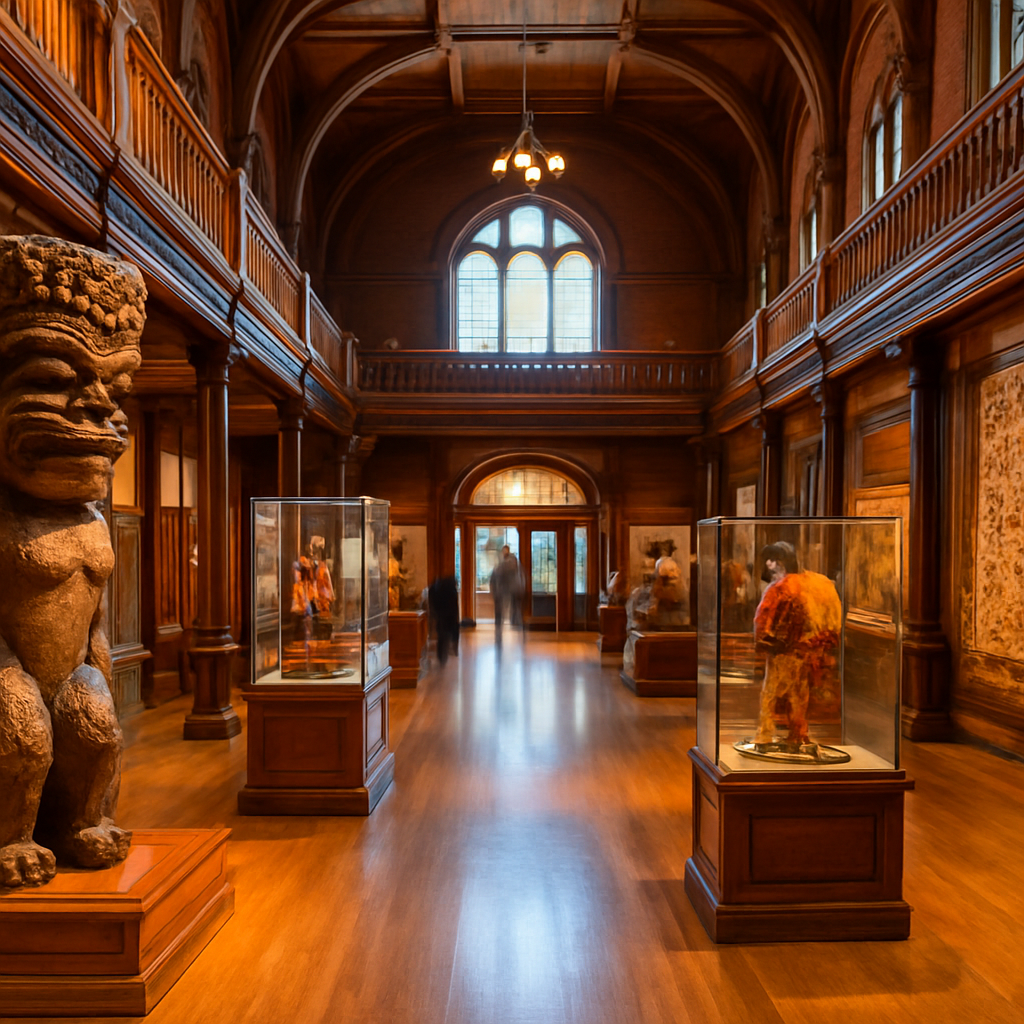
Bishop Museum
Hawaii's largest museum — established in 1889 — houses the world's most significant collection of Hawaiian and Pacific cultural artifacts, and it's the kind of place that reframes your entire understanding of where you are. The Hawaiian Hall alone is worth the $25 admission: three floors of carved wooden ki'i images, feathered capes, and navigational instruments that document a civilization that crossed thousands of miles of open ocean by the stars. For LGBTQ+ visitors, the museum's collections on māhū — the traditional Hawaiian third-gender identity with recognized social and spiritual roles — provide context you won't find anywhere else. It's in Kalihi, a 15-minute drive from Waikiki, and most visitors give it two to three hours.
The places I actually send people to
Advice that fits how you travel
Honolulu is one of the easiest solo trips in the Pacific. The gay scene on Kuhio Avenue is compact enough that you'll see the same faces by your second night, and the culture here is genuinely welcoming to people on their own — sit at the bar at Hula's or Bacchus and you'll be in a conversation within minutes. App culture exists but feels less frantic than the mainland; Grindr and Scruff are active, with a mix of locals, military guys, and visitors. The vibe is more "grab a drink" than anonymous hookup, which suits solo travelers well.
Budget solo travelers can do Honolulu for $120–$160 a day if you're smart about it — hostel bunks in Waikiki start around $40, plate lunch spots and food trucks keep meals under $15, and the best activities (beach, hiking Diamond Head, wandering Chinatown) are free or nearly free. TheBus runs a reliable network across the island for $3 a ride. You don't need a car unless you're heading to the North Shore.
For safety, Waikiki and the urban core are extremely comfortable for solo LGBTQ+ travelers at all hours. The bar strip is well-lit and heavily trafficked even at 2am. If you're venturing to more rural parts of O'ahu — the Waianae Coast, for instance — be a bit more aware of your surroundings, but Honolulu proper is as safe as solo travel gets.
Honolulu is almost embarrassingly well-suited for same-sex couples. The PDA situation in Waikiki is as relaxed as it gets anywhere in the United States — same-sex couples holding hands along Kalakaua Avenue or kissing at Queen's Surf Beach are such a non-event that you'll stop thinking about it within the first hour. My Chill score of 8.8 reflects a city where the aloha spirit isn't marketing copy — it's the actual operating system, baked into the culture at a level that's palpable on the street.
The romantic formula here is simple and nearly foolproof: mornings at Queen's Beach before the crowds arrive, afternoons exploring Chinatown's galleries and getting a table at Fête or Senia for dinner, and evenings that start at Bacchus Waikiki for proper cocktails before drifting up to Hula's open-air lanai. That second-floor view of Diamond Head going gold at sunset, mai tais in hand, is the kind of moment that makes people quietly start researching what condos cost in Honolulu. I've seen it happen in real time.
For accommodation, the Waikiki Grand Hotel puts you at the center of everything — Hula's is literally upstairs — while the Royal Hawaiian, the pink palace that's been standing since 1927, is the right call for a genuinely special occasion. If you want boutique over resort, the Surfjack Hotel's mosaic pool is custom-made for couples who know exactly what they're doing. Pro tip: book an ocean-view room at any Waikiki property and just leave the curtains open in the morning. Best alarm clock on earth.
Hawaii is one of the strongest U.S. states for LGBTQ+ family legal protections as of 2026 — marriage equality has been law since 2013, adoption is fully legal, and comprehensive anti-discrimination protections cover housing, employment, and public accommodations. LGBTQ+ families won't face legal friction here, and the cultural welcome in Waikiki tends to match the legal framework in practice. The broader Hawaiian concept of māhū — a traditional third-gender identity that was historically revered rather than stigmatized — gives this place a different cultural foundation for understanding gender and family than most American cities can offer.
For activities, Bishop Museum in Kalihi is worth the trip and the $25-per-person admission: the Hawaiian cultural collections explicitly document māhū identity, which creates a real opportunity for conversations with kids about the deep indigenous history of gender diversity on these islands. Beyond that, Waimea Valley on the North Shore pairs a waterfall hike with accessible botanical gardens and Hawaiian archaeological sites — a full and genuinely educational day out. The Kapiolani Park area gives families wide open green space directly adjacent to the beach, and the Honolulu Zoo and Waikiki Aquarium are both within walking distance of that same strip.
Practically speaking: rent a car. TheBus is admirable but not compatible with the logistics of sandy gear, tired kids, and grocery runs. Ala Moana Beach Park is an underrated family alternative to the crowded Waikiki strip — wider sand, calmer conditions, and actual parking. Budget families should lean hard into plate lunch spots and grocery stores; a full family meal from a roadside plate lunch counter costs a fraction of resort restaurant prices and will honestly taste better. Grab spam musubi from any ABC Store for snacks — the kids will become converts immediately.
What Honolulu actually costs
Flights, visas, and the first 30 minutes
Airport: Daniel K. Inouye International Airport (HNL) — Honolulu's main international gateway, approximately 9 miles west of Waikiki. Direct service connects from 50+ cities worldwide, with strong options from both the US mainland and Pacific Rim hubs.
Major routes: Los Angeles (LAX) ~5h 30m · San Francisco (SFO) ~5h 45m · Seattle (SEA) ~5h 50m · New York (JFK) ~10h 30m · Tokyo (NRT) ~8h 00m · Sydney (SYD) ~9h 30m.
Visa requirements (as of 2026): US citizens — no visa required, this is domestic travel. UK, EU, Canadian, and Australian passport holders typically enter the United States under the Visa Waiver Program via ESTA authorization, generally allowing stays up to 90 days. ESTA approval is typically obtained online before departure. Always check your own government's official travel advisory before booking — entry requirements can change.
Getting from HNL to Waikiki: TheBus Route 20 ($3, 45–60 min) — cheapest option, but no large luggage allowed, so not practical if you're checking bags. Taxi / Uber / Lyft ($30–$45, 20–35 min) — most convenient and still reasonable; surge pricing possible on busy arrival windows. Shared shuttle ($15–$20, 30–50 min) — pre-book in advance; expect multiple hotel stops. Rental car ($50–$80/day, 20–30 min) — useful for island exploration beyond Waikiki, but Honolulu parking adds meaningful daily cost; not necessary if you're staying in the Waikiki core.
Traven's seasonal breakdown
The questions everyone asks
Is Honolulu safe for LGBTQ+ travelers?
When is Honolulu Pride?
Do I need a car in Honolulu?
Where is the gay beach?
How much should I budget per day?
What's the best time of year to visit?
What is māhū?
Screenshot this before you go
So should you actually go?
Go. Honolulu delivers on every front that matters — full legal equality, a scene that's intimate enough to feel like community rather than content, a destination score that's earned by world-class beaches and a food culture punching absurdly above its weight, and a cultural relationship with queer identity that runs deeper than anywhere else in the United States. It's not the biggest gay scene you'll find, and the island's rural areas require more awareness than Waikiki does. But for a week where you want to feel genuinely welcome, eat extraordinarily well, and fall asleep to the sound of the Pacific — there is nowhere better. Book the flight.
Sources & Resources
Official links we reference when compiling this guide. Last verified 2026-03-15.
- ACLU of Hawaii
- ACLU of Hawaii
- Equality Hawaii — LGBTQ+ Civil Rights Advocacy
- Equality Hawaii — LGBTQ+ Civil Rights Advocacy
- Hawaii Health & Harm Reduction Center
- Hawaii Health & Harm Reduction Center
- Hawaii International Film Festival — Rainbow Screenings
- Hawaii International Film Festival — Rainbow Screenings
- Hawaii LGBT Legacy Foundation
- Hawaii LGBT Legacy Foundation — Honolulu Pride Organizers
- Hawaii LGBT Legacy Foundation — Honolulu Pride Organizers
- Hawaii State Department of Health — HIV/STD Section
- Hawaii State Department of Health — HIV/STD Section
- Life Foundation Hawaii — LGBTQ+ Health & HIV Services
- PFLAG Honolulu Chapter
- The Trevor Project — Crisis & Support Resources
- The Trevor Project — Crisis & Support Resources
- University of Hawaii Manoa — LGBTQ+ Center
- University of Hawaii Manoa — LGBTQ+ Center