
Knoxville doesn't audition for the magazine covers. It's too busy cooking the best plate of food in the Southern Appalachians and walking home on Gay Street.
Knoxville is the queer South people don't write about, and that's mostly Knoxville's own fault — the city has spent two decades quietly becoming itself while Asheville got the magazine covers and Nashville got the bachelorette parties. Walk the four blocks from Market Square to the Old City on a Thursday in May and you'll pass craftsman dinners at J.C. Holdway, a James Beard winner cooking over a wood hearth in a 1920s daylight building, then a glassblowing brewery where the founder makes the pint glass before he pours the lager into it. That's the city in two blocks. The whole scene fits inside a fifteen-minute walk and somehow still feels bigger than it is.
The contradictions are the point. Tennessee's state legislature has spent the last several years writing some of the most aggressive anti-LGBTQ+ legislation in the country, and the city of Knoxville has spent the same years electing Democratic mayors, hosting a Pride festival that draws 40,000 people to a town of 200,000, and renaming exactly nothing about Gay Street, the main commercial spine, which has carried the name since 1791 and predates the modern usage by about a century. The energy has caught up with the signage. There's a reason I gave it a 6.8 — that 8.0 on Legal is doing federal-floor work the state isn't, and the 5.5 on Chill reflects the calculation you make automatically the second you cross the county line.
What surprised me, twelve months in: how much of the actual community has migrated off the bar circuit. Club XYZ in Old North is still the longest-running gay nightclub in the city and The Hot Pink in the Old City still pulls the younger crowd, but the center of gravity has quietly shifted to the Knox Pride Center on N. Central — trivia nights, support groups, the clothing closet, first dates that don't require a drink. It's a small shift that tells you how the city actually functions: scrappier than Asheville, less self-conscious than Nashville, and built around people who chose to stay.
The food alone justifies the trip. Matt Gallaher has three rooms downtown — Knox Mason, Emilia, Chivo Taqueria — and any one of them would anchor a weekend. Joseph Lenn's hearth at J.C. Holdway is the meal you book the trip around. The 1928 Spanish-Moorish Tennessee Theatre two blocks away is the most beautiful room in East Tennessee and the Knoxville Symphony plays it like it's the Met. Pair the meal with the show, walk back to your hotel on Market Square, and you've had a better Friday night than most American cities will give you for twice the price.
The stuff your travel guide buries on page 47
Tennessee is a study in contradictions, and Knoxville sits right in the middle of them. As of 2026, same-sex marriage is legal nationwide under Obergefell, joint adoption is available to same-sex couples, and Knoxville itself has a Democratic mayor and a downtown that reads as visibly inclusive. The city's nondiscrimination protections are limited at the municipal level, and statewide protections in employment, housing, and public accommodations are not comprehensive — meaning the legal floor is federal, not local.
The state legislature has been the loudest voice in the room for several years. A 2023 drag restriction law was ultimately blocked in federal court, but venues still occasionally over-correct — call ahead if a show is part of your trip rather than assuming. Gender-affirming care for minors is restricted as of 2026, and gender-marker changes typically require medical documentation. Several human rights organizations have issued travel cautions for Tennessee; the ACLU of Tennessee tracks active legislation and is the cleanest resource for what's currently on the books versus what's been enjoined.
Pro tip: Knox Pride happens in late September, not June — it's tied to the original Stonewall commemoration date and conveniently dodges the worst of East Tennessee's August humidity. The festival, organized by Knox Pride, draws roughly 40,000 people to a city of about 200,000, which tells you most of what you need to know about Knoxville's relationship to its own LGBTQ+ community.
On the ground, the city itself is markedly more relaxed than the state's politics suggest. Downtown, the Old City, and the University of Tennessee corridor are visibly welcoming. Outside that core — particularly in rural counties and the tourist gateways to the Smokies — discretion is the local default. If your visit overlaps with a UT home game on Rocky Top, triple your Uber estimate, book dinner before 5 or after 9, and just lean in. The orange tide is unstoppable and surprisingly fun once you give up.
What it actually feels like on the ground
Holding hands: Comfortable on Gay Street, Market Square, the Old City, and around UT campus — these are the four pockets where same-sex couples are part of the visible texture of downtown. Holding hands at a gas station off I-40 west of town is a different calculation, and locals make that switch automatically without commenting on it. The shift isn't dramatic; it's just real.
Hotel check-in: Same-sex couples generally have no issues at the downtown properties — the Hilton, Hyatt, Embassy Suites, and The Tennessean all carry corporate inclusion policies, and The Oliver is the kind of independent boutique that gets it. Staff are professional; one-bed reservations are unremarkable.
Taxis and rideshare: Uber and Lyft are the standard and broadly fine. I've never heard a complaint about driver behavior in the downtown core, but if you're heading into surrounding counties late at night, default to rideshare over flagging anything down.
Late night: The walk between Market Square, Gay Street, and the Old City is well-lit and busy on weekends. Club XYZ sits in Old North Knoxville rather than the downtown core, so plan for a rideshare back rather than walking — it's not that the route is dangerous, it's that it's unfamiliar at 2 a.m.
Trans travelers: Tennessee has some of the most restrictive trans laws in the country as of 2026, and the climate outside Knoxville's progressive pockets can feel chillier — carry documentation matching your presentation when possible, especially if you're driving outside the city. Cherokee Health Systems and Positively Living are the two names locals trade for trans-affirming and HIV care respectively — both take walk-ins and neither will make you explain yourself twice.
Verbal harassment: Uncommon downtown and around campus. Reports cluster in the Smokies tourist gateways and in suburbs further from the core. The Knoxville Police Department has an LGBTQ+ liaison, and Knox Pride keeps an incident reporting form on its site — use the form first; it actually gets aggregated and shared with the city.
Beach and outdoor spaces: Ijams Nature Center and Volunteer Landing along the Tennessee River are the relaxed outdoor defaults. Mead's Quarry at Ijams turns into a low-key queer scene on summer Saturdays and nobody clutches pearls about a same-sex couple sharing a towel.
The queer geography
Old City
The Old City is Knoxville's historic warehouse district, a few brick blocks north of downtown along Jackson Avenue and Central. Cobblestone streets, exposed-brick taprooms, and a working-railroad spine give it the feel of a smaller, scrappier Over-the-Rhine. Visit Knoxville has a decent walking map, but the truth is you can lap it in twenty minutes and spend six hours doing it. Pretentious Beer Co. lets you drink from a glass the owner blew himself in the attached glassblowing studio — it's the most Knoxville thing possible. OliBea is the brunch anchor, and most LGBTQ+ nightlife in the district orbits The Hot Pink and bar-hops north toward Club XYZ.
Gay Street & Downtown Core
The name predates the modern usage by about a century, but the energy has caught up. Gay Street is the main commercial spine of downtown — the restored Tennessee Theatre from 1928, the Bijou Theatre, and a string of historic buildings that survived the mid-century downtown collapse and got their second life starting in the early 2000s. Knox Mason and Chivo Taqueria are both Matt Gallaher rooms worth your time, and Suttree's High Gravity Tavern isn't a gay bar but functions as one most nights — exposed brick, good beer list, and a bartender who will absolutely remember your name on the second visit.
Market Square
A pedestrian plaza established in 1854 as a farmers' market, now ringed by 19th-century commercial buildings housing Emilia, Stock & Barrel, Tupelo Honey, and The Oliver Hotel. This is the de facto living room of downtown and the host site for the Knox Pride parade and festival each fall. Summer evenings, the square fills with kids in the fountain, buskers, and an after-work crowd that skews young, professional, and visibly mixed.
Happy Holler & North Central
A funky stretch of North Central Street about a mile up from downtown — vintage shops, dive bars, Schulz Bräu's biergarten, and a noticeable creative crowd. The UT Pride Center serves the campus community a few miles south, but the center of gravity for the wider community has quietly shifted to the Knox Pride Center on N. Central — it's where you go for trivia, support groups, the clothing closet, and increasingly, first dates that don't require a drink.
Fourth & Gill
A leafy historic neighborhood north of downtown, walkable from the Old City, full of restored craftsman bungalows and Queen Annes on tree-lined streets. There's no commercial strip to speak of, but it's where a lot of the community has put down roots — the porch culture is real, the block parties are real, and an Airbnb here under $150 a night is one of the better moves you can make.
South Knox
Across the Tennessee River via the Gay Street Bridge, anchored by Sevier Avenue. Hilly, artsy, increasingly home to younger queer transplants priced out of downtown. Ijams Nature Center and the Urban Wilderness trail system start here — 12-plus miles of hiking that connect through old quarries and old-growth forest, fifteen minutes from your hotel.
The experiences worth rearranging your itinerary for
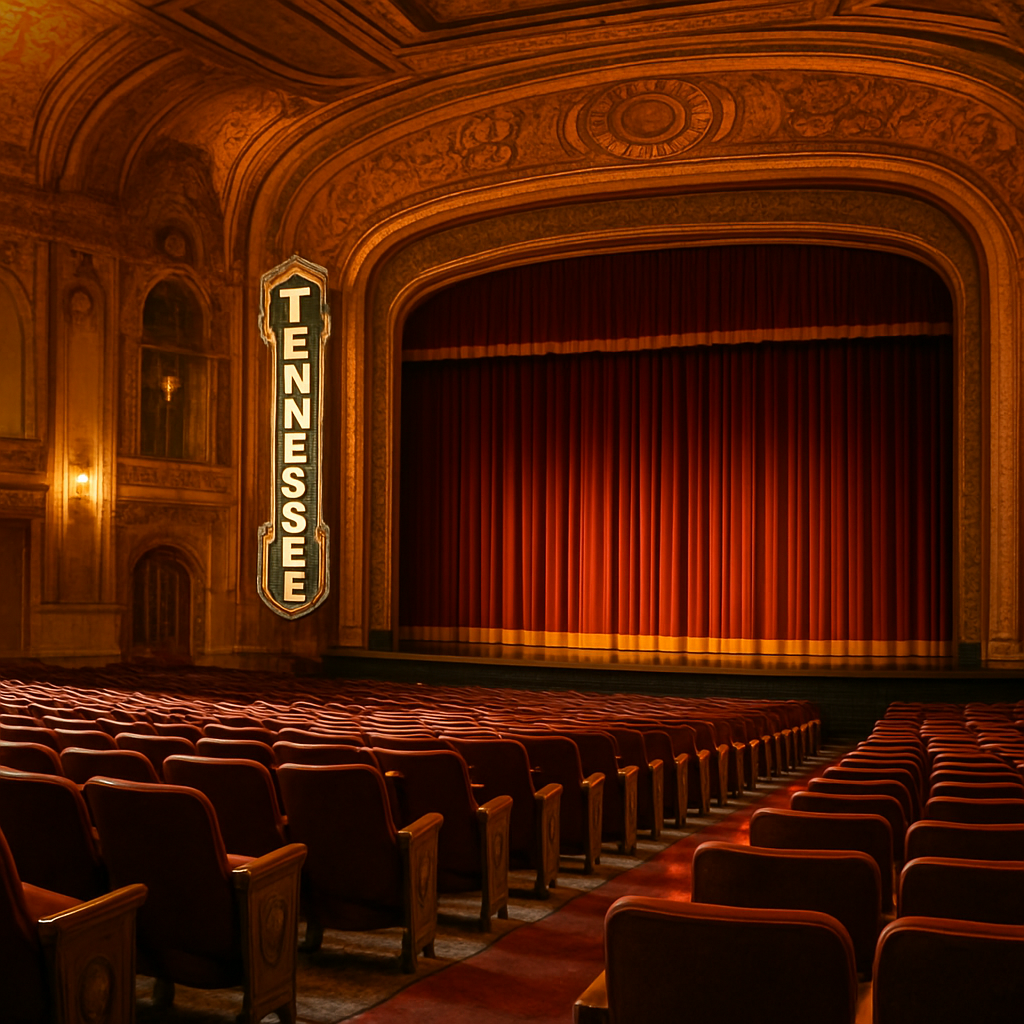
Big Ears Festival in March
For four days in late March, Knoxville becomes the unlikeliest avant-garde music capital in America. Big Ears takes over the Tennessee Theatre, the Bijou Theatre, the Knoxville Museum of Art, and a half-dozen smaller rooms with a lineup that runs from contemporary classical to ambient drone to jazz heavyweights you'd otherwise have to fly to New York to see.
Pro tip: book lodging in November or you're sleeping in Maryville. The festival's queer contingent is enormous and the city visibly shifts for the weekend — restaurants stretch their hours, the Old City fills up, and the energy carries into early April.
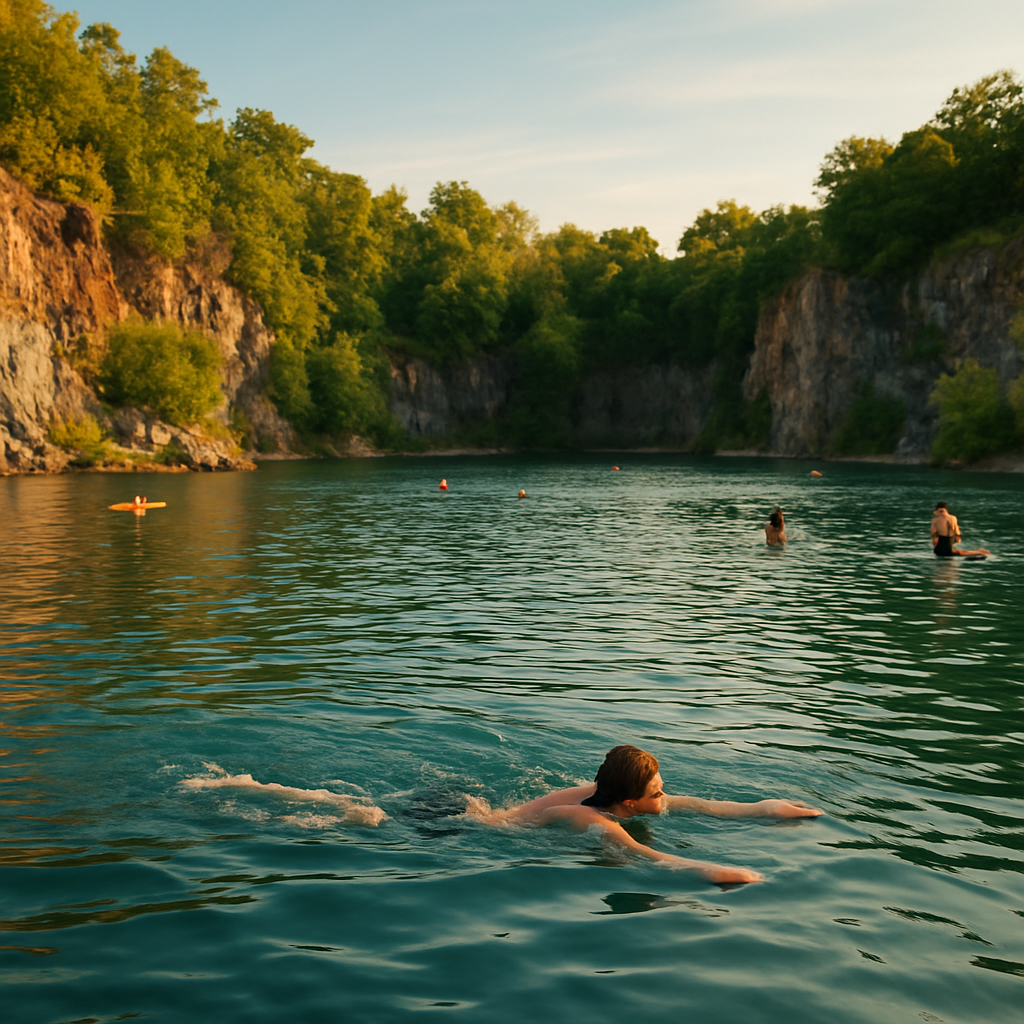
Mead's Quarry at Ijams Nature Center
Cross the Tennessee River into South Knox and follow the signs to Ijams. The 315-acre preserve drops you into 12-plus miles of trail, but the centerpiece is Mead's Quarry — an old marble pit that's filled with green water and become Knoxville's unofficial summer swimming hole.
Rent a paddleboard, swim off the rocks, or just sit on a towel and watch families, students, and same-sex couples share the same shoreline without a second thought. It's fifteen minutes from your hotel and feels like a different state entirely.
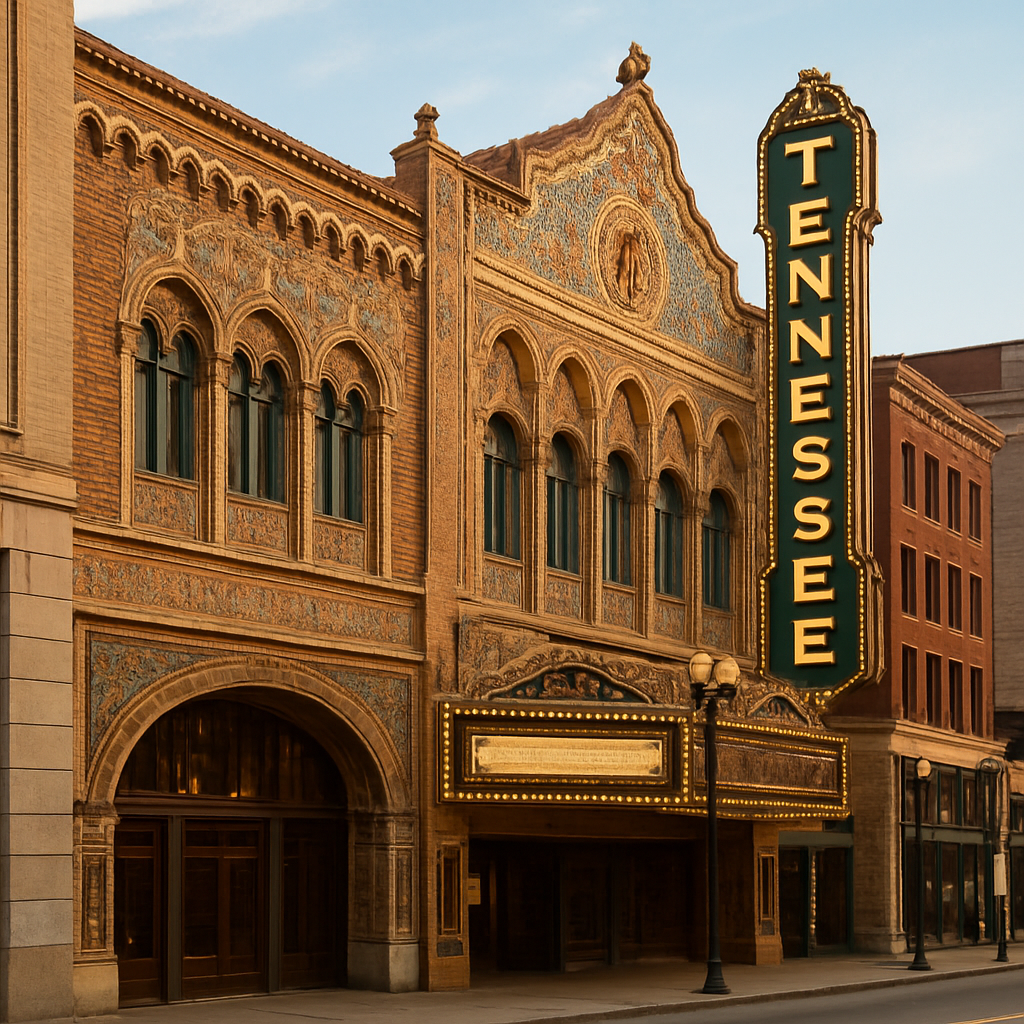
A Show at the Tennessee Theatre
The 1928 Spanish-Moorish movie palace on Gay Street is the most beautiful room in East Tennessee, full stop. Graven & Mayger designed it, the 2003-2005 restoration brought it back to its original detail, and the state legislature made it the Official State Theatre in 1999 — possibly the only thing the legislature has gotten right this decade.
Whatever's on the calendar, go. The Knoxville Symphony, Knoxville Opera, and a steady stream of Broadway tours rotate through, and the room itself is half the experience. Pair it with dinner at Knox Mason two blocks away.
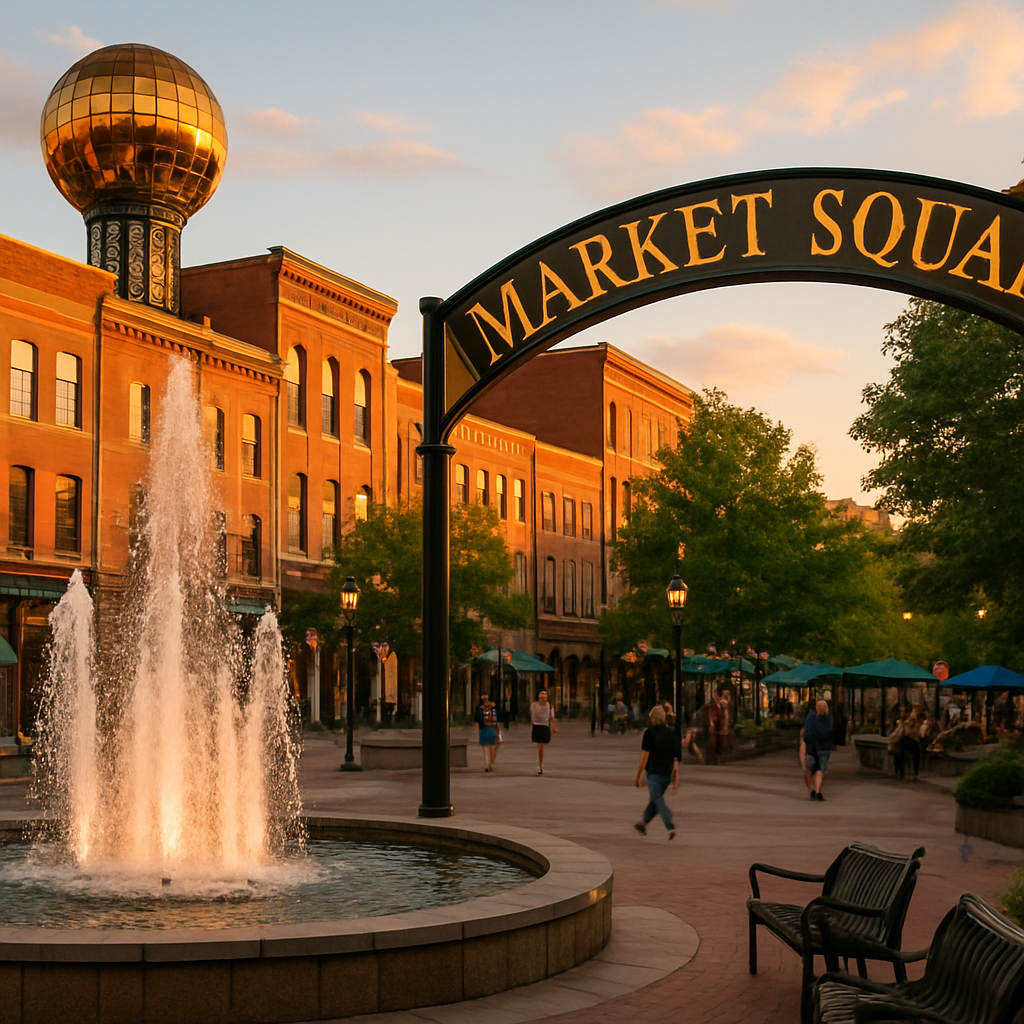
An Evening on Market Square
Market Square was established in 1854 as a farmers' market and has been the living room of downtown ever since. The 19th-century commercial buildings ringing the pedestrian plaza now house Emilia, Stock & Barrel, Tupelo Honey, and The Oliver Hotel, and on a summer evening the whole square fills with kids in the fountain, buskers, and an after-work crowd that skews young and visibly mixed.
Eat at Emilia, walk a slow loop with a drink, and end at Peter Kern Library downstairs at the Oliver. That's a Knoxville night, complete.
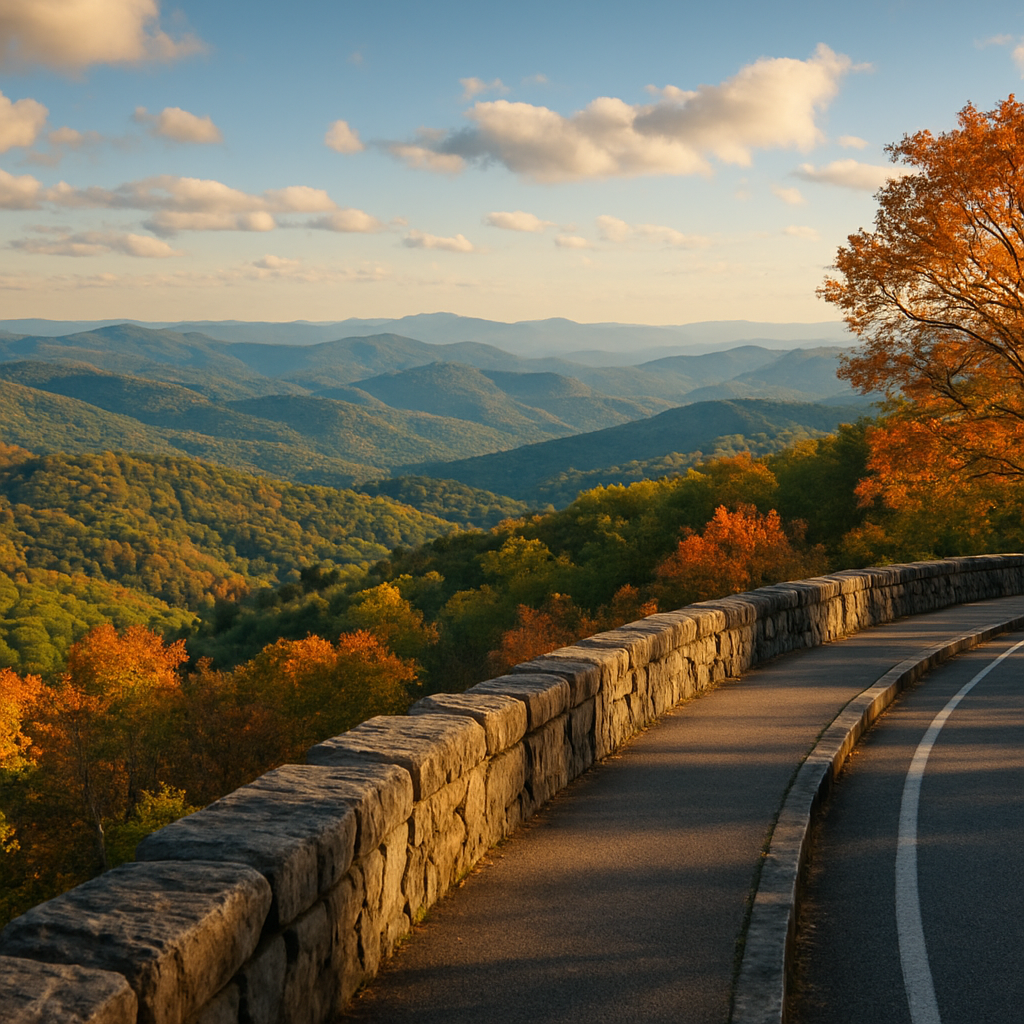
The Smokies via the Foothills Parkway
The Great Smoky Mountains are an hour southeast and the most-visited national park in the country for a reason. Skip the Gatlinburg main strip — kitschy, tourist-heavy, socially conservative — and drive the Foothills Parkway instead. The overlooks are quieter, the views are better, and you'll be back in Knoxville for dinner.
Designated in 1934 and a UNESCO World Heritage Site, the park is free to enter. Bring water, layer up, and remember that cell service drops about ten minutes in.
The places I actually send people to
Advice that fits how you travel
Knoxville is an easy solo city, and that's not faint praise. The entire walkable core — Gay Street, Market Square, the Old City — fits inside a fifteen-minute loop, which means you can post up at a Hyatt Place or the Embassy Suites on Gay Street and never need a car for dinner, drinks, or a show. Pete's Coffee Shop on Union Avenue is the breakfast move; Pretentious Beer Co. in the Old City is where you'll end up making friends with strangers, because the staff will absolutely talk to you about the glassware and somebody at the next stool will join in.
The apps work fine, but the truth is the scene runs through a handful of physical rooms and you'll see the same faces twice in a weekend. Start a night at The Hot Pink for the younger crowd and the better dance floor, then bar-hop north to Club XYZ in Old North Knoxville — that's the actual circuit, and locals will respect you for knowing it. Suttree's High Gravity Tavern on Gay Street isn't a gay bar but functions as one most nights, and the bartender will remember your name on the second visit. The center of gravity has quietly shifted to the Knox Pride Center on N. Central for trivia, meetups, and increasingly first dates that don't require a drink.
Budget-wise, this is a genuine bargain — figure $95-140/day on the low end and $180-260 moderate, which puts a downtown weekend within reach in a way Asheville no longer is. Solo safety in the core neighborhoods is a non-issue; rideshare home from Club XYZ rather than walking, not because the route is unsafe but because it's unfamiliar at 2 a.m. Pro tip: if your visit lands on a UT home game on Rocky Top, triple your Uber estimate, eat before 5 or after 9, and just lean in — the orange tide is unstoppable and surprisingly fun once you give up.
Knoxville quietly punches above its weight for a romantic weekend, and same-sex couples will find the downtown core does most of the work for you. Book The Oliver Hotel on Market Square — twenty-eight rooms in an 1876 former bakery, with Peter Kern Library hidden downstairs and Oliver Royale handling dinner, which means most nights you don't have to leave the building. For an anniversary splurge, The Tennessean is the city's only AAA Four Diamond and the staff has never once miscoded a same-sex booking on me. The Hyatt Place inside the 1929 Farragut building is the smart middle-ground play: National Register architecture, a rooftop bar, and a one-block walk to dinner.
PDA is genuinely comfortable on Gay Street, Market Square, the Old City, and around the UT campus — these are the four pockets where same-sex couples are part of the visible texture of downtown. Holding hands at a gas station off I-40 west of town is a different calculation, and locals make that switch automatically without commenting on it. As of 2026, marriage is recognized federally and joint adoption is available, but Tennessee's statewide nondiscrimination protections remain limited; the legal floor is federal, not local.
For the actual romance: dinner at Emilia on Market Square — get a window seat — followed by a walk to Peter Kern Library for cocktails. Or book J.C. Holdway, James Beard winner Joseph Lenn's wood-fired Appalachian room, which is the meal you plan a Knoxville trip around. A daytime move that always lands: cross the Tennessee River to Ijams Nature Center, swim at Mead's Quarry, and watch families, students, and same-sex couples share the same shoreline without a second thought. Catch anything on the calendar at the Tennessee Theatre while you're there — the 1928 Spanish-Moorish room is half the show.
LGBTQ+ families are well served in Knoxville's downtown core, even if the broader Tennessee picture is more complicated. As of 2026, joint adoption is available to same-sex couples and marriage is federally recognized, so legal recognition of your family structure is intact at the federal level — though statewide nondiscrimination protections remain limited, which matters more in school enrollment paperwork and pediatric care than in day-to-day downtown life. Cherokee Health Systems is the name locals trade for inclusive primary care; for legal questions specific to family structure, Legal Aid of East Tennessee is the right starting point.
Practically, the city is built for kids. Market Square has the splash fountain that kids climb in all summer, plus easy access to Tupelo Honey and Stock & Barrel — both kid-menu friendly without being chains-only. Ijams Nature Center is the unbeatable family afternoon: 315 acres in South Knox, twelve-plus miles of trails, a canopy adventure course, and Mead's Quarry for swimming and paddleboards, all with free admission to the grounds. The Knoxville Museum of Art at World's Fair Park is also free, and the Richard Jolley glass installation will hold a curious eight-year-old longer than you'd expect.
Where to base: downtown for walkability — Embassy Suites on Gay Street has actual two-room suites that make traveling with kids significantly less of a sport. Bearden along Kingston Pike has quietly become home to many lesbian couples and LGBTQ+ families, and an Airbnb in Fourth & Gill under $150/night puts you ten minutes from the Knox Pride Center on a tree-lined porch street. Day trip to the Great Smoky Mountains via the Foothills Parkway rather than the Gatlinburg main strip — the gateway towns are touristy and socially conservative, but the wilderness itself is for everyone.
What Knoxville actually costs
Flights, visas, and the first 30 minutes
Airport: McGhee Tyson Airport (TYS) sits about 20 minutes south of downtown in Alcoa. It's a regional airport with roughly 20 direct routes, mostly hub connections to Atlanta, Charlotte, Chicago, Dallas, Detroit, and the New York airports. Skip Nashville (BNA) unless you're road-tripping the state — the three-hour drive on I-40 is brutal, and TYS will save you a half-day either direction.
Visas: As of 2026, U.S. citizens travel domestically without restriction. Canadian citizens typically don't need a visa for stays up to six months. Travelers from the UK, EU, and Australia generally need ESTA approval under the Visa Waiver Program — apply at least 72 hours before departure, though approvals usually come through in minutes.
Airport to downtown: Rideshare (Uber/Lyft) is the easy default at $25-40 with a 20-25 minute ride; surge pricing kicks in around UT football Saturdays and conference weekends. Taxis from the curbside stand run $35-45 on the meter. A rental car is $45-90/day and genuinely worth it if you're planning Smokies, Asheville, or Chattanooga day trips. A few downtown hotels run complimentary or paid shuttles in the $0-25 range — worth a call before you book the rideshare.
Pro tip: If your visit overlaps with a UT home game on Rocky Top, triple your Uber estimate, book dinner before 5 or after 9, and just lean in. The orange tide is unstoppable and surprisingly fun once you give up.
Traven's seasonal breakdown
The questions everyone asks
Is Knoxville actually safe for LGBTQ+ travelers given Tennessee's politics?
When is Knox Pride and how big is it?
Should I rent a car?
Where's the actual gay nightlife?
Are trans travelers safe in Knoxville?
Do I need to worry about UT football weekends?
How much should I budget per day?
Screenshot this before you go
So should you actually go?
Go, with eyes open. Knoxville is a genuine bargain — a walkable downtown with one of the best restaurant rows in the South, a Pride festival that punches three weight classes above the city's size, and a community that has done the unglamorous work of building infrastructure while the state legislature does its worst. As of 2026, the legal floor for LGBTQ+ travelers is federal rather than state, which means downtown reads as visibly relaxed and the rural counties beyond it require the discretion calculation locals make without thinking. Trans travelers have to weigh that climate more carefully, and I won't pretend otherwise. But for same-sex couples, families, and solo travelers willing to stay inside the core, this is one of the most rewarding small-city weekends you can plan in the Southern Appalachians — and the meal at J.C. Holdway alone will outlast the trip.
Sources & Resources
Official links we reference when compiling this guide. Last verified 2026-05-04.