LA doesn't ask you to come out — it just assumes you already did and hands you a cocktail.
The thing about Los Angeles is that it smells like jasmine and sunscreen at 8pm, and by midnight it smells like possibility and someone else's cologne. WeHo is essentially a city that runs on drag, Botox, and bottomless mimosas, and I mean that as the highest possible compliment. The Santa Monica Boulevard stretch between La Cienega and Robertson is one of the few places on earth where you can stumble out of a rooftop brunch at 2pm and immediately be swept into a circuit warm-up party — all without losing your sunglasses. There's a reason my Traven-Dex sits at 9.1 for this city, and most of it lives on that strip.
But here's what the first-timers miss: LA's queer world is not a monoculture. Silver Lake is what happens when WeHo's little sibling decides to get a tattoo sleeve and stop returning calls — queerer, browner, scrappier, and honestly more interesting after midnight. Akbar on Sunset hasn't changed its formula in years and that's precisely the point. The regulars will tell you within ten minutes whether you belong there, and if you're reading this, you probably do. Meanwhile, Long Beach — about 45 minutes south — has a deeply embedded LGBTQ+ community that predates WeHo's Disneyfication, with bars on Broadway that feel like they actually belong to their regulars.
I gave this city a 9.5 on Scene, and that number represents something specific: density. Not just bar density, though Boystown on Santa Monica Boulevard packs more queer venues per block than almost anywhere I've scored. It's the density of options — leather nights at The Eagle LA near Normandie, rotating queer women's pop-ups in Silver Lake, Outfest screenings in July that turn the whole city into a queer film festival, Sunday tea dances that older generations built and younger ones are rediscovering. Whatever frequency you're on, LA is broadcasting.
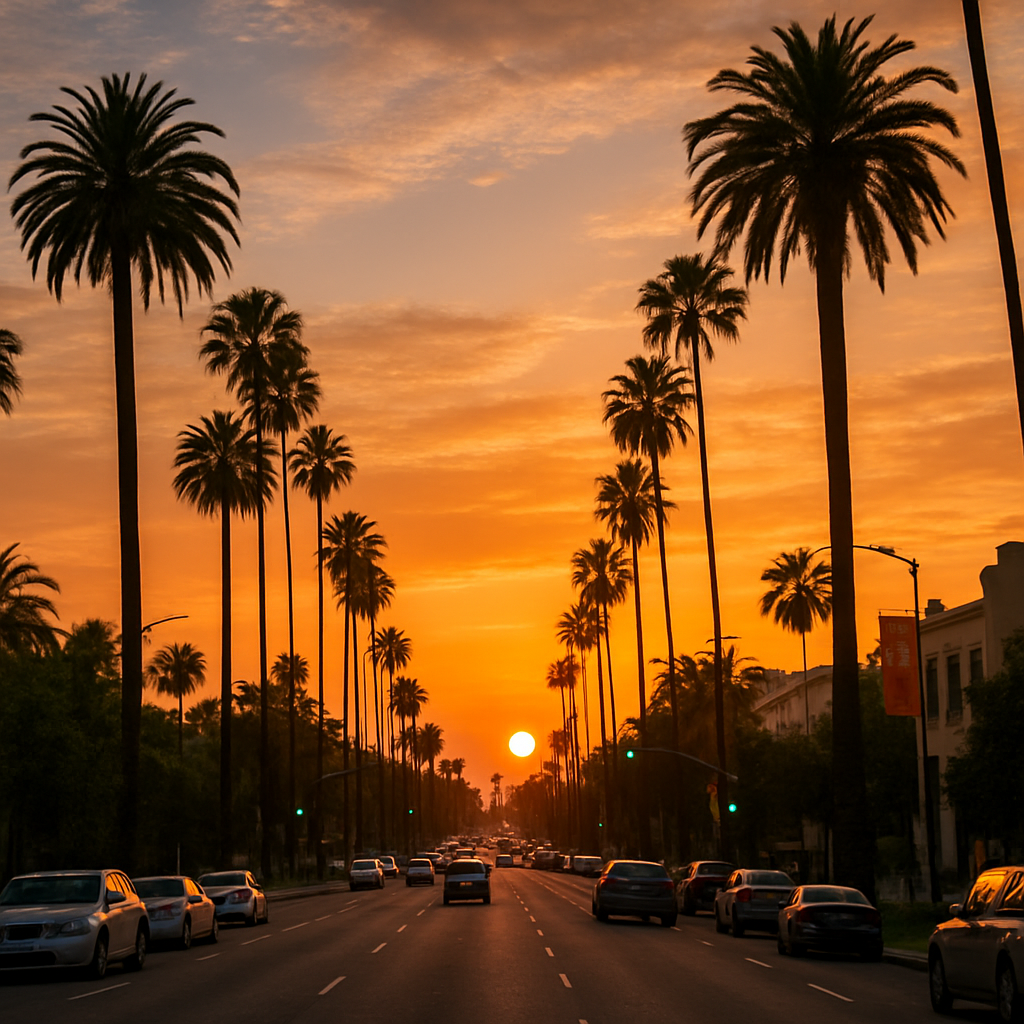
And the city itself — the non-queer part, the part that's just a place where people live and eat and drive too much — is genuinely extraordinary. The light here at golden hour does something physiological to your brain. The food scene draws from every Pacific Rim cuisine and a dozen Latin American traditions simultaneously. You can hike above the Hollywood Sign at 7am and be eating the best Taiwanese noodles of your life in Silver Lake by noon. The sprawl that everyone complains about is also the thing that gives each neighborhood its own gravitational field, its own personality, its own reason to exist. LA earns its reputation.
The stuff your travel guide buries on page 47
The legal picture is as good as it gets. Same-sex marriage, adoption, comprehensive anti-discrimination protections covering employment, housing, and public accommodations, and self-ID gender marker changes — California leads the US on every measurable LGBTQ+ legal benchmark, and my Legal score of 10.0 reflects that. There is no criminalization of any kind. Federal marriage equality applies nationwide, and California state law adds layers of protection that most countries haven't even considered yet.
One thing worth knowing: West Hollywood is its own incorporated city with its own police department, city council (historically majority LGBTQ+), and genuine political infrastructure. It's not just a neighborhood — it's a jurisdiction that has your back in ways Los Angeles proper doesn't always match. The City of West Hollywood maintains dedicated LGBTQ+ services and resource offices.
The LA LGBT Center on McCadden Place is the largest LGBTQ+ community organization in the world and offers everything from HIV testing and legal aid to senior programs and youth shelter. If you or someone you're traveling with needs any kind of support, this is the first call to make. Their Ed Gould Plaza courtyard also hosts free events, film screenings, and cultural programming open to anyone.
PDA comfort: In WeHo and Silver Lake, same-sex PDA is completely normalized — holding hands, kissing, none of it draws a second look. Santa Monica and Venice Beach are similarly relaxed. Downtown LA's Arts District is welcoming, though exercise normal awareness near Skid Row–adjacent areas. Hollywood Boulevard's heavy tourist foot traffic makes it slightly less predictable, but you're fine. The San Fernando Valley has more conservative pockets where reading the room is smart. In general, this is one of the easiest cities on earth to be visibly queer in — act accordingly.
Pro tip: parking in WeHo on a Friday or Saturday night is a full psychological event. Budget for a rideshare and arrive without the existential crisis. The bars are close enough together that the walk from Trunks to The Abbey is half the social experience anyway.
What it actually feels like on the ground
Holding hands: In WeHo, Silver Lake, Santa Monica, Venice, and the Arts District — completely unremarkable. You'll see other same-sex couples doing the same. On Hollywood Boulevard or in more suburban areas like parts of the Valley, you're unlikely to encounter problems but the audience is less predictable. Use the same judgment you'd use in any major US city.
Hotel check-in: Zero issues. California law prohibits discrimination in public accommodations, and every major hotel brand in LA will check in same-sex couples without comment. Boutique properties in WeHo and Silver Lake are actively welcoming. You won't need to explain your booking, your relationship, or your ID.
Taxis and rideshare: Completely fine. Uber and Lyft drivers in LA are accustomed to picking up from WeHo bars at 2am; this is routine, not notable. If you're visibly queer or in drag, you may occasionally get a curious glance from an older driver, but incidents are extremely rare. Use in-app safety features as you would anywhere.
Beaches and public spaces: Santa Monica and Venice are deeply LGBTQ+-friendly. Will Rogers State Beach (formerly known as Ginger Rogers Beach) has historically been an unofficial gay beach. Griffith Park and Runyon Canyon are popular with queer hikers and runners. You're safe being yourself in public spaces across the westside and central LA.
Late night: WeHo itself is extremely safe and well-lit with visible LGBTQ+ Sheriff liaisons, but the surrounding blocks of Hollywood and the eastern stretch of Santa Monica Blvd toward East Hollywood can shift quickly. Stay aware after 2am when bars close and crowds disperse toward dimmer blocks. Rideshare home rather than walking long distances after closing time.
Trans travelers: California has among the strongest trans protections in the US, and LA is home to significant trans community infrastructure. That said, trans women of color — particularly around Hollywood Boulevard and Cahuenga — have faced disproportionate street harassment and violence. The TransLatin@ Coalition maintains current safety resources and community check-in systems worth knowing about. APLA Health offers trans-competent healthcare including walk-in services at multiple locations.
Verbal harassment risk: Low in LGBTQ+ neighborhoods, rare elsewhere. LA is a big city with big-city variability, but the queer infrastructure is deep enough that incidents are uncommon and taken seriously when reported. WeHo's dedicated city resources mean response is faster and more informed there than in most US jurisdictions.
The queer geography
West Hollywood (WeHo)
This is the center of gravity. WeHo is a 1.9-square-mile incorporated city — not a neighborhood of LA, an actual separate city — and it functions as the primary LGBTQ+ hub for the entire metropolitan area. The stretch of Santa Monica Boulevard between La Cienega and Robertson, informally known as Boystown, packs more gay bars per block than almost anywhere in North America: The Abbey, Micky's, Revolver Video Bar, Fubar, Trunks, Rocco's, Flaming Saddles Saloon, Fiesta Cantina — and those are just the ones you'll pass in a ten-minute walk. The Harvey Milk Promenade near West Hollywood City Hall anchors the civic side. LA Pride shuts down Santa Monica Boulevard every June for a full weekend that draws hundreds of thousands.
Queer women historically got shortchanged by WeHo's bar scene, but rotating nights like Girlbar and various pop-ups have kept the community social. Check local Instagram accounts and the LA LGBT Center event calendar for current nights, since venues and dates shift seasonally.
Silver Lake
If WeHo is the main stage, Silver Lake is the after-party in someone's loft. This eastside neighborhood has been queer since before WeHo incorporated — the Mattachine Society met here in the 1950s — and its current iteration is artsy, diverse, and deliberately less polished. Akbar on Sunset Boulevard is the anchor: a dive bar with excellent DJs, zero pretension, and a fiercely mixed crowd. The Sunset Junction area along Sunset between Sanborn and Edgecliffe is the walkable core — cafés, vintage shops, and a density of queer residents that makes the whole strip feel like home turf. The former Circus of Books location on Sunset is a cultural landmark worth noting even in its current form.
East Hollywood / Thai Town
For leather and bear nights, The Eagle LA on Santa Monica near Normandie is your spot — slightly removed from the WeHo bubble, which is exactly what its regulars prefer. The monthly Pecs pool parties in their back patio are legitimately a rite of passage. This area is grittier and less curated than WeHo, but it rewards people who are comfortable outside the mainstream gay bar circuit.
Other neighborhoods worth knowing
Downtown LA (DTLA): The Arts District and the bars around Broadway have drawn a younger, queerer crowd in recent years. Less of a gay scene, more of a queer-friendly creative district. Long Beach: About 45 minutes south, with its own embedded LGBTQ+ community, its own Pride (typically May), and bars on Broadway that feel like they actually belong to their regulars. The Valley: Oil Can Harry's in Studio City is the country-western gay bar you didn't know you needed — often overlooked by WeHo-centric visitors, completely beloved by its regulars.
If you want LGBTQ+ history rather than nightlife, the ONE Archives at USC holds the world's largest collection of queer archival material and is open to the public — they'll pull actual artifacts from the Mattachine Society or early ACT UP LA if you make an appointment.
The experiences worth rearranging your itinerary for
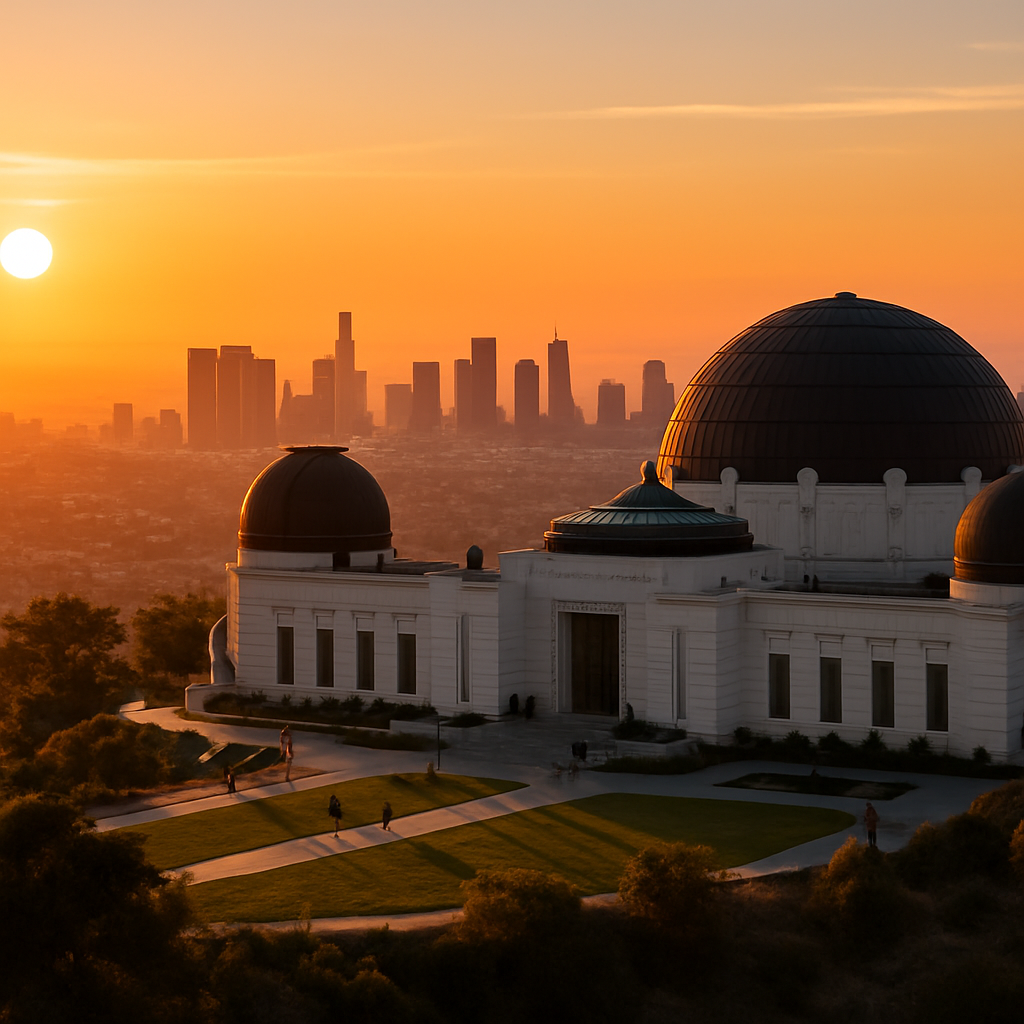
Griffith Observatory at Sunset
Drive or hike up to the Observatory as the light starts to drop and watch the entire LA basin turn gold, then pink, then a carpet of lights from the mountains to the ocean. The Hollywood Sign sits above you, the city sprawls below, and it's free — genuinely one of the best free experiences in any major city I've covered. The trails through Griffith Park leading up to the Observatory are worth the sweat, but if you're short on time, drive and park early. Don't rush this one.
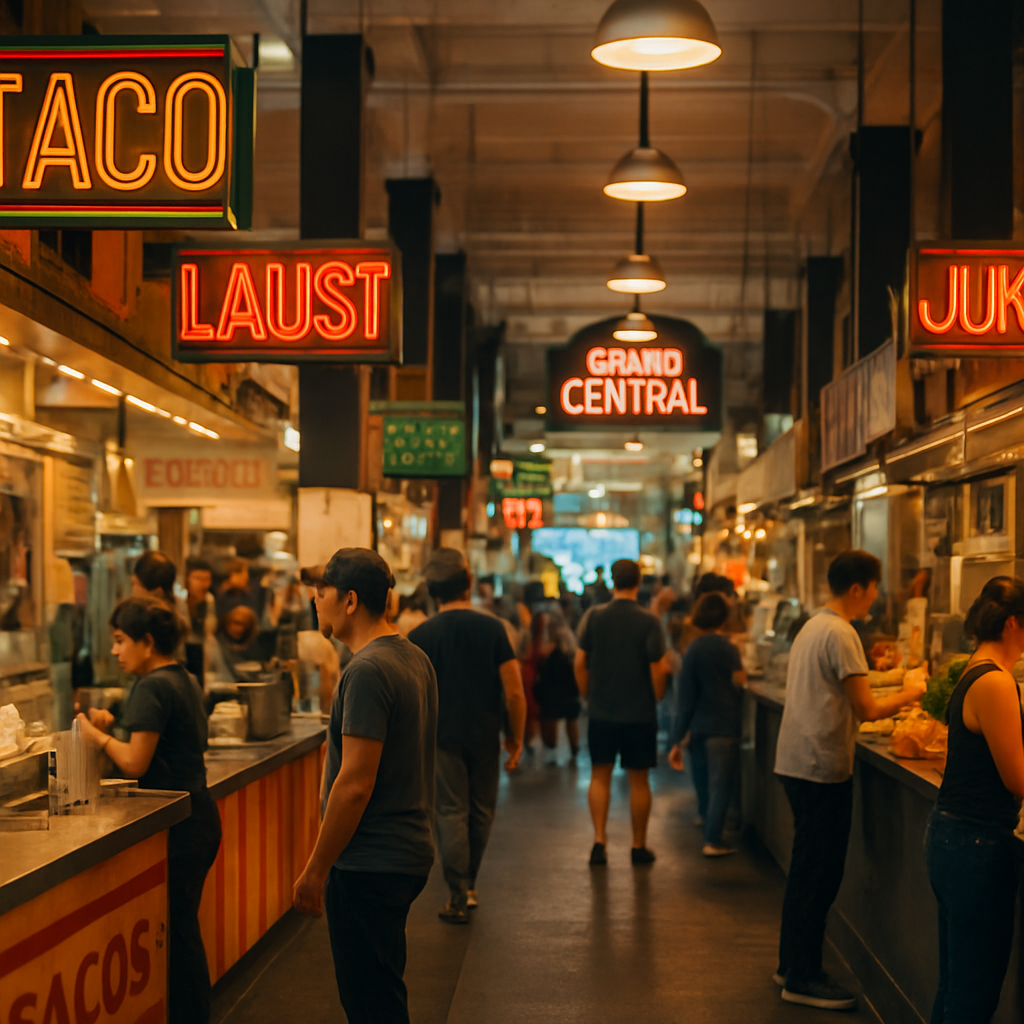
Grand Central Market, Downtown
This century-old food hall on Broadway in DTLA is the city's appetite in miniature — Oaxacan mole at Chiles Secos, Thai boat noodles at Sticky Rice, bone marrow tacos at Tacos Tumbras a Tomas, egg sandwiches at Eggslut if you're willing to stand in line for them. It's loud, it's packed at lunch, and the quality is startlingly high for a place where nothing costs more than $18. Come hungry, leave with a coffee from G&B, walk out onto Broadway and look up at the theater marquees. This is old LA at its best.
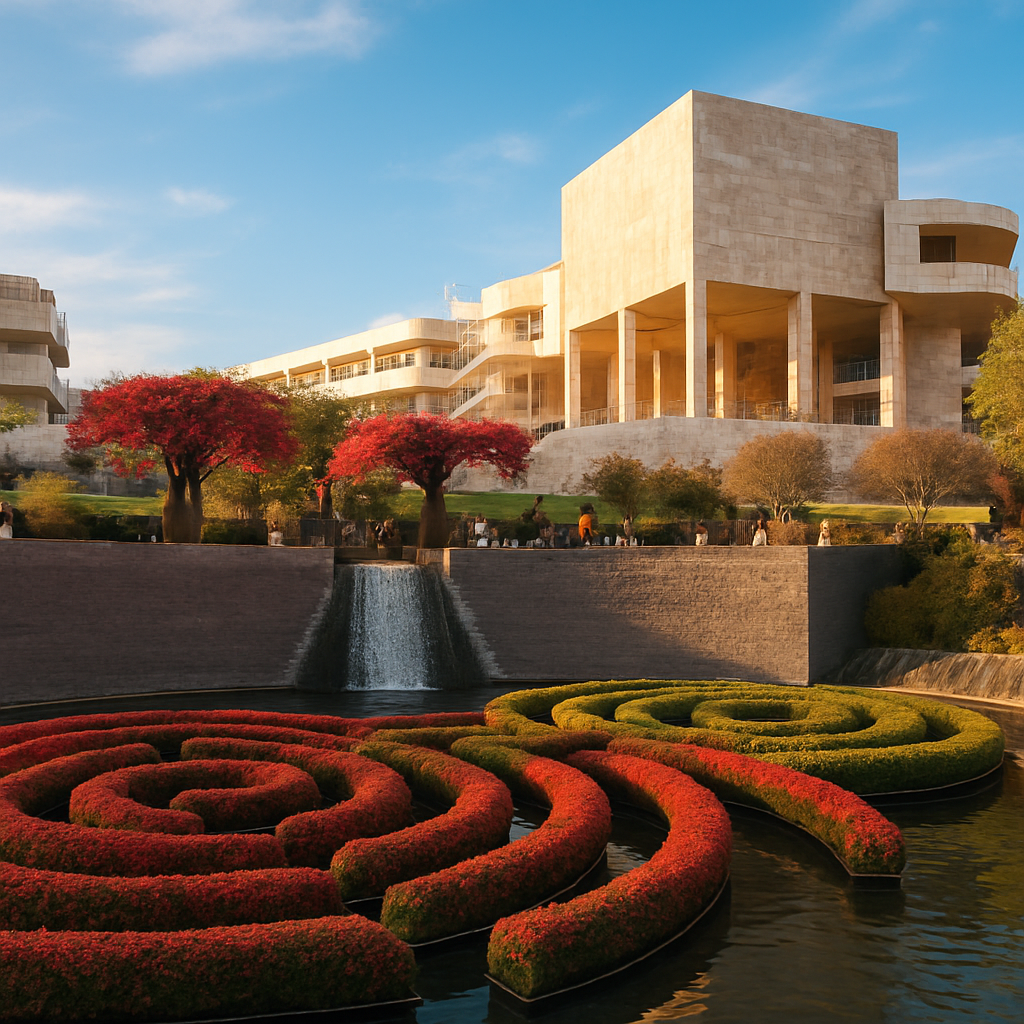
The Getty Center
Richard Meier's white travertine campus sits on a hilltop above the 405 freeway and somehow makes you forget the traffic exists. The permanent collection — Impressionists, medieval manuscripts, photography — is excellent, but the architecture and the gardens are the real draw. Take the free tram up, wander the Central Garden, and on a clear day you can see from the Santa Monica Mountains to Catalina Island. Admission is free; parking is $20. Go on a weekday morning when it's quiet enough to actually breathe.
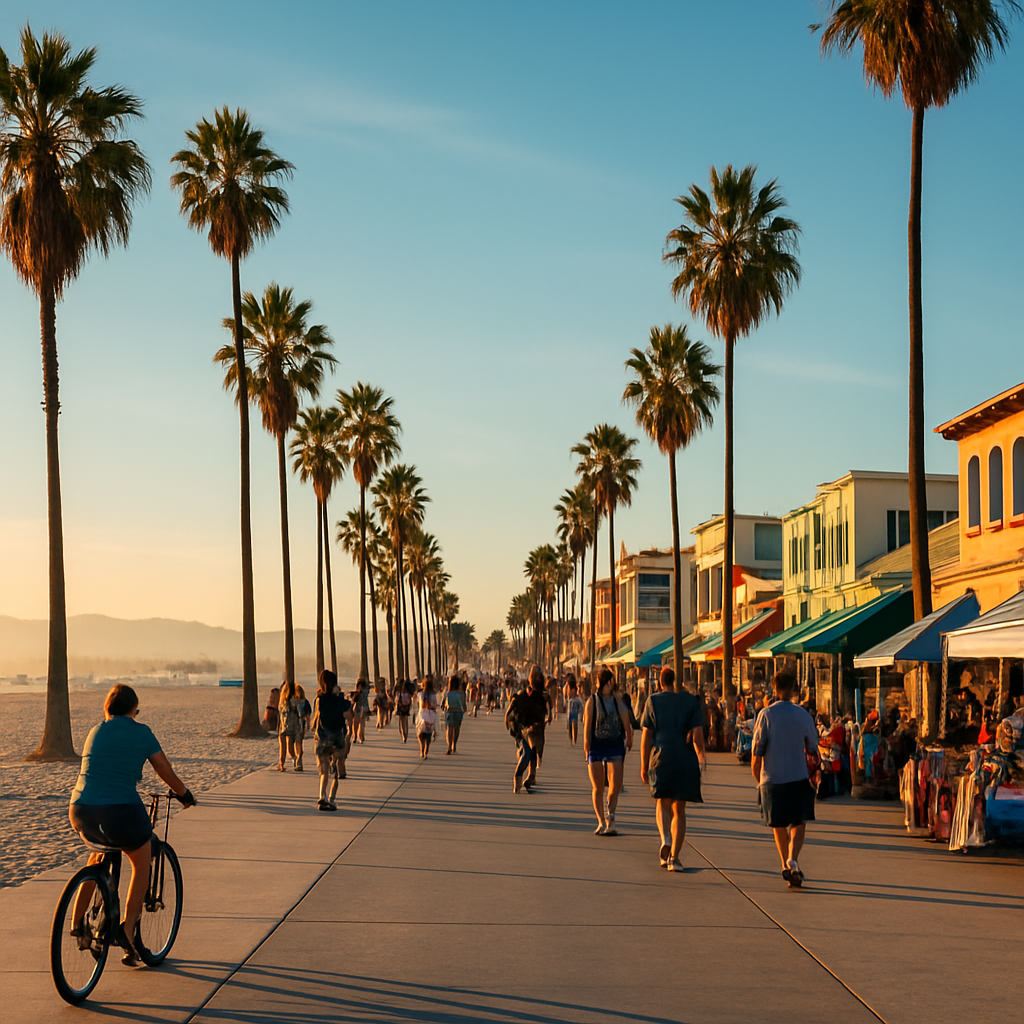
Venice Beach Boardwalk to Santa Monica Pier
Rent a bike at Venice Beach and ride the Marvin Braude Bike Trail north along the coast to Santa Monica Pier — it's about three miles, flat, and delivers two of LA's most iconic stops for the price of a rental. Venice's boardwalk is still gloriously weird: street performers, skate parks, Muscle Beach, the murals along Windward Avenue. The pier is pure Americana — Ferris wheel, funnel cake, the Pacific stretching out. Do it in late afternoon when the light softens and the crowds start to thin.
Outfest or LA Pride (Seasonal)
If your trip lands in June, LA Pride shuts down Santa Monica Boulevard for a full weekend festival — the block parties on Friday night are arguably better than the parade itself. If you're here in July, Outfest is worth scheduling around: one of the oldest and most prestigious LGBTQ+ film festivals in the world, with screenings at the DGA Theater and venues across the city. Both events pull LA's sprawling queer community into a single cultural moment, which doesn't happen often in a city this spread out.
The places I actually send people to
Advice that fits how you travel
LA is an exceptional solo city if you know where to plant yourself. The instinct is to try to cover everything — WeHo, Silver Lake, the beach, downtown, a hike — but this city will eat your energy if you let it. My advice: pick a neighborhood, stay there, and go deep. WeHo is the obvious base for nightlife — the bars are close enough to walk between, the crowd is social by default, and you'll meet people at The Abbey's outdoor patio before your second drink arrives. Freehand LA in Koreatown is the best budget option and practically designed for solo travelers — the rooftop pool is a social catalyst.
App culture here is exactly what you'd expect from the entertainment capital: active, visual, and fast-moving. Grindr, Scruff, and Hinge all have massive LA user bases, and people actually follow through on plans. For in-person socializing, LGBTQ+ hiking groups in Griffith Park and Runyon Canyon are genuinely welcoming to newcomers and a good way to meet people outside the bar circuit. APLA Health has walk-in PrEP and STI services with same-day appointments often available — the staff is deeply non-judgmental in a way that actually means it, not just in a brochure way.
Budget solo travelers can make LA work surprisingly well: the Metro covers more ground than people give it credit for, taquerias and food trucks feed you for $8–$12, beaches and parks are free, and museums have regular free-admission days. A realistic budget solo day runs $90–$130. The one thing you can't avoid spending on is getting from place to place — LA's sprawl is real, and a rideshare or two per day is just part of the math. Safety-wise, solo travelers should rideshare home after 2am rather than walking from WeHo into the dimmer surrounding blocks.
Los Angeles doesn't do romance quietly — the city is too sprawling, too in love with spectacle — and honestly, that works in your favor. Start your evening at Gracias Madre in WeHo, where the plant-based Mexican menu and low lighting conspire to make everyone look their best, then walk the few blocks south on Robertson to The Abbey for a nightcap and some of the finest people-watching on the continent. This city rewards couples who are willing to be present in it together rather than just moving through it on a checklist.
For a date with genuine staying power, drive up to Griffith Observatory at dusk. The city fans out below you from the San Gabriel Mountains to the Pacific — on a clear day you can see Catalina Island — and it's completely free. The Los Feliz and Silver Lake neighborhoods at the base of the hills have some of the city's best low-key restaurants and cocktail bars afterward; the vibe is significantly more neighborhood, less performance than WeHo, which can be exactly what you want after the first couple of nights.
PDA in WeHo and Silver Lake is not just tolerated — it's genuinely unremarkable. You are not a novelty here, and that baseline comfort is worth factoring into where you choose to spend your time. For accommodation, The Standard WeHo puts you at the center of everything with rooftop access and a crowd that doesn't blink at same-sex couples in any context; the Kimpton Everly's Hollywood Hills views and long-standing inclusive policies make it the better bet if you want something a degree quieter and slightly more intimate.
California gives LGBTQ+ families the full legal picture: same-sex marriage, equal adoption rights, comprehensive anti-discrimination protections, and self-ID gender recognition. You won't encounter legal friction here, and in WeHo, Silver Lake, and Santa Monica, you'll see other queer families living their lives without incident or comment. The city is large and diverse enough that LGBTQ+ families are genuinely unremarkable in most of the neighborhoods you'll want to visit — which is exactly how it should be.
For the kids: Griffith Observatory is free, legitimately fascinating, and earns serious parent points with older children. The LA Zoo is inside Griffith Park and an easy pairing for a full day. Venice Beach boardwalk is free, loud, and joyfully chaotic — rent bikes there and ride the beach path north toward Santa Monica Pier for a manageable, low-traffic route that delivers two iconic stops for the price of one. If you're budgeting for Universal Studios Hollywood, go in — it's worth it at the right age — but plan for $150–200 per person once you factor in food and extras.
Practically speaking, renting a car with a family isn't optional in LA — it's essential. The Metro works fine for adults but becomes genuinely complicated with strollers, tired kids, and gear. Kid menus are available at most casual restaurants and the food truck culture means you can feed a family quickly and cheaply when energy flags. Freehand LA in Koreatown has family-priced room options and that rooftop pool is a genuine treat; worth pricing out before defaulting to a chain hotel. The LA LGBT Center also runs family-focused programming and can be a useful resource if you need community connections during a longer stay.
What Los Angeles actually costs
Flights, visas, and the first 30 minutes
Airport: Los Angeles International Airport (LAX) — one of the world's busiest airports, served by 100+ cities with direct routes. It's not a beautiful airport experience, but infrastructure improvements including the new Automated People Mover have made navigation meaningfully less chaotic.
Major direct routes: New York JFK (~5h 30m), London Heathrow (~10h 30m), Tokyo Narita (~11h), Sydney (~15h), Toronto YYZ (~5h), Mexico City (~3h 30m). Most major international carriers serve LAX nonstop.
Visa requirements: US citizens — no visa required (domestic travel). UK, Canadian, and Australian citizens — ESTA required (~$21, valid 2 years; apply at esta.cbp.dhs.gov before departure). EU citizens from Visa Waiver Program countries — ESTA required; citizens of non-VWP EU countries require a B-2 visa.
Airport to city: The FlyAway Bus ($9.75) is the underrated move — reliable service to Union Station and several westside stops in 30–60 minutes, and it sidesteps the rideshare pickup congestion entirely. Rideshare (Uber/Lyft) runs $25–$55 depending on destination and traffic; pick up from the designated lower-level area, not curbside. Taxis run $50–$70, with a flat rate available to downtown. The Metro C Line connects to the broader Metro network for just $1.75, but it's a 60–90 minute commitment that gets complicated with luggage. For WeHo or Hollywood, a rideshare is your cleanest arrival.
Traven's seasonal breakdown
The questions everyone asks
Is West Hollywood actually safe for LGBTQ+ travelers?
Do I need a car in LA?
How much should I budget per day?
What's the difference between WeHo and Silver Lake?
Is LA good for trans travelers?
When is LA Pride?
Is Palm Springs worth the day trip?
Screenshot this before you go
So should you actually go?
Go. I mean that with no qualification. Los Angeles is one of the most fully realized LGBTQ+ destinations on the planet — my Traven-Dex score of 9.1 reflects a city with perfect legal protections, a queer scene deep enough to sustain every identity and interest, and a destination quality that stands entirely on its own merits even if you never set foot in a gay bar. The sprawl is real, the traffic is real, and the city demands you meet it on its terms — but when you do, honey, it delivers. Whether you're dancing at The Abbey at midnight, hiking Griffith Park at sunrise, or eating dan dan noodles at Pine & Crane on a Tuesday afternoon, you're living in a city that fought hard for the right to exist exactly as it does. That's worth the plane ticket.
Sources & Resources
Official links we reference when compiling this guide. Last verified 2026-03-06.
- Los Angeles LGBT Center
- APLA Health (HIV/STI Services, LA)
- ONE National Gay & Lesbian Archives at USC
- Christopher Street West / LA Pride
- Outfest Los Angeles LGBTQ+ Film Festival
- Lambda Legal (Western Regional Office, LA)
- AIDS Healthcare Foundation
- TransLatin@ Coalition
- City of West Hollywood LGBTQ+ Resources
- GLAAD (Los Angeles HQ)
- The Trevor Project
- LA County Department of Public Health LGBTQ+ Resources