
LA isn't one city — it's five cities wearing a trench coat, and every single one of them will feed you better than wherever you flew in from.
It's a Tuesday night on Santa Monica Boulevard in WeHo, and the patio at The Abbey is doing what it's done since 1991 — holding court. Two guys share a plate of sliders, a bachelorette party is losing its mind over a drag queen's Beyoncé, and a couple who flew in from Austin that morning are already on their third round of espresso martinis, sunburned and grinning. Nobody's performing tolerance. Nobody's making a statement. This is just Tuesday. That's the thing about LA that's hard to explain until you've been here: the gay life isn't an attraction or a district you visit. It's infrastructure. It's woven into the city at the municipal level — literally, in the case of West Hollywood, which incorporated in 1984 in large part because its LGBTQ+ residents wanted to govern themselves.
I gave this city a 9.5 on my Traven-Dex, and honestly, the only reason it isn't higher is traffic. The legal framework is a perfect 10 — California doesn't play around. Marriage, adoption, comprehensive anti-discrimination protections, self-ID gender marker changes. As of 2026, this is as good as it gets anywhere in the world on paper, and what makes LA special is that the paper matches the pavement. You'll hold hands on Sunset Boulevard without a thought. You'll check into your hotel with your partner and get zero hesitation. You'll find gay bars that have been open since the Reagan administration and restaurants owned by LGBTQ+ people who are winning James Beard nominations.
But LA isn't just WeHo — and that's what I want you to understand. Silver Lake has its own thing going on, scrappier and more indie, with Akbar anchoring a scene that's more literary reading than go-go dancer. Los Feliz is where the gays go to eat extraordinarily well and pretend they're not in LA. Downtown is reinventing itself every eighteen months. And then there's the sheer scale of the place — the Pacific Coast Highway at golden hour, the taco trucks that change your understanding of what food can cost versus how good it can taste, the way Griffith Observatory makes even the most cynical person shut up for a minute and stare.
This is a city that takes some effort. You'll need a car (or a strategy). Distances are real, traffic is biblical, and nothing is within walking distance of anything else unless you're already in the right neighborhood. But for LGBTQ+ travelers specifically, the reward is a place where you don't have to think about being gay. You just get to think about what you want to eat, where you want to swim, and whether you can get a reservation at that place everyone's been posting about. That's the luxury here — not the hotels on the Sunset Strip (though those are great too). It's the luxury of not having to calculate.
The stuff your travel guide buries on page 47
The legal picture is as good as it gets. Same-sex marriage, adoption, comprehensive anti-discrimination protections covering employment, housing, and public accommodations, and self-ID gender marker changes — California leads the US on every measurable LGBTQ+ legal benchmark, and my Legal score of 10.0 reflects that. There is no criminalization of any kind. Federal marriage equality applies nationwide, and California state law adds layers of protection that most countries haven't even considered yet.
One thing worth knowing: West Hollywood is its own incorporated city with its own police department, city council (historically majority LGBTQ+), and genuine political infrastructure. It's not just a neighborhood — it's a jurisdiction that has your back in ways Los Angeles proper doesn't always match. The City of West Hollywood maintains dedicated LGBTQ+ services and resource offices.
The LA LGBT Center on McCadden Place is the largest LGBTQ+ community organization in the world and offers everything from HIV testing and legal aid to senior programs and youth shelter. If you or someone you're traveling with needs any kind of support, this is the first call to make. Their Ed Gould Plaza courtyard also hosts free events, film screenings, and cultural programming open to anyone.
PDA comfort: In WeHo and Silver Lake, same-sex PDA is completely normalized — holding hands, kissing, none of it draws a second look. Santa Monica and Venice Beach are similarly relaxed. Downtown LA's Arts District is welcoming, though exercise normal awareness near Skid Row–adjacent areas. Hollywood Boulevard's heavy tourist foot traffic makes it slightly less predictable, but you're fine. The San Fernando Valley has more conservative pockets where reading the room is smart. In general, this is one of the easiest cities on earth to be visibly gay in — act accordingly.
Pro tip: parking in WeHo on a Friday or Saturday night is a full psychological event. Budget for a rideshare and arrive without the existential crisis. The bars are close enough together that the walk from Trunks to The Abbey is half the social experience anyway.
What it actually feels like on the ground
Holding hands: In WeHo, Silver Lake, Santa Monica, Venice, and the Arts District — completely unremarkable. You'll see other same-sex couples doing the same. On Hollywood Boulevard or in more suburban areas like parts of the Valley, you're unlikely to encounter problems but the audience is less predictable. Use the same judgment you'd use in any major US city.
Hotel check-in: Zero issues. California law prohibits discrimination in public accommodations, and every major hotel brand in LA will check in same-sex couples without comment. Boutique properties in WeHo and Silver Lake are actively welcoming. You won't need to explain your booking, your relationship, or your ID.
Taxis and rideshare: Completely fine. Uber and Lyft drivers in LA are accustomed to picking up from WeHo bars at 2am; this is routine, not notable. If you're visibly gay or in drag, you may occasionally get a curious glance from an older driver, but incidents are extremely rare. Use in-app safety features as you would anywhere.
Beaches and public spaces: Santa Monica and Venice are deeply LGBTQ+-friendly. Will Rogers State Beach (formerly known as Ginger Rogers Beach) has historically been an unofficial gay beach. Griffith Park and Runyon Canyon are popular with gay hikers and runners. You're safe being yourself in public spaces across the westside and central LA.
Late night: WeHo itself is extremely safe and well-lit with visible LGBTQ+ Sheriff liaisons, but the surrounding blocks of Hollywood and the eastern stretch of Santa Monica Blvd toward East Hollywood can shift quickly. Stay aware after 2am when bars close and crowds disperse toward dimmer blocks. Rideshare home rather than walking long distances after closing time.
Trans travelers: California has among the strongest trans protections in the US, and LA is home to significant trans community infrastructure. That said, trans women of color — particularly around Hollywood Boulevard and Cahuenga — have faced disproportionate street harassment and violence. The TransLatin@ Coalition maintains current safety resources and community check-in systems worth knowing about. APLA Health offers trans-competent healthcare including walk-in services at multiple locations.
Verbal harassment risk: Low in LGBTQ+ neighborhoods, rare elsewhere. LA is a big city with big-city variability, but the LGBTQ+ infrastructure is deep enough that incidents are uncommon and taken seriously when reported. WeHo's dedicated city resources mean response is faster and more informed there than in most US jurisdictions.
The queer geography
West Hollywood (WeHo)
WeHo is a 1.9-square-mile incorporated city wedged between Beverly Hills and Hollywood, and walking Santa Monica Boulevard on a Friday night is one of those rare experiences that actually earns the word 'electric.' The architecture is low-slung California commercial — strip-mall bones dressed up with neon and patio furniture — but the energy is entirely its own. Between Robertson and La Cienega, the bars stack up like dominoes: Trunks for the first beer, Revolver Video Bar for the music videos you forgot existed, Micky's for the drag shows, The Abbey for the full theatrical experience. The food scene runs from Gracias Madre's plant-based Mexican on Melrose to late-night slices you'll eat standing on the sidewalk. Weekday afternoons here are quieter — boutique shopping on Robertson, coffee on the patio at some overpriced café, maybe a walk along the Harvey Milk Promenade outside City Hall. This is the heart of LA's gay scene, purpose-built and unapologetic, and it's been that way for forty years.
Silver Lake
East of Hollywood, Silver Lake sprawls across steep hills dotted with mid-century homes, independent coffee shops, and the kind of vintage stores that know exactly what they have and price accordingly. Sunset Boulevard through here has a scruffy, walkable energy that WeHo doesn't — taco shops next to wine bars next to record stores, all of it feeling slightly less curated. The reservoir loop is a gorgeous morning walk — flat, tree-lined, about two and a half miles — and the surrounding streets are pure residential LA at its most charming: bougainvillea spilling over fences, canyon views between houses. Silver Lake was LA's original gay neighborhood before WeHo incorporated, and that history lives on at Akbar, the dive bar on Sunset where the crowd is mixed, the DJs play actual good music, and nobody's trying to impress anyone. The scene here skews artsy, more politically engaged, and more diverse than the WeHo mainstream — it's a different frequency, and a lot of locals prefer it.
Downtown LA (DTLA)
Downtown has been in the middle of a reinvention for a decade and it's still not done, which is part of its appeal. The Arts District east of Alameda is all converted warehouses, gallery spaces, and restaurants that take their coffee and their concrete equally seriously. Bestia and Bavel are the reservation-you-need-a-month-ahead kind of places, but the taco trucks along the edges are just as essential. Grand Central Market on Broadway is the lunch move — Ramen Hood, Egg Slut, Tacos Tumbras a Tomas — all under one roof in a 1917 building that still has its original neon. The Broad museum is free (reserve timed tickets) and houses genuinely impressive contemporary art. DTLA doesn't have a concentrated gay bar scene, but the neighborhood is young, diverse, and welcoming — Precinct on Broadway hosts LGBTQ+ nights and the Freehand hostel-hotel on 8th Street is a social hub with a rooftop pool that draws a creative, mixed crowd.
Santa Monica & Venice Beach
The stretch from Santa Monica Pier south to the Venice Boardwalk is peak LA fantasy — the Pacific at golden hour, skateboarders, Muscle Beach, the smell of sunscreen and street food. Santa Monica's Third Street Promenade is the clean, upscale pedestrian zone; Venice is the gritty, weird counterbalance where Abbot Kinney Boulevard has some of the best independent shopping and eating in the city. The canals south of Venice Boulevard are absurdly photogenic and usually quiet enough to actually enjoy. This is liberal beach culture at its most relaxed — same-sex couples are completely unremarkable on the sand and the promenade.
Los Feliz & Griffith Park
Los Feliz sits at the base of Griffith Park and has the energy of a neighborhood that knows it's cool but isn't aggressive about it. Hillhurst Avenue and Vermont Avenue are the main drags — Thai food at Jitlada (technically East Hollywood but close), cocktails at Dresden Room (yes, that one from Swingers), and the best movie theater in LA at the Vista (now owned by Quentin Tarantino, screening 35mm prints). The real draw is Griffith Park itself — 4,310 acres of trails, the Griffith Observatory perched above it all with free admission and views that make you understand why people put up with this city's traffic. LGBTQ+ hiking groups regularly use the park trails, and the observatory at sunset is one of the best free experiences in North America.
The Los Angeles LGBT Center is the go-to resource for community connections, offering directories of LGBTQ+-owned businesses, events, and venues across the city.
The Advocate provides in-depth travel coverage and destination guides for LGBTQ+ travelers exploring Los Angeles neighborhoods and nightlife. The Advocate's travel guides.
West Hollywood's official tourism site features information on the historic LGBTQ+ neighborhood's restaurants, entertainment venues, and cultural attractions. West Hollywood official visitors guide.
The experiences worth rearranging your itinerary for
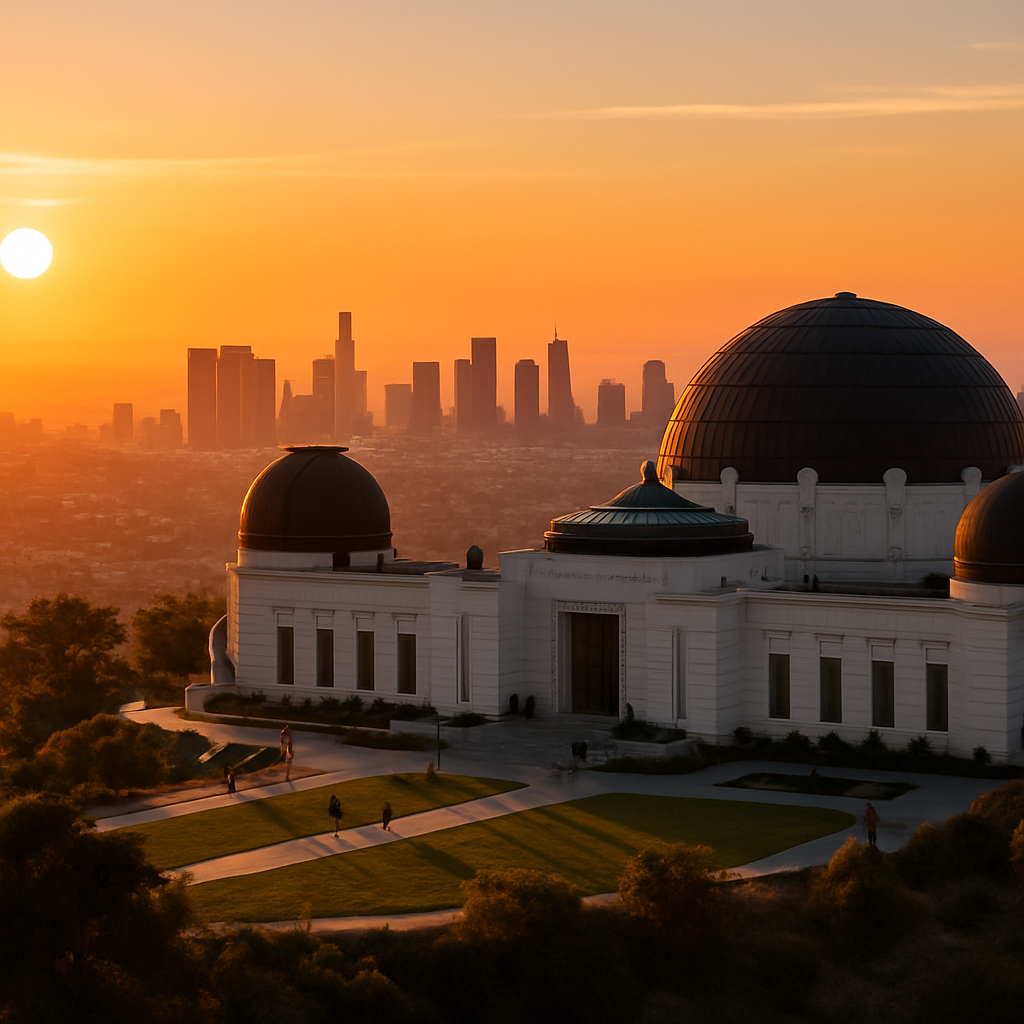
Griffith Observatory at Sunset
Drive, hike, or rideshare up to the art deco observatory perched above the city and arrive about 45 minutes before sunset. Admission is free. The views span from downtown's skyline to the Pacific on clear days, and the Hollywood Sign floats above the ridge to your right. The planetarium shows are worth the small ticket price, but honestly, just standing on the south terrace watching LA light up below you is the main event. Stay after dark — the telescope viewing is free and the city at night from up here is genuinely stunning.
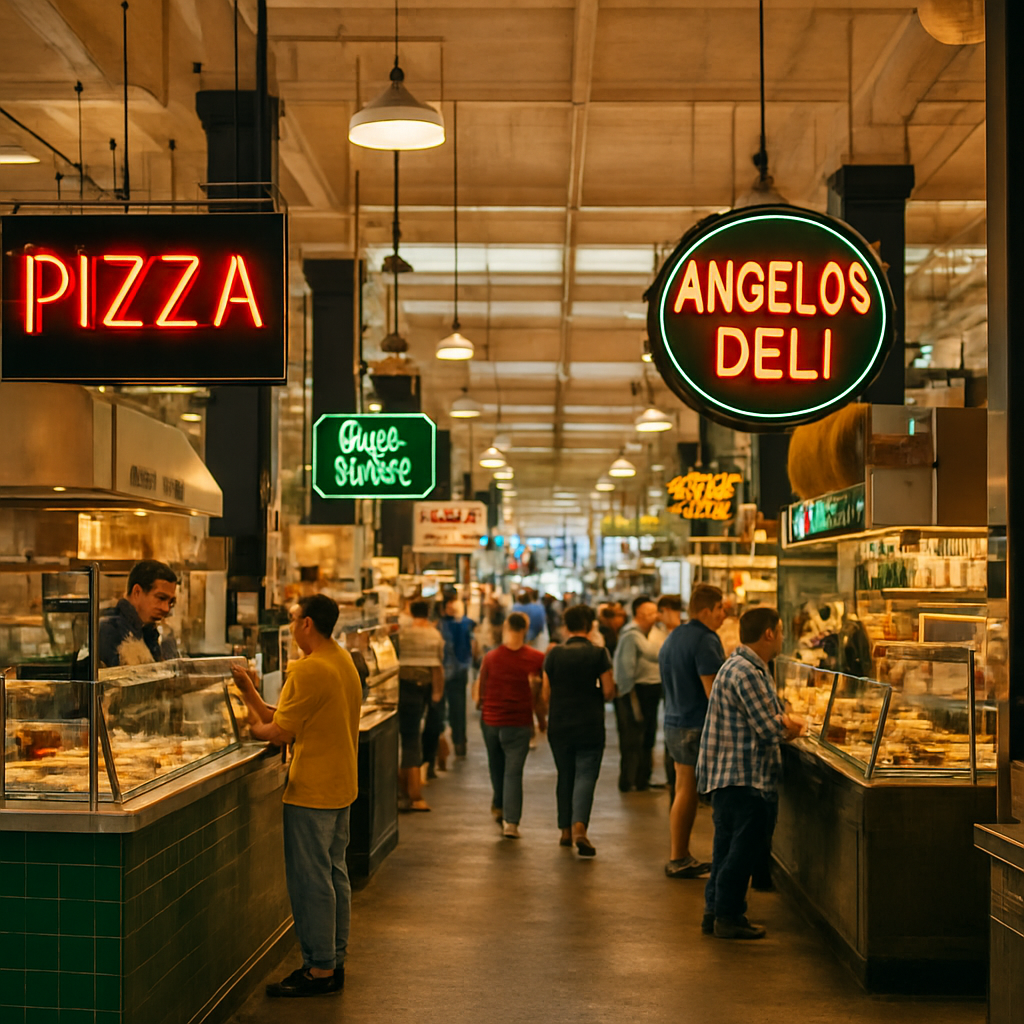
Grand Central Market
This 1917 food hall on Broadway in DTLA is one of the best lunch spots in the city — not because it's trendy (though it is) but because the food is genuinely excellent across a dozen stalls. Get the breakfast burrito from Egg Slut, the ramen from Ramen Hood, or the tacos from Tacos Tumbras a Tomas that have been operating here for decades. The building itself is beautiful — original tile work, neon signs, an open-air breeze running through. Go on a weekday to avoid peak crowds. Budget about $12–$18 per person.
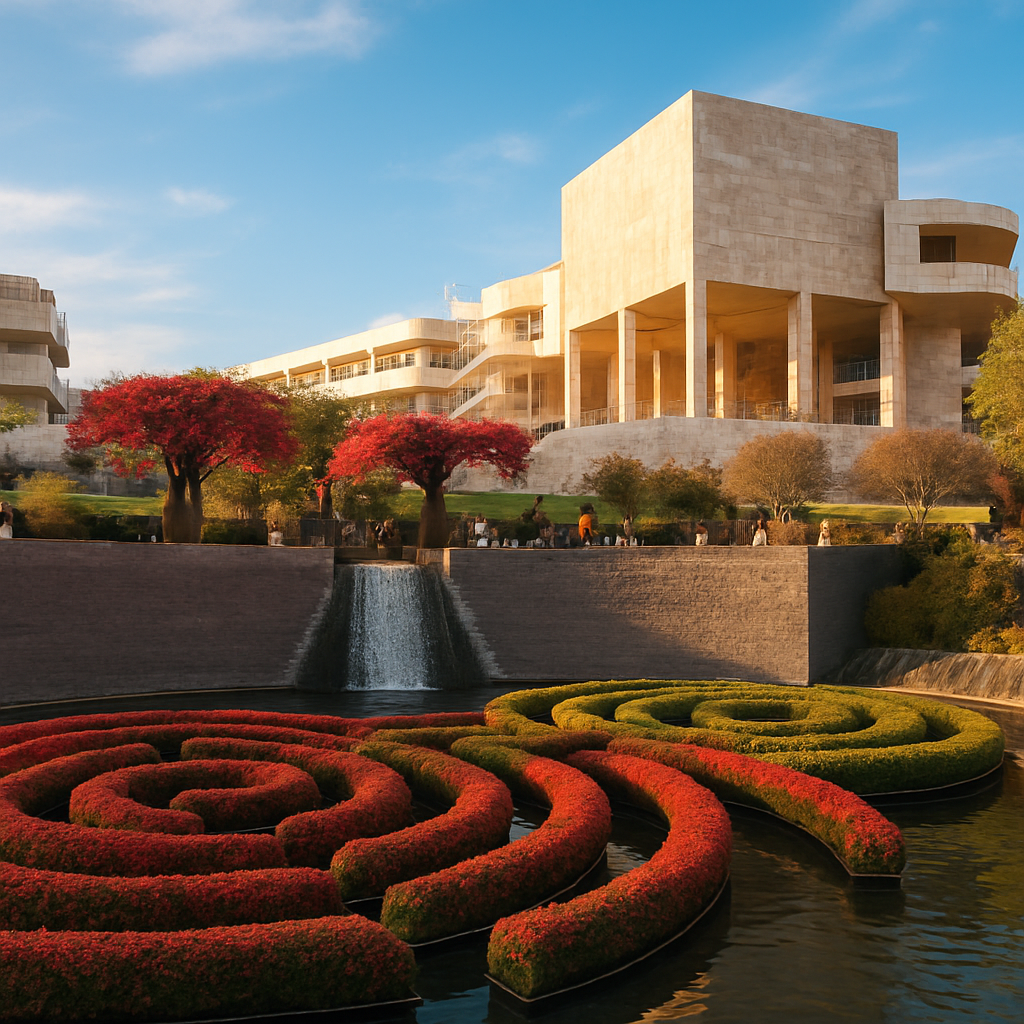
The Getty Center
Take the free tram up the hillside to Richard Meier's white travertine campus and spend a few hours with European paintings, photography exhibitions, and some of the best views in the city — the Pacific, the mountains, and the Basin spread out below the gardens. The Central Garden by Robert Irwin is worth the visit alone. Admission is free; parking is $20. Go on a weekday morning and you'll have entire galleries to yourself. The outdoor sculpture terraces at golden hour are absurdly photogenic.
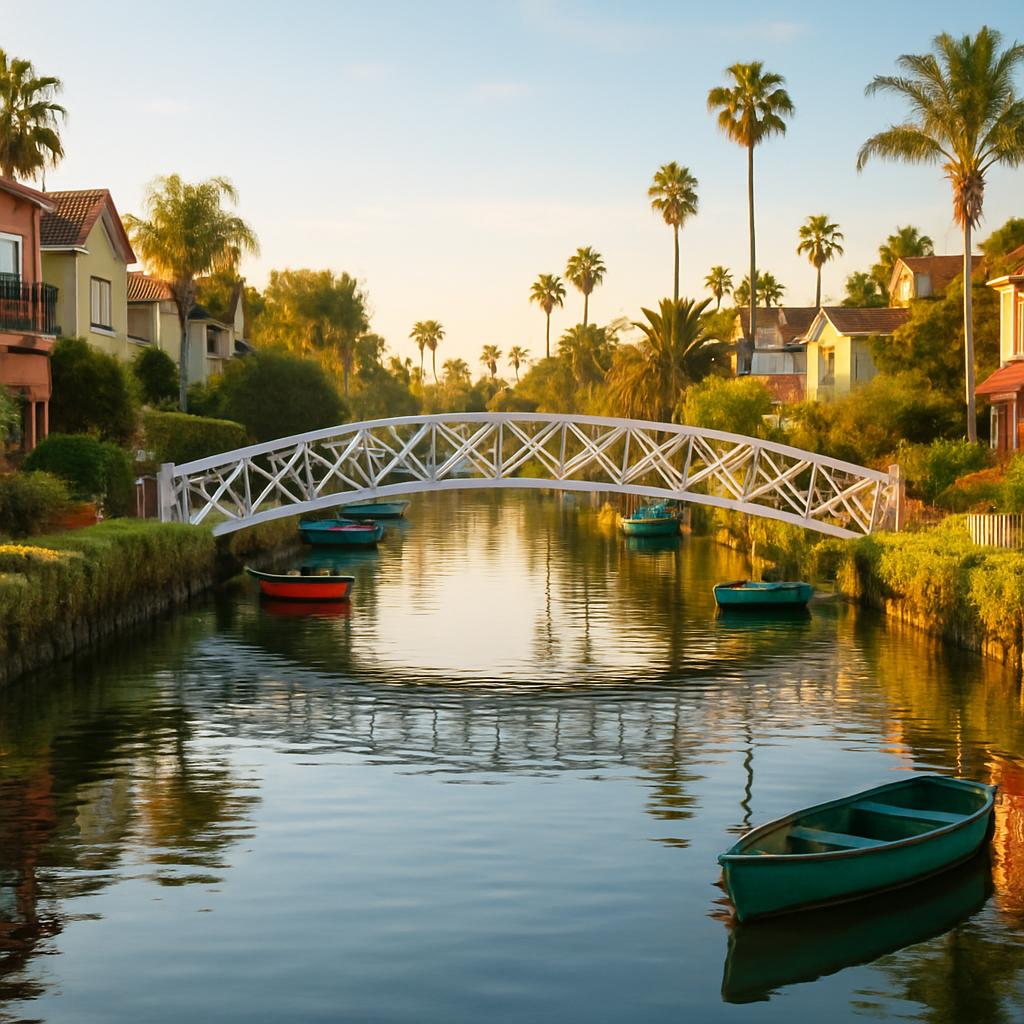
Venice Canals & Abbot Kinney
Start at the Venice Canals south of Venice Boulevard — a quiet residential grid of arched bridges and water channels lined with wildly eclectic houses, ducks paddling past, and almost no tourists on weekday mornings. It's fifteen minutes of walking and feels like a different city entirely. Then head to Abbot Kinney Boulevard for independent boutiques, excellent coffee at Intelligentsia or Menotti's, and some of the best casual dining on the Westside. Salt & Straw ice cream usually has a line, and it's usually worth it.
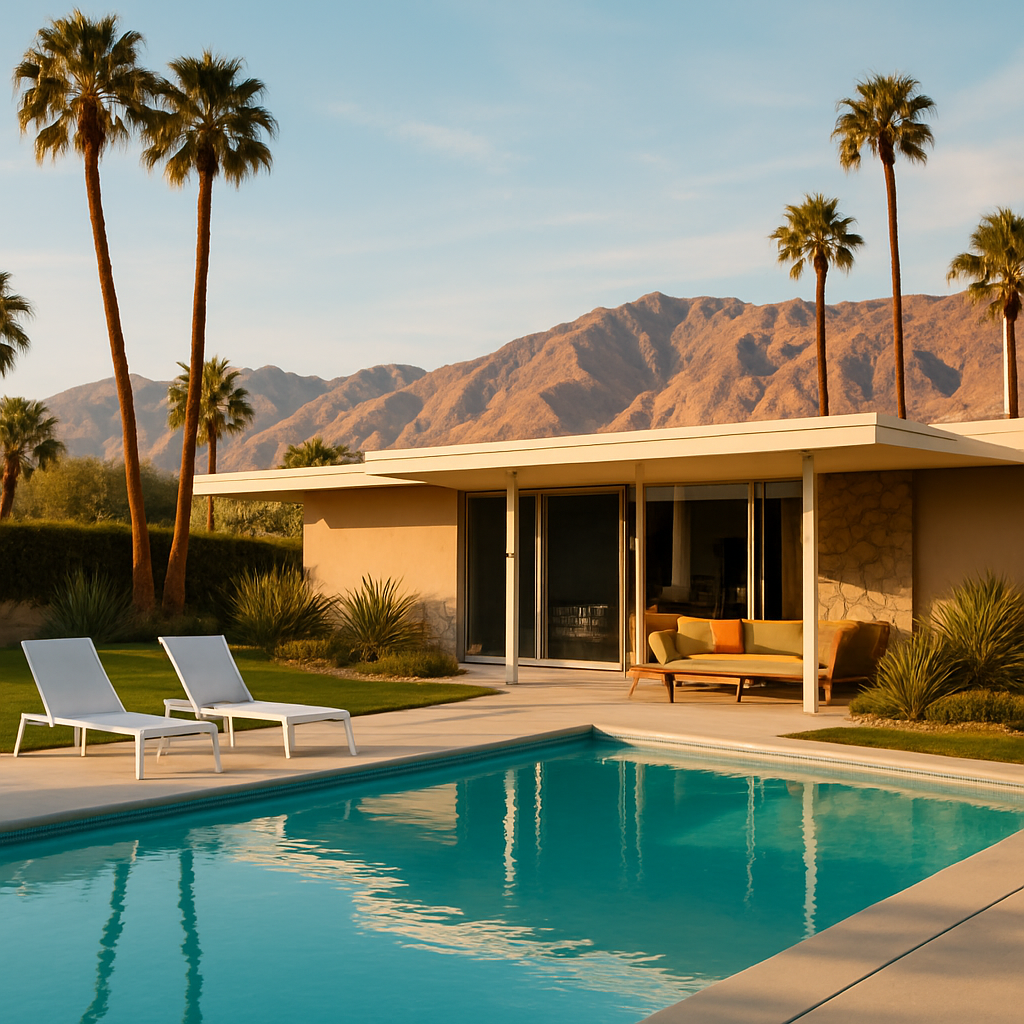
A Day in Palm Springs
Two hours east on I-10, the desert opens up and suddenly you're in a mid-century modern postcard. Palm Springs is worth at least a day trip — the Palm Springs Art Museum is small and excellent, the Aerial Tramway takes you from the desert floor to an alpine forest in ten minutes, and the downtown strip has enough restaurants and design shops to fill an afternoon. The city has one of the highest proportions of LGBTQ+ residents in the US, so the energy is completely relaxed. If you can swing an overnight, the boutique hotels with private pools are peak desert luxury.
The places I actually send people to
The Los Angeles dates worth planning around
Advice that fits how you travel
LA is a phenomenal solo city if you accept two things upfront: you need a rideshare budget, and you need to be comfortable initiating. This isn't a walkable European capital where you'll bump into people at the hostel bar and have dinner plans by 6pm. But the flip side is that the apps here are very active — Grindr, Scruff, and Hinge all have enormous user bases, and people are generally responsive and willing to meet up. WeHo bars are easy to walk into alone; The Abbey in particular has such a social, open-patio layout that sitting solo feels natural, not awkward.
Stay at the Freehand in Koreatown if you're on a budget — the rooftop pool is a built-in social scene and dorms start around $55. For a mid-range solo base, Hollywood puts you within rideshare distance of both WeHo and Silver Lake without committing to either. Hit Akbar on a weeknight for a low-key crowd, or time your trip for Outfest in July when screenings give you a natural excuse to be in a room full of interesting people.
Pro tip: the Metro is more useful than LA's reputation suggests. The B Line runs from North Hollywood through Hollywood to Koreatown, and the E Line connects Santa Monica to DTLA. It won't replace rideshares entirely, but a $1.75 fare beats a $25 Uber for daytime sightseeing. Solo budget travelers can realistically do LA on $90–$130/day if you use transit, eat at taquerias, and take advantage of free beaches, Griffith Observatory, and museum free days.
Los Angeles doesn't do romance quietly — the city is too sprawling, too in love with spectacle — and honestly, that works in your favor. Start your evening at Gracias Madre in WeHo, where the plant-based Mexican menu and low lighting conspire to make everyone look their best, then walk the few blocks south on Robertson to The Abbey for a nightcap and some of the finest people-watching on the continent. This city rewards couples who are willing to be present in it together rather than just moving through it on a checklist.
For a date with genuine staying power, drive up to Griffith Observatory at dusk. The city fans out below you from the San Gabriel Mountains to the Pacific — on a clear day you can see Catalina Island — and it's completely free. The Los Feliz and Silver Lake neighborhoods at the base of the hills have some of the city's best low-key restaurants and cocktail bars afterward; the vibe is significantly more neighborhood, less performance than WeHo, which can be exactly what you want after the first couple of nights.
PDA in WeHo and Silver Lake is not just tolerated — it's genuinely unremarkable. You are not a novelty here, and that baseline comfort is worth factoring into where you choose to spend your time. For accommodation, The Standard WeHo puts you at the center of everything with rooftop access and a crowd that doesn't blink at same-sex couples in any context; the Kimpton Everly's Hollywood Hills views and long-standing inclusive policies make it the better bet if you want something a degree quieter and slightly more intimate.
California gives LGBTQ+ families the full legal picture: same-sex marriage, equal adoption rights, comprehensive anti-discrimination protections, and self-ID gender recognition. You won't encounter legal friction here, and in WeHo, Silver Lake, and Santa Monica, you'll see other LGBTQ+ families living their lives without incident or comment. The city is large and diverse enough that LGBTQ+ families are genuinely unremarkable in most of the neighborhoods you'll want to visit — which is exactly how it should be.
For the kids: Griffith Observatory is free, legitimately fascinating, and earns serious parent points with older children. The LA Zoo is inside Griffith Park and an easy pairing for a full day. Venice Beach boardwalk is free, loud, and joyfully chaotic — rent bikes there and ride the beach path north toward Santa Monica Pier for a manageable, low-traffic route that delivers two iconic stops for the price of one. If you're budgeting for Universal Studios Hollywood, go in — it's worth it at the right age — but plan for $150–200 per person once you factor in food and extras.
Practically speaking, renting a car with a family isn't optional in LA — it's essential. The Metro works fine for adults but becomes genuinely complicated with strollers, tired kids, and gear. Kid menus are available at most casual restaurants and the food truck culture means you can feed a family quickly and cheaply when energy flags. Freehand LA in Koreatown has family-priced room options and that rooftop pool is a genuine treat; worth pricing out before defaulting to a chain hotel. The LA LGBT Center also runs family-focused programming and can be a useful resource if you need community connections during a longer stay.
What Los Angeles actually costs
Flights, visas, and the first 30 minutes
Airport: Los Angeles International Airport (LAX) — one of the world's busiest airports, served by 100+ cities with direct routes. It's not a beautiful airport experience, but infrastructure improvements including the new Automated People Mover have made navigation meaningfully less chaotic.
Major direct routes: New York JFK (~5h 30m), London Heathrow (~10h 30m), Tokyo Narita (~11h), Sydney (~15h), Toronto YYZ (~5h), Mexico City (~3h 30m). Most major international carriers serve LAX nonstop.
Visa requirements: US citizens — no visa required (domestic travel). UK, Canadian, and Australian citizens — ESTA required (~$21, valid 2 years; apply at esta.cbp.dhs.gov before departure). EU citizens from Visa Waiver Program countries — ESTA required; citizens of non-VWP EU countries require a B-2 visa.
Airport to city: The FlyAway Bus ($9.75) is the underrated move — reliable service to Union Station and several westside stops in 30–60 minutes, and it sidesteps the rideshare pickup congestion entirely. Rideshare (Uber/Lyft) runs $25–$55 depending on destination and traffic; pick up from the designated lower-level area, not curbside. Taxis run $50–$70, with a flat rate available to downtown. The Metro C Line connects to the broader Metro network for just $1.75, but it's a 60–90 minute commitment that gets complicated with luggage. For WeHo or Hollywood, a rideshare is your cleanest arrival.
Traven's seasonal breakdown
The questions everyone asks
Do I need a car in LA?
Is it safe to hold hands in LA?
How much should I budget per day?
What's the difference between WeHo and Silver Lake?
When is <a href="https://lapride.org" target="_blank" rel="noopener">LA Pride</a>?
Is LA safe for trans travelers?
What's the best neighborhood to stay in?
Screenshot this before you go
So should you actually go?
Go. LA earns its 9.5, and it earns it the honest way — not through a single spectacular gay district, but through a city-wide reality where LGBTQ+ life is ordinary in the best possible sense. The legal protections are ironclad, the scene is enormous and varied, and you'll find everything from a $3 Cuban coffee at a Silver Lake institution to a $400-a-night suite overlooking the Sunset Strip. Yes, you'll sit in traffic. Yes, you'll spend more than you planned. But you'll also stand at the edge of the Pacific with someone you love and realize that nobody around you is thinking twice about the two of you — because they're not. This is one of the best LGBTQ+ destinations on Earth, and I don't say that casually.
Sources & Resources
Official links we reference when compiling this guide. Last verified 2026-03-15.
- AIDS Healthcare Foundation
- AIDS Healthcare Foundation
- APLA Health (HIV/STI Services, LA)
- APLA Health (HIV/STI Services, LA)
- Christopher Street West / LA Pride
- Christopher Street West / LA Pride
- City of West Hollywood LGBTQ+ Resources
- GLAAD (Los Angeles HQ)
- GLAAD (Los Angeles HQ)
- LA County Department of Public Health LGBTQ+ Resources
- Lambda Legal (Western Regional Office, LA)
- Lambda Legal (Western Regional Office, LA)
- Los Angeles LGBT Center
- Los Angeles LGBT Center
- ONE National Gay & Lesbian Archives at USC
- ONE National Gay & Lesbian Archives at USC
- Outfest Los Angeles LGBTQ+ Film Festival
- Outfest Los Angeles LGBTQ+ Film Festival
- The Trevor Project
- The Trevor Project
- TransLatin@ Coalition
- TransLatin@ Coalition