
Louisville doesn't perform Southern hospitality at you. It just hands you a bourbon, points you toward Bardstown Road, and trusts you to find your own Thursday night.
It's a Thursday at Big Bar on Bardstown Road, somewhere around nine, and a man at the patio table next to mine is feeding his pit bull a french fry while a drag queen walks past in full daylight makeup carrying a Heine Brothers' iced coffee. Nobody looks up. Two blocks down, a woman in a 'Y'all Means All' T-shirt is loading vinyl into her car outside Carmichael's. A bourbon distillery tour van rolls through. The Highlands at this exact hour is the most accurate thing about this city — Southern, queer, slightly feral, completely uninterested in performing any of it for you.
This is the part most people miss about Louisville. It's a Southern city in a state with some hard legislation on the books, and yet inside Jefferson County, it operates like a place that figured out who it was in 1999 — when the Fairness Ordinance passed — and never went back. Possibility City is the old slogan locals still use, and it lands. There's a reason I gave it a 7.7 on my Traven-Dex, and a 7.6 on Scene specifically: for a metro this size, the gay bar density on Bardstown Road, the drag programming at Play Louisville, the women-and-BIPOC-and-queer spirits focus at Trouble Bar — it punches.
The food is the surprise. Edward Lee's Korean-Southern tasting menu at 610 Magnolia, Bruce Ucán's Yucatecan room at Mayan Cafe, Anthony Lamas's ceviches at Seviche, lamb sliders in a Germantown basement at Hammerheads — this is a James Beard town that doesn't act like one. Pair the bourbon-tour day with Play's drag brunch on Sunday and the distillery itinerary you spent a month planning starts looking under-seasoned next to a queen lip-syncing to Tina Turner over eggs.
Two things to know before you book. Pride splits across June and September here, and September on Bardstown Road is the one locals show up for — it feels like the whole Highlands turning out for its own family reunion. And Derby weekend, the first Saturday in May, absorbs the entire city; book by February or come a week before or after and get a much better Louisville.
The stuff your travel guide buries on page 47
Same-sex marriage is legal nationwide as of 2026, and Kentucky recognizes it under federal law. Adoption by same-sex couples is legal, and Louisville Metro's Fairness Ordinance, on the books since 1999, prohibits discrimination on the basis of sexual orientation and gender identity in employment, housing, and public accommodations. That ordinance is the foundation of how this city actually operates day-to-day, and you can dig into the local rights landscape through the Fairness Campaign, the Louisville-based organization that fought to pass it.
Here's where you need to pay attention: Kentucky state law and Louisville Metro law are not the same animal. As of 2026, Kentucky requires medical/surgical documentation for gender marker changes on state IDs, and the state passed SB 150 in 2023 restricting gender-affirming care for minors. There's also a school 'bathroom bill' on the books. None of this targets visitors directly — it's primarily a residents' issue, especially for trans Kentuckians and their families — but it's the legal weather you should know is happening outside the city limits. The ACLU of Kentucky tracks active litigation, and the Kentucky Equal Justice Center is a useful resource if you want a deeper read.
On the ground inside Jefferson County, Louisville reads as one of the more comfortable Southern cities I've spent time in. It's a designated 'MEI 100' city on HRC's Municipal Equality Index, which means the city scores at the top tier for municipal-level LGBTQ+ inclusion. Possibility City is an old slogan locals still use affectionately — it's how Louisville signals its blue-dot identity inside a red state.
Pride splits into two events here, which is unusual and worth knowing. Kentuckiana Pride Festival happens in mid-June at the Big Four Lawn on the Waterfront — bigger, parade-driven, regional. Louisville Pride Festival in September shuts down a stretch of Bardstown Road in the Highlands and runs much queerer and more neighborhood-feeling. If you can only pick one, September is the local favorite. Pro tip: Derby weekend, the first Saturday in May, absorbs the entire city — book lodging in February or expect to pay Manhattan prices for a Days Inn across the river in Clarksville.
PDA comfort tracks neighborhood by neighborhood. In NuLu, the Highlands, and along Frankfort Avenue, hand-holding and light affection are unremarkable. Downtown and Whiskey Row are generally fine but get bachelor-and-bachelorette heavy on weekends — read the room. South End suburbs run more conservative; discretion is the move once you're outside the urban core.
What it actually feels like on the ground
Holding hands: On Bardstown Road between Eastern Parkway and Grinstead, it's a non-event — the strip is full of Big Bar, Chill Bar, Nowhere Bar, queer-friendly cafes, and the dog-walking-couple-and-stroller crowd. Same in NuLu, on Frankfort Avenue through Crescent Hill and Clifton, and around Old Louisville's Central Park. The same gesture in further-out suburbs like Pleasure Ridge Park or Valley Station may earn you a stare. Stay urban, stay comfortable.
Hotel check-in: Same-sex couples checking into the 21c Museum Hotel, Hotel Genevieve, the Omni, the Brown, the Seelbach, or any of the downtown boutique properties is a non-issue. I haven't heard of friction at chain hotels in the urban core either. The further you get from Jefferson County, the more it becomes a roll-of-the-dice — but inside Louisville proper, you're fine.
Taxis and rideshare: Generally relaxed. Late-night cabs are spotty after 2 a.m., especially when the Highlands bar strip empties out — Lyft tends to be more reliable than Uber here. Plan your ride before last call rather than wandering Bardstown Road looking for a flag-down.
Bars and nightlife: The gay venues — Play Louisville, The Connection, Big Bar, Chill Bar, Nowhere Bar, Trouble Bar — are explicitly LGBTQ+ spaces, and the broader Highlands and NuLu nightlife reads welcoming. Whiskey Row and Fourth Street Live can get rowdy on Derby weekend and during big sports nights with out-of-town crowds; nothing alarming, but the energy shifts. Tip your drag queens in cash — Kentucky bars don't always let performers split card tips, and a folded five passed during a death drop is the love language here.
Trans travelers: Louisville Metro's Fairness Ordinance covers gender identity in housing, employment, and public accommodation. The urban core — Highlands, NuLu, Old Louisville, Frankfort Avenue — is broadly trans-friendly in practice. Outside Jefferson County, protections weaken sharply. For affirming healthcare, Norton Healthcare runs a dedicated LGBTQ+ health program covering primary care and HIV services, and the Kentucky Health Justice Network is a strong statewide resource for trans Kentuckians and visitors who need a referral. The Matthew Shepard Foundation maintains national hate-crime resources worth bookmarking if you're traveling through the broader region.
Verbal harassment: Rare in the urban core in my experience. Derby weekend brings massive crowds from across the country and across red-state Kentucky into Churchill Downs and downtown — generally fine, occasionally unpredictable. Stay with your group at the track and you'll be unbothered.
Public spaces and parks: Cherokee Park, Waterfront Park, the Big Four Bridge — all relaxed, all family-friendly, all comfortable for couples in daylight. The Big Four Bridge at sunset, walking from Waterfront Park into Indiana, is one of the better free dates this city offers.
The queer geography
The Highlands (Bardstown Road)
This is the long, slightly-feral mile that defines Louisville for a lot of people who live here. Bardstown Road from Eastern Parkway up through Grinstead is a stretch of bookshops, taquerias, vintage stores, late-night diners, and the kind of bars where everyone's dog has a better social life than you. It's walkable, it's loud-in-a-good-way, and the architecture skews early-20th-century brick storefront with bungalows fanning out behind. Carmichael's Bookstore is the indie anchor, with a staff-picks shelf that reliably stocks more trans memoirs than half the LGBTQ+ centers I've been to. Highland Coffee Company at Bardstown and Bonnycastle is the de facto community board for every queer open mic, kickball league, and chosen-family Friendsgiving in the city. Nightlife-wise, this is Louisville's gay corridor — Big Bar is the patio-and-jukebox dive where regulars learn your name by the second drink, Chill Bar leans more cocktail-and-drag, and Nowhere Bar is where you go when the DJ is right. Pro tip: the September Louisville Pride Festival shuts down a long stretch of this road, and it feels like the whole Highlands turning out for its own family reunion. The Louisville Pride Foundation runs it.
NuLu (East Market District)
NuLu is what happened when a stretch of warehouses and antique shops on East Market Street got rebuilt in the 2000s as a walkable arts corridor, and it's now where the design-forward end of Louisville lives. Galleries, independent restaurants, the boutique Hotel Genevieve with its rooftop bar, Garage Bar for pizza in a converted service station, Mayan Cafe for genuinely excellent Yucatecan food, Decca with its stone cellar bar. Please & Thank You sits at the corner doing coffee, cookies, and curated vinyl in equal measure. The First Friday Trolley Hop is the monthly excuse to bar-crawl the galleries. Several LGBTQ+-owned businesses anchor the corridor, and Play Louisville — the city's biggest gay nightclub, with national touring drag — sits on the NuLu/Butchertown edge. Pair the Speed Art Museum with a slice at Garage Bar in NuLu and call it a date day; the Louisville Metro Office for Globalization publishes useful Welcoming City info if you want context on how the neighborhood fits the city's broader identity.
Old Louisville
South of downtown, this is one of the largest preserved Victorian neighborhoods in the country — block after block of mansard roofs, stained glass, wraparound porches, and the canopy of Central Park running through the middle. The St. James Court Art Fair takes over the streets every October. Old Louisville has a long-standing LGBTQ+ residential presence — quieter than the Highlands, more residential than NuLu, but the architecture alone is worth the walk. 610 Magnolia, chef Edward Lee's tasting-menu fine-dining room, is tucked into a converted home here, and the Speed Art Museum sits on the University of Louisville campus at the southern edge. Old Louisville Walking Tours runs ghost-and-architecture tours that are corny in the best way.
Frankfort Avenue (Crescent Hill / Clifton)
If the Highlands is loud, Frankfort Avenue is its quieter, slightly-more-grown sibling. The strip running through Crescent Hill and Clifton is indie-leaning — independent boutiques, bourbon bars like Hummingbird, the Silver Dollar in a 1930s firehouse doing honky-tonk and country, neighborhood cafes with patios. It reads tight-knit. Several LGBTQ+-owned cafes and shops cluster along here, and it's comfortable for couples without feeling like a scene. The Louisville Youth Group, the city's longest-running LGBTQ+ youth organization, runs out of this part of the city and is worth knowing about if you're family-traveling with queer teens.
Butchertown / Germantown
South and east of NuLu, these are the neighborhoods you walk through when you want to feel where Louisville is headed next. Butchertown leans on its 19th-century river-trade bones — the Copper & Kings distillery, art spaces, shotgun houses being slowly restored. Germantown is the working-class neighborhood turned hip enclave, with dive bars, breweries, and Hammerheads in a basement doing lamb sliders that justify the wait. Trouble Bar, just over in Shelby Park, is a women-owned cocktail bar built around spirits made by women, BIPOC, and LGBTQ+ producers — mission-forward in a way that doesn't preach. Both neighborhoods skew younger and queerer than they did ten years ago.
The experiences worth rearranging your itinerary for
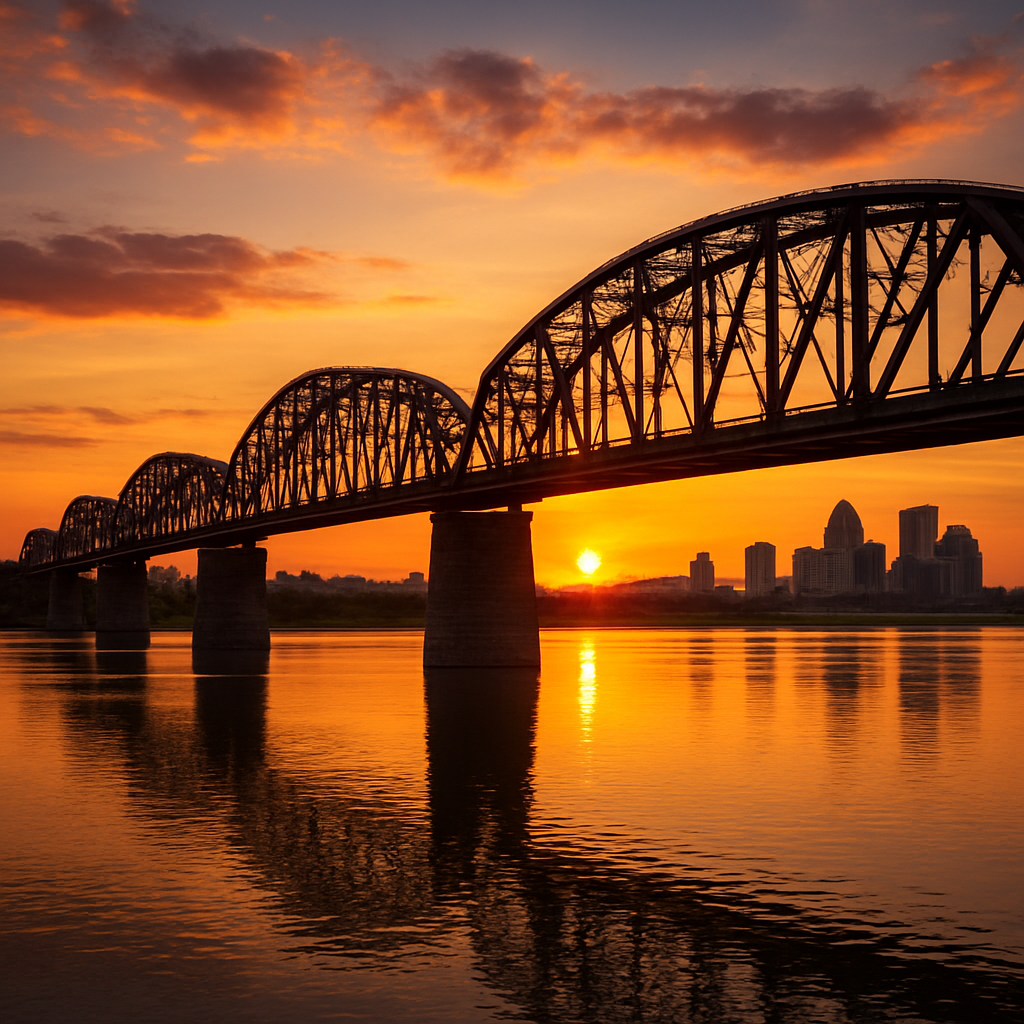
Walk the Big Four Bridge at Sunset
The Big Four Bridge is a converted railroad span that now carries pedestrians and cyclists across the Ohio River from Waterfront Park into Jeffersonville, Indiana. Start on the Louisville side about 45 minutes before sunset, walk west into the light, and watch the downtown skyline behind you turn the color of bourbon. It's about a half-mile each way, the wind is honest, and the Indiana side has ice cream and a small main street worth a slow loop.
Pro tip: there are no benches midway, so wear shoes that mean it. The bridge stays lit and busy until late, which makes it one of the better free walks in the city.
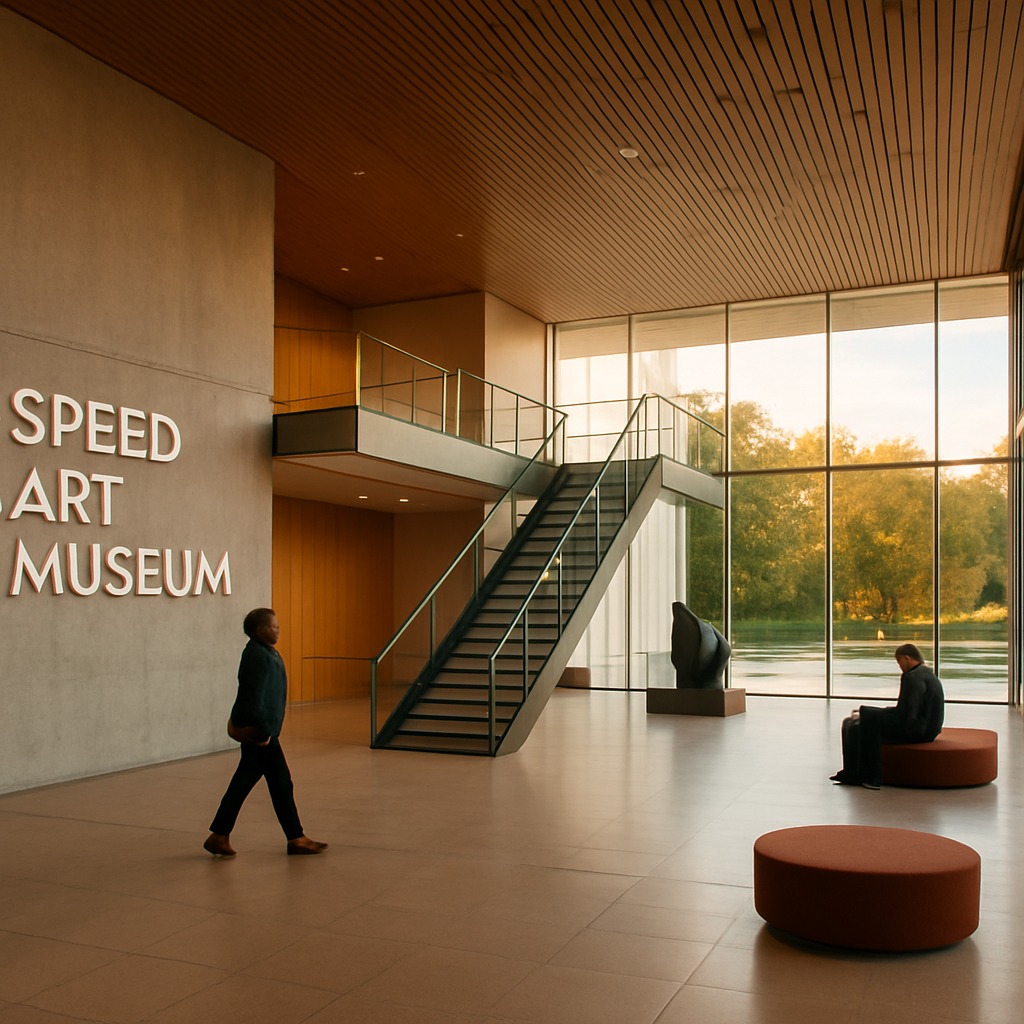
Speed Art Museum, Then a Slice at Garage Bar
The Speed Art Museum is Kentucky's oldest and largest art museum, founded in 1927 on the University of Louisville campus and reopened in 2016 after a wHY Architecture expansion that turned a regional museum into a genuinely good one. The collection runs ancient to contemporary; the cinema and sculpture garden round out an easy two-hour visit. Sundays are free.
Pair it with a slice at Garage Bar in NuLu — wood-fired pizza inside a converted service station with a ping-pong-table patio — and you've got the date day this city does better than people expect.
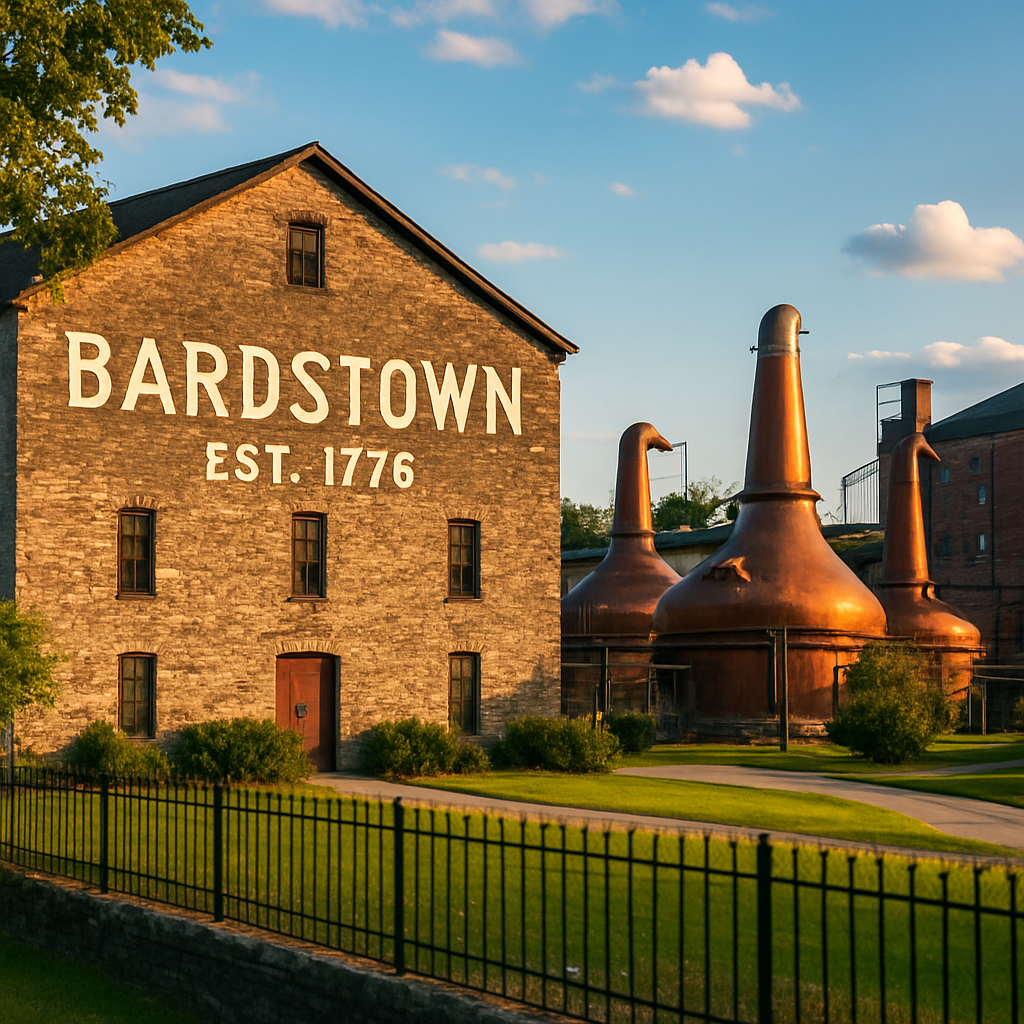
Bourbon Trail Day Out of Bardstown
Bardstown is forty miles south of Louisville and styles itself the Bourbon Capital of the World — fairly, since Heaven Hill, Barton 1792, and Willett are all clustered in or near a downtown founded in 1780. Pick two distilleries, not four; tour fatigue is real, and the tastings hit harder than you'd think at 11 a.m.
Eat in town between visits — the historic district has 18th and 19th century buildings still in honest use, not Disney-fied. Designate a driver or book a small-group van out of Louisville and let someone else worry about the back roads.
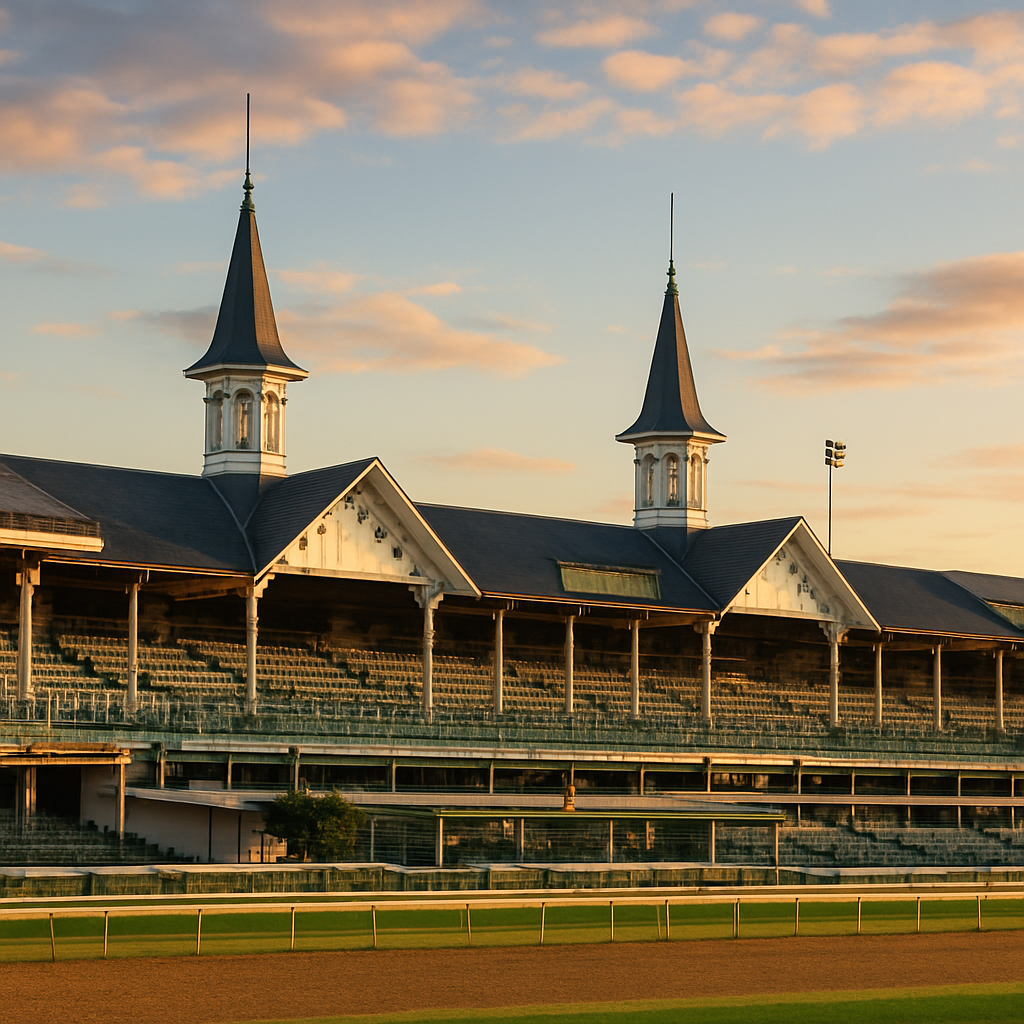
Churchill Downs and the Twin Spires
Churchill Downs opened in 1875, hosts the Kentucky Derby — the longest continuously held annual sporting event in the United States — and the twin-spired grandstand is a National Historic Landmark for good reason. The grounds are worth a visit any time of year, and the Kentucky Derby Museum on site covers the history with serious archives and a 360-degree theater experience.
Pro tip: visit on a non-race day. The architecture and the museum land harder when you're not navigating 150,000 people in seersucker. Derby weekend (first Saturday in May) absorbs the entire city — book in February or skip it entirely.
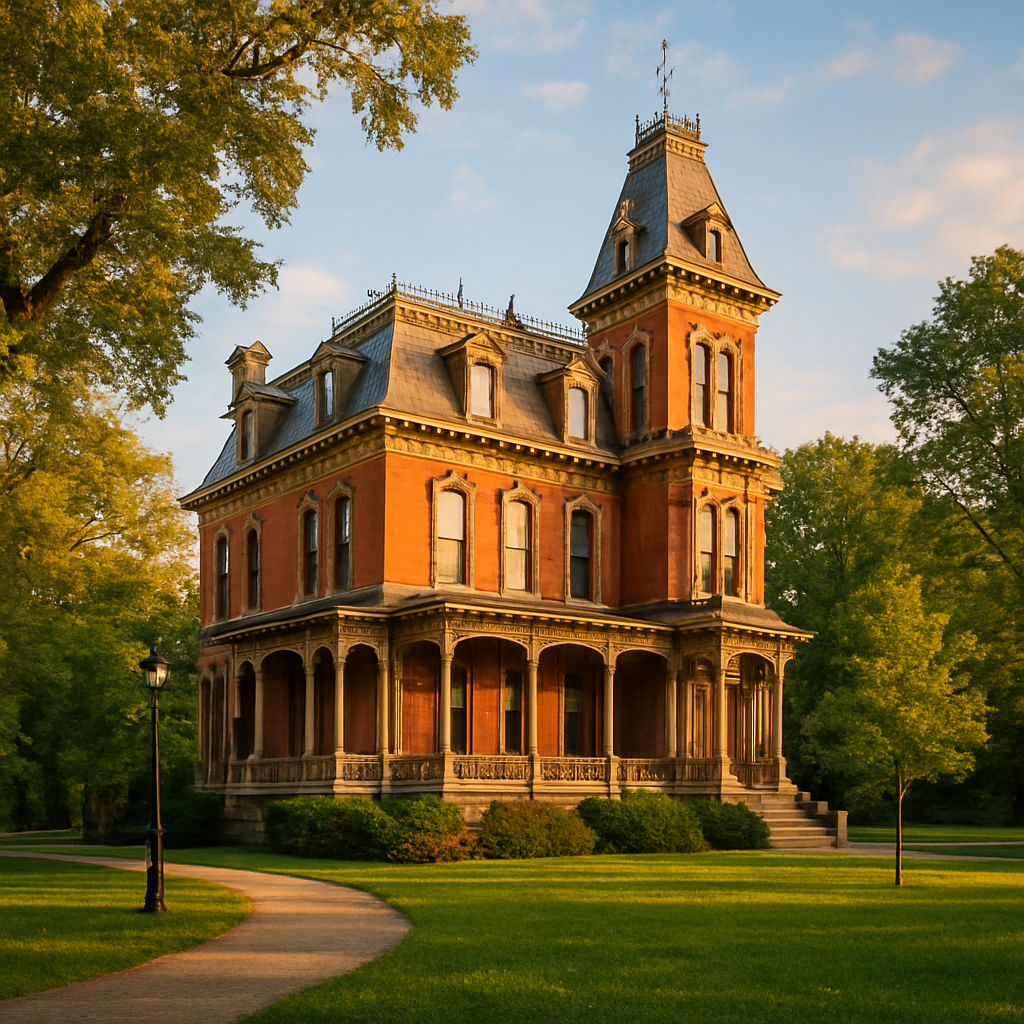
A Slow Walk Through Old Louisville
South of downtown, Old Louisville is one of the largest preserved Victorian neighborhoods in the country — block after block of mansard roofs, stained glass, wraparound porches, and the canopy of Central Park running through the middle. The St. James Court Art Fair takes the streets every October and is one of the better outdoor art shows in the South.
Old Louisville Walking Tours runs ghost-and-architecture walks that are corny in the best way and surprisingly good on the social history. Pair the walk with a tasting-menu dinner at 610 Magnolia, tucked into a converted home on Magnolia Avenue.
The places I actually send people to
Advice that fits how you travel
Solo travel in Louisville is one of the easier sells in the South. The city is walkable in chunks — downtown and Whiskey Row, NuLu, the Highlands strip, Frankfort Avenue — and Lyft fills in the gaps reliably (more reliably than Uber here, in my experience). The bar culture rewards solo travelers because the gay venues on Bardstown Road run small and conversational. Big Bar is the patio-and-jukebox dive where you'll be in a conversation by your second beer whether you wanted one or not, and Highland Coffee Company at Bardstown and Bonnycastle is the de facto community board for every queer open mic, kickball league, and chosen-family Friendsgiving in the city.
App culture is active without being aggressive. Grindr lights up around the Highlands and NuLu in the evenings, and Sniffies has a small but real Louisville presence. The city is small enough that you'll see the same faces twice in a week, which is either charming or claustrophobic depending on your mood. Carmichael's Bookstore on Bardstown Road is the queerest bookstore in town without trying to be — the staff-picks shelf reliably stocks more trans memoirs than half the LGBTQ+ centers I've been to, and it's a soft-landing first stop if you want to read the room before drinking in it.
Budget-wise, Louisville is one of the better-value U.S. cities I work with. Solo moderate runs $220–340/day; budget can land closer to $95–145/day if you're flexible on lodging. Stick to the urban core for safety and walkability — Highlands, NuLu, downtown, Old Louisville, Frankfort Avenue — and you'll never feel like you're working at it. Pro tip: if you're solo on Derby weekend, don't be. Either commit to it months in advance or come a week before or after.
Louisville is genuinely good for same-sex couples, and my Chill score of 7.4 reflects that. Hand-holding on Bardstown Road, in NuLu, along Frankfort Avenue, around Old Louisville's Central Park — all unremarkable. Hotel check-in at the 21c Museum Hotel, Hotel Genevieve, the Omni, the Brown, the Seelbach, or any of the boutique downtown properties is a non-issue. The 21c is my go-to recommendation for couples — five stitched-together 19th-century warehouses on West Main, a free contemporary art museum open 24/7 woven through the lobby, and the kind of room where you can wander a serious art collection in a robe at 3 a.m. The Hotel Genevieve in NuLu is the design-forward alternative if you want a rooftop bar and Bunkhouse Group's particular brand of polish.
For a date night, book the cellar bar at Decca in NuLu — a stone room in a 19th-century building, and the most romantic second-drink in the city — then walk to dinner upstairs or push it to 610 Magnolia in Old Louisville for chef Edward Lee's Korean-Southern tasting menu. Mayan Cafe, Jack Fry's, Seviche, and Proof on Main are all couple-tested and reliably welcoming. For a dressed-down evening, do a Bardstown Road bar crawl — Chill Bar for a real cocktail, then Nowhere Bar when the DJ is right, then late pizza wherever still has a kitchen open.
The signature couples move is the Big Four Bridge at sunset. It's a converted railroad span over the Ohio River from Waterfront Park into Indiana — start about 45 minutes before sunset, walk west into the light, and the downtown skyline behind you turns the color of bourbon. It's free, it's about a half-mile each way, and it stays lit and busy until late. Pair it with a Sunday at the Speed Art Museum (free that day) and a slice at Garage Bar in NuLu, and you've got the date day this city does better than people expect.
LGBTQ+ families do well in Louisville inside Jefferson County, and the legal floor is real. Same-sex marriage is recognized federally as of 2026, second-parent and joint adoption are legal, and Louisville Metro's Fairness Ordinance — on the books since 1999 — protects families in housing, employment, and public accommodation. The city is a designated MEI 100 city on HRC's Municipal Equality Index. Be aware that Kentucky state law diverges sharply on trans-specific issues — SB 150 from 2023 restricts gender-affirming care for minors, and a school 'bathroom bill' is on the books — so if you're traveling with a trans kid, the urban core is comfortable but the broader state is a different conversation. The Louisville Youth Group is the city's longest-running LGBTQ+ youth organization and a useful contact if you want to plug in.
Kid-wise, the city stacks up well. The Big Four Bridge walk is a winner with strollers (it's flat, paved, and has a real beginning-middle-end that kids respond to). Waterfront Park anchors the river edge with playgrounds, fountains, and the Big Four Lawn that hosts Kentuckiana Pride in June. Cherokee Park is the green-and-rolling option in the east end. The Speed Art Museum is family-friendly and free Sundays. The Muhammad Ali Center on Museum Row is genuinely good for older kids — six floors, interactive exhibits, and civil rights programming that takes itself seriously. The Louisville Zoo and the Kentucky Science Center round out a rainy-day list.
Practical logistics are easy. Strollers work fine on Bardstown Road and Frankfort Avenue, NuLu's sidewalks are wide and well-lit, and most of the restaurants I've recommended above (Wiltshire on Market, Mayan Cafe, Ramsi's Cafe on the World, Hillbilly Tea) handle kids without making a thing of it. The Omni is the family-suite move downtown if you need space; the Hotel Genevieve and 21c both welcome kids without flinching. Pro tip: skip Derby weekend with kids unless you're a Derby family — the crowds are not the move, and the prices are punishing.
What Louisville actually costs
Flights, visas, and the first 30 minutes
Airport: Louisville Muhammad Ali International Airport (SDF), about 5 miles south of downtown — one of the closest airport-to-city runs of any major U.S. city. From wheels-down to a Whiskey Row barstool is typically 15 minutes flat.
Direct routes: Approximately 30 nonstop destinations as of 2026, mostly U.S. domestic — Atlanta (1h 15m), Chicago (1h 20m), Dallas (2h), Charlotte (1h 30m), Denver (2h 45m), Las Vegas (3h 45m), New York LGA/EWR (2h), Orlando (2h), Boston (2h 15m), and seasonal service to Cancún. There are no direct international flights from Europe, Asia, or Oceania — you'll connect through Atlanta, Chicago, or New York.
Visa requirements (as of 2026): U.S. citizens generally need no visa for domestic travel. Canadian citizens typically don't need a visa for stays up to 6 months. UK, EU, and Australian travelers generally qualify under the Visa Waiver Program with an approved ESTA (apply online before flying), valid for stays up to 90 days. Check your specific nationality's status with the U.S. Department of State before booking — entry requirements can shift.
Airport to city: A taxi runs $20–25 flat to downtown and takes 10–15 minutes. Uber and Lyft pickup is at the designated zone on the lower level — typically $15–22, same drive time. The TARC Route 2 public bus is $1.75 to downtown but runs limited frequency and takes 30–40 minutes; fine if you're traveling light. Several downtown hotels offer complimentary or low-cost shuttles ($0–15) — check at booking. Rental cars ($40–80/day) are worth it if you're planning the Bourbon Trail to Bardstown or the drive out to Lexington; otherwise, downtown and the Highlands are walkable enough that a car becomes a parking problem.
Pro tip: Derby weekend (first Saturday in May) collapses the airport — flights book up months ahead and rideshare surge pricing typically hits triple normal. If you're coming for Derby, lock everything down by February.
Traven's seasonal breakdown
The questions everyone asks
Is Louisville safe for same-sex couples?
How is Louisville different from the rest of Kentucky?
When is Pride in Louisville?
Should I rent a car?
Is Derby weekend worth it?
What should I actually eat in Louisville?
How do you pronounce Louisville?
Screenshot this before you go
So should you actually go?
Go. Louisville is genuinely one of the more comfortable Southern cities I've spent time in for LGBTQ+ travelers — a real Fairness Ordinance, an MEI 100 city rating, a gay bar strip on Bardstown Road that has held its ground for decades, food that quietly outpaces cities twice its size, and bourbon woven through all of it. Stay urban — Highlands, NuLu, downtown, Old Louisville, Frankfort Avenue — and skip Derby weekend unless you're committed. Aim for September if you want the Pride that feels most like home, May if you want the Derby spectacle, or October for the foliage-and-art-fair version of the city. Either way, you'll leave already pricing flights back.
Sources & Resources
Official links we reference when compiling this guide. Last verified 2026-05-04.