
Miami doesn't ask you to come out — it assumes you already did, handed you a cafecito, and pointed you toward the beach.
Miami doesn't audition for your approval — it just shows up in a white linen shirt, hands you a mojito, and assumes you're staying. That confidence isn't accidental. This is a city where the gay scene isn't a subculture tucked into a side street; it's woven into the main attraction. The drag queens perform on Ocean Drive in broad daylight at Palace Bar, the gay beach at 12th Street has been the gay beach for decades, and nobody's whispering about it. I gave it a 9.1 on Scene, and honestly, the only reason it's not higher is that the scene is so integrated into mainstream Miami life that the line between "gay nightlife" and "Miami nightlife" barely exists anymore.
What surprised me most on my last visit wasn't South Beach — I expected that to deliver, and it does. It was Wynwood. The arts district has quietly become Miami's second gay gravity center, with R House running what might be the best drag brunch in the country (Condé Nast Traveler agrees with me on that) and the whole neighborhood radiating a creative, anything-goes energy that feels less performative than SoBe. You'll eat wood-fired short rib at KYU surrounded by murals the size of buildings, then stumble into a mezcal bar at midnight, and nobody's checking your credentials for anything except your taste.
Now, here's the tension you should know about: Miami is a fiercely welcoming city operating inside a state that's been actively hostile to LGBTQ+ people in its legislature. My Traven-Dex of 8.8 reflects the on-the-ground reality in Miami-Dade County — strong local anti-discrimination protections, full marriage and adoption equality, and a cultural climate where same-sex couples holding hands on Lincoln Road is about as remarkable as a sunset. But Florida's broader political environment is real, and if you venture into the southern suburbs toward Homestead, the temperature shifts. Miami proper has your back. Just know where the city ends and the state begins.
The food alone justifies the trip. A cortadito from the ventanita at Versailles at 7 AM. Stone crab claws cracked open at Joe's with that sharp mustard sauce. Late-night tacos at Coyo Taco before you find the hidden speakeasy underneath. Miami feeds you like it's been waiting for you to arrive, and the salt air and bass-heavy soundtrack just make everything taste better. This city doesn't do subtle, and I love it for that.
The stuff your travel guide buries on page 47
The legal picture: Same-sex marriage is legal nationwide. Adoption by same-sex couples is fully legal. Miami-Dade County and the City of Miami both maintain comprehensive non-discrimination ordinances covering sexual orientation and gender identity in employment, housing, and public accommodations. Gender identity is recognized on a self-identification basis for local purposes. There is no criminalization of any kind — my Legal score is a clean 8.5.
The state-level tension: Florida's statewide political climate has been actively hostile to LGBTQ+ rights since 2022, with legislation restricting gender-affirming care for minors, classroom discussion of sexual orientation, and certain trans-related rights. These laws don't directly affect most adult tourists, but they reflect a real and ongoing conflict between the state government and cities like Miami that have long histories of LGBTQ+ inclusion. Know the difference between the state and the city. Keep organizations like Care Resource and Pridelines in your contacts just in case. SAVE Action tracks legislative developments affecting South Florida's LGBTQ+ community in real time.
Trans travelers specifically: Miami's local ordinances protect gender identity, and the city has a visible trans community, particularly in South Beach. However, Florida state law has created a patchwork of restrictions — particularly around healthcare access — that trans visitors should research before traveling. The Miami-Dade County Office of Human Rights is the local enforcement body for discrimination complaints.
Cultural reality on the ground: The Winter Party Festival in March and the White Party around Thanksgiving aren't just parties — they're legacy fundraisers tied to HIV/AIDS services with decades of organizational history behind them. Buying event tickets actually funds something; the spectacular excess is, theoretically, incidental. Miami Beach Pride in April is the main civic celebration.
PDA comfort: In South Beach — Ocean Drive, Washington Avenue, Lincoln Road — same-sex affection is completely unremarkable. You'll see it everywhere, at all hours. Wynwood and Coconut Grove are similarly relaxed. Brickell and Downtown are fine but less visibly queer. Little Havana is culturally more conservative — PDA is possible but may draw the occasional look. In outer suburbs like Hialeah, use situational awareness and exercise more discretion.
What it actually feels like on the ground
Holding hands: In South Beach, Wynwood, Coconut Grove, and the Upper Eastside — completely fine, day or night. Ocean Drive and the Washington Avenue corridor are as safe for same-sex affection as gay-friendly streets get anywhere in North America. Same-sex couples don't even register. In Little Havana or outer suburbs, you may get occasional stares but confrontation is extremely rare.
Hotel check-in: Zero issues. Miami's hospitality industry is deeply accustomed to LGBTQ+ guests. Same-sex couples sharing a bed, requesting a king room, or using different last names at check-in will encounter no friction at any property worth staying at. This is a non-concern in this city.
Taxis and rideshare: Completely safe. Miami's rideshare and taxi drivers are overwhelmingly professional and accustomed to picking up from LGBTQ+ venues at all hours. The only practical concern is surge pricing after midnight on weekends — which is a wallet issue, not a safety one.
Beaches and public spaces: 12th Street Beach is the established gay beach and has been for decades. It's relaxed, joyful, mixed in every sense, and utterly comfortable. Haulover Beach north of the city is clothing-optional and draws a queer crowd on the north end. Mainstream beaches across Miami are fine for same-sex couples without qualification.
Late night: The Washington Avenue corridor between Twist and Palace Bar is well-lit, populated until dawn, and safe to walk. Locals do it in sandals because everything is ten minutes on foot. The area around Club Space near NW 11th Street in downtown can feel raw at 6am when the crowd spills out — it's less an anti-queer threat and more general urban edge, but solo travelers should have a rideshare queued up rather than standing on the sidewalk making decisions.
Trans travelers: South Beach has a visible trans community and trans women are part of the fabric of the scene, particularly in nightlife and drag culture. Misgendering can happen in less-queer-facing neighborhoods but is unlikely to escalate. Use good judgment in outer suburbs. If you need services, Care Resource provides culturally competent healthcare.
Verbal harassment: Rare in the core neighborhoods. The further you move from SoBe, Wynwood, and the Upper Eastside, the more standard urban situational awareness applies — not because Miami is uniquely hostile, but because you're leaving neighborhoods where queer visibility is normalized and entering ones where it simply isn't the default. Standard city smarts: stay aware, stay in well-lit areas, and don't confuse confidence with invulnerability.
The queer geography
South Beach (SoBe)
This is it — the epicenter. Miami's LGBTQ+ scene is anchored along Washington Avenue and Ocean Drive between roughly 5th and 17th Streets on this barrier island. Twist on Washington Avenue is Miami's gay institution in the truest sense — two floors, multiple bars, open until 5am, and somehow the gravitational center of any South Beach night regardless of what your original plan was. Palace Bar sits directly on Ocean Drive with drag performances that start at noon and a sidewalk patio that functions as the community's living room. 12th Street Beach is the established gay beach, claimed for decades, drawing a mixed crowd of locals and visitors who understand that this sand is theirs. Lincoln Road Promenade is the pedestrian spine — restaurants, shops, people-watching — and has been a gay-friendly corridor for longer than most of the current businesses have existed. South Beach parking is a sadistic puzzle and rideshare surge pricing after midnight is punishing — locals walk this whole corridor in sandals because everything worth visiting is genuinely within ten minutes on foot.
Wynwood
North of Downtown, Miami's arts and warehouse district has become a genuine queer-creative hub. Gramps on NW 24th Street is the anchor — a neighborhood bar that draws an effortlessly mixed, queer-leaning crowd with live music, art nights, and a backyard that makes you forget you're in a former industrial zone. The famous Wynwood Walls outdoor murals are the reason most people first visit, but the bars and galleries along NW 2nd Avenue are the reason they come back. For queer women and nonbinary folks who find the South Beach circuit scene exhausting: Bar Nancy in the nearby Upper Eastside is the actual answer — low-key, genuinely mixed, excellent cocktails, and a cool crowd that isn't performing for anyone.
Wilton Manors
Thirty miles north in Broward County, Wilton Manors is one of the highest LGBTQ+-density municipalities in the entire United States. Wilton Drive is the main commercial strip — lined with gay bars, restaurants, and queer-owned businesses in a walkable, subtropical format that feels like a classic gay village main street with better weather. It's community-rooted, diverse in age, and considerably cheaper than South Beach. The Pride Center at Equality Park is here, and the Stonewall National Museum is just down the road in Fort Lauderdale. Serious visitors do both cities; they're one Uber apart.
Other Neighborhoods Worth Knowing
The MiMo / Upper Eastside district along Biscayne Boulevard is an emerging queer-creative enclave — indie bars, vintage shops, and a genuinely neighborhood feel that contrasts with South Beach's intensity. Coconut Grove south of Downtown has a bohemian history and a relaxed atmosphere comfortable for same-sex couples. The Design District north of Wynwood draws a fashion-forward, heavily queer-coded creative crowd to its luxury boutiques and public art installations. Pridelines is the real community connective tissue for Miami's LGBTQ+ ecosystem — they run youth programming, support groups, and have relationships with every relevant organization in the city. No Instagram account will plug you into the local scene the way a conversation with their staff will.
The experiences worth rearranging your itinerary for
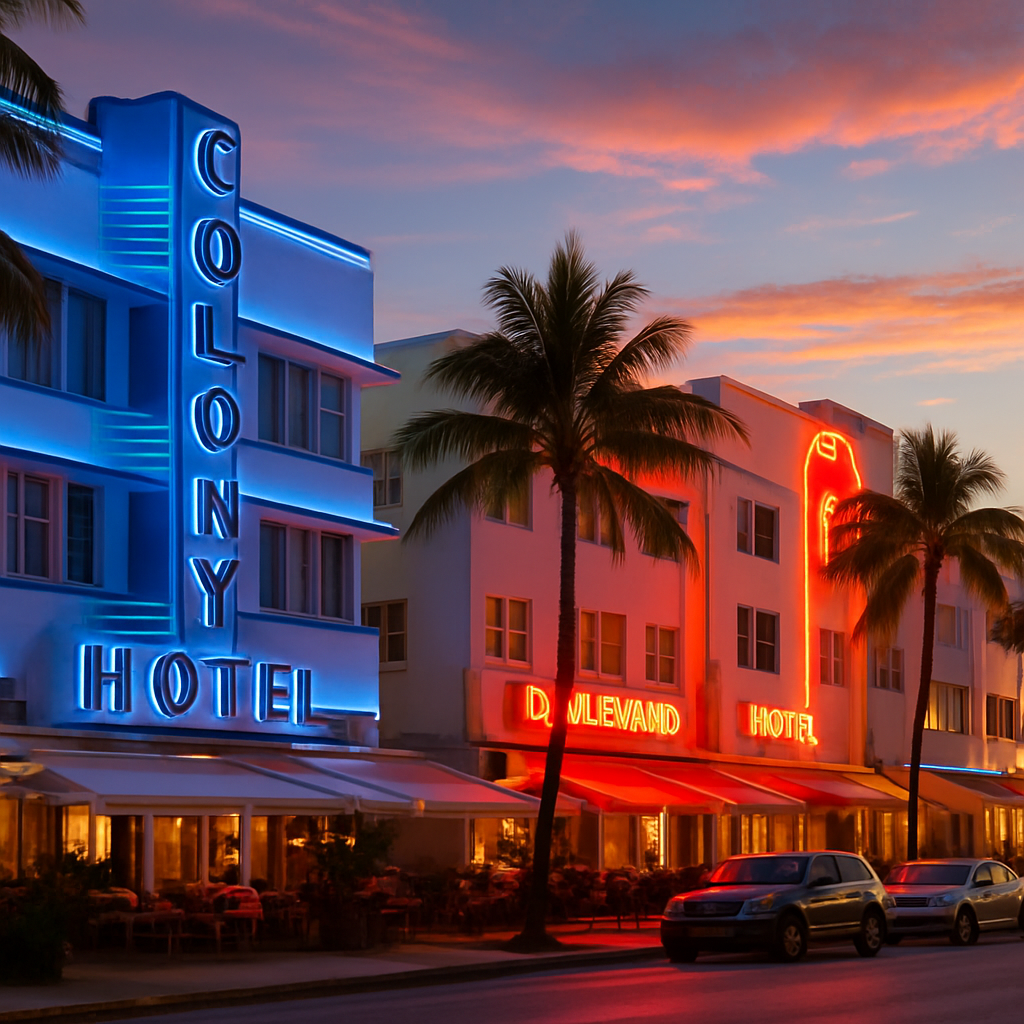
The Art Deco Historic District at Dusk
The largest concentration of Art Deco architecture in the world is just sitting there along Ocean Drive and Collins Avenue in pastels and neon, and it reads completely differently at dusk than at any other hour. The light turns the facades gold, then the neon activates, and suddenly you understand why people photograph this strip obsessively despite it being one of the most photographed places on earth. The Miami Design Preservation League runs $30 guided tours that are genuinely worth the money — the history behind these buildings is wilder than the facades suggest. Walk it. Do not drive it. The architecture disappears from a car window.
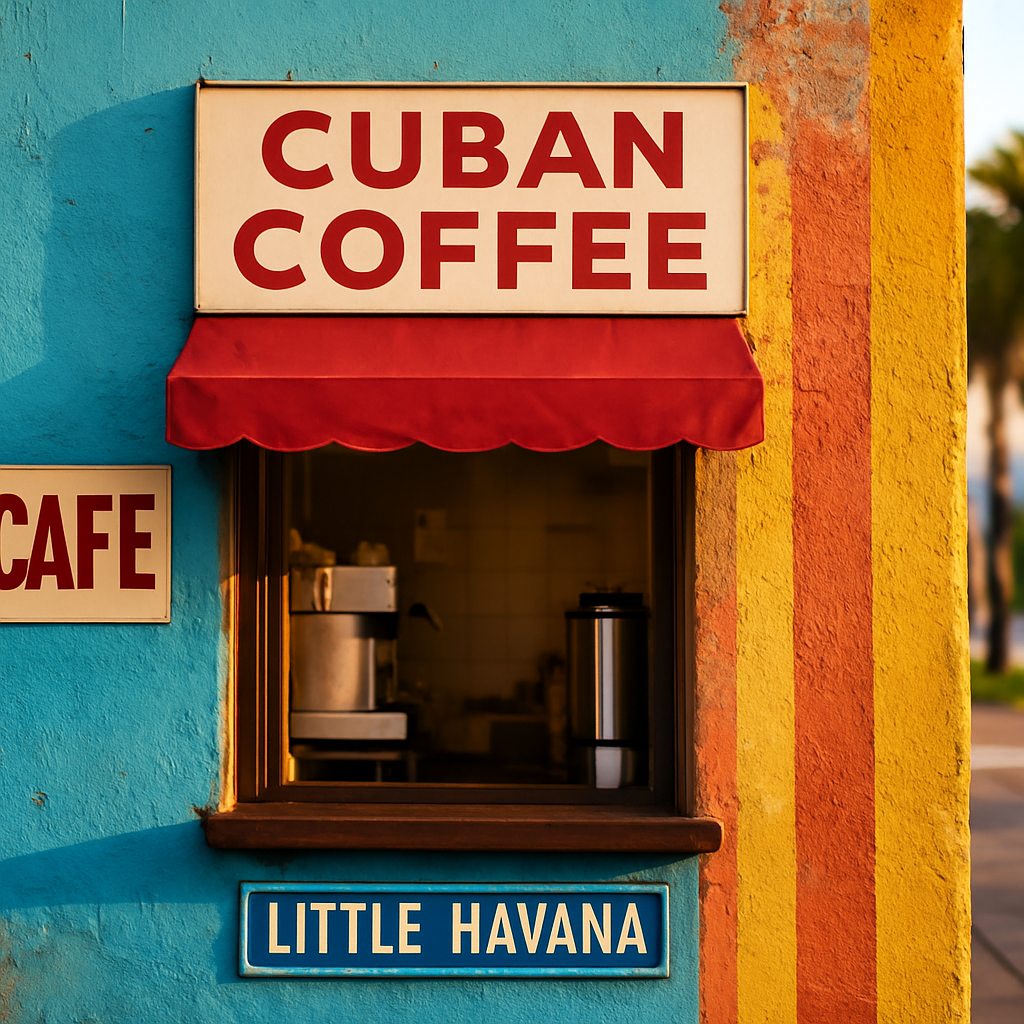
A Colada at the Versailles Ventanita
Stop at the ventanita at Versailles on SW 8th Street in Little Havana, order a colada, split it with your travel companion, and just watch Calle Ocho move for twenty minutes. A colada is a shared carafe of sweet, rocket-fuel Cuban espresso that costs about four dollars and functions as Miami's original social network — the walk-up coffee window is where the neighborhood talks, argues, catches up. It's one of the most unexpectedly comfortable and convivial experiences in this city, and it costs less than the tip you'll leave at dinner.
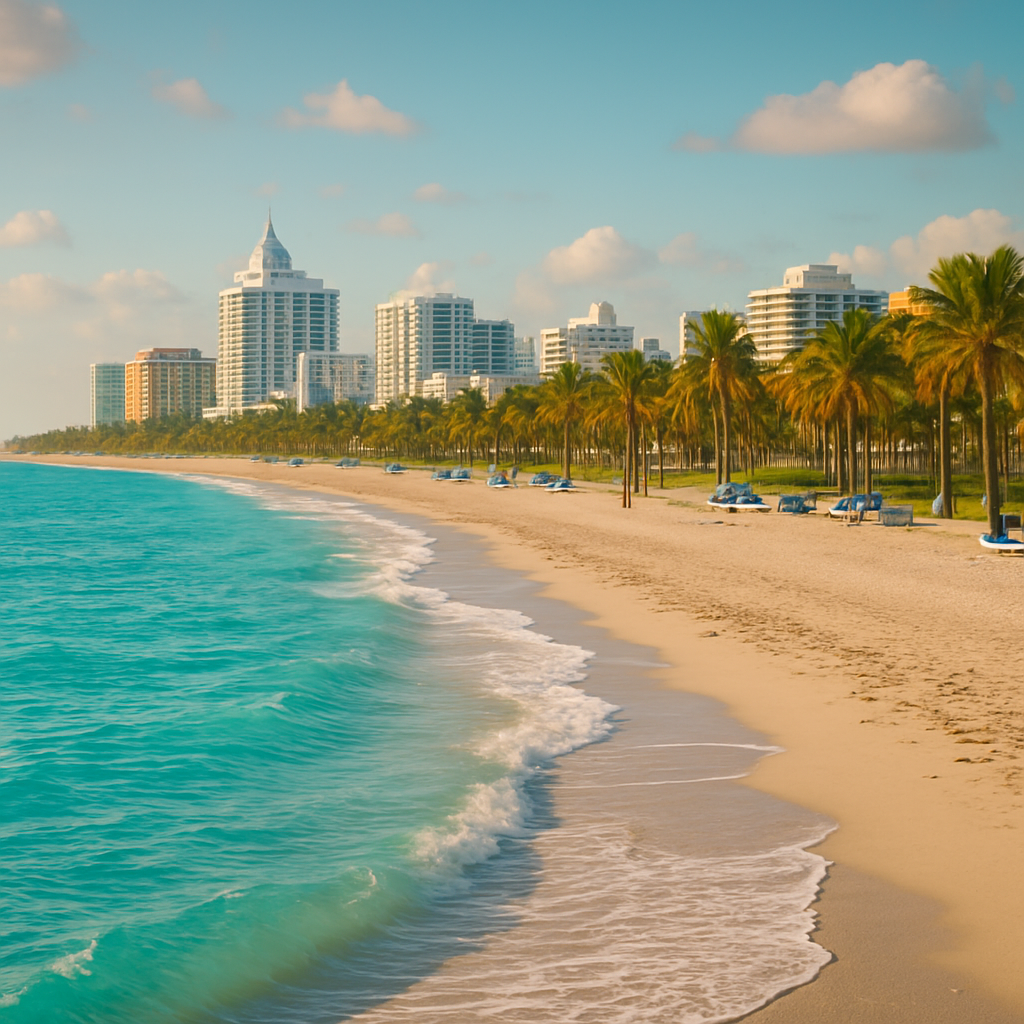
12th Street Beach on a Saturday Morning
Get to 12th Street Beach by 11am on a winter Saturday and you'll understand immediately why people uproot their lives to move here. The crowd is families, drag queens in SPF-defying swimwear, every body type under the sun, all on the same stretch of sand without ceremony or hierarchy. This is what a public beach should feel like — democratic, unhurried, warm in both senses. Bring your own towel, wear real sunscreen (the subtropical sun is no joke even in January), and stay until the light starts turning gold around 4pm.
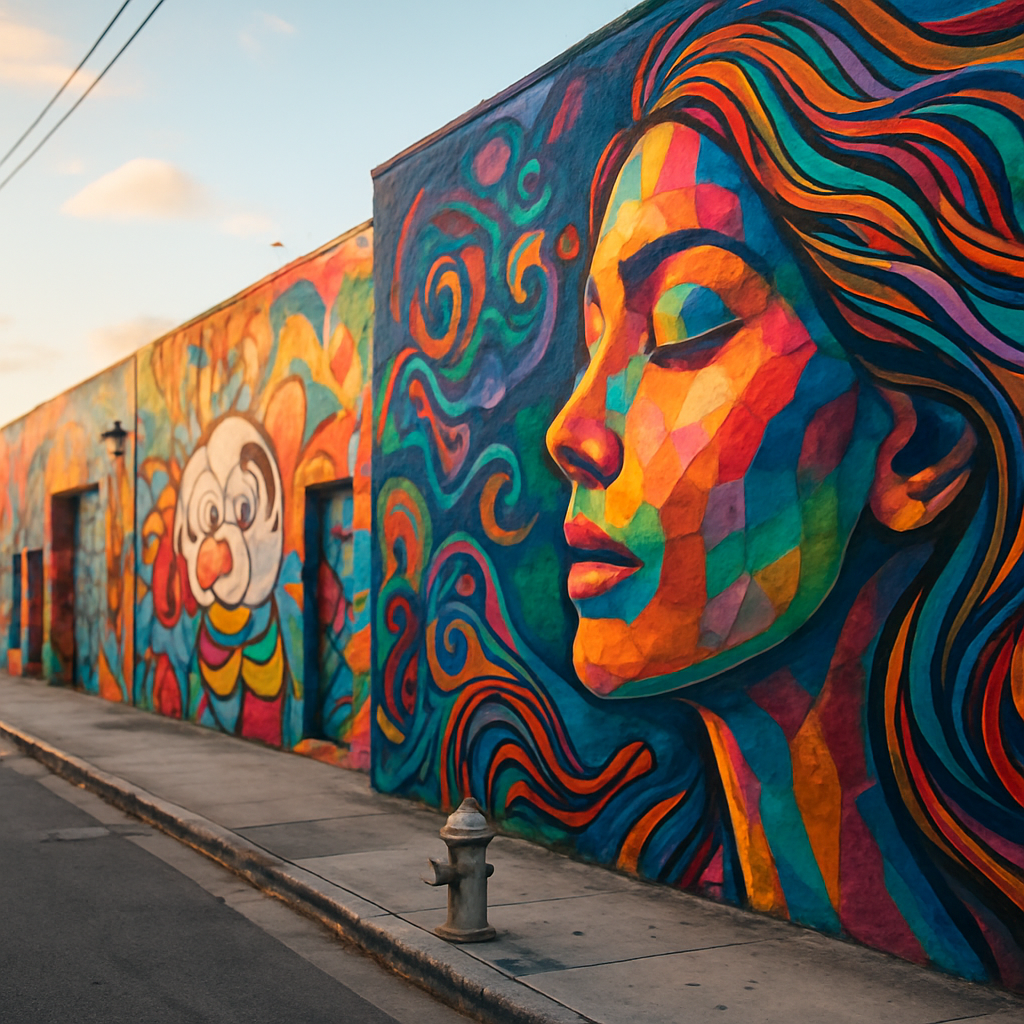
Wynwood on Foot
Pay the $12 entry to Wynwood Walls, walk the outdoor murals, then let the afternoon carry you north along NW 2nd Avenue through galleries and bars until dinner happens organically. The murals are world-class — internationally acclaimed street artists working at a scale that photographs can't capture. But the neighborhood beyond the walls is the real discovery: The Salty Donut for a mid-walk reset, Gramps for a beer in the backyard, and the kind of slow, art-saturated wandering that makes you forget you're in a city famous for beaches. Budget the whole afternoon.
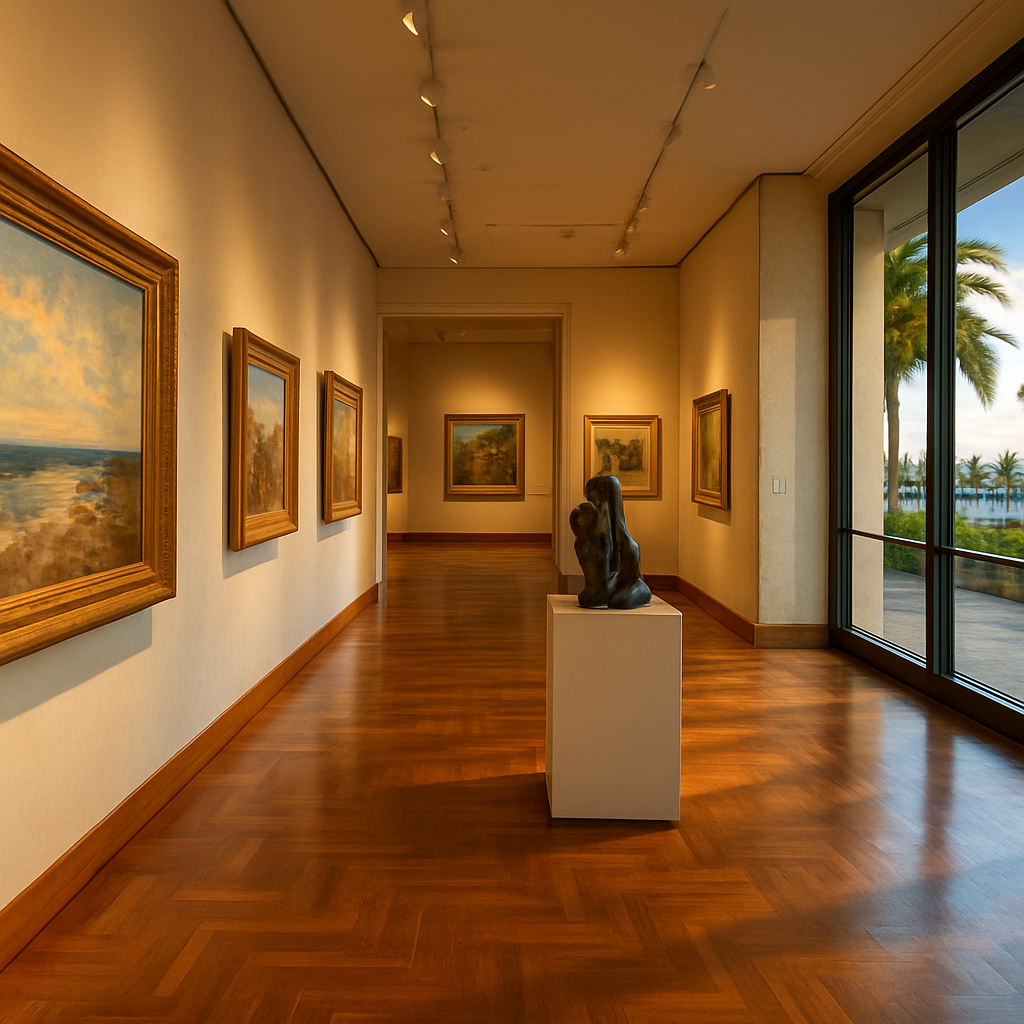
The Stonewall National Museum
The Stonewall National Museum, Archives & Library in Fort Lauderdale is worth every minute of the 30-mile drive north. It's one of the largest LGBTQ+ archives in the country and an actual museum with rotating exhibitions — not just a wall of Pride flags. Budget two hours, expect to feel things, and combine it with a walk along Wilton Drive in Wilton Manors on the way back for a neighborhood experience that's entirely different from South Beach.
The places I actually send people to
The Miami dates worth planning around
Advice that fits how you travel
Miami is an excellent solo city — the culture is social enough that you'll meet people without trying, the scene is walkable enough that you don't need a companion to navigate it, and the beach is the great equalizer. Claim your spot at 12th Street Beach in the morning, walk to Palace Bar for the noon drag show, and by mid-afternoon you'll have had three conversations and two drink recommendations from strangers. App culture is active — Grindr, Scruff, and Hinge all run hot in South Beach — but the in-person scene at Twist on a weekend night makes apps feel redundant. The bar is open until 5am, seven nights a week, and the multi-floor layout means you can float between energy levels without leaving.
South Beach is the obvious base for solo travelers because everything is on foot — the Washington Avenue corridor eliminates the rideshare dependency that makes solo travel expensive in most American cities. Budget solo travelers can keep costs surprisingly manageable: a hostel or budget motel for $60–$80/night, coladas from the ventanita instead of $17 cocktails, free beach days, and the $2.25 Metrorail when you need to cross the bay. Pro tip: Wynwood is better midweek when the crowds thin out and the bars feel more like neighborhood spots — Gramps on a Tuesday draws a more local, more interesting crowd than the Saturday version.
Safety-wise, solo travel in South Beach and Wynwood is low-risk with standard city awareness. Walk the lit corridors, keep your phone charged, and have a rideshare queued before you leave Club Space at 6am rather than figuring it out on the sidewalk. The Upper Eastside — particularly Bar Nancy — is a strong solo option if you want something lower-key and less scene-oriented. And if you have a day to spare, the solo drive down the Florida Keys Overseas Highway to Key West is one of the best road trips in the country — windows down, water on both sides, three and a half hours of genuine freedom.
Miami for couples is a slow-burn romance with occasional fireworks. Start your mornings at 12th Street Beach — arrive by 10am, claim your stretch of sand, and spend the kind of unhurried morning that reminds you why you travel with someone you actually like. From the beach, the late-afternoon walk along Lincoln Road Promenade is free, scenic, and peak people-watching — the heat softens by 5pm and the whole promenade turns into a low-stakes runway that both of you will enjoy for completely different reasons.
For dinner, the quiet southern tip of South Beach — South of Fifth, locally called SoFi — is where the restaurants get serious and the tourist volume drops. Stubborn Seed on Washington Avenue is the tasting menu splurge worth making; book weeks in advance and let Jeremy Ford's kitchen decide the entire evening. For something completely different, Versailles in Little Havana is a $20 date that will outlast most expensive dinners in your memory — Cuban sandwich, shared colada from the ventanita, and an ambient dining room chaos that is genuinely romantic in its own way.
PDA comfort for couples is effectively a non-issue throughout South Beach and Wynwood — same-sex affection doesn't register, and the culture actively normalizes it. The Faena Hotel Miami Beach in Mid-Beach is the couples accommodation if budget allows: the cabaret is something you'll talk about for years, and the spa is designed for exactly this kind of deliberate, sensory-forward travel. For a mid-range option that still delivers, the Kimpton Surfcomber's heated pool and inclusive culture make the hotel stay feel like an extension of the vacation rather than just a place to sleep.
Miami genuinely welcomes LGBTQ+ families — Miami-Dade County has comprehensive non-discrimination protections, and same-sex marriage, adoption, and family recognition are fully established. The cultural atmosphere across South Beach and Wynwood is open enough that families of all configurations move through without friction or commentary. 12th Street Beach draws a beautifully mixed crowd that includes families, queer and otherwise, making it the most comfortable stretch of sand for LGBTQ+ parents who want to be somewhere their family configuration requires exactly zero explanation.
Beyond the beach, Wynwood Walls are excellent for kids — the scale of the murals is genuinely impressive at any age, the outdoor layout removes the pressure of museum-quiet expectations, and the surrounding neighborhood has enough food options to navigate even the pickiest eaters. For a rainy afternoon, HistoryMiami Museum downtown is solid, and the Pérez Art Museum on Biscayne Bay has waterfront views and a café that can handle children. If you have a rental car — and with a family, you should — the Everglades are 45 minutes southwest, and airboat tours give children the kind of wildlife experience that no hotel pool can replicate.
A practical note on infrastructure: Pridelines offers community connections for queer families visiting the city, and SunServe has family programming and social services if you need local support. April is the optimal family month — Miami Beach Pride brings a family-forward energy to Ocean Drive, the weather is warm before summer humidity arrives, and the scale of events is walkable rather than overwhelming. Budget the rental car; rideshare costs for a family group add up brutally fast.
What Miami actually costs
Flights, visas, and the first 30 minutes
Airport: Miami International Airport (MIA) serves 150+ cities with direct routes worldwide. Key connections include New York JFK (3h 10m), Los Angeles LAX (5h 20m), London Heathrow (9h 30m), Toronto YYZ (3h 20m), Amsterdam AMS (10h), and São Paulo GRU (8h 45m). American Airlines uses MIA as a major hub, which means frequent service and often competitive fares from across the Americas.
Visa Requirements: US travelers — domestic travel, no visa or ESTA needed. UK, EU, Canadian, and Australian passport holders require an ESTA (Electronic System for Travel Authorization), which covers up to 90 days visa-free. Apply at the official US government portal before you fly; it costs $21, takes minutes, and is valid for two years once approved.
Getting from MIA to the City: The Metrorail Orange Line is the smartest transit option — take the free MIA Mover shuttle from the terminal to the airport Metrorail station, then ride to Brickell or Government Center for $2.25 in 25–35 minutes. Note: Metrorail doesn't extend to South Beach directly, so you'll transfer to the South Beach Local bus or grab a rideshare from Brickell. Rideshare (Uber/Lyft) runs $25–$45 and 20–35 minutes to most destinations; pickup zones are at the departures level. Taxis charge $35–$55, with a flat rate of approximately $35–$40 to South Beach — on Friday evenings when rideshare surge pricing hits, that flat rate often wins. The Route 150 bus is $2.25 and reaches Downtown Miami in 45–60 minutes if time isn't the constraint. Shared shuttles ($18–$28) require advance booking and make multiple stops — fine if you're not in a rush and want to save money on a solo trip.
Traven's seasonal breakdown
The questions everyone asks
Is Miami safe for LGBTQ+ travelers given Florida's recent legislation?
Where's the gay beach?
Do I need a car in Miami?
How much should I budget per day?
When is Miami Beach Pride?
Is it safe to hold hands in Miami?
What's the deal with Wilton Manors?
Screenshot this before you go
So should you actually go?
Go. Miami is one of the strongest LGBTQ+ destinations in the United States — a city where the gay scene isn't adjacent to the main event, it is the main event. The legal protections are solid at the local level, the scene runs deep from South Beach to Wynwood, and the combination of beach, food, art, and nightlife is genuinely hard to beat. Yes, Florida's state-level politics are a legitimate concern, and you should be aware of that context — but within Miami-Dade, you'll find a city that earned every point of that 8.8. Sunburn at 12th Street Beach, lose track of time over cocktails at Broken Shaker, drive the Overseas Highway to Key West for the weekend — this is a place that wants you here and makes sure you feel it. Pack sunscreen and an empty stomach.
Sources & Resources
Official links we reference when compiling this guide. Last verified 2026-03-15.
- AIDS Healthcare Foundation (AHF) — Florida
- Aqua Foundation for Women
- Care Resource (HIV/Health & Wellness Services)
- GLSEN South Florida Chapter
- Miami Beach Pride
- Miami-Dade County Office of Human Rights & Fair Employment
- ONE Broward (HIV/LGBTQ+ Services)
- Pridelines (LGBTQ+ Youth Organization Miami)
- SAVE (Safeguarding American Values for Everyone)
- Stonewall National Museum, Archives & Library (Fort Lauderdale)
- SunServe (LGBTQ+ Social Services, South Florida)
- The Pride Center at Equality Park (Wilton Manors)