Minneapolis is what happens when a city decides to be radically decent about everything, including letting queer people live their lives — and then builds a world-class lake system on top of it.
Minneapolis doesn't announce itself the way coastal cities do. There's no dramatic skyline reveal from the freeway, no iconic bridge framing your arrival. What hits you instead is the light — summer evenings here stretch until nearly 10pm, and the whole city orients itself toward water. Lakes, specifically. You'll find yourself on the path circling Bde Maka Ska on a Wednesday evening surrounded by couples pushing strollers, shirtless runners, and a drag queen on roller skates, and you'll think: oh, this is what they mean when they say the queer community here isn't separate from the city. It IS the city.
For a metro that spends serious months below zero, the community infrastructure is staggering. OutFront Minnesota has been doing legal and political heavy lifting for decades, and you feel it in how casually queer life operates here — this isn't a city performing acceptance, it's one where acceptance calcified into normalcy a while ago. I gave Minneapolis a 7.0 on Scene, which reflects something specific: the venues aren't numerous, but the ones that exist have ROOTS. The Saloon on Hennepin Ave has been running since the '80s and still packs its dance floor on Saturdays. The 19 Bar on West 15th is cash-only, low-lit, and aggressively unbothered — it's the oldest gay bar in the city and it knows it doesn't need to try harder. Walk between them and you've covered the emotional range of an entire queer nightlife ecosystem in four blocks.
What surprised me most is how the scene distributes itself. Loring Park is the spiritual anchor — someone wrote in to tell me that even on a random Tuesday in September you'll find older gay men feeding the ducks and couples walking dogs there, and that's exactly what I saw. But the queer energy bleeds into Uptown, into the North Loop, into the brewery taprooms of Northeast where Chef Christina Nguyen's Hai Hai draws a mixed crowd that skews queer and art-school and deeply enthusiastic about lemongrass cocktails. Minneapolis runs on neighborhood logic, not a single district, and my Traven-Dex of 7.9 reflects a city that earns its score through depth, not flash.
The honest caveat: winter is not metaphorical here. January lows hit minus 20°F with wind chill, and your social universe contracts to the Skyway system — the enclosed second-story walkway network connecting downtown buildings that locals use to bar-hop without putting on a coat. It sounds absurd until your eyelashes freeze at the bus stop. Come between June and September and this city will genuinely shock you with how good it is. Come in February and you'll understand why the people who stay are built differently.
The stuff your travel guide buries on page 47
Legal Framework: Minnesota is a full-equality state. Marriage equality is the law. Joint adoption by same-sex couples is legal and straightforward. Comprehensive anti-discrimination protections cover sexual orientation and gender identity in employment, housing, and public accommodations — this isn't aspirational language, it's enforced statute. Gender identity law operates on a self-ID basis. There is zero criminalization of LGBTQ+ conduct, and the state's 2023 trans refuge law actively prohibits Minnesota from cooperating with out-of-state efforts targeting gender-affirming care. If you're a trans traveler, this state went out of its way to protect you.
Cultural Reality: Minneapolis and St. Paul are genuinely progressive cities within a state that trends purple. Within the metro, the cultural temperature matches the legal protections — queer people live openly, hold community positions, and are integrated into the fabric of daily life. This isn't tolerance performed for tourists; OutFront Minnesota has been doing political and legal work here for decades, and the results are visible on every block of the Loring Park corridor. That said, Minnesota Nice is a real phenomenon — the surface warmth is genuine, but deeper social integration takes time. Don't mistake reserved politeness for coldness. Outside the metro, comfort levels vary: the inner suburbs are mostly fine, the exurbs and rural areas require contextual awareness.
Practical Notes: Minneapolis winters are not metaphorical. January lows regularly hit minus 20°F with wind chill, and the queer bar scene contracts significantly. Locals use the Skyway system — an enclosed second-story walkway connecting downtown buildings — to bar-hop in January without a coat, which sounds absurd until your eyelashes freeze at a bus stop. The Twin Cities queer scene spans both Minneapolis and St. Paul; some of the best drag shows, community events, and queer gatherings happen across the river. Don't silo yourself if you're here for more than a weekend. Rainbow Health is the primary landing spot for PrEP navigation, HIV care, and gender-affirming health referrals — they're experienced with out-of-state visitors.
PDA Comfort: Loring Park and the Lyndale Ave corridor — high comfort, same-sex PDA is common and unremarkable. Uptown — high comfort, young and progressive, minimal risk. Downtown Minneapolis — moderate-to-high, generally safe and accepting, standard urban awareness at night. Northeast Minneapolis (Arts District) — moderate-to-high, growing LGBTQ+ visibility, comfortable for most couples. Saint Paul — moderate, with welcoming pockets like Cathedral Hill and Grand Avenue alongside more conservative residential areas. Suburban and exurban areas — variable, exercise contextual judgment.
What it actually feels like on the ground
Holding hands: In the Loring Park, Uptown, and North Loop areas, you won't get a second glance. The Hennepin Ave corridor and Loring Park have decades of community presence backing them up — holding hands here is genuinely unremarkable. Downtown is broadly safe, though some blocks get quieter at night. In suburban or exurban areas, read the room.
Hotel check-in: Zero issues at any hotel in Minneapolis proper. The Hewing, Four Seasons, and Freehand all welcome same-sex couples and LGBTQ+ guests without hesitation — this is a city where hotel staff have seen it all and don't blink. You won't encounter problems at chain hotels either.
Taxis and rideshares: Uber and Lyft drivers in the Twin Cities metro are overwhelmingly fine. Minneapolis has enough queer visibility that drivers in the city aren't surprised by anything. Pro tip: if you're heading to a gay bar, just say the cross streets — not because it matters, but because every driver already knows where The Saloon is and you'll get a faster route.
Parks and public spaces: The Chain of Lakes, Loring Park, and the Sculpture Garden are all comfortable spaces for visible queer expression. Same-sex couples and LGBTQ+ families are a regular part of the landscape at Bde Maka Ska on a summer weekend. Standard urban park awareness applies after dark.
Late night: The Loring Park/Hennepin corridor feels safe for visible queer expression at basically any hour — the geography has decades of community presence supporting it. North Minneapolis and some stretches of South Minneapolis can be more variable at night — not specifically anti-queer, but general street safety awareness applies. The queer venues are concentrated enough that you rarely need to venture far.
Trans travelers: Minnesota is one of the strongest states in the country for trans protections. The 2023 trans refuge law is real and enforceable. Urban Minneapolis is broadly affirming, and Hennepin Healthcare's LGBTQ+ services are experienced and accessible. Rural areas outside the metro require the usual caution, but within Minneapolis and St. Paul, the legal and cultural environment is supportive.
Verbal harassment risk: Low within the core neighborhoods. The rare incident is more likely to come from general urban unpredictability than targeted homophobia. If anything goes sideways, OutFront Minnesota runs a legal helpline and knows the local law enforcement landscape intimately — they're the call to make before anyone else.
The queer geography
Loring Park & Hennepin Avenue
This is the center of gravity. Loring Park itself has been the spiritual home of Twin Cities queer life for decades — it's where Twin Cities Pride fills the lawns every June, drawing hundreds of thousands across the weekend, and where you'll find older community members walking dogs on any given afternoon the rest of the year. Hennepin Ave running south from downtown concentrates the bulk of the nightlife: The Saloon at 830 Hennepin is the flagship — multiple floors, a dance floor that earns its reputation, and drag shows featuring queens with genuinely serious careers. Get there early on a Saturday or you're watching from behind a pillar. A few blocks south, the 19 Bar on West 15th is the oldest gay bar in the city — cash only, no pretense, a jukebox, pool tables, and a crowd that's been coming here for years. Wilde Café & Spirits near the park is your quieter option: a wine bar named for Oscar Wilde with zero subtlety and full commitment, ideal for first dates and actual conversation. The Minnesota AIDS Memorial Garden sits nearby, a reminder that this neighborhood's history runs deeper than nightlife.
Uptown
Uptown runs south along Hennepin and Lake Street with an eclectic, historically queer-friendly character — independent shops, queer-owned businesses, and a long legacy of LGBTQ+ community life woven into the storefronts. Bryant-Lake Bowl is the essential Uptown experience: a bowling alley, cabaret theater, and restaurant that has hosted queer performance for decades. It's weird in exactly the right Minneapolis way and worth a visit even if nothing specific is playing. The neighborhood sits adjacent to the Chain of Lakes, so the daytime energy flows naturally between streets and trails.
North Loop
The North Loop is the gentrified warehouse district north of downtown that's become increasingly queer-friendly. The creative-class energy here complements Loring Park's historical weight — restaurants like Spoon and Stable, hotels like the Hewing, and bars with exposed brick and careful cocktail programs. The Eagle on Washington Ave anchors Minneapolis's leather and bear scene here, with Minnesota Storm Riders-affiliated events and Friday nights that skew toward a community doing this seriously since the '80s. The bar doesn't coddle newcomers, but it's not hostile either — know what you're walking into and you'll be fine.
Northeast Minneapolis (Arts District)
Northeast is the arts-forward neighborhood across the river that's been building queer visibility steadily. Hai Hai on University Ave NE is the dining anchor — Christina Nguyen's Southeast Asian street food restaurant draws a crowd that's arty, queer-adjacent, and very Minneapolis. Galleries, studios, and creative spaces populate the surrounding blocks. It's not a gay neighborhood per se, but the LGBTQ+ community is woven into its artistic DNA, and you'll feel welcome without the scene needing a label.
The experiences worth rearranging your itinerary for
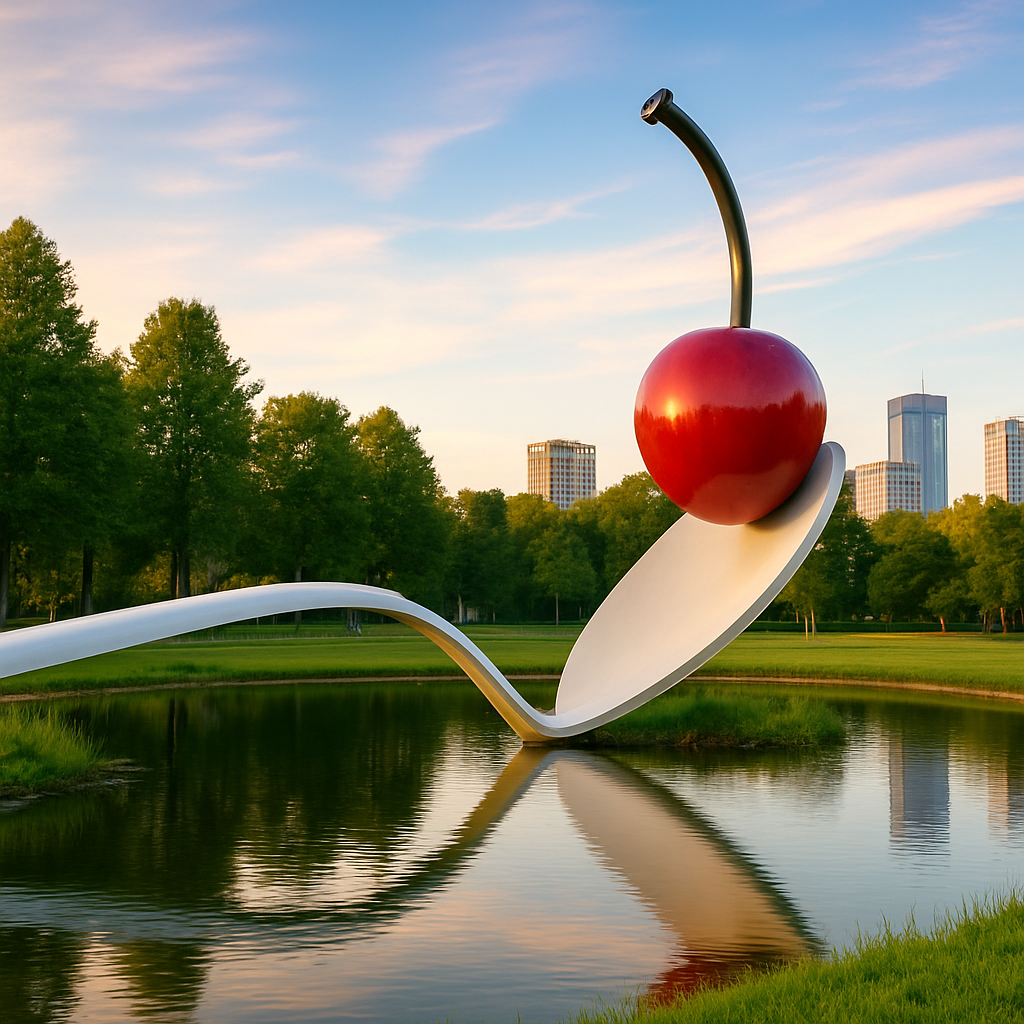
The Walker Art Center & Sculpture Garden
The Walker earns its spot among America's best contemporary art museums by actually taking risks — the programming is sharp, the exhibitions rotate with genuine ambition, and the permanent collection rewards slow looking. But the real draw might be free: the 11-acre Minneapolis Sculpture Garden next door, anchored by Claes Oldenburg's Spoonbridge and Cherry, is open year-round and more visually interesting than most museums charge you to enter. Walk it at golden hour in September and the light alone justifies the trip. Budget $15 for museum entry; the garden costs nothing.
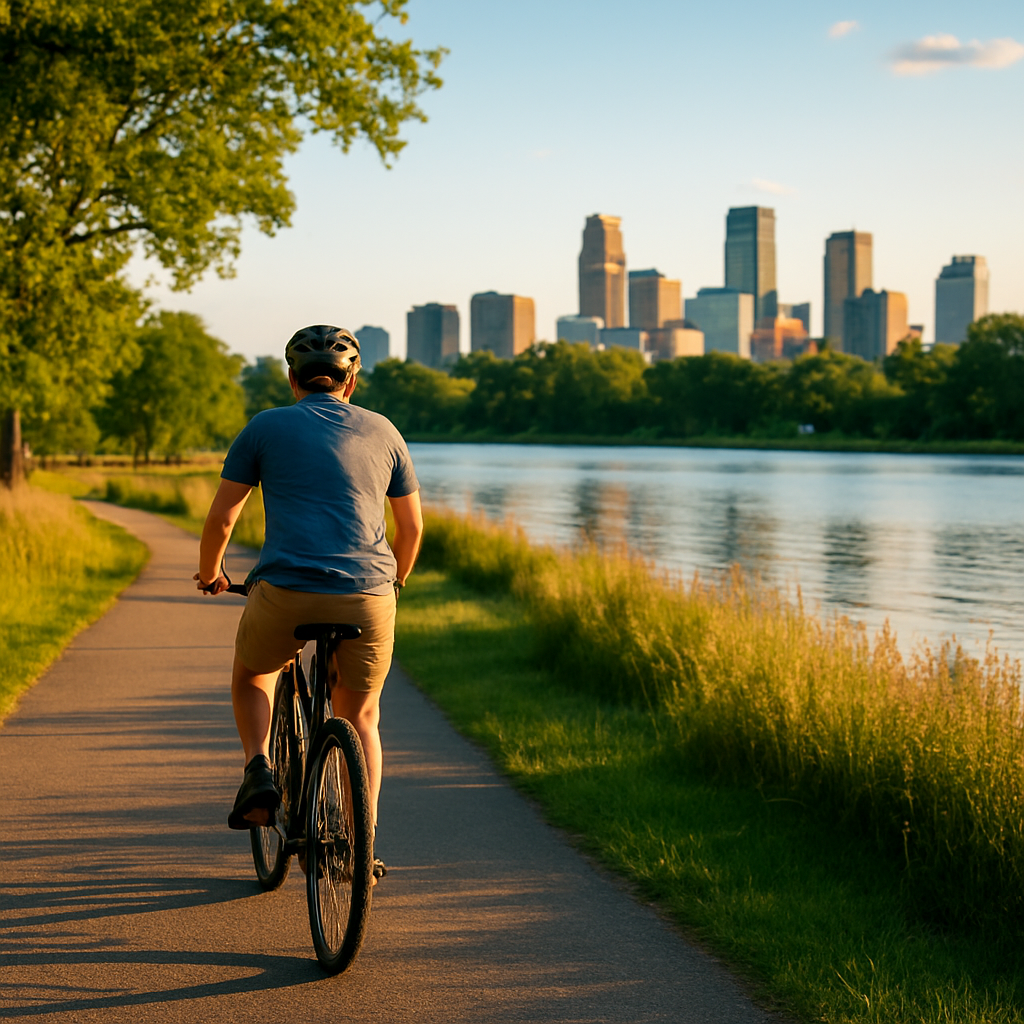
Biking the Chain of Lakes
Rent a bike (Nice Ride stations are everywhere) and loop the 13 miles of paved trail connecting Bde Maka Ska, Harriet, Isles, and Cedar. This is Minneapolis at its most purely itself — water, trees, skyline in the distance, and a cross-section of the entire city sharing the path. Stop at the beach at Bde Maka Ska for a swim, grab food from the Harriet bandshell area, and take your time. The light on the water at Lake of the Isles around 7pm in July is the kind of thing you remember years later.
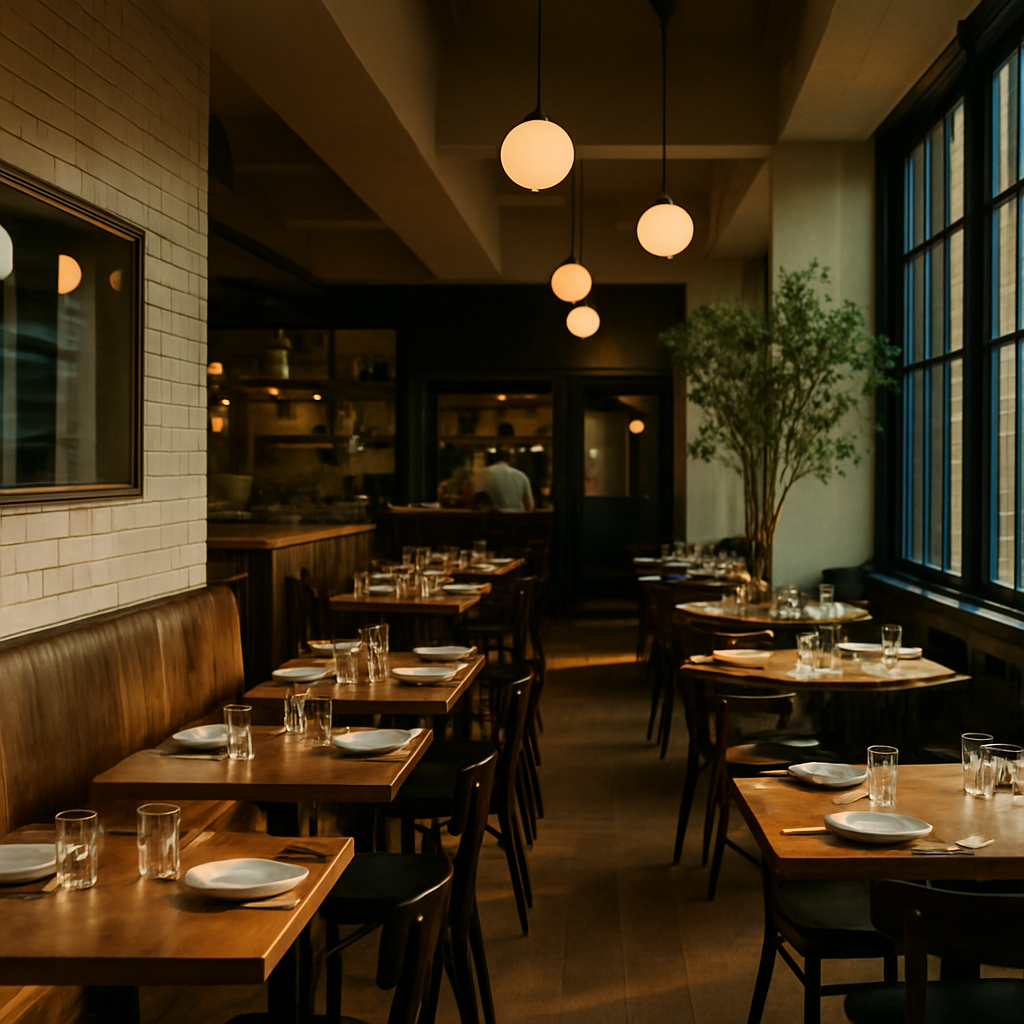
Dinner at Spoon and Stable
Gavin Kaysen's converted 1906 horse stable in the North Loop is the best fine-dining room in the Twin Cities and one of the better ones in the Midwest. The seasonal tasting menu showcases refined Midwestern cuisine — walleye that makes you rethink freshwater fish, pastry work from a team that takes dessert as seriously as the savory courses. The room itself — warm timber, candlelight, the proportions of a building that remembers what it used to be — makes a weeknight feel like an occasion. Book in advance.
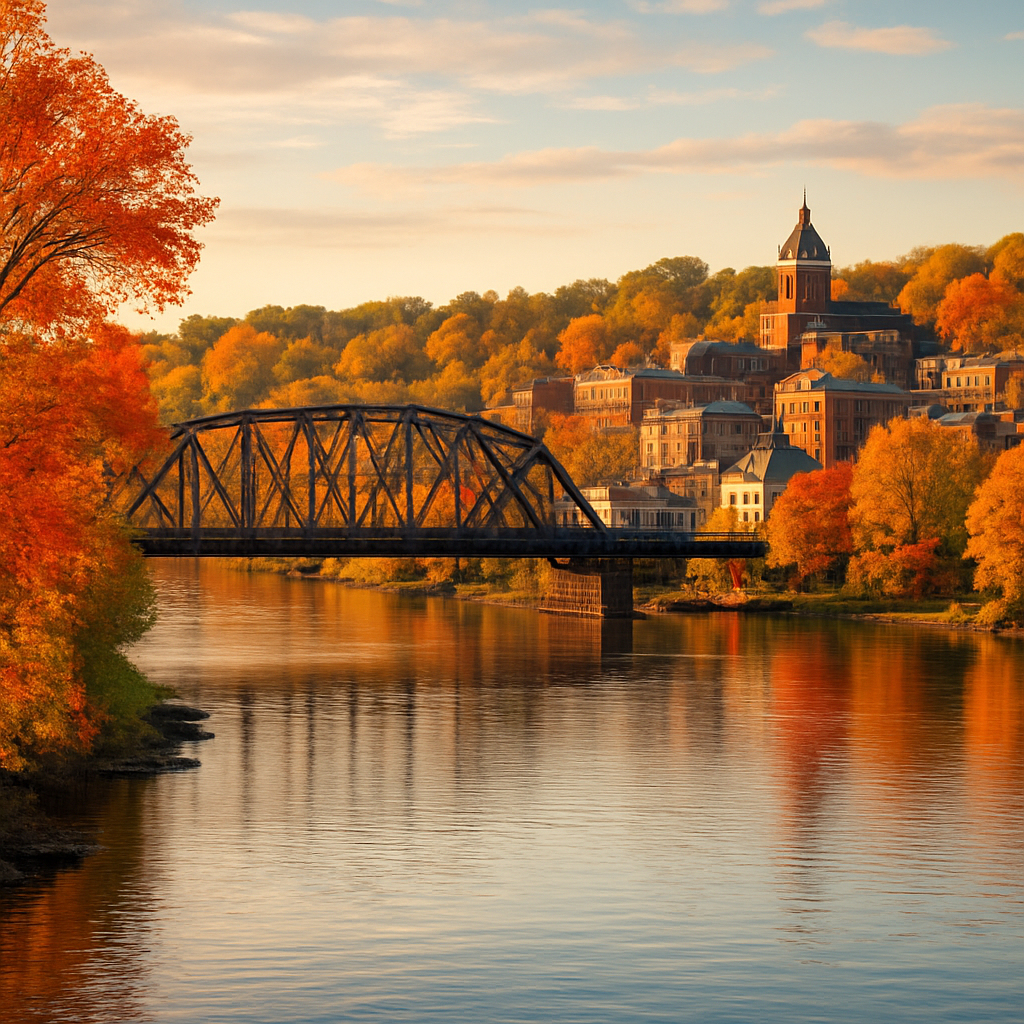
Stillwater on the St. Croix
Forty-five minutes east, this Victorian river town sits on the bluffs above the St. Croix and operates at exactly the pace you need after a few days of city energy. Browse the antique shops on Main Street, sit on a patio with a glass of wine and watch the river, or take a boat tour that makes the landscape feel cinematic. Parking runs $5–$20, but the day itself costs as much or as little as you want. The drive through the river valley in fall — when the foliage peaks in early October — is worth the trip on its own.
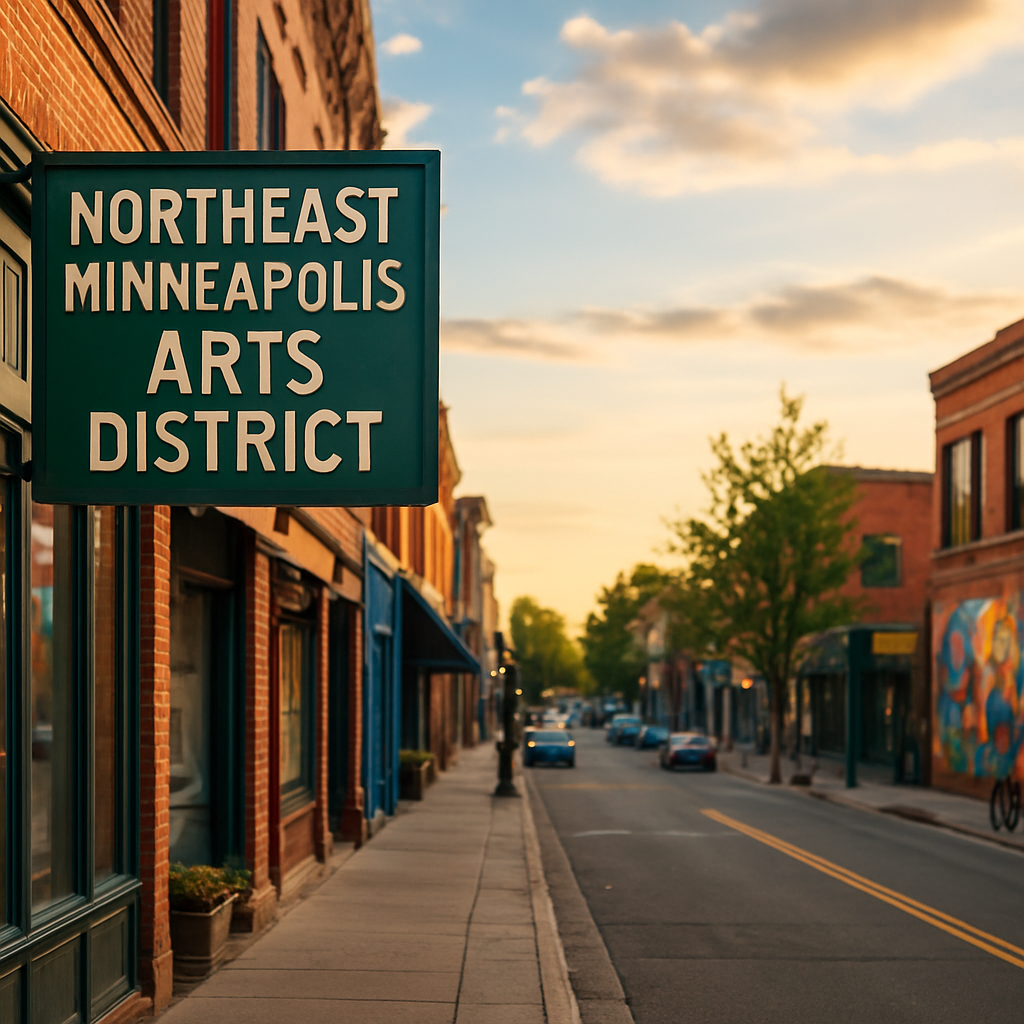
Hai Hai and the Northeast Arts District
Start with dinner at Hai Hai — the Vietnamese-inflected street food is bold, the cocktails are inventive, and the room buzzes with the kind of crowd that makes you want to stay in the neighborhood. Then walk. Northeast Minneapolis is gallery-dense, studio-filled, and full of the kind of independent businesses that give a neighborhood its soul. First Thursdays bring art openings; any night brings good bars. The area around University Ave NE rewards wandering without a plan.
The places I actually send people to
Advice that fits how you travel
Minneapolis is a genuinely strong solo city, and I don't say that about every destination. The queer venues here are built for conversation — Boom! Bar near Loring Park is the kind of dive where you sit at the bar, talk to whoever's next to you, and feel like a regular by your second drink. The Saloon on a busy night works for solo travelers too, especially if you arrive early enough to stake out a spot near the drag stage. The app scene is active — Grindr and Scruff have solid user bases in the metro — and the general culture is friendly enough that meeting people in person at bars or coffee shops isn't unusual. Minnesota Nice cuts both ways for solos: people will be warm and polite, but deeper social entry takes time. Don't mistake surface friendliness for an invitation to Sunday dinner.
Budget solo travel works here better than in most American cities. The Freehand Minneapolis in the North Loop offers hostel dorms from $85/night in a design-forward building with a social rooftop bar — you'll meet people without trying. The light rail Blue Line from MSP costs $2.50 and the transit system covers most of the neighborhoods you'll want. A solo day in Minneapolis — transit, a meal at Hai Hai, museum entry at the Walker, a drink at the 19 Bar — can come in under $100 without feeling like you're skimping.
For safety: the core neighborhoods (Loring Park, Uptown, North Loop, Northeast) are comfortable for solo queer travelers at all hours. Standard urban awareness applies at night in quieter parts of downtown and south Minneapolis. Download the Metro Transit app before you arrive — the Green Line connects Minneapolis to St. Paul, which opens up the full Twin Cities queer geography without needing a car. If you have a few extra days, the Minneapolis GLBT Film Festival (typically fall) is an excellent solo activity — dark theater, great programming, no social pressure required.
Minneapolis is genuinely one of the better cities in the country for a queer couple to just... exist. No performance required. Hand-holding along Hennepin Ave, sharing a bottle at Wilde Café & Spirits near Loring Park, kissing at the finish line of a lakeside bike ride — none of it registers as anything other than ordinary here, and that ordinariness is the whole point.
For a memorable evening, book Spoon and Stable in the North Loop well in advance — James Beard winner Gavin Kaysen's converted 1906 stable is the kind of room that makes a Tuesday feel like an occasion. Follow it with a drink at the Hewing Hotel's rooftop bar, which has skyline views that justify the prices. If you want something quieter and more intimate, Wilde Café is the actual answer — Oscar Wilde in the name, wine list that earns it, crowd that's queer-adjacent without being a scene.
Stay in the North Loop if your budget allows. The Hewing Hotel gives you exposed brick, a rooftop hot tub, and easy walking distance to both dining and the Loring Park corridor. If you're splurging, the Four Seasons opened in 2022 and is exactly what you'd expect — floor-to-ceiling views, a spa that takes itself seriously, and service that doesn't flinch at anything. Summer is the obvious peak for romance here, but October deserves a mention: fall color around the Chain of Lakes, cozy bars that finally justify their fireplaces, and half the crowds of July.
Minnesota has some of the strongest legal protections for LGBTQ+ families in the country — marriage equality, joint adoption, comprehensive anti-discrimination law covering housing and public accommodations, and a 2023 trans refuge statute that makes this state an active legal safe haven. Whatever your family structure looks like, the law here has your back in writing. The cultural reality in Minneapolis tracks closely with that: same-sex parents with kids at the Minneapolis Sculpture Garden or biking the Chain of Lakes are not a novelty. Nobody's staring.
The Chain of Lakes is your family headquarters for summer. Bde Maka Ska (the lake formerly and still informally called Calhoun) has beaches, kayak rentals, a snack stand, and 13 miles of paved trail that strollers handle easily. The Walker Art Center pairs well with older kids — the museum earns its reputation for genuinely engaging contemporary work, and the adjacent Sculpture Garden is free and endlessly photographable, especially the Spoonbridge and Cherry. Budget around $15 for museum entry; the garden costs nothing.
For logistics: the light rail Blue Line from the airport into downtown is stroller-friendly and costs $2.50 per adult, which is a strong start. Minneapolis restaurants are overwhelmingly kid-tolerant — Hai Hai in Northeast does Southeast Asian street food in a colorful, noisy room where a toddler meltdown won't cause a scene. The Minnesota Zoo in nearby Apple Valley makes for an easy half-day with younger kids if you have a car. One watch-out: January through February is genuinely brutal cold, and a family trip in those months requires indoor contingency planning for basically every activity. Stick to late May through September and you'll have an easy time.
What Minneapolis actually costs
Flights, visas, and the first 30 minutes
Airport: Minneapolis–Saint Paul International Airport (MSP) — one of Delta's major hubs, with direct service from 150+ cities. It's a well-run airport and rarely a nightmare, which is more than most can say.
Major Routes:
New York (JFK) — 2h 45m
Los Angeles (LAX) — 3h 50m
Chicago (ORD) — 1h 20m
London (LHR) — 9h 10m
Toronto (YYZ) — 2h 15m
Visa Requirements:
US: Domestic travel — no visa required.
UK: ESTA required; no visa for stays under 90 days under the Visa Waiver Program.
EU: ESTA required; no visa for stays under 90 days under the Visa Waiver Program.
Canada: No visa required for stays under 6 months; valid passport required.
Australia: ESTA required; no visa for stays under 90 days under the Visa Waiver Program.
Airport to City:
Light Rail (Blue Line) — $2.50 / 25–30 min: My first recommendation, every time. Direct service to downtown Minneapolis, runs frequently, and costs less than a coffee. Stroller and luggage-friendly. This is how you get there.
Taxi / Rideshare — $30–$45 / 20–35 min: Uber and Lyft are widely available at MSP. Faster during off-peak hours; expect the longer end during rush hour on I-35W.
Airport Shuttle — $15–$25 / 30–45 min: Shared shuttles serve major hotels if you've got more bags than patience for the train.
Rental Car — $40–$80/day / 20–30 min: On-site agencies at MSP. Take I-494 to I-35W into downtown. Useful if you're planning day trips to Stillwater or the Minnesota Zoo, but the city itself is very manageable without one.
Traven's seasonal breakdown
The questions everyone asks
Is Minneapolis actually worth visiting as a queer destination?
When should I visit?
Is it safe to hold hands?
Do I need a car?
How much should I budget per day?
Is the queer scene only in Minneapolis or also St. Paul?
How is Minneapolis for trans travelers specifically?
Screenshot this before you go
So should you actually go?
Minneapolis is a city that earned its queer credibility the hard way — through decades of organizing, legal fights, and community building in a climate that actively tries to kill you five months a year. The result is something more durable than a party scene: it's a place where LGBTQ+ life is woven into the civic fabric so completely that it barely registers as remarkable anymore, which is itself remarkable. The lakes, the food scene, the art — they're all legitimate reasons to visit. But what'll stay with you is the feeling of a city where being queer is just... Tuesday. Come in summer. Stay near Loring Park. Let the light rail carry you to St. Paul for a drag show you didn't plan on. You won't regret it.
Sources & Resources
Official links we reference when compiling this guide. Last verified 2026-03-06.
- OutFront Minnesota
- Rainbow Health Minnesota
- Twin Cities Pride
- Gender Justice (Legal Aid)
- PFLAG Twin Cities
- Quatrefoil Library
- RECLAIM (LGBTQ+ Youth Mental Health)
- City of Minneapolis – LGBTQ+ Resources
- Minnesota Department of Health – LGBTQ+ Health
- Hennepin Healthcare LGBTQ+ Services
- Minnesota AIDS Project (MAP)