
Napa isn't where you come for a scene — it's where you come when you've stopped needing one.
Napa doesn't announce itself. There's no rainbow crosswalk, no gay village, no Pride flag drooping over a bar door — and after about six hours here, you stop noticing the absence. What you notice instead is that the hostess at dinner doesn't pause for a beat when you ask for the table under two men's names, that the pourer at your third tasting of the day introduces you to her wife by name, that every hotel in the Valley has long since retired the phrase "just one bed?" because the math stopped being interesting sometime around 2004.
The Valley moves on a specific rhythm. Morning fog burns off the Carneros hills around 10am. By noon you're on the Silverado Trail with the windows down and a playlist that seemed important three wineries ago. By 6pm you're back in Downtown Napa, walking First Street to dinner with your partner, and the only person looking twice is the guy at the next table trying to figure out if he's seen you on television. This is a place organized entirely around romance and the slow mechanical pleasures — eating, drinking, soaking, sleeping — and it makes no distinction about which two people are doing the romancing.
I gave it a 9.0 on Scene, which might surprise you for a place with zero gay bars. Here's the thing: the scene is the hospitality. The tasting room staff are disproportionately queer, the sommeliers at The French Laundry and La Toque run in the same Bay Area orbit, and the rooftop at Sky & Vine on a Saturday night in summer looks like the Castro drove up for the weekend — which, half the time, it did. There's a reason my Traven-Dex lands at 8.8 for a town with a population of 80,000. The infrastructure is so unbothered by your existence that you finally get to be unbothered too.
Watch out for: the pacing. First-timers book four wineries on day one, drink every pour, and spend day two in a dark hotel room Googling electrolyte delivery. Two or three tastings a day is the move — pick your estates, linger, eat real food between. Your liver will send a thank-you note.
The stuff your travel guide buries on page 47
Let's start with the easy part. California, as of 2026, has some of the strongest LGBTQ+ protections in the United States — full marriage equality, joint and second-parent adoption, comprehensive anti-discrimination laws under FEHA and the Unruh Civil Rights Act, and self-ID for gender marker changes. No criminalization, no travel advisories, no asterisks. For the legal lay of the land, Equality California tracks state-level policy and Lambda Legal is your resource if something goes sideways (it won't, but it's good to know).
Culturally, Napa County voted over 60% for Biden in 2020, and the Valley skews liberal and cosmopolitan — much of the workforce relocated from the Bay Area and it shows. The hospitality economy here is built entirely on romance, which means same-sex couples checking into hotels, clinking glasses at candlelit tables, and booking couples' massages are as unremarkable as a bottle of Cab. That said, outer-valley rural stretches are more conservative than the main wine corridor, so use your read of the room once you're off Highway 29 and the Silverado Trail.
Here's the structural thing to know: Napa has no dedicated gay bars. None. Full stop. The scene here is fully integrated into the broader hospitality world — warm, welcoming, but not explicitly labelled. If you need a specifically queer nightlife strip, Santa Rosa (45 minutes north) or San Francisco (90 minutes south) are your after-hours fallbacks. For regional LGBTQ+ news and event listings before you arrive, the Bay Area Reporter is the paper of record for the North Bay.
Pro tip: PDA between same-sex couples draws zero attention in Downtown Napa, Yountville, and Calistoga. Holding hands at dinner, a kiss on a tasting room terrace — nobody blinks. The industry is deeply accustomed to couples of every configuration, and most staff have seen everything twice.
What it actually feels like on the ground
Holding hands and PDA: In Downtown Napa, Yountville, Calistoga, and St. Helena, hand-holding and casual affection are genuinely unremarkable. These towns run on couples tourism, and the bar for "noticeable" is high. Out in the rural vineyard stretches — think small family-run estates in the hills — the reception is professional rather than effusive, but overtly hostile treatment is rare to nonexistent.
Hotel check-in: Every property in this guide is familiar with same-sex couples booking a king bed. The Andaz Napa, the Westin Verasa, Carneros Resort, and the boutique inns along the Silverado Trail all have trained staff and no learning curve. One bed, no questions, no awkward upgrade to a "more suitable" room.
Taxis and rideshare: Uber and Lyft both operate throughout the Valley, though coverage thins out in the far northern reaches near Calistoga after 10pm — book ahead or build in a wait. If wine tasting has gone long and you're on the Silverado Trail after dark, use the app. DUI checkpoints are a genuine reality here and the Napa County Sheriff's department does not play.
Tasting rooms and wineries: The tasting room staff throughout the Valley are disproportionately queer — it's something regulars know and first-timers discover quickly. Ask your pourer where they'd go for a night out; the recommendations are almost always better than anything on Yelp.
Trans travelers: California's statutory protections are among the strongest in the country, and Napa's service economy means professional treatment is the norm. That said, the Valley lacks dedicated trans community spaces or visibility — San Francisco, one hour south, remains the regional hub for trans community and specialized healthcare.
Late night: Downtown Napa, Yountville, and Calistoga are as safe as wine country gets — which is to say extremely safe. The biggest hazard is overspending on a Reserve Cab and having to explain the credit card statement to your partner later.
Sexual health: Resources are thinner on the ground here than in the Bay, so come prepared. Planned Parenthood Mar Monte has a Napa location for testing and PrEP access, but wait times can run longer than urban clinics — call ahead and build in time. Napa County Health & Human Services handles public health services countywide. For crisis support, The Trevor Project is available 24/7.
The queer geography
Downtown Napa
The revitalized city center along First Street is where Napa finally became a city rather than just a turnoff on the way somewhere else. The Oxbow District sits at the northeast edge, anchored by Oxbow Public Market — an artisan food hall with oyster bars, charcuterie counters, small-producer wine vendors, and a communal energy that makes it the unofficial daytime living room of the Valley. Grab a glass on a Saturday afternoon, claim a table, and you'll spot your people within the hour. Along the riverfront, the Napa River Walk connects the Historic Napa Mill to the Archer Hotel's rooftop scene at Sky & Vine, and the Uptown Theatre on Third Street — a stunning restored 1937 Art Deco venue — hosts the closest thing Napa has to explicitly queer programming, including drag shows and Pride-adjacent events. This is also where most hotels under $400/night actually exist, and where the scene, such as it is, clusters after dark. For regional community resources, Equality California and the GLBT Historical Society in San Francisco are the closest organized LGBTQ+ institutions.
Yountville
Nine miles north of Napa, Yountville is a two-block village that contains more Michelin stars per capita than most countries. Thomas Keller's empire anchors the town — The French Laundry, Bouchon Bistro, Ad Hoc, the bakery — and the main drag of Washington Street is the kind of place where you can eat three of the best meals of your life in 48 hours. The architecture is low-slung California wine country: stone, hedgerows, courtyard patios, fountains. Yountville is consistently named by LGBTQ+ travel editors as the most welcoming town in the Valley, and the clientele at the hotel bars — Bardessono, the North Block — tilts cosmopolitan and international. Same-sex couples blend into the scenery because the scenery is already assumed to be couples.
Calistoga
At the northern end of the Valley, Calistoga is the laid-back spa town — geothermal mud baths, mineral pools, and a Main Street that still feels like the 1950s decided to take the century off. Indian Springs, operating on the current site since the 1860s, is the landmark: an Olympic-sized mineral pool fed by on-site geysers, volcanic ash mud treatments, and a palm-lined resort that has been cited in LGBTQ+ wellness travel coverage for decades. Solage, Auberge's property, sits nearby with Michelin-recognized Solbar and a pool scene that goes late. Calistoga's energy is slower than Yountville's — fewer peacocks, more robes — and same-sex couples are a visible regular presence.
St. Helena
Mid-valley, St. Helena is the affluent, tree-lined main street town — boutique shopping, old-growth oaks, the kind of olive oil stores that take themselves very seriously. Gott's Roadside on the north end is the great equalizer: burgers and milkshakes on picnic tables in a town where dinner otherwise starts at $200. The clientele skews well-traveled and sophisticated, casual PDA is comfortable, and the Harvest Inn's eight acres of working vineyards are walkable to everything. For the Bay Area's broader LGBTQ+ civic infrastructure, Human Rights Campaign and PFLAG National are the organizational backbones supporting community life in wine country and beyond.
The experiences worth rearranging your itinerary for
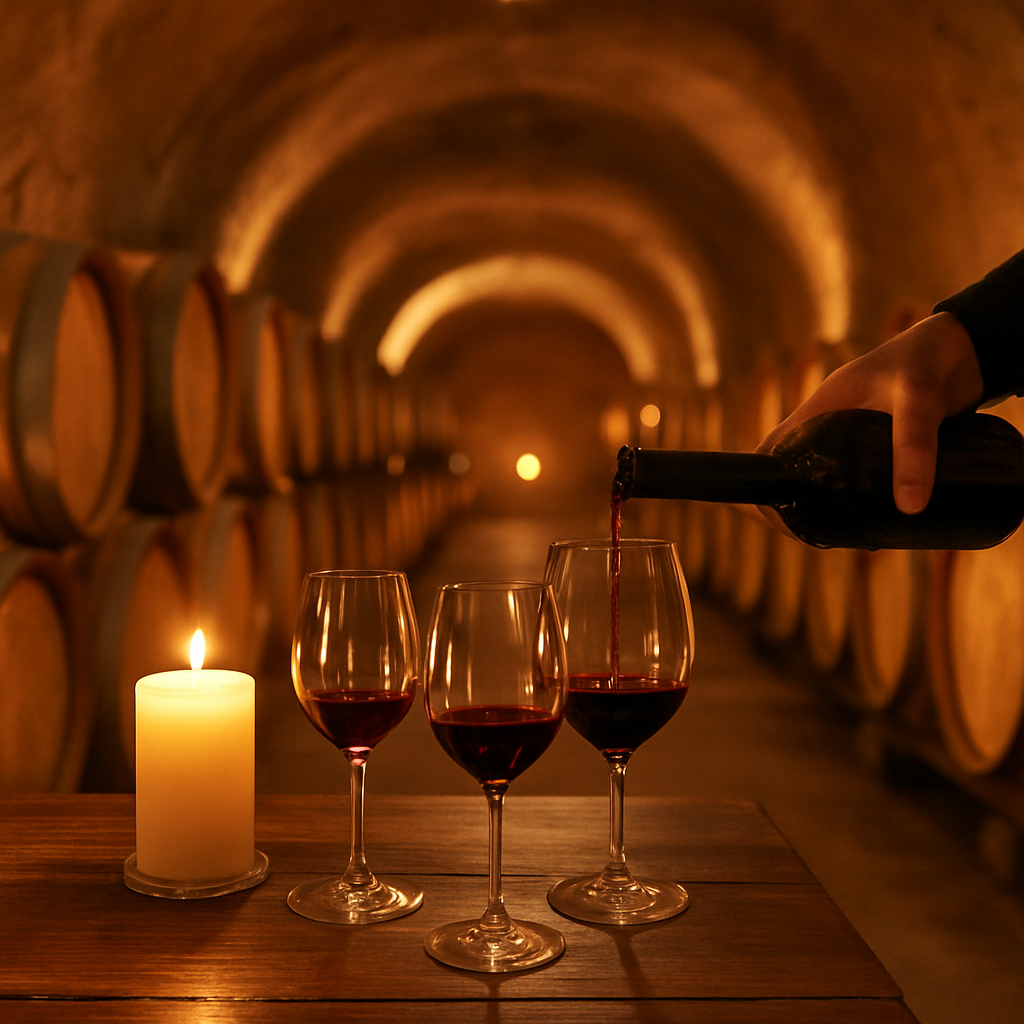
A Cave Tasting on the Silverado Trail at Golden Hour
The Silverado Trail is the scenic eastern road that runs parallel to Highway 29, and the estates along it have spent decades carving barrel-aging caves straight into the hillsides. Book a tasting that happens inside one of them — the temperature drops ten degrees the moment you step in, the lighting is all candles and sconces, and the acoustics turn every pour into a small event.
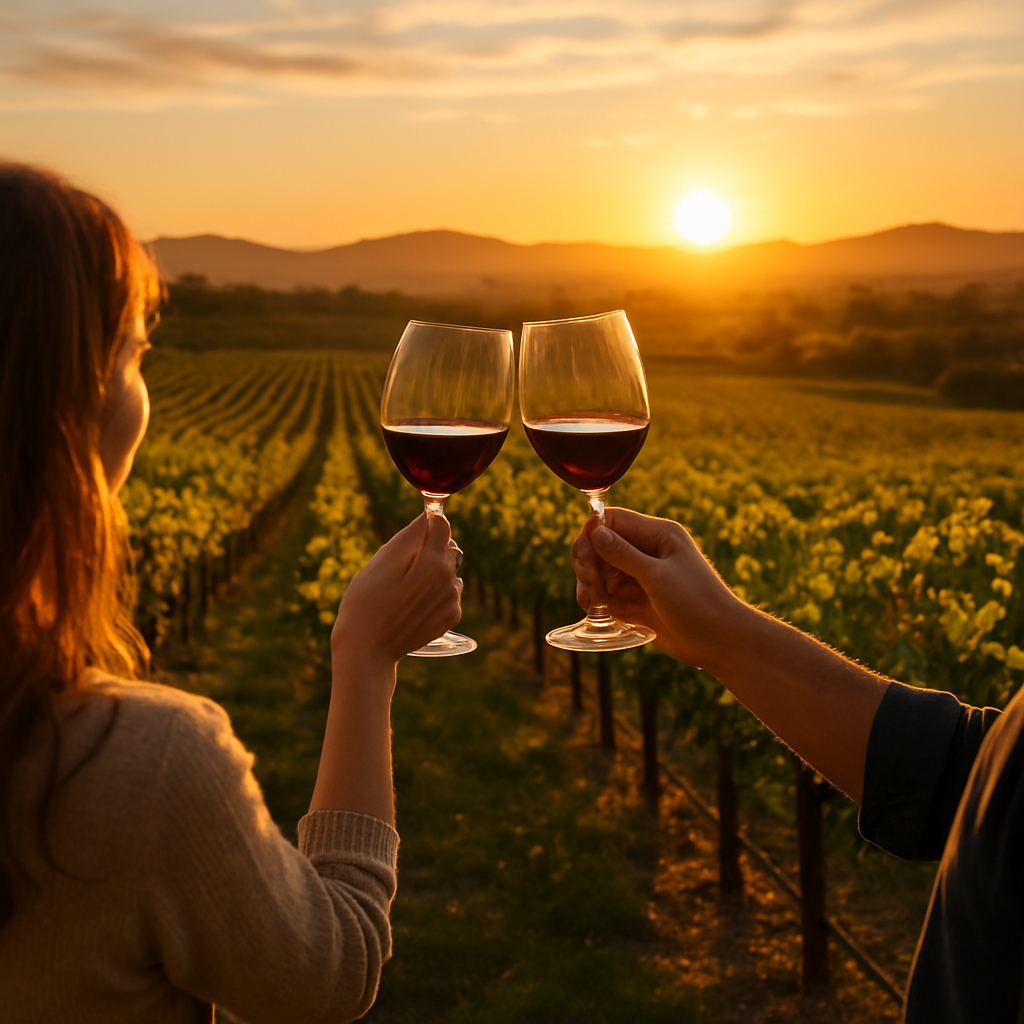
Aim for the last slot of the day so you come out into golden hour with the vineyards lit up like a film set. It's theatrical, sensory, and completely over the top in exactly the right way. Pro tip: book at least two to three weeks ahead — the best slots disappear fast, especially on weekends during crush.
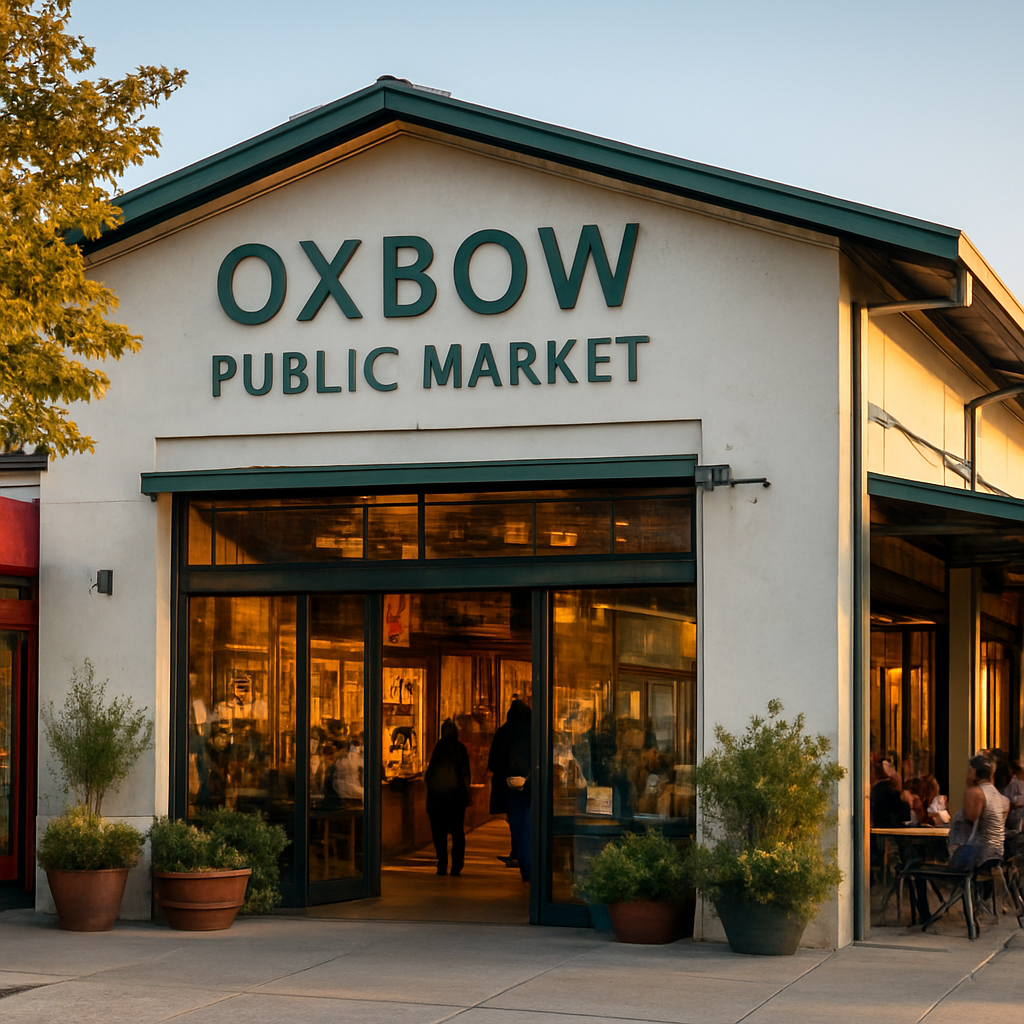
A Slow Afternoon at Oxbow Public Market
The Oxbow Public Market in downtown Napa is the artisan food hall that functions as the Valley's daytime living room. Oysters on the half shell at Hog Island, charcuterie from the Fatted Calf, small-producer wine by the glass from the vendors, and enough communal tables to make it a proper hangout rather than a meal.
Come Saturday or Sunday afternoon, grab a glass, claim a seat, and settle in. It's where the tasting room staff end up on their off days and where you'll spot your people within an hour. The best food experience in Napa that doesn't require a reservation or a tasting menu.
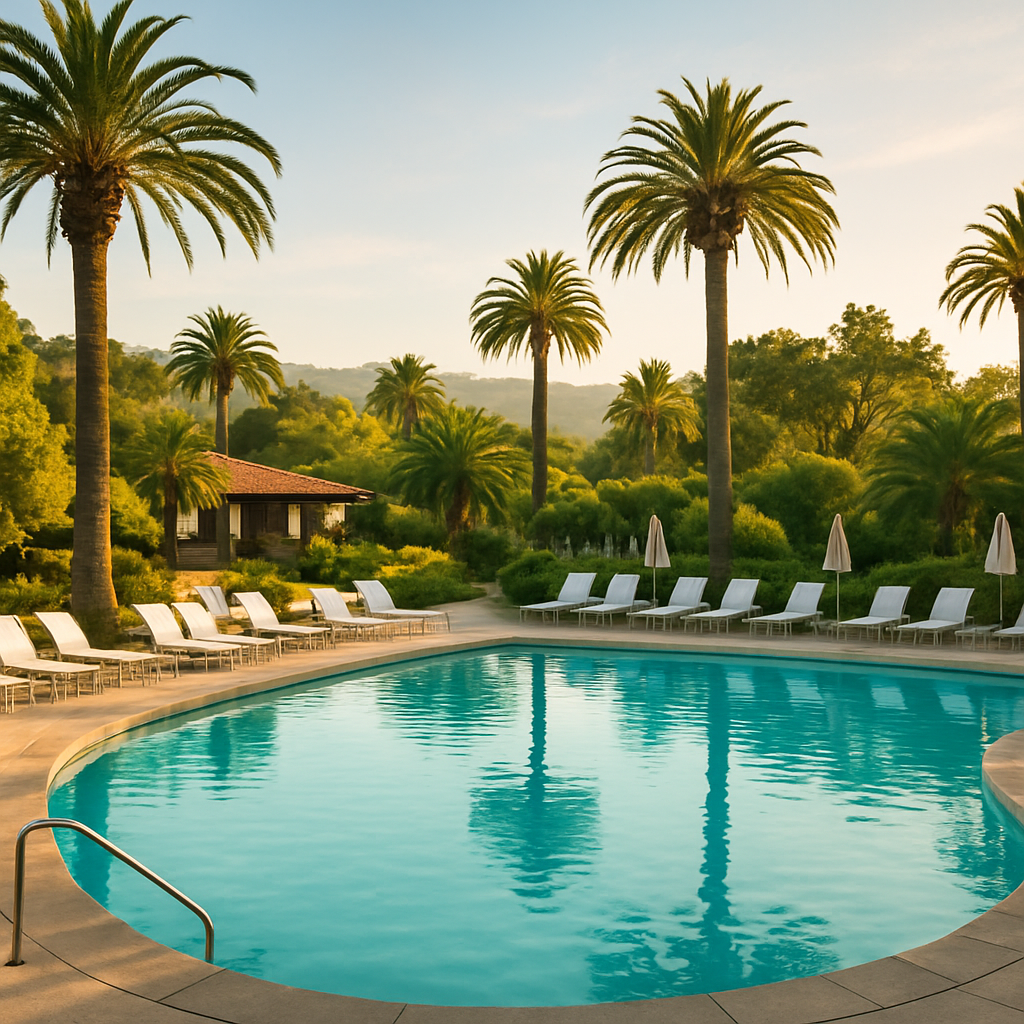
A Mineral Soak at Indian Springs Calistoga
Indian Springs has been operating on the current Calistoga site since the 1860s, making it one of California's oldest continuously running spas. The Olympic-sized mineral pool is fed by on-site geysers, the water comes out of the ground hot, and the palm-lined grounds feel like a resort that Hollywood forgot to tear down.
Book the volcanic ash mud bath for the full experience — it's exactly as weird as it sounds and you'll feel like a different person when you climb out. Then spend the rest of the afternoon drifting between the pool and the loungers. It's the most physically restorative afternoon money can buy in the Valley.
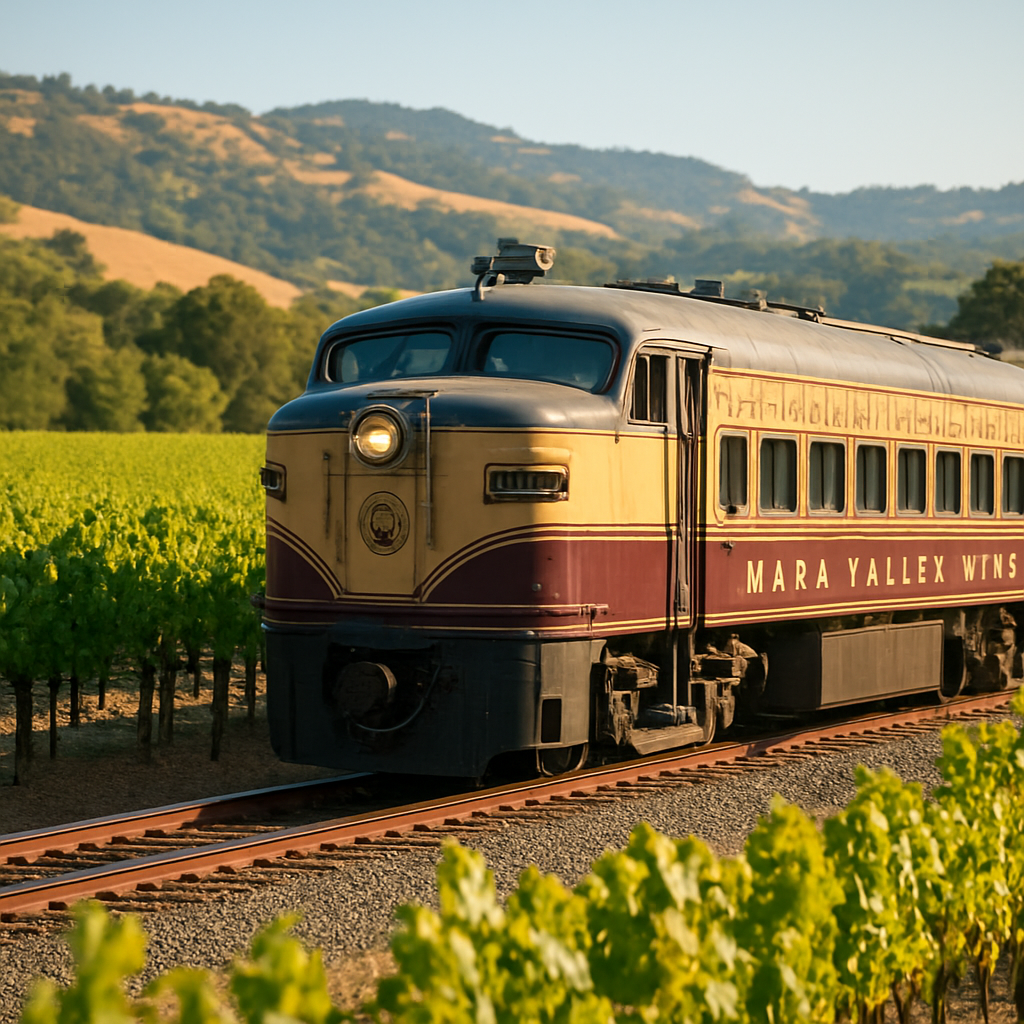
The Napa Valley Wine Train at Dusk
Operating since 1989 on a 36-mile round-trip route between Napa and St. Helena, the Wine Train runs restored early-20th-century Pullman dining and parlor cars that somehow survived the 20th century intact. Three hours of multi-course dining, wine pairings, and vineyards rolling past the windows.
Book the late afternoon departure so you're eating through golden hour and pulling back into Napa after dark. Readers have written in specifically to flag it — the staff treat every couple identically, and the scenery at dusk is the kind of thing that makes people propose. Do not roll your eyes at this. Just go.
Time Your Trip Around Napa Valley Pride
Napa Valley Pride punches well above its small-town weight — vineyard backdrops, live music, and a crowd that's equal parts locals and Bay Area weekenders who drove up specifically for it. It's typically held in June and the venue rotates between vineyard settings and downtown parks.
It's intimate in the best way — you'll actually talk to people, which is something you absolutely cannot say about SF Pride. Check napapride.org well before you book travel because dates and locations shift year to year, and the good hotels sell out fast when Pride weekend lands.
The places I actually send people to
Advice that fits how you travel
Solo travel in Napa has a specific dynamic worth understanding before you book: this is a couples destination, full stop, and you'll feel that. Most tables are set for two, most deals assume two people splitting a hotel room, and a solo traveler at a candlelit tasting is occasionally the third wheel at their own vacation. That said, the solo experience here has real advantages if you know where to point yourself.
Start at Torc or Oenotri in downtown Napa — both have proper bar seating where the bartender will actually talk to you, and the counter at Oxbow Public Market on a Saturday afternoon is one of the most reliably social spots in the Valley. The tasting room staff throughout Napa are disproportionately queer, and asking your pourer for a genuine local recommendation instead of the tourist-board answer is how you end up at Cadet Wine & Beer Bar on Franklin Street at 9pm in the best possible company. The Uptown Theatre on Third Street books drag shows and queer comedy nights in a stunning restored 1937 Art Deco room — check the calendar before you arrive and plan your downtown night around it.
Apps work here — Grindr and Scruff both have users in the Valley, though density is thin compared to any actual city. The Castro is one hour south if you need a proper scene, and most solo gay travelers use Napa as a base and build in a San Francisco day. Budget-wise, solo stings more than anywhere: you're absorbing the full cost of a hotel room in a market where $300 is the floor, tasting fees that run $50–$150 per person, and restaurant bills designed for sharing. Base yourself in downtown Napa rather than Yountville and you'll shave real money off every night without sacrificing a single vineyard.
Napa Valley was essentially designed for two people who want to disappear together for a long weekend and not be questioned about any of it. Same-sex couples have been doing exactly that for decades, and the infrastructure — the candlelit tasting rooms, the cave dinners on the Silverado Trail, the spa afternoons, the inn-to-restaurant ratio — all of it works for you without requiring modification or advance warning.
PDA is genuinely comfortable throughout: downtown Napa, Yountville, St. Helena, and Calistoga all run on couples tourism, and holding hands or a quiet kiss at a tasting room table draws zero attention. For the big splurge, The French Laundry in Yountville is the defining celebratory dinner in wine country — book months ahead, not weeks. For the romantic stay, Milliken Creek Inn & Spa on the Silverado Trail is the property most consistently flagged in LGBTQ+ couples travel coverage: 12 adults-only rooms, a full-service spa, and complimentary wine and cheese on the garden grounds every afternoon. Carneros Resort's private cottage-with-heated-patio setup is for when you want to share a terrace, open a bottle, and not be visible to another human being for 48 hours.
Build a cave tasting into at least one afternoon — book a late slot at one of the Silverado Trail estates so you emerge into golden hour with a glass still in hand. A reader wrote in to say the Napa Valley Wine Train at dusk has become something of an unofficial proposal vehicle for Bay Area same-sex couples, and I believe it without question. If you're here for something genuinely celebratory, Napa County is one of California's premier LGBTQ+ wedding destinations — several estates offer underground wine cave ceremonies that are exactly as theatrical and beautiful as they sound, and California's legal framework, as of 2026, covers every piece of it without asterisks.
Let me be upfront about the structural reality: Napa Valley is a wine destination, and much of its economy is organized around experiences children can't participate in. LGBTQ+ families are legally recognized and completely welcome here — California, as of 2026, covers marriage, adoption, and all family structures comprehensively, with no legal ambiguity — but you'll need to build a trip that includes enough non-wine programming to keep the whole crew genuinely engaged.
The good news is it exists. CIA at Copia on the Napa River runs public cooking demonstrations in a format that works well with kids who can focus for an hour; it's participatory and genuinely interesting rather than a placeholder activity. Di Rosa Art + Nature Preserve in Carneros is 217 acres of outdoor sculpture and walking trails — sophisticated art, serious outdoor space, and room for small people to actually move. Oxbow Public Market in downtown Napa is the practical family win: communal tables, varied food from oysters to wood-fired pizza, and an energy that welcomes everyone without a reservation or a dress code. Gott's Roadside on the St. Helena main strip — and the Oxbow outpost — is the kid-friendly meal that doesn't require pretending children enjoy tasting menus.
Strollers move easily through downtown Napa and along Yountville's Washington Street. Carneros Resort's cottage format gives LGBTQ+ families real privacy and outdoor space — each freestanding cottage has a heated private patio, which is worth a significant premium when you're traveling with small people who have strong feelings about where they sit. Budget realistically: the moderate family daily run is $780–$1,120 depending on accommodation, and Napa is not a market where corners cut easily. Base in the city of Napa rather than Yountville, redirect the savings toward one experience the whole family will remember — a cooking demo at the CIA, an afternoon at di Rosa — and treat the rest of the wine tasting as an adult-hours mission after bedtime.
What Napa Valley actually costs
Flights, visas, and the first 30 minutes
You're flying into SFO — San Francisco International Airport — and driving north. Napa Valley has no commercial airport of its own, which is part of the deal: the approach up Highway 29 through the Bay is your first introduction to what you came for. Budget 1 hour 15 minutes to 1 hour 45 minutes in normal traffic, longer on Friday afternoons when the entire Bay Area workforce makes the same decision you did.
Visa requirements (as of 2026): US citizens need nothing — this is domestic travel. Visitors from the UK, EU, Australia, and Canada typically enter under the Visa Waiver Program (ESTA) — apply online before departure, $21 fee, up to 90 days. If you're traveling from outside those countries, check US State Department requirements well in advance of booking.
Rental Car — $60–120/day, 1h 15m–1h 45m. Take I-80 East to CA-29 North and follow it straight up the Valley. This isn't a nice-to-have; a car is essential. Wineries stretch across 30+ miles of corridor, public transit outside downtown Napa is essentially nonexistent, and the Silverado Trail estates you'll want to hit are unreachable on foot. Book early — rates spike hard in summer and during harvest season in September and October.
Napa Valley Airporter Shuttle — $50–80/person, 2–2.5 hours. Scheduled shared van service running directly from SFO to Napa city. Advance booking is mandatory — this is not a walk-up service. It works well if you're flying solo, but it commits you to a single drop point rather than up-valley accommodation.
Private Car or Rideshare — $120–180 one-way, 1h 15m–1h 45m. Lyft and Uber both operate at SFO pickup and will take you door to door. Best flexibility if you want to skip Bay Area traffic navigation entirely. Factor in tip and surge pricing on Friday afternoons — the Bay Area heads north every weekend without fail.
Pro tip: Rent a car for exploring the Valley, but download Uber and Lyft before you leave home. DUI enforcement in Napa County is serious and the Napa County Sheriff does not do warnings. The tasting room math adds up faster than you think — plan a designated driver day or build in rideshare budget on your heaviest pouring days.
Traven's seasonal breakdown
The questions everyone asks
Are there any gay bars in Napa Valley?
Is it safe to hold hands with my partner in Napa?
Do I really need to rent a car?
How much should I budget per day?
When is Napa Valley Pride?
Is Napa Valley welcoming to LGBTQ+ families?
How far in advance do I need to book The French Laundry?
Screenshot this before you go
So should you actually go?
Go. Napa isn't where you come for a scene — it's where you come when you've stopped needing one. LGBTQ+ travelers land in a Valley that took inclusion off the table as a discussion topic a long time ago, and what's left is just wine country doing what it does best: slowing you down, feeding you well, and making your partner look very good in late-afternoon light. My Traven-Dex of 8.8 reflects the trade-off honestly — the 5.5 on Pulse is real, the nightlife is thin, and if you need a dance floor you're driving to the Castro. But for a long weekend of eating, drinking, soaking, and sharing a king bed without a single raised eyebrow, there are very few places in America that deliver it cleaner.
Sources & Resources
Official links we reference when compiling this guide. Last verified 2026-04-14.
- Bay Area Reporter (LGBTQ+ Regional News)
- Equality California
- GLBT Historical Society (San Francisco)
- Human Rights Campaign
- Lambda Legal
- Napa County Health & Human Services Agency
- National Center for Lesbian Rights (NCLR)
- PFLAG National
- Planned Parenthood Mar Monte — Napa Health Center
- The Trevor Project