New Orleans doesn't ask if you're ready. It pours you a drink, puts on a brass band, and assumes you'll figure it out.
The first thing you'll register in the Faubourg Marigny on a Thursday night isn't the music — it's the absence of permission-seeking. Nobody on Frenchmen Street is performing tolerance. Two men holding hands at the bar at Mimi's in the Marigny aren't a statement; they're Thursday. A drag queen walking from the Allways Lounge to grab a slice isn't subversive; she's hungry. This city earned my Traven-Dex score of 8.8 not through progressive marketing but through decades of queer people living openly in a place that was too busy being itself to bother telling them not to.
New Orleans doesn't have one LGBTQ+ area — it has layers. The Bourbon Street cluster between the 700 and 900 blocks is loud and touristy in the absolute best way: Café Lafitte in Exile claiming the title of oldest continuously operating gay bar in the country since 1953, Bourbon Pub holding down the Lavender Line corner, Oz going until the sun comes up. Then you cross into the Marigny and Bywater, where queer locals actually live, drink cheap beer at the Golden Lantern, and put on art at tiny theaters on St. Claude Avenue. You'll want both, on different nights, with very different footwear. I gave this city a 9.1 on Scene — walk Frenchmen on a Saturday at midnight and you'll understand why the number isn't higher only because I don't give out 10s.
What separates New Orleans from every other American city with a good gay bar district is that queerness here isn't an enclave — it's threaded through the city's entire identity. The Krewe of Petronius has been staging theatrical, drag-heavy Mardi Gras balls since 1961, eight years before Stonewall. Southern Decadence over Labor Day weekend packs 100,000+ people into the Quarter for what might be the most genuinely joyful LGBTQ+ street event on the planet. Even the food — at Dooky Chase's in the Tremé, at Commander's Palace in the Garden District, at a 2am po'boy ordered dressed from a counter on Bourbon — feels like it belongs to a city where pleasure isn't a luxury but a civic duty.
There's a tension worth naming: Louisiana's state politics run conservative, trans healthcare protections are severely limited, and anti-discrimination law at the state level is thin. New Orleans has its own city-level protections, but the gap between the city and the state is real, and you should know it exists before you leave the metro area. Inside the city, though? The welcome is as deep as the history. The UpStairs Lounge memorial at 604 Iberville, marking where 32 members of the gay community were killed in a 1973 arson fire, sits blocks from the bars that stayed open anyway, the community that rebuilt anyway, the parties that continued anyway. That's not resilience as a brand — it's resilience as a fact. And it's the reason this city hits different from anywhere else in the South.
The stuff your travel guide buries on page 47
Legal framework: As of 2026, same-sex marriage, civil unions, and same-sex adoption are federally recognized across the United States, including Louisiana. New Orleans has its own city-level anti-discrimination ordinances covering sexual orientation and gender identity in employment, housing, and public accommodations. However, Louisiana state law provides limited LGBTQ+ protections — there is no statewide anti-discrimination law covering sexual orientation or gender identity in the private sector. The gap between the city's protections and the state's is real and worth understanding, especially if your travel extends beyond metro New Orleans.
Gender identity: Louisiana requires medical documentation for gender marker changes on state-issued identification, as of 2026. The state has enacted restrictions on gender-affirming care for minors. Trans travelers should research current state legislation before arrival and carry relevant documentation. Louisiana Trans Advocates tracks the current legal landscape in real time. Within New Orleans city limits, the trans community has a visible presence — especially during Southern Decadence — and the cultural reception in the Quarter, Marigny, and Bywater is broadly accepting.
What the laws mean on the ground: New Orleans operates functionally as a progressive island in a conservative state. The city's LGBTQ+ community is large, established, and visible — we're talking about a city with gay krewes dating to 1961 and a bar scene that predates the modern rights movement. Police interactions in the tourist core are standard; NOPD operates under a federal consent decree and has anti-bias training mandates. Forum for Equality Louisiana is the state's primary LGBTQ+ advocacy organization and worth bookmarking before you arrive, especially if you're traveling with children or need specific legal information about family recognition.
PDA comfort: In the French Quarter and Faubourg Marigny, same-sex PDA registers zero reaction — this is among the most comfortable cities in the United States for queer public affection. The CBD and Tremé are generally comfortable. The Garden District and Uptown are welcoming but more conservative aesthetically — discreet PDA is fine, overt displays may draw occasional glances. Outside metro New Orleans, the picture changes significantly. Rural Louisiana offers minimal LGBTQ+ protections and conservative cultural norms — exercise discretion when traveling beyond the city limits.
Pro tip: Crescent Care (formerly the NO/AIDS Task Force) has a location convenient to the Quarter and offers walk-in PrEP consultations, STI testing, and sliding-scale healthcare — genuinely useful if you're in town for a long weekend and want to be proactive about your sexual health.
What it actually feels like on the ground
Holding hands: In the French Quarter, Faubourg Marigny, and Bywater, holding hands as a same-sex couple is completely normalized day and night. On Bourbon Street between the 700 and 900 blocks, you'll see more same-sex couples than not after dark. In the CBD and Warehouse District, you'll be comfortable. In the Garden District and Uptown, same-sex hand-holding is unlikely to draw any negative reaction but the vibe is residentially quieter. In Mid-City and outer neighborhoods, apply standard urban awareness — hostility is very unlikely but the queer-coded signaling thins out.
Hotel check-in: Same-sex couples checking in as a couple will encounter zero friction at any hotel in New Orleans. The city has a massive LGBTQ+ tourism infrastructure and hospitality staff are accustomed to serving queer travelers. You won't be asked to justify your room configuration.
Taxis and rideshare: Uber and Lyft are the standard and drivers in the New Orleans metro area are accustomed to picking up from gay bars, Southern Decadence events, and the Marigny. I've never received a report of a negative rideshare experience based on orientation. Pro tip: rideshare is inexpensive and genuinely sensible past 2am — solo late-night walking anywhere in New Orleans requires more real-world awareness than a rideshare home.
Beaches and public spaces: New Orleans isn't a beach city, but public spaces like Washington Square Park in the Marigny and Louis Armstrong Park near the Tremé are comfortable and welcoming. The Country Club's clothing-optional pool in the Bywater is a purpose-built queer-friendly space and exactly as relaxed as you'd hope.
Late night: The French Quarter is busy and well-lit into the early morning hours, and the gay bar corridor on Bourbon Street maintains crowd safety through sheer density. Elysian Fields Avenue between the Quarter and the Marigny is generally fine in groups after dark, but solo late-night walking requires real-world awareness. Petty crime — phone snatching, pickpocketing — is the primary safety concern, not orientation-based harassment. Stay aware, travel in pairs when possible after 2am, and keep your phone in your pocket on quieter side streets.
Trans travelers: New Orleans city culture is broadly accepting of trans and gender-nonconforming travelers, with visible trans community presence especially during Southern Decadence and in the Marigny arts scene. Hotels, bars, and restaurants in the tourist core will not present issues. However, Louisiana's state-level legal framework is thin on identity protections — carry documentation and research current legislation via Louisiana Trans Advocates before arrival.
Verbal harassment risk: Within the French Quarter and Marigny, orientation-based verbal harassment is extremely rare. On the fringes of the tourist zone and in residential neighborhoods after dark, standard urban caution applies — you're far more likely to encounter garden-variety street hassle (panhandling, scam approaches) than anything queer-targeted. The Phoenix on Elysian Fields is a leather and Levi bar with a welcoming door but a clear dress-code ethos — read the room before you arrive, which leather bars tend to appreciate.
The queer geography
French Quarter (The Bourbon Street Corridor)
The Quarter's gay bar strip runs along Bourbon Street between the 700 and 900 blocks — a stretch historically marked by the Lavender Line at the corner of Bourbon and St. Ann. Café Lafitte in Exile at 901 Bourbon has been pouring since 1953. Bourbon Pub & Parade holds the corner at 801 with a video bar downstairs and a dance floor up. Oz at 800 is the big dance club. Good Friends Bar on Dauphine Street provides the neighborhood-bar counterweight. During Southern Decadence over Labor Day weekend, this half-mile stretch becomes one of the densest concentrations of queer joy in America. You can legally carry an open container down the street — yes, really — and bar-hop the entire corridor without crossing more than two blocks. The UpStairs Lounge memorial at 604 Iberville, a few blocks north, is a necessary stop that grounds everything else in the Quarter's queer history.
Faubourg Marigny & Bywater
If the Bourbon corridor is the tourist-facing scene, the Marigny (locals say: mair-ih-nee) is where queer New Orleans actually lives. Running along St. Claude Avenue and Frenchmen Street, the neighborhood is dense with bars, performance spaces, and rainbow flags year-round. The Golden Lantern at 1239 Royal Street is the Marigny's anchor gay bar — open late, open later, open until the concept of closing time becomes theoretical. The Phoenix on Elysian Fields Avenue is one of the few remaining leather and bear bars in the region. Frenchmen Street itself isn't exclusively queer, but the crowd after midnight makes it feel like the most welcoming music strip in the country.
Just downriver, the Bywater is artsy, deeply queer-friendly, and home to the Country Club at 634 Louisa Street — clothing-optional pool, full restaurant, and the kind of crowd that makes you feel like a local by your second drink. Bacchanal Fine Wine on Poland Avenue is a wine shop turned restaurant turned live music venue in a garden that feels like a secret you're allowed to share. Washington Square Park in the Marigny hosts community events, pop-up second lines, and neighborhood gatherings that never make it onto Eventbrite — follow local LGBTQ+ Instagram accounts and the Forum for Equality events page to find them.
St. Claude Arts District
St. Claude Avenue is the spine of the Marigny and Bywater arts corridor, and the Allways Lounge & Theatre at 2240 St. Claude is its beating heart — drag, burlesque, comedy, and experimental theater sharing the same tiny stage. This is where LGBTQ+ performance happens without a velvet rope or a cover charge worth worrying about. The Hi-Ho Lounge and other DIY spaces on this corridor rotate programming frequently, so checking listings the week you arrive is worth the five minutes.
Other Neighborhoods Worth Knowing
The Garden District along St. Charles Avenue is beautiful, residential, and historically gorgeous — the streetcar ride alone is worth the trip. The queer presence is quieter here, but it's a comfortable base with Commander's Palace and the Pontchartrain Hotel anchoring the neighborhood. Mid-City is diverse and working-class, with fewer visible LGBTQ+ spaces but a generally tolerant culture and a great food scene along Broad Street. The Tremé — the oldest African American neighborhood in the country — is culturally rich, broadly tolerant, and home to Dooky Chase's and Louis Armstrong Park. Street awareness at night is advised, but the cultural significance of this neighborhood rewards every visit.
The experiences worth rearranging your itinerary for
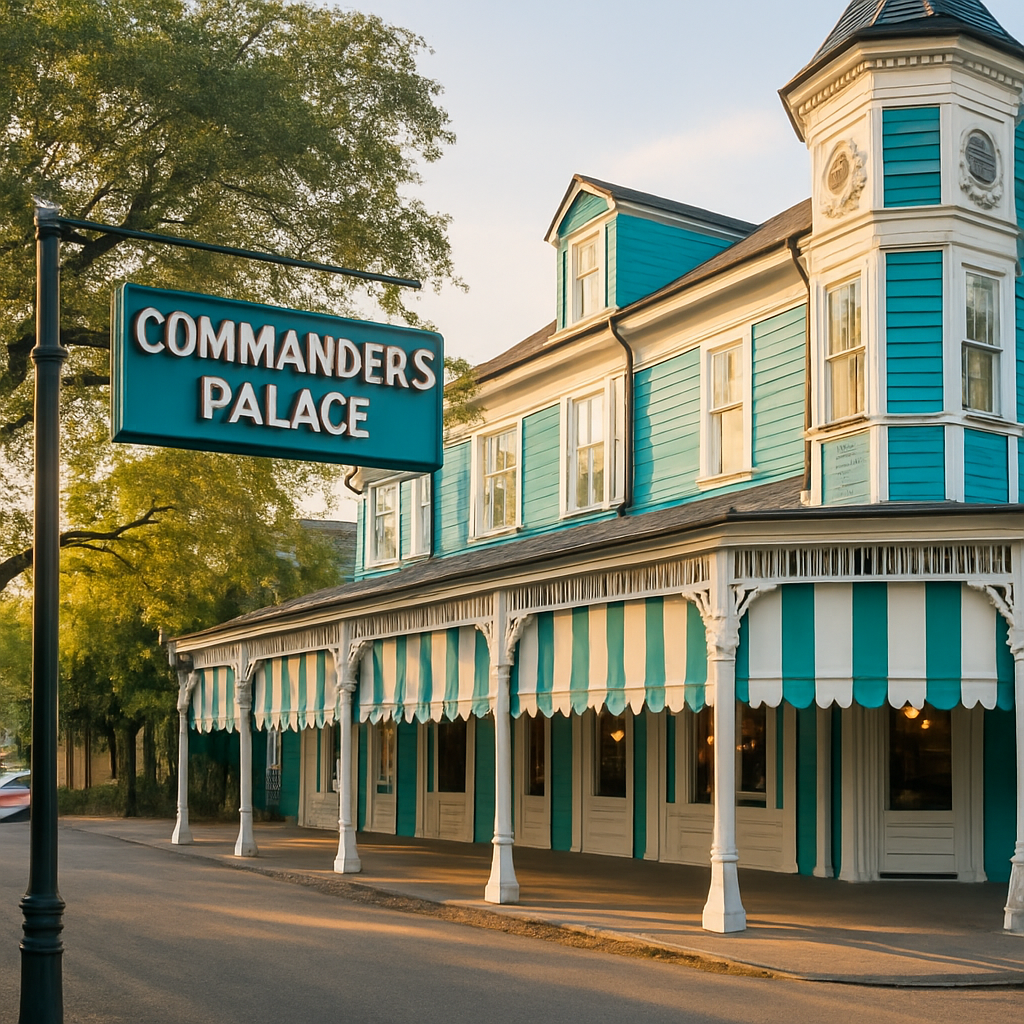
Commander's Palace Jazz Brunch
The restaurant that invented the Jazz Brunch in the 1970s still does it better than anyone. A live jazz trio plays while you work through turtle soup, bread pudding soufflé, and a menu that's been refined over 130 years. The Garden District setting — a turquoise Victorian on Washington Avenue — makes you feel like you've stepped into a different century. Jacket required for gentlemen at dinner, but brunch is slightly more relaxed. Book well in advance.

National WWII Museum
One of the best museums in the country, not just in New Orleans. The campus spans multiple buildings in the Warehouse District and covers the war with a depth and emotional intelligence that will wreck you in the best way. The Beyond All Boundaries 4D experience narrated by Tom Hanks is worth the separate ticket. Budget at least half a day — you'll stay longer than you planned.
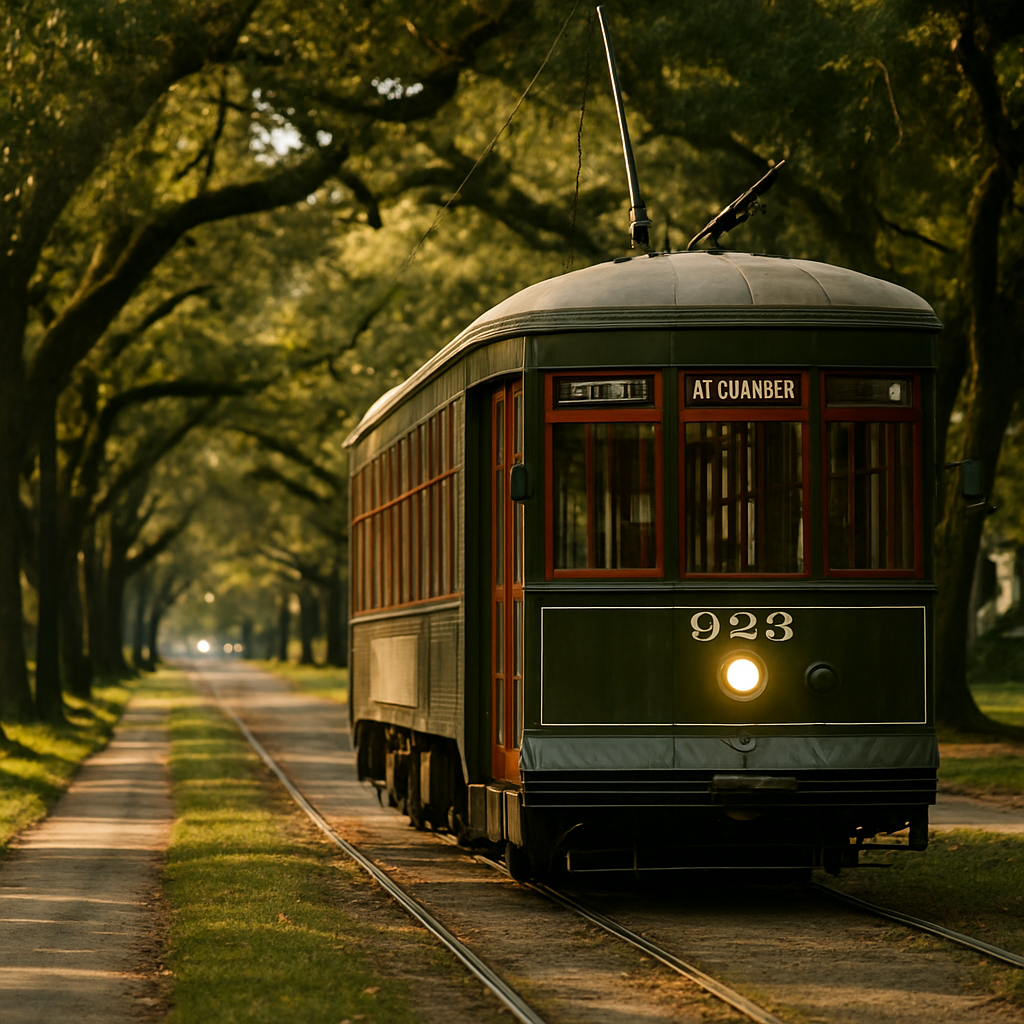
St. Charles Avenue Streetcar
The oldest continuously operating streetcar line in the world runs from the CBD through the Garden District and Uptown, passing under a canopy of live oaks that turn the entire avenue into a green tunnel. Ride it end to end — the fare is $1.25 each way, which makes it the cheapest great experience in the city. Get off at Washington Avenue for Commander's Palace, or at Audubon Park to walk under the oaks along the river. The car rattles, the windows open, and nobody's in a hurry.
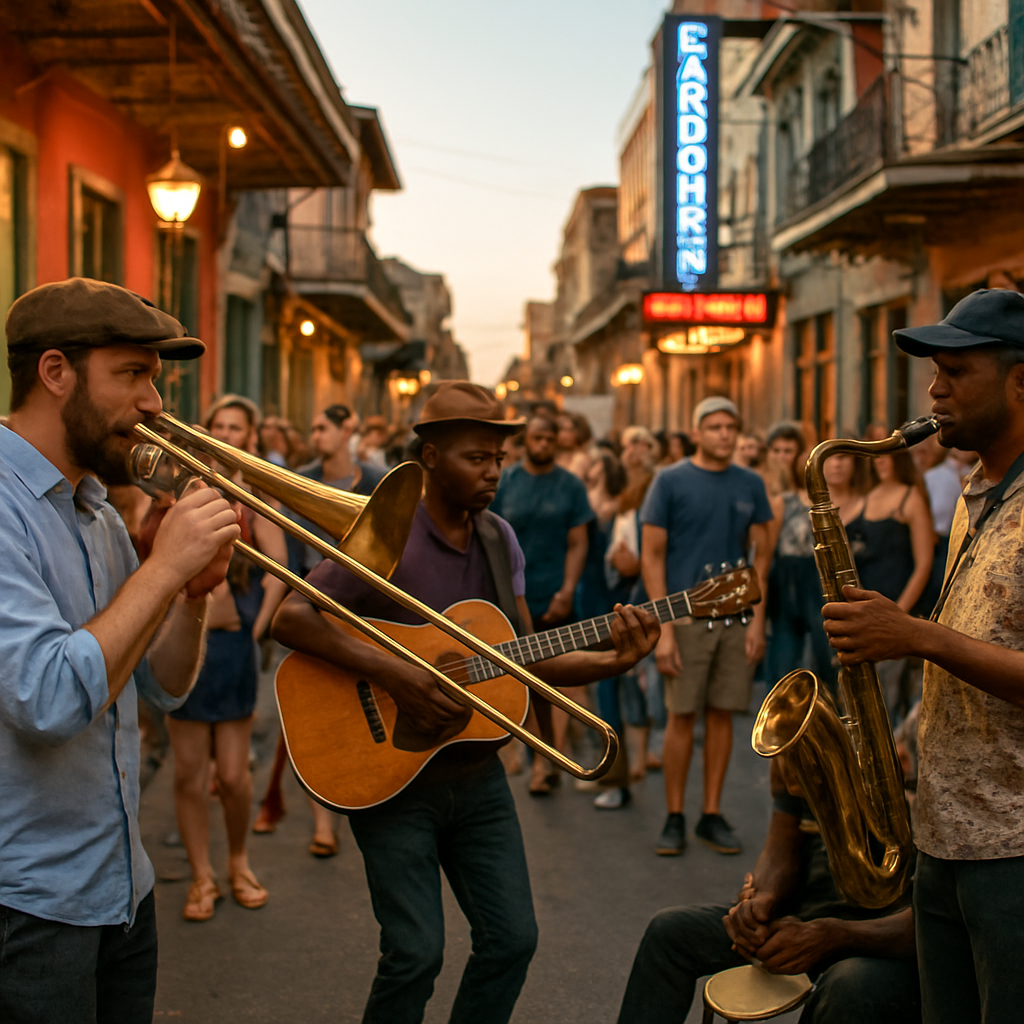
Frenchmen Street After Dark
Skip Bourbon Street for music — the locals did, years ago. Frenchmen Street in the Marigny is where the actual live music scene lives: jazz, brass bands, funk, blues, pouring out of open doorways from clubs that charge nothing or next to nothing. The Spotted Cat Music Club is standing-room-only most nights and doesn't take credit cards. An open-air art market sets up on the sidewalk. Walk the three-block stretch and let the music choose you — whatever club sounds best when you're passing the door is the right one.
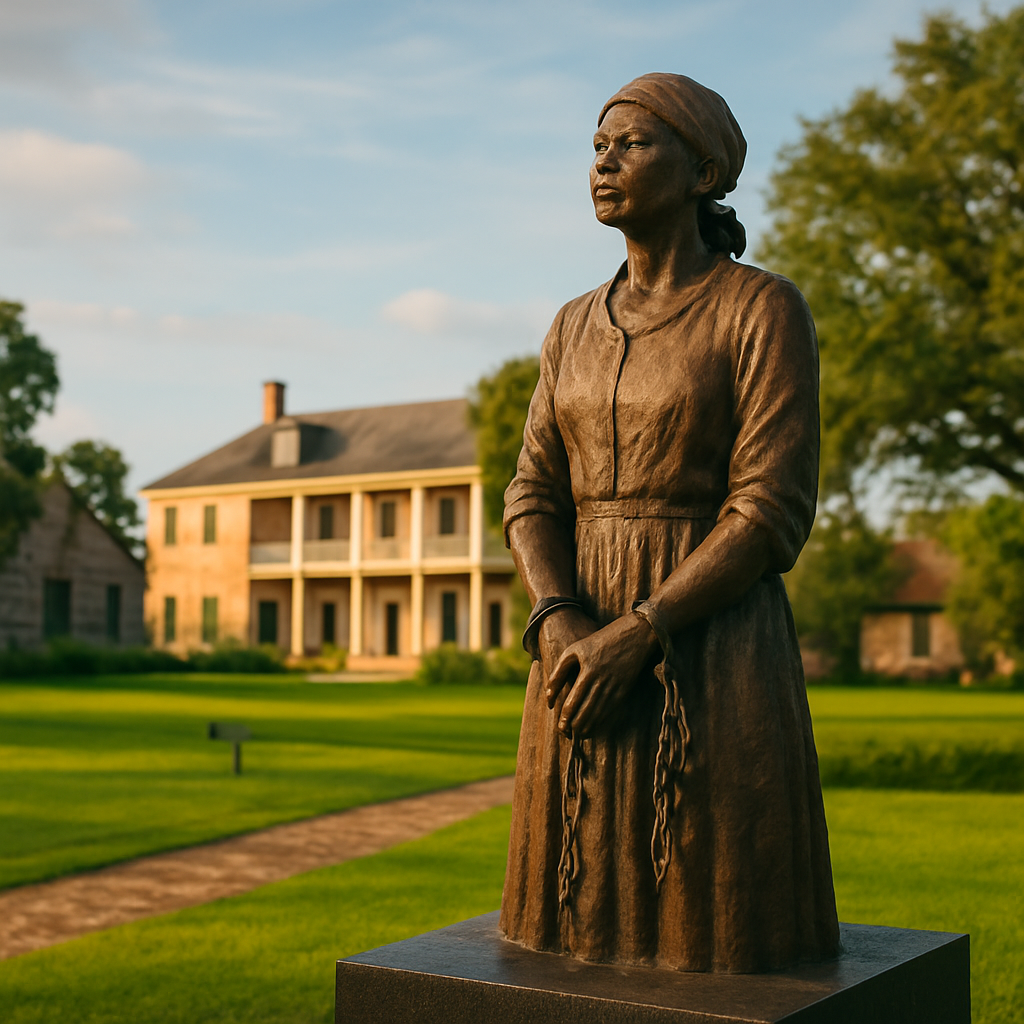
Whitney Plantation Day Trip
About 50 miles west of the city via the River Road, Whitney Plantation is the only plantation museum in Louisiana that centers the history and experiences of enslaved people. Opened in 2014 after a 16-year restoration, the site includes 37 restored structures and multiple memorials. This is a heavy, essential visit that reframes every other historic site in the region. The guided tour takes approximately 90 minutes. Go in the morning when the light is clear and the crowds are thinner.
The places I actually send people to
Advice that fits how you travel
New Orleans is one of the easiest cities in the United States to travel alone, and one of the hardest to stay alone in. The bar culture here is built on conversation — sit at the bar at Good Friends on Dauphine Street and you'll have a new drinking companion within 20 minutes. The live music scene on Frenchmen Street is inherently communal — clubs are small, packed, and nobody stands with their back to the stage, which means you're always making eye contact with someone. The apps work fine here (Grindr, Scruff, Hinge all have active user bases), but honestly, the old-fashioned method of walking into a gay bar and saying hello still outperforms the algorithm in this city.
Budget solo travelers should know that New Orleans rewards cheapness beautifully. Po'boys run $10–$14 at the good shops. Frenchmen Street music is free or nearly free most nights. The streetcar is $1.25. India House Hostel in Mid-City has dorm beds from $30 with a pool and bike rentals. Café Reconcile serves James Beard–awarded lunch for under $15. You can have an extraordinary day for $50 if you're strategic, and that includes a cocktail.
Safety-wise: the French Quarter and Marigny are comfortable for solo queer travelers at any hour during peak times, but solo late-night walking on quieter streets requires the same awareness you'd apply in any American city. Rideshare home after 2am is inexpensive and smart — the $12 Uber is not the place to save money. Stay in the Marigny or French Quarter if you want to walk to everything; stay in the CBD if you want a quieter room at a lower price and don't mind a short ride. Either way, you won't be alone for long unless you want to be.
New Orleans is built for two. The whole city seems engineered for long dinners that drift into late nights — a table at Commander's Palace for jazz brunch, a slow walk back through the Garden District, then Frenchmen Street at midnight when the brass bands are competing for your attention and you're holding hands in a crowd that doesn't notice and doesn't care. The romance here isn't a marketed experience. It's in the texture of the place itself.
PDA in the French Quarter and Faubourg Marigny is completely normalized — same-sex couples are as visible as anyone, especially after dark. For a genuinely romantic base, the Audubon Cottages on Dauphine Street are hard to beat: seven private historic cottages, each with pool access, and enough privacy to make a long weekend actually feel like an escape. If you want to be in the thick of the Marigny scene, Hotel Peter & Paul — a converted 1860s Catholic complex one block from Frenchmen Street — is one of the most distinctive places to sleep in the entire South. Both will give you a very different New Orleans, which is kind of the point.
The memory you'll bring home is probably a meal. Brennan's on Royal Street for Bananas Foster with full tableside ceremony. A bottle of something interesting in the outdoor garden at Bacchanal Fine Wine in the Bywater while a jazz duo sets up in the corner. A po'boy ordered "dressed" near Bourbon Street at 2am when you've been dancing for four hours and everything tastes better than it should. New Orleans has that effect on couples. It makes everything feel a little more.
As of 2026, same-sex marriage and adoption are federally recognized in the United States, so your family structure carries full legal standing when you travel here. New Orleans has its own city-level anti-discrimination ordinances, and the cultural reception for LGBTQ+ families in the tourist core — the French Quarter, Garden District, and Faubourg Marigny — is genuinely warm. You're not going to encounter friction at hotels, restaurants, or major attractions. Louisiana's state-level politics run conservative, and protections thin out significantly outside the metro area, but within New Orleans you'll find a city that has always known how to welcome people in every configuration.
The kid-friendly infrastructure is legitimately excellent. The Audubon Aquarium of the Americas sits right on the riverfront and earns every minute you spend in it. The National WWII Museum — one of the best museums in the country, not just in New Orleans — has age-appropriate galleries and could swallow a full day. The Audubon Zoo in Uptown is reachable via the St. Charles Avenue streetcar, which is itself worth the 45-minute ride. Beignets at Café Du Monde are a rite of passage that functions at every age and every blood sugar level. Families with strollers should know the French Quarter's sidewalks can be uneven and crowded on weekend evenings — the Garden District offers a calmer base, with wide sidewalks and the streetcar running right outside.
If your kids are old enough to engage with difficult history, budget a day for Whitney Plantation about 50 miles west via the River Road — the only Louisiana plantation museum focused primarily on the experience of enslaved people, and a serious, important visit for older children and teenagers. Back in the city, Washington Square Park in the Marigny is excellent for kids who need to run, and Louis Armstrong Park just north of the Quarter is a beautiful open space that connects to the Tremé neighborhood's extraordinary musical heritage. Mardi Gras season family parades on the Uptown route — floats, throws, brass bands, the whole spectacle — are an experience that requires no explanation and very little planning.
What New Orleans actually costs
Flights, visas, and the first 30 minutes
Airport: Louis Armstrong New Orleans International Airport (MSY) serves 55+ cities with direct flights. The airport completed a full terminal replacement in 2019, so the facilities are current and easy to navigate.
Flight times from major cities: Houston (IAH) ~1h 5m; Atlanta (ATL) ~1h 30m; Dallas (DFW) ~1h 35m; Chicago (ORD) ~2h 35m; Miami (MIA) ~2h 10m; New York (JFK) ~3h 10m; Los Angeles (LAX) ~4h 30m.
Visa requirements (as of 2026): US citizens need no visa — this is domestic travel. UK, EU, and Australian travelers typically enter via ESTA ($21 USD, valid 2 years) or a B-2 tourist visa; most EU nationals are typically ESTA-eligible. Canadian citizens are generally exempt from ESTA and typically need only a valid passport for entry. Requirements can change — always check your government's official travel advisory before you book.
Airport to city center: Rideshare (Uber/Lyft) runs $35–$50 and takes 25–40 minutes — the fastest option, but expect surge pricing during Mardi Gras and Jazz Fest. Taxis charge $40–$55 with a flat-rate option available to the CBD; tip is expected. A shared shuttle van runs $20–$26 (45–70 min; pre-booking recommended). The Jefferson Transit E2 bus is $2 but takes 55–75 minutes and has no luggage racks — fine if you're traveling light and in no particular hurry.
Traven's seasonal breakdown
The questions everyone asks
Is New Orleans safe for LGBTQ+ travelers?
When is Southern Decadence?
How much should I budget per day?
Do I need a car?
Can I really walk around with an open drink?
What's the difference between Bourbon Street and Frenchmen Street?
Is the food really that good?
Screenshot this before you go
So should you actually go?
Go. I don't say that about every city, and I definitely don't say it about every Southern city. But New Orleans has been doing this — welcoming queer people, building queer culture, throwing queer parties — since before most American cities knew the word "inclusive." The Bourbon Street bars, the Marigny artists, the Bywater day-club, the krewes staging drag balls since 1961, the Southern Decadence crowd that turns Labor Day weekend into the most joyful street party on the continent — this is a city that earned its 8.8 through six decades of showing up. Louisiana's state politics create a real tension that you should understand, and the gap between the city's protections and the state's is worth knowing about. But inside the city limits, the welcome isn't marketing. It's structural. It's in the architecture of how this place has always worked. Pack light, stay late, and let New Orleans do what it's been doing since long before you arrived.
Sources & Resources
Official links we reference when compiling this guide. Last verified 2026-03-08.
- Forum for Equality Louisiana
- Crescent Care – HIV & Sexual Health Services
- New Orleans Pride
- Louisiana Trans Advocates
- ACLU of Louisiana
- PFLAG New Orleans Chapter
- Tulane University LGBTQ+ Resource Center
- Southern Decadence Official Site
- New Orleans Health Department – Sexual Health
- Equality Federation – Louisiana Advocacy