
Every city with a bar worth going to owes this one a debt — and New York still isn't done collecting.
New York doesn't ask for your approval. It never has. This is the city that invented the modern LGBTQ+ rights movement — not as a slogan on a tote bag, but as a brick through a window at 53 Christopher Street in June 1969. And what makes it extraordinary now, in 2026, isn't the history. It's that the city kept building after the history. Three distinct gay neighborhoods, each with its own decade and personality. A legal framework scored at 10.0 on my Traven-Dex because there's literally nothing left to add. A ballroom scene that isn't a museum exhibit but a living culture with weekly events and active Houses. A city where the community's infrastructure — the bars, the health centers, the community organizations — has been operating continuously for 30, 40, 50 years. That continuity is the thing. Most cities are trying to build what New York already has.
The West Village smells like espresso and old brick at 8pm, and the light on Grove Street through the townhouse windows is the kind of thing that makes you walk slower without deciding to. Via Carota has a line because Rita Sodi and Jody Williams — partners in life and business — are cooking some of the best Italian food in America at 51 Grove. Julius' Bar on West 10th has been pouring for gay men since the 1950s, and the burgers are still excellent. Walk north to Hell's Kitchen and the energy shifts completely — Ninth Avenue on a Friday night is loud, packed, and smells like charcoal and chili oil, and the bars on the corridor don't charge a cover or enforce a dress code. Industry Bar holds 700 people and somehow still feels like it's yours by midnight. Then there's Chelsea on a Saturday morning — brownstone stoops, guys with dogs, the galleries on Tenth Avenue showing work that stops you mid-sentence. Three neighborhoods, three eras, one city that contains all of them without contradiction.
I gave this city a 9.5 on Scene, and honestly the number undersells the range. This isn't just a city with gay bars — it's a city with lesbian bars that have survived three decades when everywhere else lost theirs. Cubbyhole on West 12th and Henrietta Hudson on Hudson Street are still here, still packed, still doing the work. The Cock in the East Village is still delivering the kind of grimy, euphoric 2am energy that most cities never had in the first place. And then there's Fire Island — take the ferry from Bay Shore to Cherry Grove, a community that's been openly gay since the 1940s, and you understand that queer New York isn't just Manhattan. It's a whole geography.
The thing I keep coming back to is that New York earns its 9.7 not because it's perfect — the outer boroughs require situational awareness, federal policy shifts have created real uncertainty for trans travelers, and a cocktail in Midtown will cost you $16 before tip — but because it has built, over decades, the most complete ecosystem for LGBTQ+ life that any city on Earth can claim. The bars, the legal protections, the health infrastructure at Callen-Lorde, the community center where ACT UP was born and that's still running 400 programs a year, the neighborhoods where same-sex affection is so normalized it's wallpaper. Other cities have pieces of this. New York has all of it, and it's been doing it longer than anywhere else. Go. That's not a suggestion.
The stuff your travel guide buries on page 47
New York is as good as it gets on paper. As of 2026, marriage equality, adoption rights, and comprehensive anti-discrimination protections are fully in place at both the state and city level. The NYC Commission on Human Rights enforces one of the broadest human rights laws in the country — covering sexual orientation, gender identity, and gender expression in employment, housing, and public accommodations. Gender marker changes on state documents follow a self-ID model, no surgical requirements. Lambda Legal, headquartered here, can point you to resources if you ever need legal guidance, though in this city you're unlikely to.
A note on the federal picture: policy shifts in 2025–2026 have created some turbulence around federal-level trans protections — passport gender markers, federal employee policies, that sort of thing. New York State law operates independently of all of that. The city's protections don't waver with the political weather in Washington, and local enforcement is aggressive in the best possible way.
The cultural reality matches the legal framework, which is rare. This isn't a city where the law says one thing and the street says another. Same-sex couples holding hands in Manhattan, Brooklyn, or Queens don't register a second glance in the vast majority of neighborhoods. You'll see gay couples with strollers in Park Slope, drag queens grabbing coffee in Hell's Kitchen, and trans New Yorkers going about their lives with the same harried commuter energy as everyone else. It's not performative acceptance — it's genuine indifference to who you love, which is honestly the highest compliment a city can pay you.
PDA comfort is very high in the West Village, Chelsea, and Hell's Kitchen — these are neighborhoods where same-sex affection is so normalized it's wallpaper. Midtown is fine; tourist density means nobody's paying attention to you. Upper Manhattan and the outer boroughs are more context-dependent — generally comfortable, but you'll want to read the room in unfamiliar pockets of Staten Island or parts of the South Bronx. This isn't a warning so much as standard New York situational awareness.
Pro tip: The NYC Pride March is the last Sunday of June, and it is massive — approximately 50,000 marchers, two million spectators. If you're planning a June trip, book accommodation by March at the latest. Midtown hotels sell out completely and prices triple across Manhattan. Check NYC Pride (Heritage of Pride) for the full calendar of events — Pride Island, the Rally, and dozens of ancillary events run throughout the month. And don't sleep on the Jackson Heights Pride march in Queens — it draws tens of thousands, feels like a genuine neighborhood celebration rather than a corporate production, and someone told me it's one of the most joyful events on the city's entire calendar.
What it actually feels like on the ground
Holding hands: Completely unremarkable in the West Village, Chelsea, Hell's Kitchen, Park Slope, Williamsburg, and most of Manhattan below 96th Street. You will see same-sex couples doing exactly this all day, every day. In Midtown tourist zones, nobody notices. In Upper Manhattan neighborhoods like Harlem and Washington Heights, holding hands is generally fine — LGBTQ+ visibility has grown significantly — though very demonstrative PDA may draw occasional looks. In parts of outer Queens, the Bronx, and Staten Island, use the same judgment you'd use in any unfamiliar neighborhood: read the energy, trust your instincts.
Hotel check-in: A non-issue. I've never heard a credible report of a same-sex couple facing difficulty checking into a hotel anywhere in New York City. Front desk staff in Manhattan and Brooklyn have seen everything. Request a king bed without hesitation.
Taxis and rideshares: Totally fine. NYC cab drivers are regulated, professional, and generally couldn't care less about your relationship. Uber and Lyft operate exactly as expected. Late-night rides from Hell's Kitchen or the Village are routine.
Late night: New York is broadly very safe for LGBTQ+ travelers in the established gay neighborhoods. The Village, Chelsea, and Hell's Kitchen are well-lit, well-trafficked, and comfortable at 2am. That said, anti-LGBTQ+ hate crimes do occur in this city — the NYPD Hate Crimes Task Force is active and responsive, and the NYC Commission on Human Rights is a genuine resource with a clear, plain-language rights guide on their site. If something happens, report it — this city takes it seriously.
The Christopher Street Piers after dark: The piers along the Hudson have deep roots in LGBTQ+ youth of color communities, many of whom are unhoused. Treat the space with respect — it's a community space, not a scenic backdrop. The Ali Forney Center nearby does critical work supporting LGBTQ+ youth in crisis and is one of the most important organizations in the city.
Trans travelers: New York State has strong legal protections for gender identity, and NYC enforces them aggressively. You have real legal recourse for discrimination in accommodation, restaurants, transit, and services. That said, street harassment remains a reality — particularly for trans women of color, and particularly outside Manhattan's core. Callen-Lorde Community Health Center on West 18th Street is the go-to for LGBTQ+ health services including trans care, PrEP, and sexual health — sliding-scale fees, no insurance or immigration status requirements. If you need medical care while in the city, start here.
Verbal harassment: Rare in gay-dense neighborhoods but not nonexistent citywide. NYC is eight million people with eight million opinions, and occasionally someone shares one you didn't ask for. This is almost always verbal, almost always from a passing stranger, and almost always in transit hubs or outer neighborhoods rather than established LGBTQ+ areas. It's not a pattern that should change your plans — just the honest texture of a very large, very diverse city.
The queer geography
West Village & Greenwich Village
This is where it started. The streets south of 14th and west of Sixth Avenue are a tangle of angled blocks that refuse to conform to Manhattan's grid — and that's always been the point. Walk down Grove Street past the Federal-style townhouses, the window boxes spilling ivy, the smell of espresso from corner cafés that have outlived three economic crashes. The West Village is beautiful in the way that only a neighborhood indifferent to being beautiful can be. The restaurants are serious — Via Carota on Grove has a line for a reason — and the side streets reward aimless walking more than almost anywhere in the city.
The LGBTQ+ history here isn't a layer — it's the foundation. The Stonewall National Monument encompasses Christopher Park and the block around the Stonewall Inn at 53 Christopher Street, the site of the 1969 uprising that catalyzed the modern rights movement. Julius' Bar on West 10th has been serving gay patrons since at least the 1960s and hosted the famous 1966 Sip-In protest — get there before 9pm if you want a seat. Cubbyhole on West 12th is the beloved lesbian bar, tiny, covered floor-to-ceiling in hanging ornaments, reliably packed on weekends. Henrietta Hudson on Hudson Street anchors the scene for queer women and nonbinary folks with a bigger dancefloor and regular DJ nights. And Marie's Crisis on Grove Street is a piano bar where strangers pack around an upright and belt show tunes until 4am — it sounds like a cliché until you're there at 1am singing Sondheim with a 70-year-old man in a sequined vest, and you completely understand why people love this city.
Hell's Kitchen
The energy on Ninth Avenue between 44th and 56th Streets on a Friday night is something you feel before you see it. The sidewalks are packed, restaurant patios are spilling onto the pavement, and the smell of Thai basil from one door mixes with charcoal smoke from the next. Hell's Kitchen used to be a rough neighborhood — the name wasn't ironic. Now it's a corridor of taquerias, wine bars, and some of the best affordable eating in Manhattan. Xi'an Famous Foods does hand-pulled noodles that earned a James Beard Award. The bodega on the corner has a $6 chopped cheese that'll change your week.
This is where the gay scene actually lives now. Industry Bar on West 52nd holds approximately 700 people across multiple levels and anchors the strip. The bars cluster on Ninth and Tenth Avenues — don't waste time wandering, just walk the corridor and let the block curate itself on a weekend night. Most places don't charge a cover and have no dress code. The crowd skews younger than Chelsea and more high-energy than the Village, and it's the neighborhood where you're most likely to end up at 3am having the kind of conversation that only happens when nobody wants to go home yet.
Chelsea
Walk Eighth Avenue through Chelsea on a Saturday morning and you'll pass guys coming out of the gym, couples with dogs heading to brunch, and a gallery owner unlocking the door to a space showing work you'll think about for weeks. The architecture is classic brownstone Manhattan — four-story rowhouses with iron stoops, mature trees, and the kind of quiet residential streets that feel like a movie set for "life in New York." The High Line runs along the neighborhood's western edge, and the gallery district below it on Tenth Avenue between 20th and 27th Streets is still one of the best free art experiences in any city.
Chelsea was the undisputed gay neighborhood of the '90s and 2000s, and while the nightlife has migrated north to Hell's Kitchen, the residential gay community here is deep-rooted. The Eagle on West 28th is the leather and bear landmark — but check their dress code before showing up on a themed night, or you will be standing outside in a polo feeling very confused. Cafeteria at 17th and Seventh has been open 24 hours since 1998 and still anchors the community's late-night dining. The LGBT Community Center on West 13th — everyone just calls it The Center — is worth a stop even if you don't need services. It's the connective tissue of the community: events, archives, meeting space, and the kind of energy that makes you feel like you stumbled into something genuinely real. ACT UP held its founding meeting there in 1987.
East Village
The East Village smells like incense and old wood and whatever the ramen shop on St. Marks Place is simmering at any given hour. This is the neighborhood that gave New York punk, the Beats, and a permanent distrust of anything that tries too hard. The blocks between First and Second Avenues below 14th Street are dense with Japanese restaurants, vinyl shops, community gardens tucked behind chain-link fences, and bars that haven't updated their décor since the Clinton administration — intentionally. Tompkins Square Park on a warm afternoon is a cross-section of every human subculture the city has ever produced.
The queer presence here is less organized than the Village or Hell's Kitchen but has a long, scrappy history. The Cock on Second Avenue has maintained a legendary reputation for exactly the kind of grimy, euphoric late-night energy that used to define downtown queer nightlife. Nowhere Bar on East 14th is a low-key neighborhood gay bar with strong drinks and a jukebox. The vibe is less scene-y, more lived-in — this is where the gays who don't want to be in Hell's Kitchen end up, and they're not wrong.
Jackson Heights, Queens
Take the 7 train to 74th Street–Broadway and you're in one of the most genuinely diverse neighborhoods on Earth — not as a slogan, as a demographic fact. The sidewalks along Roosevelt Avenue are an assault of color and sound: Tibetan momos from a steam cart, Colombian bakeries with windows full of pandebono, sari shops next to Nepali grocery stores. Jackson Diner is a landmark for Indian food. The energy is working-class, polyglot, and completely alive.
Jackson Heights has a large and distinct LGBTQ+ Latin community with its own culture and institutions. The neighborhood's Pride march in June draws tens of thousands and feels like a community celebration rather than a corporate production — it's one of the most genuinely joyful events on the city's calendar. This is a neighborhood where queer life is woven into the immigrant experience in ways that feel different from Manhattan's scene, and it's worth the 30-minute subway ride to feel that difference.
The experiences worth rearranging your itinerary for
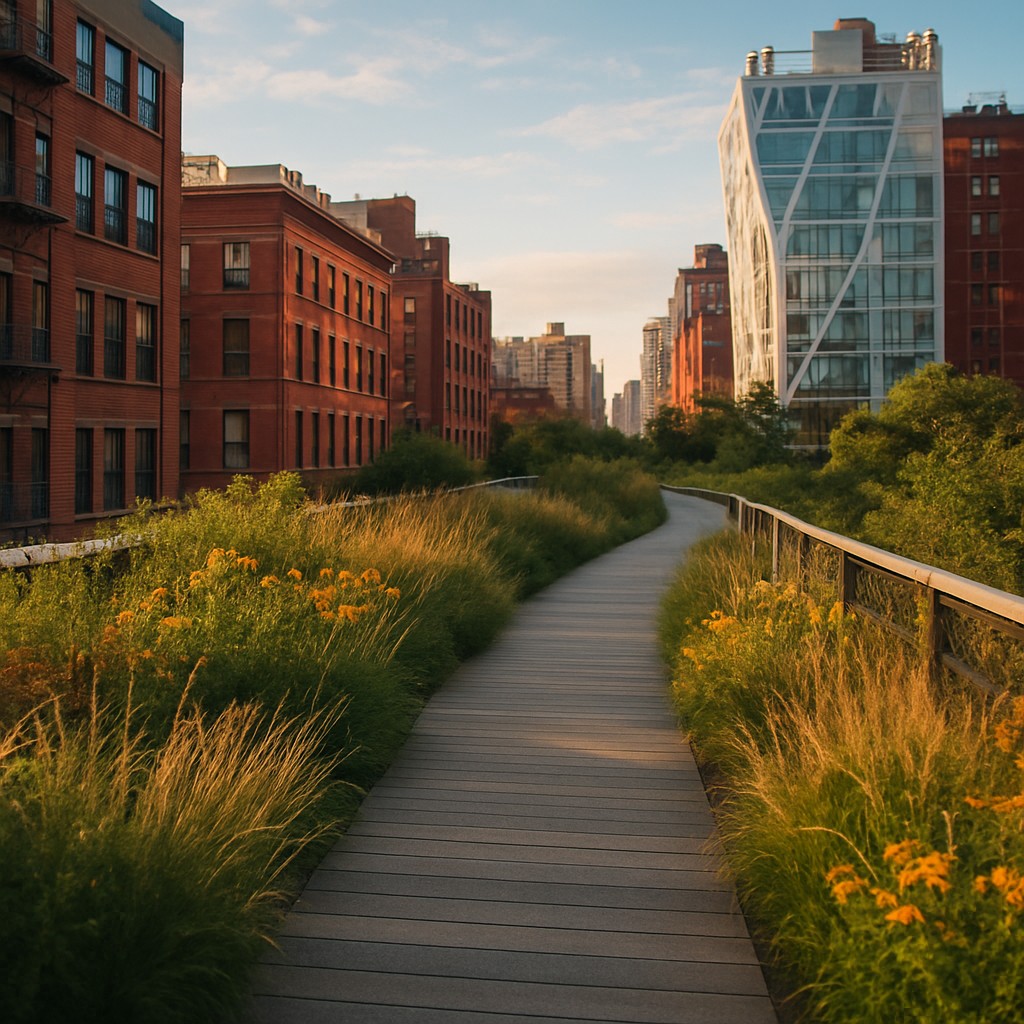
Walk the High Line from Chelsea to the Meatpacking District
The High Line is a 1.45-mile elevated park built on a decommissioned freight rail line running along Manhattan's west side from Gansevoort Street to 34th Street. Start at the southern entrance on Gansevoort — you'll pass through the Meatpacking District, above Tenth Avenue through Chelsea's gallery district, and past wildflower plantings designed by Piet Oudolf that change with the season. The architecture framed through the steel structure is half the experience: you're looking at the city from an angle it wasn't built to be seen from, and it's better for it. In spring, the grasses are green and the benches are full of people reading in the sun. In fall, the plantings turn copper and the light at 5pm is absurd.
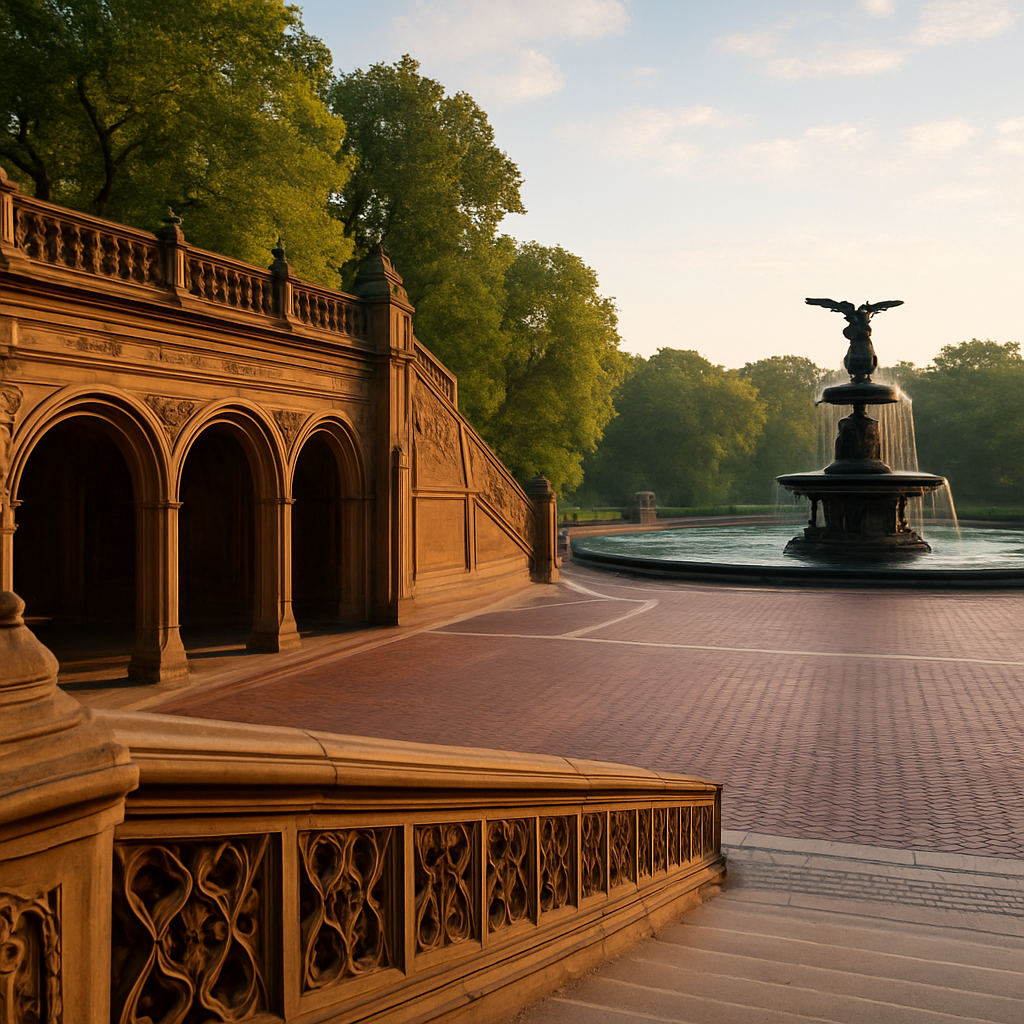
Central Park Before 9am
I know. Everyone tells you to go to Central Park. But most people go at the wrong time. Show up before 9am — enter at the Bethesda Terrace on 72nd Street — and you'll have 843 acres of the most valuable green space on Earth in something approaching quiet. The light through the elm trees along the Mall is worth waking up for. Walk north to the Conservatory Water, where the model boat sailors set up on weekends. If you want breakfast afterward, Sarabeth's on Central Park South has been feeding people post-park since 1981. The whole morning costs you nothing except the walk.
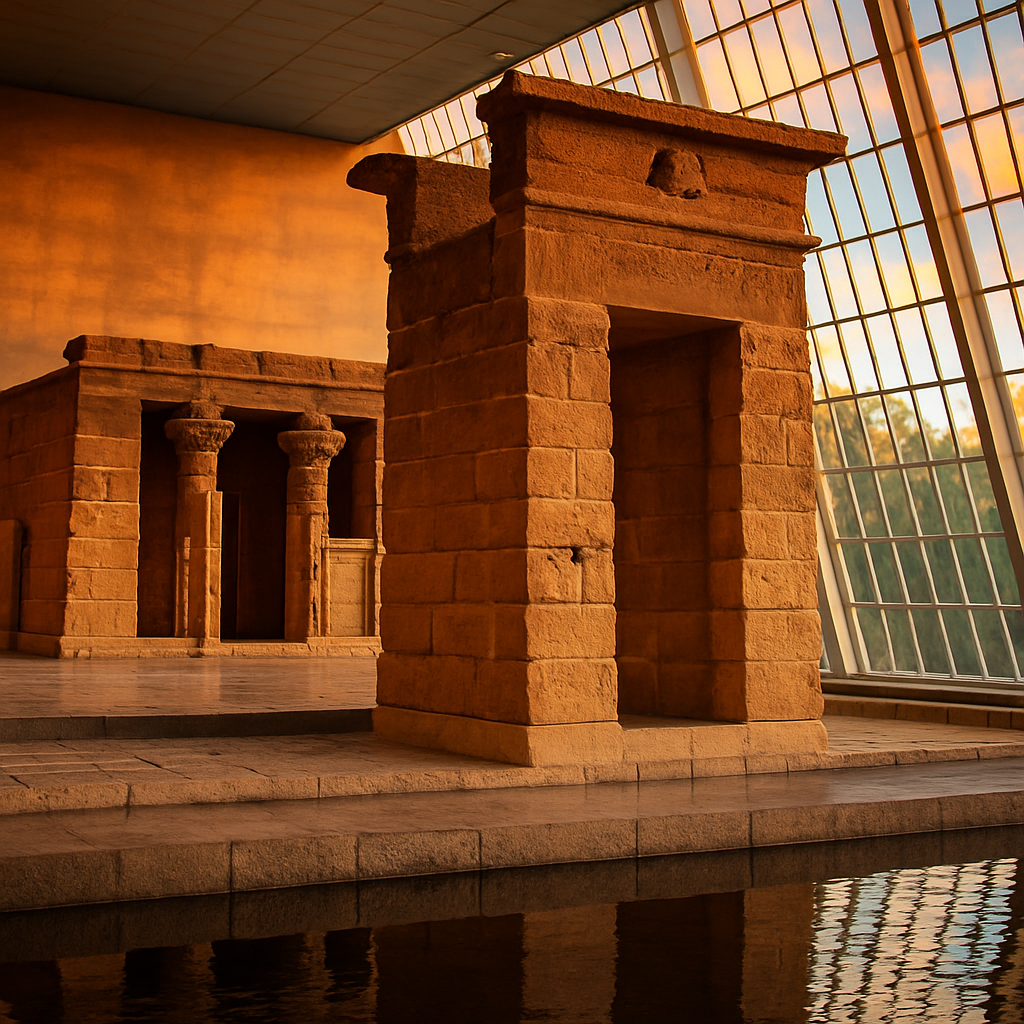
The Met — and the Temple of Dendur at Sunset
The Metropolitan Museum of Art on Fifth Avenue at 82nd Street holds 5,000 years of human creativity in a building that takes about three lifetimes to see properly. Don't try to do it all. Pick two departments — the American Wing and the Egyptian collection, or European Paintings and the Costume Institute — and give them two hours. Then, at around 4pm, find the Temple of Dendur in the Sackler Wing. The 2,000-year-old Egyptian temple sits in a glass-walled room facing Central Park, and when the late afternoon light comes through those windows, the whole space turns gold. Admission is pay-what-you-wish for New York State residents; $30 for everyone else. It's worth $300.
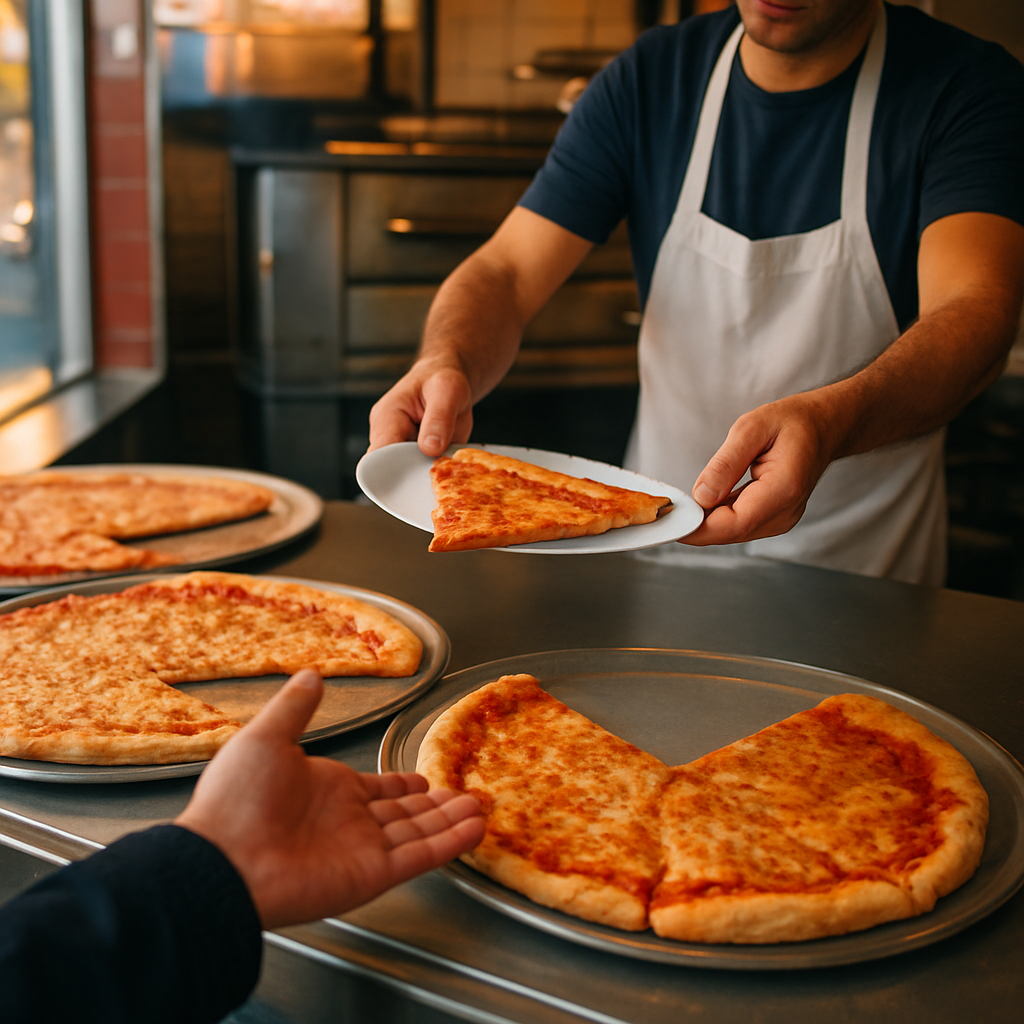
The Dollar Slice Crawl
New York pizza is a religion, and the dollar slice is its most accessible sacrament. A dollar slice is exactly what it sounds like: a large, foldable slice of cheese pizza from a counter window for a buck (okay, some places charge $1.50 now, inflation comes for us all). The best dollar slice spots are scattered across Midtown and the Village — 2 Bros on St. Marks Place is the classic. The crust should be thin, the cheese should be slightly greasy, and you should eat it folded in half while walking. Do not eat pizza with a knife and fork in this city. After the bars close in Hell's Kitchen, the dollar slice place on Ninth Avenue near 46th is the only institution that matters.
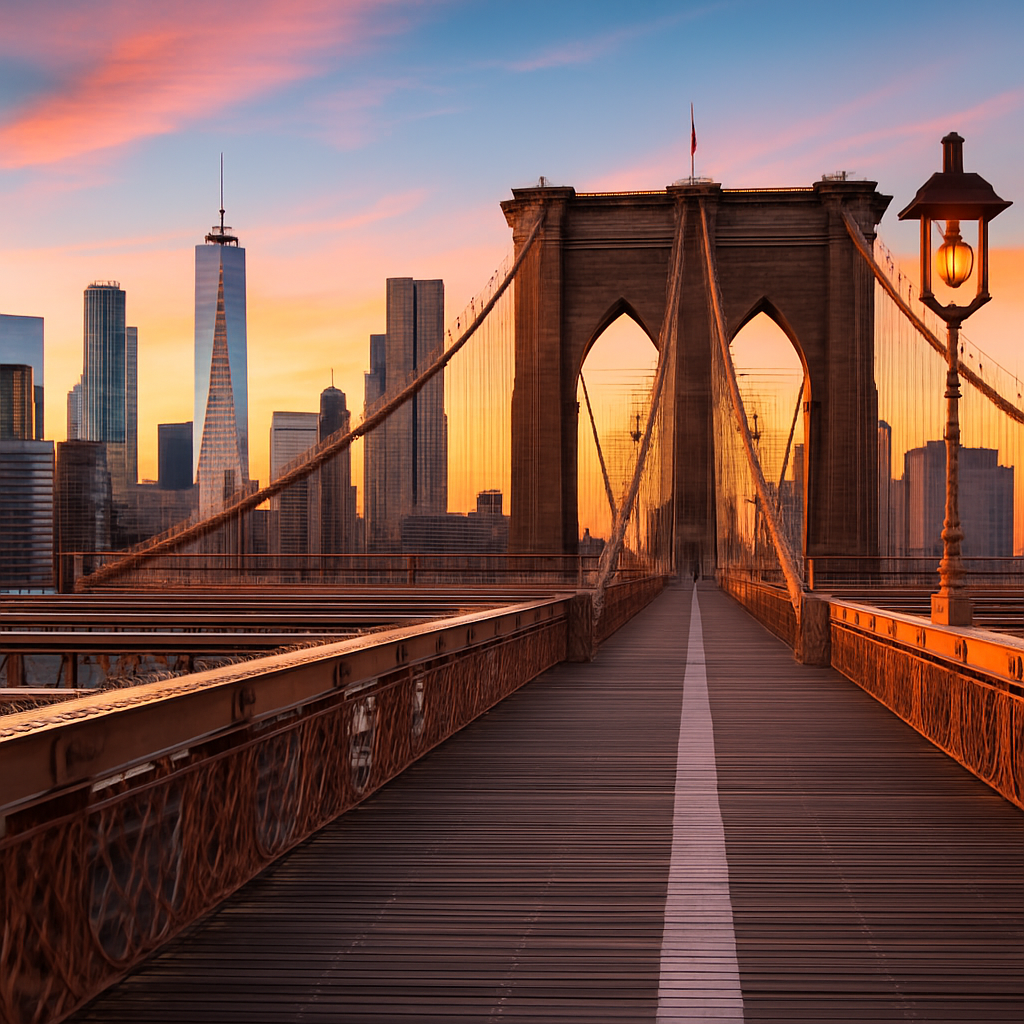
Walk the Brooklyn Bridge into DUMBO
Start on the Manhattan side at City Hall and walk the wooden pedestrian path across the East River. The cables make geometric patterns above you, the skyline fills in behind you as you walk, and the whole crossing takes about 30 minutes. Drop into DUMBO on the Brooklyn side — the cobblestone streets under the bridge, the view of Manhattan from the waterfront at Washington Street, the ice cream at Oden. On a clear evening, the light on the water and the bridge lit up behind you is one of the best free views in any city on Earth. Get there before sunset and stay until the skyline lights up.
The places I actually send people to
The New York dates worth planning around
Advice that fits how you travel
New York is one of the great solo cities, and the subway is the reason. It runs 24 hours — the A/C/E to 14th Street drops you in the Village; the 1 to 18th puts you in Chelsea; the A/C/E to 42nd–Port Authority lands you in the middle of Hell's Kitchen's bar corridor. A weekly MetroCard is $34 and the whole city belongs to you. No rideshare, no surge pricing, no waiting at 2am for a car that's still six minutes away. You're never stranded and never dependent on anyone else's schedule.
The gay bar scene here rewards solo travelers specifically. Most places in Hell's Kitchen and the Village have no cover, no dress code, and no culture of arriving with a group. Walk into Industry Bar on a Friday, find a spot at the bar, and you will talk to someone within 20 minutes — this is not a city that lets you stand alone in silence if you don't want to. Pieces Bar on Christopher Street runs karaoke nights that are the most effective social equalizer I've found in any city on earth. The apps are active — Grindr and Scruff dominate, and the hookup culture is real — but the in-person scene is robust enough that you don't need them to have a genuinely social trip. Callen-Lorde Community Health Center on West 18th Street is also worth bookmarking before you arrive: sliding-scale fees, no insurance or immigration status requirements, PrEP and sexual health services, and staff who have seen everything without judgment.
Budget solo travel here is genuinely viable if you work the angles. The dollar slice runs $1.50, and half the best things in the city are free — the High Line, Central Park, the Stonewall National Monument, the Leslie-Lohman Museum on free-entry days. Hostel dorms run $40–$55/night in outer-borough neighborhoods with subway access. Pace yourself on cocktails ($16 in Midtown is standard; $10 in a dive bar is the find), stay in Hell's Kitchen or the Village to cut transit time, and eat a dollar slice after the bars close at the counter on Ninth Avenue near 46th. The city gives you everything it has regardless of what you spend — that's not marketing, that's just what New York is.
For same-sex couples, New York is essentially a city that has spent the last 50 years building the infrastructure for you to feel completely normal — which, as anyone who's traveled somewhere that hasn't, is an underrated luxury. Hold hands anywhere from the Battery to Harlem and you register as just another couple in a city of eight million. In the West Village and Chelsea, you're invisible in the best way: surrounded by other same-sex couples doing the same thing, and nobody thinks twice. The legal framework as of 2026 is as complete as it gets — full marriage equality, joint adoption, and the NYC Commission on Human Rights actively enforcing some of the broadest anti-discrimination protections in the country. The city's protections don't track the federal political weather. They're just there.
For a date worth having: book dinner at Via Carota on Grove Street — LGBTQ+-owned, James Beard nominated, named best restaurant in New York City by New York magazine in 2023. The carciofi are essential. Go early or wait, because reservations are genuinely difficult. Walk afterward to the Christopher Street Piers — the Hudson River at night with the New Jersey shore lit across the water is free and quietly beautiful. If you want something more theatrical, Marie's Crisis on Grove Street is a piano bar where the whole room sings Sondheim until 4am, and there is no faster way to understand what kind of person you're with than watching them decide whether to sing along. For accommodation, The Jane Hotel puts you in the West Village for around $110/night in ship-cabin rooms that are compact but genuinely charming; The Standard High Line straddles the elevated park from $350/night for couples who want something larger and more dramatic.
Timing matters. NYC Pride in June is extraordinary — the March, Pride Island, and weeks of ancillary events make the city feel like it was built specifically for you. It's also when hotel prices triple and everything sells out. If you want June, start planning in January and book accommodation by March at the absolute latest. My honest recommendation for couples is September or October: the air is sharp, the crowds thin considerably, the foliage turns in Central Park, and a long weekend in the West Village in October — dinners at Barbuto, morning coffee on a stoop, an afternoon in the Chelsea galleries — is one of the most quietly satisfying city breaks anywhere.
LGBTQ+ families are not a novelty in New York City — they're a demographic. Park Slope in Brooklyn has had a visible two-mom, two-dad, and every-configuration queer family community since the 1990s, and the infrastructure that built up around that community — welcoming pediatricians, inclusive schools, family-friendly restaurants that don't blink at your particular configuration — has spread across the borough and beyond. As of 2026, New York State law provides full marriage equality, joint adoption rights, and second-parent adoption recognition, so your family structure carries the same legal standing here as anywhere in the country. If anyone at a hotel front desk or restaurant table makes your family feel anything less than entirely welcome, that is not a New York norm — and the NYC Commission on Human Rights takes complaints seriously and acts on them.
The practical logistics are genuinely good. Children under 44 inches ride the subway free, which saves real money for a family making multiple trips across the city. Central Park is 843 acres of lawns, playgrounds, a zoo, a carousel, rowboat rentals on the Conservatory Water, and the Bethesda Terrace — budget a full day and still not finish it. The American Museum of Natural History on the Upper West Side has the dinosaur halls that will make you the best parent alive for the next 48 hours. The Staten Island Ferry is free, runs around the clock, and gets you closer to the Statue of Liberty than most paid boat tours at zero cost. For food that works for actual children: Cafeteria in Chelsea has been open 24 hours since 1998 with a menu wide enough to feed a picky eight-year-old and a discerning adult in the same sitting. Xi'an Famous Foods in Hell's Kitchen is another option — hand-pulled noodles with a James Beard Award for under $15, which means you can feed the whole family and still have money for the subway home.
A practical note for trans and gender-diverse parents traveling with children: New York's state and city-level protections are comprehensive, but federal travel logistics — passport gender markers, federal agency policies — have seen real turbulence from the 2025–2026 policy environment. Within New York City and State, your documents and your family are legally recognized and protected. If questions come up or you need community support while in the city, PFLAG NYC has resources for families and can connect you with local legal guidance if anything unexpected arises. And Hetrick-Martin Institute, one of the country's oldest LGBTQ+ youth organizations, is based here and a good resource for families traveling with LGBTQ+ teens who might benefit from knowing the community exists and is organized.
What New York actually costs
Flights, visas, and the first 30 minutes
New York is served by three major airports. John F. Kennedy International Airport (JFK) in Queens handles most international arrivals and is the city's primary long-haul hub — virtually every major airline flies here from virtually everywhere. LaGuardia Airport (LGA) covers domestic and short-haul routes. Newark Liberty International Airport (EWR) in New Jersey gets overlooked and shouldn't — it's often cheaper, and NJ Transit runs directly to Penn Station in under 30 minutes for a few dollars.
Getting from JFK into Manhattan: the AirTrain + Subway (E/J/Z) runs $9–$11 and takes 60–75 minutes — connect at Jamaica or Howard Beach and you're in Midtown. It's the move if you're traveling light and on a budget. The LIRR ($15–$30, 35–45 min) is the fastest train option and deposits you at Penn Station or Grand Central Madison; worth every extra dollar if you have real luggage. A taxi runs a fixed flat rate of $70 plus tolls and tip — budget 45–90 minutes depending on traffic, and assume the worst if you're landing at 5pm on a Friday. Uber and Lyft run $50–$90 with the same traffic caveat and surge pricing to contend with.
Visa requirements as of 2026: US citizens need nothing — this is domestic travel. Visitors from the UK, EU, Canada, and Australia typically need an ESTA ($21, valid 2 years) — apply online at least 72 hours before departure; approval is generally fast but not guaranteed. Entry is always at the discretion of US Customs and Border Protection officers regardless of ESTA status, so have your documents organized.
Pro tip: If you're flying into JFK and heading to the West Village or Hell's Kitchen, the A train from Howard Beach runs express and drops you at West 4th Street or 42nd Street–Port Authority. Skip the taxi line and pocket the $60.
Traven's seasonal breakdown
The questions everyone asks
Is New York safe for LGBTQ+ travelers?
Can same-sex couples hold hands in public?
How much should I budget per day?
When is NYC Pride?
Do I need to speak English?
What's the best neighborhood to stay in?
Is the subway safe at night?
Screenshot this before you go
So should you actually go?
New York is the standard. My Traven-Dex of 9.7 reflects a city with full legal equality, three thriving gay neighborhoods, the deepest LGBTQ+ infrastructure of any destination on Earth, and a cultural reality where being gay is genuinely, boringly unremarkable in the best possible way. It's expensive — budget accordingly and the subway will save you — and it's enormous, which means you won't see everything in one trip and shouldn't try. But for LGBTQ+ travelers, this is the city that fought for the rights you're now exercising everywhere else, and it's still the place where the community is most visibly, unapologetically itself. Whether you come for the history, the nightlife, the food, the art, or just to hold your partner's hand on a West Village side street without a single thought about who's watching — New York delivers all of it, and has been delivering it longer than anywhere else. Honey, just go.
Sources & Resources
Official links we reference when compiling this guide. Last verified 2026-03-17.
- Ali Forney Center (LGBTQ+ Youth)
- Callen-Lorde Community Health Center
- GLAAD
- GLSEN (Education Advocacy)
- GLSEN (LGBTQ+ Education Advocacy)
- Heritage of Pride (NYC Pride March Organizer)
- Heritage of Pride (NYC Pride)
- Hetrick-Martin Institute
- Housing Works (LGBTQ+ HIV Services)
- Lambda Legal
- New York City Anti-Violence Project (AVP)
- NYC & Company — Official NYC Tourism (LGBTQ+ Travel)
- NYC Commission on Human Rights
- NYC Commission on Human Rights — LGBTQI+ Protections
- NYC Health — LGBTQ+ Health Services
- NYC LGBT Community Center
- NYC Mayor's Office for LGBTQ+ Affairs
- PFLAG NYC
- Planned Parenthood of New York City
- SAGE — Services & Advocacy for LGBTQ+ Elders
- Stonewall National Monument (National Park Service)
- The Ali Forney Center (LGBTQ+ Youth Housing)