
Palm Springs runs on pool time. You land at PSP, you're poolside by lunch, and by sunset the San Jacinto shadow does the rest.
The first thing you register stepping out of PSP isn't the heat — though honey, the heat will find you — it's how small this airport is, and how immediately you're just... in it. Ten minutes in an Uber and you're on Palm Canyon Drive watching two guys in matching linen shirts walk a French bulldog past a mid-century modern bank building that looks like a Bond villain's retirement plan. Palm Springs doesn't code-switch for you. It doesn't have a gay neighborhood tucked into a corner of a bigger city. The gay neighborhood is the city. There's a reason my Traven-Dex sits at 8.8 here, and it's not charity — it's because this desert town of 48,000 people has had openly gay mayors, an openly gay police chief, and an LGBTQ+ population percentage that would make San Francisco blush.
What sets Palm Springs apart from every other gay destination I've covered is the complete absence of performance. Nobody's trying to prove they're welcoming. The guy checking you into your hotel doesn't have a rehearsed speech about inclusivity — he's gay, his manager is gay, and the couple at the pool already invited you to dinner at Copley's tonight. Arenas Road is the undisputed nightlife strip — Hunters, Oscar's, Quadz, all within a two-minute walk — but what makes this place different from WeHo or the Castro is that you're never "stepping outside" the gay area. You're just... in Palm Springs.
The city itself was essentially resurrected by the gays. When Palm Springs was in decline in the '90s, LGBTQ+ buyers moved in, restored the mid-century modern architecture, opened guesthouses in Warm Sands, built businesses on Palm Canyon Drive, and turned a fading Rat Pack relic into one of the most authentically queer small cities in America. That history lives in every restored Alexander home, every clothing-optional resort pool, every drag brunch at Oscar's that spills onto the sidewalk. This is not a city performing allyship. This is a city that owes its current existence to the community.
Come in November for Pride if you want perfect 75-degree weather and a crowd that's actually locals mixed with a manageable number of visitors. Come in April for White Party if you want to understand what "circuit party" means at industrial scale. Do not accidentally book both weekends thinking they're interchangeable — they are emphatically not the same energy. And whatever you do, don't come in August unless you genuinely enjoy 112°F and solitude. Some people do. I respect them from a distance, preferably an air-conditioned one.
The stuff your travel guide buries on page 47
Legal framework: As of 2026, California provides some of the most comprehensive LGBTQ+ protections anywhere in the world. Marriage equality, same-sex adoption, and full anti-discrimination protections covering employment, housing, and public accommodations are all enshrined in state law, reinforced by the California Equality Act. Gender identity is recognized on a self-ID basis — California allows non-binary gender markers on state IDs and birth certificates. Criminalization of same-sex activity: none, obviously, and hasn't been for decades. This is a 10.0 on my Legal score, and it's not close.
Cultural reality: The legal protections are the floor, not the ceiling. Palm Springs has elected openly LGBTQ+ city council members, mayors, and police leadership for years. This isn't a progressive city performing allyship — it's a city where queer people hold actual institutional power. DAP Health, founded as Desert AIDS Project in 1984, operates as a full-service LGBTQ+ health center providing medical care, PrEP, mental health services, and more. The LGBTQ+ Community Center of the Desert runs year-round programming. The infrastructure of queer life here is institutional, not decorative.
The Warm Sands briefing: If you haven't been, here's the heads-up: Warm Sands guesthouses like INNdulge and Santiago Resort operate on a "clothing optional on grounds" policy. This extends to pool areas and sometimes the continental breakfast. Read your listing before you book. For many guests, this is precisely the point. For others, it's a genuine surprise at 8am over scrambled eggs. Neither reaction is wrong — just be informed.
Summer heat warning: I cannot overstate this — summer temperatures of 112°F+ are not metaphorical. June through September is genuinely dangerous heat, and outdoor activity needs to be planned carefully around hydration and shade. Most Warm Sands guesthouses drop rates significantly during off-season for exactly this reason. If you can handle the heat, you'll have the city nearly to yourself.
PDA comfort: On Arenas Road and throughout Warm Sands, same-sex PDA is the norm — not tolerated, not accepted, the norm. Downtown Palm Canyon Drive is similarly comfortable. Hiking trails at Indian Canyons and Mount San Jacinto are tourist-heavy and inclusive. The only area requiring normal awareness is the outer Coachella Valley — communities like Indio and Coachella east of Palm Springs are more working-class and conservative, and while safety isn't a concern, the cultural temperature shifts noticeably.
Bear community note: Palm Springs has one of the largest and most organized bear communities in the country, with dedicated venues like The Barracks and Bearfoot Inn, plus specific Bear event weekends with their own calendars. If that's your scene, Palm Springs during a Bear weekend is a pilgrimage destination on par with Provincetown or San Francisco.
What it actually feels like on the ground
Holding hands: On Arenas Road, Palm Canyon Drive, and throughout the Warm Sands neighborhood, holding hands draws zero attention. You'll see same-sex couples doing it constantly — it's simply how people move through these spaces. In the broader Coachella Valley east of Palm Springs proper, you'll want to exercise normal situational awareness, but even there, incidents are extremely rare.
Hotel check-in: Every hotel in Palm Springs proper — from budget motels to luxury resorts — will check in same-sex couples without blinking. Many properties are explicitly LGBTQ+-owned and marketed. At Warm Sands guesthouses, the question isn't whether they're welcoming — it's how you feel about clothing-optional grounds. The Kimpton Rowan, Ace Hotel, and Saguaro all score 100% on the HRC Corporate Equality Index or have documented LGBTQ+ programming.
Rideshare and taxis: No issues whatsoever. Drivers in the Palm Springs area are accustomed to LGBTQ+ passengers — this is a city where queer visitors are a core part of the economy. Pro tip: rideshare gets spotty and surge-priced around 2am when Arenas Road empties simultaneously. Plan accordingly or walk if you're staying nearby.
Pool and public spaces: Pools at mainstream hotels are fully comfortable for same-sex couples. Warm Sands pools are clothing-optional and explicitly queer spaces. Public parks and the downtown strip are safe and comfortable at all hours during the season. The city's small-town scale means most public areas have natural foot traffic and good sightlines.
Late night: Arenas Road is well-lit and busy through closing time during the season. The walk from the bars to most downtown hotels is short and safe. One honest note: the Coachella Valley's visible homelessness has increased in recent years, and the downtown area sees more of it than the resort-polished version of Palm Springs might suggest. It doesn't affect safety, but it's real, and being a conscious visitor means acknowledging the full picture.
Trans travelers: California's robust legal protections and Palm Springs' LGBTQ+-majority political leadership make this one of the most affirming destinations in the US for trans travelers. Gender-neutral restrooms are widely available. DAP Health on Sunrise Way provides comprehensive healthcare including gender-affirming services regardless of insurance status. The Transgender Law Center covers California statewide. State law recognizes non-binary gender markers on official documents.
Health resources: DAP Health is your first call for any health need — PrEP, STI testing, mental health, primary care. They serve everyone regardless of insurance status. This organization has been a cornerstone of LGBTQ+ life in the desert since 1984, and their campus on Sunrise Way is a full-service medical facility, not a drop-in clinic.
Verbal harassment risk: Essentially nonexistent within Palm Springs city limits. I'm not going to tell you it's impossible — nowhere is — but in a city where queer people run the government and own the businesses, the social dynamics simply don't produce the kind of casual homophobia you might encounter elsewhere. The outer valley is a different climate culturally, but even there, incidents are rare and typically limited to side-eye rather than confrontation.
The queer geography
Arenas Road
This is the center of gravity, and it's not subtle about it. Arenas Road runs east-west a block south of Palm Canyon Drive and packs the city's densest concentration of gay bars, clubs, and restaurants into a few walkable blocks. Hunters is your big-room dance floor energy. The Barracks is leather and Levi's, getting busy late on weekends. Quadz is the video bar where you can actually hear yourself talk. Chill Bar is exactly what the name promises. Toucans Tiki Lounge has been anchoring this strip since 1991 — one of the longest-running gay bars in the city — with drag shows, a tiki-themed patio, and the kind of institutional memory that gives a bar actual weight. Oscar's Café & Bar on North Palm Canyon is the rare place that works at 11am brunch and 11pm cocktails, with outdoor patio seating and a people-watching situation that's its own entertainment.
Warm Sands
Just south of downtown, Warm Sands is Palm Springs' historic gay resort district — a residential neighborhood that's been home to LGBTQ+-owned guesthouses and clothing-optional resorts since the 1950s. INNdulge, Bearfoot Inn, Triangle Inn — these aren't hotels with rainbow flags tacked on; they're queer-owned, queer-operated properties where the entire premise is built around gay men's comfort and community. The vibe is adult, pool-centric, and genuinely relaxed. Walking Warm Sands as a self-guided neighborhood tour gives you a feel for the depth of LGBTQ+ ownership here that no bar crawl can replicate.
Uptown Design District
North Palm Canyon Drive above Alejo Road is the Uptown Design District — a stretch of galleries, vintage furniture shops, and restaurants with a heavily LGBTQ+ clientele. Cheeky's (brunch, rotating bacon flight, community institution since 2009) and its sibling Birba (dinner, Neapolitan pizza, excellent wine list) share this block. Workshop Kitchen + Bar is here too, doing a design-forward cocktail program in a historic building. The Design District draws its energy from the same mid-century design obsession that fuels Modernism Week every February — the crowd tends toward the aesthetically opinionated, and I mean that as a compliment.
Downtown Palm Canyon Drive
The main commercial spine runs north-south through the city center, and it's the connective tissue between the neighborhoods above. Palm Springs Walk of Stars runs along the sidewalk here — 400+ honorees including Liberace, Lily Tomlin, and enough LGBTQ+ icons to make the walk feel like queer cultural history underfoot. The Palm Springs Art Museum sits at the north end — free on Thursday evenings and genuinely excellent. The Village Pub operates as a gay sports bar downtown, distinct from the Arenas Road nightlife strip. The LGBTQ+ Community Center of the Desert runs programming downtown year-round — check their calendar even as a visitor, because drop-in events can be a genuinely good way to meet locals rather than just other tourists at the bar.
The experiences worth rearranging your itinerary for
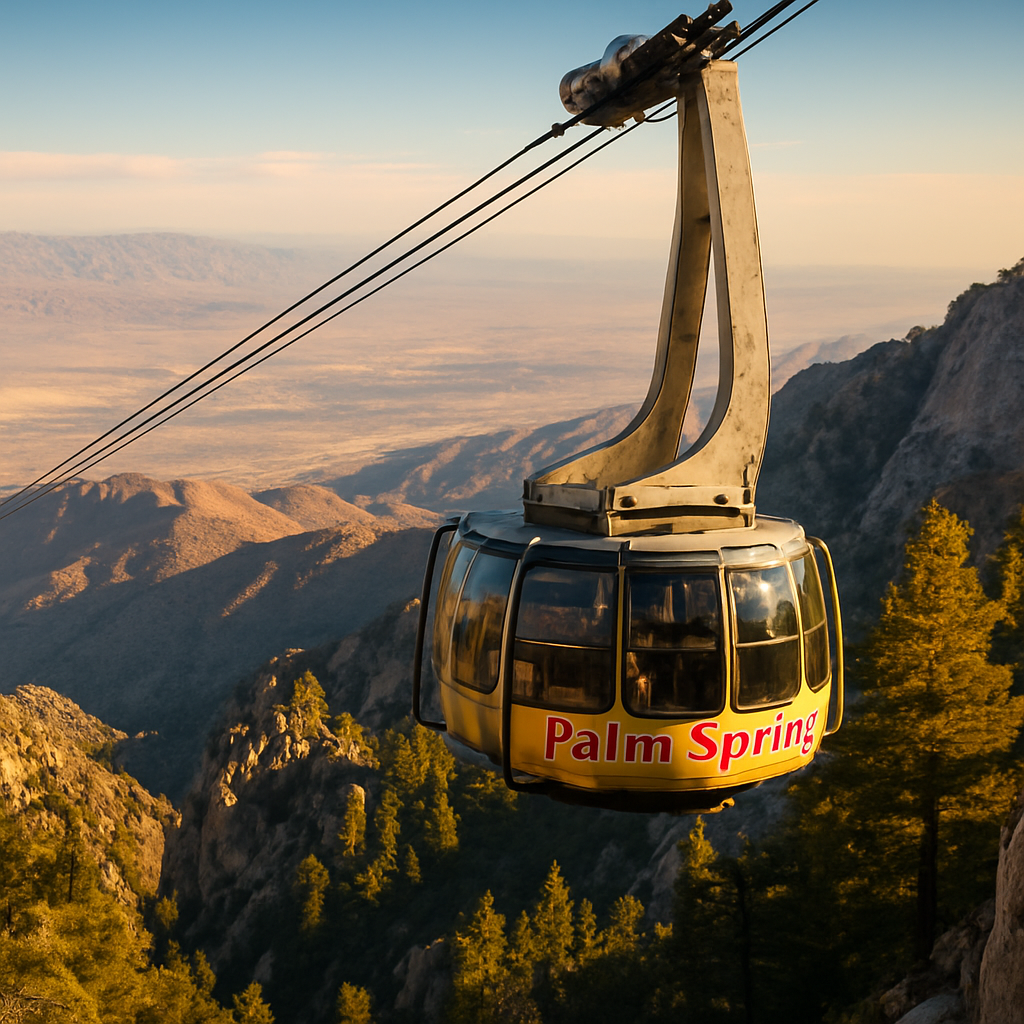
Palm Springs Aerial Tramway
You ascend from desert floor at 2,600 feet to alpine forest at 8,500 feet in about ten minutes, inside a rotating gondola with floor-to-ceiling windows. The temperature drops roughly 40 degrees. After three days sweating at the pool, the sensory reset is genuinely disorienting in the best possible way — suddenly you're surrounded by pine trees and mountain air with the entire Coachella Valley miniaturized below you. Go at sunset if you can. The mountain station has hiking trails ranging from gentle strolls to serious backcountry, and a restaurant that's better than it has any right to be at that elevation.
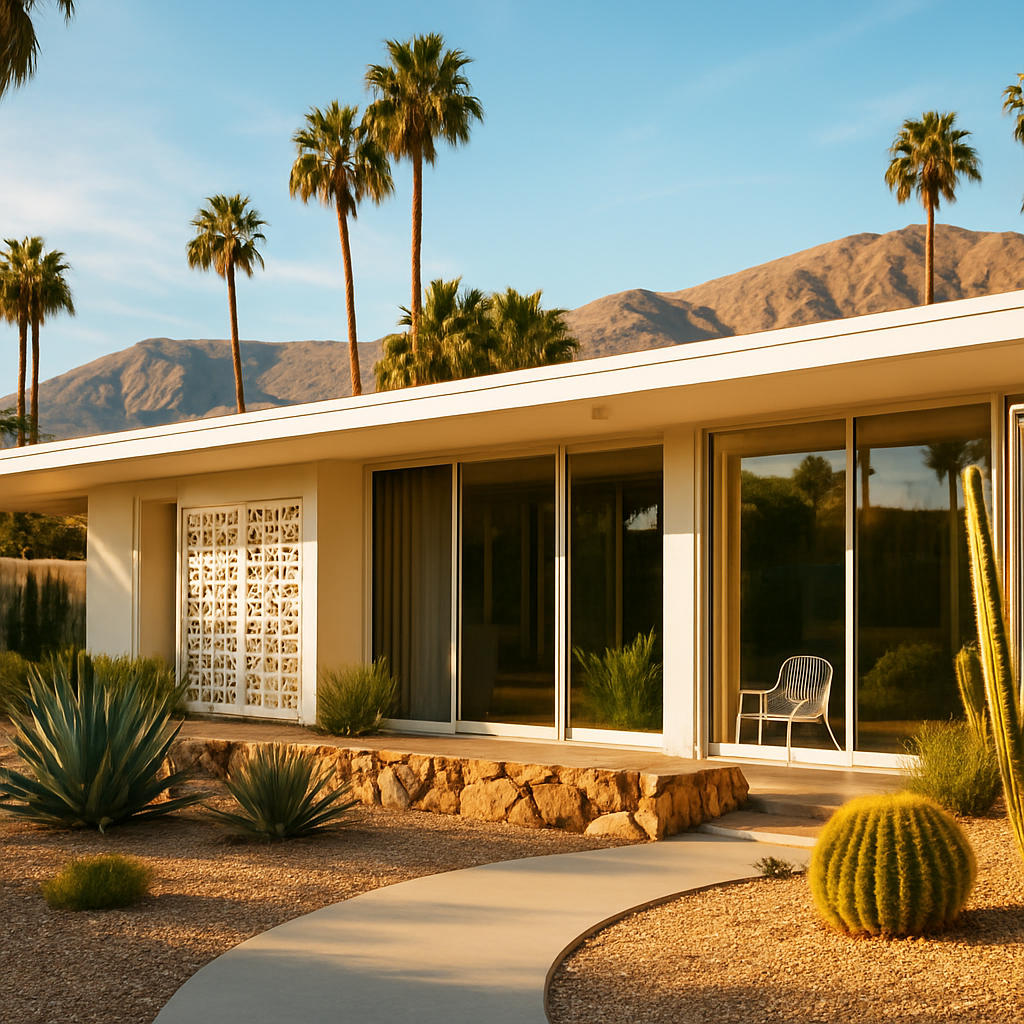
Mid-Century Modern Architecture Tour
Palm Springs has the densest concentration of mid-century modern residential architecture in the country, and it's not behind gates — most of it is visible from the street. The Alexander homes, the Kaufmann Desert House, the Frey House II perched impossibly on a boulder — you can self-drive a loop through neighborhoods like Vista Las Palmas and Old Las Palmas in an afternoon. Come during Modernism Week in February for interior access to homes that are normally private, but be warned: hotel rates during Mod Week reflect the demand. The architecture draws a heavily LGBTQ+ design crowd, and the overlap between queer culture and mid-century obsession here is not coincidental.
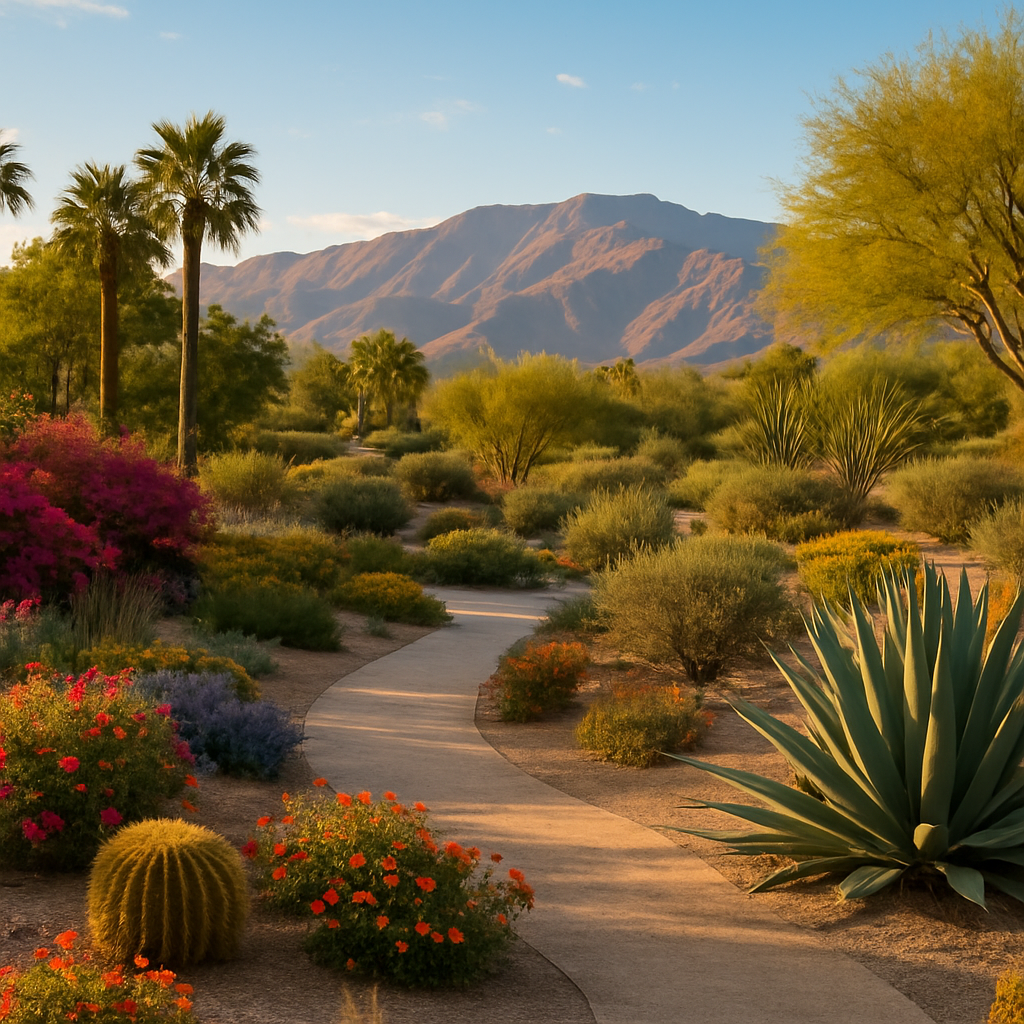
Sunnylands Center & Gardens
Sunnylands in Rancho Mirage — the Annenberg estate where presidents and world leaders met for decades — is open to the public and absolutely worth the 15-minute drive. The gardens are nine acres of arid landscape design that somehow feel both restrained and extravagant. The mid-century main house (tours book up fast) is a masterpiece of understated wealth. The LGBTQ+ footnote: Sunnylands was a site of intense political pressure during the marriage equality era, and its modernist bones are catnip for the Modernism Week crowd. Even without the history, it's one of the most beautiful designed spaces in Southern California.
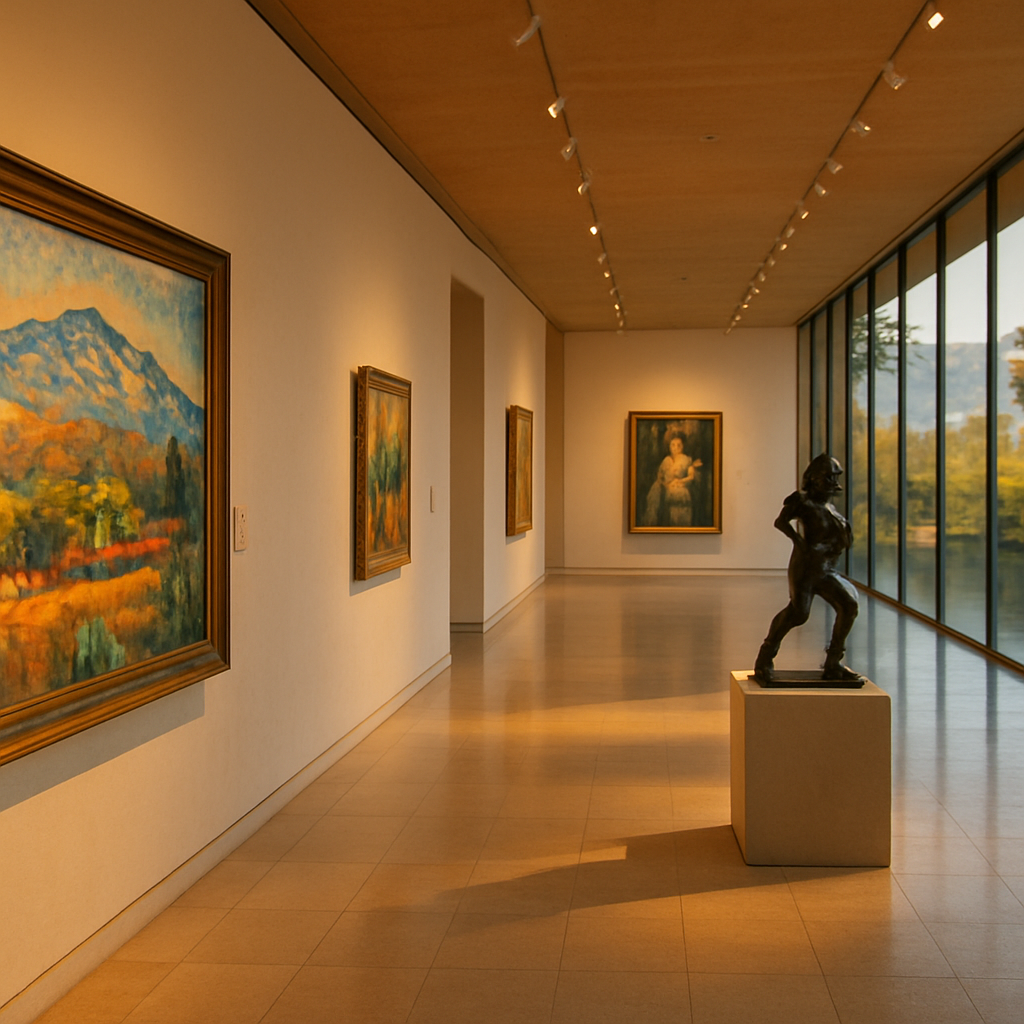
Palm Springs Art Museum on a Thursday Evening
I'll say it plainly: this museum punches absurdly above its weight for a city this size. The permanent collection is legitimately strong — particularly the glass art and photography — and the rotating exhibitions often thread explicit LGBTQ+ perspectives through the programming. The Architecture and Design Center, housed in a separate downtown building, is worth its own visit. But Thursday evening is the move: free admission, a distinctly social vibe, and a crowd that skews queer and design-literate. It's a gallery opening without the pretension — drinks, art, conversation, and the mountain views from the museum's glass walls as the light drops.
Joshua Tree Day Trip
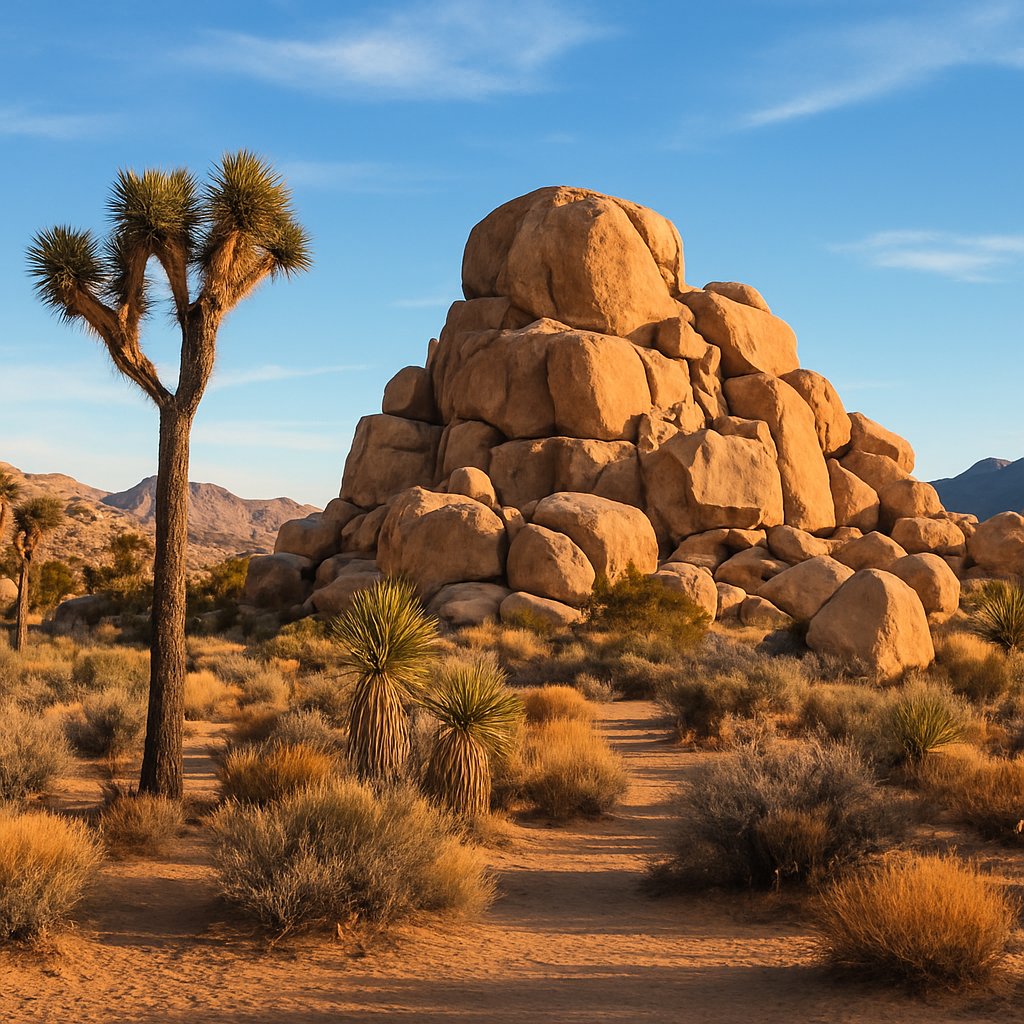
Joshua Tree National Park sits about 45 miles northeast of Palm Springs, and the drive itself — watching the landscape shift from Sonoran desert to the alien rock formations of the Mojave — is half the experience. The park covers over 1,200 square miles of surreal granite boulders, namesake Joshua trees, and some of the best dark-sky stargazing in the American West. The town of Joshua Tree adjacent to the park has developed its own counterculture arts community with LGBTQ+-owned businesses, galleries, and the kind of high-desert creative energy that feels completely different from Palm Springs' poolside polish. Go early to beat the heat, bring more water than you think you need, and stay for sunset if the park entry line wasn't a nightmare.
The places I actually send people to
The Palm Springs dates worth planning around
Advice that fits how you travel
Palm Springs is one of the easiest solo trips in the US, and I don't say that lightly. The city's compact scale means you can walk Arenas Road, Palm Canyon Drive, and the Uptown Design District without ever needing a car or a plan. The bar scene is friendly to people showing up alone — Toucans Tiki Lounge and Chill Bar are both low-key enough to start a conversation without shouting, and Oscar's daytime patio energy is practically designed for solo travelers who want to eat well and watch the world go by. App culture is active — Grindr and Scruff both light up here, especially during event weekends — and the pool scenes at Ace Hotel and The Saguaro are natural social spaces if apps aren't your thing.
Budget-wise, solo travel here is very doable at the moderate tier — $220 to $320 a day gets you a boutique hotel or gay guesthouse, solid meals, and rideshare coverage. If you're open to a Warm Sands guesthouse, you're stepping into a built-in social environment where meeting people is basically unavoidable. The communal pool culture at these properties means you'll know your fellow guests by noon. Some of the smaller inns like Triangle Inn operate at a genuinely intimate scale where the owner knows your name by check-in.
Safety for solo travelers is a non-issue within Palm Springs proper. The bar-to-hotel walk at 2am is short and well-lit. Rideshare works fine except for the post-closing surge around Arenas Road. The LGBTQ+ Community Center runs drop-in events worth checking — they're a genuinely good way to meet locals and long-term residents rather than cycling through the same tourist crowd at the bar. If you're planning a day trip to Joshua Tree solo, rent a car rather than relying on rideshare — coverage gets thin fast outside the city core.
Palm Springs was practically designed for two people trying to disappear. The city's mid-century bones — low-slung bungalows, private plunge pools, mountain silhouettes at dusk — create a backdrop that does most of the romantic heavy lifting before you've even unpacked. Stay in Warm Sands for the full effect: clothing-optional pools, unhurried mornings, and the particular luxury of a place where nobody is watching the clock or anyone else.
For dinner, Copley's on Palm Canyon puts you in Cary Grant's former residence, eating in a garden courtyard that manages to feel simultaneously glamorous and genuinely intimate. Follow it with a slow walk up North Palm Canyon Drive through the Uptown Design District — the light at golden hour here is unfair in the best way — and end at Birba for wood-fired pizza and a well-made drink. That's a date night I'd put up against anything in Los Angeles, at about a third of the attitude.
Don't skip the aerial tramway. I know it sounds like a tourist checkbox, but ascending from desert floor to 8,500 feet of alpine forest in ten minutes, with the entire Coachella Valley laid out below you, is exactly the kind of disorienting, perspective-reshaping experience that travel is supposed to deliver. Go at sunset. Bring a layer — it's about 40 degrees cooler at the top. It's the most romantic $30 you'll spend in the desert.
LGBTQ+ families will find Palm Springs straightforwardly welcoming in a way that requires zero advance research or anxiety. California's comprehensive family protections are in full effect as of 2026 — same-sex adoption, marriage recognition, and anti-discrimination laws covering housing and public accommodations are among the strongest in the country. The city has been queer-led politically for years. Your family structure will not require explanation anywhere in the city core.
For activities, the Living Desert Zoo and Gardens in Palm Desert is the headline — an extensive desert wildlife experience that works for toddlers and teenagers alike. The Palm Springs Aerial Tramway is a thrill for most kids old enough to handle a rotating gondola, and the mountain station has hiking trails ranging from a gentle stroll to genuine backcountry. The Palm Springs Art Museum is free on Thursday evenings and runs programming that's more engaging than the average 'culture is good for you' museum pitch — it's worth an afternoon rather than a quick lap.
For accommodation, skip Warm Sands properties entirely — they're explicitly adults-only and clothing-optional, not designed for family stays. Vacation rentals with private pools are widely available and often the most practical family setup; larger hotel properties like The Saguaro have the space and energy to accommodate kids without chaos. The Palm Canyon Drive strip is stroller-navigable with dining at every price point. One practical note: rent a car. The Coachella Valley sprawls, rideshare surge pricing during peak season adds up fast across multiple daily trips, and the day trips to Joshua Tree or up into the San Jacinto Mountains are part of what makes this destination worth the flight.
What Palm Springs actually costs
Flights, visas, and the first 30 minutes
Airport: Palm Springs International Airport (PSP) sits approximately 2 miles from downtown — one of the most civilized arrival experiences in California. Small enough that you're at baggage claim before you've finished your podcast episode, connected enough to pull 20+ direct routes from across the country.
Major routes: From Los Angeles (LAX), it's approximately 55 minutes in the air — though the I-10 drive is only about 2 hours if you'd rather road-trip it. From San Francisco (SFO), roughly 1 hour 20 minutes. Seattle (SEA) runs approximately 2 hours 15 minutes; Denver (DEN) about 2 hours; Chicago (ORD) around 3 hours 45 minutes; and New York (JFK) is roughly 5 hours 30 minutes nonstop. Alaska, American, Delta, and Southwest are the primary carriers — check each for seasonal routes, which shift significantly between the Season and summer.
Visa and entry requirements (as of 2026): This is a domestic U.S. destination, so U.S. citizens need only a valid government-issued ID. UK, EU, and Australian travelers typically enter under the ESTA Visa Waiver Program for stays of up to 90 days — entry is generally straightforward but is never guaranteed; check your government's current travel advisory before booking. Canadian travelers generally enter with a valid passport for stays up to 6 months. Requirements can change; always verify the current rules through your government's official advisory well before departure.
Getting from PSP to the city:
- Rideshare (Uber/Lyft): $10–$18, 10–15 minutes. Pickup at the designated rideshare zone curbside. Watch for surge pricing during major event weekends — White Party and Modernism Week arrivals can push prices significantly higher.
- Taxi: $20–$30, 10–15 minutes. Available curbside at arrivals; no app required.
- Hotel shuttle: Free to $15, 10–20 minutes. Many properties — especially in Warm Sands — offer complimentary shuttles; confirm directly when you book.
- Rental car: $40–$90/day. Strongly recommended if you're planning any day trips into the broader Coachella Valley, out to Joshua Tree, or up into the San Jacinto Mountains. The city core is walkable, but the valley rewards having your own wheels.
Traven's seasonal breakdown
The questions everyone asks
Is Palm Springs actually a gay city, or just gay-friendly?
When should I visit?
Do I need a car?
What's the deal with clothing-optional resorts?
Is it safe for trans travelers?
How much should I budget per day?
Is the nightlife good enough for a long weekend?
Screenshot this before you go
So should you actually go?
Go. Palm Springs is one of the few destinations where I can say, without any qualification, that being gay isn't just accepted — it's woven into the city's DNA, its economy, its politics, and its daily life. My Legal score of 10.0 and my Chill of 9.8 tell part of the story, but the real thing is harder to quantify: you will feel at home here in a way that most cities can't replicate, because this city was literally rebuilt by people like you. It's small, it's hot, and the scene isn't as sprawling as a major metro — but for a long weekend of pool time, good food, zero pretense, and the rare experience of being the majority rather than the minority, there's nothing else quite like it in America. Pack sunscreen. Leave the anxiety at home.
Sources & Resources
Official links we reference when compiling this guide. Last verified 2026-03-15.
- ACLU of California
- City of Palm Springs Official Site
- DAP Health (formerly Desert AIDS Project)
- Equality California
- Greater Palm Springs Pride
- Human Rights Campaign
- The LGBTQ Community Center of the Desert
- Lambda Legal (Western Regional Office)
- Transgender Law Center
- Visit Greater Palm Springs (CVB)