
Park City built a ski-in distillery pouring World Whisky of the Year, turned a 1926 theater into a January cultural capital, and somehow did it all in the reddest state in America.
Park City is the gay ski town that doesn't need to call itself one — and that's precisely what makes it work. This is a place where the queer community is woven into the fabric of daily life rather than cordoned off into a single block with a flag outside the door, and whether that thrills you or mildly frustrates you depends entirely on what you're looking for. I gave it an 8.1 on my Traven-Dex, which might surprise people who hear "Utah" and flinch. Don't. Summit County votes blue in one of the reddest states in America, the resort economy runs on a young, cosmopolitan workforce that's overwhelmingly affirming, and every January, Sundance turns this 0.8-mile stretch of Victorian storefronts into one of the most LGBTQ+-saturated corridors in the American West. The rest of the year, it's a mountain town where almost every bar on Main Street feels like yours.
The thing that hit me first wasn't the skiing — it was the smell of bourbon and old timber inside High West Distillery, a restored 1904 livery stable where Utah's first legal post-Prohibition whiskey is poured beneath stone walls that have seen more history than most buildings in this state. You can ski to it. Literally — it's the country's first ski-in distillery, and the American Prairie Bourbon won World Whisky of the Year. Walk out the door, turn left down Main Street, and you're passing No Name Saloon's rooftop deck, the mining-era alleys that open onto Wasatch Range views, and Handle on Heber Avenue where a James Beard semifinalist is doing things with locally sourced American food that this town had no business producing a decade ago. The architecture — painted brick, second-story balconies, buildings scaled for humans instead of SUVs — makes the whole street feel like someone designed a ski town for people who actually walk places.
Park City's contradiction is real and worth naming. You're in a progressive bubble inside a state whose legislature has spent the last two years passing anti-trans bills and restricting gender-affirming care for minors. The resort corridor operates in a genuinely different reality from the statehouse in Salt Lake City, and my Scene score of 8.5 reflects what you'll actually encounter on the ground: welcoming hotels, affirming staff, same-sex couples holding hands without a second glance from anyone. But the state-level legislation isn't abstract if you're traveling with trans youth, and I won't pretend otherwise. The good news is that SLC's full LGBTQ+ infrastructure — Utah Pride Center, Encircle, Equality Utah — is 35 minutes down I-80, which means Park City gets the mountain scenery and the walkable charm while the city provides the community resources and dedicated nightlife.
And about that nightlife: Park City doesn't have a gay bar. It has something different — a town where the gays have been showing up for decades, drawn by Sundance's queer programming and some of the best powder in North America, and where the result is a social scene that's integrated rather than segregated. Flanagan's during Sundance week is film people and locals elbow-to-elbow. The Egyptian Theatre — 1926, one of Utah's oldest — becomes a genuine LGBTQ+ cultural center every January. And when you want a room that's unambiguously yours, Club Try-Angles in Salt Lake City has been holding it down since 1988. The proximity of that drive is part of what makes this whole thing work: the mountain for the days, the city for the nights, and a Main Street that bridges the gap with bourbon and Victorian brick and genuinely excellent food at 7,000 feet.
The stuff your travel guide buries on page 47
Here's the good news: as of 2026, the legal framework for LGBTQ+ rights in Park City is strong on paper. Marriage equality is federal law. Same-sex adoption is legal in Utah. Equality Utah — the state's primary LGBTQ+ advocacy organization — has been fighting for and winning nondiscrimination protections for over two decades. Park City and Summit County have their own local nondiscrimination ordinances covering sexual orientation and gender identity in public accommodations, employment, and housing. My Legal score of 9.0 reflects that this is a full-equality jurisdiction at both the federal and local level.
Now the asterisk. You're still in Utah. The state legislature has passed restrictive legislation targeting trans Utahns — HB 11 limits bathroom access in government buildings, and there are restrictions on gender-affirming care for minors enacted in 2023–2024. If you're traveling with trans youth, that's not abstract — it's logistical. The Human Rights Campaign's Utah page tracks current legislation, and I'd check it before booking. The ACLU of Utah is actively challenging several of these laws in court.
The cultural reality on the ground in Park City? Dramatically different from the rest of the state. Summit County consistently votes blue in a deep-red state, and you feel it the moment you walk into a bar on Main Street. This is a resort town built on tourism, film culture, and outdoor recreation — the workforce skews young, cosmopolitan, and seasonal, which gives it a social texture that's closer to Aspen or Telluride than to Provo. Utah's liquor laws are genuinely confusing but less absurd than they used to be — the old Zion curtain hiding bartenders from view is gone, and Park City's bars operate more or less normally, though some spots still technically require a food order to keep a tab open.
The closest full-service LGBTQ+ community infrastructure — Utah Pride Center, Encircle, Equality Utah — is in Salt Lake City, about 35 miles down I-80. Park City is welcoming but it's not resourced like a city, so plan accordingly for health services, legal aid, or community programming. Park City Pride organizes local events each June, but the big moment for Utah's community is the Utah Pride Festival in SLC — easily day-trippable and absolutely worth building a trip around.
PDA comfort is high on Main Street, at both ski resorts, and in Old Town bars and restaurants. Same-sex couples are visibly comfortable year-round with no notable friction. The international clientele at Deer Valley makes it particularly relaxed. In the outlet shops and commercial districts around Kimball Junction, casual PDA is fine — very overt displays might draw an occasional look. In residential neighborhoods and outer suburbs, Park City leans progressive for Utah, but the further you get from the resort core, the more conservative things feel. Hand-holding is fine; extended PDA is less common outside Old Town.
What it actually feels like on the ground
Holding hands on Main Street: You'll be fine. Old Town and the Main Street corridor are genuinely safe and relaxed for same-sex couples — public displays of affection don't register a second glance at High West or No Name Saloon. During Sundance in January, the LGBTQ+ social density on Main Street approaches festival-city levels. Year-round, the tourist core operates with an ease that's rare in the Mountain West.
On the slopes: Both Park City Mountain Resort and Deer Valley draw international, affluent clientele. Same-sex couples are openly affectionate in lift lines, lodges, and on the mountain without issue. The resort hospitality workforce skews young, cosmopolitan, and transient — your servers and bartenders are overwhelmingly LGBTQ+-affirming, often part of the community themselves, which gives the whole town a different texture than most of Utah.
Hotel check-in: No issues at any property in this guide. The major chain hotels (Marriott, Waldorf Astoria, Hyatt properties) operate under corporate nondiscrimination policies that specifically cover sexual orientation and gender identity. The boutique and independent properties — Washington School House, Old Town Guest House — carry welcoming reputations in the community. You won't need to explain a king bed for two.
Getting around: The free PC Transit bus system and rideshare apps (Uber/Lyft) are safe and unremarkable. Drivers are typically seasonal workers or locals from Park City proper — no concerns. Pro tip: Old Town is genuinely walkable end-to-end in under 15 minutes, and the free transit connects to Kimball Junction and both resorts, so you don't need a car once you've checked in.
Late night: Main Street stays safe late. The bar corridor is well-lit, well-populated, and walkable. This is a small resort town, not a city — the crowd is tourists and seasonal workers. I haven't encountered or heard reports of LGBTQ+-targeted harassment in the Old Town bar district. The vibe shifts if you venture into smaller surrounding towns or rural Summit County outside the resort bubble — not dangerous, but a noticeably different cultural temperature.
Trans travelers: Park City's local community and business culture are among the most trans-inclusive in Utah, with genuine visible support. That said, Utah state legislation passed in 2023–2024 creates real friction. Bathroom restrictions in government buildings (HB 11) apply statewide, and restrictions on gender-affirming care for minors are in effect. If you're a trans traveler or traveling with trans youth, the National Center for Transgender Equality tracks state-by-state policy, and Encircle offers direct LGBTQ+ youth and family support in Utah. Private businesses in Park City — hotels, restaurants, bars — are a different story from state facilities, and I haven't seen negative reports from the resort corridor.
Verbal harassment risk: Negligible in Old Town, on the slopes, and in the resort hospitality corridor. Park City exists in a genuine bubble within Utah — one that takes effort to maintain and that locals are visibly proud of. If you encounter any discrimination at a hotel or business, Equality Utah is the go-to advocacy organization and has been fighting LGBTQ+ rights cases in the state for two decades. For crisis support, The Trevor Project operates its national lifeline 24/7. For LGBTQ+ health services, comprehensive care lives in Salt Lake City — Utah Pride Center's health programs and SLC clinics are the practical resource, about 35 minutes from Park City.
The queer geography
Old Town & Historic Main Street
This is where Park City lives. Main Street is a 0.8-mile stretch of Victorian-era commercial buildings that date to the town's silver mining boom of the 1870s and 1880s, listed on the National Register of Historic Places. The architecture is gorgeous — painted brick facades, second-story balconies, narrow alleys that open onto mountain views that make you briefly forget you're standing in front of a restaurant. The buildings are small-scale and human in a way that most American ski towns aren't. Walk from top to bottom and you'll pass 30-plus bars, restaurants, and galleries without ever needing to cross a parking lot.
The dining on Main Street punches above its weight class. Handle on Heber Avenue serves locally sourced American food in a 19th-century building — chef Briar Handly is a James Beard semifinalist, and the cocktail program alone is worth the walk. Riverhorse on Main has been occupying the second floor of a historic Elks Lodge since 1993, and 350 Main Brasserie has anchored the seafood end of things since 1998. The queer social scene gravitates toward lower Main Street — No Name Saloon is the no-frills, come-as-you-are anchor with a rooftop deck and buffalo burgers, while High West Distillery & Saloon draws a more polished crowd inside a genuinely gorgeous 1904 livery stable. Utah's first legal distillery since Prohibition, and the first ski-in distillery in the country. Order the American Prairie Bourbon — it won World Whisky of the Year in 2016.
Every January, Main Street transforms into the beating heart of Sundance Film Festival. The Egyptian Theatre — built in 1926, one of Utah's oldest surviving active theaters — becomes a genuine LGBTQ+ cultural center during the festival. The queer programming has launched careers, and the post-screening parties at nearby bars produce the best spontaneous queer mixers you'll find anywhere in Utah, full stop. During Sundance week, Main Street is one of the most LGBTQ+-saturated small-town corridors in the American West.
Deer Valley & Silver Lake Village
Deer Valley is the other Park City — quieter, more manicured, and unabashedly upscale. This is a skis-only resort (no snowboards), which tells you something about the vibe before you even arrive. The mid-mountain area around Silver Lake Village sits at 8,100 feet with views that genuinely stop you walking. The lodge architecture is mountain modern — reclaimed wood, steel beams, floor-to-ceiling glass that pulls the Wasatch Range right into your après cocktail.
The clientele at Deer Valley is international, affluent, and cosmopolitan. There's a quietly LGBTQ+-affirming culture here that doesn't announce itself, which is somehow more relaxing than performative inclusivity at altitude. Same-sex couples are visibly comfortable in the lodges, on the runs, and at Stein Eriksen Lodge — one of very few ski properties in North America to hold continuous AAA Five Diamond status. A morning ski run at Deer Valley followed by après drinks back at High West on Main Street is peak Park City.
Prospector
If Old Town is the face of Park City, Prospector is where it actually works. This neighborhood sits just east of Main Street along Bonanza Drive — close enough to walk to the historic core in ten minutes, far enough to have its own personality. The energy here is more local than tourist: Park City Brewing Company runs a year-round taproom with on-site production, and the restaurants and cafés cater to people who live here rather than people passing through on a lift ticket. Prospector is also where you'll find the Park City Marriott, which offers a solid mid-range base at a price point that doesn't require a second mortgage.
Salt Lake City — Capitol Hill & Downtown (Day Trip)
For dedicated gay nightlife — the kind where you walk in and the room is unambiguously yours — you're heading to Salt Lake City, 35 minutes down I-80. Utah's LGBTQ+ community is anchored in the Capitol Hill neighborhood and downtown corridor. Club Try-Angles has been operating since 1988, making it one of Utah's oldest gay bars. The Sun Trapp anchors the newer end of SLC's gay bar scene. The Utah Pride Center provides community services and resources, and Equality Utah — the state's primary advocacy organization — is headquartered here. Q Salt Lake covers the local LGBTQ+ scene and is a solid resource for finding what's happening on any given weekend.
If you're visiting in June, the annual Utah Pride Festival in Salt Lake City is the largest Pride event in the Mountain West — easily day-trippable from Park City and worth the drive. The proximity of SLC's full LGBTQ+ infrastructure is part of what makes Park City work as a destination: the mountain town gives you the scenery, the skiing, and the walkable charm, and the city is right there when you want a proper queer night out.
The experiences worth rearranging your itinerary for
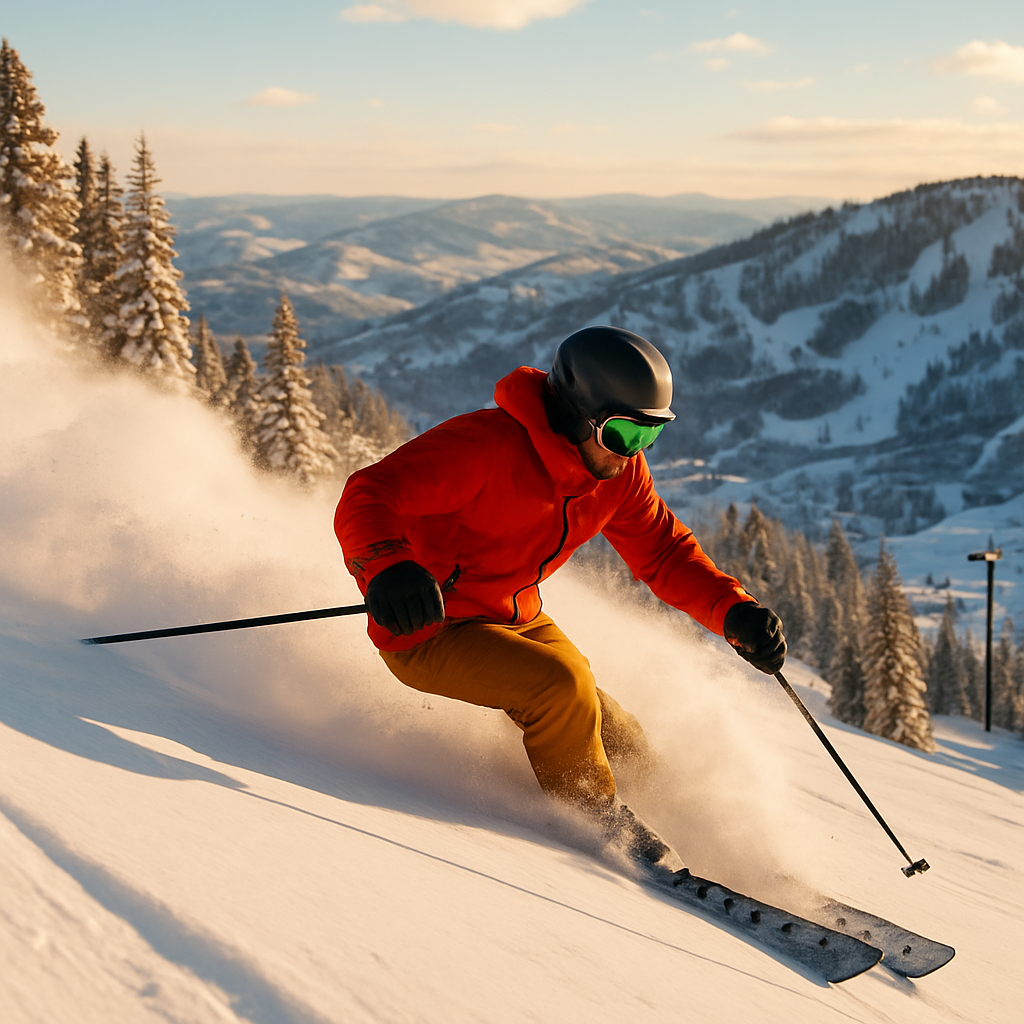
Ski Park City Mountain, Walk to Après on Main Street
Here's the thing about Park City Mountain that no other resort in America can claim: you can ski 7,300 acres of terrain — the largest ski resort in the country by acreage — and then literally ski down to Historic Main Street for après drinks without ever touching a car. The Town Lift deposits you steps from High West Distillery, where the American Prairie Bourbon earned World Whisky of the Year. A morning run down Jupiter Bowl followed by a bourbon in a 1904 livery stable is peak Park City, and I don't use that phrase lightly. The snow here earned Utah the Greatest Snow on Earth license plate slogan, and the 2,000-plus foot vertical drop means you feel it in your legs by the time you're ready for that first cocktail.
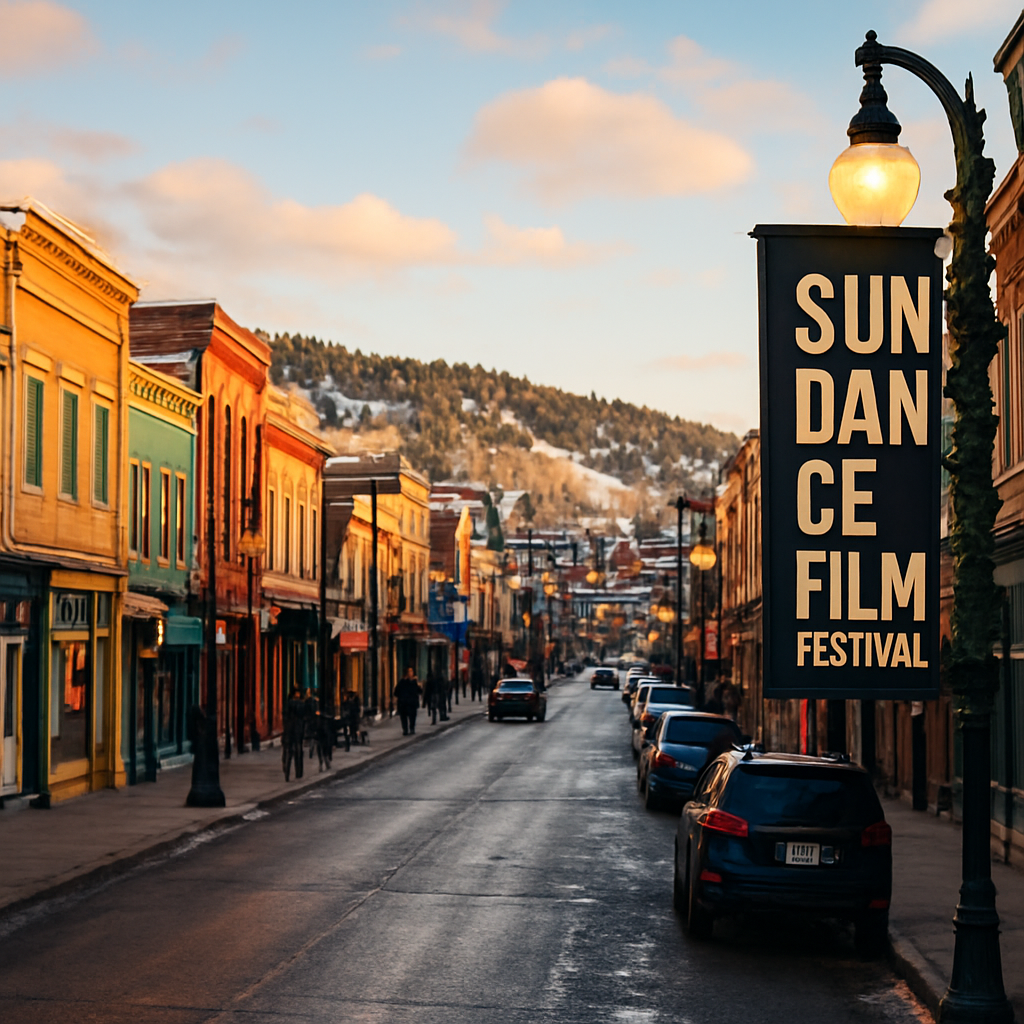
Sundance Film Festival at the Egyptian Theatre
Every January, Park City transforms from a ski town into an international film capital, and the Egyptian Theatre — built in 1926, one of Utah's oldest surviving active theaters — sits at the center of it. Sundance's LGBTQ+ shorts program and the New Frontier section reliably draw queer experimental and documentary work with shorter lines, cheaper tickets, and the most interesting post-screening conversations of the entire ten days. The energy on Main Street during festival week is unlike anything else in the Mountain West — film people, activists, and industry folks packing every bar from top to bottom. Even if you don't catch a screening, walking Main Street during Sundance is a contact high worth experiencing.
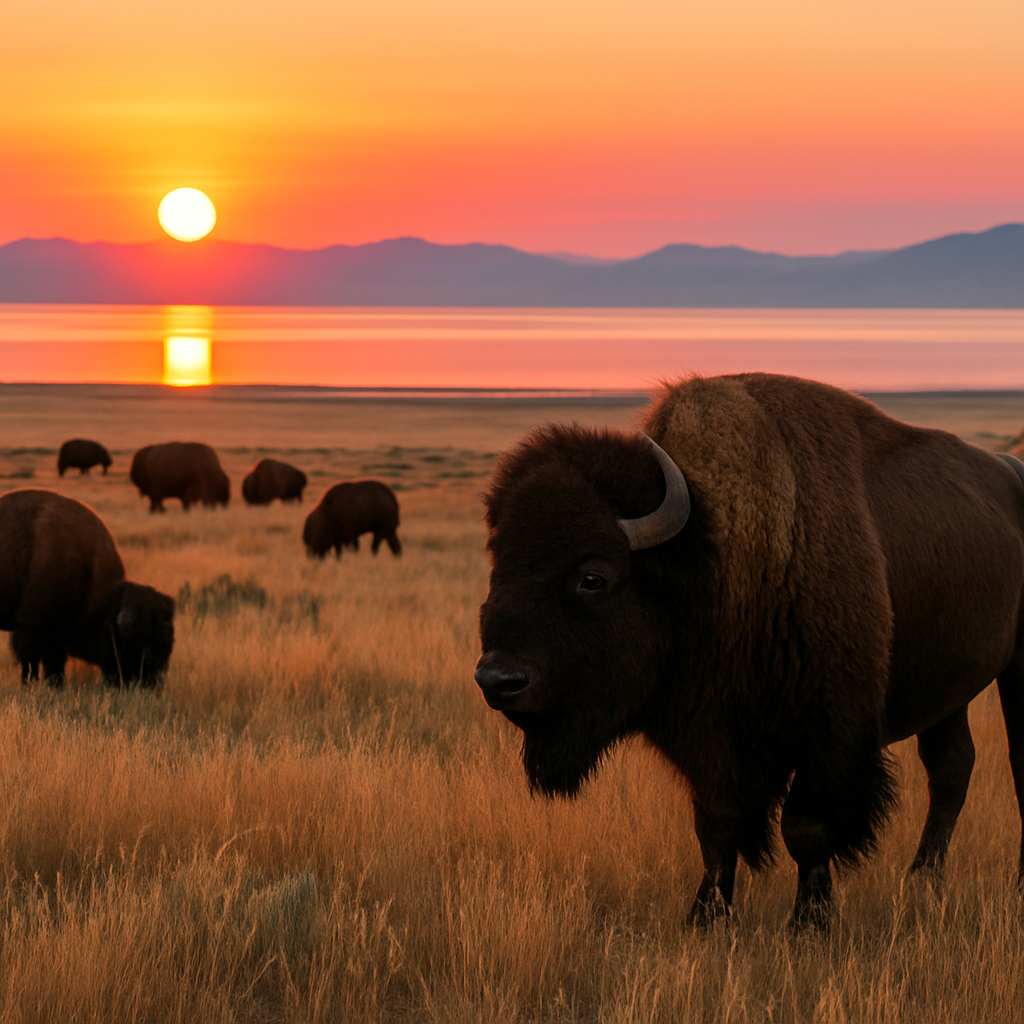
Float in the Great Salt Lake at Antelope Island
An hour from Park City via I-80, Antelope Island sits in the middle of the Great Salt Lake like something from another planet — 42 square miles of high desert where a free-roaming bison herd of 550–700 animals grazes against a backdrop that looks more like Mongolia than Utah. The main event is buoyancy swimming in the hypersaline water: you bob like a cork whether you want to or not, and the mineral smell hits you before you even touch the shoreline. The contrast with Park City's polished resort energy is total and exactly the point. Bring water, sunscreen, and shoes you don't mind getting salty — the drive back to a Main Street dinner is the perfect reset.
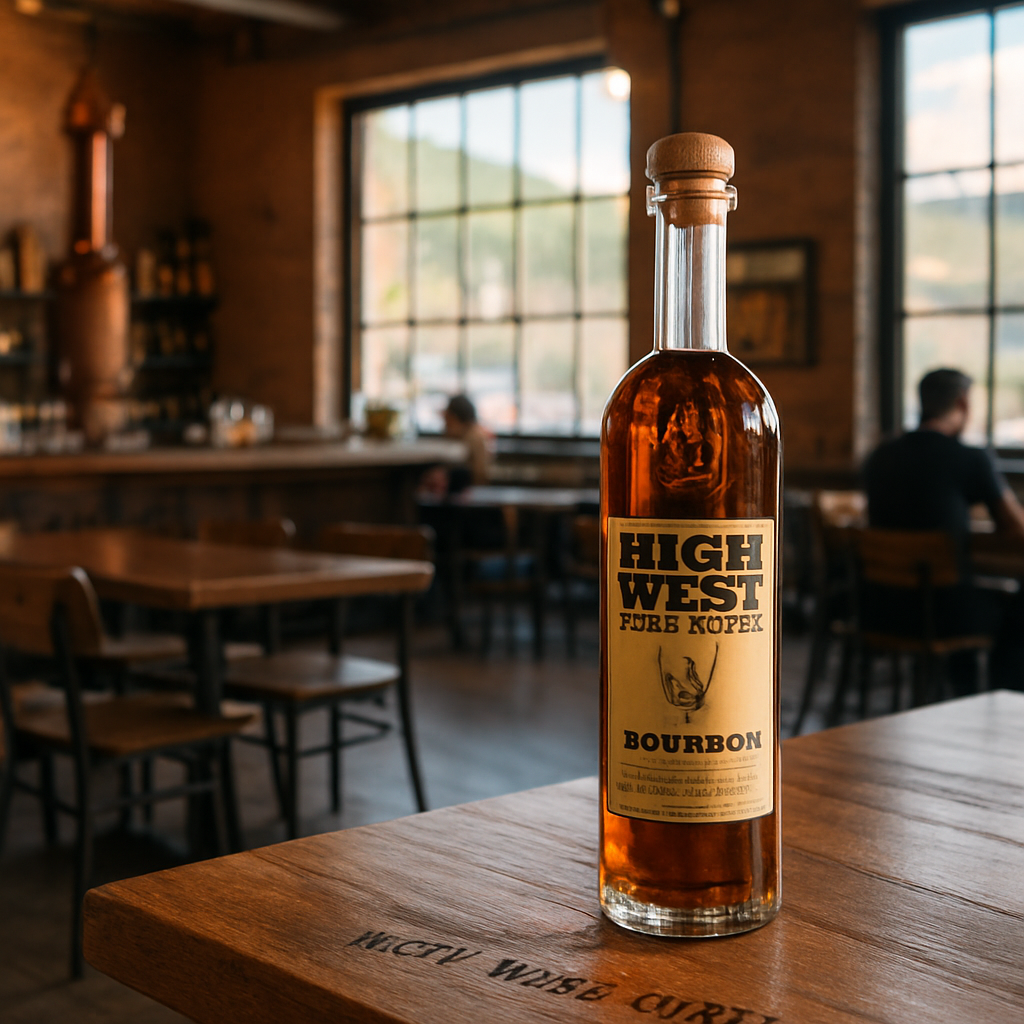
Bourbon Tasting at High West Distillery
Utah's first legal distillery since Prohibition occupies a restored 1904 livery stable on Park Avenue in Old Town — stone walls, original timber beams, and a whiskey lineup that shut up every skeptic who questioned whether great bourbon could come from a state with restrictive liquor laws. The American Prairie Bourbon won Whisky Advocate's World Whisky of the Year in 2016, and the tasting flight lets you work through the full range without committing to a single pour. High West is also the country's first ski-in distillery, which means you can quite literally ski to your bourbon. Order a flight, sit by the fireplace, and let the altitude and the whiskey do their work.
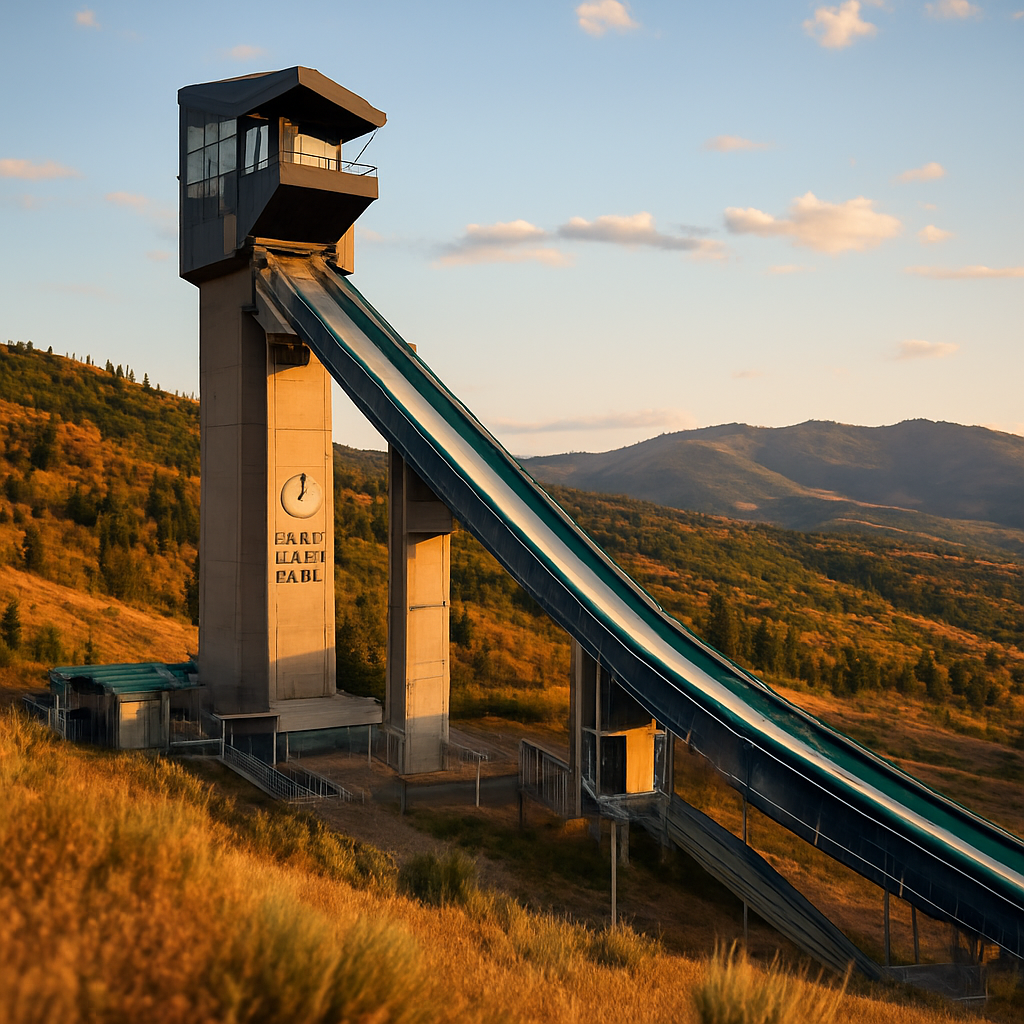
Olympic Thrills at Utah Olympic Park
The 2002 Winter Olympics left Park City with a fully operational Olympic training facility that's open to the public — and unlike most Olympic legacies, this one lets you participate rather than just look. The zip lines launch from the top of the ski jump towers with views across the entire Wasatch Range, and the guided bobsled experience on the actual Olympic track delivers the kind of G-forces that make you understand what the athletes go through. The on-site museum covers Winter Olympic history with genuine artifacts, and the whole complex functions year-round. It's the rare tourist attraction that delivers exactly what it promises.
The places I actually send people to
Advice that fits how you travel
Park City is one of the easiest solo travel destinations in the Mountain West, and the reason is structural: ski resort towns naturally break down social barriers before noon. You're chair-lift buddies with a stranger before 9am, and by après at High West Saloon you're sharing a round with people you met two runs ago. Main Street's walkability helps enormously — every bar and restaurant in Old Town is within a 15-minute stroll, which means solo dinners at the bar at Handle feel like a deliberate choice rather than an admission. The seasonally transient hospitality workforce skews young and cosmopolitan, and the bartenders here genuinely want to talk. You won't feel like an outsider.
App culture is active, especially during peak ski season and Sundance. Grindr and Scruff have decent coverage for a town this size, though the user base reflects the demographics — mostly visitors, heavily weighted toward ski season. If you can time a visit to coincide with Sundance in late January, the options expand dramatically: the film industry brings a disproportionately gay creative contingent and the town briefly operates like a much larger, queerer city for ten days straight. For meeting people without an app, Handle's bar seating and High West's communal tables are the most reliable entry points — the kind of spaces where sitting alone at the bar is an invitation rather than an obstacle.
Budget-wise, solo Park City is manageable if you're strategic. The free PC Transit bus system eliminates car costs entirely once you've checked into Old Town — it connects Main Street to Kimball Junction and both ski resorts without asking you for anything. Vessel Kitchen at Kimball Junction and the lower-priced end of Main Street (No Name Saloon's buffalo burgers, Flanagan's full bar at $$ prices) keep the food budget from spiraling. If skiing is the point, midweek lift tickets drop noticeably from weekend pricing and the mountain is a different experience without the weekend crowds. Staying at Old Town Guest House or Treasure Mountain Inn puts you steps from everything on Main Street at a price that actually leaves money for the experiences that matter.
Park City is one of those rare places where the romance isn't constructed — it's the default setting. You wake up at altitude in a town built around Victorian brick and mountain views, and the infrastructure for a genuinely memorable trip together is already in place. Same-sex couples are visibly comfortable throughout the resort core: in lift lines and lodge bars at Park City Mountain Resort and Deer Valley, across every bar and restaurant on Main Street, and at every hotel in this guide. The international clientele at Deer Valley especially makes it feel effortless — nobody's clocking your table for two.
For date nights, Riverhorse on Main has been setting the standard since 1993 — the second-floor Elks Lodge setting gives you candlelight, mountain-town atmosphere, and a wine list that's earned decades of Spectator recognition. Handle on Heber Avenue is the move for a cocktail-first night: sit at the bar, order what the bartender recommends, and let it unfold. If you want the full luxury treatment, a night at Stein Eriksen Lodge followed by morning skiing at Deer Valley is the Mountain West couples experience that nothing else in this region touches — the AAA Five Diamond designation is not decorative at 8,200 feet. The spa at the Waldorf Astoria Park City is worth a half-day if you want something off the mountain entirely.
Deer Valley's mid-mountain area around Silver Lake Village is the most reliably romantic setting in Park City — particularly at dusk, when the light goes sideways across the Wasatch Range and the lodges glow warm against the snow. Get up there even if skiing isn't the main event; the Chateaux's bar with those views works beautifully for two. If you're visiting in January, the Egyptian Theatre's LGBTQ+ programming during Sundance makes for one of the most memorable date nights of the year — pre-screening cocktails at High West, a film, then post-screening drinks on lower Main Street where the conversations get interesting. That particular evening is essentially free to engineer and available to no other ski town on earth.
As of 2026, the legal framework for LGBTQ+ families in Park City is solid. Same-sex adoption is legal in Utah, marriage equality is federal law, and Park City and Summit County have their own local nondiscrimination ordinances covering public accommodations — meaning your family is protected at hotels, restaurants, and businesses throughout the resort core. The practical reality on the ground matches the legal picture. The major properties — Marriott, Waldorf Astoria, the Hyatt-managed Chateaux Deer Valley — operate under corporate nondiscrimination policies that explicitly cover sexual orientation and gender identity. Your family configuration is unremarkable here in a way that it isn't in most of Utah, and the resort economy's diverse, internationally minded workforce makes that feel earned rather than performed.
The kid-friendly activity list is genuinely excellent. Utah Olympic Park in Jeremy Ranch is the standout: zip lines launching from actual Olympic ski jump towers, a guided bobsled experience on the real Olympic track, and a Winter Olympic history museum make for a full family day with age-appropriate options at every level. The trail network around Park City runs from stroller-accessible paved paths to serious mountain hikes depending on what you're after — the Swaner Preserve & EcoCenter does wildlife programming specifically designed for families. On the mountain, both Park City Mountain Resort and Deer Valley run ski school programs for children from age three up, and the resort infrastructure handles the gear-rental and lesson-booking logistics with the kind of efficiency that only comes from decades of practice with families who show up underprepared.
One thing LGBTQ+ families traveling with trans youth should know going in: Utah state legislation passed in 2023–2024 creates real logistical friction regardless of how progressive Park City feels. Bathroom restrictions in government-operated facilities apply statewide, and restrictions on gender-affirming care for minors are in effect. Park City's private businesses — hotels, restaurants, ski resorts — are a different story, with no documented issues in the resort corridor. For direct family support, Encircle operates statewide and provides programming specifically for LGBTQ+ youth and their families; the SLC location is 35 minutes from Park City and a genuine resource. Practically: condo-style properties like Newpark Resort at Kimball Junction or The Chateaux Deer Valley give families full kitchens and multiple bedrooms, which takes the edge off meal logistics and gear storage in a town where restaurant prices can accumulate fast.
What Park City actually costs
Flights, visas, and the first 30 minutes
Airport: You're flying into Salt Lake City International Airport (SLC) — one of the most connected hubs in the Mountain West with approximately 100 direct routes. The airport completed a full terminal replacement in 2023, and it shows: baggage claim to ground transport is efficient in a way that American airports rarely manage.
Getting to Park City: The resort is about 45 minutes east of SLC via I-80, and you have real options. Shared shuttles — Canyon Transportation and Park City Express are the main operators — run $35–45 per person and are the smart call if you're not renting a car. Book in advance if you're arriving during ski season or Sundance; demand spikes hard and last-minute bookings disappear. Rideshare (Uber/Lyft) runs $65–95 and takes 40–55 minutes — expect surge pricing on peak ski weekends and festival days, sometimes significantly. Rental cars are $55–130/day; if you're driving November through March, AWD or 4WD isn't optional, it's common sense — take I-80 E to US-224 N. Private transfers through resort concierge desks run $130–200 for a luxury SUV and are worth it if you're arriving late or traveling with gear.
Visa requirements (as of 2026): US citizens — domestic travel, no documentation required beyond your ID. Canadians typically enter visa-exempt; ESTA is not required for Canadian nationals. Most EU nationals, UK citizens, and Australians generally qualify for the Visa Waiver Program and typically need ESTA authorization (apply online before departure, $21 fee, usually approved within minutes). If your passport isn't from a VWP-eligible country, verify entry requirements at the US Embassy website before booking — requirements can change.
Pro tip: Once you're checked in to Old Town, you genuinely don't need a car. The free PC Transit bus system connects Main Street to Kimball Junction and both ski resorts. Save the rental for day trips to Antelope Island or Salt Lake City.
Traven's seasonal breakdown
The questions everyone asks
Is Park City safe for same-sex couples?
Does Park City have a gay bar?
How much should I budget per day?
Do I need a car in Park City?
What are Utah's liquor laws like?
When is the best time to visit?
Is Park City welcoming for trans travelers?
Screenshot this before you go
So should you actually go?
Go. Park City earns it — not despite being in Utah, but because of what it's built inside Utah. You get the largest ski resort in the country with a direct ski-to-Main-Street connection, a dining scene that punches absurdly above its weight class, Sundance Film Festival's unmatched LGBTQ+ cultural programming every January, and a resort community where same-sex couples are genuinely unremarkable year-round. The state-level legislative climate for trans Utahns is a real asterisk that deserves your attention before booking, especially if you're traveling with trans youth — but the Park City resort corridor itself operates in a fundamentally different register than the rest of the state. Salt Lake City's full LGBTQ+ infrastructure is 35 minutes away when you need it, the free bus system means you don't need a car once you've checked in, and the combination of world-class skiing, award-winning bourbon in a 120-year-old livery stable, and a walk down Main Street at dusk with the Wasatch Range going pink behind you is something no other American mountain town can quite replicate. My Traven-Dex of 8.1 says what I feel: this is a destination that works, and it works because real people in a conservative state decided to build something better and keep showing up for it.
Sources & Resources
Official links we reference when compiling this guide. Last verified 2026-03-17.