
Philadelphia held the first organized civil rights protests on Independence Hall's lawn four years before Stonewall, then went home and ordered a cheesesteak. The city has never once asked for credit.
Philadelphia doesn't try to charm you — it just is what it is, and that confidence is the whole point. You'll walk through Center City on a Friday evening and catch the golden hour hitting those old brownstones along Spruce Street, someone's BYOB dinner spilling out onto a sidewalk table, a couple arguing about whether Zahav or Vedge is the better reservation (the answer is both, obviously), and you'll realize this city has a swagger that bigger, shinier places spend millions trying to manufacture. It's earned, not curated.
What gets me about Philly is the specificity of its gay history. This isn't a city where the community carved out a few blocks and called it a day. Washington Square West has been officially recognized as an LGBTQ+ district — with rainbow crosswalks installed by the city government, not some corporate sponsor — and the infrastructure goes deep. The William Way LGBT Community Center has been operating since 1975. Tavern on Camac has been pouring drinks on Camac Street for decades. There's institutional memory here, layers of community that make the scene feel rooted rather than performative. I gave it an 8.2 on Scene, and that number reflects something real — a neighborhood where gay life isn't a weekend event but a daily fact.
And then there's the food. I cannot overstate this. Philadelphia is eating at a level that embarrasses cities twice its size and three times its ego. The BYOB culture means you're bringing a $15 bottle of wine to a meal that would cost you $200 in Manhattan, and nobody blinks. Marcie Turney and Valerie Safran — a lesbian couple — basically rebuilt 13th Street one restaurant at a time, and Barbuzzo remains the anchor of that transformation. The Israeli food scene alone, between Zahav and Laser Wolf, would justify the trip. My Traven-Dex of 8.8 reflects a city that delivers on every front that actually matters to a traveler: you eat well, you drink well, you feel safe, and you sleep in a place with actual character.
Pro tip: don't skip South Street after dark. Bob & Barbara's has been running a Thursday night drag show since before drag was a television format, and the $3 citywide special — a shot of Jim Beam and a can of PBR — is still the best deal in American nightlife. That's Philly in a sentence: unpretentious, a little rough around the edges, and absolutely certain it doesn't need your approval.
The stuff your travel guide buries on page 47
Legal Framework: Philadelphia sits in one of the strongest legal environments for LGBTQ+ travelers in the world. Same-sex marriage is federally legal across the United States. Pennsylvania recognizes same-sex adoption with no restrictions. The city's Fair Practices Ordinance provides comprehensive anti-discrimination protections covering sexual orientation and gender identity in employment, housing, and public accommodations. Gender identity law operates on a self-ID basis at the municipal level. There is no criminalization of any kind — my Legal score of 10.0 reflects full equality on paper.
Gender Identity — Federal Complications: Philadelphia's local protections are rock-solid, but federal policy has shifted. As of 2025–2026, executive actions have restricted gender marker updates on US passports and curtailed federal recognition of non-binary identities. Trans travelers should carry documentation consistent with their current legal name and check Philadelphia's Office of LGBT Affairs for current local guidance. Within the city itself, municipal protections remain fully in force and the Mazzoni Center provides affirming trans healthcare — not boilerplate acceptance, but genuine clinical experience with the community they serve. They run walk-in STI testing and PrEP services too.
Cultural Reality: Center City Philadelphia is one of the most visibly queer urban cores in the United States. The LGBTQ+ population is large, established, and integrated into civic life. The Office of LGBT Affairs operates under a Welcoming City executive order, and queer visibility is genuinely unremarkable in most of the central neighborhoods you'll spend time in. This is a city where the queer community has institutional infrastructure — community centers, health clinics, a queer newspaper (Philadelphia Gay News), dedicated legal and social services — not just nightlife.
PDA Comfort: In the Gay Village (12th and Locust corridor) and throughout Center City broadly — Rittenhouse Square, Old City, Midtown Village — same-sex PDA is commonplace and unremarkable. University City and West Philadelphia are welcoming with a large university population. Northeast Philadelphia has a more conservative residential character; situational awareness is reasonable there. But in the areas where you'll spend 90% of your visit, you won't think about it.
Pro tip: The SEPTA Broad Street Line is genuinely your friend — the Walnut-Locust stop puts you half a block from the 12th Street bar strip. The Airport Line from PHL gets you to Jefferson Station for under $10. Philadelphia is meaningfully more affordable than New York or D.C. — happy hour at Tabu on 12th Street has real prices, Woody's doesn't require a reservation, and you can eat well here without it becoming a financial event.
What it actually feels like on the ground
Holding hands: Completely comfortable throughout the Gay Village, Rittenhouse Square, Old City, and Center City broadly. You won't get a second glance. In University City, same — large student population, progressive environment. In the Northeast or deep North Philadelphia, you might attract more attention; use the situational awareness you'd apply in any large American city's outer neighborhoods.
Hotel check-in: No issues at any hotel in Center City. The Alexander Inn has been serving LGBTQ+ guests since the 1990s, Kimpton carries HRC's top score, and even chain hotels in Center City are accustomed to same-sex couples. Your biggest concern will be the parking situation, not the front desk.
Taxis and rideshare: Uber and Lyft work without friction. Philadelphia taxi drivers in Center City are experienced with LGBTQ+ passengers and the Gay Village is a frequent destination. No special precautions needed.
Public spaces and parks: Rittenhouse Square and Washington Square are both popular with queer locals — dog-walking, reading, weekend brunching on the benches. No concerns. The Delaware River waterfront areas are similarly comfortable.
Late night: The 12th and Locust corridor is well-lit and busy late. That said, Philadelphia is still a large American city — a few blocks east toward Broad Street after 2am warrants the same common-sense awareness you'd apply anywhere. Stick to populated, lit streets. Use rideshare if you're heading to a neighborhood you don't know well after hours.
Trans travelers: Philadelphia's municipal protections explicitly cover gender identity and expression, and the city maintains trans-inclusive services. Mazzoni Center is a trusted resource for affirming healthcare. Federal document issues (passport gender markers) are a separate complication — carry consistent documentation and check current guidance before travel. On the ground in Philadelphia, the community infrastructure is genuinely supportive.
Verbal harassment: Rare in Center City and the Gay Village. Not unheard of citywide — Philadelphia is blunt as a culture, and that energy goes in every direction. Serious anti-LGBTQ+ verbal harassment incidents in the tourist-facing areas are uncommon.
LGBTQ+ visitors of color: The bar scene in Washington Square West skews predominantly white. GALAEI and William Way Center both run events that intentionally center queer POC communities — those nights are worth seeking out rather than defaulting to the main tourist-facing strip.
The Bike Stop: The leather and bear bar on Quince Street has door culture that first-timers sometimes find confusing — it's less about your look and more about your energy. Once you're inside, the crowd is genuinely welcoming, and the pours are not messing around.
The queer geography
Washington Square West — The Gay Village
Philadelphia's gay village is officially called Washington Square West, but everyone calls it the Gay Village, and it's centered on the blocks around 12th and Locust Streets. The Rainbow Crosswalks at 12th & Locust aren't decorative — they're a genuine neighborhood landmark, repainted regularly and treated by locals the way other cities treat public monuments. The 12th Street Strip between Walnut and Spruce is the main bar corridor: Woody's at 202 S. 13th, Tabu Lounge & Sports Bar, Stir Lounge, and The Westbury Bar are all within a few-minute walk of each other.
One block over, Camac Street — a narrow cobblestone alley nicknamed "the little street of clubs" — hosts Tavern on Camac and carries an intimacy that the louder bars on 12th and 13th don't attempt. The William Way LGBT Community Center at 1315 Spruce Street is your first stop for anything community-related: art exhibitions, film screenings, support groups, a lending library, and that famously dense bulletin board. The John C. Anderson LGBT-Affirming Apartments are in this neighborhood too — this isn't just a nightlife zone, it's where queer Philadelphians actually live.
The site of Giovanni's Room on South 12th Street — once one of the country's most important LGBTQ+ bookstores — and the Philadelphia AIDS Memorial near 12th and Locust are both easy to walk past if you're not looking. Slow down. They matter.
Philly AIDS Thrift on South Street is not just a thrift store — proceeds fund HIV/AIDS organizations, the racks are legitimately well-curated, and the bins in the back reward patience. Budget two hours and bring cash.
Rittenhouse Square
Just west of the Gay Village, Rittenhouse Square is where queer Philly brunches, walks dogs, and people-watches in what feels like the city at its most civilized. The park itself is a genuine public square — benches, fountain, tree canopy — surrounded by some of the city's best restaurants, including Vernick Food & Drink at 2031 Walnut Street. The overlap between the Gay Village and Rittenhouse is seamless; you'll walk between them without registering a boundary.
East Passyunk
East Passyunk Avenue in South Philly has quietly become a queer dining destination. The restaurants along its distinctive curved strip draw a mixed, LGBTQ+-friendly crowd without any of them being explicitly branded as gay venues — which somehow makes the whole stretch feel more genuinely welcoming. This is where queer Philadelphians eat when they want to leave the bar scene behind and just have a great meal.
Fishtown
If Washington Square West is the established queer neighborhood, Fishtown is its younger, scrappier counterpart. The bars along Frankford Avenue have a creative, experimental queer presence — more DIY, more art-adjacent, more unpredictable. This is where younger LGBTQ+ residents priced out of Center City have landed, and the energy is genuinely different from the 12th Street corridor. Bob & Barbara's on South Street nearby is a Philly institution with decades-running drag shows on Friday and Saturday nights, a genuinely mixed crowd, and bartenders who will absolutely clock whether you tip properly.
The experiences worth rearranging your itinerary for
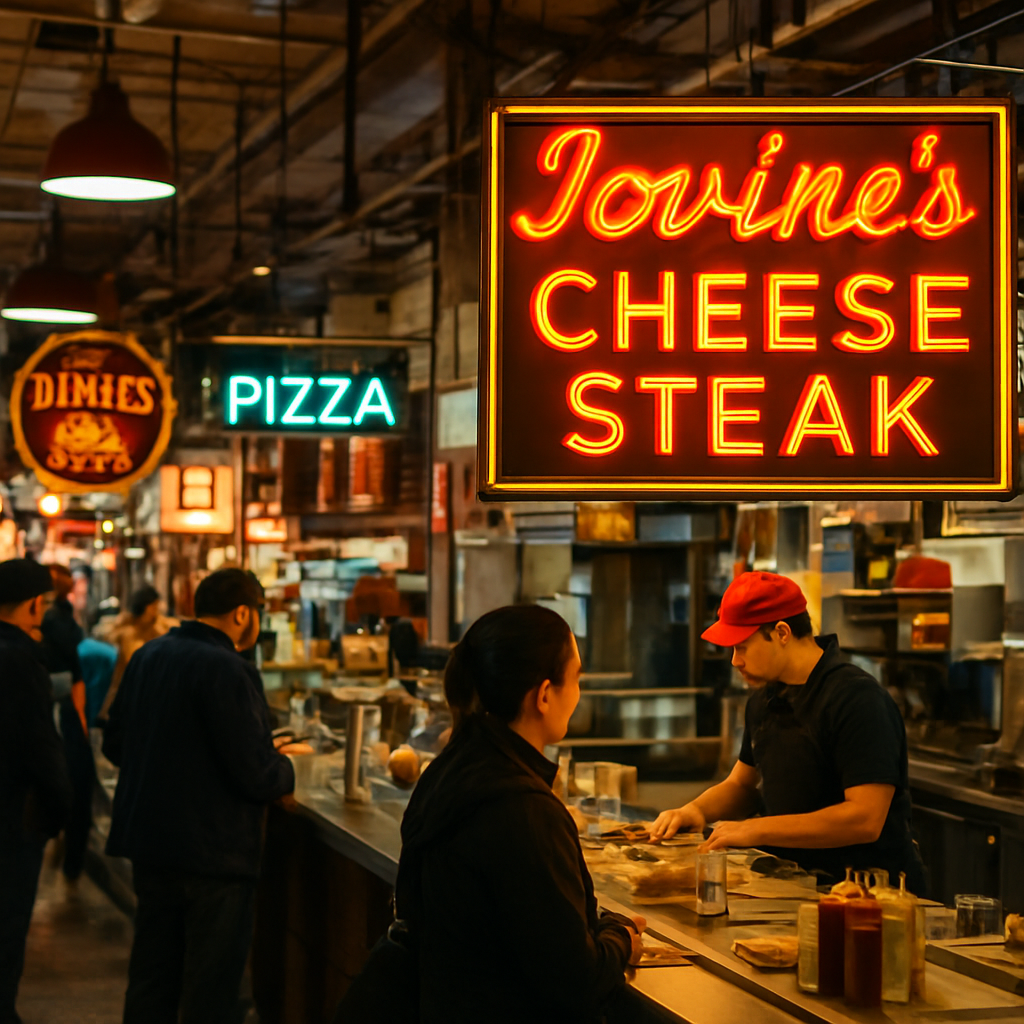
Reading Terminal Market
A historic indoor market a short walk north of the Gay Village that functions as Philadelphia's communal kitchen. DiNic's roast pork sandwich is legitimately one of the best sandwiches in the country — the sharp provolone and broccoli rabe aren't optional, they're structural. Amish vendors sell sticky buns and soft pretzels that justify arriving before 10am. The space is loud, crowded, and unapologetically itself. Eat standing up at a counter, surrounded by people who have been doing this for decades.
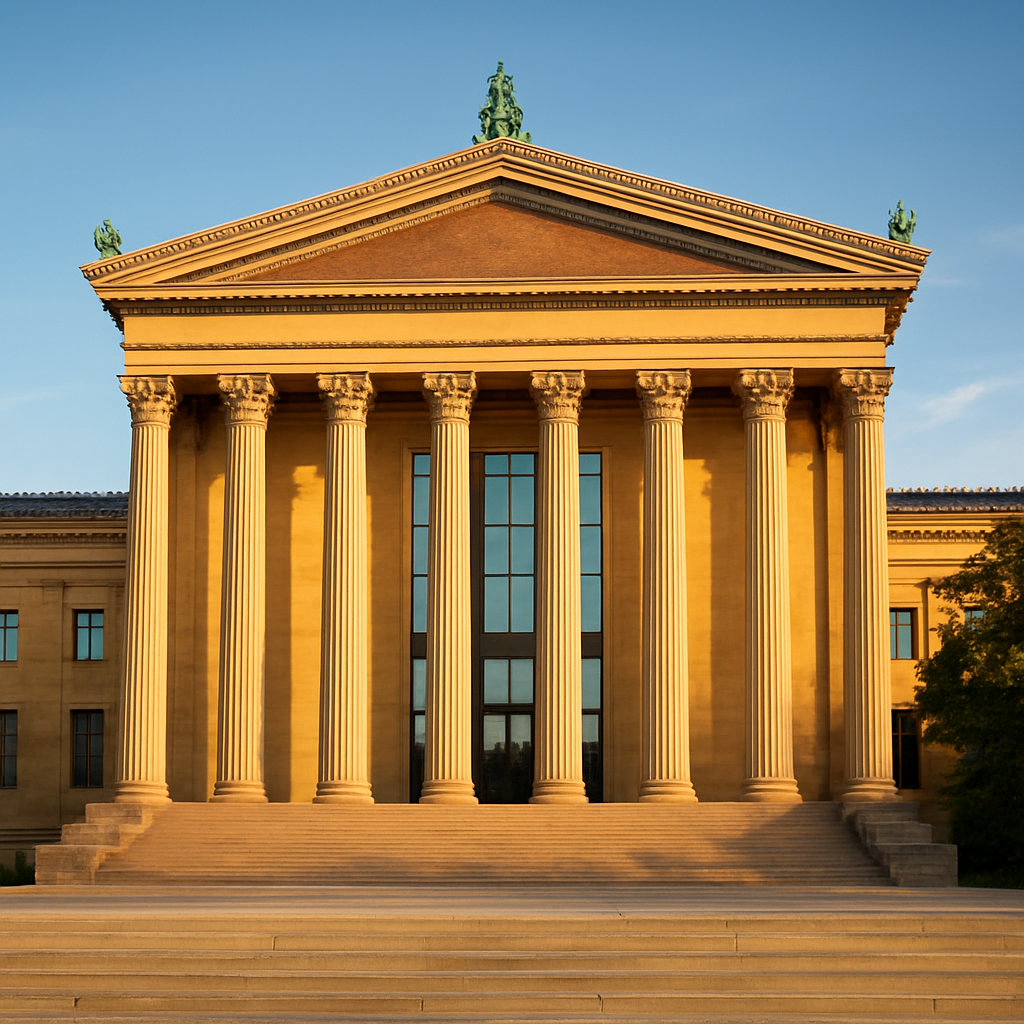
Philadelphia Museum of Art and the Barnes Foundation
The Philadelphia Museum of Art is one of the great American art institutions — the collection ranges from medieval armor to Duchamp's entire final installation, and the building itself (those steps, yes, those steps) commands the Benjamin Franklin Parkway like a temple. But I'd argue the Barnes Foundation next door is the more rewarding visit: Dr. Albert Barnes's collection of Renoirs, Cézannes, and Matisses hung in his original idiosyncratic arrangements, surrounded by ironwork and African sculpture. The juxtapositions are strange, intentional, and unlike anything you've seen in any other museum.
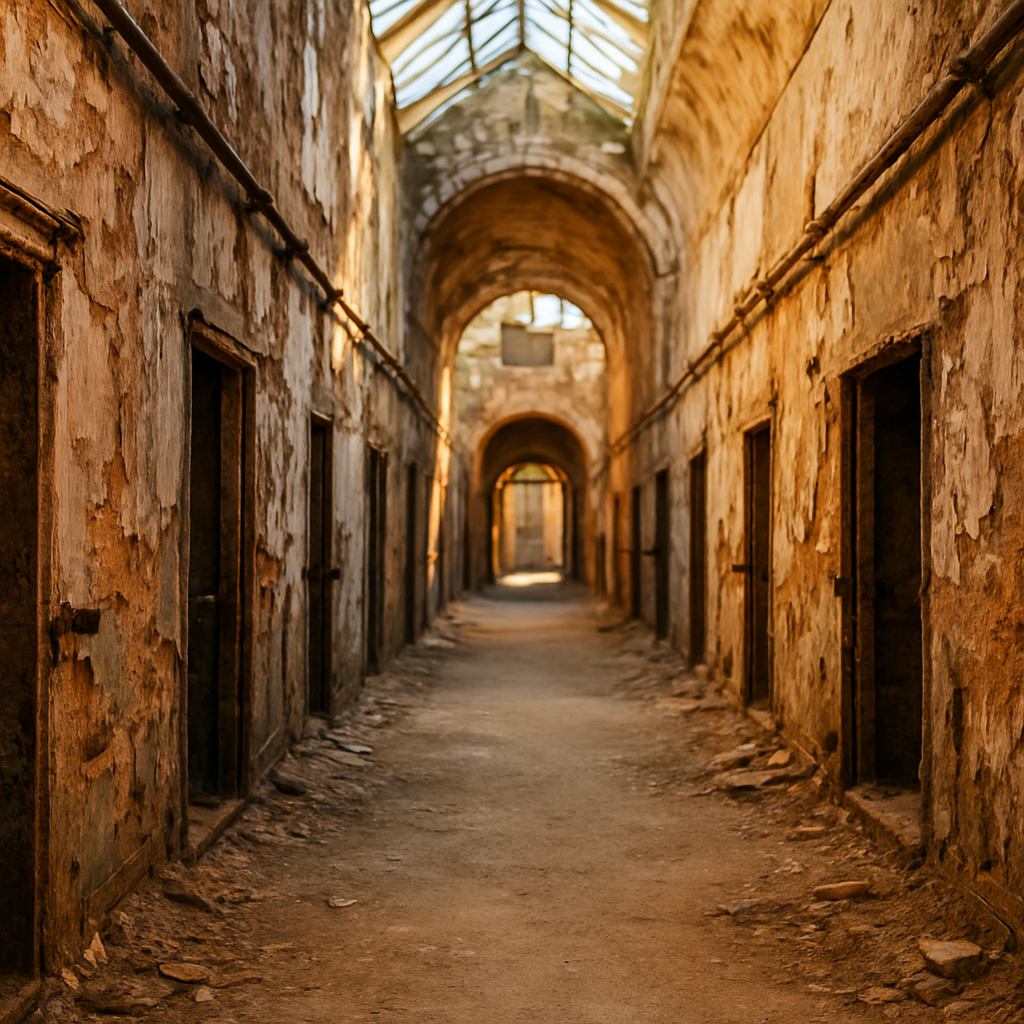
Eastern State Penitentiary
A crumbling, roofless former prison in Fairmount that once held Al Capone and is now one of the most atmospheric historic sites in America. The cellblocks radiate from a central hub in a design that influenced prisons worldwide, and walking through them — with the sky visible through collapsed ceilings and weeds growing through the floors — is genuinely unsettling in a way that's hard to prepare for. The audio tour, narrated by Steve Buscemi, is unexpectedly excellent. Go on a weekday morning when it's quiet.
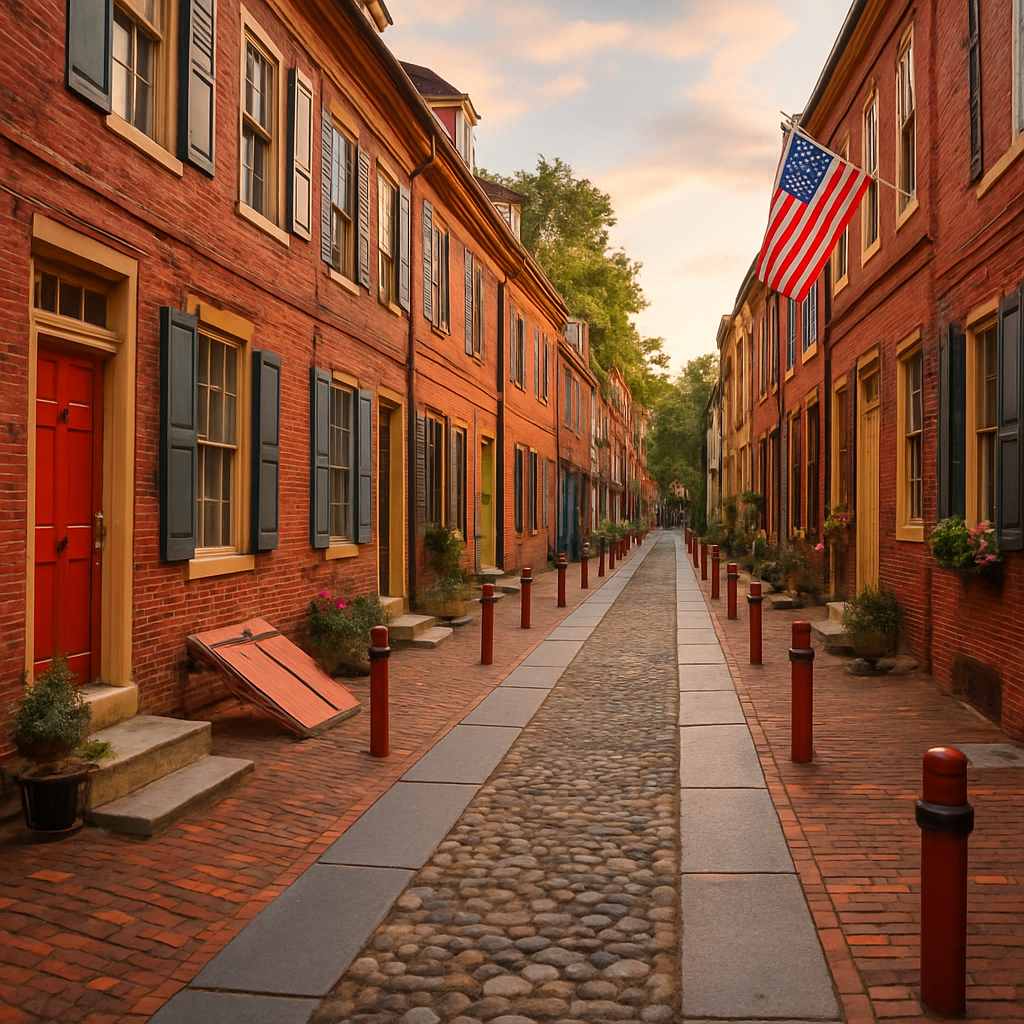
Elfreth's Alley and Old City on Foot
Elfreth's Alley is the oldest continuously inhabited residential street in the United States — 32 houses dating to the 1720s on a cobblestone lane that somehow survived centuries of development. It takes about four minutes to walk its length, but the dissonance of stepping from a modern city into a Colonial-era street that people still live on is worth the detour. From there, wander the rest of Old City: Christ Church, the Betsy Ross House, and the streets between Front and 4th where 18th-century brick meets contemporary galleries and restaurants.
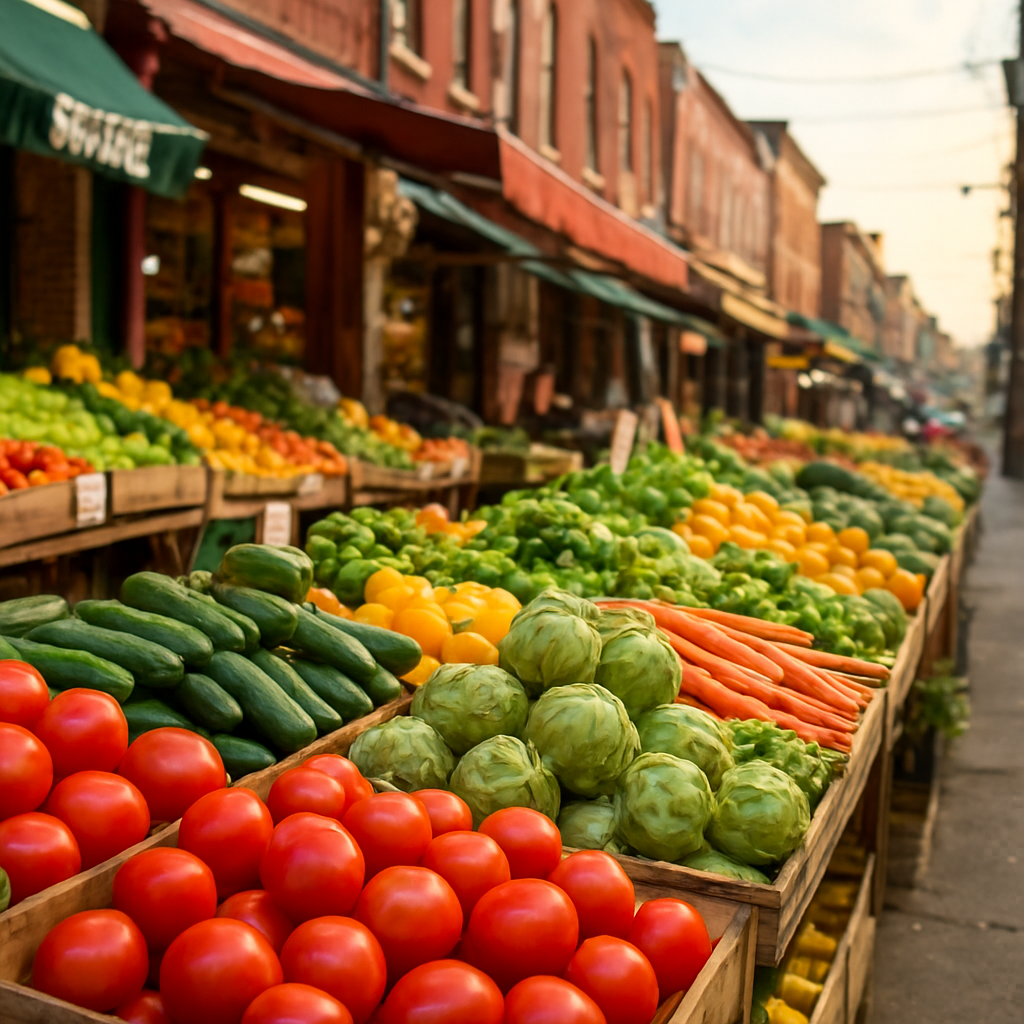
South Philadelphia Italian Market
The oldest continuously operating open-air market in the country runs along 9th Street in South Philly, and it's the antidote to every sanitized food hall you've ever endured. Produce stalls spill onto the sidewalk, butcher shops with whole animals in the window compete for your attention, and the cheese shops will hand you samples with zero coyness about wanting your money. Pick up supplies here and cook if you have a rental kitchen, or just eat your way south toward Pat's and Geno's — yes, the cheesesteak rivalry is a tourist thing, but the steaks are real.
The places I actually send people to
Advice that fits how you travel
Philadelphia is a genuinely excellent solo city, and a big part of that is scale — Center City is compact enough that you can walk from the Gay Village to Rittenhouse to Old City in a day without ever needing transit, and the SEPTA Broad Street Line covers the rest. The bar scene is approachable in a way that New York's often isn't: Woody's doesn't require bottle service or knowing someone, Tavern on Camac's piano bar is the kind of room where sitting alone at the bar is normal and not sad, and the bartenders at Tabu will actually talk to you if the place isn't slammed. App culture is active — Grindr, Scruff, and Hinge all have healthy traffic in Center City — but Philadelphia also has the kind of neighborhood regulars-bar energy where meeting people in person is a real option.
Budget-wise, this is one of the most affordable major LGBTQ+ destinations on the East Coast. A budget solo day runs $100–135 including accommodation, food, and transit. A SEPTA day pass is $13 and covers everything. Happy hours are real happy hours with real prices. You can eat extraordinarily well in this city on $30–40 a day if you're strategic — Reading Terminal Market for breakfast and lunch, one good restaurant dinner, and bar snacks at night.
Safety-wise, solo travelers in Center City have no unusual concerns. The Gay Village is well-lit and busy late. Common-sense applies after 2am on quieter streets east of 12th toward Broad — stick to populated blocks and use rideshare if you're heading somewhere unfamiliar. The William Way Community Center is a strong resource if you're visiting solo and want to find community events, support groups, or just a quiet place to sit with a book and meet people organically. Check their bulletin board first thing — it's the most efficient guide to what's happening that week.
Philadelphia is a genuinely romantic city if you let it be. Walk Rittenhouse Square on a warm evening when the fountain is lit and the restaurant patios are spilling onto the sidewalk, and you'll understand why queer couples keep moving here and never leaving. The city is compact enough that a great date — drinks at Tavern on Camac's piano bar, dinner somewhere serious on East Passyunk, a nightcap on 13th Street — is walkable from start to finish without ever feeling like you're executing a logistics operation.
PDA comfort throughout Center City is genuinely high. The rainbow crosswalks at 12th and Locust aren't a tourism prop — they mark a neighborhood where same-sex couples holding hands are as unremarkable as the cobblestones underfoot. For a splurge night, the Kimpton Hotel Monaco in Old City is both architecturally stunning (a Beaux-Arts landmark that used to be a post office, which honestly makes it more romantic, not less) and carries a brand-level commitment to LGBTQ+ inclusivity that actually means something at check-in.
For a day out of the city together, New Hope in Bucks County is forty miles north and worth every one of them — gay-owned galleries, Delaware River views, and the particular ease of a small town that has been welcoming queer visitors since the 1960s. Drive up on a Saturday morning, eat lunch, browse, and be back in time for evening plans. It's the kind of day you'll still be talking about at dinner six months later.
Pennsylvania law fully recognizes same-sex marriage and joint adoption, which means LGBTQ+ families arrive in Philadelphia on solid legal footing — your family structure is recognized at the hotel, the hospital, and the school field trip alike. The city's Office of LGBT Affairs operates under a Welcoming City executive order, and in practical terms, that means staff at family-facing institutions are trained to treat your family as unremarkably as anyone else's. You will not be the first LGBTQ+ family to visit the Franklin Institute or take the kids to the Philadelphia Zoo.
Center City is legitimately stroller-friendly compared to many East Coast urban cores. The flat grid around the Gay Village and Rittenhouse Square is navigable, SEPTA has accessible stations, and Reading Terminal Market — a short walk north of the gay village — is one of the great kid-feeding venues in American travel. Amish pretzels, roast pork sandwiches, and sticky buns for breakfast, all under one historic roof. For older kids, Independence Hall is free with timed-entry tickets, and the LGBTQ+ history angle — the Annual Reminder demonstrations happened on that lawn in 1965, years before Stonewall — is a genuinely powerful teaching moment if your kids are ready for it.
Budget-wise, Philadelphia is meaningfully more affordable than New York or D.C. for family travel. A moderate family day — museum admission, meals, SEPTA transit — runs $430–580 for a family of four, which is real money but not the financial reckoning that comparable time in Manhattan would represent. Book accommodations at The Logan if you want space and a pool; consider a vacation rental in Washington Square West if proximity to the queer neighborhood matters more than hotel amenities. Either way, the city is ready for you.
What Philadelphia actually costs
Flights, visas, and the first 30 minutes
Airport: Philadelphia International Airport (PHL) serves 100+ cities with direct routes. From New York (JFK/LGA), you're looking at 1h 10m. Chicago (ORD) is 2h 15m. Los Angeles (LAX) is 5h 30m. London (LHR) clocks in at 7h 45m. Miami (MIA) is 2h 30m. Honestly, Philly is one of the more reachable cities on the East Coast — it sits between New York and D.C. on Amtrak's Northeast Corridor, which means train is often a legitimate alternative to flying if you're coming from either direction.
Visa Requirements: US citizens need nothing. UK, EU, Canadian, and Australian passport holders need an ESTA — $21, apply online before travel, valid under the Visa Waiver Program. Don't leave it until the airport.
Airport to City: The SEPTA Airport Line is the move — $8–10, runs every 30 minutes, and drops you at Jefferson Station in 25–30 minutes. Jefferson Station puts you about a 10-minute walk from the heart of the Gay Village. Rideshare (Uber/Lyft) runs $25–40 with designated pickup zones at each terminal; useful if you have luggage and a hotel in Old City. Taxis run $35–45 metered — fine, but there's no good reason to pay the premium over SEPTA unless you have compelling personal reasons to avoid public transit.
Pro tip: If you're arriving from New York or D.C., seriously consider Amtrak's Northeast Regional or Acela into 30th Street Station — 30th Street connects directly to Center City via SEPTA, and you'll skip the airport entirely.
Traven's seasonal breakdown
The questions everyone asks
Is it safe to hold hands in Philadelphia?
How much should I budget per day?
Do I need a car?
When is Philly Pride?
Is the Gay Village actually a neighborhood or just a few bars?
What's the trans travel situation?
Is Philadelphia worth visiting if I've already been to New York?
Screenshot this before you go
So should you actually go?
Go. Philadelphia is one of the strongest LGBTQ+ travel destinations in the country, full stop. You've got a perfect 10.0 on legal protections, a scene with genuine depth and history, food that will rearrange your priorities, and a city personality that rewards curiosity over flash. It's cheaper than New York, warmer than Boston, and more interesting than both on a Tuesday night. The cheesesteaks or the community center archives, a long weekend with your partner or a solo deep-dive into one of America's best dining cities — Philly earns your time, your appetite, and your repeat visit. I mean that with zero qualification.
Sources & Resources
Official links we reference when compiling this guide. Last verified 2026-03-15.
- Action Wellness
- ActionAIDS Philadelphia
- Attic Youth Center
- Attic Youth Center
- City of Philadelphia – Office of LGBT Affairs
- City of Philadelphia – Office of LGBT Affairs
- Equality Forum
- Equality Forum
- GALAEI – Queer Latin@ Social Justice Organization
- GALAEI – Queer Latin@ Social Justice Organization
- Mazzoni Center
- Mazzoni Center – LGBTQ+ Health Services
- Mazzoni Center – LGBTQ+ Health Services
- Mazzoni Center – Trans Wellness Conference
- Philadelphia FIGHT Community Health Centers
- Philadelphia FIGHT Community Health Centers
- Philadelphia Gay News (PGN)
- Philadelphia Gay News (PGN)
- Philly Pride 365
- Philly Pride Presents
- William Way LGBT Community Center
- William Way LGBT Community Center