
Phoenix doesn't fight the desert — it builds its best nights around it, then waits until October to throw the doors open.
Phoenix is the rare American Sunbelt city where the gay scene runs deeper than the reputation lets on, and where the legal floor is a lot more stable than the state legislature would have you believe. That's the contradiction you're navigating here — a metro that has built a real, multi-decade community along N 7th Avenue while the statehouse a few miles away keeps trying to relitigate questions everyone else closed years ago. My Traven-Dex of 7.3 reflects exactly that split: the on-the-ground experience is warmer than the headlines, and the headlines aren't wrong either.
The Melrose District looks deceptively sleepy by daylight — low-slung mid-century commercial buildings, antique shops, refreshed neon — and then by 10 PM on a Saturday it has the easy, well-worn confidence of a neighborhood that's been gay for forty years and feels no need to prove it. Stacy's @ Melrose is keeping a lesbian bar alive in a state that has very few. Charlie's Phoenix on the Camelback Corridor has been pulling country-western dancers onto its floor since the mid-1980s, and Two-Step Tuesday is the kind of thing you show up to ironically and leave converted. Karamba on McDowell is where the Latin scene gathers and where the city's nightlife gets properly interesting — the dance floor on a Friday makes the rest of the metro look monochromatic by comparison.
Two practical things shape every trip here, and ignoring either will cost you. First, this is not a walking city — the Melrose District, Old Town Scottsdale, and Karamba are not in the same universe on foot, and the 1 AM rideshare from Charlie's will cost more than you estimated. Second, the calendar is the calendar: October through April the Valley is one of the most pleasant places in the American Southwest, and from June through August it is a genuinely dangerous heat dome where the social calendar essentially hibernates. Phoenix Pride happens in Desert Pride Season for a reason.
What earned my 7.5 on Scene is that the community here built real infrastructure — a designated Melrose cultural district, a country bar, a leather bar, a lesbian bar, the Latin scene at Karamba, an arts crowd at Roosevelt Row, and one of the largest Prides in the Southwest at Steele Indian School Park. What kept the overall at 7.3 is that the metro sprawls, the state politics are loud, and the welcome mat thins out fast once you cross into the far East Valley. Plan around all of it and Phoenix delivers considerably more than its reputation tends to promise.
The stuff your travel guide buries on page 47
Here's the legal landscape, plain and simple. As of 2026, marriage equality is settled federal law, same-sex couples can adopt without restriction, and Arizona recognizes gender marker changes through self-attestation. That's the federal floor, and it's a sturdy one.
The state-level picture is messier. Arizona has no statewide non-discrimination law covering sexual orientation or gender identity — protections live at the city level, and Phoenix and Tempe both maintain them in employment and housing. Step outside those municipal boundaries and you're relying on federal Bostock protections for employment and not much else. Equality Arizona at ACLU of Arizona tracks pending legislation in real time, and as of 2026 the state legislature has continued to introduce restrictions on gender-affirming care for minors under SB1040 and related bills.
For trans travelers, this matters. Phoenix proper has affirming infrastructure — clinics, advocacy groups, community resources through Lambda Legal — but the statewide political climate is a separate weather system from the city itself. Pack documentation that matches your ID, and know where you're going if you're traveling outside the central metro.
Pro tip: Phoenix summers are genuinely dangerous — temperatures routinely exceed 110°F — which is why the LGBTQ+ nightlife calendar essentially hibernates in July and August and front-loads October through April. If you're visiting in summer, plan around shade, water, and air conditioning, not spontaneous bar-hopping.
PDA comfort tracks neighborhood, not city. The Melrose District on 7th Avenue and Roosevelt Row are fully comfortable for same-sex couples holding hands. Downtown Phoenix and Tempe near ASU are easygoing. Old Town Scottsdale tolerates but occasionally notices. The far East Valley suburbs — Mesa, Gilbert, Chandler — skew conservative and religiously observant; discretion is the move there, not because anything will necessarily happen, but because the welcome mat is conspicuously absent.
What it actually feels like on the ground
Holding hands and visible affection: In the Melrose District, Roosevelt Row, downtown, and Tempe, this is genuinely a non-event. A reader wrote in to confirm what I'd observed myself — these neighborhoods are consistently comfortable for visible queer expression, hand-holding, bold looks, the full repertoire. Venture deeper into Chandler, Gilbert, or Queen Creek and the energy shifts noticeably; it's not typically hostile, but you'll want to read the room.
Hotel check-in: Same-sex couples are routinely checked in without comment at any of the central Phoenix and Scottsdale properties I'd recommend. The Kimpton Palomar is an IGLTA member with explicit same-sex amenity policies, and The Saguaro in Scottsdale has a documented track record of welcoming the community. No hotel I've researched in this metro has any negative report on file.
Taxis and rideshare: Uber and Lyft dominate, and a car is not optional in Phoenix — it is the entire premise. The Melrose District, Old Town Scottsdale, and Karamba on McDowell are not in the same universe on foot. Budget for surge pricing after 1 AM on weekends, or arrange a sober driver, because the distances that look short on a map are very much not.
Late night: The Melrose District, Roosevelt Row, and Old Town Scottsdale all maintain reasonable foot traffic until close. Charlie's Phoenix and The Rock have been neighborhood fixtures long enough that they attract a genuinely mixed crowd — ages, backgrounds, the occasional bewildered tourist — and carry the low-key security of spaces that know exactly what they are. The walk back to your car is generally fine in these zones; just don't park six blocks deep into an unfamiliar industrial stretch.
Trans travelers: Phoenix city itself maintains gender identity protections in employment and housing, and the urban community is broadly affirming. Terros Health offers LGBTQ+-affirming behavioral health and is reliable. The state-level political environment is a separate matter — restrictions on gender-affirming care for minors are in place as of 2026, and statewide advocacy continues to face headwinds. Within central Phoenix, day-to-day visibility for trans travelers is generally comfortable; outside the central metro, exercise the same discretion you would in any conservative-leaning American suburb.
Sexual health and PrEP access: The Southwest Center for HIV/AIDS and Aunt Rita's Foundation are the two pillars of HIV and sexual health services in the city. Both offer testing, PrEP navigation, and community programming. Judgment-free, well-resourced, and worth knowing about before you need them.
Verbal harassment: Approximately rare in central Phoenix, Tempe, and Scottsdale's tourist core. More common — though still not frequent — in suburban East and West Valley areas. The Phoenix metro generally trends live-and-let-live, but the metro is enormous and the political temperature is not uniform.
The queer geography
Melrose District
Phoenix's gay neighborhood sits on a walkable stretch of N 7th Avenue between Indian School and Camelback, and it has the unhurried confidence of a place that's been doing this for forty years. The streetscape is mid-century: low-slung commercial buildings, neon signage that's been refreshed but never replaced, antique shops next to wine bars next to design studios. By day it looks deceptively sleepy. By 10 PM on a Saturday it has the easy, well-worn energy of a neighborhood that's been queer for decades without needing to prove it.
For the highest concentration of gay life in one walkable stretch, this is where you anchor: Stacy's @ Melrose for an actual meal alongside your cocktail and one of the last lesbian bars in Arizona, Kobalt for a livelier crowd, and The Rock for a low-key neighborhood beer with the regulars. The City of Phoenix has formally designated this a cultural district, and Phoenix Pride activations run through the corridor during October's Desert Pride Season.
Roosevelt Row Arts District
A few miles south of Melrose, Roosevelt Row runs east-west through the most interesting block of downtown. Murals cover entire warehouse facades. Galleries spill onto sidewalks. Welcome Diner serves cheap, perfect comfort food at a tiled counter that hasn't changed since the building was a 1929 service station. The Lost Leaf, an independently owned bar and gallery on E McDowell since 2009, hosts live music nearly every night and feels like the kind of place that would still exist if the rest of Phoenix vanished.
The neighborhood's signature event is First Friday, a monthly art walk that draws a heavily LGBTQ+ crowd with its outdoor festival atmosphere — food trucks, live music, elaborate personal style on full display. It's not explicitly a queer event, but the community shows up in numbers and it's reliably one of the best free nights out in the city. Resources for younger travelers are anchored by One·n·ten on N 7th Avenue, one of the best-resourced LGBTQ+ youth organizations in the Southwest.
Old Town Scottsdale
Twenty minutes east, Old Town is the walkable historic core of Scottsdale: Spanish Colonial Revival storefronts, courtyards lined with palo verde trees, art galleries thick on the ground, and a pedestrian density unusual for this metro. The food scene runs upscale and confident — small plates, wine programs, patios designed for the seven months a year you can actually use them.
BS West has been operating in Old Town since the 1980s and is the kind of gay bar that time forgot in the best possible way. The patio is genuinely lovely, the regulars know each other, and on a good night the crowd is a satisfying mix of longtime Scottsdale locals and visitors who wandered in and decided the vibe was exactly right.
Camelback Corridor and the Latin Scene
The Camelback Corridor running east-west across central Phoenix anchors a different slice of the city's nightlife. Charlie's Phoenix sits on W Camelback and has been pulling country-western dancers onto its enormous floor since the mid-1980s — Two-Step Tuesday is a Melrose institution and the kind of thing you show up to ironically and leave having genuinely converted. Further south, Karamba on E McDowell is where the Latin community gathers, and the dance floor on a Friday night makes the rest of Phoenix's nightlife look a little monochromatic by comparison. The music skews reggaeton and cumbia, the crowd is electric, and this is where the city's scene gets properly interesting. Human Rights Campaign — Arizona tracks the broader community calendar across all of these corridors.
The experiences worth rearranging your itinerary for
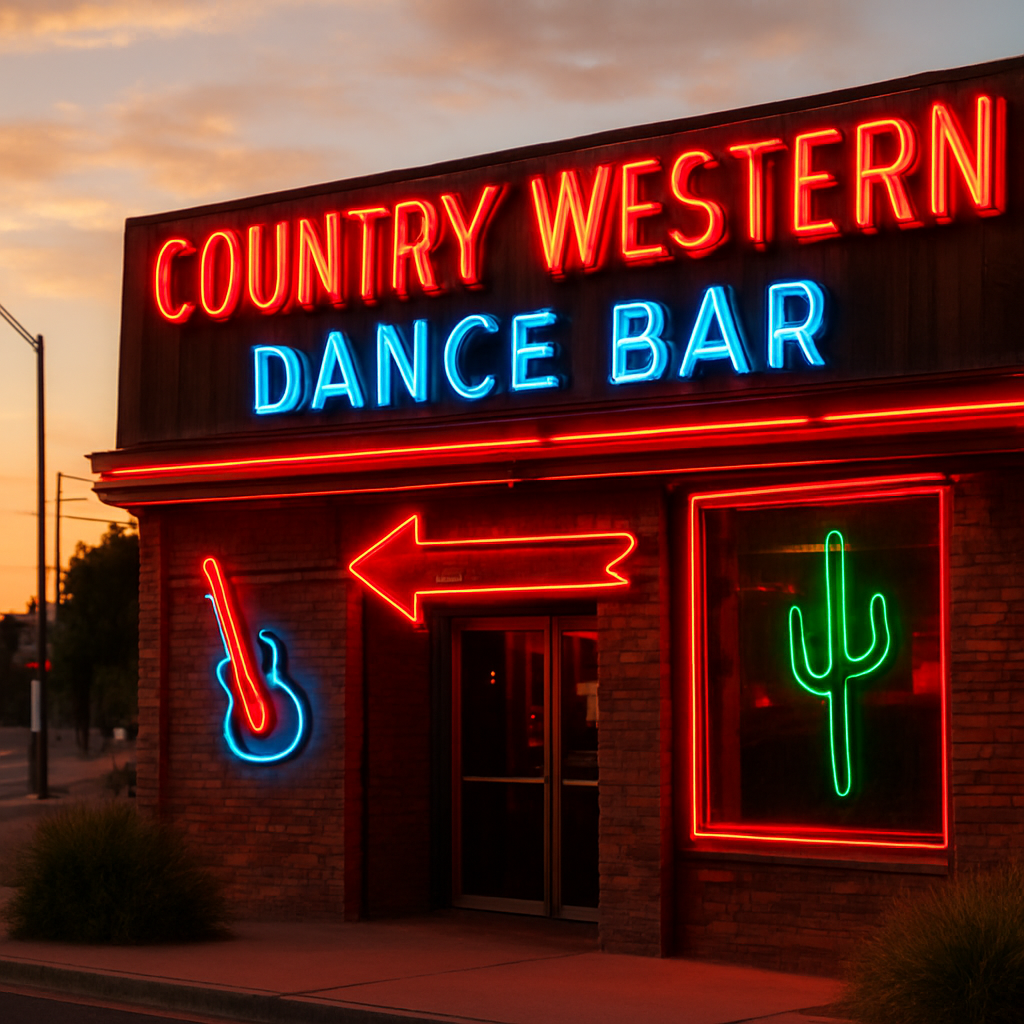
Two-Step Tuesday at Charlie's
The country line-dancing night at Charlie's Phoenix on W Camelback is the kind of thing you show up to ironically and leave having genuinely converted. The dance floor fills fast, the regulars will teach you the basic two-step in about ninety seconds, and there's something deeply joyful about a room of locals doing the Texas two-step under decades-old neon.
Get there by 9 PM if you want a lesson, later if you want to watch. No cover most nights, drinks are cheap, and the crowd is one of the most genuinely mixed in the city.
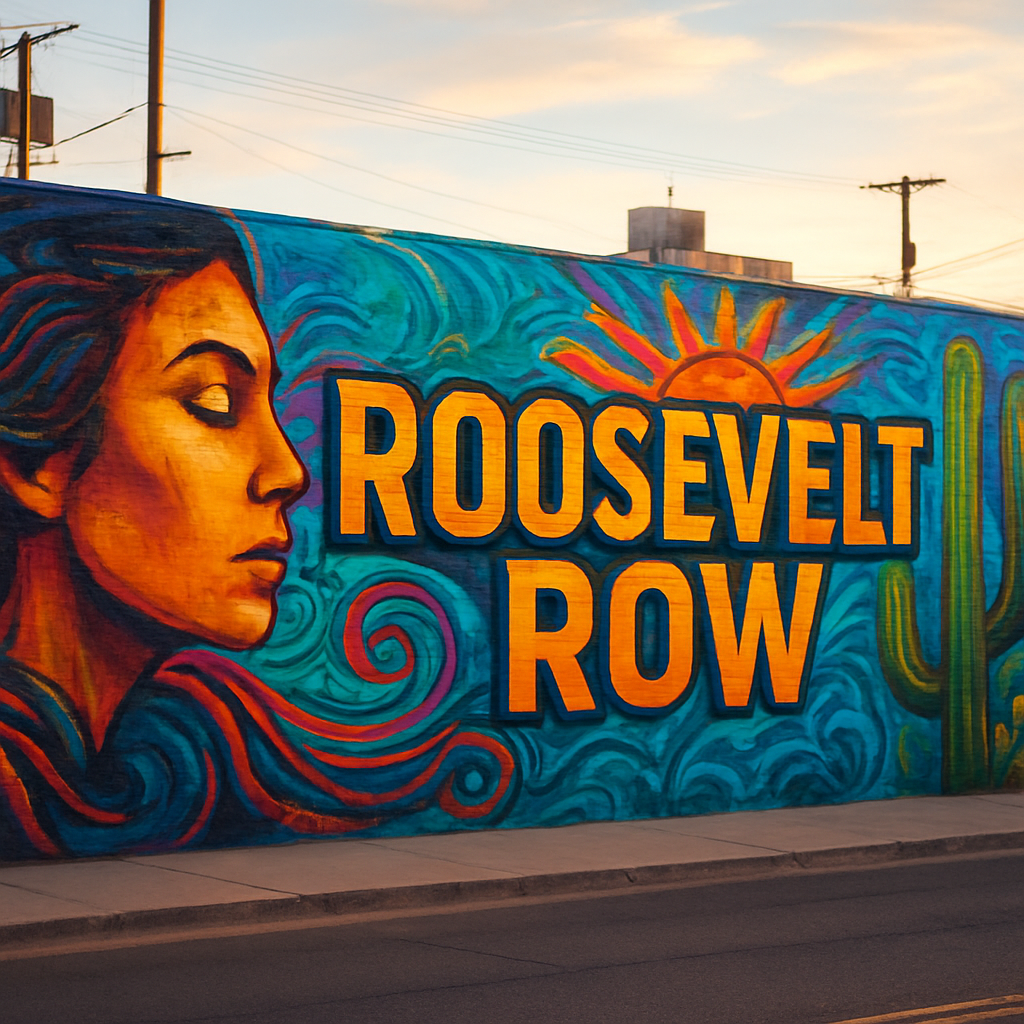
First Friday on Roosevelt Row
Once a month, Roosevelt Row closes itself off to traffic and turns into the best free night out in Phoenix. Galleries open their doors, food trucks line E Roosevelt Street, live music fills three or four corners simultaneously, and the personal style on display is a small art form in itself.
Start at the murals near 5th and Roosevelt, work east, and let the foot traffic do the navigating for you. The community shows up in numbers without anyone announcing it.
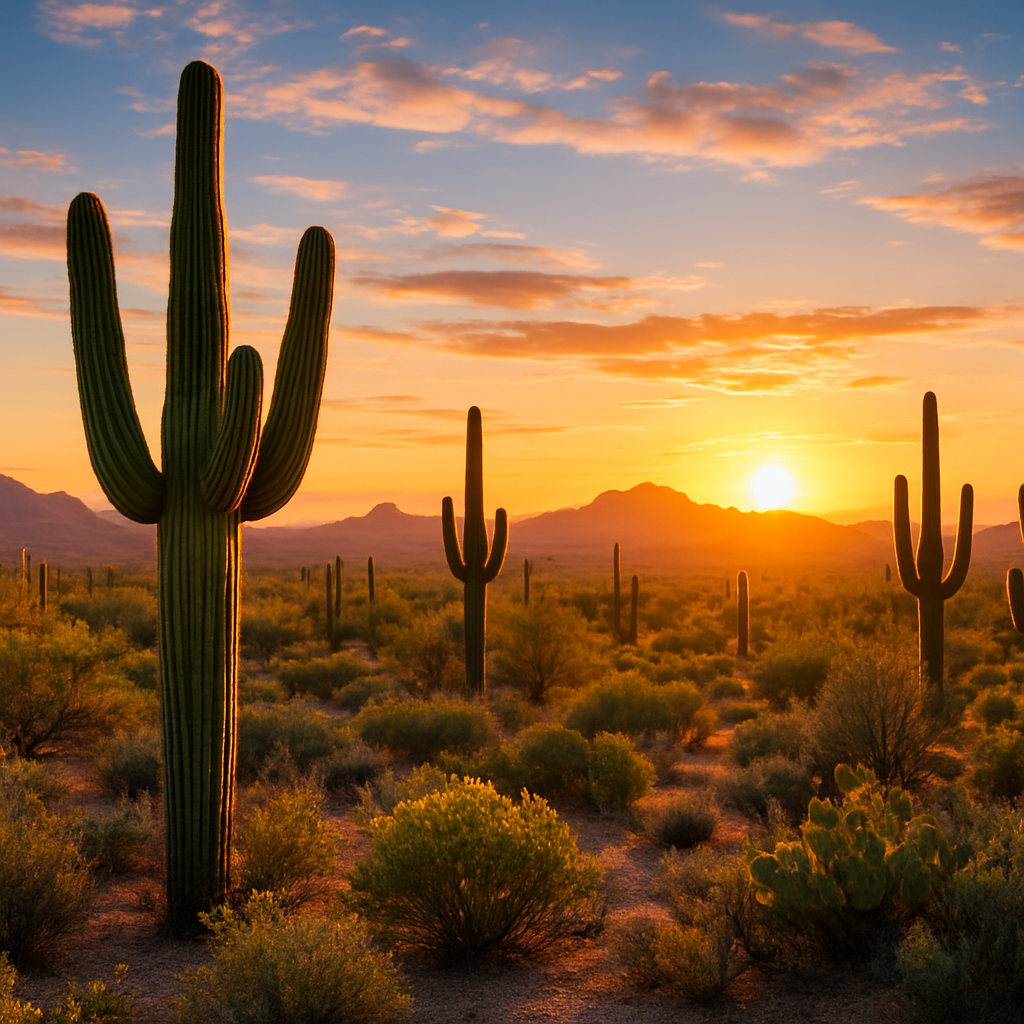
The Desert Botanical Garden
One hundred and forty acres of the Sonoran Desert, curated and cared for since 1939, sitting in Papago Park beneath the red rock outcrops that define this corner of the city. The collection runs to more than 50,000 plants, and the trails take you through saguaro stands and cactus gardens that genuinely change how you understand the desert.
Go at golden hour. Stay through dusk if you can — the lighting changes, the temperature drops, and the place reveals itself slowly. Pro tip: in summer, only visit at sunrise or after sunset.
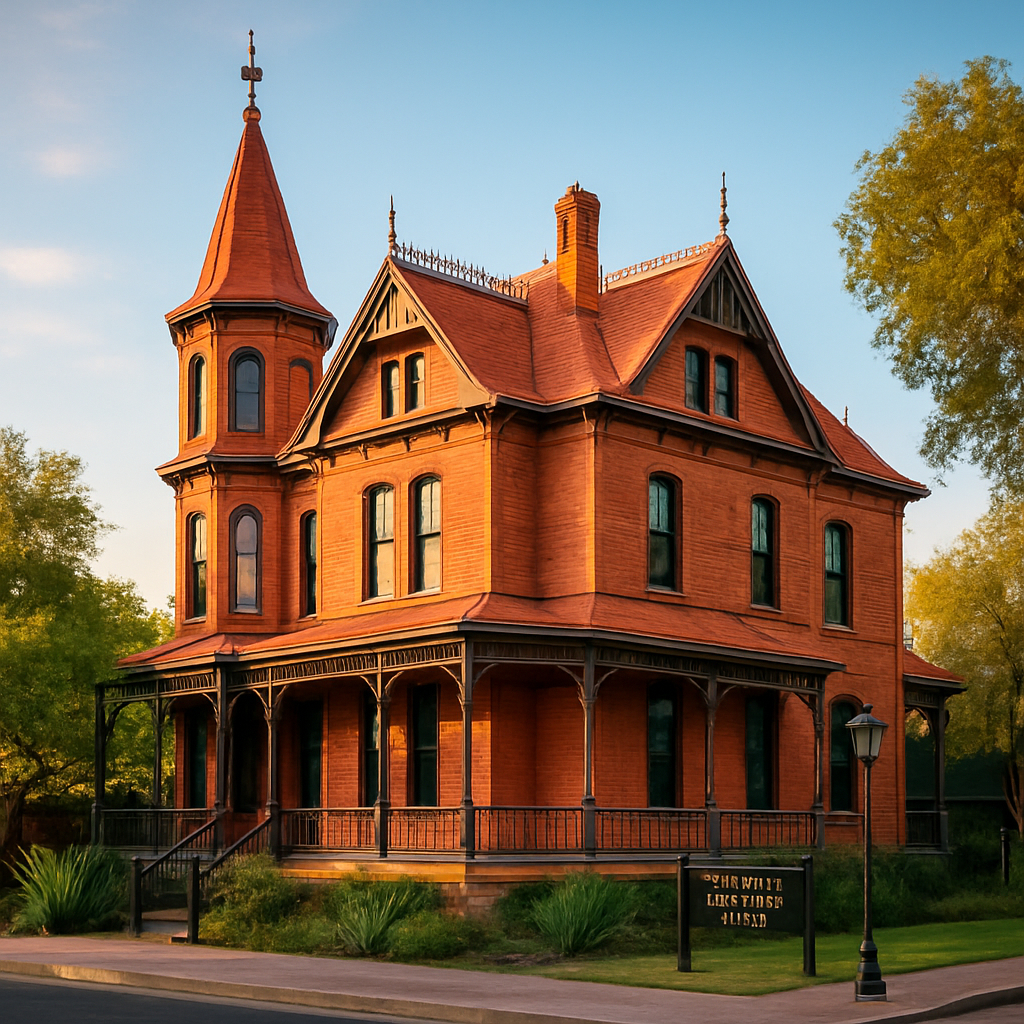
Dinner at Pizzeria Bianco
Chris Bianco won the James Beard for Outstanding Chef in 2003 and has been firing the same wood oven in the same 1920s Heritage Square building since 1994. The menu is short, the mozzarella is house-made, and national critics have repeatedly called this the best pizza in America. They're not wrong.
Reservations open thirty days out and disappear fast. If you can't get one, line up at 4:45 PM for the 5 PM walk-in opening — it's worth it.
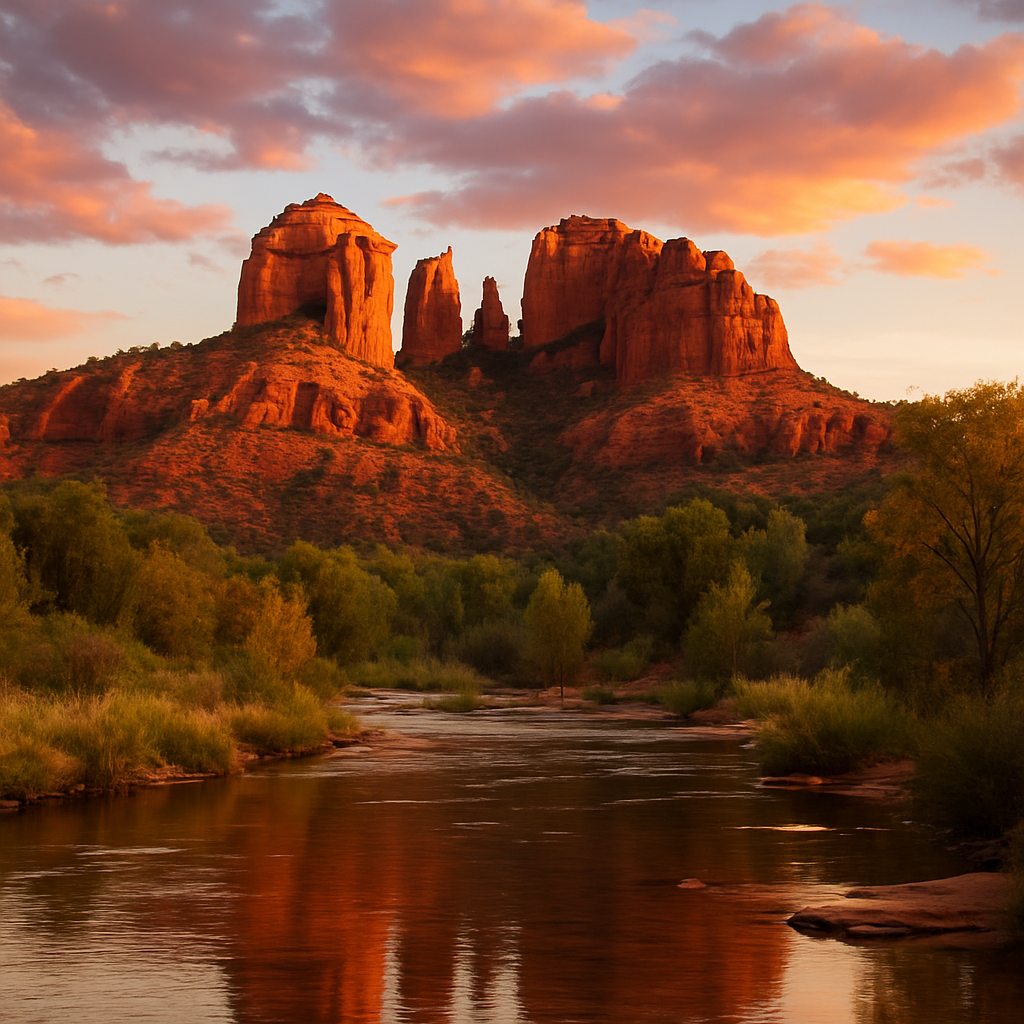
A Day in Sedona's Red Rocks
Two hours north of Phoenix and a different planet entirely. The red sandstone monoliths around Sedona — Cathedral Rock, Bell Rock, Boynton Canyon — are some of the most photographed landscapes in the American Southwest, and a full day there resets whatever the city has done to your nervous system.
Hike Cathedral Rock in the morning before the heat lands, lunch in the village, and stay through sunset on a vortex trail. Bring water — twice as much as you think you need — and a hat that actually shades your neck.
The places I actually send people to
Advice that fits how you travel
Phoenix's gay scene rewards solo travelers who know how to navigate it. The Melrose District on 7th Avenue has enough bars within walking distance of each other that a night out is essentially self-organizing — start at one end, work toward the other, let the crowd do the rest. Charlie's Phoenix and Anvil both have the regulars-first culture that makes solo arrivals feel like they've landed somewhere specific rather than somewhere anonymous. The apps run active here; it's a major metro and the scene reflects that.
Roosevelt Row's First Friday is the best free solo night out in the city, full stop. The crowd is large and easy, there's art on every wall and a food truck on every corner, and you don't need a reason to start a conversation when the street is doing the work for you. Budget runs in your favor too — the Phoenix International Hostel in the Coronado neighborhood is walkable to Roosevelt Row and a short rideshare from Melrose, and even mid-range hotels here undercut comparable options in Los Angeles or Austin. A moderate solo day runs roughly $200–$260 all in.
The thing to plan around: this is not a walking city, and solo travelers feel that more acutely than anyone else. You either rent a car or you budget deliberately for rideshare — Melrose, Roosevelt Row, and Old Town Scottsdale are not remotely connected on foot, and the 1 AM Uber back from Charlie's will cost more than you estimated. Pick a home-base neighborhood and build your itinerary outward from there rather than trying to cover the whole metro in one trip.
For same-sex couples, Phoenix's comfort level is real but follows a clear geographic logic. The Melrose District and Roosevelt Row are fully at ease — hold hands, be present, no one is paying attention. Old Town Scottsdale is comfortable for a date night but draws a more mixed suburban tourist crowd; the welcome is there, the visibility less so. The further east you travel toward the Valley suburbs, the more the ambient energy shifts — not typically hostile, but the warmth cools noticeably, and you'll feel the difference.
For a genuine couples experience, the hotel matters. Kimpton Hotel Palomar in downtown Phoenix is the IGLTA-member property with documented same-sex amenity packages and a rooftop pool — two husbands or two wives at the front desk gets exactly zero ceremony. For a romantic splurge, the Royal Palms in Arcadia is a 1920s Mediterranean estate with citrus grove grounds and T. Cook's restaurant on-site; Camelback Mountain rises behind it and the bougainvillea does the rest. Neither is inexpensive, but both earn what they charge.
The best single day a couple can have within reach of this city is the Sedona drive. Two hours north and a completely different planet: red sandstone monoliths, a documented concentration of LGBTQ+-owned inns and galleries, and an ambient calm that resets whatever the city has accumulated. Hike Cathedral Rock before the heat lands, lunch in the village, stay through sunset. Southwest travel guides consistently cite Sedona as one of Arizona's most welcoming destinations, and after a day there you'll understand why people keep coming back.
As of 2026, LGBTQ+ families are on settled legal ground in Arizona: marriage equality is federal law, same-sex adoption is fully legal without restriction, and Phoenix city itself maintains anti-discrimination protections in employment and housing. Trans parents should research the statewide political climate separately — restrictions on gender-affirming care for minors remain in place under Arizona's SB1040 and the legislative environment has continued to be contentious. For two-parent same-sex families traveling with kids, though, the legal framework is clear, and the family-travel infrastructure of the Phoenix metro is well-developed.
The Desert Botanical Garden in Papago Park is the family anchor: 140 acres of the Sonoran Desert curated since 1939, with trails built for wandering and saguaro stands that genuinely land with kids who've never seen a desert up close. Go at golden hour and bring twice the water you think you need. The Heard Museum in midtown has educational programming on Indigenous American culture that's among the most thoughtful of any institution in the Southwest — age-appropriate in the real sense, not the afterthought sense. Phoenix Art Museum and the expansive grounds of Steele Indian School Park round out a midtown family day without requiring a car in between.
Practically: you need a car, and heat is the primary planning variable for families. From June through September, outdoor activities need to happen before 9 AM or after sundown — Phoenix summers are genuinely dangerous for kids and adults alike, and there is no working around that. October through April, the city becomes one of the more comfortable family-travel destinations in the American Southwest: sunny, warm without being punishing, and full of outdoor spaces that reward showing up. Time your trip to the good months, and Phoenix delivers considerably more than its reputation tends to promise.
What Phoenix actually costs
Flights, visas, and the first 30 minutes
Phoenix Sky Harbor International Airport (PHX) sits three miles from downtown and is one of the most connected airports in the American Southwest, with approximately 100 direct routes reaching most major US hubs and select international destinations. Atlanta, Chicago, Dallas, Denver, Los Angeles, New York, and Seattle all run frequent nonstop service — flight times range from under an hour (Las Vegas) to around five hours (the East Coast). If you're trying to fly direct, you almost certainly can.
Entry requirements: US citizens — domestic travel, nothing required. As of 2026, travelers from Australia, Canada, European Union member states, and the United Kingdom typically qualify for visa-free entry under the US Visa Waiver Program, but an ESTA authorization is generally required before departure. Apply at esta.cbp.dhs.gov at least 72 hours in advance; it generally covers stays of up to 90 days. Citizens of countries outside the Visa Waiver Program should confirm current requirements with the nearest US embassy or consulate before booking.
Getting into the city: The most useful thing I can tell you about Phoenix logistics is this — rent a car. The metro spans hundreds of square miles and is not meaningfully walkable or transit-navigable beyond a narrow central corridor. The Valley Metro Light Rail connects Terminal 4 directly to downtown Phoenix for $2 in 20–25 minutes, which is genuinely excellent value if you're based downtown and planning to stay close. For anything else — the Melrose District, Old Town Scottsdale, Tempe, a day trip to Sedona — you need wheels. Rideshare (Uber/Lyft) runs $15–$25 and 15–20 minutes from designated pickup zones at all terminals; taxis run $25–$35 on the meter from any terminal stand. Rental cars start from around $40/day and are strongly recommended for anyone intending to explore the full metro or reach the day trips that make this region genuinely worthwhile.
Watch out for: Rideshare surge pricing after 1 AM on weekends. The distance from the Melrose District or Old Town Scottsdale back to your hotel looks manageable on a map and frequently is not, and Friday and Saturday nights at close will cost more than you expect. Budget accordingly or arrange a sober driver.
Traven's seasonal breakdown
The questions everyone asks
Do I really need to rent a car in Phoenix?
When does Phoenix Pride actually happen?
Is it safe for same-sex couples to hold hands in Phoenix?
What's the deal with Phoenix summers?
Are there visa requirements for visiting?
What should trans travelers know about Arizona specifically?
How much should I budget per day?
Screenshot this before you go
So should you actually go?
Should you go? Yes, with a plan. Phoenix is a real gay town with a forty-year community spine, a scene that runs deeper than first-time visitors expect, and one of the largest Prides in the Southwest — and it's also a sprawling Sunbelt metro with a hostile state legislature and summers that will hospitalize you if you ignore them. Visit October through April, rent a car, anchor in the Melrose District or downtown, and give yourself a day in Sedona or Bisbee on the way out. LGBTQ+ travelers who do all three will find a city that punches considerably above the reputation, and a community that's been quietly doing the work in the desert for decades.
Sources & Resources
Official links we reference when compiling this guide. Last verified 2026-04-29.