
Pittsburgh doesn't pitch itself. It just pours you a Yuengling, points at Butler Street, and lets the hills do the rest.
Pittsburgh is the most underrated American gay city, and it's not particularly close. While everyone's still arguing about whether to fly to Provincetown or Palm Springs, the city at the confluence of three rivers has quietly built something more interesting than either — a distributed, neighborhood-scaled queer infrastructure that runs on regulars rather than algorithms. That's the argument. The rest is evidence.
Walk Butler Street through Lawrenceville on a Thursday in September and you'll see what I mean. Brick row houses, the light going gold over the Allegheny, sourdough out of Driftwood Oven's wood-fired oven, the natural-wine list at Tina's, and the greenhouse dining room at Pusadee's Garden filling up with couples who've clearly done this before. Two blocks down, Blue Moon is gearing up for the Sunday drag show that's been holding the community together through chapters of the city's history most other gay bars wouldn't survive. There's a reason I gave the Scene a 7.5 — it's not Berlin, but it's denser and better-organized than its size suggests.
The contradiction is the geography. Pittsburgh's hills and 446 bridges mean there isn't one gay village — there's a constellation. Bloomfield for drag and the most internationally awarded restaurant in the city (Apteka, vegan Polish, NYT top fifty, run by a queer couple). Shadyside for the brunch-and-boutiques crowd and 5801's patio. East Liberty for the Ace Hotel and the dining corridor anchored by Spoon. The Strip District for Hot Mass, the after-hours queer techno party in a bathhouse basement that's genuinely one of the best dance parties in America. You can't do it all in one walk. The topography forces you to slow down, which is the point.
What earns my Traven-Dex 8.1 isn't any single venue — it's the legal floor (9.5, city ordinance since 1990) layered under a scene with actual history, real chefs, and the kind of weeknight energy you can't manufacture. Pittsburgh is more living room than club, and you'll meet more people in the back booth at P Town on a Tuesday than at most Saturday warehouse parties. Lean into it. The city rewards regulars, and three days is enough to become one.
The stuff your travel guide buries on page 47
Pittsburgh is one of the easier American cities to land in as an LGBTQ+ traveler. As of 2026, same-sex marriage is legal nationwide, second-parent adoption is recognized, and Pennsylvania's federal protections under Bostock still hold. The catch is the state itself — Pennsylvania still doesn't have an explicit statewide nondiscrimination statute covering sexual orientation or gender identity. The City of Pittsburgh does, and has since 1990, which makes the city limits feel materially different than the counties around them.
Translation: inside Pittsburgh, you're protected in housing, employment, and public accommodation. Cross into the outer suburbs or the Mon Valley and you're relying on federal precedent and the goodwill of whoever you're dealing with. For most travelers, that's a non-issue — you're not house-hunting in Westmoreland County. But it's worth knowing before you book that Airbnb 40 minutes out of town. For deeper context on local rights and resources, the Pittsburgh Equality Center is the clearinghouse.
Pride here is a story worth knowing. The old Delta Foundation event dissolved in 2019, and the community-led successor — run by SisTers PGH and the People's Pride coalition — is now a Black- and trans-led celebration anchored in Allegheny Commons Park the first weekend of June. It feels more block party than corporate parade, and that's by design.
Pro tip: Pittsburgh's bridges and hills make Google Maps lie to you constantly. A bar that looks "walkable" from your hotel may involve a 200-step staircase or a tunnel under a viaduct. Budget for Lyfts, especially if you're in heels or carrying anything heavier than a tote.
PDA in the gay-friendly neighborhoods is a non-event. Lawrenceville, Bloomfield, Shadyside, and Squirrel Hill are essentially read-as-progressive zones — hand-holding, kisses, and visible queerness on Butler Street or Walnut Street will not earn you a second look. Downtown and the Cultural District are generally fine, quieter at night on weekdays. The South Side Flats along East Carson Street gets rowdy and bar-heavy on weekends — use the same judgment you would in any nightlife district. The outer suburbs are a different conversation entirely.
What it actually feels like on the ground
Holding hands and PDA: Comfortable on Butler Street in Lawrenceville, along Liberty Avenue in Bloomfield, on Walnut Street in Shadyside, and around the university corridor in Squirrel Hill. Generally fine Downtown and in the Strip District during daylight market hours. Exercise normal awareness in the South Side Flats late at night — the rowdiness is alcohol, not orientation, but it's still rowdiness.
Hotel check-in: Every property listed in this guide handles same-sex couples without ceremony. The Kimpton, Ace, Fairmont, and Omni William Penn all have visible inclusion policies and routinely host same-sex weddings. I've never had a clerk blink.
Taxis and rideshare: Uber and Lyft are the default and work cleanly. Cabs exist but aren't worth the hassle outside the airport. A reader wrote in to flag that the 54 bus connects the South Side, Oakland, Bloomfield, and Lawrenceville in one shot — it's the unofficial queer commuter line on weekend nights, and a $2.75 fare beats surge pricing.
Walking late at night: The stretch between Lawrenceville and Bloomfield along Liberty Avenue stays lit and busy until last call — fine to walk. Avoid the unlit stretches under the Bloomfield Bridge if you can, more for the rats than anything else. South Side Flats after 1am gets noisy but not menacing; trust your read on a given block.
Trans travelers: Pittsburgh is among the most trans-supportive cities in Pennsylvania, with a city ordinance covering gender identity. UPMC and the Persad Center offer affirming care, and travelers I've spoken to say Central Outreach Wellness Center is the gold standard for affirming care in Western PA — worth knowing about even if you just need a refill while you're in town. TransYOUniting is the community-facing org if you want to plug in locally.
Sexual health and PrEP: Allies for Health + Wellbeing on Liberty Avenue does walk-in PrEP and STI screening with no appointment for travelers — and they're explicit about not requiring insurance or a Pennsylvania ID. That's a rare and useful thing to know.
Verbal harassment: Low risk in the neighborhoods listed above. The worst you'll typically encounter is a slurred comment from a stadium crowd on the North Shore on game day, which is mostly noise. Trust your gut and walk away — Pittsburgh isn't a city where strangers escalate easily.
The queer geography
Locals will gently correct you on this one: there isn't a single gay village in Pittsburgh. There's a constellation. The city's queerness is distributed, not concentrated, and the topography forces you to slow down between neighborhoods. That's a feature, not a bug.
Lawrenceville
If Pittsburgh has a creative spine, this is it. Butler Street runs for nearly two miles along the Allegheny, lined with brick row houses, independent boutiques, vintage stores, natural-wine bars, and some of the best food in the city. Walk it on a Thursday evening and you'll pass Row House Cinema, the wood-fired sourdough at Driftwood Oven, the greenhouse dining room at Pusadee's Garden, and the natural wine list at Tina's. This is also the city's most visibly LGBTQ+-owned commercial corridor — Blue Moon for drag, Cattivo for queer and lesbian nights, Spirit for dance parties in a former Moose Lodge. The lesbian and nonbinary scene basically lives at Bantha Tea Bar by day and the back patio of Spirit by night. There hasn't been a dedicated dyke bar since the '90s, but the community is very much there.
Bloomfield
Pittsburgh's Little Italy, more or less, with a queer overlay that's been building for two decades. Liberty Avenue carries the action — old-school bakeries and butchers next to Apteka (the vegan Polish restaurant the New York Times put on its top-50 list), Bitter Ends Luncheonette, and Trace Brewing, which programs drag bingo and Pride events. P Town is the longtime gay neighborhood bar — karaoke, regulars, cash preferred. For drag, Blue Moon's Sunday show is the institution. The Persad Center, the community mental health and wellness anchor, sits nearby and has served the city since 1972.
Shadyside
The polished one. Walnut Street is brunch-and-boutiques territory, leafy and walkable, with mature trees and the kind of row houses that look like a Wes Anderson set. This is the longstanding gay-friendly retail and dining corridor — more "gays with golden retrievers" than nightlife, but 5801 on the corner of Ellsworth and Negley has been a gay video lounge for decades and the patio is a summer fixture. Casbah, open since 1995, anchors the upscale Mediterranean wing of the neighborhood.
East Liberty
Five minutes east of Shadyside, the rapidly redeveloped neighborhood around the Ace Hotel and Bakery Square. Spoon, the contemporary American restaurant that's been a James Beard semifinalist multiple times, anchors a dining corridor that runs into Friendship and Garfield. The Ace Hotel is the queer-coded landing pad here — design-forward, Pride programming, and a former YMCA gymnasium turned event space. Locals will tell you East Liberty is also a flashpoint in conversations about gentrification, which is true and worth holding in your head as you order the $18 cocktail.
Mexican War Streets / North Side
Cross the Roberto Clemente Bridge — the unofficial Pride parade route — and you're in the historic Mexican War Streets, a small grid of 1860s row houses and tree-canopied alleys. Randyland, the free folk-art courtyard created by openly gay artist Randy Gilson in 1995, is one of the most photographed spots in the city. The Mattress Factory contemporary art museum is around the corner. Walk a few blocks east and you're at the Andy Warhol Museum — seven floors devoted to the most famous queer Pittsburgher who ever lived. City of Asylum at Alphabet City, the nonprofit housing exiled writers, hosts free poetry readings most months and punches well above its weight.
Strip District
Daytime, the Strip is markets — produce, fish, Italian delis, Polish butchers along Penn Avenue, plus the original Pamela's Diner doing the crepe-style hotcakes Obama liked enough to invite them to the White House. Dianoia's and Gaucho are the dinner anchors. At night, it transforms — Real Luck Cafe (everyone calls it Lucky's) is one of the oldest continuously running gay bars in town, and Hot Mass, the after-hours queer techno party in the basement of a bathhouse, runs Saturday nights into Sunday morning. Cash only, no phones on the dance floor, and easily the best dancing in the city. For broader community resources and event programming, Pittsburgh Equality Center is the place to start.
The experiences worth rearranging your itinerary for
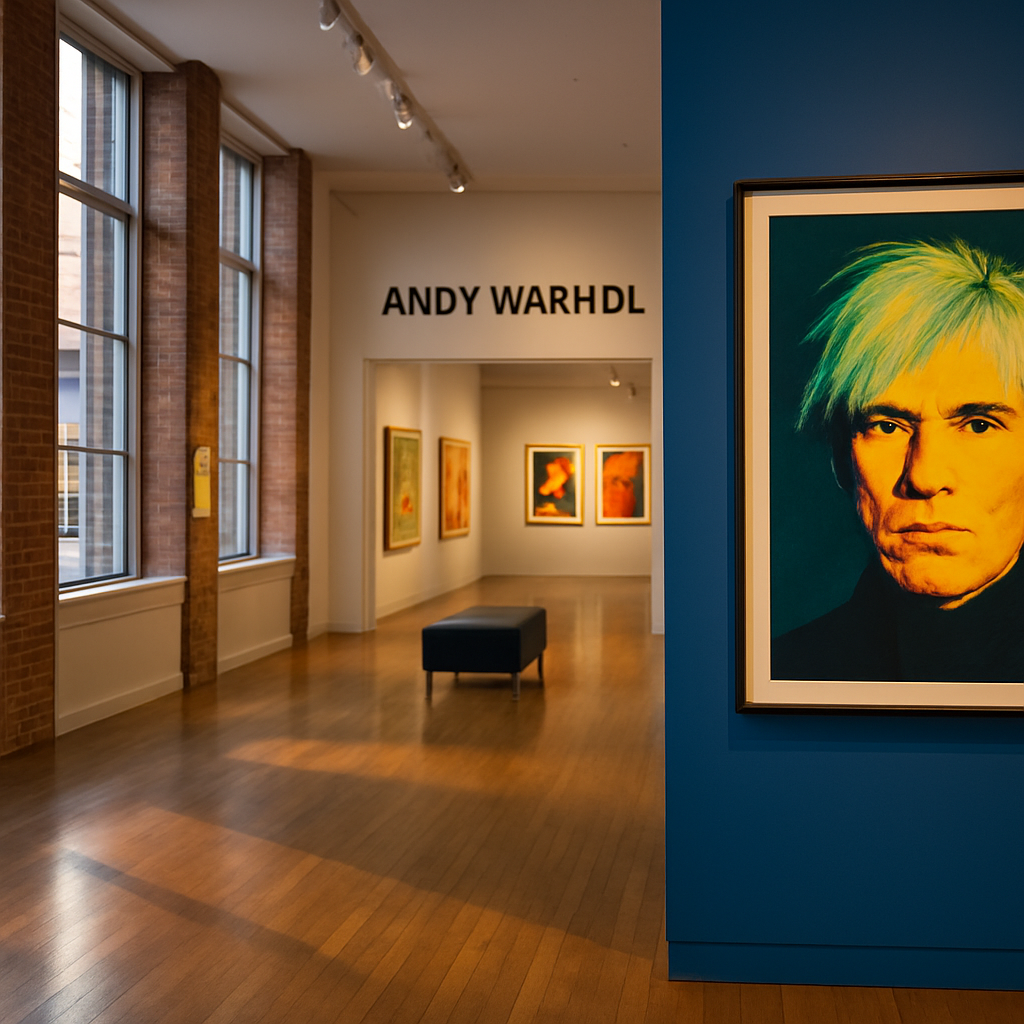
Seven Floors of Warhol on the North Shore
The Andy Warhol Museum opened in 1994 and remains the largest single-artist museum in North America — seven floors of paintings, films, and the famous Time Capsules in a former industrial building on the North Shore. The silver clouds room is the photograph everyone takes; the Time Capsules are what you'll still be thinking about a week later. Good Fridays, once a month, means free admission and a cash bar — go then if you can time it.
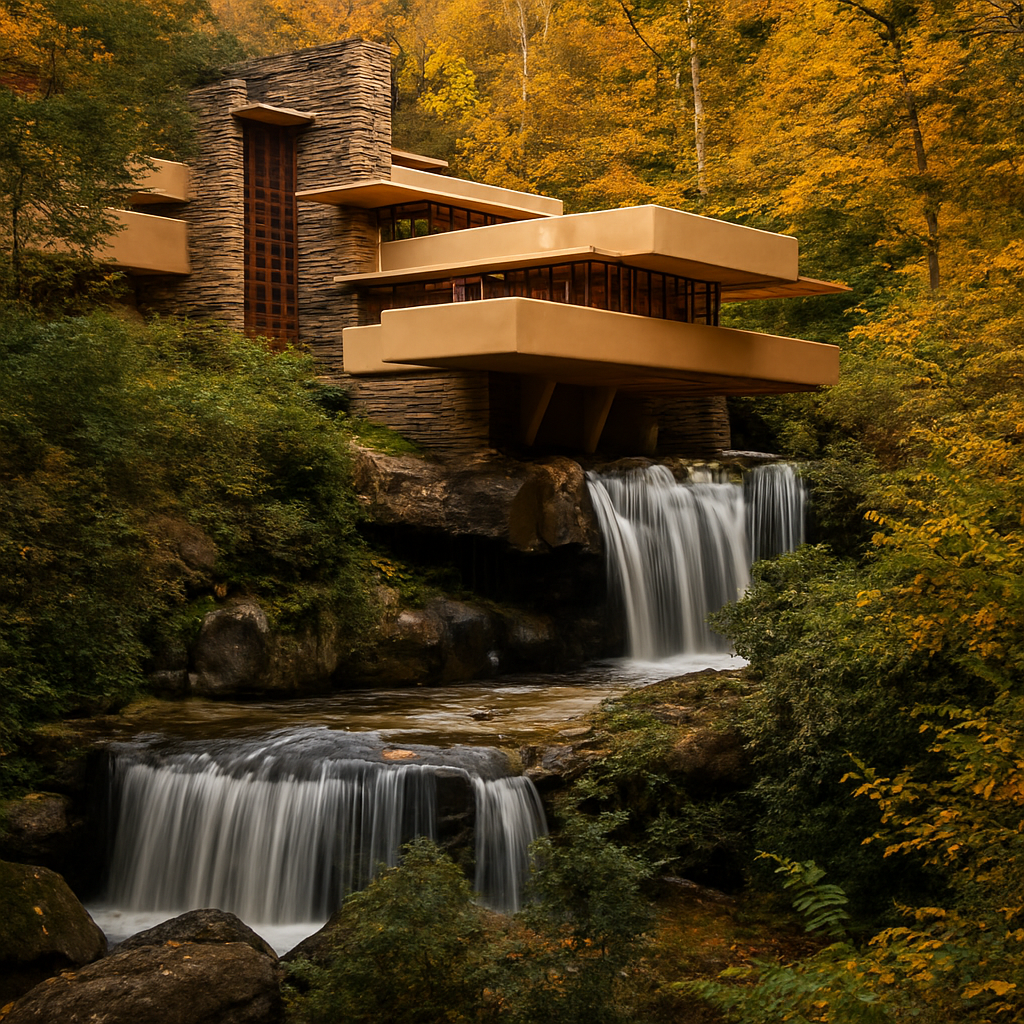
Frank Lloyd Wright's Fallingwater
Ninety minutes southeast of the city, Wright's 1935 cantilevered house sits directly over a waterfall on Bear Run — UNESCO-designated in 2019 and arguably the most photographed private home in America. The tour walks you through rooms that still feel ahead of their time and ends on the rock terrace looking back up at the falls. Book weeks ahead, wear shoes you can walk in, and pair it with Kentuck Knob for the full Wright day.
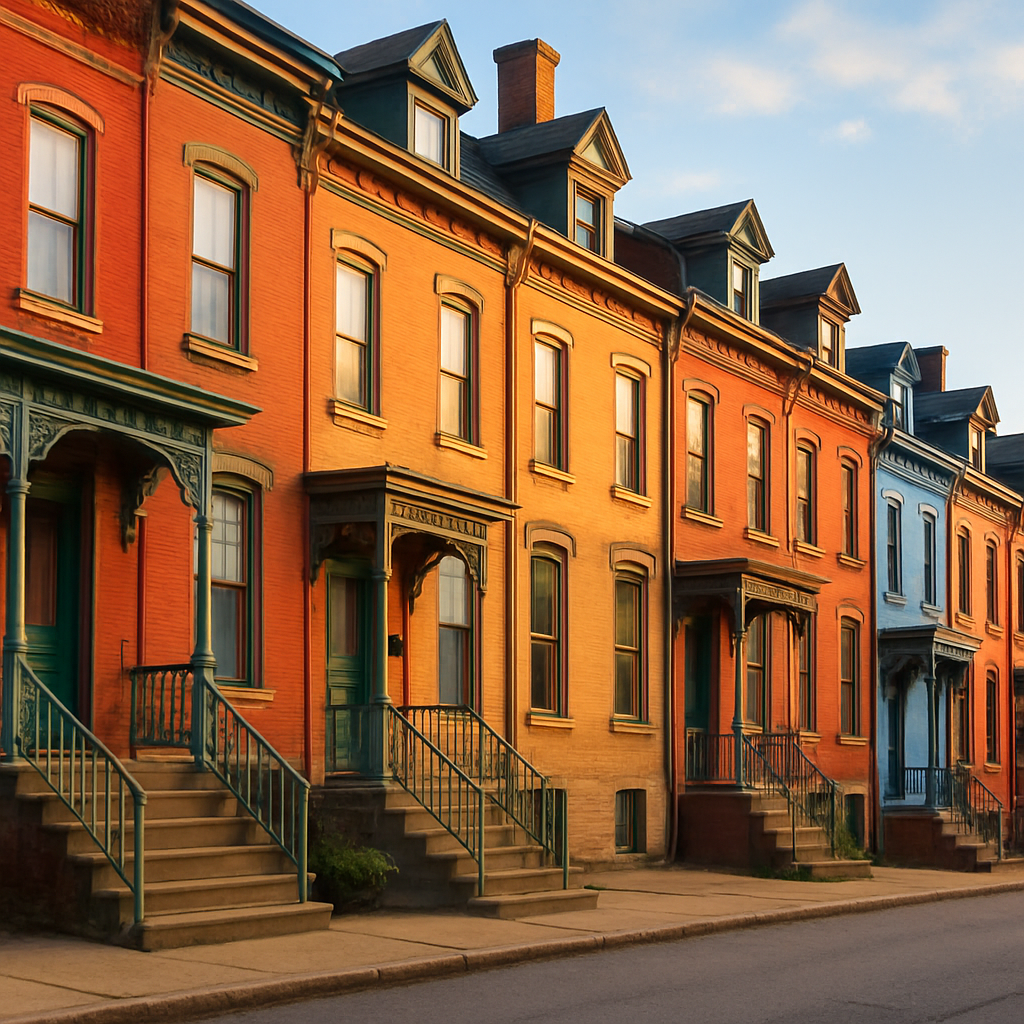
A Long Walk Down Butler Street
Butler Street runs nearly two miles along the Allegheny through Lawrenceville — brick row houses, independent boutiques, vintage stores, natural wine bars, and some of the best food in the city. Start at the bottom of the hill in the afternoon and work your way up, hitting Driftwood Oven for a slice, Tina's for a glass, and Pusadee's greenhouse room for dinner. By the time you reach Upper Lawrenceville the light has gone gold and the patios are full.
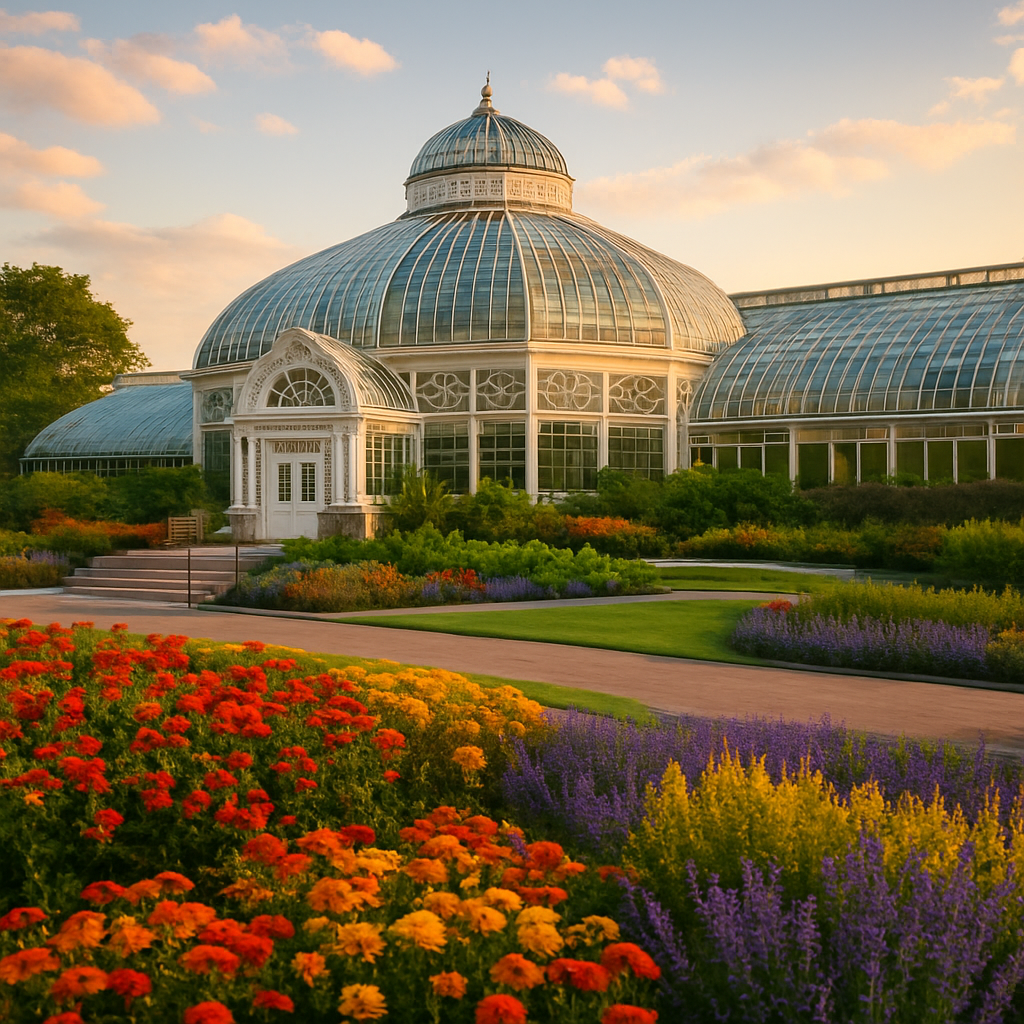
Phipps Conservatory's Victorian Glasshouse
Phipps opened in 1893 in Schenley Park and is somehow now one of the greenest buildings on the planet — multiple LEED Platinum and Living Building Challenge certifications layered onto Victorian glass-and-iron. Fourteen display gardens across 23 distinct areas, seasonal flower shows that genuinely change the whole experience month to month, and a glass dome that does something to the light you can't quite explain. An hour minimum; longer if you're going to slow down.
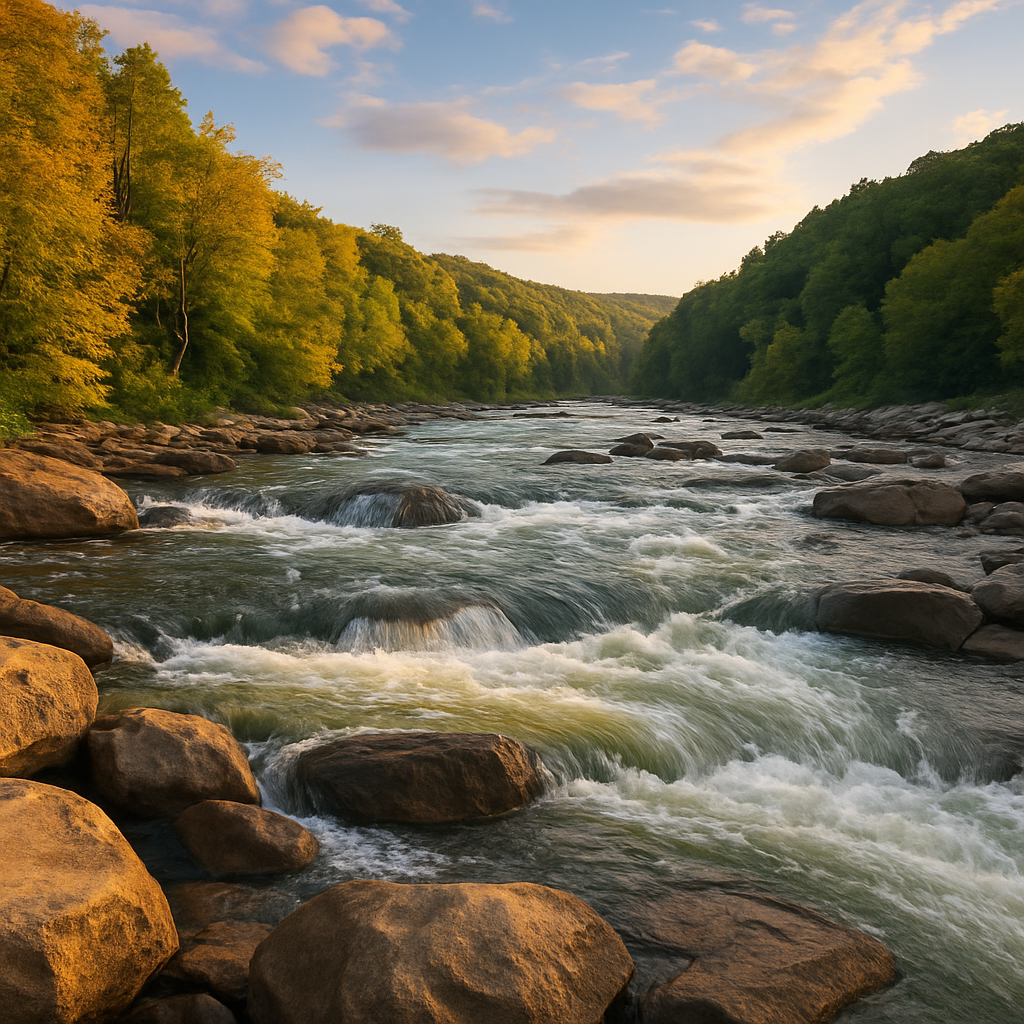
Ohiopyle and the Youghiogheny Gorge
Seventy-five miles southeast of Pittsburgh, Ohiopyle State Park spreads across 20,000-plus acres along the Youghiogheny River Gorge, with whitewater rafting in summer, hiking year-round, and a direct connection to the Great Allegheny Passage cycling trail. You can rent bikes and ride a flat stretch to a covered bridge in a single morning, or push harder on the rapids if you're feeling ambitious. Pair it with Fallingwater for the most efficient day trip in the Laurel Highlands.
The places I actually send people to
Advice that fits how you travel
Pittsburgh is one of the easiest American cities to land in solo as a gay man. The scene runs on regulars — meaning if you show up at P Town on a Tuesday or Blue Moon on a Sunday and talk to whoever's next to you at the bar, you'll have a friend by last call. This isn't a city where people grab their drink and retreat to a corner. The barstool is the social infrastructure, and the bartenders remember faces.
The apps work here, but lean on them less than you would in a denser city. Pittsburgh is small enough that Grindr will start showing you the same dozen people by your third day — and most of them will tell you to just come to Lawrenceville. Base yourself in East Liberty (the Ace) or Downtown (Kimpton) and you're a $10 Lyft from every gay bar in town. Approximately $200–300/day covers a comfortable moderate solo budget, which is genuinely affordable for a US city with this much going on.
Pro tip: the 54 bus is the unofficial queer commuter line on weekend nights — it connects the South Side, Oakland, Bloomfield, and Lawrenceville in one $2.75 shot. Use it. And bring cash. Several of the older gay bars still prefer it, and Blue Moon's ATM has eaten enough debit cards to fill a museum.
Pittsburgh handles same-sex couples like the non-event it should be. PDA in Lawrenceville, Bloomfield, Shadyside, and Squirrel Hill is read-as-progressive in practice — hand-holding on Butler Street or Walnut Street will not earn a second look. Every hotel I've listed in this guide has hosted same-sex weddings; the Kimpton, Omni William Penn, and Fairmont do it constantly. As of 2026, marriage is legal nationwide and the city has had a non-discrimination ordinance since 1990, so the legal floor is solid inside city limits.
For a romantic night, the move is the greenhouse dining room at Pusadee's Garden in Upper Lawrenceville — it's one of the prettiest rooms in the city and the light at dusk does most of the work. Follow it with a glass at Tina's on Butler Street and you've had a near-perfect evening. For something grander, dinner at Morcilla at the bar, then a nightcap on the Kimpton's rooftop Biergarten in summer. The Inn on the Mexican War Streets is the queer-owned boutique pick if you want personal-scale warmth over corporate polish.
The whole city is built for slow walks across bridges, so plan around them. Cross the Roberto Clemente Bridge at golden hour, hit the Warhol on a Good Friday for free admission and a cash bar, and end up at Randyland the next afternoon — a free public folk-art courtyard built by an openly gay artist who's usually still there to chat. Approximately $320–460/day covers a comfortable moderate couples budget, and a luxury weekend at the Fairmont with full meals out runs closer to $700–1,100/day.
LGBTQ+ families are fully recognized here. Same-sex marriage and second-parent adoption are legal as of 2026, and Pittsburgh's city ordinance covers gender identity and sexual orientation — meaning schools, hotels, and public accommodations inside city limits are protected. UPMC's pediatric services are generally regarded as among the most affirming in Western Pennsylvania, and Persad Center works directly with LGBTQ+ families. Strollers handle the sidewalks fine in Squirrel Hill, Shadyside, and Oakland; Lawrenceville's brick sidewalks are bumpier but manageable.
The kid-friendly anchors are easy. The Andy Warhol Museum on the North Shore has approachable programming for older kids, and the Carnegie complex in Oakland houses both the Museum of Art and the Museum of Natural History under essentially one roof — the dinosaur hall alone covers a rainy morning. Phipps Conservatory is a Victorian glasshouse with 14 display gardens and seasonal shows that genuinely change month to month; kids stay engaged longer than you'd expect. The Strip District market on a Saturday morning is a sensory parade — pierogi vendors, fishmongers, the original Pamela's Diner doing the crepe-style hotcakes that earned them a White House invitation.
For a moderate family budget, plan on approximately $450–650/day with a family suite, kid-friendly restaurants, and admissions. Pittsburgh is affordable in a way that surprises coastal families — the same daily spend in Brooklyn or DC buys you noticeably less. The one logistical heads-up: the hills and bridges mean Google Maps will lie to you about walking distances. Budget for Lyfts when you've got a tired kid, and lean on the 28X Airport Flyer bus ($2.75) to and from PIT — it's clean, frequent, and drops you in the neighborhoods you actually want to be in.
What Pittsburgh actually costs
Flights, visas, and the first 30 minutes
Airport: Pittsburgh International Airport (PIT) sits about 20 miles northwest of Downtown in Findlay Township. It's a former US Airways hub that's been quietly rebuilding into a regional player, with approximately 60 nonstop destinations and a new terminal slated to open later in 2026.
Direct routes: Most major US hubs are nonstop — New York (LGA/JFK/EWR) in about 90 minutes, Chicago in 90, Atlanta in 2 hours, Dallas in 3, Los Angeles in 5. International direct service is limited but typically includes seasonal flights to London-Heathrow on British Airways and year-round service to Toronto and Cancún.
Visas (as of 2026): US citizens travel domestically without restriction. Canadian citizens generally don't need a visa for stays up to 6 months. UK, EU, and Australian travelers typically need an ESTA under the Visa Waiver Program, valid for stays up to 90 days — apply online before you fly. Rules change; check the State Department site within 30 days of travel.
Airport to city: Uber and Lyft run approximately $30–45 and take 25–35 minutes, with surge pricing during peak hours. A taxi runs $45–55 with flat-rate zones available; tip 15–20%. The 28X Airport Flyer bus is the budget move — $2.75 to Downtown or Oakland, every 30 minutes, 45–60 minutes door-to-door depending on traffic. Rental cars run $40–80/day on-site and are worth it if you're planning day trips to Fallingwater or Ohiopyle.
Pro tip: The 28X is genuinely useful — it's clean, runs frequently, and drops you in two of the neighborhoods you'll actually want to be in. If you're traveling light and not in a hurry, skip the rideshare.
Traven's seasonal breakdown
The questions everyone asks
Is Pittsburgh actually gay-friendly, or is that just marketing?
Where should I stay for the best access to the scene?
Do I need a car?
When is Pride?
Is it safe to hold hands?
How much should I budget per day?
Where's the best drag in the city?
Screenshot this before you go
So should you actually go?
Go. Pittsburgh is one of the most affordable, most legally protected, most culturally alive cities in the country for LGBTQ+ travelers, and almost nobody outside the Midwest seems to know it. The scene is small but real, the food punches several weight classes above the city's reputation, and the queer history runs from Warhol to Randyland to a Black- and trans-led Pride that feels like a block party because it is one. Base yourself in East Liberty or Lawrenceville, give it three nights minimum, and bring cash. You'll come home recommending it to everyone — and a year later you'll be the one telling the next traveler that yes, actually, Picksburgh.
Sources & Resources
Official links we reference when compiling this guide. Last verified 2026-05-12.