Portland is the only city I know where the drag bar has been open since 1967 and the donut shop is run by queer vegans — and both of those things make perfect, unironic sense.
You'll smell Portland before you understand it. Wet pavement, roasting coffee, something herbal drifting out of someone's jacket — and underneath all of that, Douglas fir from the massive forest that just... sits there at the edge of town like it's waiting for the city to finish what it's doing. The first thing you notice walking SW Stark at 10pm is how casually the queer scene occupies space here. There's no performance to it. CC Slaughters has had its doors open since 1983. Darcelle XV Showplace on NW 3rd has been running drag since 1967 — and on a Friday night the crowd is this gorgeous collision of gay elders, curious twentysomethings, and bachelorette parties who wandered in and never left. That's not a scene trying to prove something. That's an institution.
What surprised me about Portland — and what my Traven-Dex of 8.7 doesn't fully capture — is how decentralized the queer life actually is. If you're used to cities with one obvious gay village, you'll need to recalibrate. Old Town has the nightlife corridor. SE Hawthorne and Division have the daytime energy, the bookstores, the restaurants where you'll linger three hours without meaning to. NE Mississippi has the Q Center and the community infrastructure. N Lombard has The Eagle for the leather and bear crowd who actually mean it. Plant yourself on NW 3rd and call it done? You've seen maybe a third of what this city is.
Portlanders will simultaneously insist their city is the most progressive in America and complain bitterly about how much it's changed. Both are true. The queer community here has institutional memory that runs deep — ask any regular at Scandals about the neighborhood in 1995 and clear your schedule, because you're about to hear a story worth hearing. That bar has been on SW Stark since 1980, and it doesn't try too hard, which is exactly why it works. I gave Portland a 9.2 on Chill because there's a difference between a city that tolerates you and a city that genuinely doesn't register your queerness as information worth processing. Portland is the second one.
And the food — god, the food. This city runs on food carts, independent coffee, and the sincere belief that any meal can be improved with locally foraged something. Division Street is the restaurant corridor that earns its reputation plate by plate. The brunch at Tasty n Daughters on NW 21st will ruin you for brunch in other cities. And at 2am, you'll end up at The Roxy on SW Stark — the 24-hour diner where the people-watching from a corner booth is a Portland institution unto itself. This is a city built by people with very strong opinions about very specific things, and honey, I respect that enormously.
The stuff your travel guide buries on page 47
The legal picture: Oregon has full marriage equality, full adoption rights for same-sex couples, and comprehensive anti-discrimination protections covering employment, housing, and public accommodations based on sexual orientation and gender identity. My Legal score is a perfect 10.0 — there's nothing missing here. Gender identity law operates on self-ID, meaning you can change your gender marker on Oregon state IDs without surgical requirements or court orders. Oregon was also one of the first states to offer a non-binary gender marker option on state identification.
Trans protections specifically: Oregon offers some of the strongest trans legal protections in the country, including access to gender-affirming care and insurance coverage requirements. The TransActive Gender Center and the Cascade AIDS Project provide real, established infrastructure. Portland's culture is broadly affirming with many trans-owned and trans-friendly businesses throughout the city.
Cultural reality on the ground: Portland practices what it legislates. This is a city where pronouns on name badges are standard, where "houseless" replaces "homeless" in queer community spaces, and where the Basic Rights Oregon office is an active, visible part of the civic landscape. The progressive politics are genuine and deeply held — though worth noting that Oregon's statewide political landscape is more mixed than Portland's bubble suggests, and there are active legislative battles at the state level.
PDA comfort: On SW Stark and the Old Town corridor, same-sex couples holding hands or kissing are entirely unremarkable. The Pearl District, downtown, Alberta Arts District, Mississippi Avenue, Hawthorne, and Division Street all rate high for visible queer comfort. The outer East Portland neighborhoods are more working-class and residential — generally tolerant but less visibly queer, so exercise basic situational awareness at night. But within the urban core, you can exhale fully.
Pro tip: The MAX Yellow Line stops at Mississippi/Albina and puts you practically at the Q Center's front door — 12 minutes from Old Town, car-free. Portland Pride fills the Park Blocks in June and is enormous, but longtime queer Portlanders will quietly steer you toward Q Center's year-round programming for something that feels more like actual community and less like a corporate festival. Also: bring layers. Always. Portland's weather can swing from sunny and 65 to drizzling and 45 between your first cocktail and your third, and bar-hopping on the Old Town strip involves outdoor walking between venues.
What it actually feels like on the ground
Holding hands: Comfortable citywide in the urban core. On SW Stark, in the Pearl District, on Hawthorne, Division, Alberta, Mississippi — nobody cares, and I mean that literally. Outer East Portland is fine but less visibly queer, so adjust your antennae if that matters to you. In practice, anti-queer street harassment in Portland's core neighborhoods is genuinely rare.
Hotel check-in: Zero issues anywhere in the city. Portland hotels have been welcoming same-sex couples as a matter of course for years. Boutique properties and downtown hotels handle it without a blink. Budget motels on the outskirts — fine, though the front desk might just be less polished generally.
Taxis and rideshares: Uber and Lyft drivers in Portland are overwhelmingly fine — this is one of the most progressive cities in the country and the driver pool reflects that. No issues with two men or two women sharing a backseat or with visible gender nonconformity. Standard rideshare safety practices apply late at night.
Old Town at night: The bar corridor along NW 3rd and SW Stark is safe and well-trafficked between venues. The surrounding blocks — particularly toward Chinatown — can get rougher after midnight. Stick to the lit main strips, walk in groups if you're moving between bars late, and keep your phone awareness up. It's not dangerous so much as it requires the kind of basic urban awareness you'd use anywhere.
SE Portland (Hawthorne, Division, Belmont): Safe and inclusive day and night. Anti-queer incidents here are genuinely rare and the neighborhood culture is visibly, organically progressive. This is where you go for a relaxed Sunday brunch with zero social antenna needed.
Trans travelers: Portland is one of the better cities in the US for trans travelers, period. Businesses are broadly informed, pronouns are commonly asked, and the community infrastructure is real. If you need trans-competent healthcare, Cascade AIDS Project and OHSU's LGBTQ+ health programs are the institutions to know — bookmark them before your trip rather than Googling from a hotel room at 11pm. Outside In provides youth-specific services.
Verbal harassment risk: Low in the urban core. Occasional incidents happen as they do in any American city, but Portland's queer community reports feeling safer here than in most comparable US metros. The main concern is general urban safety in certain blocks of Old Town late at night, not targeted anti-LGBTQ+ hostility.
Protests and demonstrations: Portland has an active protest culture and demonstrations occasionally occur downtown. These are very rarely directed at the LGBTQ+ community — usually political in nature — but check local news if you see a heavy police presence and route around if needed.
The queer geography
Old Town / The Queer Quarter (SW Stark & NW 3rd)
This is where the nightlife lives. The stretch of SW Stark Street between 2nd and 3rd Avenues is Portland's de facto gay bar strip — CC Slaughters, Crush Bar, Scandals, Silverado, and Darcelle XV Showplace are all within stumbling distance of each other. The history here is real: Darcelle's has been running drag shows since 1967, and Scandals has been pouring drinks since 1980. It's the kind of corridor where you start at one end and let the night pull you to the other. The Roxy — the 24-hour diner at the end of the strip — is where it all ends at 2am, which is a tradition I strongly endorse. The surrounding Old Town/Chinatown blocks have a rougher edge, particularly late at night, but the bar corridor itself is well-trafficked and well-lit.
SE Portland — Hawthorne, Division & Belmont
SE Hawthorne Boulevard is the queer-friendly bohemian corridor that Portland built its reputation on — vintage shops, cafés, bookstores, and a vibe that skews leftist-artsy where nobody looks twice at anyone. Division Street has become the city's most celebrated food corridor and is increasingly queer-friendly, with a concentration of inclusive restaurants that make it the best date-night strip in the city. Holocene on SE Morrison hosts recurring queer dance nights — check their calendar specifically for nights like Chances Dances, which draws a younger, gender-expansive crowd and a dress code that is enthusiastically experimental. This is where Portland's daytime queer life thrives.
NE Portland — Alberta Arts District & Mississippi Avenue
Alberta Street hosts Last Thursday art walks and a dense queer-friendly small-business scene. It's more gentrified than it once was but still creatively alive. Mississippi Avenue anchors the Q Center — Portland's LGBTQ+ community hub — along with a walkable strip of queer-owned and queer-welcoming shops, coffee spots, and restaurants. The MAX Yellow Line makes getting here from downtown completely painless.
N Lombard — The Eagle
The Eagle Portland on N Lombard is the leather and bear bar for people who actually mean it — unpretentious, older crowd, strong pours, zero pretension. It's north of downtown in an industrial-ish neighborhood, so grab a rideshare; it's not walkable from Old Town, but it's where you go when you know what you're looking for.
The Pearl District
The Pearl just north of downtown is gay-friendly but less specifically queer-coded than Old Town or SE Portland — more likely to run into allies than regulars. That said, Powell's Books sits at its edge on W Burnside with a legitimately substantial LGBTQ+ section in the Rose Room and regular queer author events. It's where you'll spend money on books you didn't plan to buy and feel good about every one of them.
The experiences worth rearranging your itinerary for
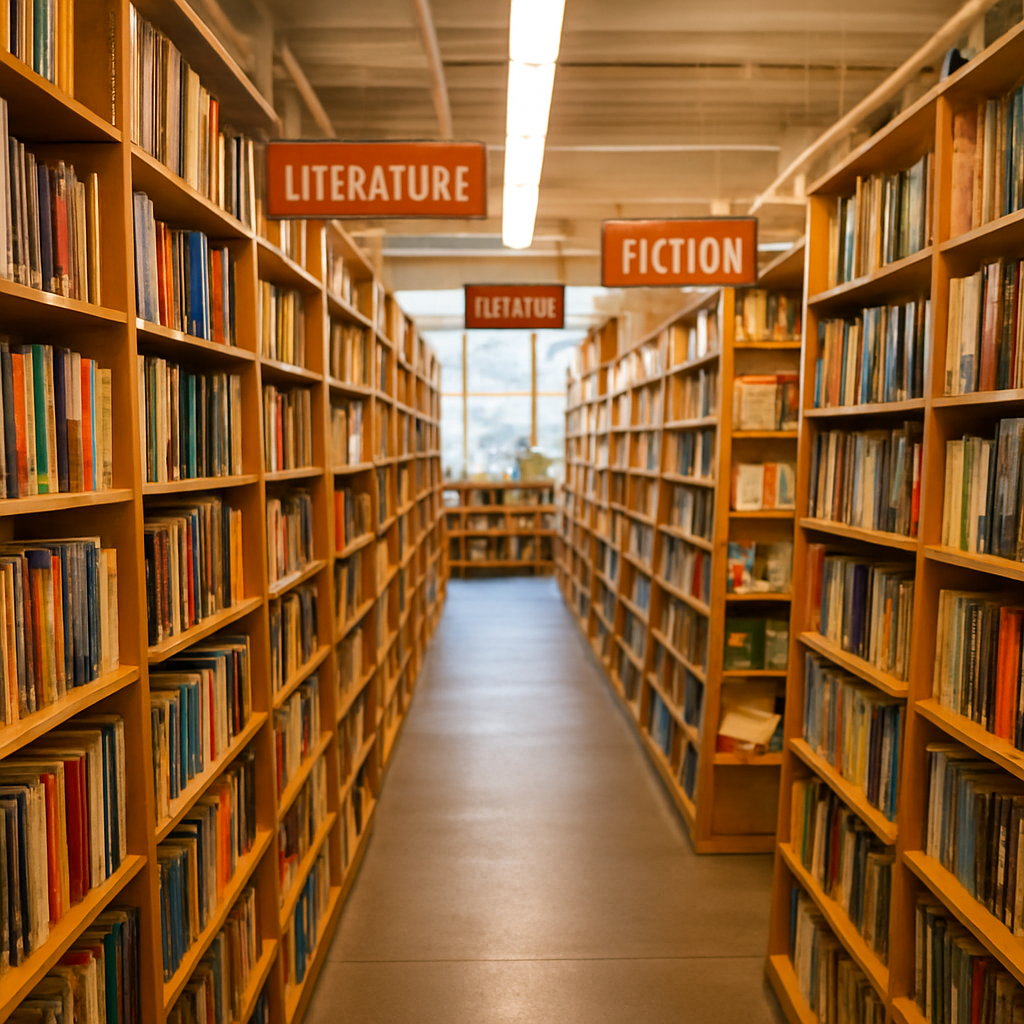
Powell's City of Books
An entire city block of books — over a million titles across color-coded rooms that you will get lost in, and that's the point. The Rose Room has a LGBTQ+ literature section that's genuinely substantial, and the author events calendar is worth checking before your trip. Come in with a list, leave with seventeen things you didn't plan on buying, and lose at least two hours you thought you'd spend somewhere else. This is Portland's secular cathedral, and the worship is real.
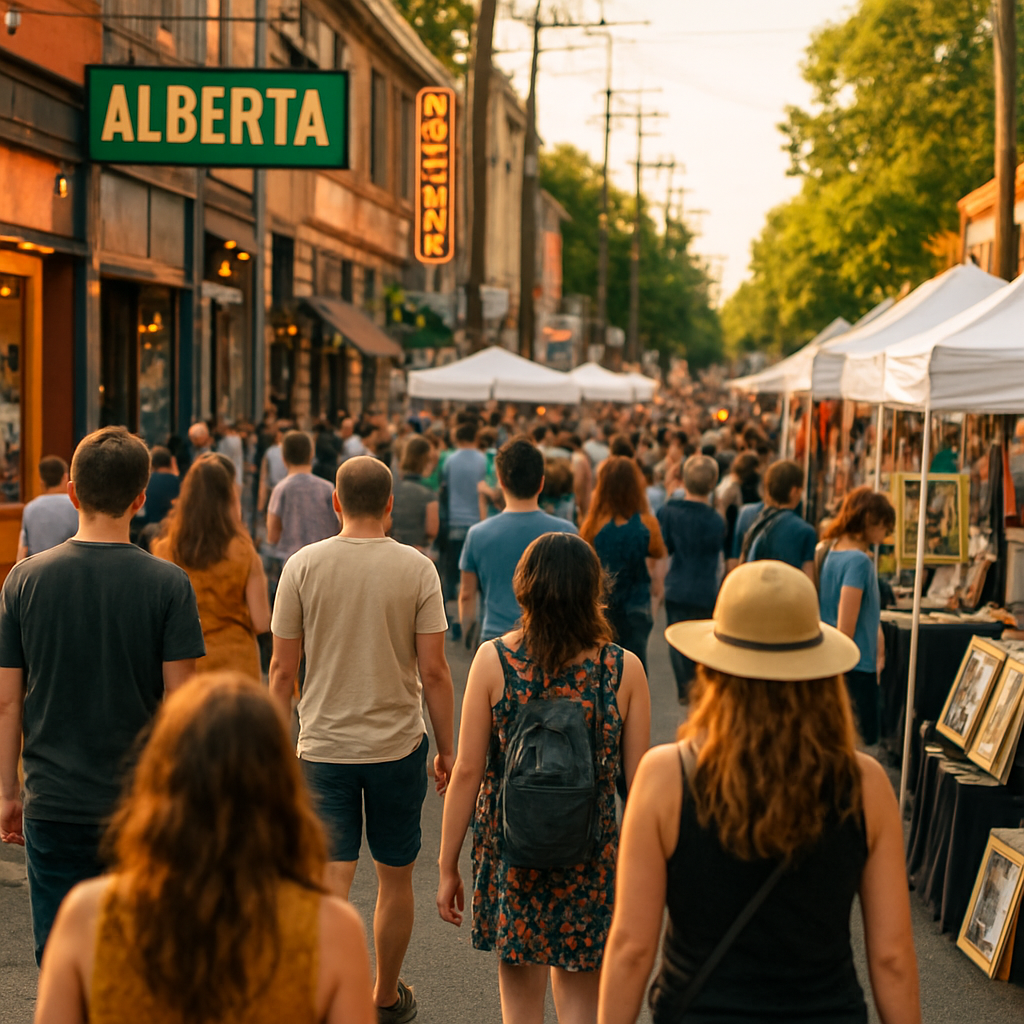
Last Thursday on Alberta Street
On the last Thursday of every month, NE Alberta Street fills with street performers, local artists, food carts, and a crowd that is specifically, irreducibly Portland. Go in July when the street fills completely and the energy is electric — this isn't called a queer event, but the crowd is visibly and joyfully so, and the atmosphere is the kind of low-pressure, high-atmosphere evening that doesn't have an agenda. That's exactly why it works. It's free, it's outdoors, and it's one of Portland's best community gatherings.
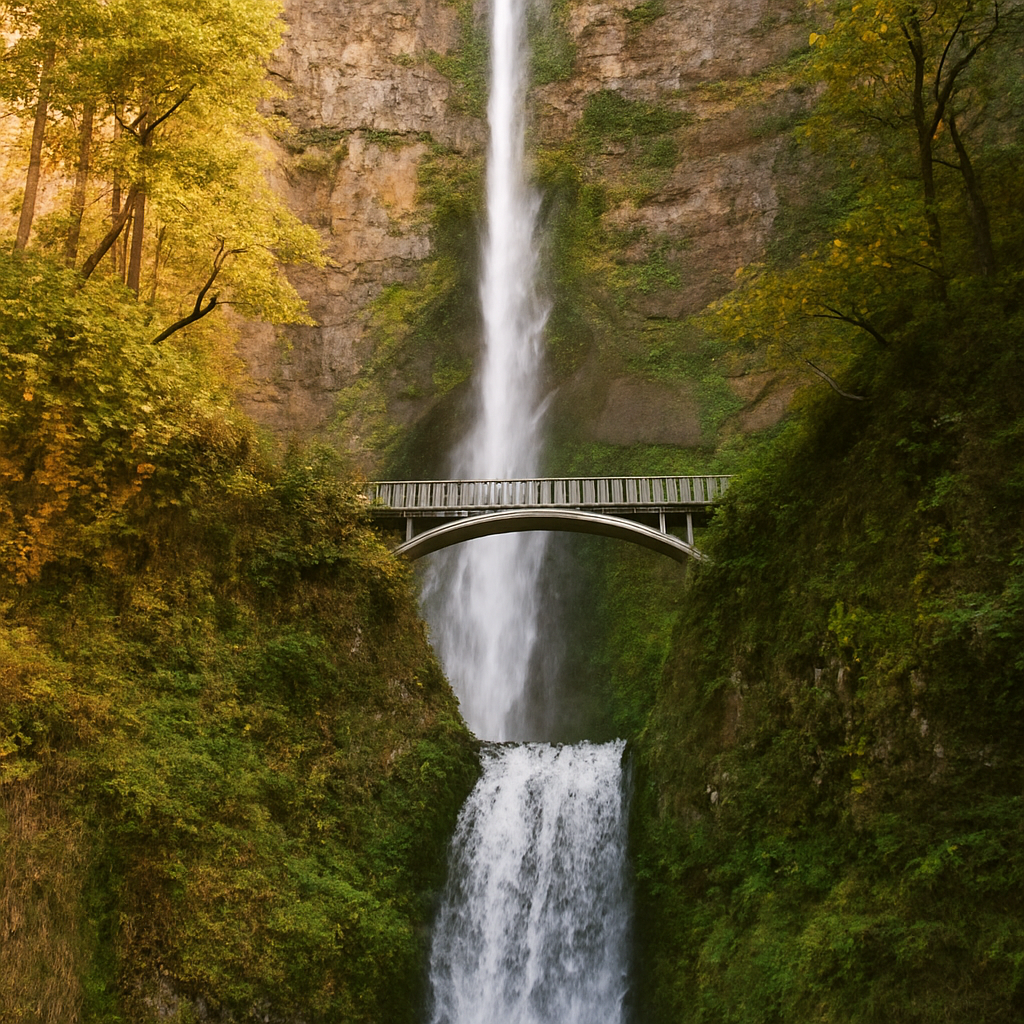
Columbia River Gorge & Multnomah Falls
Thirty miles east of the city, basalt cliffs drop into the Columbia River and 90-plus waterfalls carve through old-growth forest. Multnomah Falls at 620 feet is Oregon's most photographed natural landmark for a reason — the scale of it stops you mid-step. Take Historic Highway 30 for the scenic route or the Columbia Gorge Express bus from Troutdale if you don't want to deal with parking. Pair it with wine tasting in the Hood River Valley on the way back, and you've built one of the best day trips on the West Coast.
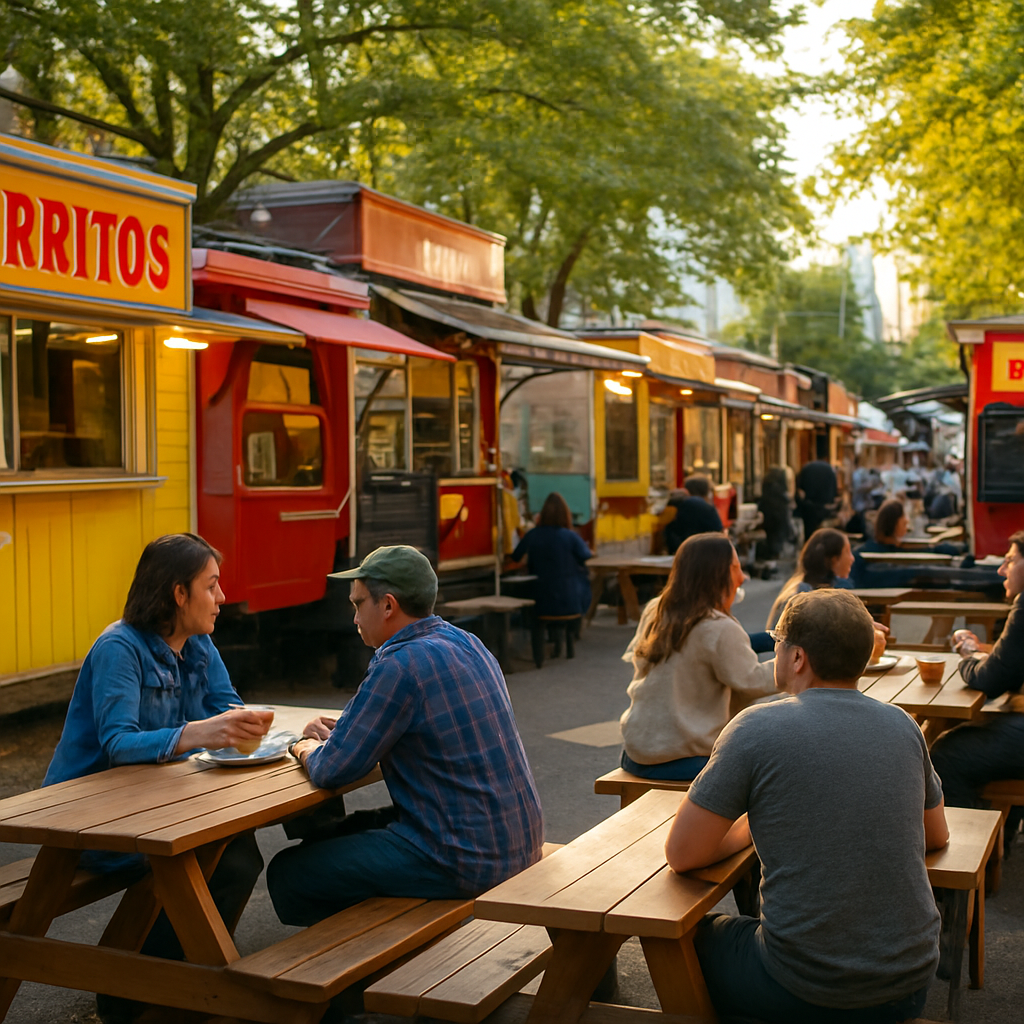
Portland's Food Cart Pods
Forget sit-down restaurants for lunch — Portland's food cart pods are where the city eats, and the quality is absurd for the price. Clusters of 10–40 carts serve everything from Oaxacan mole to Georgian khachapuri to Thai curry that would hold its own in Bangkok. The pods along SE Hawthorne, on Cartopia (SE 12th and Hawthorne), and throughout downtown rotate vendors, so what's there changes. Budget $8–$14 for a meal that'll be one of the best you eat all trip.
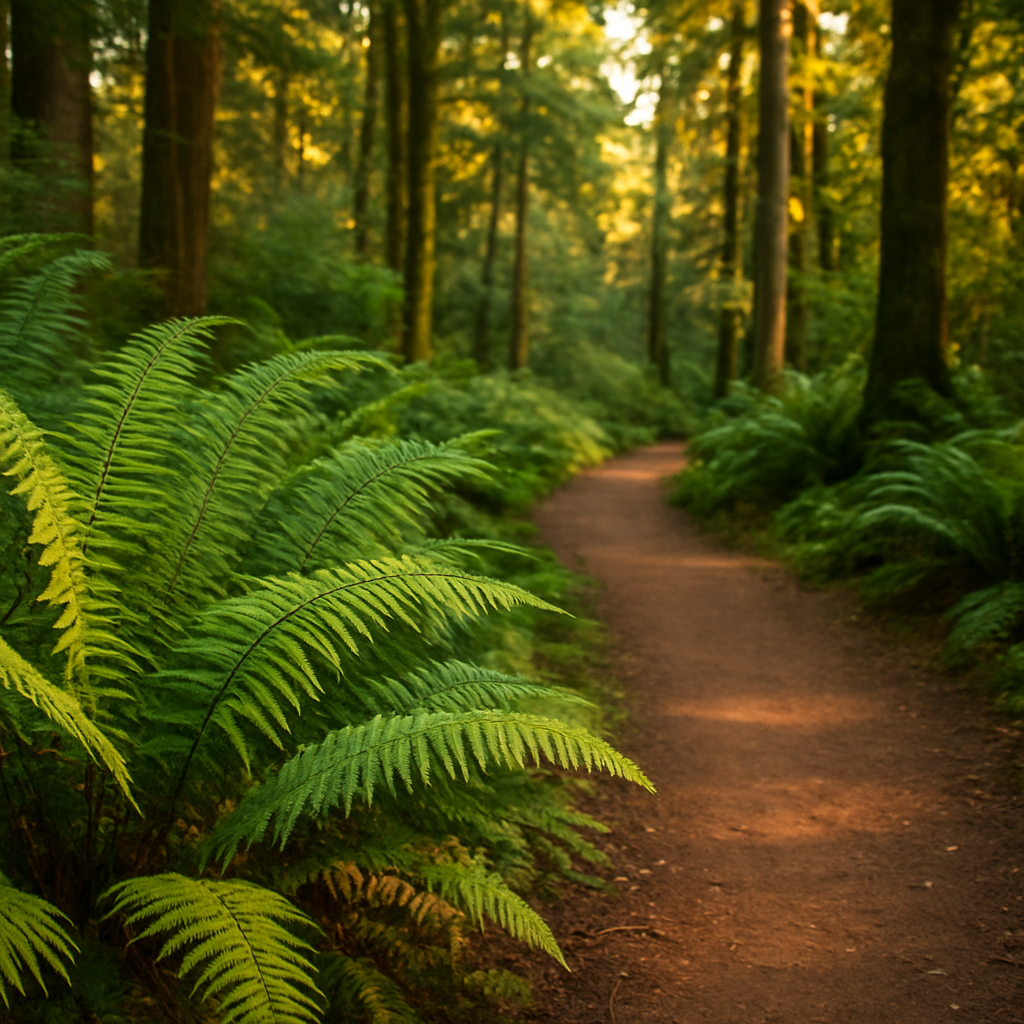
Forest Park — Wildwood Trail
A 5,200-acre urban forest sits at the edge of the city — one of the largest within city limits in the US — and the Wildwood Trail runs 30 miles through it. You don't need to do all 30. A two-hour loop from the Lower Macleay trailhead takes you past the Stone House (an abandoned 1930s restroom that looks like a forest ruin) and into canopy so thick you'll forget there's a city below. The air smells like Douglas fir and wet earth. It's the best free thing in Portland, and it's ten minutes from downtown.
The places I actually send people to
Advice that fits how you travel
Portland is one of the best solo travel cities in the US, full stop. The culture here is built for independent operators — food carts are designed for one person, coffee shops assume you're staying for three hours with a book, and the bar scene is genuinely approachable for someone walking in alone. CC Slaughters and Scandals on the Old Town strip are bars where solo travelers can sit down, order a drink, and find themselves in conversation within the hour. The regulars at Scandals are particularly welcoming — it has that neighborhood bar energy where being new is interesting rather than suspicious.
App culture in Portland is healthy — Grindr, Scruff, and Lex all have active user bases, and the vibe skews more toward genuine connection than purely transactional. The city's queer community events, particularly at the Q Center on Mississippi Avenue, offer structured ways to meet people outside of bars and apps. Last Thursday on Alberta Street is exceptional for solo travelers — it's the kind of crowd-mingling event where being alone makes you more approachable, not less. Powell's Books is another natural solo destination where you can spend half a day and it never feels like killing time.
Budget solo travel is where Portland really shines. Hi Portland Hostel starts at $45 a night and puts you in a communal kitchen with other LGBTQ+ travelers. A TriMet day pass is $5, food cart meals are $8–$14, and many of the city's best experiences — Forest Park, the Saturday Market, Alberta art walks — are free. My honest assessment: you can do Portland well on $80–$110 a day solo, and the city will feel rich rather than restricted at that budget. Pro tip: the MAX connects the airport, downtown, Old Town, and Mississippi Avenue without a single rideshare — plan your itinerary around transit stops and you'll barely touch your transport budget.
Portland is one of the easiest cities in America to be romantically queer in — hold hands anywhere from the Pearl District to SE Division Street and the response you'll get is nothing, which is exactly what you want. The SW Stark corridor has the nightlife energy, but the most memorable date nights tend to happen south of Burnside: a long, unhurried dinner at one of Division's celebrated restaurants, a walk along the Willamette waterfront after dark, then wherever the evening takes you.
For accommodation, Hotel Lucia hits the romance sweet spot — central location, design-forward rooms, and service that doesn't feel corporate. If you're splurging, The Nines' rooftop bar at Departure is the pre-dinner drink that sets the tone for a night you'll be talking about on the flight home. For a more intimate option, the Northwest District puts you close to Nob Hill's excellent dinner scene with a neighborhood feel that big downtown hotels can't manufacture.
Day trips together are exceptional here. The Columbia River Gorge is one of those places that earns every word of its reputation — pack a picnic, do the trail to the top of Multnomah Falls, finish with wine tasting in Hood River. Back in the city, Last Thursday on Alberta Street in summer is one of the best low-pressure, high-atmosphere date activities Portland offers: street performers, local art, food carts, a crowd that is visibly and joyfully queer without it being called a queer event. It's the kind of evening that doesn't have an agenda, and that's exactly why it works.
LGBTQ+ families are not a novelty in Portland — they're a given. Oregon law fully recognizes same-sex adoption and marriage, and the city's culture means your family configuration won't generate a second glance in restaurants, playgrounds, or museums. The Oregon Zoo, OMSI (Oregon Museum of Science and Industry), and the Children's Museum are all genuinely welcoming and have been for years. The MAX light rail makes navigating the city with kids entirely manageable without a rental car, which is a real operational advantage when you've got strollers and snack bags to contend with.
Portland Saturday Market is a family hit — free entry, food carts for picky eaters, live music, and enough visual stimulus to keep kids engaged while the adults browse local art. Powell's Books has a children's section that is legitimately excellent and has introduced more than a few young readers to their first queer-authored middle-grade novels. Forest Park's trails are accessible enough for older kids, and the Columbia River Gorge day trip scales beautifully — the lower Multnomah Falls trail is manageable for most ages and the payoff is genuinely spectacular.
Budget-wise, Portland is more family-friendly than most West Coast cities at this quality level — food cart pods keep lunch affordable, and many of the city's best experiences are free. If you're planning a summer trip, book accommodation early; June Pride month fills the city fast and prices follow. The Q Center on Mississippi Avenue hosts family-oriented programming worth checking in advance — it's the kind of resource that makes Portland feel less like a destination and more like a community you're visiting.
What Portland actually costs
Flights, visas, and the first 30 minutes
Airport: Portland International Airport (PDX) — consistently ranked among the best airports in the US and a genuinely pleasant place to arrive. Baggage claim to city center is one of the smoothest transit connections on the West Coast.
Major Routes: From Los Angeles (LAX), it's about 2h 30m. San Francisco (SFO) is a quick 2h flight. Seattle (SEA) is practically a commuter hop at 55 minutes. Chicago (ORD) runs about 4h 15m. New York (JFK) clocks in around 5h 45m. From London (LHR), expect roughly 10h 30m with one stop. PDX connects to 70+ cities direct — it's well-served for a city its size.
Visa Requirements: US travelers — domestic travel, no visa needed. UK, EU, and Australian travelers need an ESTA, valid up to 90 days — apply at least 72 hours before departure. Canadian travelers need a valid passport only, no visa required.
Getting from PDX to the City:
- MAX Light Rail (Red Line) — $2.50, ~38 min: The smartest move. Runs directly to downtown Pioneer Courthouse Square; grab a ticket from the platform machine before boarding. This is how I'd do it every time.
- Taxi / Rideshare (Uber/Lyft) — $30–$45, 20–35 min: Faster during off-peak hours; pickup at designated zones outside baggage claim. Worth it with heavy luggage or late arrivals.
- Shared Shuttle — $15–$20, 30–50 min: Several providers serve downtown hotels; pre-booking is strongly recommended or you'll be standing at the curb improvising.
Traven's seasonal breakdown
The questions everyone asks
Is Portland safe for LGBTQ+ travelers?
Where are the gay bars in Portland?
How do I pronounce 'Willamette'?
Do I need a car in Portland?
How much should I budget per day?
When is Portland Pride?
What's the deal with Portland's weather?
Screenshot this before you go
So should you actually go?
Go. Portland earns its reputation as one of the most genuinely queer-comfortable cities in America — not because it performs progressiveness, but because it's baked into the infrastructure, the businesses, the culture, and the law. My Traven-Dex of 8.7 reflects a city with a perfect 10.0 Legal score, a scene that's decentralized in the best possible way, and a Chill factor that means you can simply exist here without calculation. The food is exceptional, the nature is fifteen minutes away, the people have strong opinions and will share them, and the queer community has roots that go back decades. It's not the flashiest city — it's not trying to be Miami or Berlin — but what it offers is something rarer: a place where you can be completely, boringly, wonderfully yourself without it being an event. That's worth the trip.
Sources & Resources
Official links we reference when compiling this guide. Last verified 2026-03-06.