
Provincetown is two miles of Commercial Street, one granite monument, and a fishing harbor that forgot to install a closet.
The first thing that hits you walking down Commercial Street in July isn't a vibe or an energy — it's the sheer visual volume of a place that has decided, collectively and without apology, that gay is the default setting. Drag queens in full face buying iced coffee at 10 AM. Two dads pushing a stroller past a leather shop. A group of bears spilling off the sidewalk into the one-lane street because there's no room and nobody cares. P-town doesn't perform acceptance — it simply doesn't occur to anyone here that there's something to accept. That distinction matters, and it's why I gave this place my Chill score of 10.0 without a second thought.
This is a town built on Portuguese fishing families and queer artists who showed up in the early 1900s and never left. Eugene O'Neill workshopped his first plays here. Tennessee Williams got drunk at the A-House on Masonic Place — a bar that's been pouring since 1798 and went gay in the mid-twentieth century, making it arguably the oldest gay bar in the country. That layered history — working waterfront meets bohemian colony meets full-throttle gay resort — gives P-town a texture that no purpose-built gay destination can touch. You feel it in the salt-rotted shingles on a West End gallery, in the Portuguese lingüiça on a brunch menu next to avocado toast, in the way the fishing boats still come in at MacMillan Wharf while a hundred guys in speedos walk past to Tea Dance.
The seasonal rhythm here is everything. Summer P-town — June through August — is a full-volume circuit of themed weeks: Pride in June, Bear Week in July, Carnival in August with its legendary costume parade. My Traven-Dex of 9.1 reflects a place that genuinely earns its reputation. But someone told me something smart: October's Women's Week and Fantasia Fair feel like entirely different towns — smaller, more intentional, the kind of gathering where you actually talk to people instead of dancing past them. Pick your version before you book, because they are not the same trip.
I'll be honest about the trade-off: P-town is small. Two miles of main street, a handful of beaches, and a bar scene that you can walk end-to-end in twenty minutes. If you need a mega-city's worth of options, this isn't it — my Scene score of 7.5 reflects real but finite nightlife rather than an endless sprawl of venues. What you get instead is concentration. Every restaurant, every gallery, every bar exists in a context where being gay isn't a feature — it's the foundation. And the natural beauty of the Cape Cod National Seashore wrapped around this tiny spit of sand is legitimately stunning in a way that sneaks up on you between the cocktails.
The stuff your travel guide buries on page 47
Legal Framework: As of 2026, Massachusetts provides comprehensive LGBTQ+ legal protections across the board. Same-sex marriage has been legal since 2004 — Massachusetts was the first US state. Adoption by same-sex couples is fully legal. Anti-discrimination protections cover employment, housing, and public accommodations. The state's Transgender Public Accommodations Act, enacted in 2016, provides self-ID-based gender identity protections. There is no criminalization of same-sex conduct, and Massachusetts consistently ranks in the top tier of US states for LGBTQ+ legal equality according to the Movement Advancement Project. The score I gave Legal — a perfect 10.0 — reflects a state where the law is genuinely, comprehensively on your side.
Cultural Reality: Provincetown doesn't just meet the legal minimum — it exceeds it by a mile. This is a town where the majority population is queer in season, where the business community is substantially LGBTQ+-owned, and where the Provincetown Business Guild functions as both a chamber of commerce and an LGBTQ+ travel resource. Same-sex couples have been holding hands on Commercial Street since before Stonewall, and that history is palpable in a way no amount of corporate rainbow branding can manufacture. The town's Portuguese fishing heritage coexists with its queer identity in a way that feels organic rather than grafted on.
PDA Comfort: On Commercial Street and at Herring Cove Beach, public affection of any kind between any combination of people is completely unremarkable — drag, leather, hand-holding, kissing, all of it. The guesthouse district along Bradford Street is the same: most accommodations are LGBTQ+-owned or -operated and guests are visibly comfortable on porches and in gardens. MacMillan Wharf and the harbor area have a slightly more mixed crowd including day-tripping families, but the atmosphere remains completely comfortable. The adjacent Cape towns — Truro, Wellfleet — are progressive artist communities where PDA is fine, though less overtly queer than P-town itself. Recalibrate once you're further down Route 6 into the mid-Cape; it's standard-issue New England.
Practical Notes: Provincetown is tiny — the entire walkable core is about two miles — and parking in summer is a genuine nightmare. Take the fast ferry from Boston or drive and arrive early. Book accommodations absurdly early for Bear Week, Carnival, and Women's Week — six to nine months out for anything decent. Outer Cape Health Services on Harry Kemp Way offers PrEP, STI testing, and affirming primary care to visitors on a sliding scale, no insurance required.
What it actually feels like on the ground
Holding hands: On Commercial Street — anywhere, any time, in season — this is not even a consideration. You will see same-sex couples, throuple configurations, people in leather, drag performers, and trans women walking arm in arm at 2pm on a Tuesday. This is the default here. At Herring Cove Beach and Race Point Beach, same. The guesthouse corridors on Bradford Street, same. In the immediately adjacent towns of Truro and Wellfleet, you'll be fine — these are liberal artist communities — though the atmosphere is less overtly queer.
Hotel / Guesthouse check-in: The majority of Provincetown accommodations are LGBTQ+-owned or explicitly LGBTQ+-welcoming. You will not encounter confusion, hesitation, or awkwardness at check-in anywhere in town. Many guesthouses are adults-only; several cater specifically to gay men or to lesbian travelers. If you're booking a B&B and your concern is "will they get it" — honey, they get it. They've been getting it since the '70s.
Taxis and transport: P-town is small enough that taxis are rare — you'll walk, bike, or occasionally rideshare. The drivers who do operate here are locals who work in an overwhelmingly queer economy. Zero concern.
Beaches: Herring Cove Beach has been a documented LGBTQ+ gathering site since the 1960s. The north end near the main parking lot is the long-established gay men's section; the area near the pavilion at the south end is traditionally the women's section. Both are part of the Cape Cod National Seashore, administered by the National Park Service — the NPS rangers are professional and welcoming. Race Point Beach draws a slightly more mixed crowd but remains completely comfortable for LGBTQ+ visitors.
Late night: Late-night P-town gravitates to Spiritus Pizza on Commercial Street around 1am when the bars close — it's a documented LGBTQ+ congregation point that's been operating this way since the 1980s. The scene outside is organic and social. The town itself is extremely safe at night in the central areas. A genuine caution: the dunes around Herring Cove and Race Point are stunning but disorienting after dark. People get lost out there. If you're heading to the cruising areas beyond the beach parking lots, go with someone who knows the geography, bring a light, and tell someone where you're going.
Trans travelers: Provincetown has been one of the most visibly trans-welcoming communities in the United States for decades. Trans performers, residents, and visitors are normalized throughout the town year-round. Fantasia Fair, held every October, is one of the oldest and most respected transgender conferences in the world, running since 1975. Massachusetts state law provides comprehensive trans protections including public accommodations. This is as safe as it gets.
Verbal harassment: In Provincetown proper, during season, the likelihood of LGBTQ+-directed verbal harassment approaches zero. The social dynamic is inverted here. Outside town on Route 6 and in the mid-Cape area, the environment reverts to typical New England — generally fine but not the bubble that P-town provides. The AIDS Support Group of Cape Cod has been a cornerstone of community support since the epidemic and offers resources beyond HIV services.
The Trevor Project provides 24/7 confidential crisis support and resources for LGBTQ+ individuals.
The queer geography
There's no "gay neighborhood" in Provincetown because the entire town is the gay neighborhood. That's not a cute exaggeration — in peak season, the majority of the population is queer. The town's geography is simple: one main street (Commercial Street), roughly two miles long, running from the West End to the East End, with Bradford Street running parallel one block inland. Everything you need is on or between those two streets.
Commercial Street — Town Center
The central stretch between roughly Standish Street and Winthrop Street is where the density peaks. Crown & Anchor at 247 Commercial is a multi-venue LGBTQ+ entertainment complex — the Paramount nightclub, the Wave Bar, cabaret stage, and an outdoor pool bar. Check their schedule nightly because the programming changes: the Vault hosts leather and bear events, Aqua runs dance nights. Governor Bradford at 312 Commercial is one of the few year-round bars, serving the local queer community when the summer visitors leave. Spiritus Pizza at 190 Commercial is the mandatory late-night gathering point — show up around 1am when the bars close and the sidewalk becomes the best free social event of the evening. Café Heaven at 199 is where you start your morning.
The West End
West of Town Hall, Commercial Street gets quieter, more residential, and more gallery-heavy. The Atlantic House sits on Masonic Place — one of the oldest continuously operating gay bars in the country, with three distinct spaces including the Big Room dance club and the Macho Bar. Pied Bar at 193A Commercial has historically been Provincetown's primary lesbian and queer women's bar, with an outdoor harbor-view deck and DJ dance programming in season. The West End is also where you'll find the concentration of upscale LGBTQ+-owned guesthouses: Brass Key, Carpe Diem, Gabriel's, all along Bradford Street. The vibe is slightly calmer than the town center — couples territory.
The East End
The artsy end. The East End of Commercial Street is historically where Provincetown's painters and bohemian artists concentrated from the early 20th century onward. PAAM (Provincetown Art Association and Museum) sits at 460 Commercial and is the anchor institution — a serious collection documenting a century of queer artists working in P-town. The Mews Restaurant & Café at 429 is a waterfront institution since the 1960s with over 300 varieties of vodka upstairs. Squealing Pig at 335 is a year-round craft beer bar with live music that serves the local community when the summer crowds leave. This end of town has a slightly more contemplative energy than the center.
The Boatslip — Tea Dance
Tea Dance at the Boatslip Beach Club, 161 Commercial Street, is the social anchor of any P-town afternoon. Daily from 4pm to 7pm in season, outdoor pool deck, DJ, hundreds of people. Show up at 3:45, get your drink at the outdoor bar, position yourself near the DJ booth for the full experience. This is not optional programming — it's the heartbeat. Helping Our Women runs a small but essential operation for lesbian, bisexual, and queer women navigating health, housing, or crisis support on the Outer Cape — an organization worth knowing about.
GLAD, a Massachusetts-based LGBTQ+ legal and advocacy organization, maintains connections to local community resources and events throughout the state. GLAD (Gay & Lesbian Advocates & Defenders).
The Human Rights Campaign publishes guides and maps to LGBTQ+-affirming venues, organizations, and community centers across the United States.
The experiences worth rearranging your itinerary for
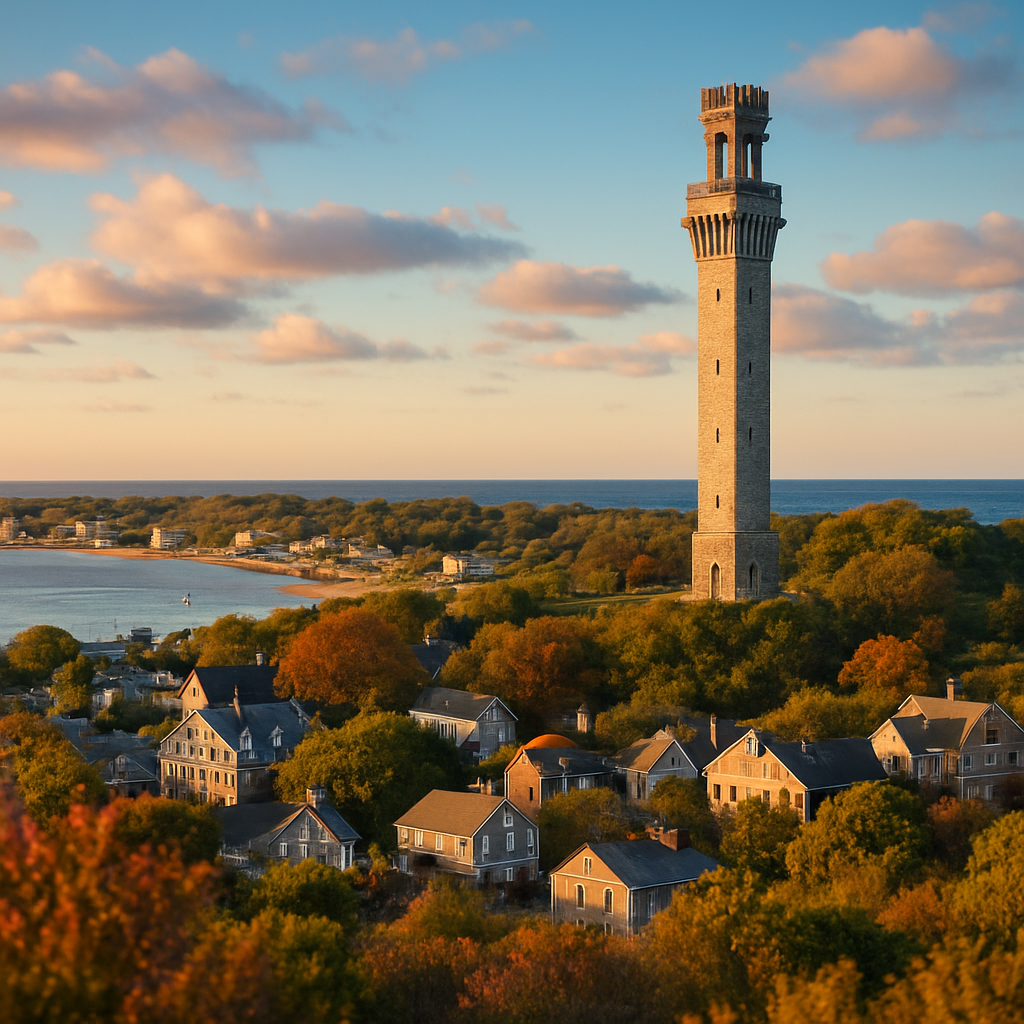
Climb the Pilgrim Monument
The tallest all-granite structure in the United States at 252 feet, completed in 1910 and dedicated by President Taft. The climb takes about ten minutes via interior ramps (no spiral staircase claustrophobia) and rewards with a panoramic view of the entire lower Cape — dunes, harbor, bay, ocean in every direction. The museum at the base includes exhibits documenting Provincetown's history as one of America's first openly gay resort communities, which gives the visit a layer most monuments can't touch. Go in the morning before it gets hot.
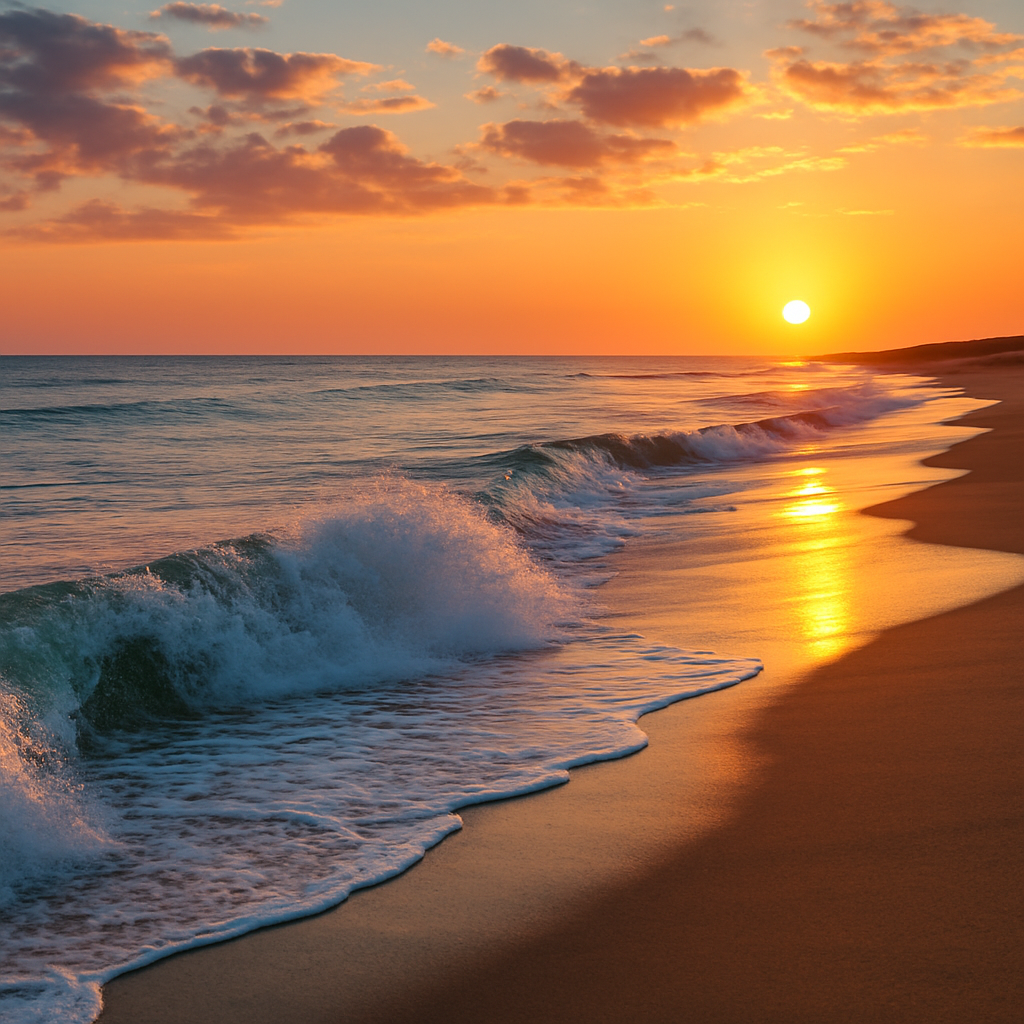
Sunrise at Race Point Beach
Rent a bike and ride out to Race Point at dawn — it's a Cape Cod National Seashore beach with no development on the horizon in any direction, just the Atlantic crashing onto a wide sweep of sand. At 6am you'll have it nearly to yourself, which feels borderline miraculous after two nights on Commercial Street. The Province Lands bike trail connects from town through scrub pine and dune landscape. Bring coffee in a thermos and a layer — the morning wind off the water is real.
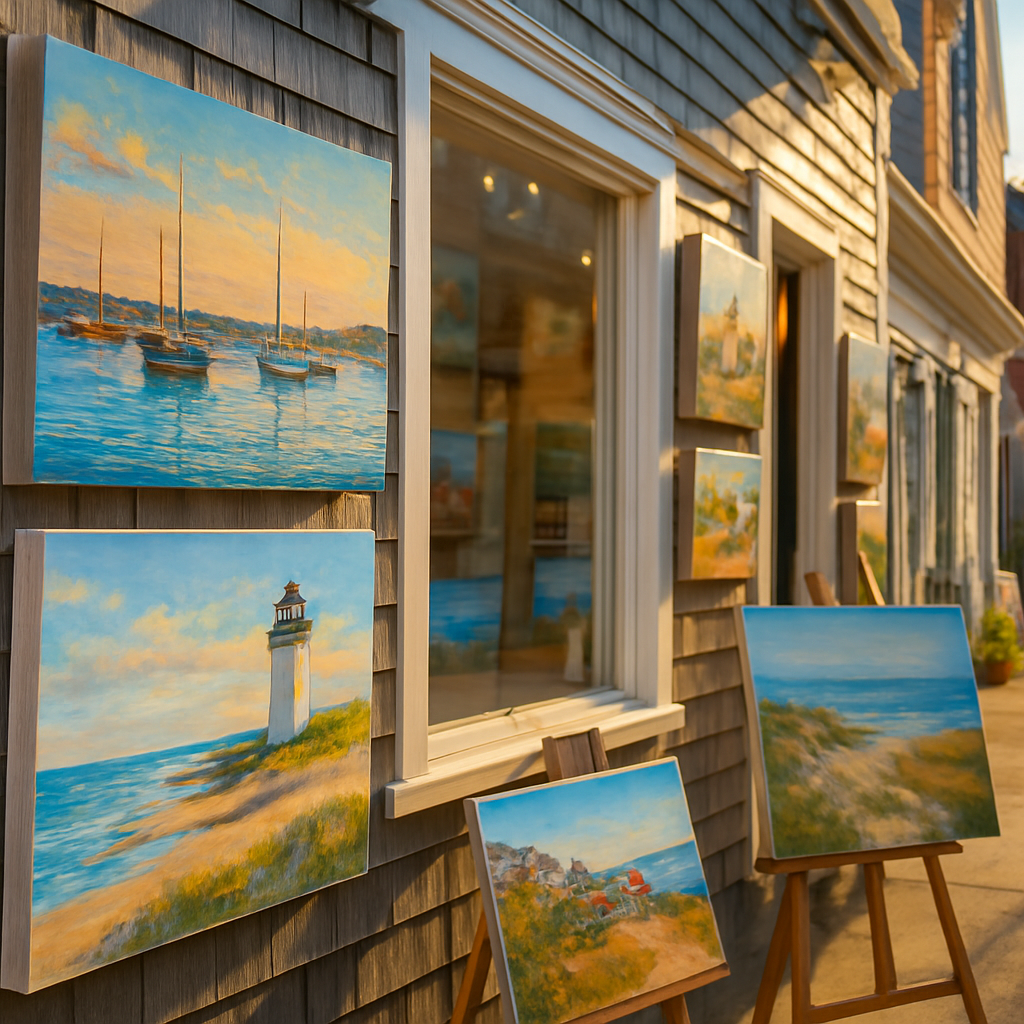
PAAM — Provincetown Art Association and Museum
Founded in 1914, PAAM holds over 3,000 works by artists who lived or worked in Provincetown, and the permanent collection documents a century of queer artistic life in ways that feel genuinely revelatory rather than curatorial box-checking. The summer rotating exhibitions are worth two hours of your beach time — I mean that. The building sits at 460 Commercial Street on the East End, and the artist talks they program throughout the season are the kind of intimate, 30-person-room events that remind you this town was an arts colony before it was anything else.
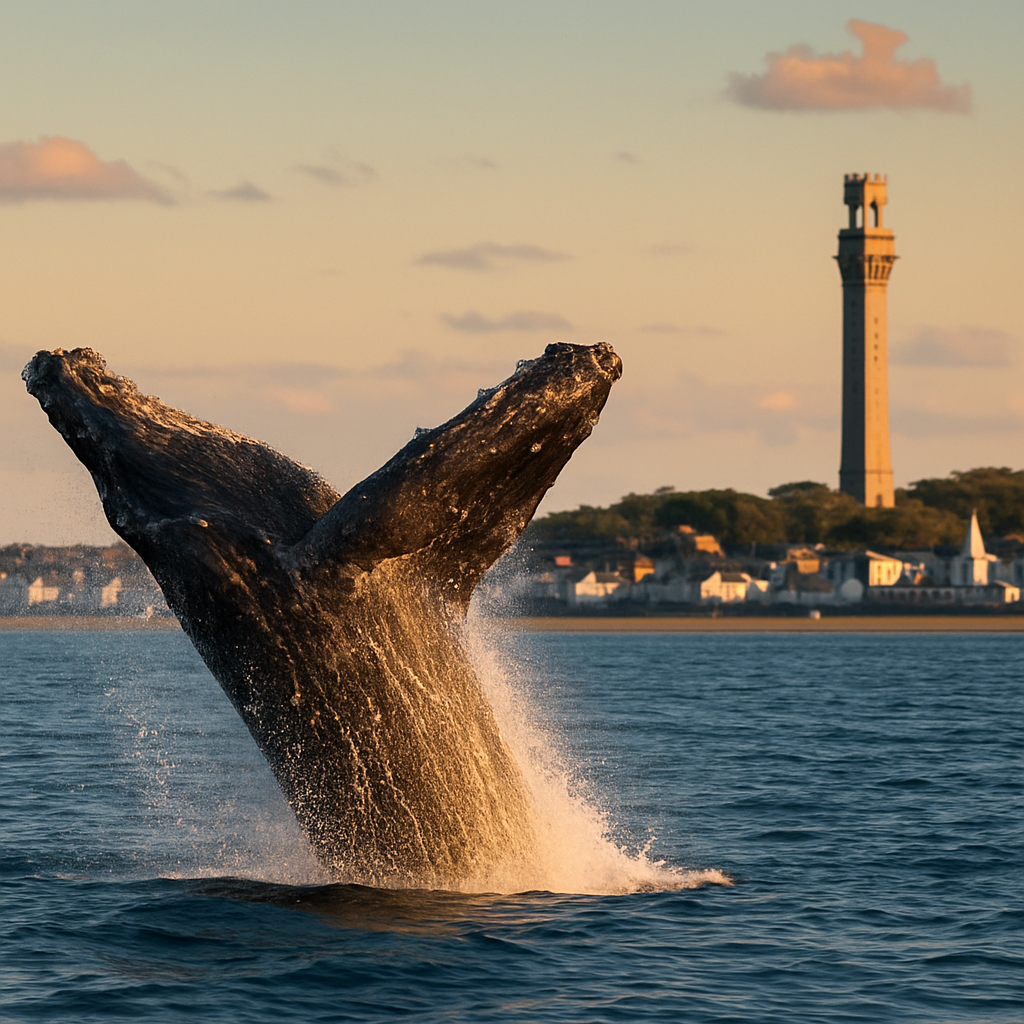
Whale Watch from MacMillan Wharf
Dolphin Fleet has been running whale watches out of Provincetown since 1975, in partnership with the Center for Coastal Studies. The boats head to Stellwagen Bank National Marine Sanctuary, where humpback sightings are genuinely reliable — not a marketing maybe. The trip takes about three to four hours, and there's something about standing on the bow of a boat watching a 40-ton animal breach that resets your entire nervous system. Book ahead in July and August. Wear layers even in summer — it's colder on the water than you think.
Portuguese Bakeries and Fishing Heritage
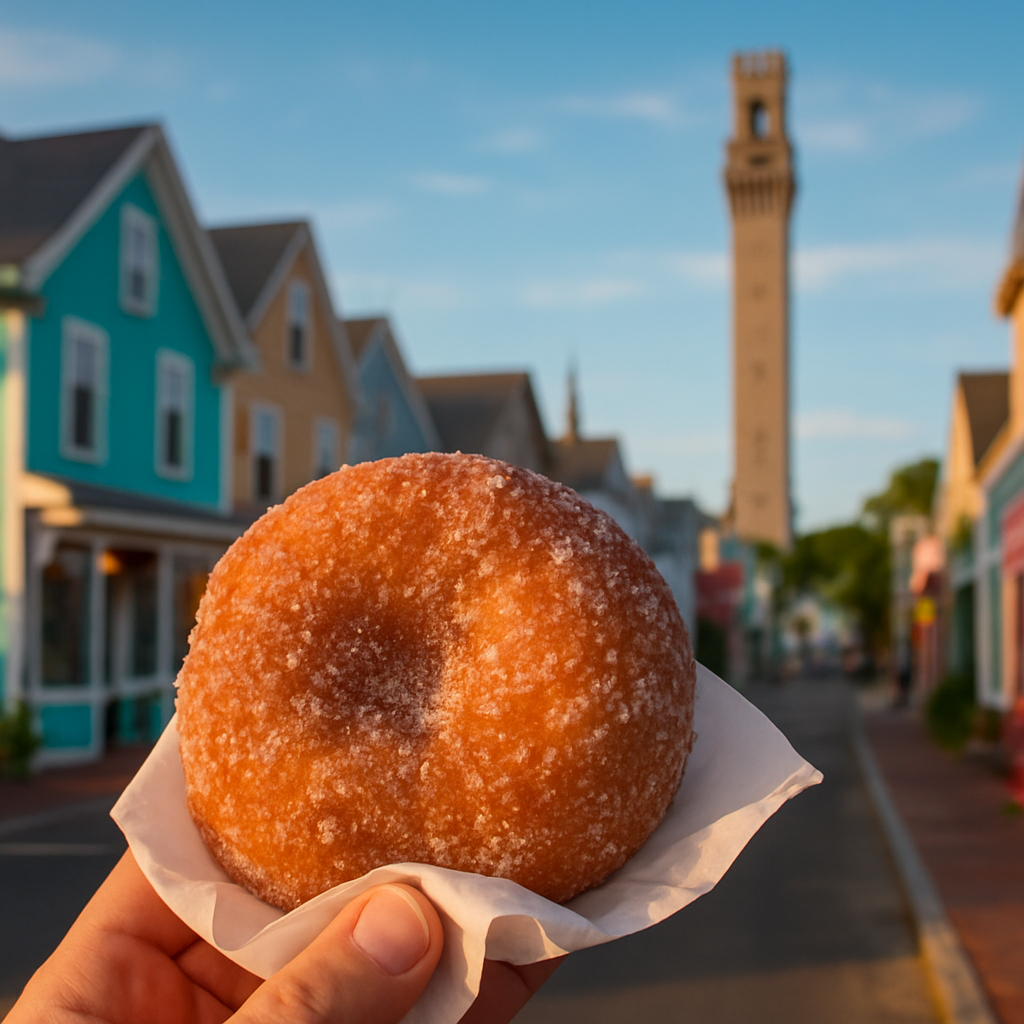
Provincetown's identity was Portuguese fishing village long before it was queer resort town, and the two histories are braided together in ways that show up most clearly at the table. Hunt down a fresh malasada — Portuguese fried dough, dusted with sugar, ideally eaten standing on a sidewalk before 9am. Find lingüiça on a local menu — Portuguese smoked sausage, often grilled, a nod to the Cape's fishing families. The fish markets at MacMillan Wharf are working operations, not tourist theater, and the clam chowder at The Lobster Pot has won regional awards for a reason.
The places I actually send people to
The Provincetown dates worth planning around
Advice that fits how you travel
Solo travel in P-town is almost absurdly easy because the town is engineered for socializing whether you plan to or not. The entire walkable core is two miles of one narrow street — you will run into people repeatedly, strike up conversations at coffee shops, and find yourself absorbed into groups at Tea Dance without trying. The app scene is active in season (Grindr, Scruff, HER all have strong local presence), but honestly, putting down your phone and walking Commercial Street will get you further. The social contract here defaults to open, not guarded.
Budget advantages are real for solo travelers. The Outermost Hostel starts around $50 a night — the only hostel option in a town where guesthouses start at $200. If you want a step up, Revere Guest House offers private rooms from roughly $130. Eat breakfast at Café Heaven (the communal tables are a natural conversation starter), grab a slice at Spiritus after the bars close, and spend your days at Herring Cove or biking the Province Lands trails. A solo day in P-town can cost under $100 if you're strategic, or $500 if you want the whale watch, a craft cocktail dinner, and a cabaret ticket.
Safety as a solo traveler is essentially a non-issue in Provincetown proper — this is one of the safest places in the United States for an LGBTQ+ person traveling alone. The one genuine caution: the dunes around Herring Cove and Race Point are disorienting after dark, and people do get lost. If you're heading to cruising areas beyond the beach parking lots, tell someone where you're going, bring a light, and know the geography before you walk in. The Outer Cape Health Services clinic offers PrEP, STI testing, and affirming care on a sliding scale — no insurance needed.
There is no better place in the United States to be visibly, unapologetically in love with another person of the same gender than P-town. You can hold hands anywhere on Commercial Street. You can kiss on the beach at Herring Cove. You can share a porch swing at your guesthouse in nothing but a towel and not a single person will blink. The social atmosphere here isn't just tolerant — it's celebratory, and after years of navigating the rest of the world, that lands differently than you might expect. Give yourself at least one evening just to walk the length of Commercial Street at dusk and feel it.
For a genuinely romantic dinner, book the waterfront porch at The Red Inn on the west end — sunset over Cape Cod Bay with a New American menu built on locally sourced seafood. Then walk five minutes to Land's End Inn, which has the best panoramic harbor views in town from its perch on the hill, and is worth a cocktail even if you're not staying there. For the afternoon, Tea Dance at the Boatslip is non-negotiable — 4pm to 7pm daily in season, outdoor pool deck, DJ, and the kind of spontaneous collective joy that you can't choreograph. Show up by 3:45 to secure your spot. For accommodation, Brass Key Guesthouse on Bradford Street is the couples' benchmark: a heated pool, hot tub, and suites in a multi-building historic compound that has been LGBTQ+-owned since the early 1990s.
The most memorable thing you'll do as a couple here might not be a venue at all. Rent two bikes and ride out to Race Point Beach at sunrise — no development in any direction, just the Atlantic, the dunes, and each other. It's the kind of morning that makes you understand why artists have been coming to this place for a hundred years. Book well ahead for Bear Week (July), Carnival (August), or Women's Week (October) if those events align with your interests — those weeks are extraordinary as a couple, but accommodations sell out six to nine months in advance.
LGBTQ+ families are not just welcome in Provincetown — they're anticipated and celebrated. Family Week, held in August and organized specifically for LGBTQ+ families with children, offers structured kid-friendly programming alongside the regular P-town social scene, including beach days, family dances, and age-appropriate activities. This is one of the few places in America where your children will see queer families everywhere they look, normalized completely, which matters more than most travel guides will tell you. Massachusetts, as of 2026, provides comprehensive legal protections for same-sex parents including adoption rights and full marriage equality, so your family structure is recognized in full under state law throughout your visit.
The practical logistics are solid. The town is compact and almost entirely walkable — strollers have no trouble on Commercial Street (though the side streets can be cobblestone and uneven). Dolphin Fleet Whale Watch at MacMillan Wharf is the standout family activity: they've been running tours to Stellwagen Bank since 1975 in partnership with the Center for Coastal Studies, and humpback sightings are genuinely reliable, not a guarantee-maybe situation. The Pilgrim Monument — the tallest all-granite structure in the United States at 252 feet — is a legitimate kids' achievement when you climb it, and the museum at the base includes exhibits on Provincetown's LGBTQ+ history that provide real context for what they're seeing around them. Budget for this early in your trip, not at the end when everyone's tired.
Parking in July and August is genuinely brutal — the MacMillan Pier and Bradford Street lots fill early, and summer weekends are a particular headache. If you're traveling with small children, strongly consider the fast ferry from Boston (90 minutes, seasonal May–October) and skip the car entirely; P-town is small enough to navigate entirely on foot or by family bike rental for a week. For food, Fanizzi's on the East End is the best value waterfront option with a family-friendly casual atmosphere and panoramic bay views. Ice cream on Commercial Street is basically a mandatory daily ritual and no one will judge you for it, least of all me.
What Provincetown actually costs
Flights, visas, and the first 30 minutes
Airport: Provincetown Municipal Airport (PVC) sits at the edge of town — in season it's a 5-to-10-minute walk or a $15 cab ride to Commercial Street. That said, PVC is tiny: a 9-seat Cape Air turboprop operation with seasonal service only. Most travelers arrive by ferry or car.
By Air: Cape Air operates the Boston (BOS) to PVC route in approximately 25 minutes. Fares run roughly $80–$180 one-way depending on timing. Book well ahead for summer — these flights sell out. Seasonal only.
By Ferry (recommended): The fast ferry from Boston's Long Wharf (Bay State Cruise Co. and Boston Harbor Cruises) takes approximately 90 minutes and costs $60–$75 one-way. This is the way to arrive — you pull into Provincetown Harbor with the town laid out in front of you, which is an entrance that no highway can match. Seasonal May through October. A slower traditional ferry (Bay State Cruise Co.) also runs the Boston–Provincetown route in approximately 3 hours for $40–$55 one-way and is the scenic option for travelers who aren't in a rush. A seasonal ferry also connects from Plymouth, MA in approximately 90 minutes. Pro tip: take the ferry in, skip the car. Parking in peak season is an expensive exercise in frustration — lots at MacMillan Pier and Bradford Street fill fast and run $25–$50 per day.
By Car: From Boston, it's approximately 2 hours via US-6 (longer in summer traffic — allow extra time on summer Fridays). Parking is the catch: plan to pay $25–$50 per day and arrive early. Once you're parked, leave the car — the town is walkable.
Visa & Entry Requirements (as of 2026): US citizens require no visa — this is domestic travel. Canadian citizens are typically admitted at the US border without a visa; check your government's current advisory before travel. Most UK, EU, and Australian passport holders are generally eligible for the ESTA (Visa Waiver Program) — apply online at esta.cbp.dhs.gov before departure; approval is typically granted quickly but don't leave it to the day before. Entry requirements can change — always verify with your government's official travel advisory.
Traven's seasonal breakdown
The questions everyone asks
When should I visit Provincetown?
Do I need a car in P-town?
Is Provincetown safe for trans travelers?
How much should I budget per day?
What is Tea Dance?
Is Provincetown only for gay men?
How far in advance should I book for Bear Week or Carnival?
Screenshot this before you go
So should you actually go?
Go. Provincetown is the rare destination where LGBTQ+ travelers aren't visiting a welcoming city — they're visiting their city, one that has been theirs since before most of us were born. It's expensive in summer, it's tiny, parking is a nightmare, and you'll need to book months ahead for the big weeks. None of that matters. Whether you come for Carnival's chaos or October's quiet, for the whale watches or the late-night congregation outside Spiritus Pizza, for the art colony history or the Boatslip pool deck — P-town delivers something no other destination in this country can. It's not the biggest scene. It's the most authentic one. And honey, that's worth the ferry ride.
Sources & Resources
Official links we reference when compiling this guide. Last verified 2026-03-15.
- AIDS Support Group of Cape Cod
- Boston Alliance of Gay, Lesbian, Bisexual and Transgender Youth (BAGLY)
- Cape Cod National Seashore (NPS)
- Fantasia Fair — Annual Transgender Conference
- Helping Our Women (HOW) — Provincetown
- Massachusetts LGBTQ+ Bar Association Resources
- Outer Cape Health Services
- Provincetown Art Association and Museum (PAAM)
- Provincetown Business Guild (LGBTQ+ Travel Resource)
- Provincetown Film Society
- Town of Provincetown — Official Government Site