
Rehoboth doesn't perform. It pours you a martini at five, hands you a paper bucket of vinegar fries at six, and trusts you to find your own way back to the porch.
It's a Sunday in late September on Baltimore Avenue. The umbrellas at Aqua's deck are tilted into the four o'clock sun, somebody's husband is queued up at the bar in a sweat-damp polo, and the Blue Moon's front porch two doors down has the kind of low murmur that means tea dance is one cocktail away from peaking. A retriever in a rainbow bandana is asleep under a hightop. Nobody is performing. This is just what Sunday afternoon looks like here, and has looked like since 1981.
That's the thing about Rehoboth — it's not trying to convince you of anything. There's a reason I gave it an 8.6 overall on my Traven-Dex, and a 9.2 on Chill that I'd defend in court. This is a town twelve blocks end to end where the gay community didn't move in and gentrify; it built the place. CAMP Rehoboth opened in 1991. The Blue Moon predates it by a decade. Poodle Beach has been the south-end gathering spot for so long that the men who staked it out in their twenties are now showing up in linen with their grandkids in tow.
The pleasures are unfussy and they compound. Vinegar fries at Thrasher's. A martini on the Blue Moon porch while the boardwalk crowd thins toward dinner. The walk from Aqua's deck back to a Maryland Avenue guesthouse where the porch culture solves any problem you might have brought with you. A morning climb up a Fort Miles observation tower at Cape Henlopen, where the WWII concrete is still watching the Atlantic and the view back to town is the best perspective you'll get on the whole stretch. None of this is showing off. It's just the rhythm of a place that figured itself out forty years ago and stopped trying to be anything else.
This isn't Fire Island; it's Fire Island's tasteful aunt who retired here and is doing great. You can have a martini at the Blue Moon at 5pm, dinner at Aqua at 8, and be in bed by 11 — and that's not a failure, that's the whole point. Come in May for the gays returning, June for Pride and full nightlife, September for Sundance weekend when CAMP's Block Party closes Baltimore Avenue and the multigenerational queer crowd shows up in force. The 7.8 I gave it on Scene is honest — this isn't Berlin and isn't trying to be — but the depth here is something most cities with bigger numbers can't touch.
The stuff your travel guide buries on page 47
Let me give it to you straight: Delaware is one of the easiest legal landscapes in the country for LGBTQ+ travelers, and Rehoboth is the softest landing within it. As of 2026, marriage equality is settled, joint and second-parent adoption are legal, and the state's anti-discrimination statute is comprehensive — covering employment, housing, and public accommodations on the basis of sexual orientation and gender identity. Self-ID gender marker changes are accessible. There is no criminalization of same-sex conduct anywhere in the state, and Delaware's Attorney General has positioned the state as a sanctuary against the rollbacks happening elsewhere. ACLU of Delaware tracks the legal climate closely if you want the deeper detail.
On the ground, this is not a town where you have to read the room. Rehoboth's mayor and city commission have been openly supportive for years, the police department has a long working relationship with City of Rehoboth Beach civic leadership and CAMP Rehoboth, and the LGBTQ+ business community is so embedded in the local economy that being unwelcoming would be a financial mistake nobody's making. PDA on Baltimore Avenue, the boardwalk, and especially Poodle Beach isn't tolerated — it's the baseline.
Pro tip: Rehoboth is technically dry on Sundays for liquor sales at stores (bars and restaurants are fine), and the parking meters run until 10pm in summer enforced with religious zeal. Budget for both or find yourself walking back to your rental sober and ticketed. The town is twelve blocks end to end, so plan to walk anyway.
One important caveat: the moment you cross Route 1 heading west into rural Sussex County — towns like Georgetown, Millsboro, Seaford — you're in different territory. The legal protections still apply statewide, but the cultural temperature drops noticeably. You're unlikely to encounter trouble passing through, but it's not Rehoboth, and you should adjust expectations. Within the Rehoboth–Lewes–Dewey corridor, you don't have to think about any of this.
What it actually feels like on the ground
Holding hands and PDA: On Baltimore Avenue, the boardwalk, and Poodle Beach, hold hands, kiss your husband, dance with your boyfriend in the street — nobody blinks. The crowd has been showing up here for forty years and the locals raised their kids on it. Out at Dewey Beach, the bachelor-party crowd next door, you're fine but the vibe is straighter and louder. Most locals will tell you to enjoy Dewey for the bay sunsets and come back to Rehoboth before the bars empty.
Hotel check-in: Zero issues anywhere I've stayed in town. The boutique inns and B&Bs on Maryland Avenue, Lake Avenue, and the boardwalk corridor are run by people who've been doing this since you were in college, and the larger hotels in town are explicitly inclusive. Same-sex couples request one bed without raising an eyebrow.
Late-night walking: Walking back from the Blue Moon to a rental at 1am on a side street feels about as threatening as a wind chime. This is a town where the biggest hazard is a feral cat or someone's loose Maltese. The streets are well-lit, the population is mostly fellow walkers, and the worst thing that's likely to happen is you cross paths with an emotionally unstable raccoon.
Trans travelers: Delaware has full gender identity protections including in healthcare, and Rehoboth specifically is one of the most trans-welcoming small towns on the East Coast — visible community presence at Pride events, beach gatherings, and CAMP Rehoboth programming. Bathrooms, ID checks at bars, hotel registration: non-issues. Delaware HIV Consortium can connect you to affirming healthcare resources if needed.
Medical: Beebe Healthcare runs the main hospital up in Lewes (about 10 minutes from downtown Rehoboth) and operates a walk-in on Route 24. CAMP Rehoboth can point you to LGBTQ+-affirming providers if you're staying long enough to need a refill or a referral.
Beaches and public spaces: Poodle Beach at the south end of the boardwalk has been the gay gathering spot since the 1980s and the energy is universal — speakers, umbrellas, sunscreen, eye contact. The boardwalk itself is family-friendly but openly queer-welcoming, no separation. Cape Henlopen and North Shores are quieter and more mixed but feel just as comfortable.
Rural Sussex County: If you're driving out to wineries, farm stands, or the chicken-processing inland towns, the legal protections still apply but the cultural reception is more variable. Pro tip: don't assume hostility, but don't expect Rehoboth's rainbow flags either. Discretion in places like Georgetown is sensible, not paranoid.
The queer geography
Baltimore Avenue & The Avenue
This is the spine. Three blocks running parallel to Rehoboth Avenue from Second Street toward the boardwalk, Baltimore Avenue is where Aqua Bar & Grill's deck fills up at 4pm, where the Blue Moon has been pouring martinis since 1981, and where the businesses lining the sidewalk grew up around CAMP Rehoboth Community Center in the '90s and never lost the plot. The architecture is unfussy beach-cottage Victorian — pastel siding, deep porches, hydrangeas spilling over picket fences — and the storefronts trade on personality more than design. Walk it once and you understand why the community here built something instead of just renting it for the season. The Avenue proper, Rehoboth Avenue, runs from The Circle down to the bandstand and carries the heavier commercial traffic — Dogfish Head Brewings & Eats, Browseabout Books, the salt-water-taffy shops your aunt insists on visiting.
The Boardwalk & Poodle Beach
The boardwalk runs about a mile, originally built in 1873 and rebuilt enough times since to count as a Ship of Theseus situation. North end is family — Funland's bumper cars, Dolle's Salt Water Taffy under the landmark sign, kids with sticky hands and exhausted parents. Walk south past Queen Street and the energy shifts: the umbrellas multiply, the speakers get queerer, and you've arrived at Poodle Beach, the unofficial gay stretch since the 1980s. It's not signed. It doesn't need to be. The smell here at sunset — coconut sunscreen, grilled corn from the boardwalk vendors, the salt-and-vinegar funk drifting off Thrasher's — is what people mean when they say they miss the beach in February. Sunday tea dance at the Blue Moon, two blocks back from the boardwalk, has been the institution since the Reagan administration. Delaware Pride programming runs across this whole stretch in season.
North Rehoboth & North Shores
North of Rehoboth Avenue, the streets get quieter and the second homes get nicer — gabled cottages, manicured hedges, a slower foot pace. This is residential territory; the bars are down south and the families are up here. Drive ten minutes further to North Shores, an enclave bordering Cape Henlopen State Park, and you'll find a quieter informal gay beach reached by walking south from the Cape Henlopen access. Pro tip: same crowd as Poodle, half the density, and you can actually hear the ocean. The pine forest backing the dunes makes the air smell different up here — less boardwalk fryer, more salt and resin.
Lewes
Six miles north, Lewes (pronounced LOO-iss, never LOOZ) is the colonial counterweight to Rehoboth's beach-town energy — founded by the Dutch in 1631, the oldest European settlement in Delaware, and proud of it. The downtown is a few walkable blocks of preserved colonial-era buildings, antique shops, the Zwaanendael Museum's stepped-gable facade, and Bramble & Brine's Victorian dining room. Sussex Pride programming and CAMP Rehoboth's reach extend up here, and a handful of LGBTQ+-owned inns operate in the historic district. The Cape May–Lewes Ferry terminal is the other reason to come — an 85-minute crossing to New Jersey that beats fighting Bay Bridge traffic any Friday in July.
Cape Henlopen
Cape Henlopen is what you do on the day you can't bear to look at one more frozen-custard line. Five thousand acres of pine forest, dune trail, and Atlantic beach where the bay meets the ocean, with the WWII-era Fort Miles observation towers still standing along the ridge like concrete sentries. Climb one. The view back south to Rehoboth is the best perspective you'll get on the whole stretch — boardwalk, town, beach, all of it laid out in miniature. The Gordons Pond Trail connects the park down to North Shores, and walking that route on a clear October morning is among the more underrated experiences on the Mid-Atlantic coast.
The experiences worth rearranging your itinerary for
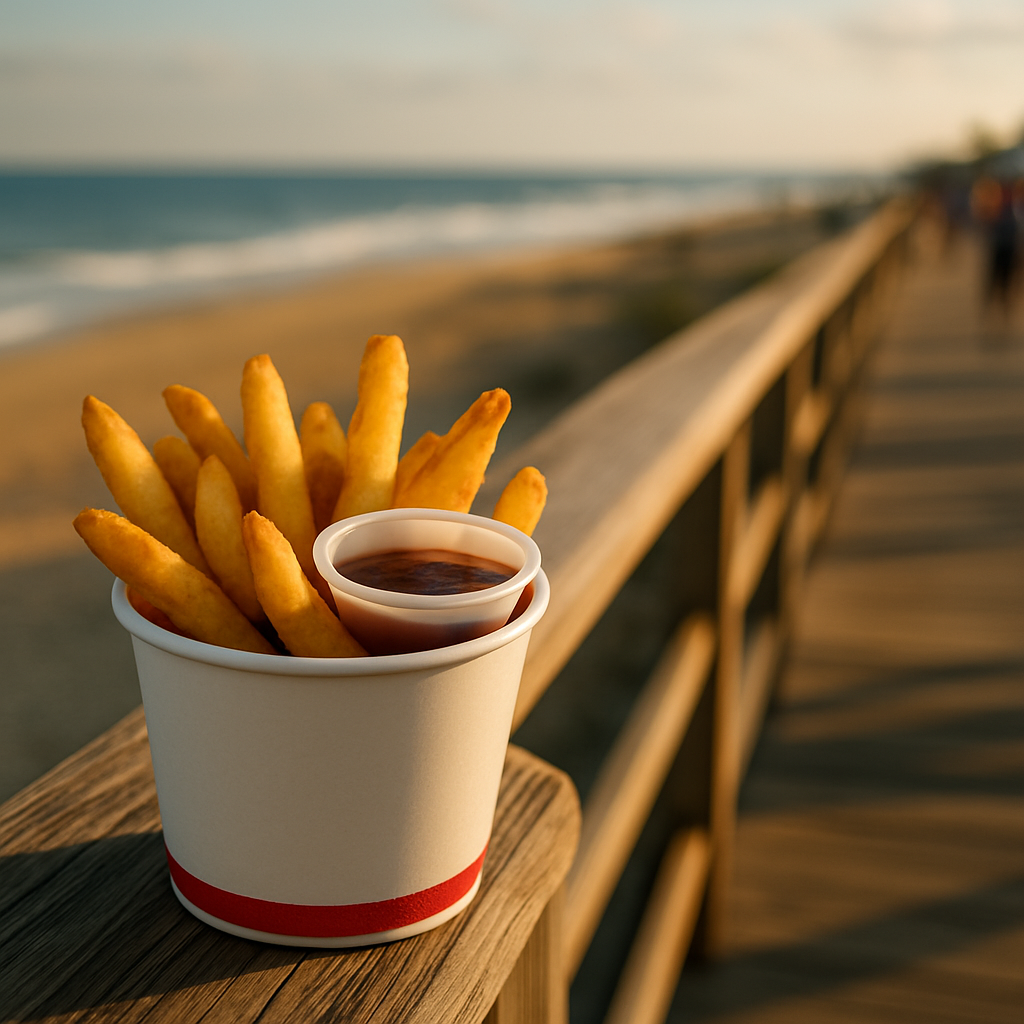
Thrasher's Fries on the Boardwalk
You will stand in line. Everyone stands in line. Thrasher's has been frying potatoes on the Rehoboth Boardwalk since 1929 and the rules are non-negotiable: vinegar only, no ketchup, served in a paper bucket so hot you'll burn your fingers reaching for the next one. The smell — beef tallow, malt vinegar, salt — is the boardwalk's defining olfactory signature, and the line is part of the experience, not an obstacle to it.
Pro tip: get a small. They're enormous, and you'll want room for a Grotto Pizza slice or a stop at Dolle's Salt Water Taffy on the walk back. The original Dolle's sign over the corner of Rehoboth Avenue is one of the most photographed objects on the East Coast.
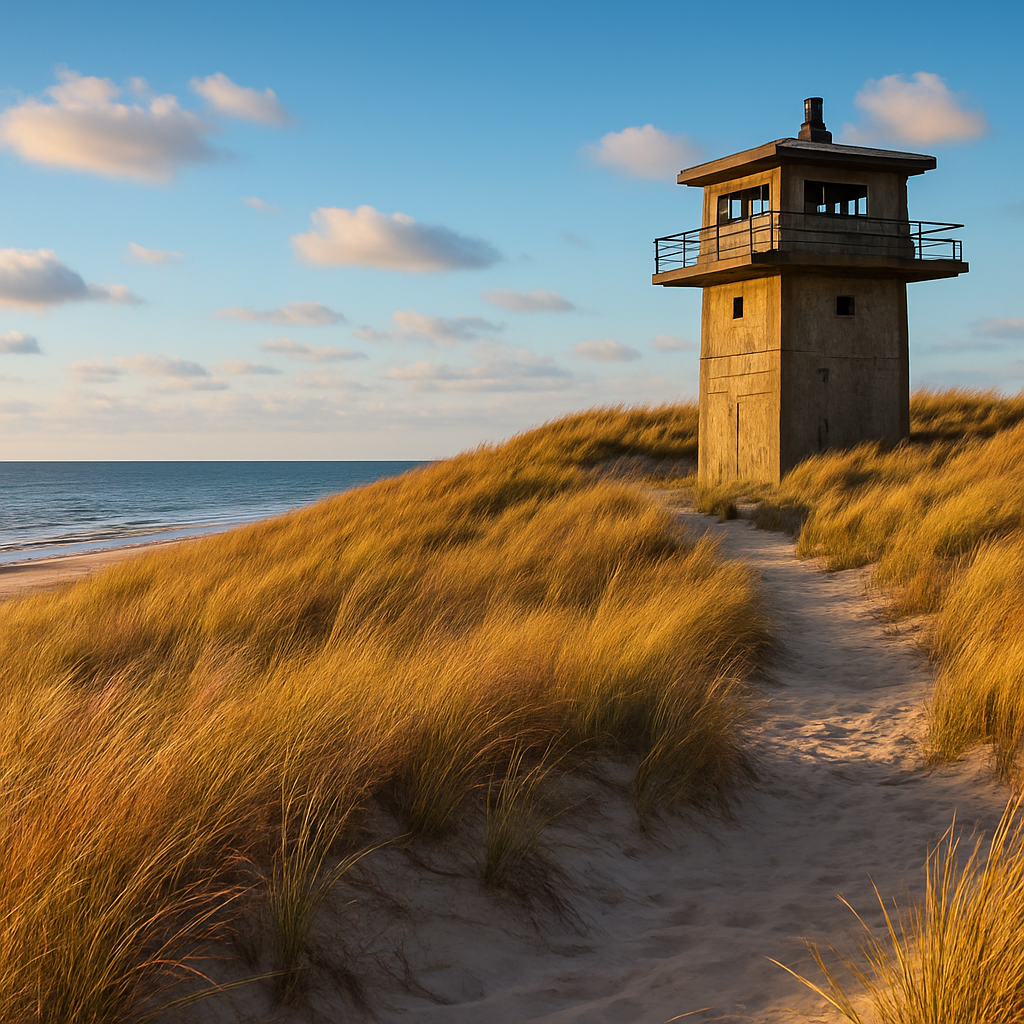
Climbing a Fort Miles Tower at Cape Henlopen
The concrete observation towers along the dune ridge at Cape Henlopen State Park are leftovers from Fort Miles, the WWII coastal defense installation that watched the Atlantic for German U-boats. After the war, the federal government handed the land to Delaware and it became a state park in 1964 — but the towers are still standing, and you can climb one.
The view from the top is the single best perspective you'll get on this coast: boardwalk, town, beach, the Delaware Bay opening to the north, the Atlantic stretching south. On a clear October morning it's quietly extraordinary. Combine it with a walk on the Gordons Pond Trail and you've got a half-day that feels like a different state.

An Hour at Browseabout Books
Browseabout Books on Rehoboth Avenue is the kind of independent bookstore that justifies a beach town having an independent bookstore. The fiction selection is well-curated, the regional shelf actually covers the regional, and the kids' section is large enough to outlast a rainy afternoon. The staff makes recommendations that aren't algorithmically obvious.
The LGBTQ+ section is the best in any general bookstore I've been in on the East Coast — curated with intent, not just a rainbow shelf for June. Even if you weren't planning to buy a book, you'll leave with one. Build it into a rainy-Tuesday plan; it's the obvious move when the boardwalk gets washed out.
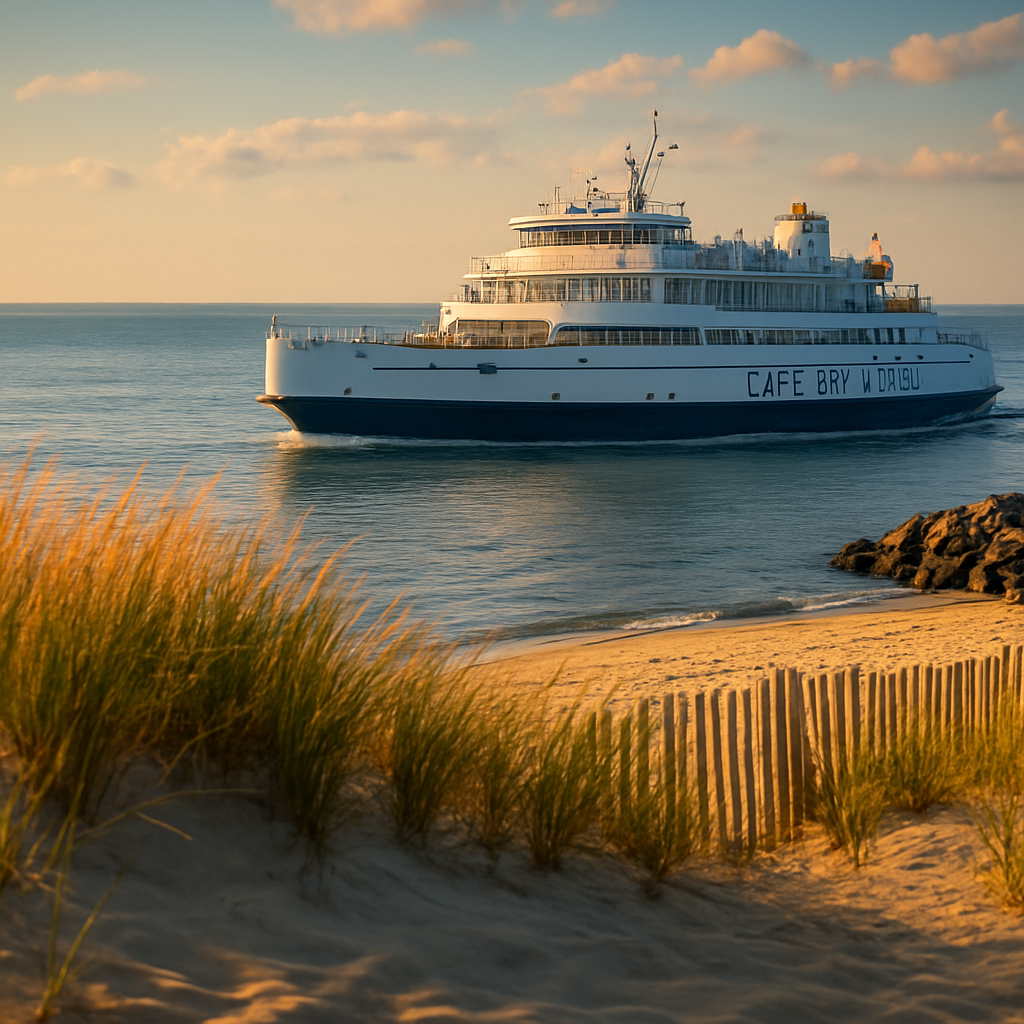
The Cape May–Lewes Ferry
The ferry from Lewes across Delaware Bay to Cape May, New Jersey, takes about 85 minutes and is the rare piece of public transportation that's actually a destination. You can drive on with a vehicle or walk on without one — the latter is the move if you just want a day in Cape May's Victorian historic district and a sunset return.
The crossing itself is the experience. Open-air upper deck, bay birds, container ships in the distance, the kind of slow travel that resets your nervous system before you've even arrived anywhere. Pro tip: avoid Friday and Sunday afternoon crossings in July if you want a seat by the railing. Tuesday morning is empty.
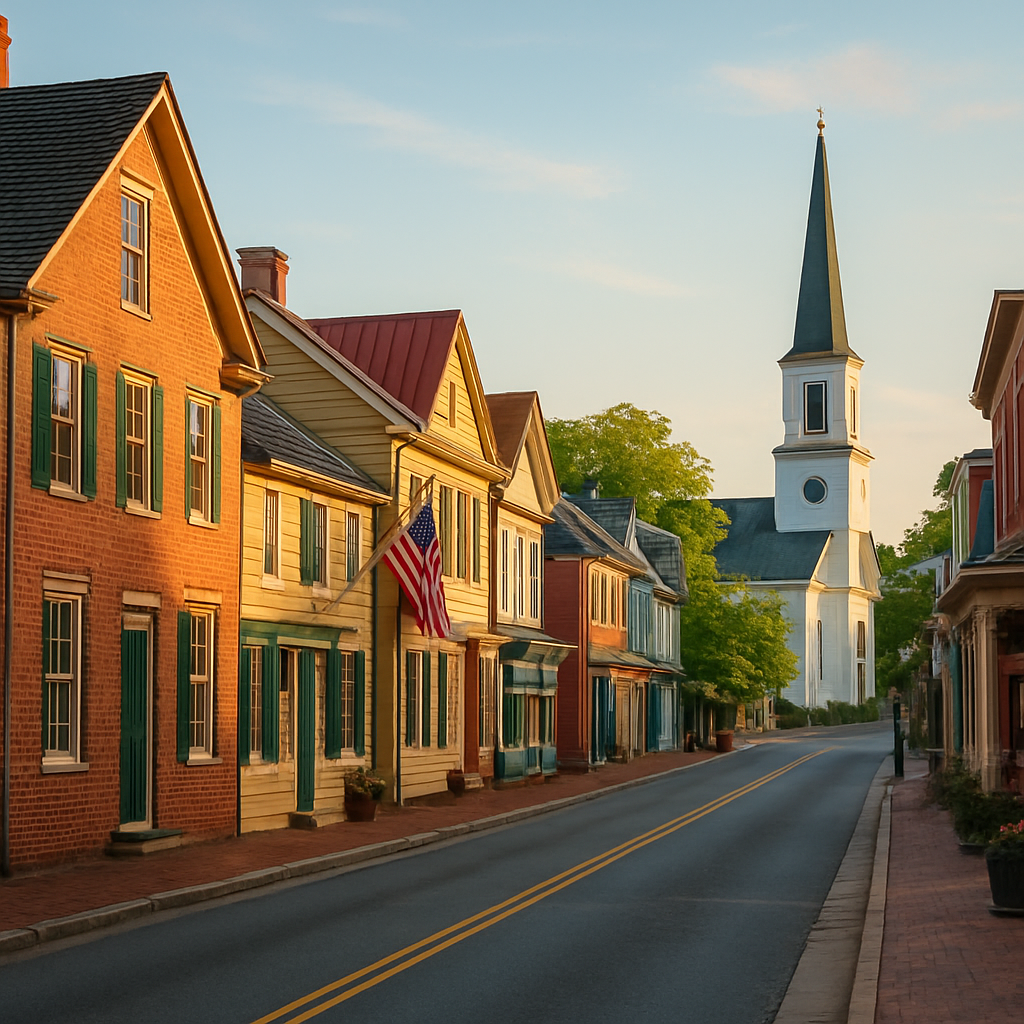
An Afternoon Walking Lewes
Six miles up the road from Rehoboth, Lewes (LOO-iss) is the colonial counterweight to the boardwalk's beach-town energy — founded by the Dutch in 1631, the oldest European settlement in Delaware. The downtown is a few walkable blocks of preserved colonial-era buildings, the stepped-gable facade of the Zwaanendael Museum, antique shops, and the kind of waterfront that doesn't have a single fryer on it.
Park once and walk. Lunch at a canal-side spot, browse the antique stores, and end at the small beach by the breakwater where the bay is glass-flat at sunset. It's the version of this coast that existed before the boardwalk got built, and it still pulls.
The places I actually send people to
Advice that fits how you travel
Rehoboth is one of the easier solo trips on the East Coast for a gay man, and I say that as someone who's done it more than once. The town is twelve blocks end to end, the gay infrastructure is concentrated on three blocks of Baltimore Avenue, and within 48 hours of arrival you'll have a nodding-acquaintance circuit at Aqua's deck, the Blue Moon's front porch, and Poodle Beach. The community here actually talks to people — there's a generational depth that makes solo travel feel less like solo travel and more like showing up at a family reunion where everyone assumes you belong.
App culture works fine but isn't the engine — Rehoboth runs on in-person. The deck at Aqua at 4pm on a Saturday is where you'll meet half the town without ever opening Grindr. Sunday tea dance at the Blue Moon is the institution, and even if you don't dance, sitting on the porch with a cocktail watching the parade go by is a full afternoon's social calendar. Pro tip: walk into the CAMP Rehoboth courtyard during one of their free summer events — film screenings, art openings, women's happy hours — and you'll have introductions before you've ordered a second drink.
For budget, solo travelers can do this town well at the moderate tier ($280–400/day) by booking a guesthouse like Rehoboth Guest House on Maryland Avenue rather than a full hotel — shared common areas mean built-in conversation, and the porch culture solves the eating-alone problem. Stay in town and skip the rental car if your only plan is beach, bars, and boardwalk; everything's walkable. Safety is a non-issue at any hour I've ever been out.
This is one of the most natural couples trips on the Mid-Atlantic, full stop. Same-sex couples can hold hands anywhere within the Rehoboth–Lewes corridor without thinking about it — the boardwalk, Baltimore Avenue, Poodle Beach, the Cape Henlopen trails, all of it. PDA isn't tolerated; it's the baseline. Hotel check-in for a king bed has been a non-event everywhere I've stayed, and the boutique inns on Lake Avenue and Maryland Avenue have been doing this longer than most marriages have lasted.
For a romantic stay, I'd point you toward Canalside Inn on the canal if you want quiet and couples-oriented, or The Bellmoor if you want pools, a full spa, and the kind of finish that makes the trip feel like a real vacation. The Avenue Inn splits the difference with an on-site spa and a one-block walk to the sand. Best date dinners: Eden on Baltimore for fine dining, Back Porch Cafe's garden patio for a fifty-year-old institution that still delivers, or Bramble & Brine six miles up in Lewes when you want a night that doesn't smell like Coppertone.
The signature couples move is the Cape May–Lewes Ferry — walk on without a car, 85 minutes across Delaware Bay, an afternoon in Cape May's Victorian historic district, sunset return from the upper deck. Pair it with an evening at the Blue Moon's back bar for cabaret, or just a long sunset walk on the Gordons Pond Trail connecting Cape Henlopen to North Shores. The whole town is built for the kind of slow weekend where you and your husband actually talk to each other again.
LGBTQ+ families are fully recognized under Delaware law as of 2026 — joint adoption, second-parent adoption, marriage, comprehensive nondiscrimination protections including in schools and public accommodations. On the ground, Rehoboth is one of the easiest small towns in the country to bring kids to as a same-sex couple. Two dads, two moms, single parent, blended family — nobody at the rental check-in, the Funland ticket booth, or the Grotto Pizza counter is going to give you a second look. The town's queer community has been raising kids here for two generations; you're not breaking new ground.
The boardwalk is the engine of the family day: Funland's bumper cars and kiddie rides on the north end (cash only, bring quarters), Dolle's Salt Water Taffy under the landmark sign, Thrasher's vinegar fries in a paper bucket, and a mile of flat wooden walkway that handles strollers easily. The north end of the beach skews family by gravity — the south end past Queen Street is where Poodle picks up — but there's no hard line, and plenty of LGBTQ+ families set up in between without thinking about it. Cape Henlopen State Park is the half-day reset: Fort Miles WWII observation towers (climbable, and kids love them), pine-forest trails, the Seaside Nature Center, and a fishing pier on Delaware Bay.
Practical logistics: most restaurants on The Avenue have kid menus, and the casual spots — Iguana Grill, Dos Locos, Grotto Pizza — handle families without a flicker. Browseabout Books has a kids' section large enough to outlast a rainy afternoon. For longer stays, a cottage rental beats a hotel room — the moderate family tier ($650–950/day) gets you a full kitchen and enough space that day three doesn't feel like day thirty. Beebe Healthcare in Lewes is ten minutes out if anything pediatric comes up.
What Rehoboth Beach actually costs
Flights, visas, and the first 30 minutes
Getting in: Rehoboth Beach doesn't have its own commercial airport — the closest serviceable hubs are Philadelphia (PHL) about two hours north, Baltimore (BWI) roughly two and a half hours west, and Salisbury (SBY) about 45 minutes south for the rare regional connection. Most travelers fly into PHL or BWI and drive south on DE-1, which is the spine of the southern Delaware coast. Sussex County Airport (GED) in Georgetown handles general aviation only.
Visa requirements (as of 2026): US citizens need no visa. Canadian citizens typically don't need a visa for stays up to six months. Travelers from the UK, EU, and Australia generally need an approved ESTA under the Visa Waiver Program before boarding — apply online at least 72 hours in advance, though most approvals come through within minutes. Entry requirements can change, so confirm with the State Department or your nearest US consulate before booking.
Airport to Rehoboth: A rental car from PHL or BWI ($60–100/day) is the move for most visitors — you'll want one to explore Lewes, Cape Henlopen, and the day-trip range anyway. Drive time is roughly 2 hours from PHL and 2.5 from BWI, with toll costs of about $5–15 depending on route. Private shuttles ($200–350) door-to-door are bookable in advance if you'd rather not drive. Rideshare from Salisbury (SBY) runs $80–120 and takes 45 minutes to an hour, with limited availability in summer. The seasonal DART Beach Bus ($2–6) connects Lewes and Dewey but service is limited and not designed as airport transfer.
Driving in: Most travelers arrive by personal vehicle via DE-1. Pro tip: avoid Friday afternoons in July and August — the Bay Bridge backup and the DE-1 crawl from the Maryland line can add two hours to your trip. Leave Wednesday or Thursday if your schedule allows. The Cape May–Lewes Ferry is the civilized alternative if you're coming from New Jersey or points north — an 85-minute crossing that bypasses the worst of the traffic.
Traven's seasonal breakdown
The questions everyone asks
Is Rehoboth Beach actually as gay-friendly as everyone says?
Do I need a car?
When's the best time to go?
What's the difference between Rehoboth and Dewey Beach?
Where's Poodle Beach and how do I find it?
How much should I budget per day?
Is it worth visiting in the off-season?
Screenshot this before you go
So should you actually go?
Go. Rehoboth Beach is one of the most genuinely welcoming small towns in the country for LGBTQ+ travelers, full equality on the legal side, and a community that built the civic infrastructure underneath the bar scene rather than just decorating it for the season. It's not a circuit destination, and that's the point — this is the trip you take when you want a martini on a Victorian porch, a long walk on a wooden boardwalk, a Sunday tea dance that's been running since the Reagan administration, and zero requirement to read the room. Come in May or September if you can swing it, book the Maryland Avenue guesthouse, and let the town do the rest.
Sources & Resources
Official links we reference when compiling this guide. Last verified 2026-05-04.