
San Jose doesn't audition for you. It hands you a coffee on The Alameda, points at the Saturday brunch line down Lincoln Avenue, and waits for you to figure it out.
Friday night on Post Street, a little before midnight. The bass from Splash is leaking through the door every time someone pushes it open, two guys in clean sneakers and Patagonia vests are arguing about whether to order another round at Mac's Club first, and across the street the rainbow crosswalk is doing its quiet work under the headlights. Somebody on the sidewalk asks if I'm here for Pride. I tell him Pride's in August. He laughs and says, "That's the point — nobody knows." Welcome to San Jose.
This is a city that doesn't audition for you. It's the third-largest in California, sitting on more capital per capita than most countries, and it has spent the last three decades being framed as the place you fly into for a conference and leave from on Sunday. That framing is wrong, and the gays here have known it for forty years. There's a real scene — small, loyal, generationally deep — built on a three-block stretch of Post Street that the city officially named the Qmunity District in 2023. There's a community center on The Alameda, the Billy DeFrank, that's been running since 1981. There's a Pride at Plaza de Cesar Chavez in late August that pulls 30,000 people and feels more like a block party than a corporate parade. None of it is loud. All of it is real.
What surprised me is how much of San Jose's gay life happens in daylight. The Castro grabs you by the collar. San Jose hands you a coffee at Voltaire on The Alameda, points at the Saturday brunch line snaking down Lincoln Avenue in Willow Glen, and waits for you to figure it out. The families with two moms walking their dogs, the polished crowd at Santana Row patios, the Friday night farmers' market in Japantown where queer couples and elderly Nisei aunties stand in the same line for taiyaki — that's the city. I gave it an 8.7 on Chill for a reason. People are at ease here because California's law as of 2026 is the strongest in the country and the everyday infrastructure quietly assumes you exist.
The catch — and there is one — is that San Jose makes you work for it. The gay area, Santana Row, and Japantown are not walkable to each other, the Pulse score lands at 6.8 because the visible queer-run footprint is smaller than the city's size suggests, and you will need a rental car or real comfort with the VTA. Stop comparing it to San Francisco. Give it a Friday on Post Street, a Saturday brunch in Willow Glen, and a Sunday in Japantown, and it earns its 8.1 on my Traven-Dex on its own terms — which, for a city that nobody warned you about, is the entire point.
The stuff your travel guide buries on page 47
California sits at the top of the U.S. legal map for LGBTQ+ rights, and as of 2026 San Jose inherits all of it. Marriage equality, joint adoption, comprehensive nondiscrimination protections in employment, housing, and public accommodations — all locked in. Gender markers can be updated through self-ID without surgery requirements, and California's shield laws explicitly protect gender-affirming care from out-of-state interference. The state is designated a sanctuary for trans healthcare, which matters more every year.
That's the law on paper, and in San Jose, the law on paper and the law on the ground are mostly the same thing. The city has an Office of LGBTQ+ Affairs, an officially designated Qmunity District downtown, and a community center — the Billy DeFrank LGBTQ+ Community Center — that's been the spine of South Bay queer life since 1981. Drop in there for a coffee and you'll know what's happening that week better than any Eventbrite search will tell you.
One practical thing nobody warns you about: August is Pride here, not June. Silicon Valley Pride runs late summer at Plaza de Cesar Chavez, distinct from San Francisco Pride 50 miles north. It's hot, the beer line is long, and if you want the full local flavor, plan around it. Visa-wise, U.S. domestic travelers walk in. Most international travelers from the UK, EU, Canada, and Australia typically need an ESTA under the Visa Waiver Program — sort that before you fly.
Pro tip: you will need a car or comfort with the VTA light rail. San Jose is bigger than people think — the gay area, Santana Row, and Japantown are not walkable to each other, and rideshare surge after midnight is real. Build the logistics into your day or you'll burn an afternoon waiting on a Lyft.
What it actually feels like on the ground
San Jose is a comfortable city for LGBTQ+ travelers, and my Chill score of 8.7 reflects that. But comfort here is neighborhood-specific, like everywhere, so let's get granular.
Holding hands and PDA: At Santana Row, in Willow Glen, in Japantown, and across the SoFA District — completely fine. Same-sex couples don't get a second look. East San Jose and the more conservative pockets out toward Almaden Valley are more residential and family-rooted, and I tend to read the room first. It's not hostile, just not the cosmopolitan bubble you get downtown.
Hotel check-in: Non-issue across the board. The major Marriott and Hilton properties downtown all score 100 on the HRC Corporate Equality Index, and the boutique spots — Hotel De Anza, Hotel Valencia — are practiced at this. Two beds versus one, no awkward pause.
Late night downtown: Post Street and SoFA on a weekend are well-lit and there's usually a cop posted near the clubs at closing. Where I'd watch myself is Plaza de Cesar Chavez solo at 2 a.m. waiting for a Lyft — just walk to a lit corner near San Pedro Square Market and call from there. Standard urban awareness, nothing San Jose-specific.
Trans travelers: California has among the strongest trans protections in the country as of 2026 — self-ID, healthcare access, shield laws. San Jose is explicitly trans-affirming, and the DeFrank Center runs active programming. For healthcare specifically, Stanford's Gender Health Center is a regional anchor.
If something happens: Santa Clara County has solid nondiscrimination protections, the Sheriff's Department has an LGBTQ+ liaison, and the DeFrank Center can connect you to Bay Area Legal Aid faster than you'd get through 311. For mental health, Q Corner at Santa Clara County Behavioral Health is the local resource. Watch out for: rideshare apps will show your name to drivers — if that's a concern, use a nickname in the app.
The queer geography
Downtown / SoFA District / Qmunity District
This is the engine room. The SoFA District — South of First Area — is San Jose's downtown arts strip, anchored by MACLA, the ICA San Jose, and a monthly First Fridays art walk that turns South First Street into a slow-moving block party. The architecture is mixed — Spanish Revival landmarks like the California Theatre next to mid-century low-rises and new glass — and the energy on a Friday night is genuinely good: gallery openings, the smell of food trucks parked outside Original Joe's, the dull bass coming from down the street. The gay bars cluster on Post Street between Market and Almaden — Splash, Mac's Club, and the newer BRIX all within a three-block stumble — what the city officially designated the Qmunity District in 2023. The rainbow crosswalks were a little eye-rolly at first; they've grown on everyone. Plan a day around the Visit San Jose downtown loop.
Japantown
One of only three remaining historic Japantowns in the United States, a few blocks north of downtown along Jackson and Fifth. It's six square blocks of izakayas, family-run shops that have been here three generations, and a Friday night farmers' market that draws everyone — queer couples, multigenerational families, elderly Nisei aunties all in the same line for taiyaki. Eat at Gombei or Minato. The neighborhood's walkable in a way most of San Jose isn't, and the late-afternoon light bouncing off the murals on the side of the Buddhist Church Betsuin is one of the things I miss when I'm not here.
The Alameda / Shasta–Hanchett Park
The historic corridor running from downtown out toward Santa Clara — older bungalows, palm-lined sidewalks, a strip of cafes and small businesses that quietly punches above its weight. The Billy DeFrank LGBTQ+ Community Center sits on this corridor, and Voltaire is the coffee shop where I'd send anyone who wants to feel the daytime rhythm of the city. Saturday morning here is laptops, leashed dogs, and the sound of the espresso machine that never stops.
Willow Glen
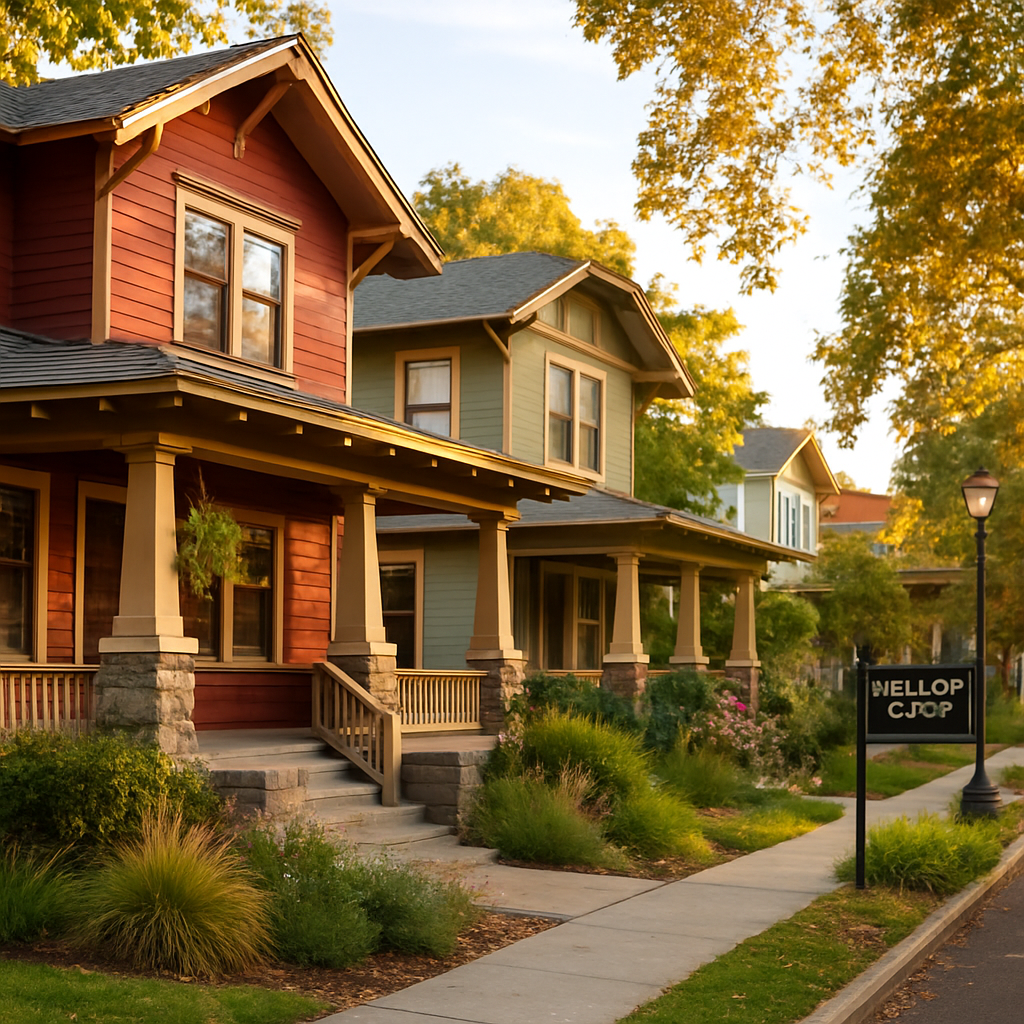
South of downtown, leafy and walkable in that mid-century Northern California way — Craftsman houses, a Lincoln Avenue main street that actually functions as a main street, and brunch lines that snake out the door at The Table. This is where a lot of LGBTQ+ families end up — house, school, the dog, the whole thing — and on a Saturday morning the coffee shops are the proof. Easy, unbothered, the kind of neighborhood that doesn't need a label to feel like home.
Santana Row
West of the city, an open-air dining and shopping district that functions as the de facto weekend hangout for a polished gay crowd. It's planned and it knows it — Mediterranean facades, fountains, valet — but the food is good, the patios are full, and Hotel Valencia is a comfortable base if you want to be away from downtown's hustle. Pair it with a stop at Silicon Valley Pride events in late August if your timing lines up.
The experiences worth rearranging your itinerary for
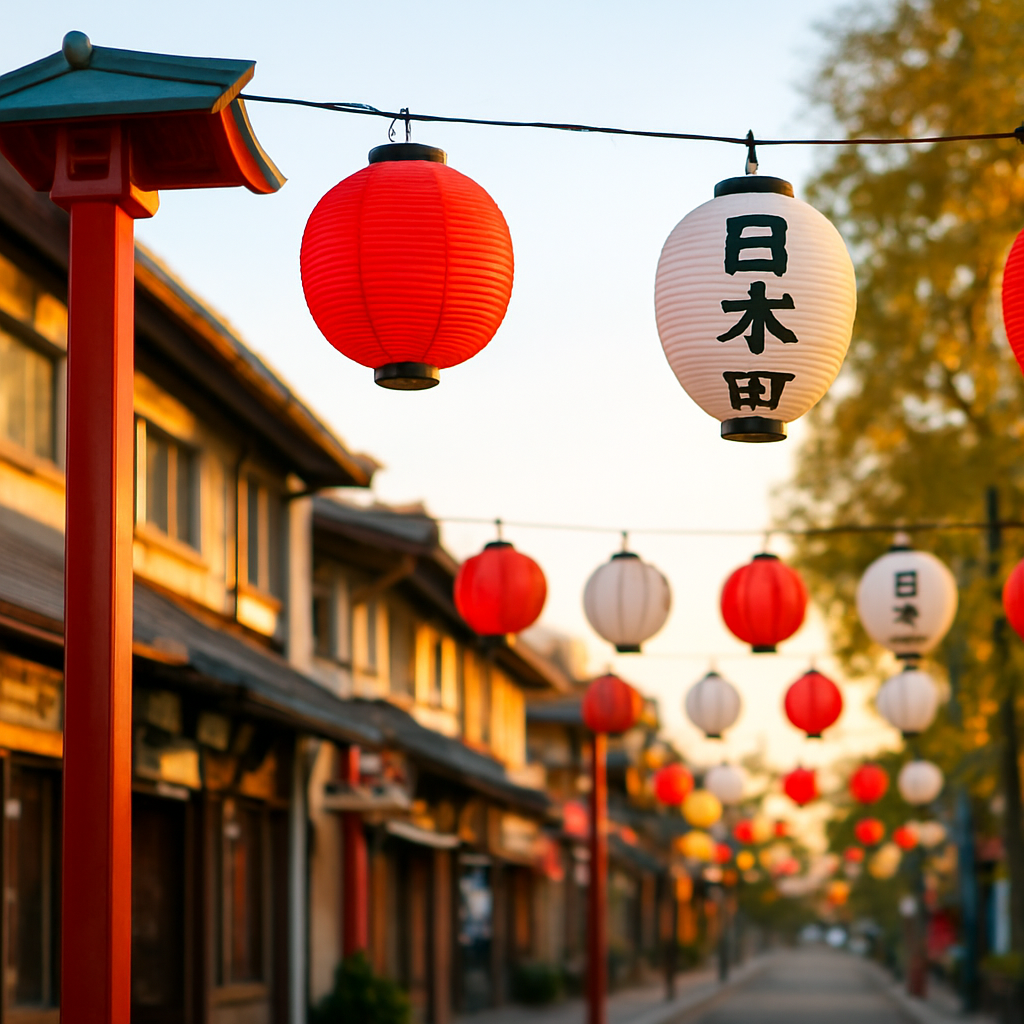
A Friday Night in Japantown
Six square blocks north of downtown, one of only three remaining historic Japantowns in the United States, and on Friday evenings the farmers' market on Jackson Street pulls in everyone — couples, families, elderly Nisei aunties — all in the same line for taiyaki. Eat at Gombei or Minato. Walk the murals on the side of the Buddhist Church Betsuin in late-afternoon light. It's the most San Jose thing you can do in two hours.
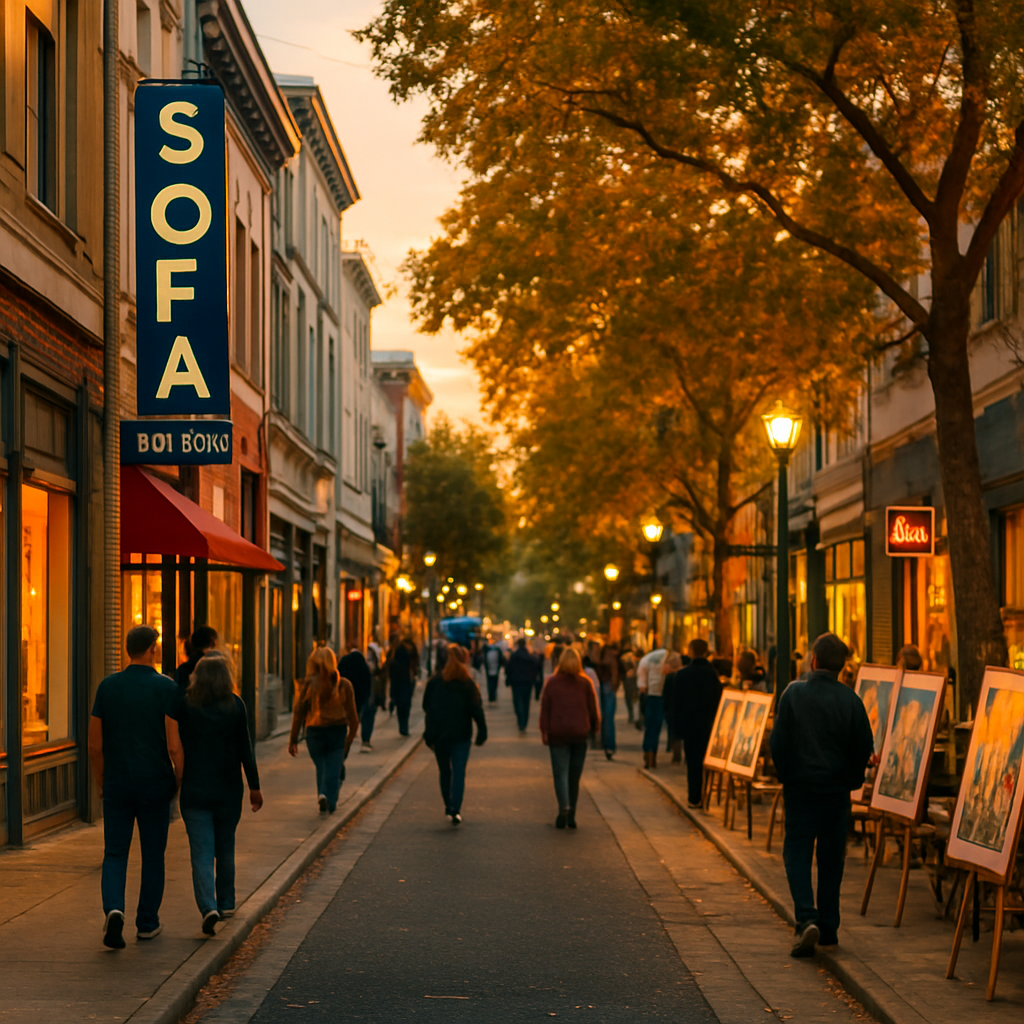
First Fridays in the SoFA District
On the first Friday of every month, South First Street turns into a slow-moving block party — galleries open late, food trucks line the curb, and the whole arts district unspools at walking pace. MACLA programs some of the most interesting Latinx art in the South Bay, and the openings are where the wine is free and the crowd is exactly who you want to be in a room with. The dull bass coming from down the street is the gay bars warming up.
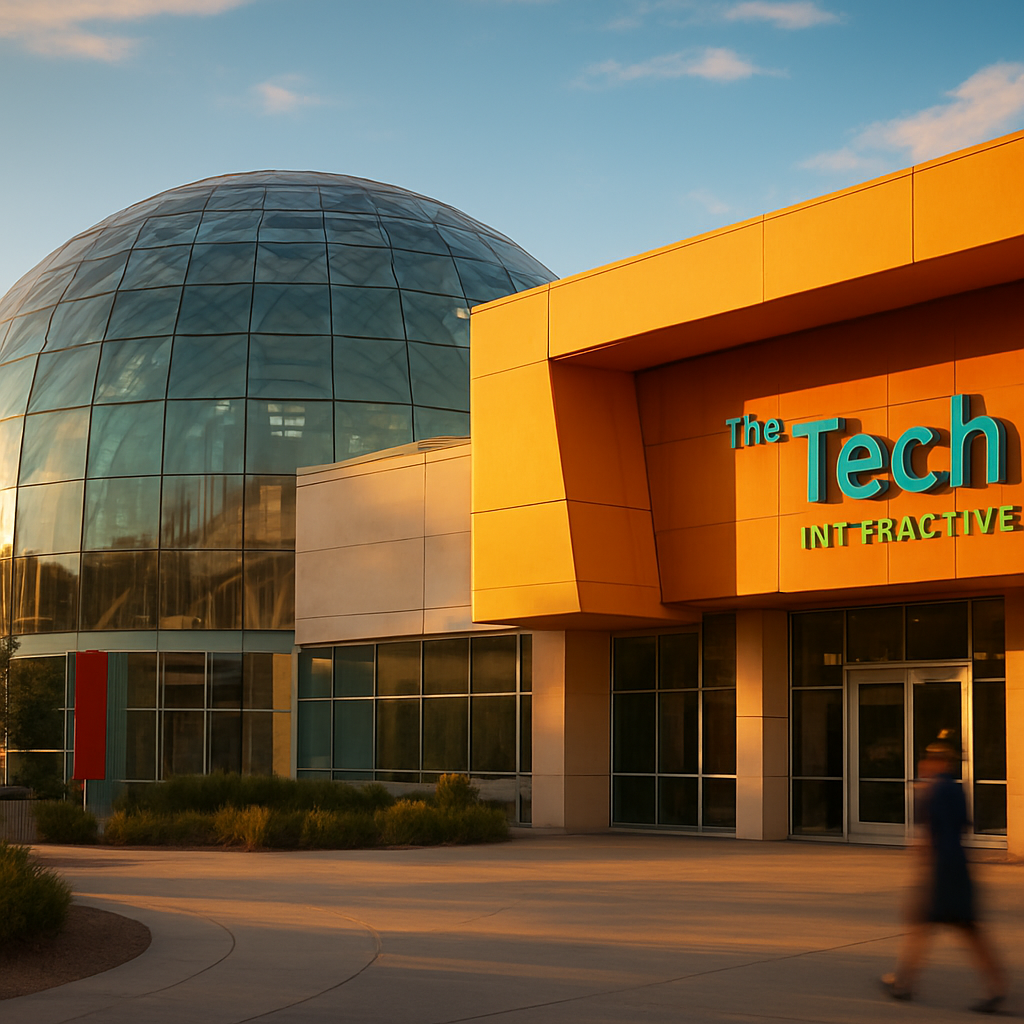
The Tech Interactive on Plaza de Cesar Chavez
You'll see the building before anyone tells you what it is — Mexican architect Ricardo Legorreta designed it in mango and azure, opened 1998, sitting on the edge of Plaza de Cesar Chavez. Inside is a serious science and technology museum with an IMAX dome and exhibits that hold up for adults as much as kids. Pair it with a walk through the plaza and lunch at San Pedro Square Market two blocks away.
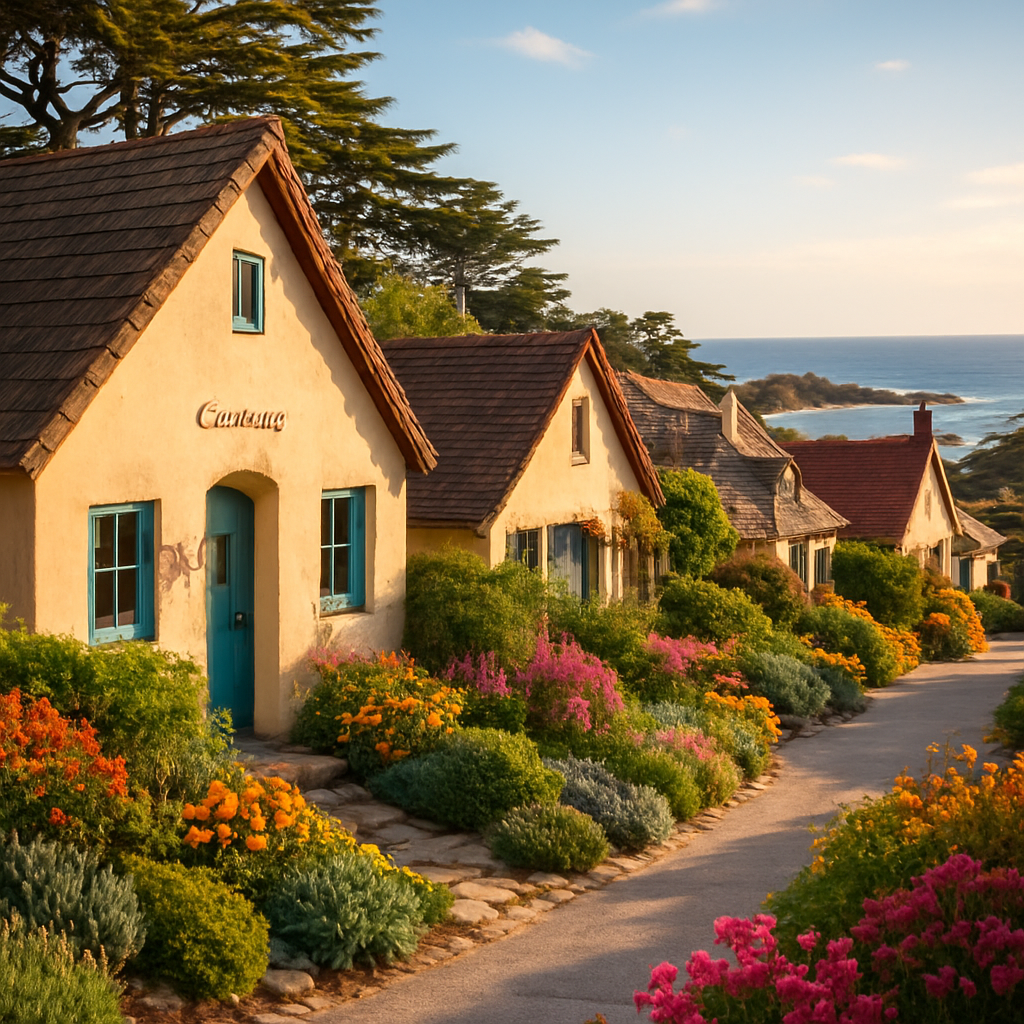
Carmel-by-the-Sea and 17-Mile Drive
Drive 75 miles south and you're in a one-square-mile village with no street addresses inside the core, storybook cottages, art galleries, and an Ocean Avenue that ends at the Pacific. Spend the afternoon on 17-Mile Drive through Pebble Beach — cypress trees, ocean cliffs, and the kind of coastal road that justifies the rental car. Eat dinner in the village before you point the car back north.
A Saturday Morning in Willow Glen
Lincoln Avenue south of downtown is the rare San Jose street that functions as a real main street — Craftsman houses, leashed dogs, brunch lines snaking out the door at The Table. Order the seasonal menu, walk it off through the side streets, and notice how many of the families on the sidewalk have two moms or two dads. It's the gentle, unbothered version of the city that the highways hide from you.
The places I actually send people to
Advice that fits how you travel
San Jose is an easy city to land in solo, and a slow one to crack. Nobody's going to grab you by the collar at the door of Splash the way the Castro does — but show up on a Saturday around 11pm, post up at the bar, and within an hour you'll be in three conversations with people who've been coming for years. The scene is small enough that regulars notice a new face and warm enough to actually say hi. Mac's Club is the easier room if you want a quieter pour and someone next to you with stories — it's been a community fixture for decades and the bartenders run the place like a living room.
The apps work — Grindr is dense in downtown and Santana Row, thinner once you get out toward Willow Glen — but my honest advice is to spend the daylight hours at Voltaire on The Alameda or any cafe in Willow Glen with a laptop and a dog at your feet. Daytime queer life here happens at coffee shops, not bars, and that's where you'll meet the people who actually live here. Drop in at the Billy DeFrank Center for the bulletin board — it tells you what's happening that week better than any Eventbrite search will.
Logistics-wise: stay downtown so you can walk home from the Post Street strip, plan on rideshare or VTA light rail to get to Santana Row and Japantown, and budget around $130–180/day on the low end or $280–400 if you want to do it well. Solo female and trans travelers — California's protections are strong as of 2026, downtown is well-lit at night, and the standard urban awareness rules apply. Pro tip: bring your ID even if you're well past 45. The Post Street bars card hard.
San Jose is genuinely good for same-sex couples, and my Chill score of 8.7 is what that looks like in practice. Holding hands at Santana Row, walking Lincoln Avenue in Willow Glen on a Saturday morning, brunch at The Table with the line snaking down the block — completely uneventful. Nobody looks twice. Hotel check-in at the downtown Marriott and Hilton properties is a non-issue (both chains score 100 on the HRC Corporate Equality Index), and the boutiques — Hotel De Anza, Hotel Valencia — are practiced at this. Two beds versus one, no awkward pause.
For a romantic weekend, I'd split the city. Book Hotel Valencia Santana Row if you want polished and patio-heavy, or Hotel De Anza downtown if you want Art Deco bones and the ability to walk to dinner. Reserve Single Barrel in the SoFA District for a date night — it's a no-menu speakeasy where the bartender builds drinks based on what you tell them, and it's the closest thing to disappearing into a room in this city. Then dinner at Adega in Little Portugal, the first Michelin star San Jose ever earned, run by the Ferreira family in their own dining room. That's a night.
The day-trip move is what makes a long weekend here genuinely memorable. Drive 75 miles south to Carmel-by-the-Sea and the 17-Mile Drive through Pebble Beach for one of the most photogenic coastal stretches in California, or take Caltrain an hour north to The Castro for the pilgrimage every couple should do at least once. If your timing lines up with late August, plan around Silicon Valley Pride at Plaza de Cesar Chavez — it's hot, the beer line is long, and it feels more like a block party than a corporate parade. That's a feature, not a bug.
This is where San Jose quietly outperforms cities with louder reputations. California recognizes LGBTQ+ families fully as of 2026 — joint adoption, second-parent adoption, marriage equality, and comprehensive nondiscrimination protections in schools and public accommodations. Willow Glen is where a lot of LGBTQ+ families end up: Craftsman houses, a Lincoln Avenue main street that actually functions as a main street, and brunch lines at The Table on a Saturday morning where you'll notice how many of the kids on the sidewalk have two moms or two dads. Nobody flinches. That's the city.
For things to do with kids, The Tech Interactive on Plaza de Cesar Chavez is the anchor — Mexican architect Ricardo Legorreta's mango-and-azure building from 1998, an IMAX dome, and exhibits that hold up for adults as much as kids. Pair it with the Friday night farmers' market in Japantown, where queer couples, families, and elderly Nisei aunties stand in the same line for taiyaki. Day-trip to Santa Cruz for the 1907 Beach Boardwalk — the oldest surviving amusement park in California — or down to Carmel for the coast. Restaurants are family-friendly across the board; LUNA Mexican Kitchen on The Alameda is women-owned, organic, a regular Pride sponsor, and the kid menu is real.
Practical logistics: a rental car is honestly the move with kids in tow — Silicon Valley sprawls and rideshare with car seats is a hassle. Budget around $320–450/day on the low end and $650–900/day for a moderate trip. The downtown Hilton and Marriott properties are practiced at family check-in, and Hayes Mansion in Edenvale is the South Bay's go-to LGBTQ+ wedding venue if that's why you're in town. Pro tip: the Billy DeFrank Center runs active family programming and the bulletin board is where you'll find what's happening for kids that week — drop in for a coffee.
What San Jose actually costs
Flights, visas, and the first 30 minutes
Airport: Mineta San José International Airport (SJC) sits about 4 miles from downtown — one of the shortest airport-to-city runs in any major U.S. city. Approximately 40 direct routes serve SJC, with strong domestic coverage to LAX, JFK, ORD, SEA, DEN, and DFW, plus a handful of international routes to Tokyo, London, Guadalajara, and Vancouver. For broader international connections, San Francisco (SFO) is roughly 35 miles north and often cheaper for transatlantic and transpacific routes.
Visa requirements (as of 2026): U.S. domestic travelers walk in. Travelers from the UK, EU, Canada, and Australia typically need an ESTA under the Visa Waiver Program — apply online at least 72 hours before departure, generally valid for stays up to 90 days. Canadian citizens generally don't need a visa for stays up to 6 months. Rules shift, so confirm with the U.S. State Department before you fly.
SJC to downtown: A rideshare (Uber/Lyft) runs $15–25 and takes 10–15 minutes — this is what I do, every time. Taxis run $25–35 with flat rates to some destinations. The VTA Airport Flyer (Bus 60) is $2.50 and connects SJC to the Metro/Airport Light Rail station in 15–20 minutes — fine if you're traveling light and patient. A rental car runs $40–80/day and is honestly worth considering: Silicon Valley sprawls, and Santana Row, Willow Glen, and Japantown are not walkable to each other.
Pro tip: Don't let anyone talk you into the airport bus over a Lyft — Mineta to downtown is a 10-minute, ~$20 ride, and the bus will spend an hour learning every stop in North San Jose. If you're connecting to San Francisco for a day trip, Caltrain from Diridon Station gets you to the Castro in about an hour without the parking headache.
Traven's seasonal breakdown
The questions everyone asks
Is San Jose actually a gay destination, or should I just go to San Francisco?
When is Pride in San Jose?
Do I need a car?
Is it safe to hold hands?
How much should I budget per day?
What's the deal with the Qmunity District?
Are trans travelers protected here?
Screenshot this before you go
So should you actually go?
Go. San Jose is not the postcard, it's the place where the gays own houses, raise kids, and still know every bartender at Splash by name — and that's a different kind of weekend than the Castro will give you. As of 2026 you've got California's full legal protection, a real downtown scene anchored on Post Street, a community center that's been running since 1981, and a late-August Pride that earns the heat. Plan around Silicon Valley Pride if you can, get a rental car, stay downtown so you can walk home, and take the Caltrain to the Castro for a day if the pilgrimage calls — but don't make San Francisco the reason you came. LGBTQ+ travelers will find a city that doesn't perform for them and doesn't have to. That's the whole pitch, and it works.
Sources & Resources
Official links we reference when compiling this guide. Last verified 2026-05-04.
- Bay Area Legal Aid — Santa Clara County
- Billy DeFrank LGBTQ+ Community Center
- Caminar — LGBTQ+ Mental Health Services
- Gender Health Center — Stanford / Bay Area resource list
- Office of LGBTQ+ Affairs — City of San José
- Q Corner — Santa Clara County Behavioral Health
- San José Public Library — LGBTQIA+ Resources
- Santa Clara County Public Health — LGBTQ+ Health
- Silicon Valley Pride
- Visit San Jose — LGBTQ+ Travel